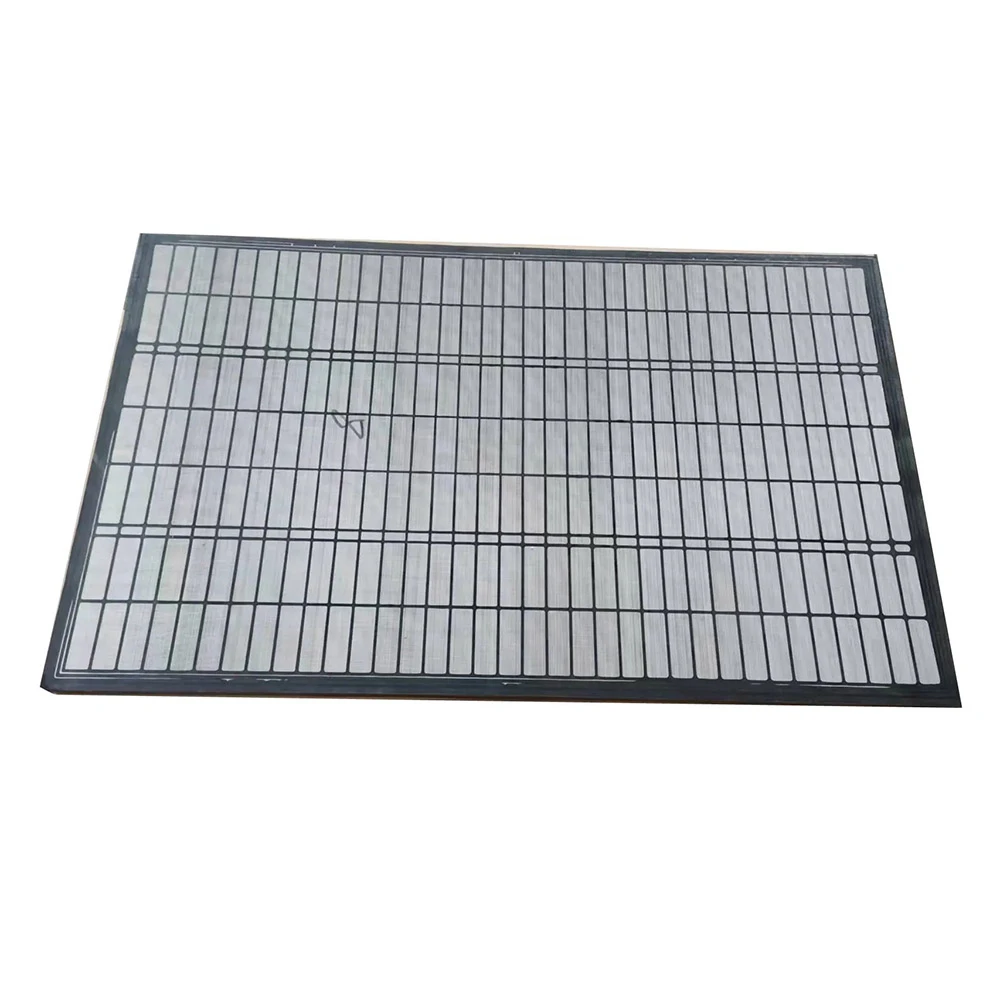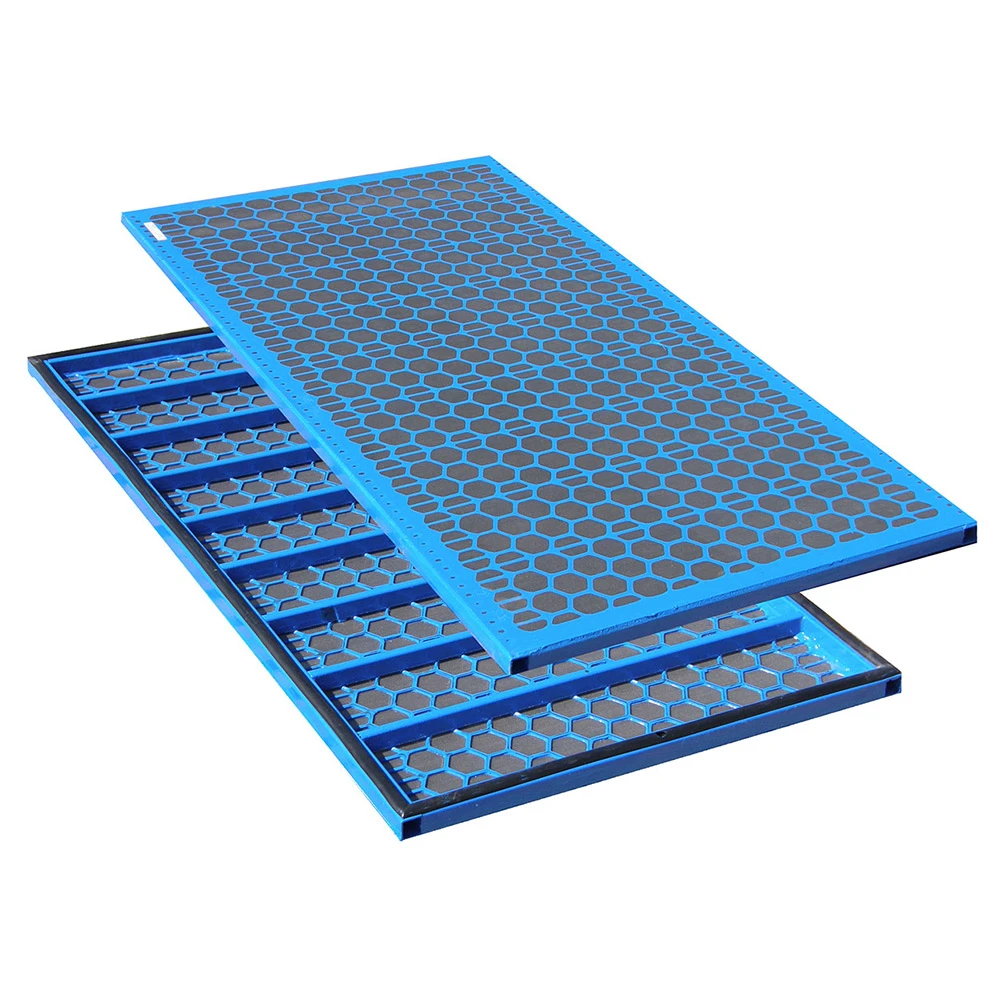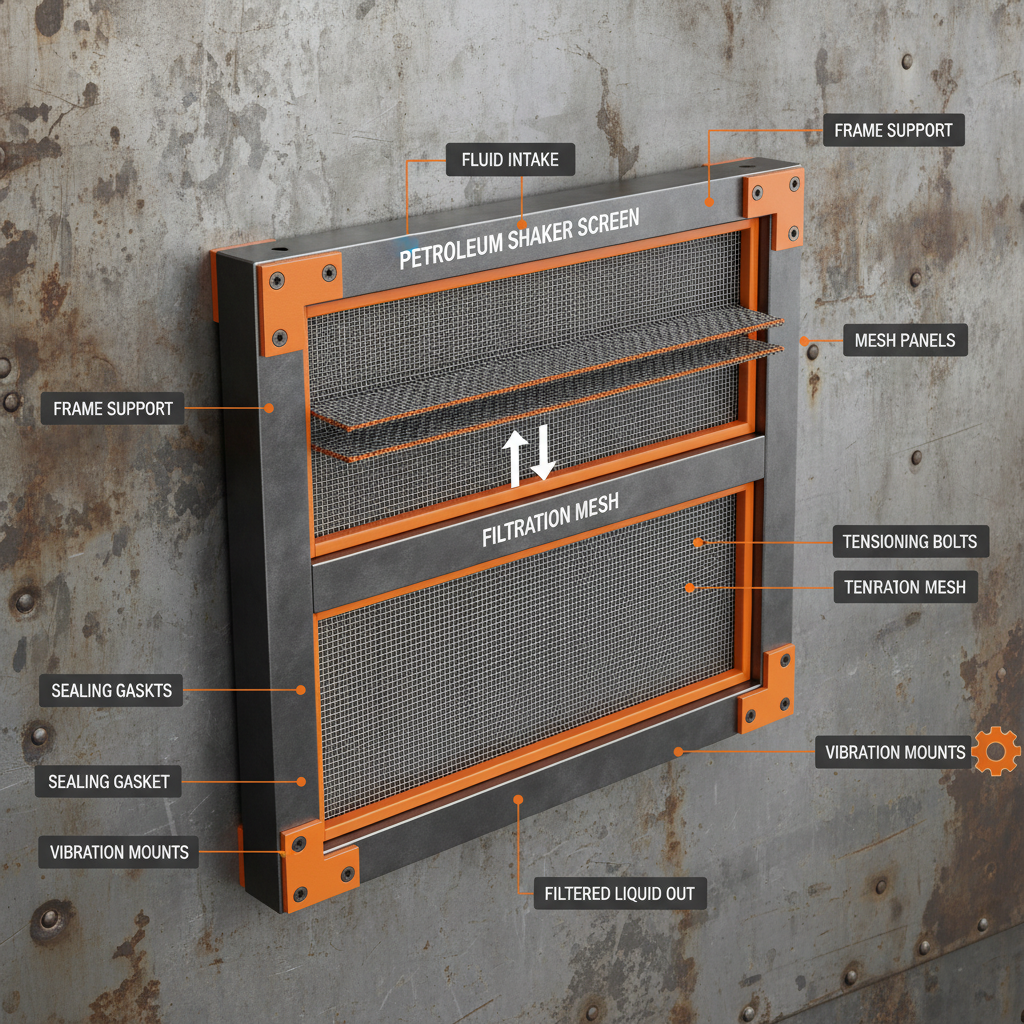
In scenarios such as construction waste treatment and mining tailings separation, Shaker Screen for Dirt has become the core component for solid-liquid separation of waste due to its precise screening ability and durable structure. It breaks through the performance limitations of ordinary sieves in complex slag environments. Through material selection and structural design, it can efficiently separate solid particles and liquid components in slag, while retaining the physical and chemical properties of useful components, preventing abrasive particle circulation from damaging downstream equipment. Its performance directly affects the efficiency of slag treatment and the service life of subsequent equipment.
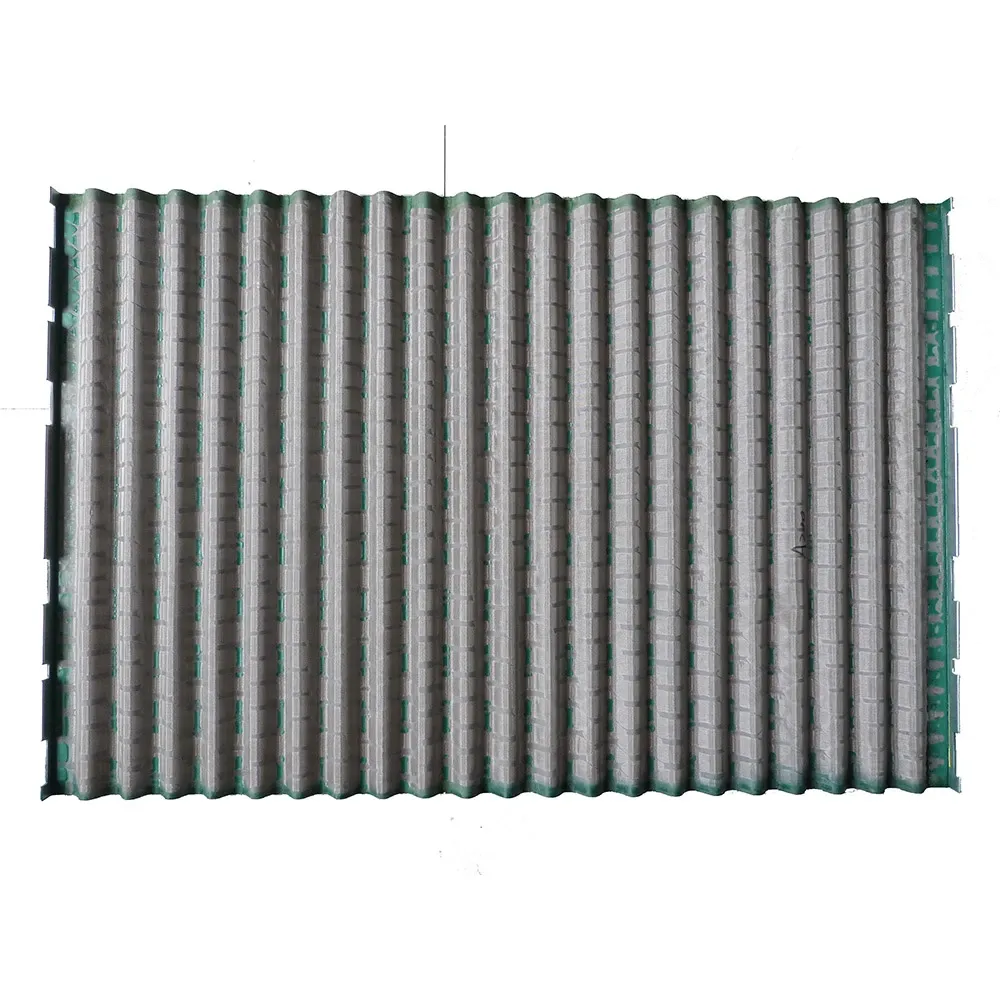
The core advantage of Shaker Screen for Dirt lies in the synergistic effect of layered structure and materials
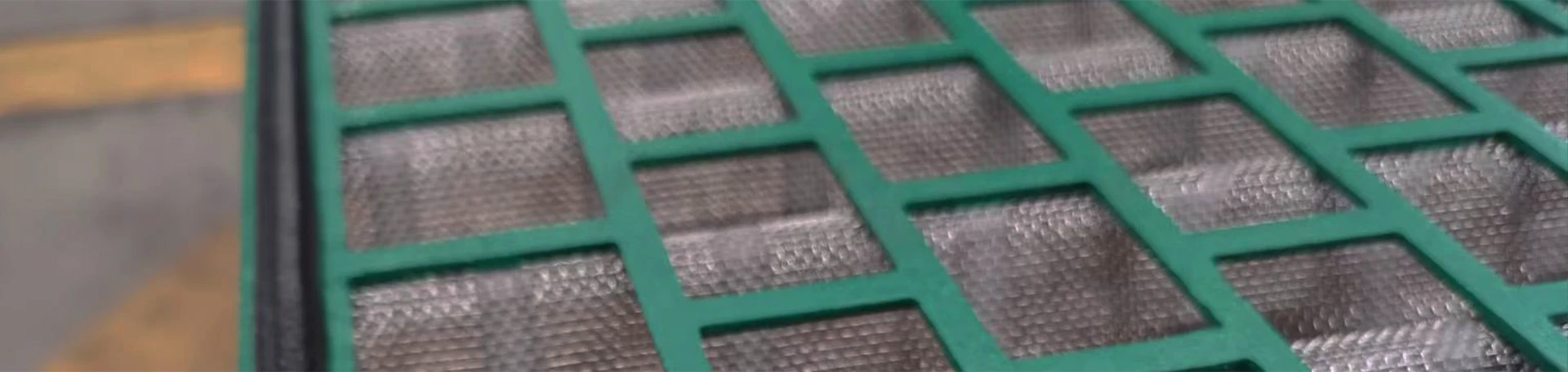
The base layer of rotap screens is made of high carbon steel warp and weft woven mesh. After quenching treatment, the overall rigidity is improved, which can withstand the stress caused by slag impact and high-frequency vibration. It serves as a supporting skeleton to ensure that the screen mesh does not deform; The middle layer is made of polyester composite mesh, which forms gradient pores through precision spinning. The pore size can be adjusted according to the size of the slag particles, achieving precise interception of 20-200 micron particles while allowing liquid components to pass smoothly; The surface is covered with a wear-resistant rubber coating, which is tightly integrated with the middle layer using a molding process. The diamond shaped protrusions on the surface reduce the accumulation of slag, accelerate material flow, and reduce the probability of blockage. The three-layer structure is bonded by high-temperature hot melt technology, and the edges are wrapped with high-strength aluminum alloy to ensure the stability of interlayer bonding and enhance tear resistance.
The key criteria for measuring the quality of Shaker Screen for Dirt involve structural strength and screening efficiency
The tensile strength of the grassroots steel mesh needs to meet the long-term high-frequency vibration requirements to ensure that there is no wire breakage under the continuous impact of the slag soil; The uniformity of the pores in the middle layer of the shale screen should be consistent to avoid particle leakage caused by local sieving and ensure the purity of the separated liquid components; The wear resistance of the surface rubber needs to adapt to the friction of sharp slag and extend its service life; In addition, adaptability to vibration equipment is crucial. The accuracy of the installation interface and the flatness of the screen ensure even transmission of vibration energy, avoiding the aggravation of local wear.
In practical applications, Shaker Screen for Dirt has wide adaptability to various scenarios
Screen Shaker can effectively separate concrete fragments and mud during the treatment of demolition and relocation debris, retain the effective components in the mud for recycling, and prevent crushed stone particles from entering subsequent pumping equipment and causing wear and tear; In the treatment of mine tailings, the metal particles in the tailings can be separated from the wastewater, which not only recovers useful minerals but also avoids damage to the filtration equipment caused by the circulation of sharp slag; In the municipal sludge treatment scenario, sludge dewatering is achieved through gradient screening, and the separated clean water can be reused after treatment, while the solid residue is convenient for transportation and landfill; Even in the treatment of agricultural waste soil, impurity particles in organic fertilizers can be separated to protect subsequent processing equipment.
With the development of slag treatment technology, the innovation of Shaker Screen for Dirt continues to deepen
In terms of environmental protection, some products use recycled steel and biodegradable polyester materials to reduce resource consumption in the production process; In terms of functional optimization, by adjusting the pore gradient of the intermediate layer, the classification and separation of coarse and fine particles can be achieved to improve screening efficiency; The surface rubber introduces anti-static properties to prevent slag particles from being adsorbed on the surface of the sieve due to frictional charges; In addition, modular design makes screen replacement more convenient, reduces maintenance costs, and adapts to the needs of different processing scales.
In summary, the shaker screen, with its layered structure and material synergy as its core, has become a key component in the slag treatment system through the combination of efficient screening and structural durability. It not only achieves the basic function of solid-liquid separation, but also provides protection for downstream equipment and enhances the stability of the overall processing system by retaining effective ingredients and intercepting abrasive particles. In the future, with the advancement of material technology and separation processes, Shaker Screen for Dirt will develop towards greater efficiency, environmental friendliness, and adaptability to complex working conditions, continuously promoting the technological upgrading of the slag treatment industry.
Shaker Screen for Dirt FAQs
What is the core role of Shaker Screen for Dirt in soil treatment?
Shaker Screen for Dirt is mainly used in soil treatment to separate solid particles from liquid components. Its core function is to stratify and screen particles of different sizes through high-frequency vibration. In drilling fluid treatment, it can effectively intercept larger rock debris and abrasive particles, ensuring that subsequent equipment is not worn out. At the same time, the Shaker Screen for Dirt screen design can preserve the chemical stability of drilling fluid, avoiding the destruction of key physical properties such as viscosity or density due to excessive filtration.
How does Shaker Screen for Dirt balance screening efficiency and drilling fluid protection?
Shaker Screen for Dirt adopts a multi-layer screen structure and adjustable vibration parameters, which can efficiently separate impurities and reduce excessive disturbance to drilling fluid. The sieve aperture is configured according to particle size classification to ensure that only small particles that meet the requirements enter the downstream process. During the screening process, the flow rate and vibration intensity of the drilling fluid are optimized to avoid shear forces damaging its chemical composition, thereby maintaining its lubrication, cooling, and other properties.
Why does Shaker Screen for Dirt have protective significance for downstream devices?
Shaker Screen for Dirt, as the first barrier of the solid control system, can intercept hard particles (such as gravel or metal debris) with a diameter exceeding the set threshold. If these particles enter downstream equipment such as centrifuges or cyclones, they may cause mechanical wear or blockage. By removing abrasive materials in advance, Shaker Screen for Dirt significantly extends the service life of other devices while reducing maintenance frequency and costs.
How does the material of Shaker Screen for Dirt affect its performance?
Screens are usually made of high-strength stainless steel or polyurethane materials, which balance wear resistance and corrosion resistance. Stainless steel mesh is suitable for handling high hardness particles, while polyurethane mesh reduces the risk of clogging due to its elasticity. The choice of material directly affects the screening accuracy and lifespan, for example, finely woven polyurethane mesh can retain more useful drilling fluid components while blocking harmful particles.
How to optimize Shaker Screen for Dirt to adapt to different soil conditions?
It is possible to adapt to soils with different viscosities or particle distributions by adjusting the vibration frequency, amplitude, and sieve inclination angle. For cohesive soils, increasing the amplitude helps prevent clogging of sieve holes; For dry and loose soil, reducing frequency can reduce dust. Some models also support quick replacement of screens, allowing for flexible switching of screening specifications based on drilling depth or rock formation changes.