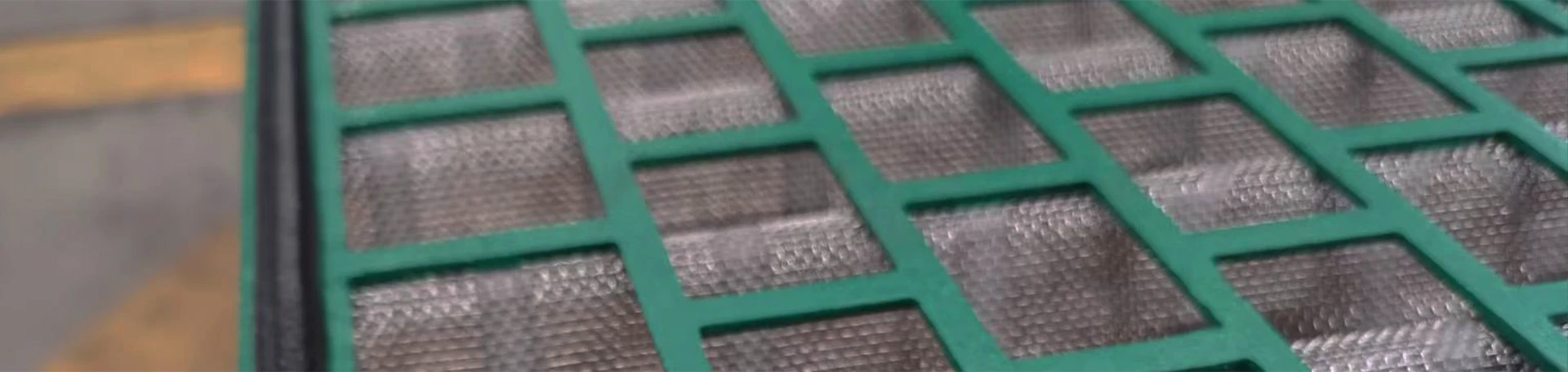
Maximizing Drilling Efficiency with High-Quality Shale Shaker Screen Products
In the demanding environment of oil and gas drilling, the efficiency of solid control systems is critical to maintaining wellbore stability and reducing operational costs. The selection of premium shale shaker screen products plays a pivotal role in this process. These screens act as the primary defense, separating drilled cuttings from the drilling fluid to ensure that only clean mud is recirculated. By utilizing advanced materials and precision engineering, modern screens minimize fluid loss and prevent equipment wear. In this comprehensive guide, we will explore how choosing the right screen can optimize your drilling performance and prolong the life of your machinery.
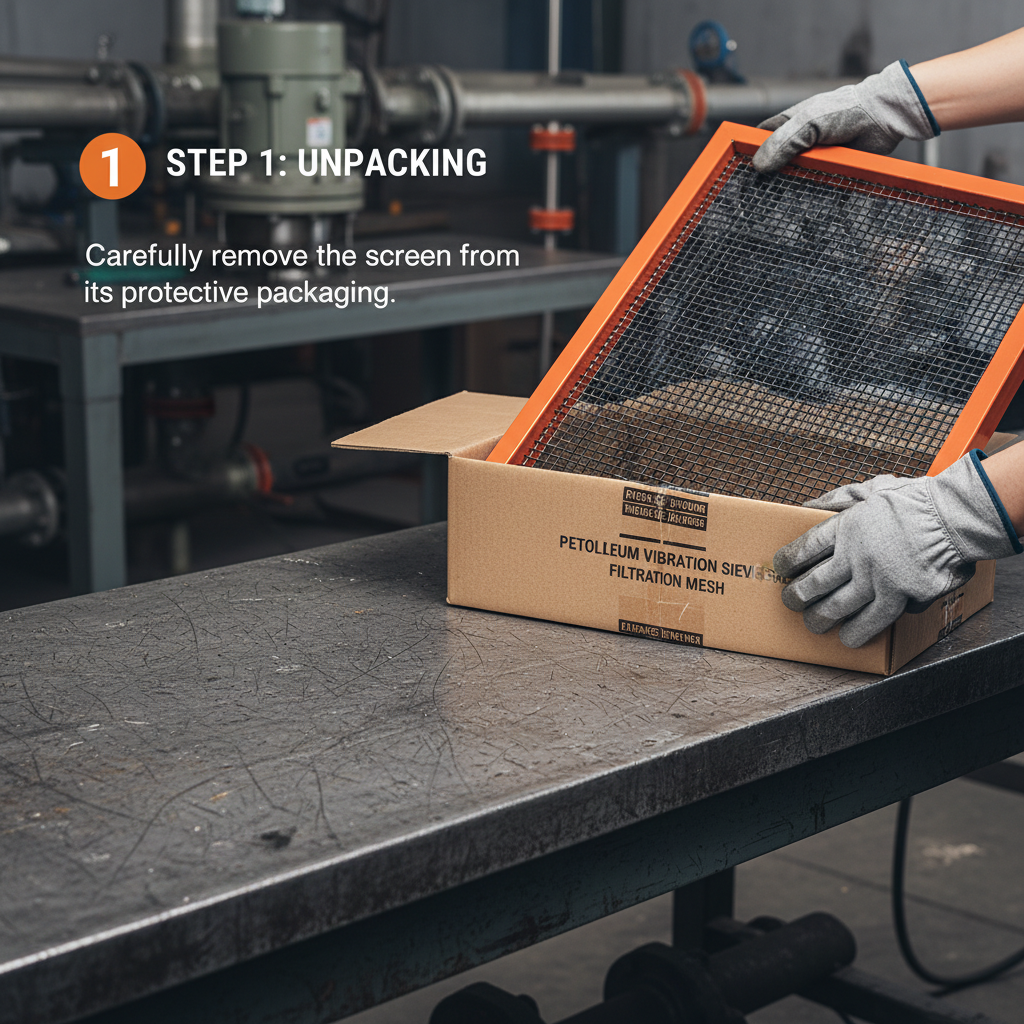
The Role of Shale Shaker Screen Products in Solid Control
The primary function of shale shaker screen products is to remove oversized solids from the drilling fluid. If these solids are not removed efficiently, they can cause severe erosion to pumps, valves, and drill pipes, leading to expensive non-productive time (NPT). High-performance screens are engineered to handle high flow rates while maintaining a precise cut point, ensuring that solids are discarded while the expensive base fluid is retained. The interaction between the screen's aperture size and the vibration of the shaker determines the overall throughput and separation quality.
Industry Insight: Proper screen selection can reduce drilling fluid costs by up to 15% by significantly lowering the volume of fluid lost to the shale dumps.
Comparing Different Types of Shale Shaker Screen Products
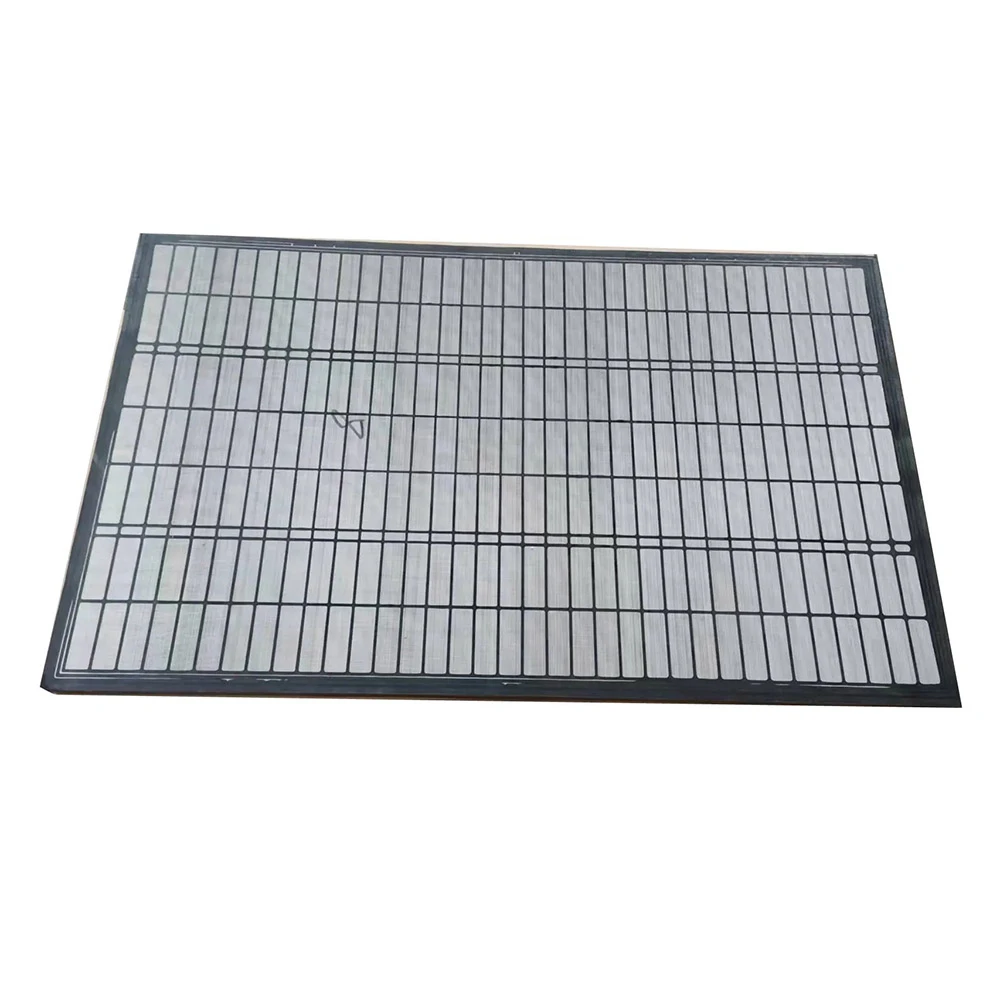
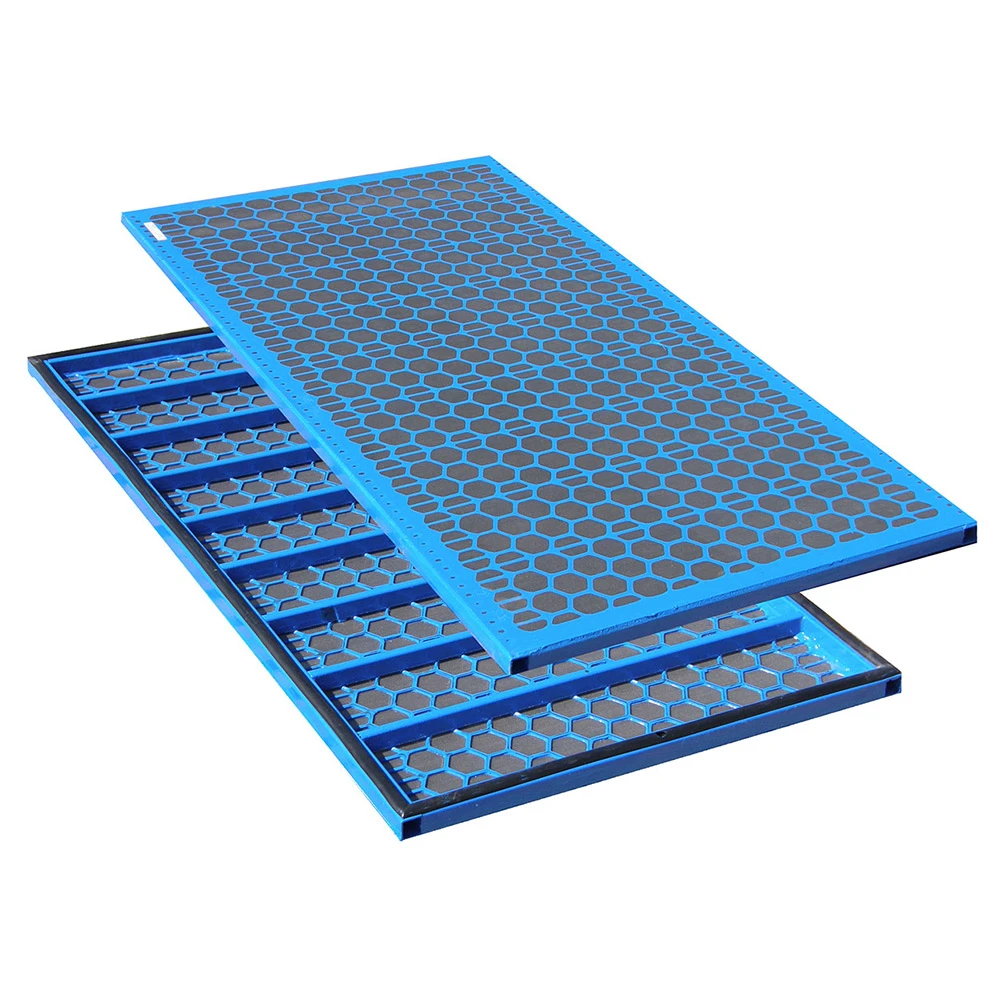
Depending on the geological formation and the type of mud being used, different screen designs are required. Linear Motion screens are typically used for high-capacity removal, while Elliptical Motion screens offer a gentler action for specific fluid types. The material composition—ranging from stainless steel wires to high-polymer coatings—determines the screen's resistance to abrasion and corrosion. Choosing the wrong type of shale shaker screen products can lead to frequent screen ruptures and fluid bypass.
Key Factors in Selecting Shale Shaker Screen Products
Selecting the appropriate screen requires a balance between cut point and flow capacity. A smaller aperture (higher mesh count) removes finer particles but slows down the flow of mud, which can lead to "mud over" where fluid spills over the end of the shaker. Conversely, a larger aperture allows fast flow but leaves more solids in the mud. Professionals analyzing shale shaker screen products must consider the G-force of the shaker and the viscosity of the fluid to ensure optimal separation.
Maintenance and Longevity of Shale Shaker Screen Products
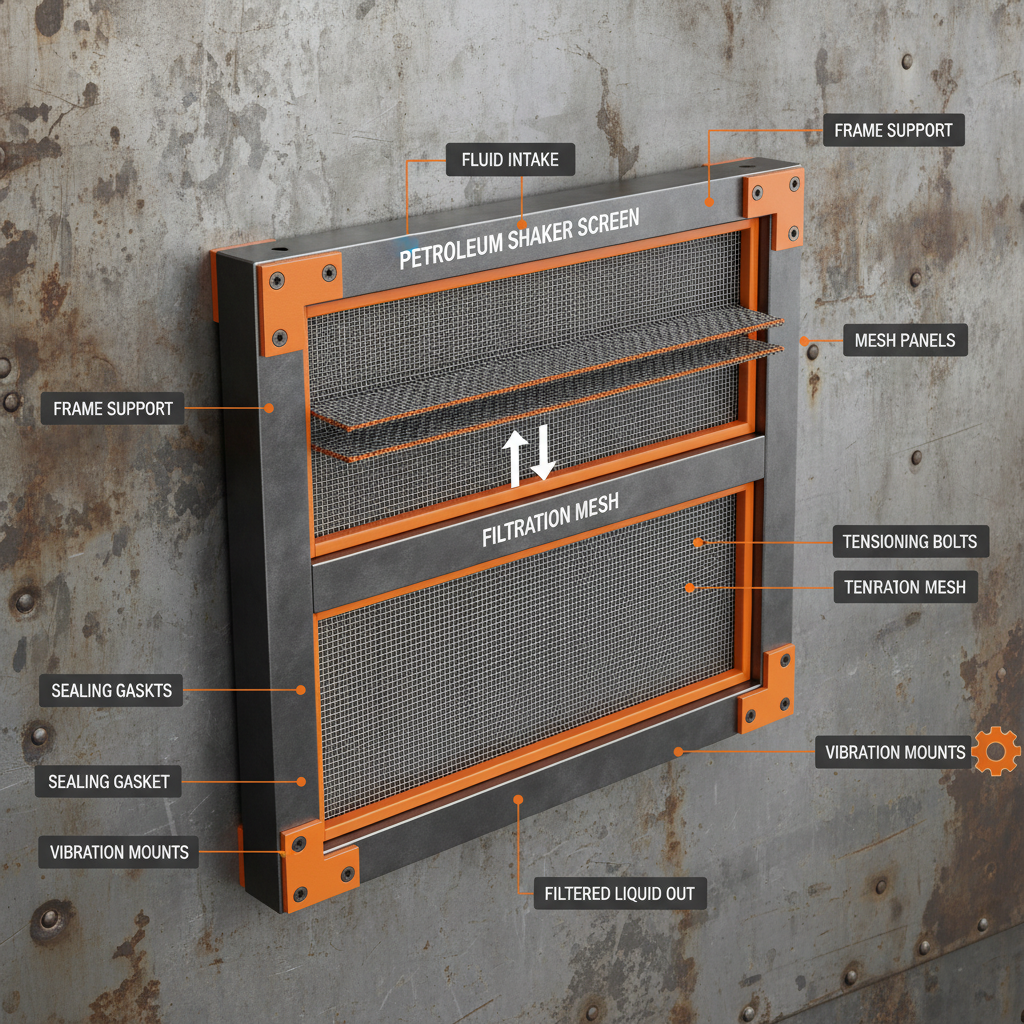
To maximize the return on investment, regular maintenance of your shale shaker screen products is essential. Common causes of screen failure include improper tensioning and the use of incorrect cleaning tools. High-pressure water jets should be used carefully to avoid tearing the mesh. Additionally, checking for "blinded" screens—where particles plug the apertures—can prevent sudden drops in efficiency. Implementing a scheduled replacement cycle based on total drilling hours can prevent catastrophic failures during critical drilling phases.
Technical Specifications of Industrial Screens
Understanding the technical specifications is the only way to ensure compatibility with your shaker brand. Whether you are using NOV, Brandt, or M-I SWACO equipment, the screen dimensions and frame fit must be exact. Below is a typical specification table for high-performance shale shaker screen products used in deep-water and onshore rigs.
Environmental Impact and Fluid Recovery
Modern shale shaker screen products are not just about efficiency; they are about sustainability. By maximizing the recovery of drilling fluids, companies reduce the amount of chemical waste sent to disposal sites. Advanced screen designs minimize "fluid carry-over" in the cuttings, which simplifies the waste treatment process and ensures compliance with environmental regulations. Investing in high-efficiency screens is a direct contribution to a "greener" drilling operation.
Conclusion: Optimizing Your Rig with the Right Screens
Choosing the right shale shaker screen products is a strategic decision that impacts every stage of the drilling process. From reducing tool wear to lowering fluid costs and meeting environmental standards, the quality of your screens defines the efficiency of your solid control system. By focusing on precise specifications, high-quality materials, and rigorous maintenance, operators can ensure maximum uptime and productivity. Trust in professional-grade screens to keep your operation running smoothly and profitably.
Frequently Asked Questions (FAQs)
How do I know when to replace my shale shaker screens?
Screens should be replaced when you notice a significant increase in the amount of solids returning to the mud tanks or when there is a visible rupture in the mesh. Other signs include a noticeable decrease in flow rate (indicating blinding) or if the screen frame has become warped. Regular inspection of the "cut point" efficiency is recommended. Most operators implement a preventive replacement schedule based on the abrasiveness of the formation being drilled to avoid unexpected downtime.
What is the difference between API mesh and standard mesh?
API mesh is a standardized measurement specifically designed for the oil and gas industry to ensure consistency across different manufacturers of shale shaker screen products. While standard industrial mesh refers to the number of wires per inch, API numbers refer to a specific aperture size that corresponds to the particle size the screen is intended to remove. This standardization allows drilling engineers to communicate exactly which size of solids they need to eliminate regardless of the screen brand used.
Can high-quality screens really reduce drilling costs?
Absolutely. High-quality screens reduce costs in three primary ways: first, by minimizing the loss of expensive drilling fluids (mud) that would otherwise be discarded with the cuttings. Second, by removing finer solids, they protect expensive downstream equipment like centrifugal pumps and mud motors from premature wear. Finally, they reduce the amount of chemical additives needed to maintain mud weight and viscosity. While premium screens may have a higher upfront cost, the reduction in NPT and fluid waste provides a significant net saving.
What causes shale shaker screens to "blind" or clog?
Blinding occurs when particles of a size similar to the screen aperture become lodged in the openings, creating a barrier that blocks fluid flow. This is often caused by "sticky" clays or improper vibration settings. To prevent blinding, it is important to use screens with a proper coating (like Teflon or specialized polymers) and ensure the shaker's G-force is optimized for the specific material being drilled. Proper cleaning with water sprays can temporarily resolve the issue, but adjusting the screen size is the long-term solution.