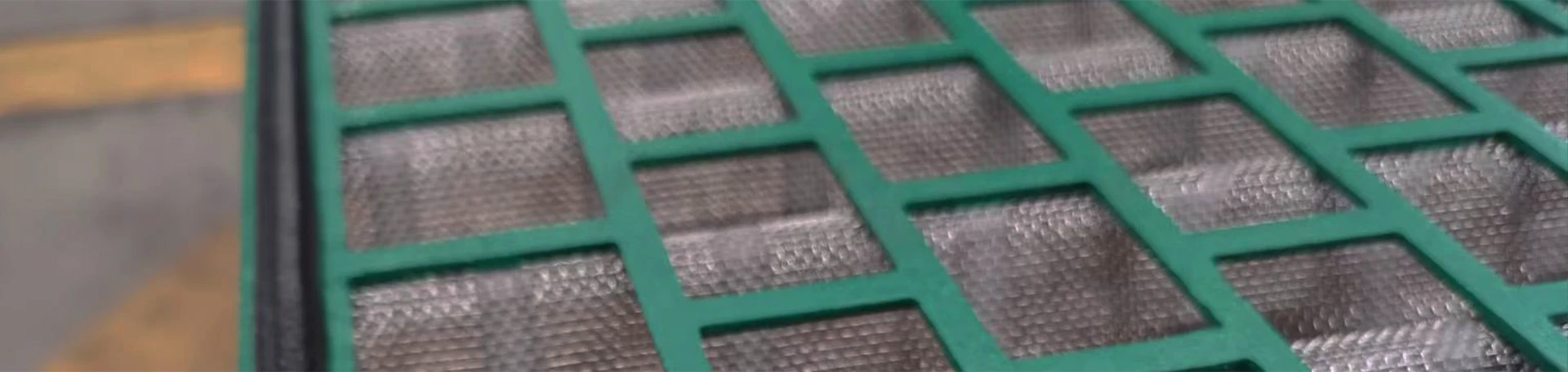
In industrial scenarios that require precise filtering, Nov Screens, with its unique structural design and intelligent monitoring capabilities, have become a key component in improving filtering efficiency and stability. It breaks through the limitations of traditional sieve screens that rely solely on mechanical properties. By combining material innovation with sensor technology, it can achieve efficient solid-liquid separation and real-time feedback on operating status. Its comprehensive performance directly affects the continuous operation efficiency and maintenance cost of the filtration system.
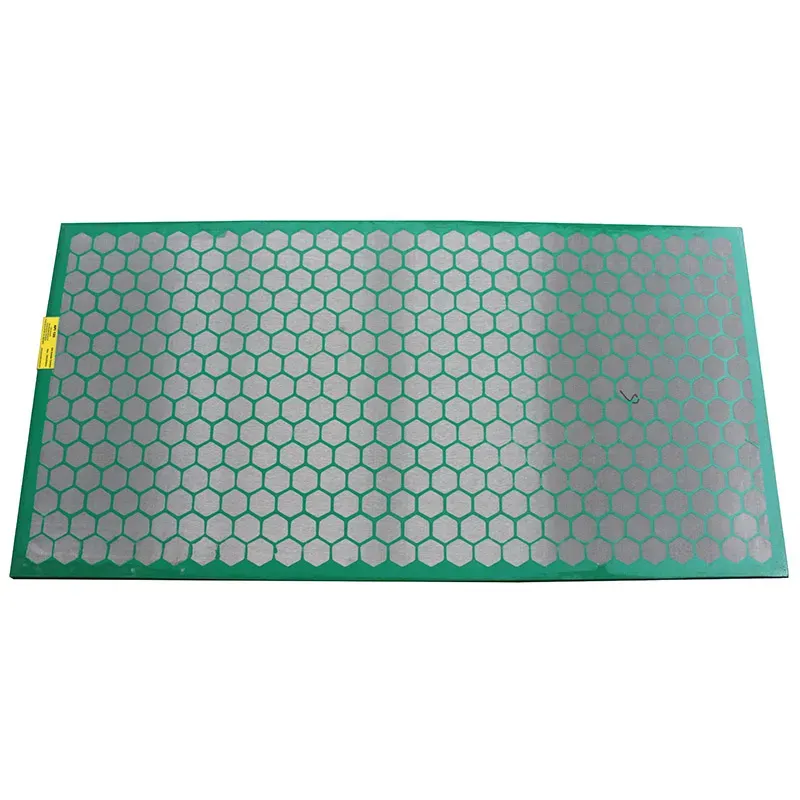
The core advantage of Nov Screens lies in the dual innovation of material selection and intelligent integration
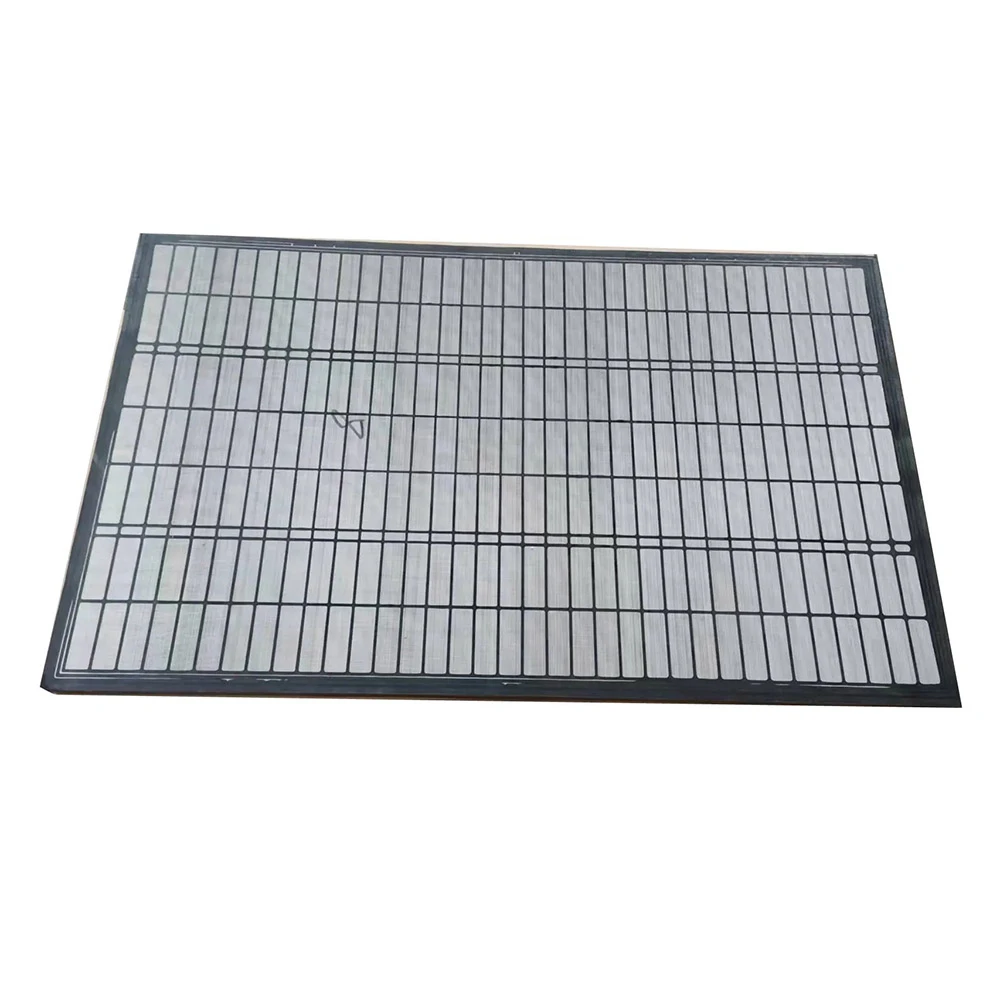
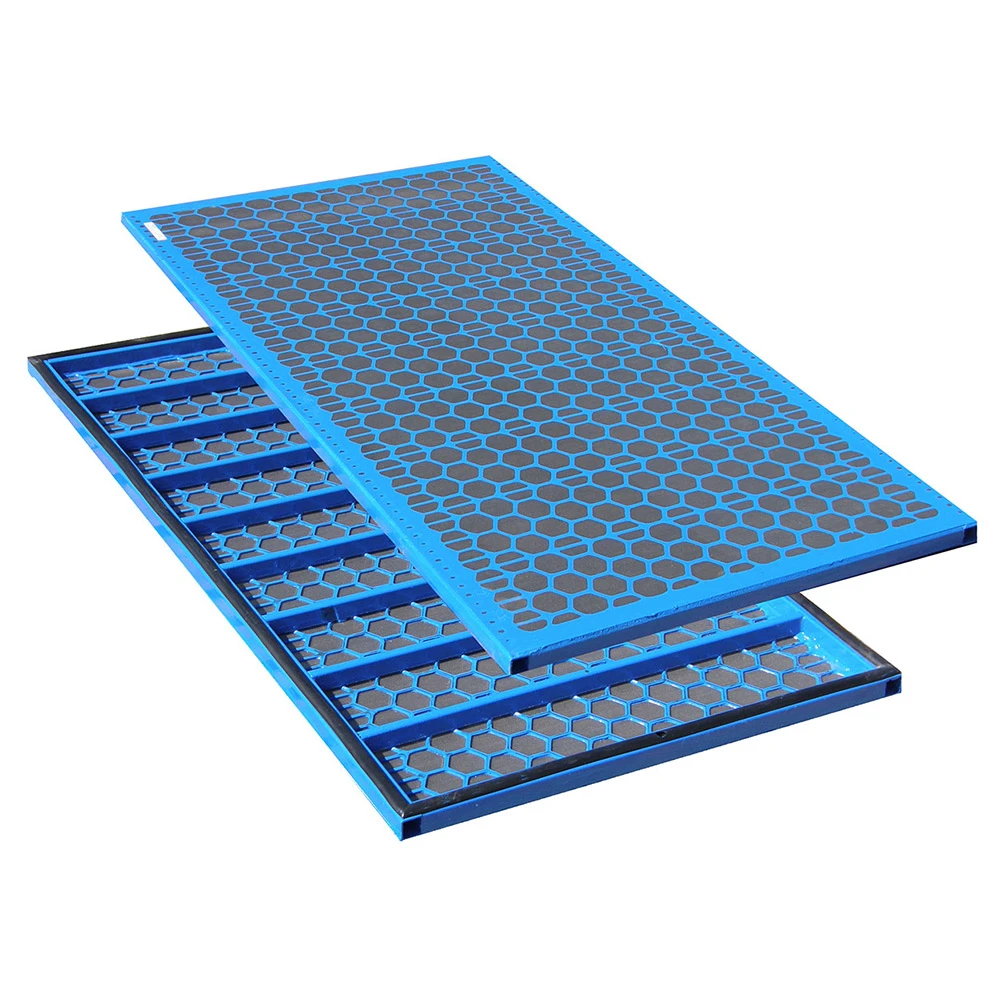
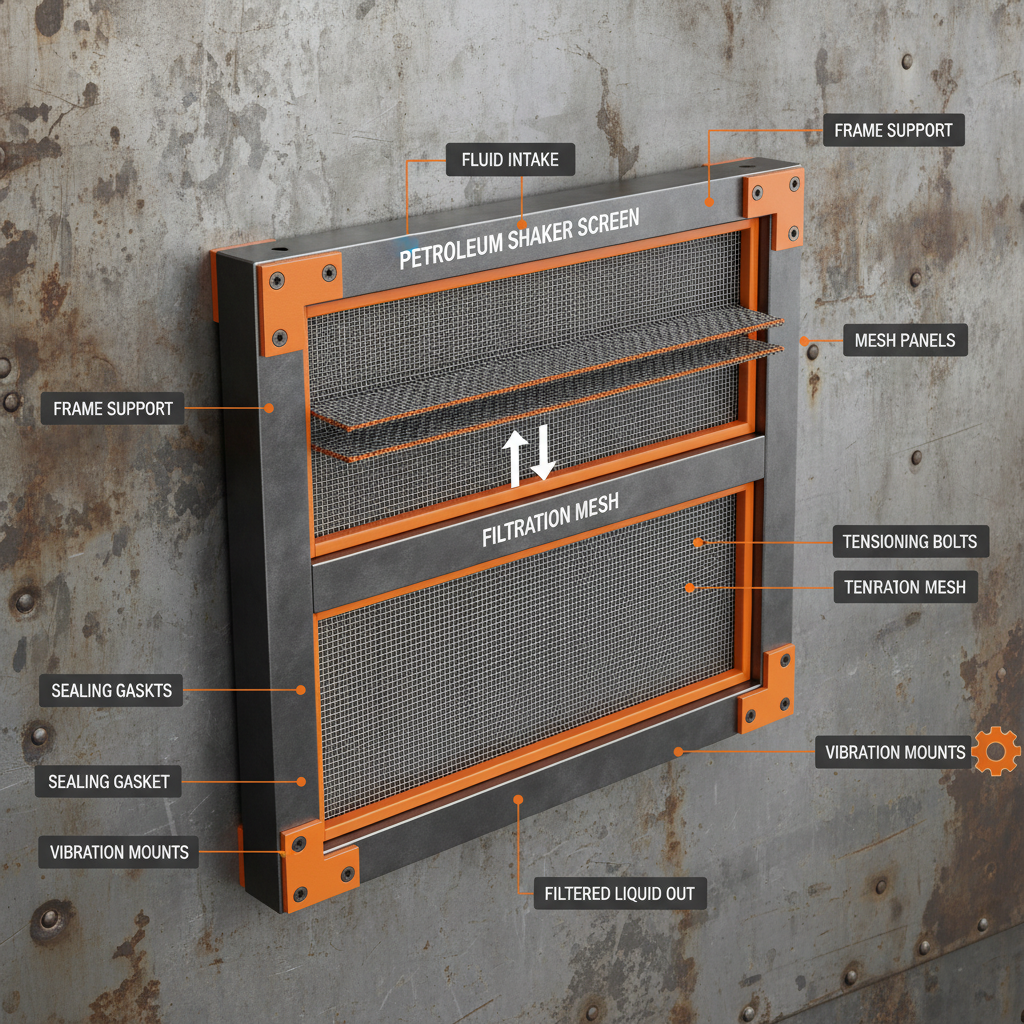
The main body of the nov shaker screens is woven with high-strength alloy wires and composite fibers. The alloy wires provide structural support to ensure no deformation under high-intensity vibration, while the composite fibers enhance wear resistance and filtration accuracy. The mesh size is graded from coarse to fine according to application requirements, and can accurately intercept particles of different sizes. The most significant feature is the integration of a micro sensor system, with sensors distributed at key force points on the screen that can monitor performance indicators such as vibration mode, load pressure, and mesh tension in real time. The data is wirelessly transmitted to the control terminal, forming a dynamic monitoring of the screen's operating status. The edge frame is made of impact resistant polymer and is connected to the mesh through special processing to ensure structural stability and provide protection for sensor circuits, avoiding damage in vibration environments.
The key criteria for measuring the quality of Nov Screens include filtering efficiency and intelligent performance
In terms of filtration efficiency, the mesh distribution of nov shaker screens needs to be uniform and consistent to ensure stable filtration effects in different areas, avoid clogging during continuous operation, and maintain a stable flow rate; The structural strength requires long-term use in high-frequency vibration environments, with no tearing of the mesh surface and no cracking of the frame; The accuracy of intelligent monitoring is crucial. Sensor data needs to reflect the actual state in real time, with errors controlled within a very small range. Wireless transmission needs to be stable to avoid data loss; In addition, durability is also reflected in the synergistic lifespan of the sensor and screen, ensuring stable performance during the same usage cycle and reducing overall replacement due to local damage.
In practical applications, Nov Screens have a wide range of scene adaptability
In mining screening, coarse mesh screen combined with vibration monitoring can timely detect load abnormalities caused by ore accumulation, automatically adjust vibration frequency to avoid overload; In the field of water treatment, fine mesh screens are monitored for tension to ensure the interception of impurities without affecting the water flow rate. Sensor data can be linked to cleaning devices to initiate cleaning procedures before blockage occurs; In food processing scenarios, materials that meet hygiene standards are combined with intelligent monitoring, which can accurately filter impurities in raw materials and determine the cleanliness of the sieve through vibration mode analysis, ensuring production hygiene; Even in the field of solid waste treatment in environmental protection, its stable filtering performance and intelligent warning function can improve waste separation efficiency and reduce manual inspection costs.
With the development of industrial intelligence, the innovation of Nov Screens continues to deepen
The sensor technology is constantly upgrading, and multifunctional sensors that can monitor the temperature and corrosion degree of the network surface have emerged, further expanding the monitoring dimensions; Introducing environmentally friendly and recyclable composite fibers in materials to reduce the impact on the environment; The data processing system is more intelligent and can predict the lifespan of the sieve based on historical data, issue replacement warnings in advance, and achieve preventive maintenance; In addition, modular design allows sensor components to be replaced separately, reducing maintenance costs while maintaining the continuous use of the screen body.
In summary, Nov Screens integrates intelligent monitoring and efficient filtering as its core, and through the synergy of materials, structures, and technologies, constructs a filtering solution that combines performance and intelligence. It not only meets the basic requirements of industrial filtration, but also improves the stability and economy of the system through real-time monitoring. In the future, with the further integration of intelligent technology and material processes, Nov Screens will demonstrate its value in more fields and become an important component of the industrial intelligence process.
Nov Screens FAQs
What are the main functions of the nov screens system?
The nov screens system integrates high-precision sensors to monitor the vibration mode, load conditions, and other key performance indicators of the equipment in real time. The system is capable of dynamically analyzing data, providing real-time feedback on device operation status, helping users optimize operational processes and prevent potential failures. Its core function is to transform complex mechanical behavior into visual data reports, making it easy for non professionals to quickly understand.
Why is vibration mode monitoring crucial for maintaining Nov Screens?
The vibration mode directly reflects the mechanical health status of the equipment. Abnormal vibration may indicate issues such as bearing wear, axis displacement, or loose components. By continuously capturing changes in vibration frequency and amplitude, nov screens can identify these hazards in the early stages and avoid sudden shutdowns. Long term data accumulation can also be used to analyze wear trends and develop more accurate maintenance plans.
How can Nov Screens load condition monitoring improve energy efficiency?
Real time load data reveals the energy consumption characteristics of equipment under different operating conditions. Nov screens help users adjust operating parameters and avoid overloading or inefficient idling by comparing ideal load curves with actual operating data. For example, in industrial motors, the system can identify peak load periods and recommend a time-sharing operation strategy, ultimately reducing energy waste by 15% -20%.
Will the deployment of Nov Screens sensors affect the operation of existing devices?
The nov screens are designed with non-invasive sensors, and there is no need to modify the equipment structure during installation. Micro sensors are fixed by magnetic attraction or adhesion, and the sampling process is completely passive without interfering with normal operation. The wireless transmission module further avoids wiring troubles, especially suitable for the intelligent transformation of old equipment.
How to understand the real-time performance metrics provided by Nov Screens?
The system will convert professional parameters such as vibration spectrum and load percentage into an intuitive color coded interface. Green represents the safety threshold, yellow indicates attention, and red triggers an alarm. Users can also access a historical data comparison view to observe the trend of indicators over time. All data supports exporting to PDF or CSV format for in-depth analysis.