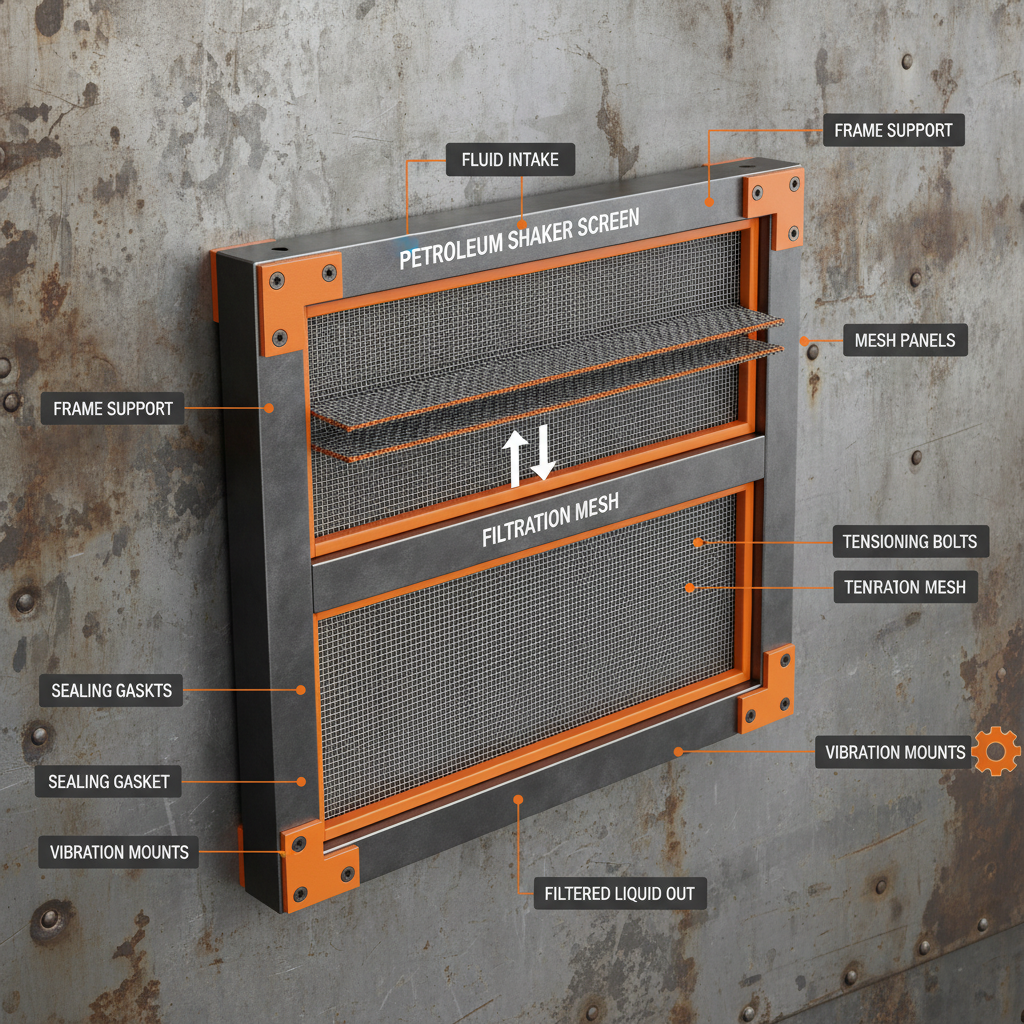
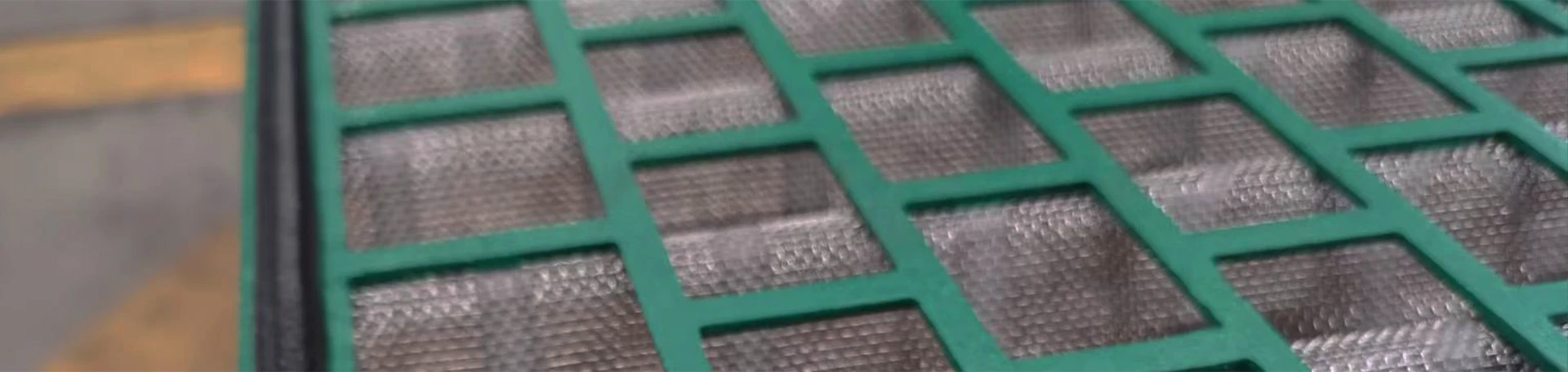
In the solid-liquid separation system of drilling fluid, Derrick pyramid screens serve as the core filtering element and become a key component for improving separation efficiency with their unique structural design and precise mesh control. It breaks through the limitations of traditional flat screens in terms of load capacity and filtration accuracy. Through a three-dimensional pyramid structure and precisely calibrated mesh holes, it can efficiently separate solid particles in drilling fluid and withstand mechanical stress caused by continuous vibration. Its performance directly affects the stability and purification quality of the entire drilling fluid purification process.
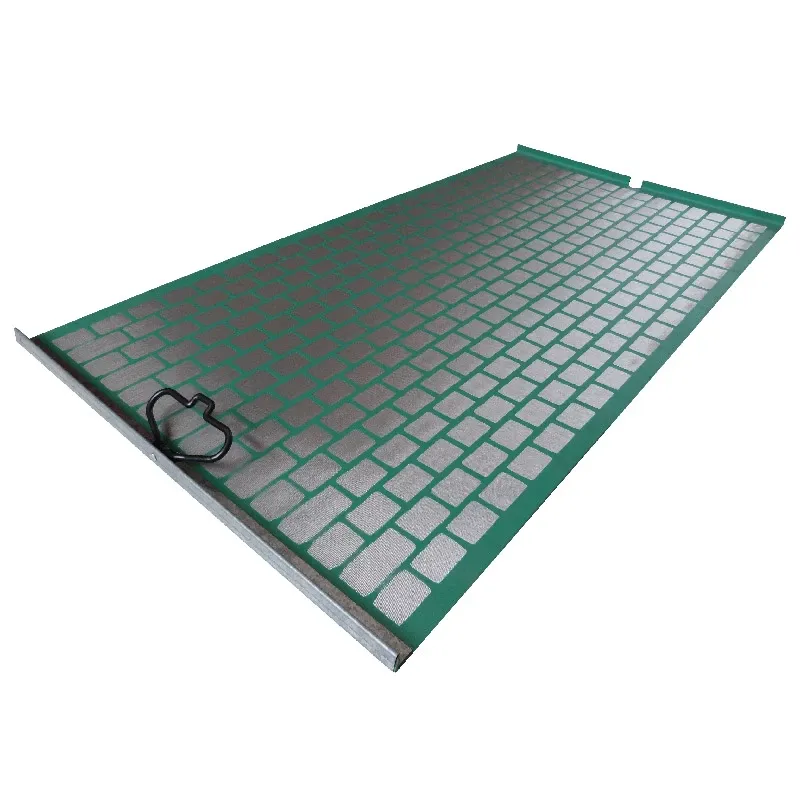
The core advantage of Derrick pyramid screens lies in the synergy between structural innovation and material selection
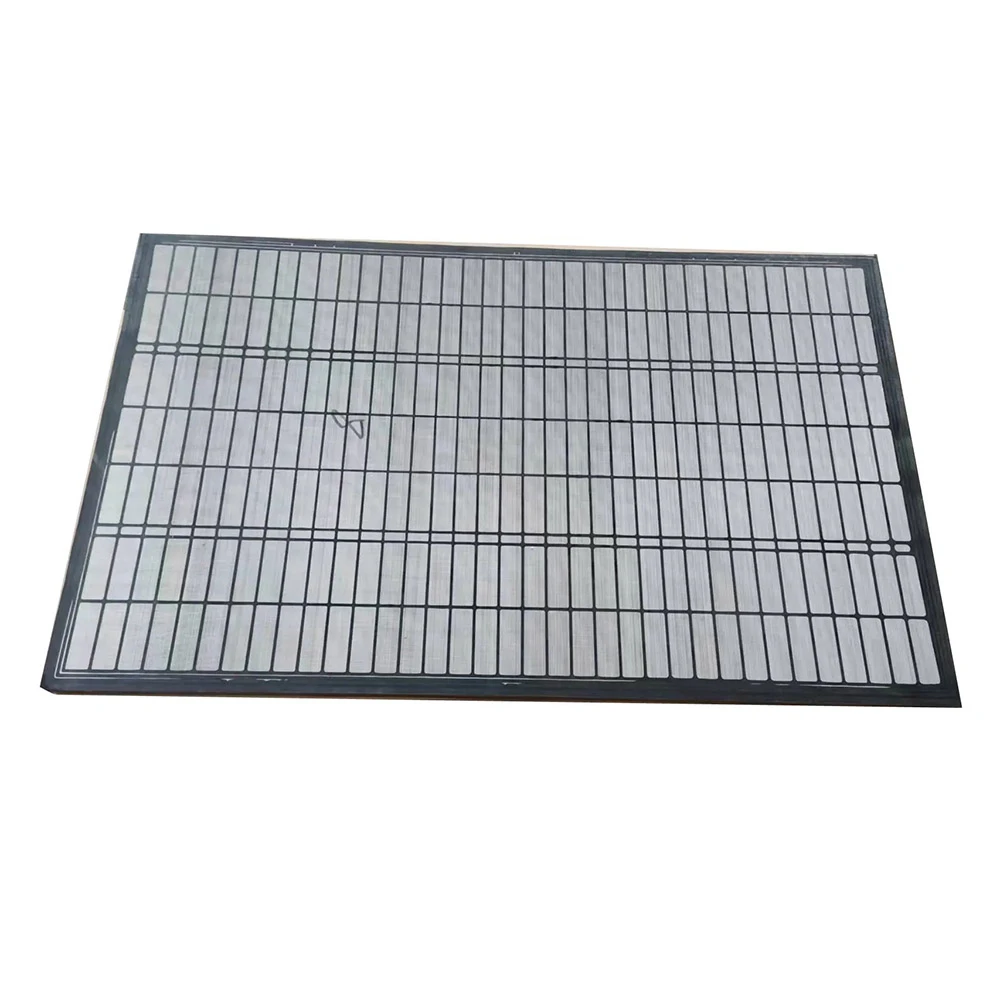
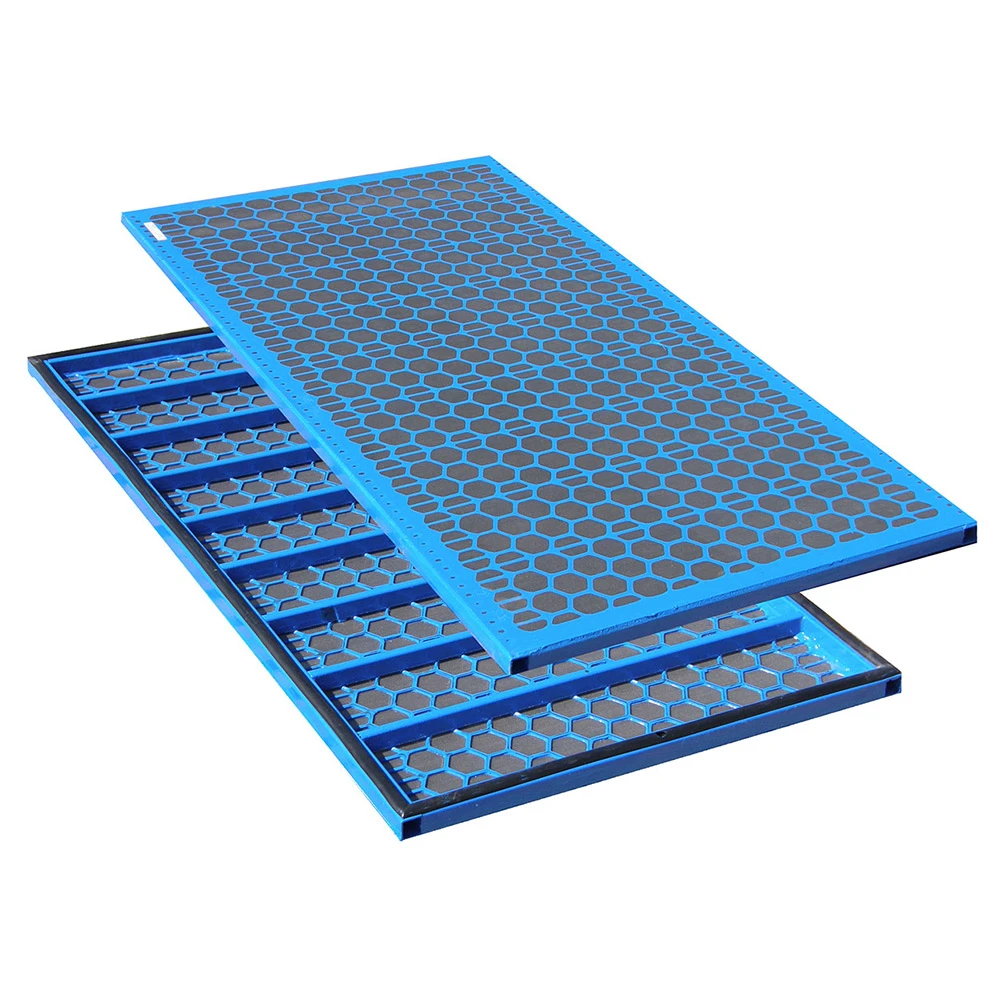
Shaker screens use multi-layer composite weaving technology, with high-strength polyester fibers or stainless steel wires as the base layer to ensure the overall tensile and wear resistance of the structure; The surface layer is formed into a pyramid shaped convex structure through special weaving, and funnel-shaped filtering channels are formed between each convex unit to increase the effective filtering area while guiding the drilling chips to move in the direction of chip discharge. The mesh holes are precisely calibrated and the aperture error is controlled within a very small range. Different specifications can be selected according to drilling needs, ranging from tens of micrometers to hundreds of micrometers, accurately allowing liquid phase and fine particles to pass through while intercepting larger solid particles. The edge is encapsulated with a metal frame, which not only strengthens the overall rigidity but also ensures a sealed fit with the screening machine, avoiding drilling fluid leakage from the edge and affecting the separation effect.
Derrick pyramid screens working mechanism is based on the synergy between three-dimensional structure and vibration
When drilling fluid containing solid particles flows through the surface of the shaker screen mesh, the pyramid shaped protrusions disrupt the direction of the fluid flow, causing solid particles to aggregate towards the gaps between the protrusions under the action of gravity and vibration; Smaller particles enter the lower purification system through calibrated mesh holes with the liquid phase, while larger solids move towards the chip discharge end along the inclined direction of the sieve surface under the guidance of the protruding structure, completing solid-liquid separation. The three-dimensional structure reduces the accumulation of solid particles on the surface of the sieve, reduces the probability of blockage, and at the same time, the vibration energy is more evenly transmitted to the entire sieve surface through the protruding units, avoiding deformation of the mesh caused by local stress concentration.
The key to measuring the quality of Derrick pyramid screens lies in structural stability and filtering consistency
The weaving density should be evenly distributed to ensure a consistent number of mesh holes per square centimeter, avoiding a decrease in filtering accuracy due to local sparsity; The height and spacing of the pyramid protrusions need to be strictly controlled to ensure smooth chip removal channels while maximizing the filtering area; The chemical corrosion resistance of the material needs to adapt to the acidic and alkaline environment in the drilling fluid, and long-term use should not cause fiber breakage or metal corrosion; The compatibility with the screening machine needs to be precise, and the frame size should fully match the installation groove of the screening machine to ensure that there is no displacement during the vibration process.
In practical applications, Derrick pyramid screens have a wide range of scene adaptability
In conventional drilling on land, for drilling fluids with high clay content, large-diameter shale shaker screen mesh is used to quickly remove coarse particles and reduce screen clogging; When operating shale gas horizontal wells, pairing with small aperture specifications can effectively intercept fine sand and improve the reuse rate of drilling fluid; Offshore drilling platforms are limited by space, and their efficient filtration capacity can reduce the number of subsequent purification equipment used, saving installation space; In areas with strict environmental requirements, precise filtration is used to reduce drilling fluid emissions and minimize the impact on the surrounding environment.
With the development of drilling technology, the innovation of Derrick pyramid screens continues to deepen
In terms of material, stainless steel wire treated with nano coating enhances wear resistance and extends its service life by more than 50%; In terms of structural optimization, the pyramid shaped convex design with variable angles can adjust the chip removal speed according to the viscosity of the drilling fluid; Under the promotion of environmental protection concepts, recyclable composite material screens have emerged to reduce the processing pressure of waste components; In addition, the matching with the vibration frequency of the screening machine is further improved, and the framework structure is optimized through modal analysis to reduce fatigue damage caused by resonance.
In summary, the industrial shaker screen, with precision mesh and three-dimensional structure as its core, has constructed an efficient filtration process for drilling fluid purification through material innovation and mechanism optimization. It is not only a key component of the screening machine, but also plays an irreplaceable role in improving separation accuracy, reducing energy consumption, and environmental performance. In the future, with the increasing demand for purification in drilling technology, there will be continuous breakthroughs in material durability, filtration accuracy, and adaptability, providing basic support for the efficient and environmentally friendly development of the drilling industry.
Derrick Pyramid Screens FAQs
How does Derrick Pyramid Screens achieve precise screening?
Derrick Pyramid Screens adopts a unique pyramid shaped structure design, ensuring efficient passage of liquid phase and fine particles through precisely calibrated mesh sizes. Its multi-layer screening surface design increases the effective screening area, while utilizing dynamic vibration technology to prevent blockage, ensuring reliable interception of larger solids and achieving high-precision separation.
Can Derrick Pyramid Screens maintain stability in humid environments?
The pyramid screen is made of corrosion-resistant high-strength stainless steel or polyurethane material, and special surface treatment can resist moisture and chemical erosion. The structural design also optimizes the drainage performance, avoids water retention, and ensures long-term screening efficiency and mechanical strength under humid conditions.
What are the advantages of Derrick Pyramid Screens compared to traditional flat screens?
The three-dimensional structure of the pyramid screen increases the effective screening area to more than three times that of traditional screens, significantly improving processing capacity. Its self-cleaning feature reduces the risk of blockage, while the stepped layered design allows for graded screening, and a single device can complete multi-stage separation, significantly reducing energy consumption and maintenance costs.
How to choose appropriate Derrick Pyramid Screens parameters based on material characteristics?
It is necessary to comprehensively consider the characteristics of material particle size distribution, moisture content, and viscosity. The mesh size is usually selected as 1.2-1.5 times the target separation particle size, the inclination angle of the screen surface is adjusted by 20 ° -35 ° according to the flowability, and the vibration frequency is adjusted between 800-1500rpm according to the particle shape. If necessary, composite materials are used to deal with abrasive substances.
How does Derrick Pyramid Screens maintain performance consistency over long-term operation?
Regularly use an ultrasonic detector to monitor the deformation of the mesh, and it is recommended to clean the scale on the screen surface every 500 hours. The modular sieve plate design that can be flipped extends its lifespan by 2-3 times, and the accompanying intelligent monitoring system provides real-time feedback on screening efficiency, prompts maintenance timing, and ensures long-term stable operation.