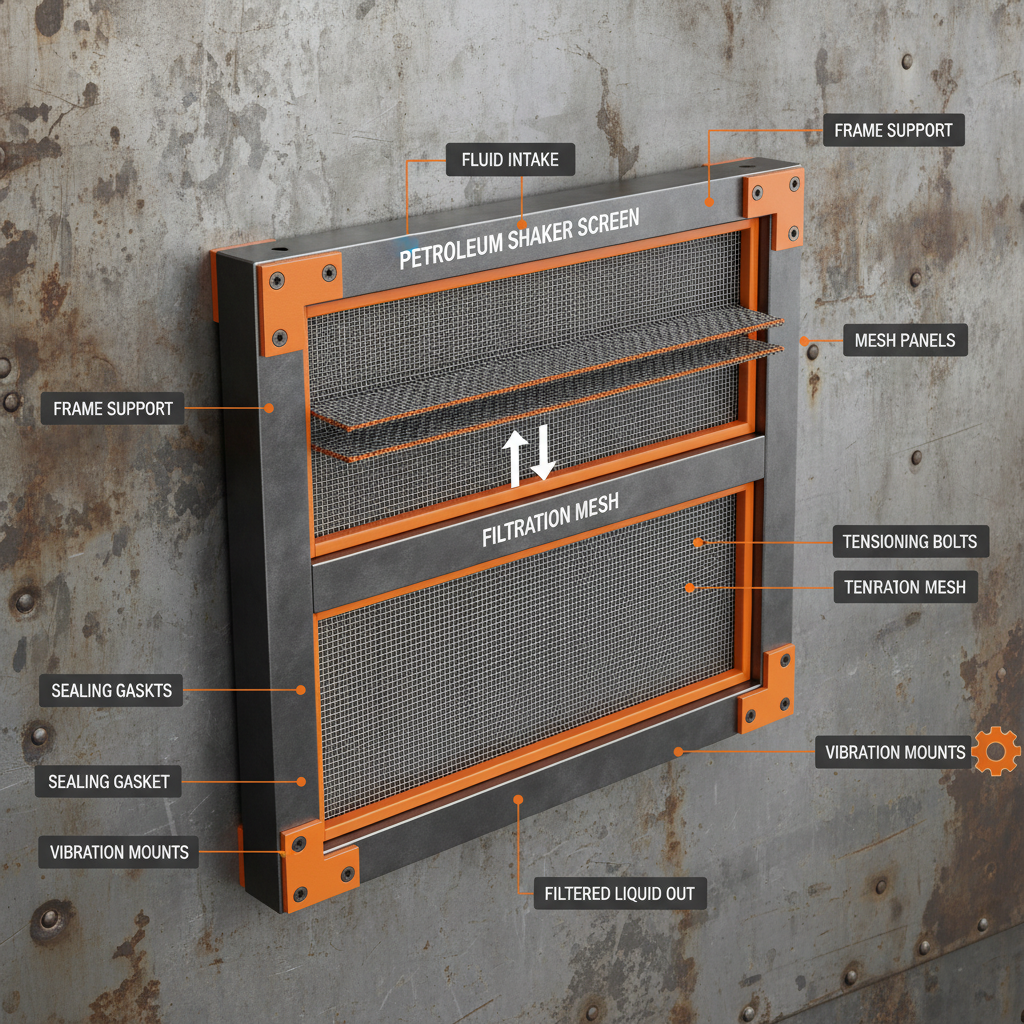
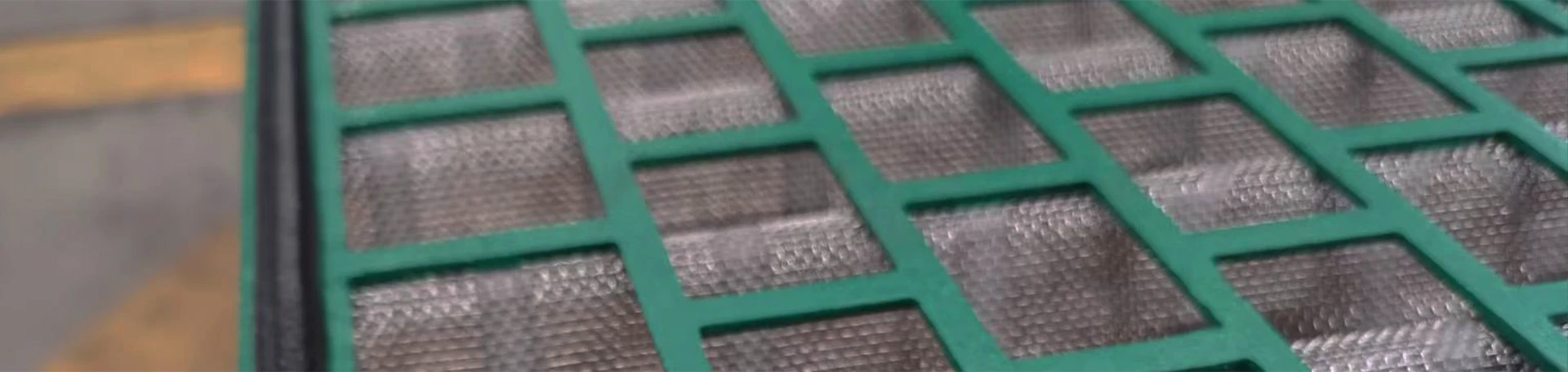
In the solid phase control of drilling fluid during drilling operations, Nov Shaker Screens have become a key component in maintaining the performance of drilling fluid due to their efficient filtration capacity and stable structural properties. It breaks through the limitations of traditional sieves, such as easy wear and unstable filtration accuracy in vibration environments. Through material innovation and process optimization, it can quickly separate rock debris and solid particles in drilling fluids, and adapt to high-frequency vibration working environments. Its performance directly affects the recycling efficiency of drilling fluids and the continuity of drilling operations.
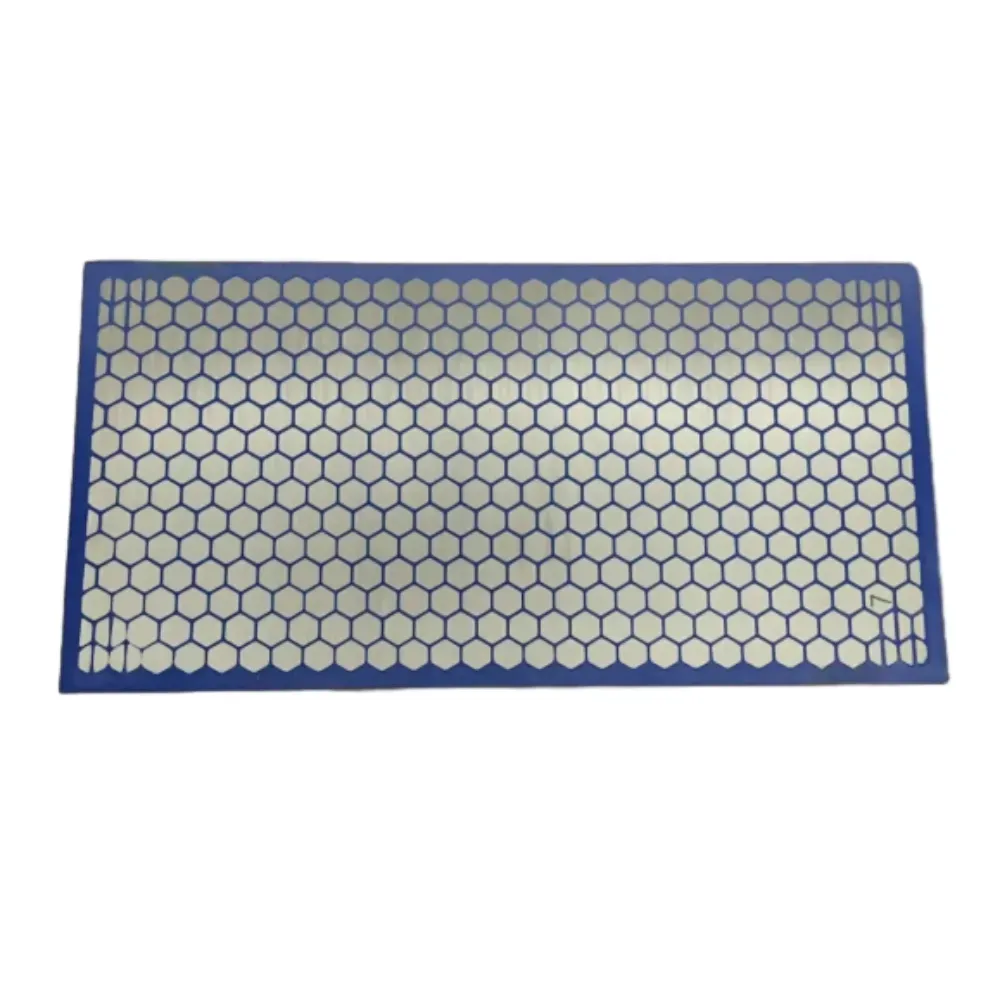
The core advantage of Nov Shaker Screens comes from targeted material selection and structural design
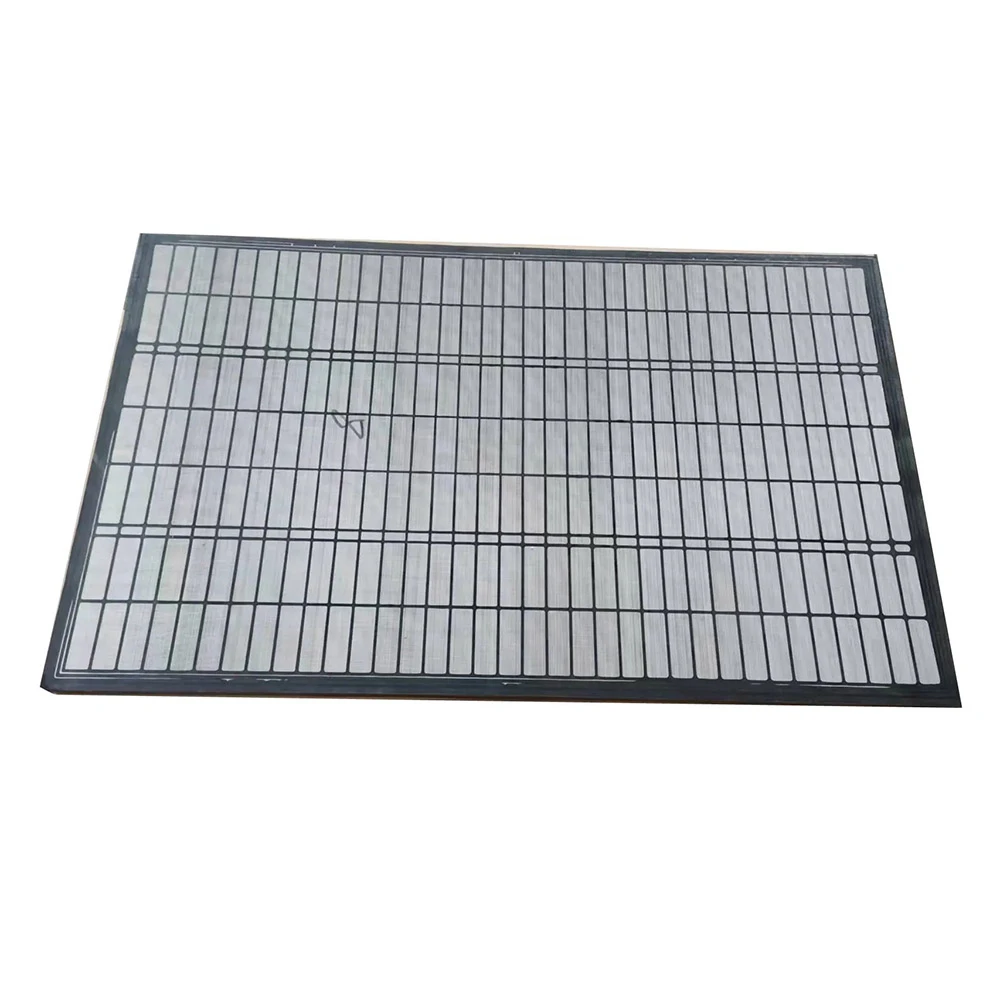
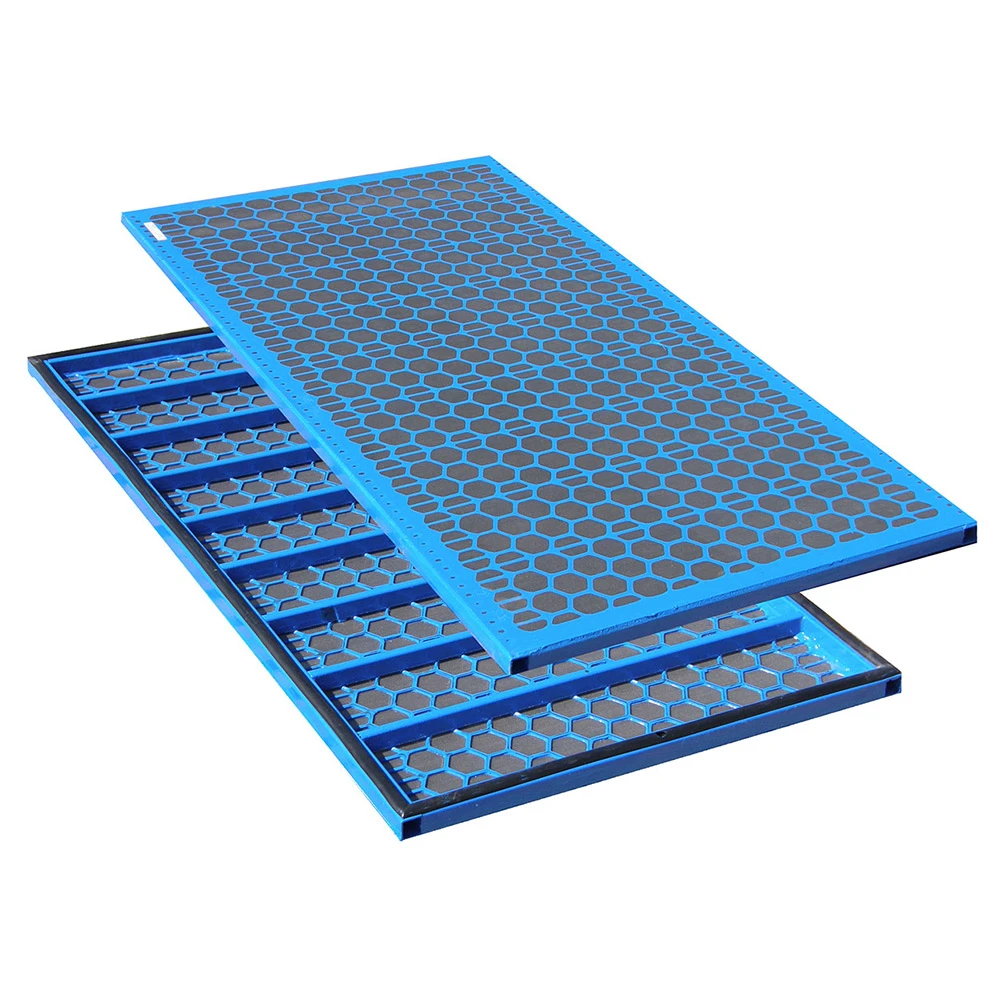
The main body of the nov screens is made of high-strength polyester fibers and stainless steel wire composite weaving. The flexibility of the polyester fibers complements the rigidity of the stainless steel wire, which can withstand the high-frequency oscillation of the vibrating screen while maintaining the stability of the mesh shape. The surface is treated with a special wear-resistant coating, which tightly binds to the fibers, reducing the wear caused by high-speed flushing of solid particles and extending the service life. The edge adopts an integrated injection molded frame made of impact resistant nylon, and the connection part with the mesh surface is fixed through hot melt technology, avoiding the problem of delamination caused by traditional adhesive bonding in high temperature environments and ensuring that the overall structure does not loosen during continuous vibration.
The guarantee of filtration efficiency for Nov Shaker Screens comes from precise mesh design and weaving process
The mesh size of nov screens is divided into multiple specifications according to drilling requirements, ranging from 10 mesh for coarse screening to 400 mesh for fine screening. The mesh distribution of the same screen is uniform, ensuring consistent filtering effect at different positions. Adopting multi-layer composite weaving technology, the upper mesh intercepts large particle debris, while the lower mesh filters small particles, forming a gradient filtration system that not only improves filtration speed but also reduces the probability of mesh blockage. The tension of the mesh surface is precisely calibrated to maintain a moderately tight state during vibration, allowing the drilling fluid to be evenly distributed on the mesh surface and avoiding local fluid accumulation affecting filtration efficiency.
The key criteria for measuring the quality of Nov Shaker Screens involve multiple aspects
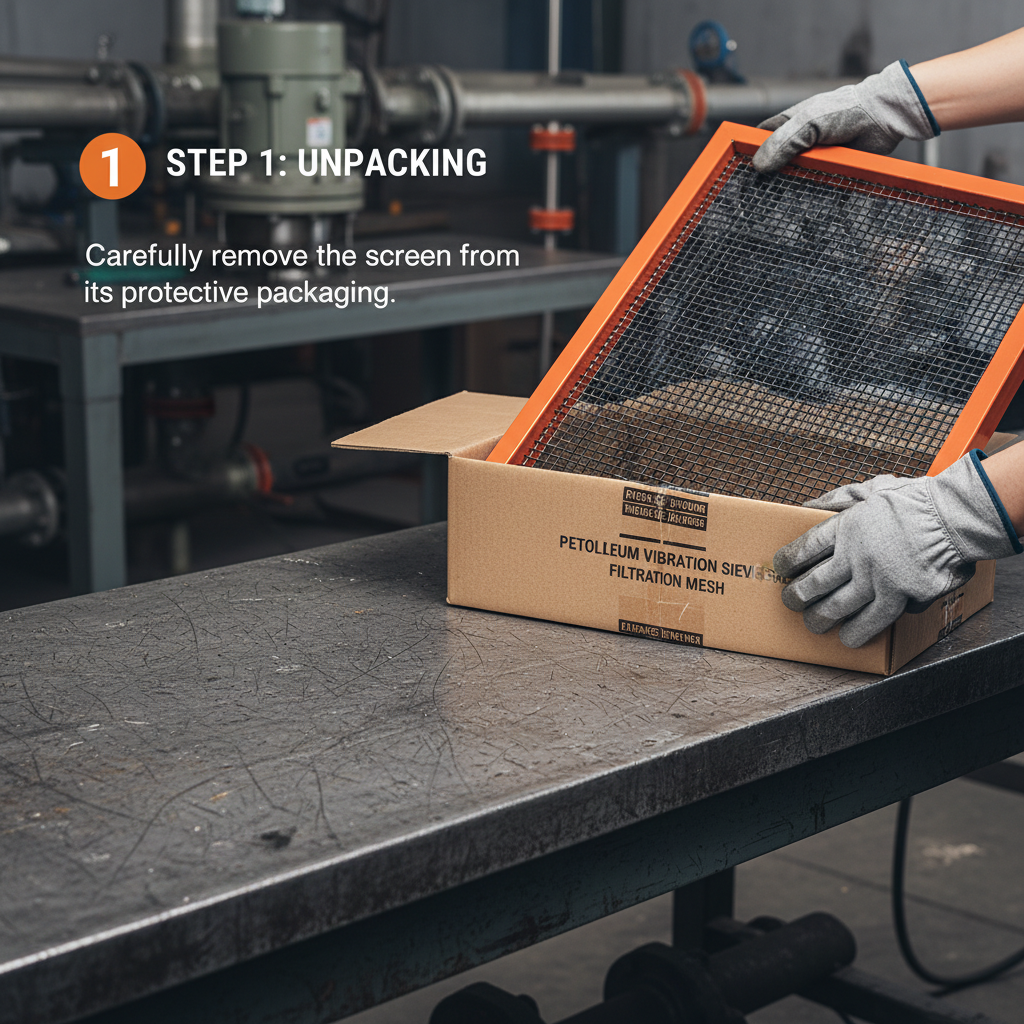
The wear resistance performance needs to meet the requirement of continuous operation in high solid drilling fluid, with minimal wear on the mesh surface to ensure that the filtration accuracy does not decrease throughout the entire service life; The structural stability requirement is that under the working condition of vibration frequency of 30-60Hz, there should be no deformation or separation between the frame and the mesh surface, and the variation of mesh size should be kept within a reasonable range; Chemical resistance requires tolerance to various additives in drilling fluids, including acids, alkalis, salts, and polymers, and long-term exposure without material aging or performance degradation; In addition, installation convenience is also important. The frame design needs to match mainstream vibrating screen equipment, and the replacement process does not require specialized tools, saving operation time.
In practical applications, the scene adaptation performance of Nov Shaker Screens is outstanding
Conventional drilling on land, medium mesh screens can efficiently process clay and sandstone cuttings, maintaining stable viscosity of drilling fluid; Due to the small particle size of rock debris in deep well drilling, fine mesh screens can effectively intercept tiny solid phases, avoiding their adverse effects on drilling fluid performance; The limited space of offshore drilling platforms can reduce the frequency of replacement and lower the labor intensity of operators due to their long-term durability; In areas with strict environmental requirements, high-precision filtration can reduce the discharge of drilling fluid waste, and with the help of recycling systems, achieve circular utilization, which is in line with the concept of green drilling.
With the advancement of drilling technology, the innovation of Nov Shaker Screens continues to advance
In terms of material, carbon fiber composite mesh has been developed to reduce weight while improving strength, making it easy to transport and install; The structure adopts an adjustable tension design, which can adjust the tightness of the mesh according to the viscosity changes of the drilling fluid, optimizing the filtration effect; The introduction of nanotechnology into surface coating forms a superhydrophobic layer, reducing the adhesion of drilling fluid to the mesh surface and improving flow velocity; In addition, specialized screening screens developed for extreme environments can adapt to special working conditions such as high temperature, high pressure, or strong corrosion, expanding their application scope.
In summary, Nov Shaker Screens focuses on efficient filtration and stable performance, and provides a reliable solution for drilling fluid purification through collaborative innovation in materials, structures, and processes. It not only meets the basic needs of solid phase control in drilling operations, but also continuously optimizes durability and adaptability, reducing operating costs. In the future, with the continuous development of drilling technology, Nov Shaker Screens will continue to break through in material innovation and functional expansion, providing strong support for the efficient and environmentally friendly development of the drilling industry.
Nov Shaker Screens FAQs
What is the role of Nov Shaker Screens in oil drilling?
Nov Shaker Screens are the core components of drilling fluid solid control systems, mainly used to separate drilling cuttings and harmful solid particles in drilling fluids. Through high-frequency vibration and fine mesh structure, it can effectively filter impurities of different particle sizes, ensuring the cleanliness and reuse rate of drilling fluid, thereby improving drilling efficiency and reducing equipment wear.
How does the material of Nov Shaker Screens affect its performance?
Nov Shaker Screens are typically made of high-strength stainless steel or polyurethane materials. Stainless steel screen mesh is corrosion-resistant and has a long service life, suitable for high temperature and high pressure environments; Polyurethane mesh performs better under complex geological conditions due to its flexibility and impact resistance. The choice of material directly determines the durability, filtration accuracy, and applicable working conditions of the screen mesh.
How to choose the appropriate mesh size for Nov Shaker Screens?
The selection of screen mesh size should be based on the viscosity, solid content, and target particle size of the drilling fluid. High mesh size (such as 200 mesh or more) is suitable for fine particle separation, while low mesh size (such as 20-80 mesh) is used for coarse particle filtration. It is necessary to comprehensively evaluate the drilling process parameters and formation characteristics in order to achieve the best solid control effect.
What are the precautions for maintenance and upkeep of Nov Shaker Screens?
Regularly check the tension and wear of the screen mesh to avoid a decrease in filtration efficiency due to looseness. Low pressure water guns or soft brushes should be used for cleaning to prevent deformation of the mesh. When storing, avoid humid environments to prevent metal parts from rusting or polyurethane aging, in order to extend the service life.
What are the technical advantages of Nov Shaker Screens compared to traditional vibrating screens?
Nov Shaker Screens adopts modular design and composite layered structure, with a larger filtering area and easy replacement. The optimized vibration motor reduces energy consumption and reduces noise through dynamic balancing technology. In addition, some models support multi-layer screen stacking to achieve graded filtration, significantly improving the overall efficiency of the solid control system.