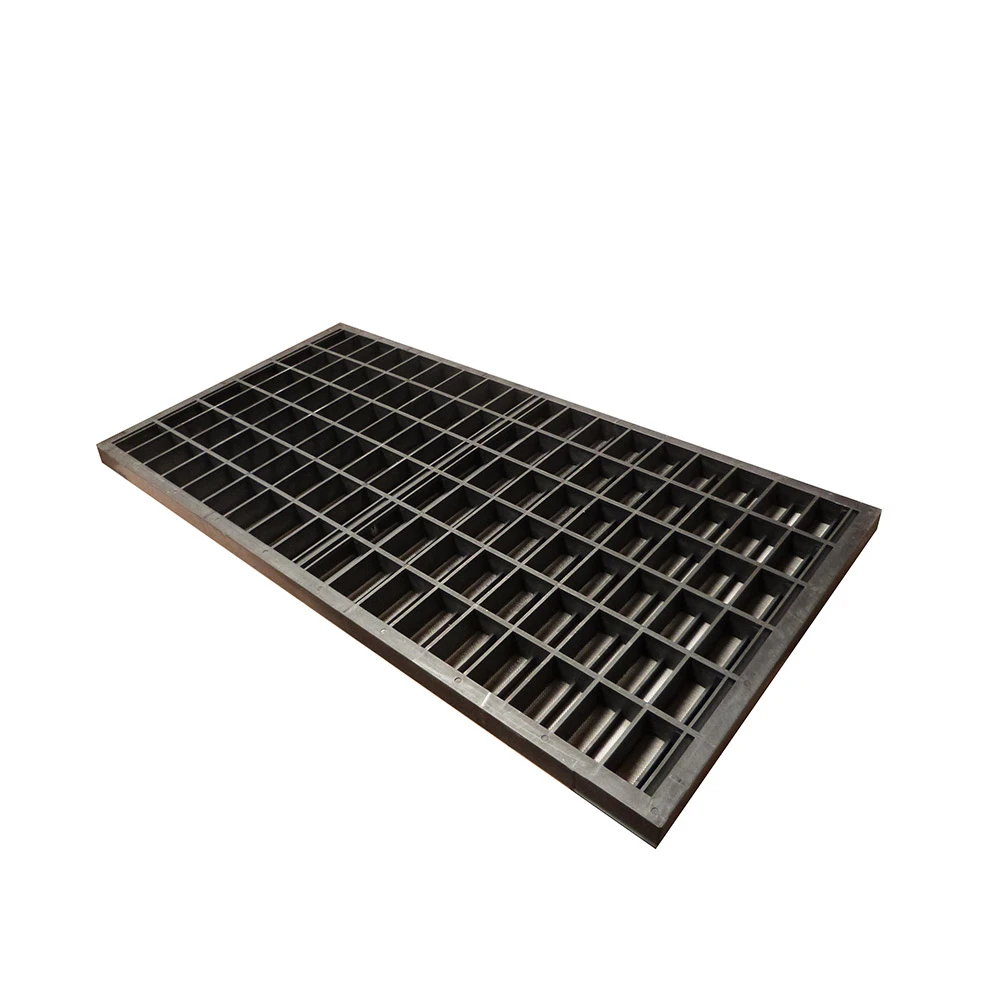
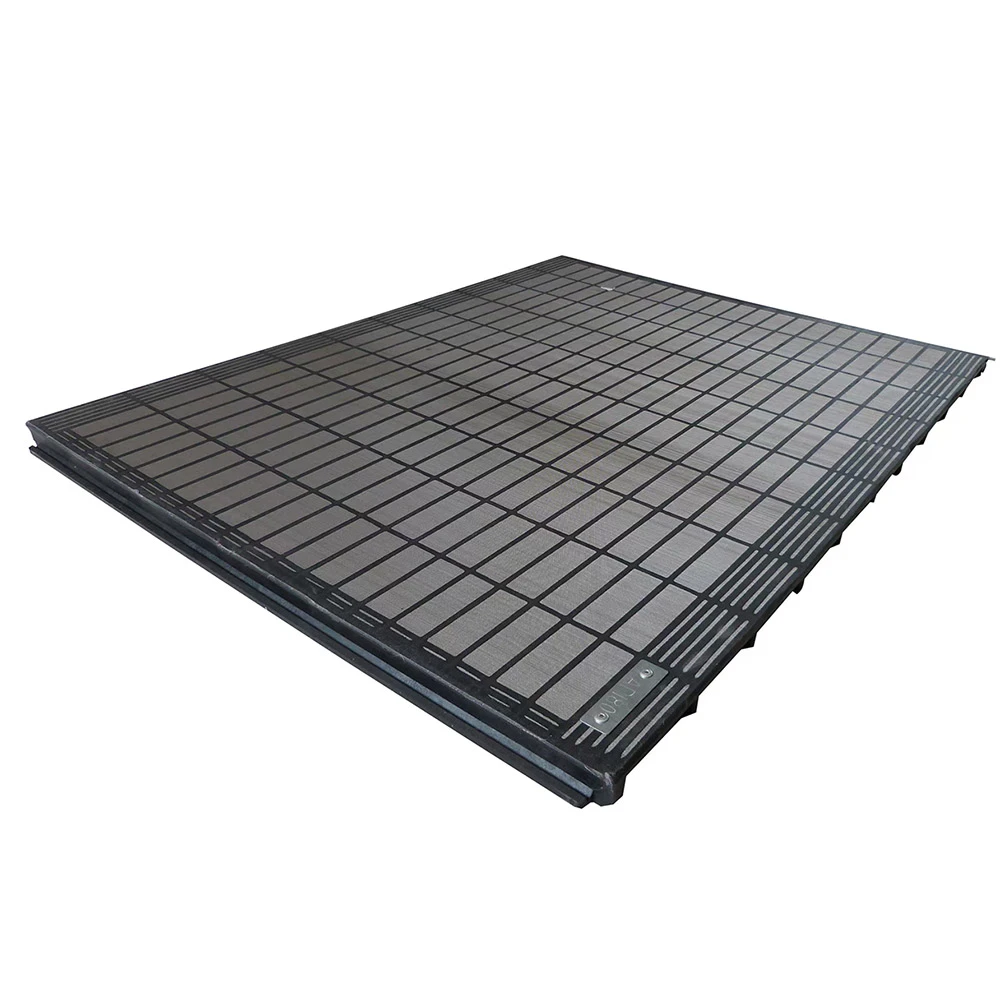
Peru's mining industry, centered heavily in the Andes, faces extreme challenges due to highly abrasive ore and fluctuating altitudes. The use of shaker screens must account for the high silica content found in local deposits, which accelerates the wear and tear of conventional metal meshes.
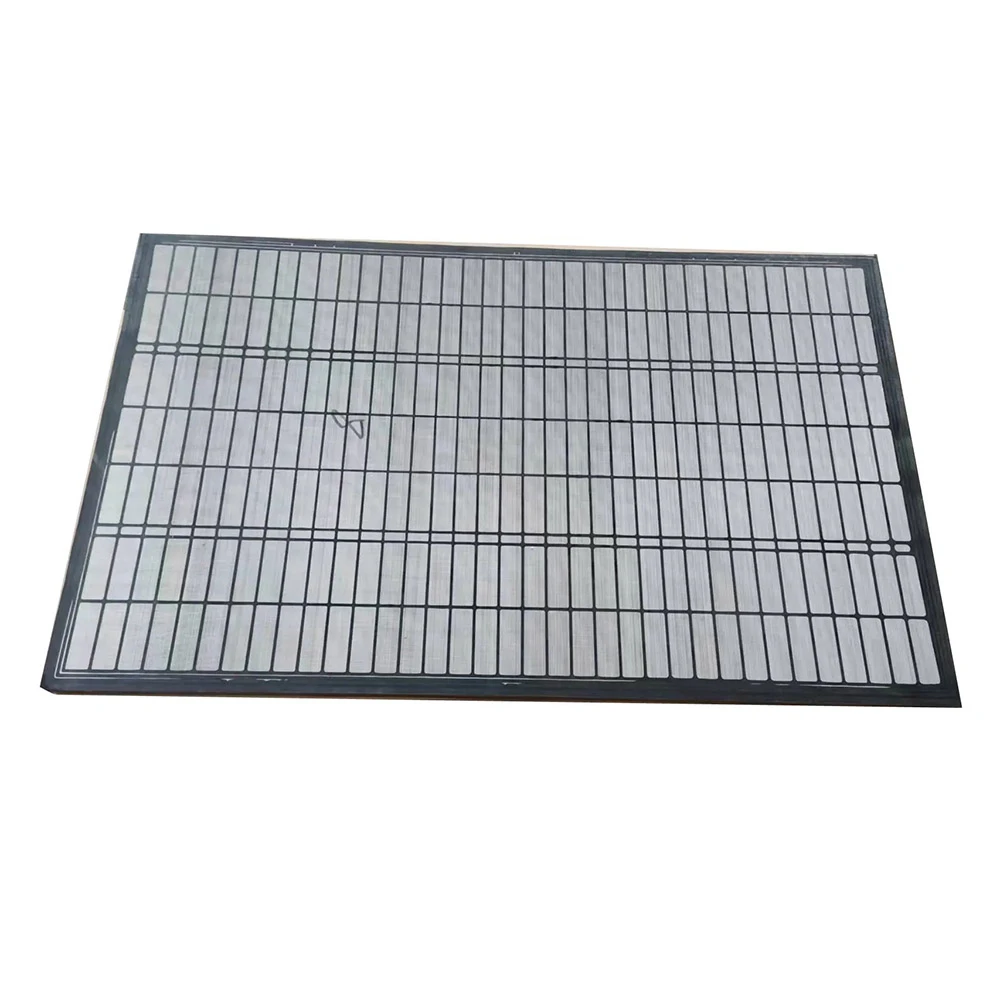
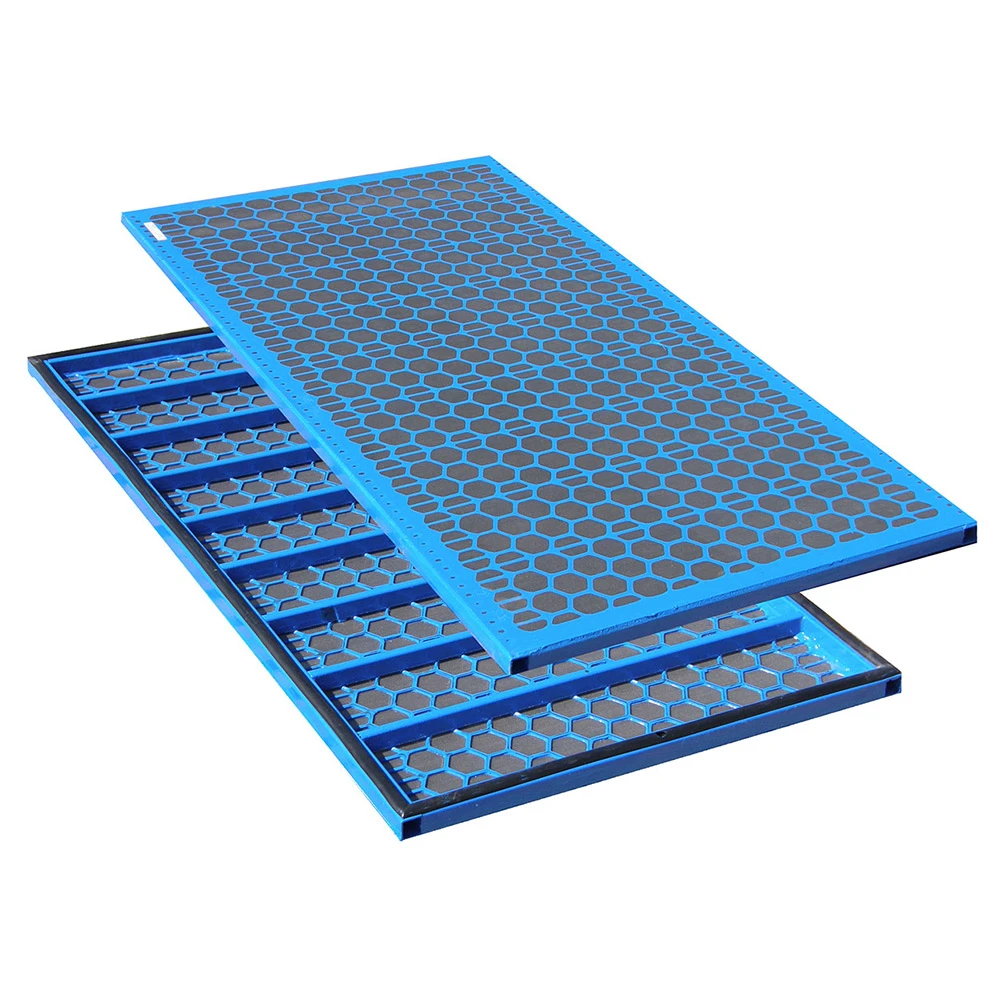
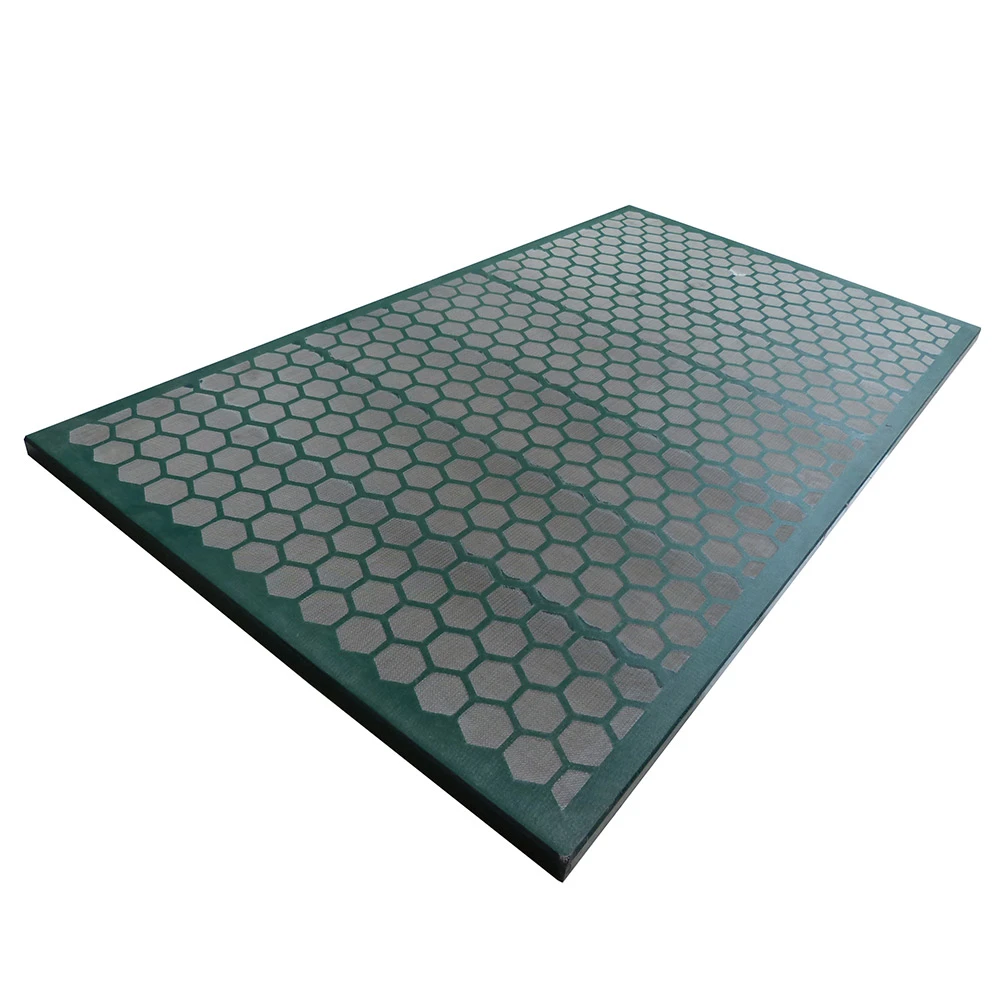
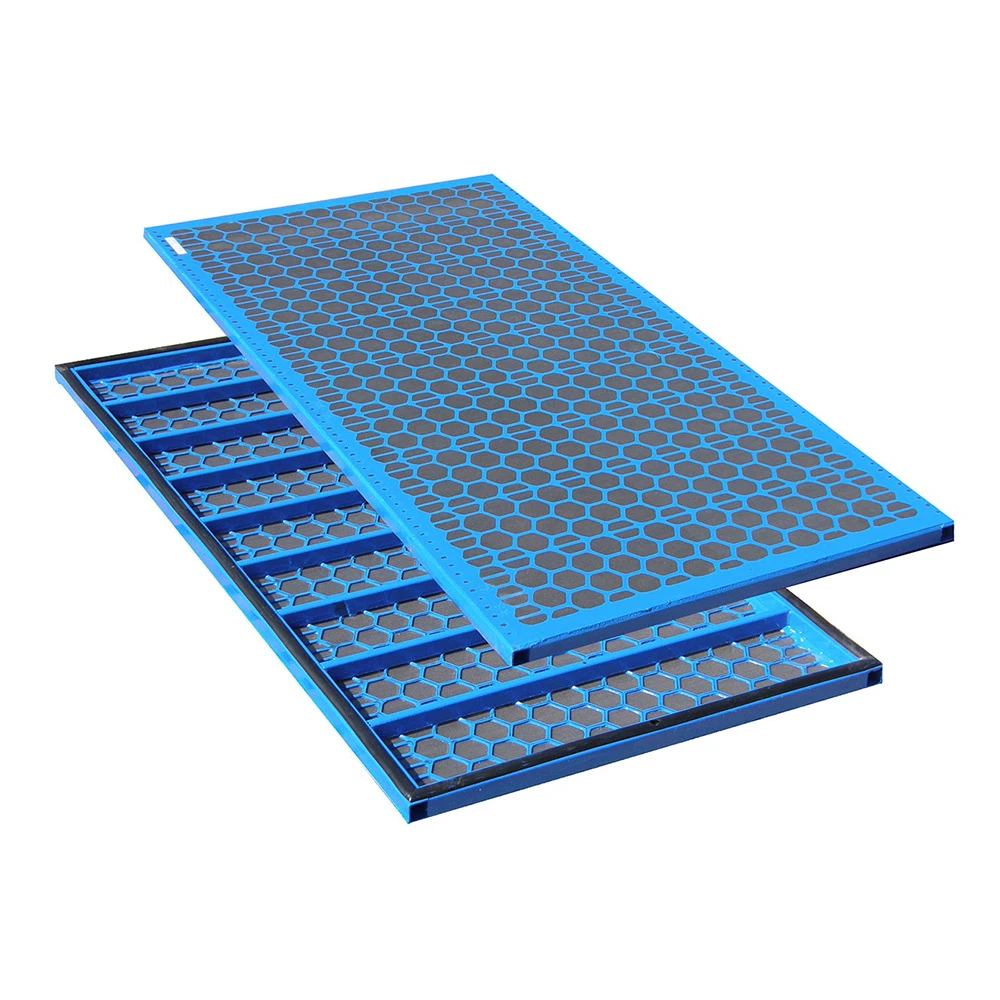
Climatic volatility, ranging from humid coastal zones to freezing alpine environments, requires materials that resist both oxidation and thermal stress. Consequently, the demand for high-tensile shaker screen mesh has surged as operators seek to reduce the frequency of screen replacements in remote sites.
Furthermore, the shift toward deeper open-pit mines in Peru means processing larger volumes of slurry. This puts immense pressure on shale shaker screen mesh to maintain structural integrity while preventing "blinding" or clogging during peak production cycles.