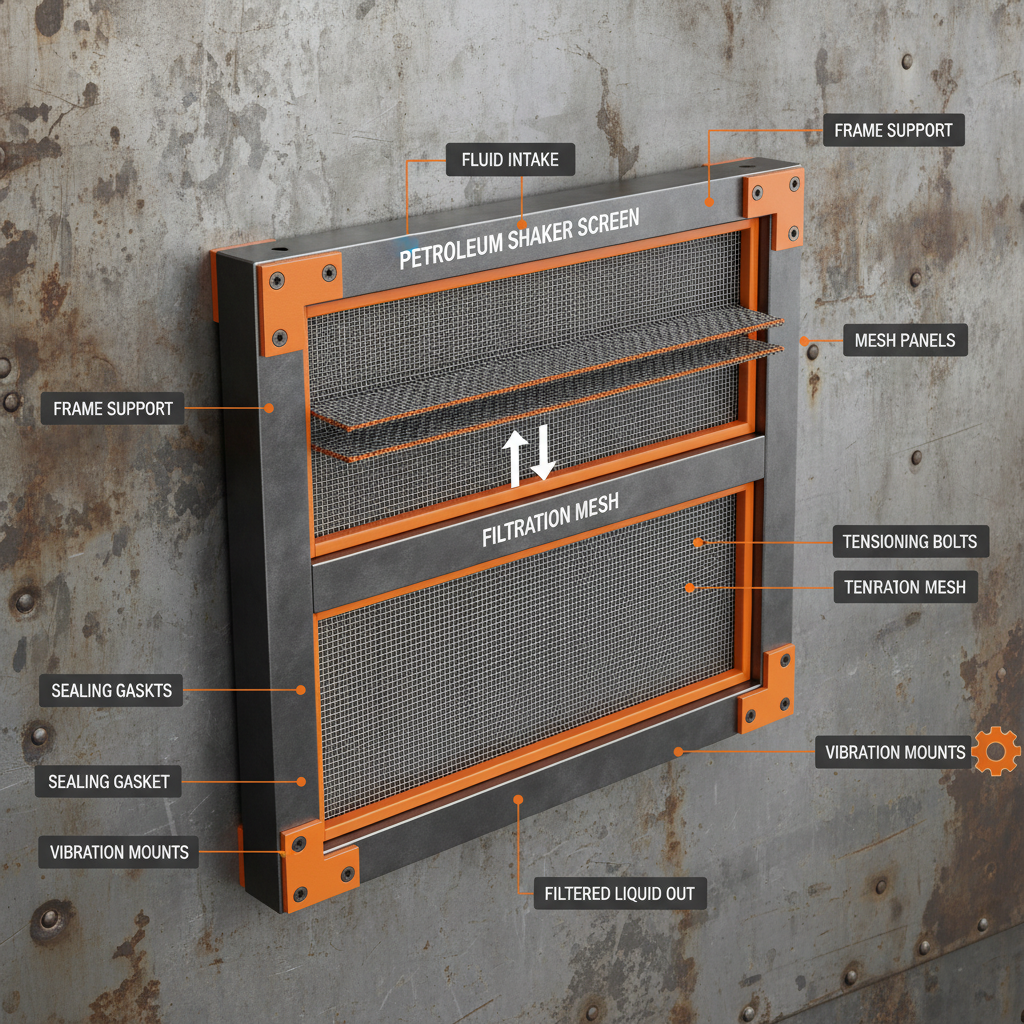
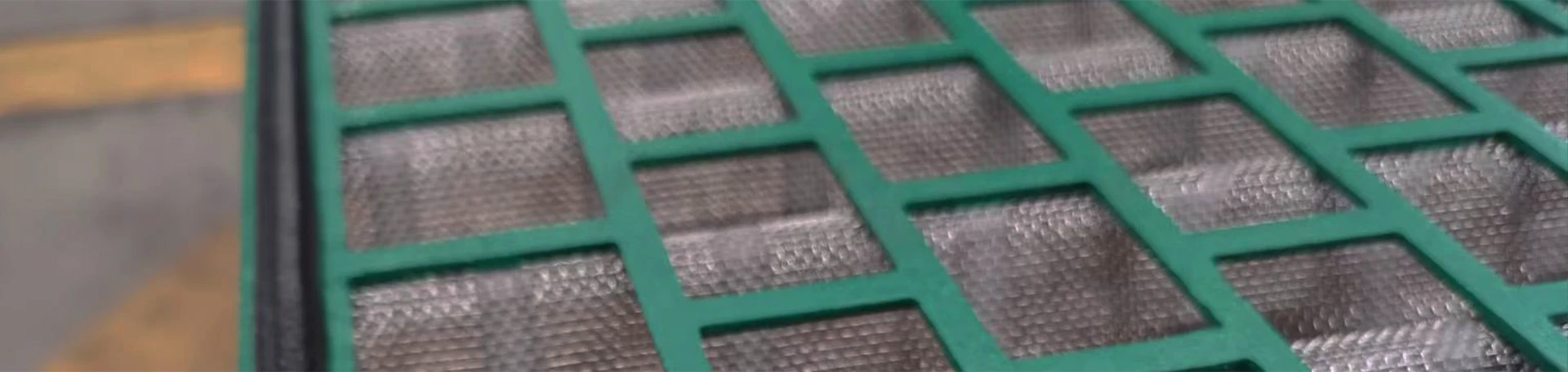
In industrial screening scenarios such as mineral processing and drilling fluid treatment, Derrick Pyramid Screens have become a key equipment for achieving efficient solid-liquid separation with their unique structural design and precise mesh holes. It breaks through the limitations of traditional flat screens in terms of processing capacity and separation accuracy. Through a three-dimensional pyramid structure and precisely calibrated mesh holes, it can not only allow liquid phase and fine particles to pass smoothly, but also efficiently intercept larger solid particles. Its performance directly affects the efficiency of material classification processing and the quality of subsequent processing.
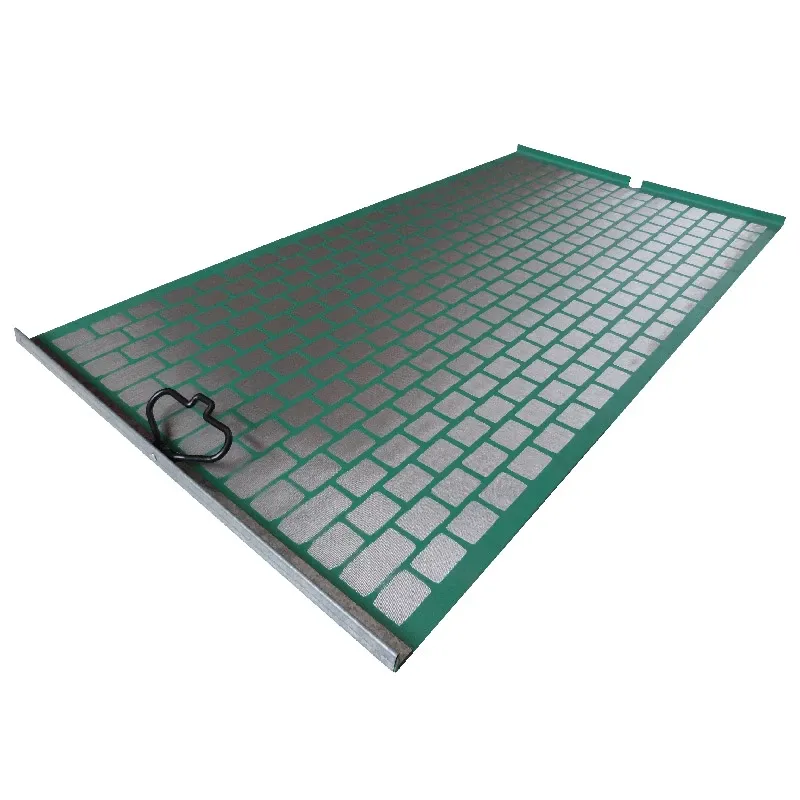
The core advantage of Derrick Pyramid Screens lies in the synergy between three-dimensional structure and material craftsmanship
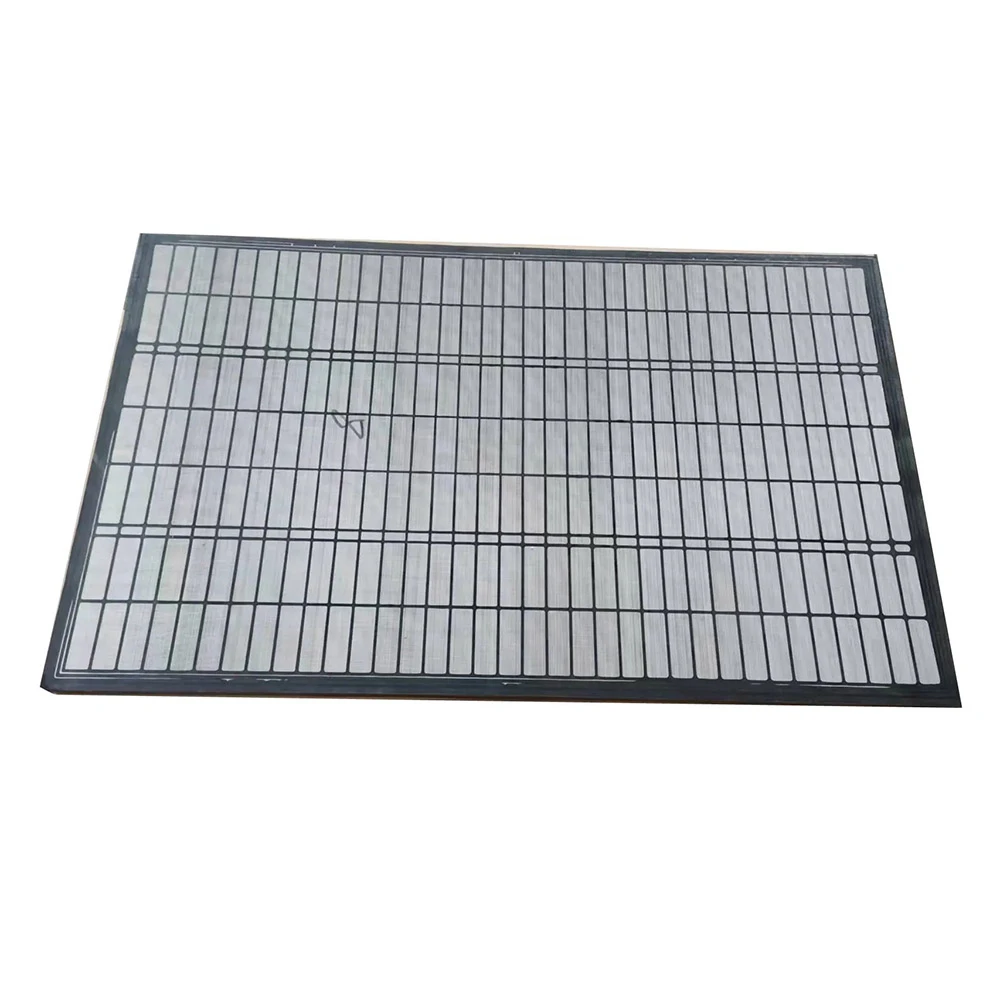
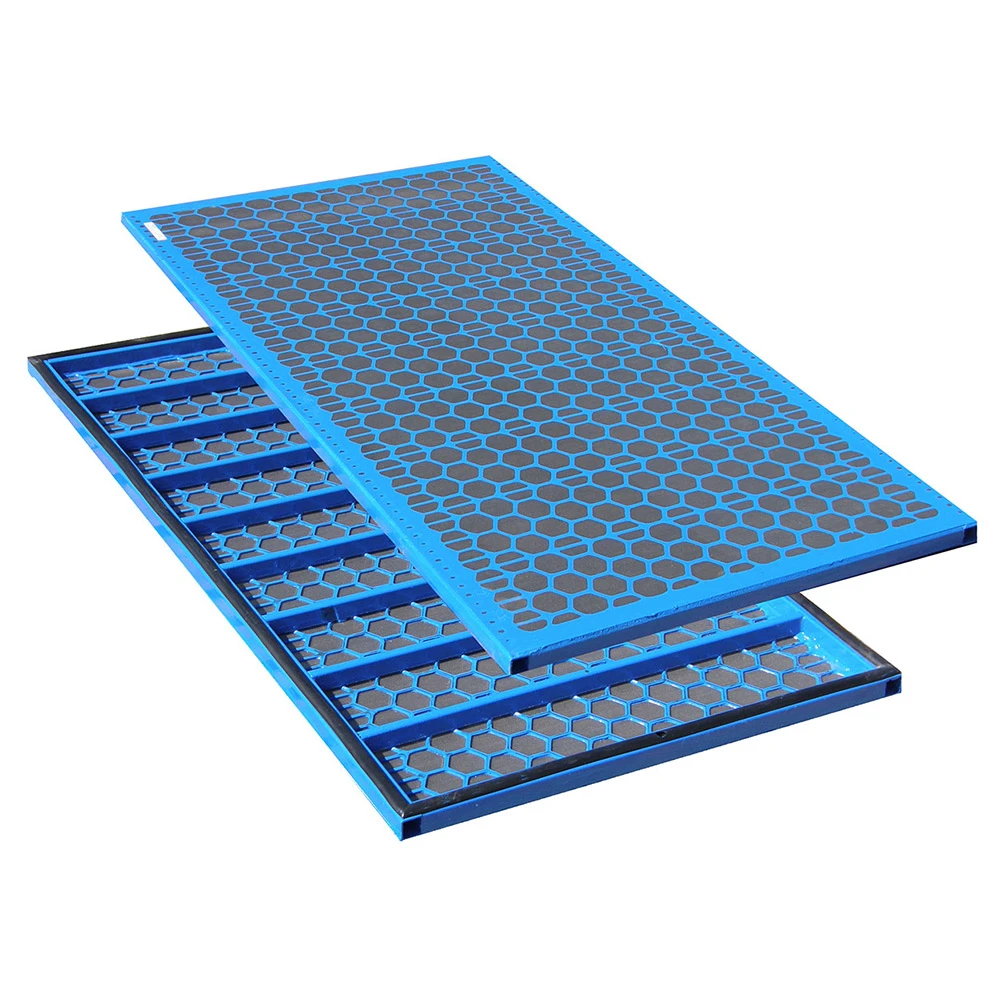
Shaker screens adopt a multi-layer composite structure, with a high-strength stainless steel mesh at the base layer to ensure the rigidity and durability of the overall structure; The middle layer is a precision calibrated polyester sieve, with mesh sizes precisely set according to separation requirements, ranging from 20 microns to 5 millimeters, ensuring smooth passage of fine particles and liquid phase, while effectively intercepting excessive solids; The surface adopts a pyramid shaped convex point design, which increases the effective area of the screening surface through a three-dimensional structure, reduces material accumulation, and accelerates the separation process. The edge is fixed with an aluminum alloy frame, which not only ensures the flatness of the screen mesh, but also enhances the stability of the connection with the screening equipment. The support points of the three-dimensional structure are evenly distributed, which can disperse the pressure caused by material impact and extend the service life.
The key criteria for measuring the quality of Derrick Pyramid Screens include separation accuracy, structural strength, and durability
The calibration accuracy of the shaker screen mesh mesh should be within ± 5% of the design size to ensure the consistency of particle size separation and avoid classification confusion caused by mesh deviation; The stability of the three-dimensional structure needs to meet the requirements of high-frequency vibration environment, and the combination between the pyramid convex points and the base layer should be firm, without detachment or deformation; The corrosion resistance of the material needs to adapt to different working conditions, such as the chemical substances in drilling fluid and the acidic and alkaline environment in mineral processing, to ensure stable long-term performance; In addition, the liquid permeability of the sieve surface needs to be maintained at a high level to retain solids without hindering the flow of liquid phase, ensuring treatment efficiency.
In practical applications, Derrick Pyramid Screens have a wide range of scene adaptability
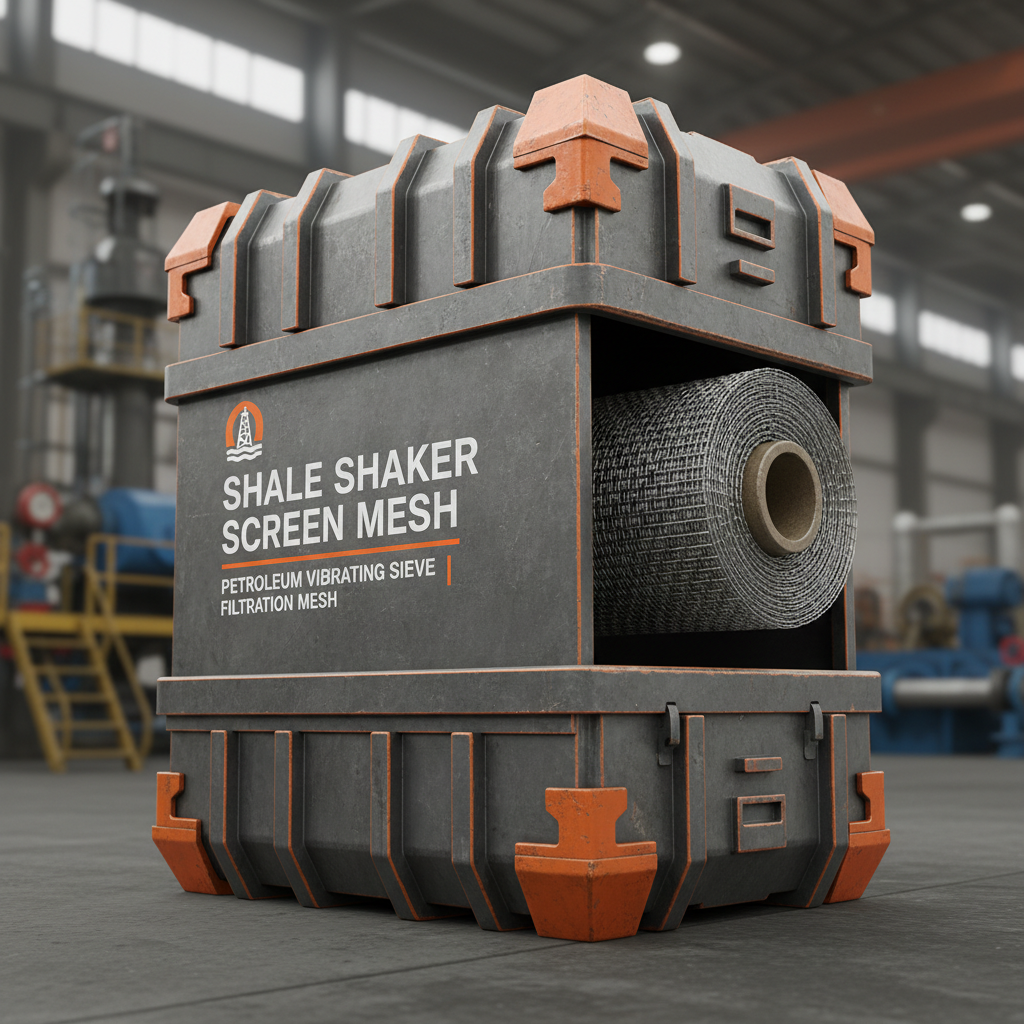
In the treatment of shale shaker screen mesh oil and gas drilling fluid, it can effectively separate rock cuttings from the liquid phase in the drilling fluid. The recovered drilling fluid can be recycled, reducing resource consumption, and the intercepted rock cuttings are easy to handle centrally; In mineral processing scenarios, different mesh sizes are combined to achieve graded screening of ore particles, providing precise raw materials for subsequent crushing and grinding; In industrial wastewater treatment, suspended solid particles in the water can be separated, and the purified water quality meets the standards for recycling or discharge; Even in the processing of building materials, impurities in sand and gravel can be screened to improve the purity of finished building materials.
With the development of industrial screening technology, the innovation of Derrick Pyramid Screens continues to deepen
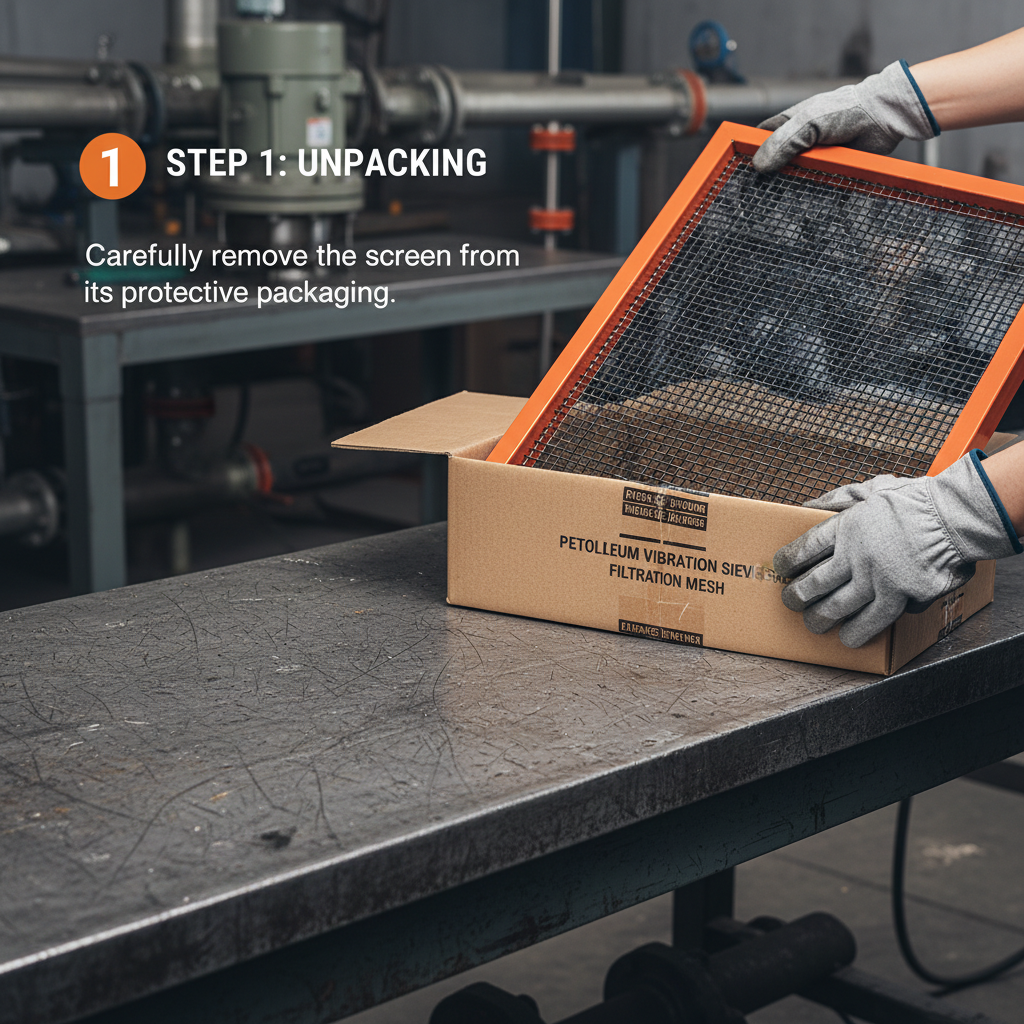
In terms of environmental protection, some products use recycled stainless steel and biodegradable polyester materials to reduce the environmental impact of the production process; In terms of functional optimization, by adjusting the density and height of the pyramid protrusions, the flow path of materials on the screen surface is optimized to improve separation efficiency; The mesh design introduces gradient changes to achieve multi-stage separation on the same screen surface, reducing the number of equipment used; In addition, modular installation design makes screen replacement more convenient, reduces maintenance downtime, and adapts to the needs of continuous production.
In summary, aggregate shaker screens, with their three-dimensional structure and precision mesh as the core, have become a key component in industrial grading and screening systems through the combination of efficient separation and structural durability. It not only achieves the basic functions of solid-liquid separation and particle classification, but also provides support for the sustainable development of industrial production by improving processing efficiency and reducing resource consumption. In the future, with the advancement of material technology and screening processes, it will develop towards greater precision, environmental friendliness, and adaptability to complex working conditions, continuously promoting the upgrading of industrial separation technology.
Derrick Pyramid Screens FAQs
What is the core working principle of Derrick Pyramid Screens?
Derrick Pyramid Screens adopts a multi-layer stacked precision sieve structure, achieving graded filtration through strictly calibrated mesh sizes. Its pyramid shaped design forms a tapered filtration channel, where the liquid phase and fine particles penetrate the mesh under gravity or pressure, while larger solid particles are trapped on the surface of the sieve due to size limitations. The dynamic vibration system further prevents mesh blockage and ensures efficient separation.
How do Derrick Pyramid Screens address the filtration challenges of high viscosity fluids?
Derrick Pyramid Screens uses surface coating technology and optimized porosity design for high viscosity fluids. The special coating reduces fluid adhesion resistance, while the stepped mesh arrangement generates shear force, breaking the surface tension of the fluid. Combined with high-frequency low amplitude vibration mode, it can force viscous media to pass through the mesh while maintaining a solid phase retention rate of over 98%.
What are the scientific basis for selecting Derrick Pyramid Screens materials?
The material selection is based on three major indicators: wear resistance, chemical compatibility, and fatigue strength. 316L stainless steel is suitable for most corrosive environments, Hastelloy alloy is resistant to strong acid-base conditions, and polyurethane coating is used to buffer high hardness particle impacts. Each layer of screen is subjected to electron beam micro welding treatment to ensure structural integrity even at high temperatures of 200 ℃ and pressures of 5MPa.
Why is it said that Derrick Pyramid Screens design has a longer lifespan than traditional flat screens?
The three-dimensional pyramid structure disperses single point impact loads throughout the entire three-dimensional grid, and finite element analysis shows a 60% improvement in stress distribution uniformity. The self-cleaning effect is achieved through particle collision, reducing 90% of clogging wear compared to flat screens. Actual test data shows that the service life can reach over 12000 hours in the quartz sand separation scenario.
How to verify the reliability of Derrick Pyramid Screens separation accuracy?
Double validation was conducted using laser diffraction and dynamic image analysis to statistically analyze the particle size distribution of particles passing through the sieve. The standard testing process includes ISO 9045 screening efficiency test and ASTM E11 calibration certification to ensure that the actual error of the nominal 100 μ m sieve does not exceed ± 2.3 μ m. Users can extract real-time filtrate for turbidity detection through the end sampling port.