Understanding the Custom Shale Shaker Screen: Why It Matters Globally
If you've ever dipped a toe into the oil and gas sector (or just skimmed some engineering news), the term custom shale shaker screen might have popped up. But why should anyone outside industrial circles care? Well, shale shaker screens are quite literally the frontline defenders in the battle to separate solids from drilling fluids during well operations. And get this — their performance can influence everything from environmental safety to operational costs worldwide.
On a global scale, effective solids control affects how sustainably minerals and energy resources are extracted. Poor filtration can lead to expensive downtime or environmental spills. So understanding these custom screens isn’t just niche jargon; it’s about optimizing industrial efficiency and reducing ecological footprints — a win-win for companies and communities alike.
Custom Shale Shaker Screens in the Global Industry Context
The oil and gas drilling industry moves over $3 trillion a year worldwide, with solids control representing an estimated 5-10% of operational expenses (International Energy Agency). Custom shale shaker screens have grown increasingly important as drilling ventures reach more challenging terrains — from ultra-deep offshore rigs to arid landlocked fields in Asia and Africa.
Yet many drillers face the challenge of mismatched screen sizes and inadequate durability in their off-the-shelf units, leading to premature wear and costly replacements. This problem illustrates the need for tailored solutions — which is exactly where custom shale shaker screen solutions shine.
What Exactly Is a Custom Shale Shaker Screen?
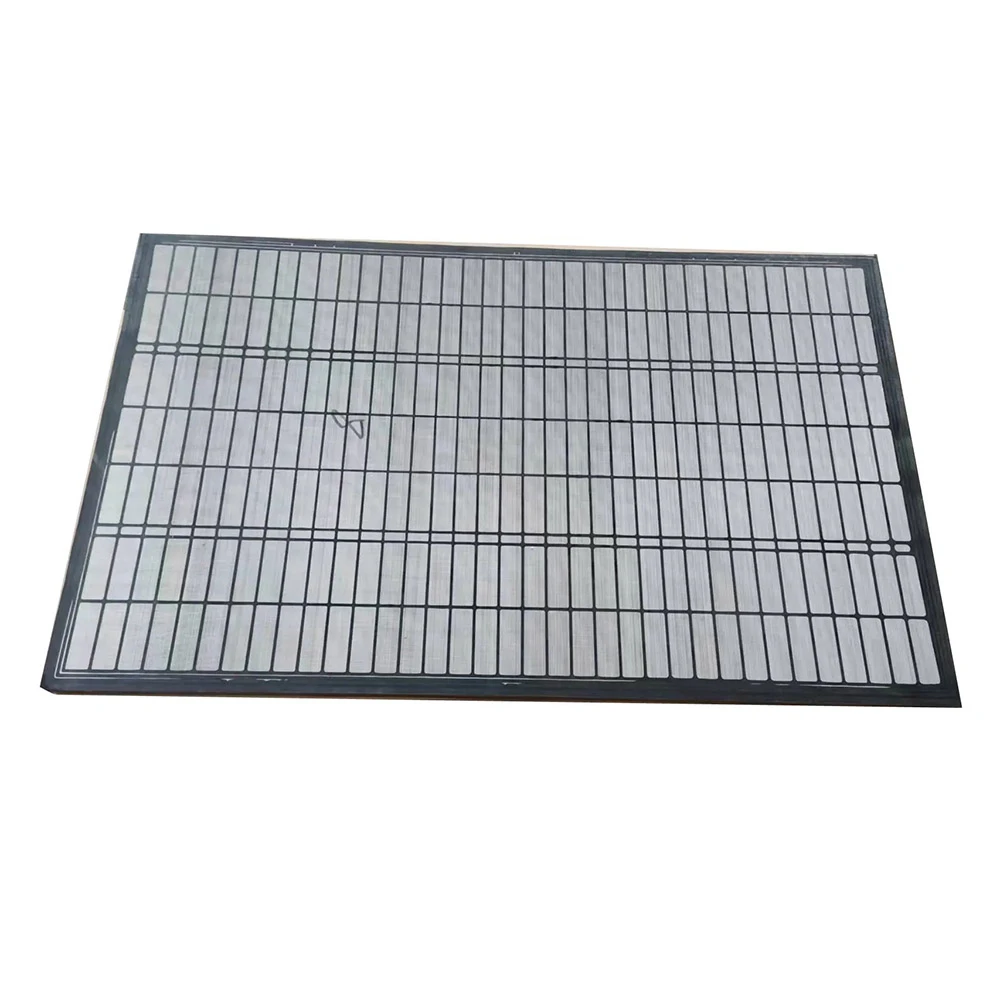
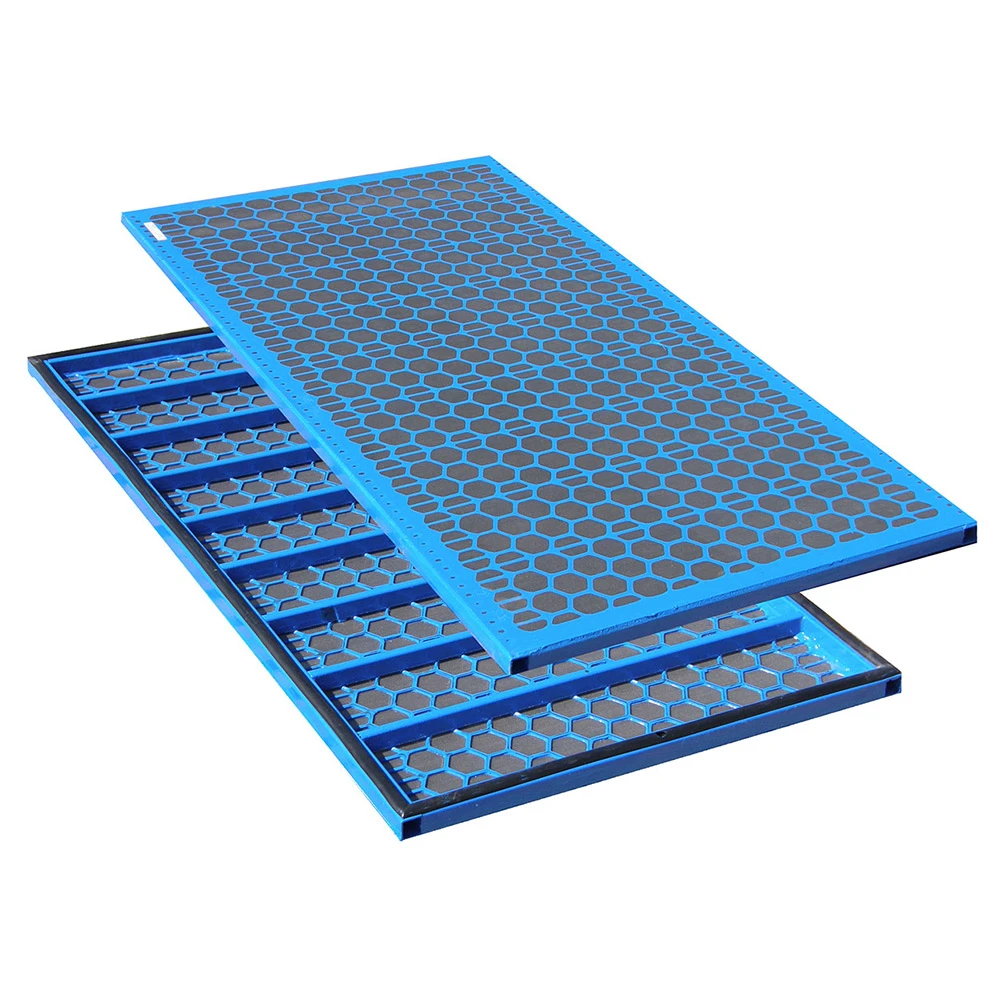
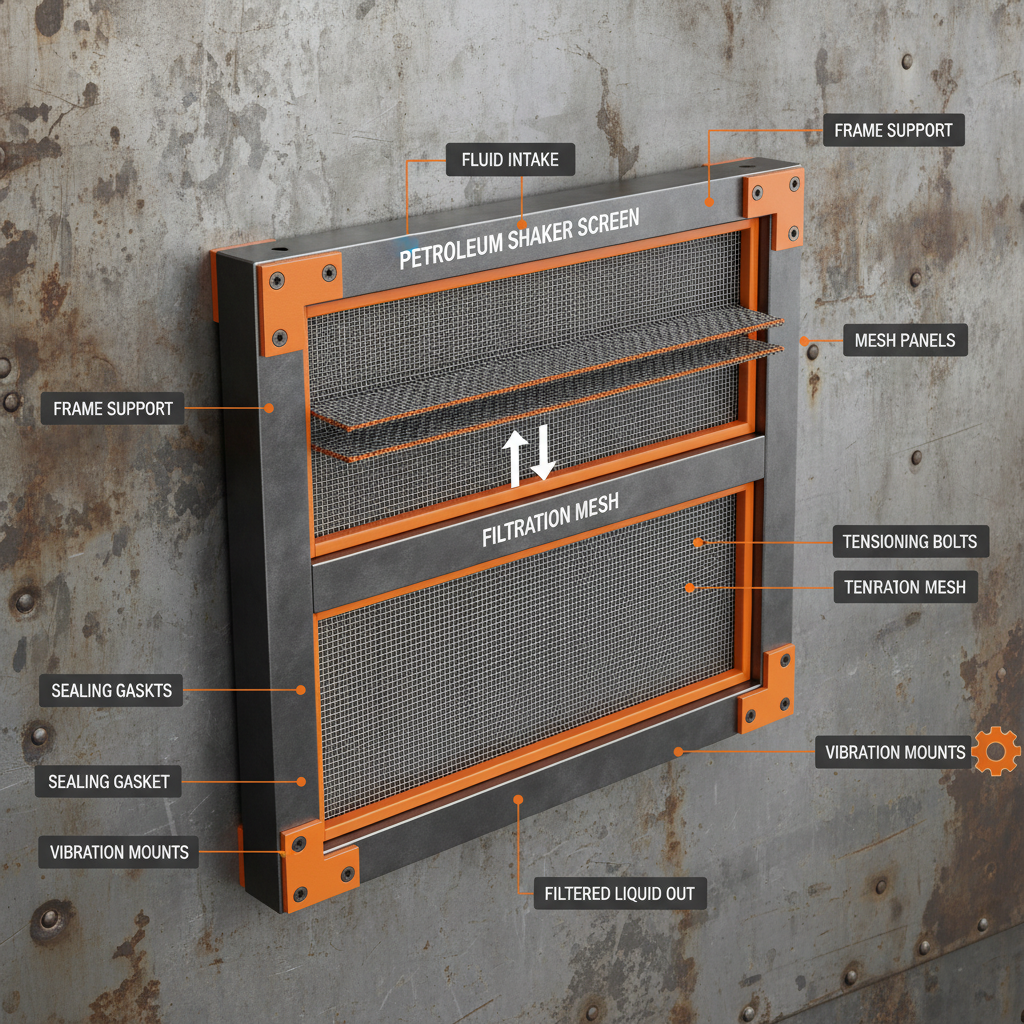
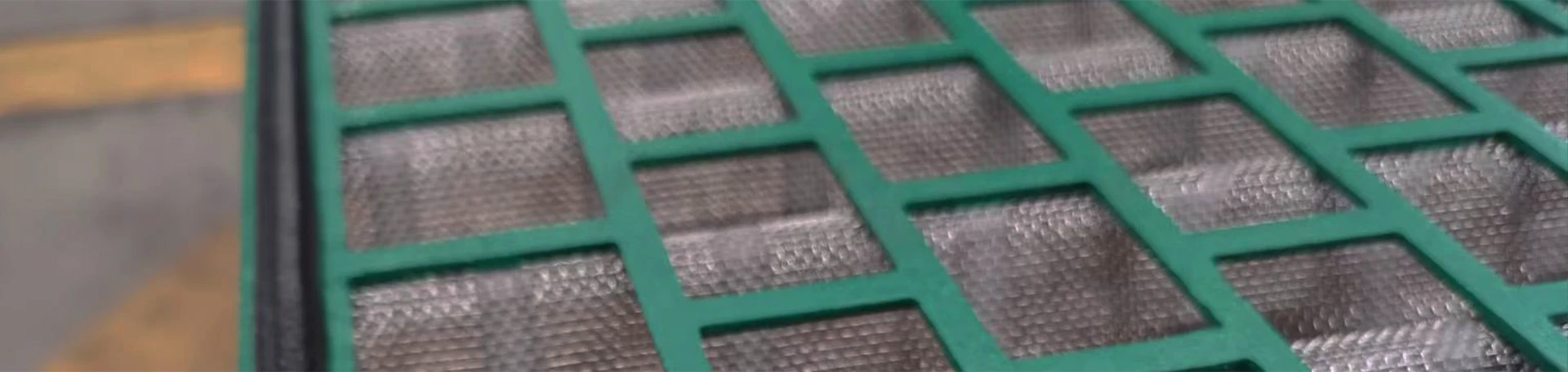
In simple terms, a shale shaker screen is a mesh panel that sits atop a shale shaker – the piece of equipment that vibrates drilling fluid to separate cuttings and debris. When we say custom, we mean these screens are built to spec: specific mesh size, frame design, and material strength, tailored to fit particular shaker models or drilling site conditions.
This customization directly ties into modern industry demands — it’s about enhancing filtration precision, durability, and compatibility. Plus, in humanitarian settings like mining communities or disaster-stricken areas where resource access is tight, having durable, custom options can significantly reduce downtime and environmental risk.
Core Components & Key Factors of a Custom Shale Shaker Screen
1. Durability
One of the biggest selling points is longevity. Screen wear zones undergo extreme abrasion from rock fragments and drilling fluids. Custom screens often use advanced materials like polyurethane or stainless steel mesh that resist corrosion and tearing — translating into longer service life on site.
2. Compatibility
Because shale shakers from brands like Derrick, Swaco, or Brandt have unique designs, a ready-made screen might not fit perfectly. Customization helps engineers create tailored mesh and frame sizes, improving efficiency and reducing vibrations or screen slippage.
3. Filtration Precision
Mesh size determines how finely solid cuttings are separated. Custom screens can be engineered to target specific particle sizes, enhancing recovery of valuable drilling fluids and reducing waste.
4. Cost Efficiency
Sure, custom may seem pricier upfront, but fewer replacements and better fluid recovery can dramatically lower overall operations cost.
Custom Shale Shaker Screen — Specs at a Glance
| Specification | Custom Option | Standard Option |
|---|---|---|
| Material | Polyurethane, Stainless Steel, Composite | Steel, Mesh Only |
| Mesh Size (API Equivalent) | Customized between 20-325 mesh | Fixed (usually 100-160 mesh) |
| Frame Design | Tailored to shaker model and vibration pattern | Universal or model-specific standard |
| Service Life | Up to 3x longer | Standard cycle |
Global Applications & Use Cases
Custom shale shaker screens play pivotal roles across continents. For instance, in North Sea offshore rigs, operators custom-build screens resistant to salty corrosion and high-pressure vibrations. Meanwhile, African onshore oilfields require rugged screens that endure high temperatures and dusty conditions.
Even humanitarian projects benefit: in areas recovering from mining-related environmental disasters, custom screens help reduce drill waste contamination efficiently, safeguarding local water supplies. I noticed that many NGOs supporting remote drilling initiatives prefer such tailored solutions due to ease of replacement and adaptability.
Comparing Leading Vendors of Custom Shale Shaker Screen
| Vendor | Material Quality | Customization Range | Lead Time (Days) | Price Range |
|---|---|---|---|---|
| SolidControlPart | High-grade polyurethane & steel | Full range mesh & frames | 10–14 | $$ |
| Vendor B | Steel mesh only | Limited mesh sizes | 7–10 | $ |
| Vendor C | Composite materials | Wide customization | 15–20 | $$$ |
Advantages & Long-Term Value
- Cost Savings: Less frequent replacements and less downtime mean better budget allocation.
- Environmental Sustainability: Better filtration reduces waste discharge and contamination.
- Operational Reliability: Custom screens fit perfectly, reducing failures or downtime.
- Worker Safety: Less handling of broken or poorly fitting screens lowers hazards.
It’s not just about economics; the trust and confidence engineers have when using a screen that “just fits” — you know it won’t jam or tear unexpectedly — is priceless. There's also peace of mind knowing the environment is handled responsibly.
Emerging Future Trends & Innovations
Looking ahead, the industry tends to lean into lighter yet stronger polymers, bio-degradable mesh materials, and IoT-enabled wearable sensors that monitor screen wear in real-time. Oddly enough, smart shale shaker screens could soon tell operators exactly when to swap them, minimizing manual inspections.
Digital transformation doesn’t stop at drilling rigs: it’s entering solids control, promising smarter, greener, and more automated solutions — something to watch closely in the next 5-10 years.
Challenges & Pro Solutions
Of course, customization takes time and costs more up front. Logistical hurdles in remote regions delay deliveries. And compatibility mishaps can happen without careful engineering. Here, reliable vendors offering end-to-end design and fast prototyping matter most.
Engineers suggest embracing modular screen designs that snap onto multiple machine types to hedge compatibility risk — clever stuff. Also, partnering with local fabricators can slash lead times and build supply chain resilience.
FAQ: Your Custom Shale Shaker Screen Questions Answered
Q1: How do custom shale shaker screens improve drilling fluid recovery?
A1: By precisely tailoring mesh size and material, custom screens filter solids more effectively, minimizing valuable drilling fluid lost during separation processes.
Q2: Are custom screens compatible with all shale shaker brands?
A2: Most vendors design screens for major brands like Derrick, Swaco, and Brandt, but verifying model-specific dimensions before ordering is essential to ensure a perfect fit.
Q3: What materials are best for high-temperature drilling sites?
A3: Polyurethane and stainless steel mesh resist heat and abrasive wear better than standard steel-only screens, making them ideal for challenging environments.
Q4: How long does it typically take to get a custom shale shaker screen manufactured?
A4: Lead times vary, but most suppliers deliver within 10-20 days depending on customization specifics and volume.
Q5: Can custom screens reduce environmental impact during drilling?
A5: Absolutely. Enhanced filtration decreases pollutant discharge and improves solids management—key for regulatory compliance and community health.
In Conclusion: Why Investing in Custom Shale Shaker Screens Makes Sense
So there you have it — custom shale shaker screens might sound like a small cog in the vast drilling machine, but they’re crucial for operational success and environmental stewardship worldwide. From their tailored durability to future-ready smart tech, these screens offer an impressive blend of performance and promise.
If you’re looking to explore high-quality, adaptable options, why not take a peek at custom shale shaker screen solutions offered by trusted suppliers? After all, tweaking the small stuff often unlocks big returns.
Mini takeaway: Custom shale shaker screens aren’t just parts; they’re strategic investments that help the drilling industry dig smarter, cleaner, and safer.
References