Understanding the Custom Shaker Screen: Key to Efficient Industrial Separation
At first glance, a custom shaker screen might not sound like headline material — but in industries worldwide, understanding this piece of equipment unlocks immense value. From oilfields in Texas to mining operations in Australia, the humble shaker screen plays a pivotal role in separating solids from liquids. Its global significance is tied to resource efficiency, environmental protection, and cost savings.
What makes custom shaker screens especially fascinating is how tailored they can be — shaped precisely to match the quirks and demands of unique operations. This flexibility drives better performance and sustainability. If you’re curious about how such a seemingly straightforward tool powers complex industrial processes, let’s dive in.
Global Context: Why the Custom Shaker Screen Matters Today
Globally, the demand for resources has surged; the UN reports continued growth in energy and mineral extraction worldwide. This comes with a pressing need to optimize industrial processes, lower waste, and safeguard the environment. Shaker screens are at the heart of this optimization, used extensively in drilling mud management, mineral processing, and wastewater treatment.
Oddly enough, despite its widespread use, many industries struggle with inefficiencies because generic screens don’t fit all applications perfectly. According to ISO standards on solids control equipment, custom shaker screens reduce downtime and scrap rates significantly, offering an edge that generic replacements can’t match.
What Is a Custom Shaker Screen?
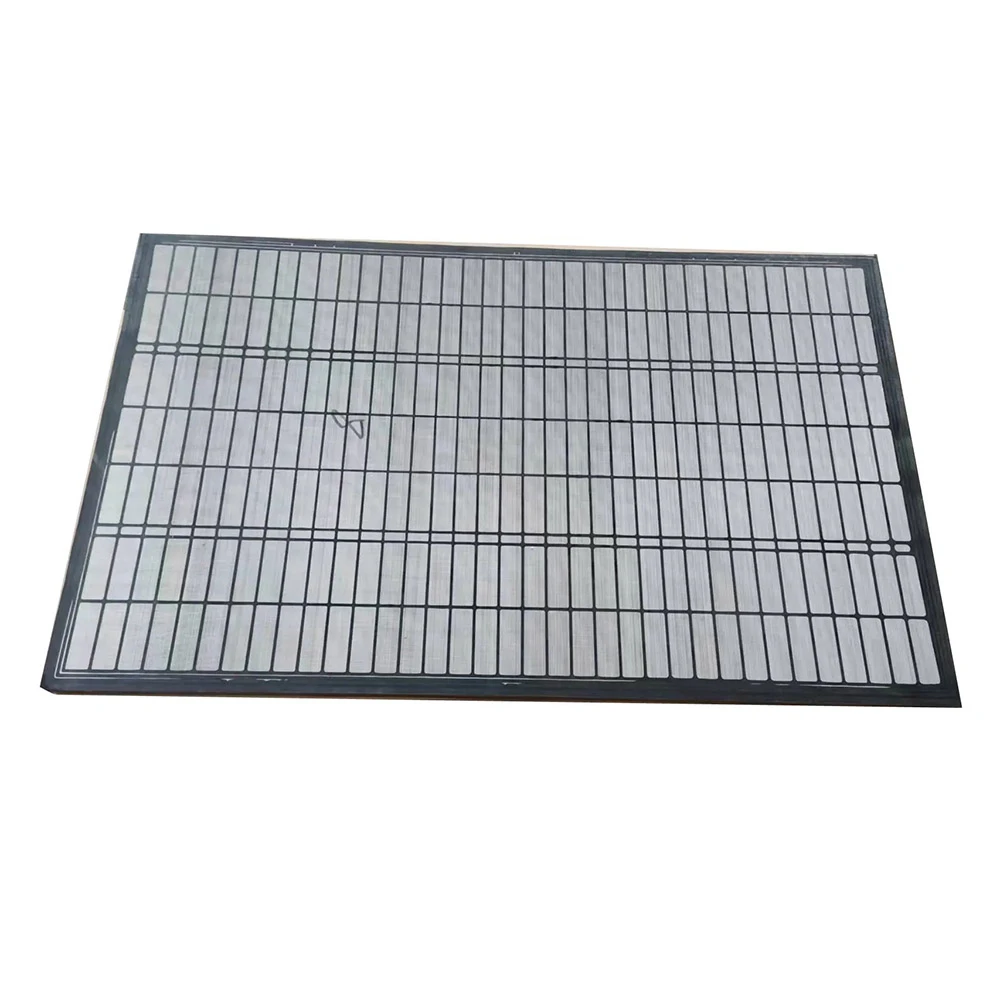
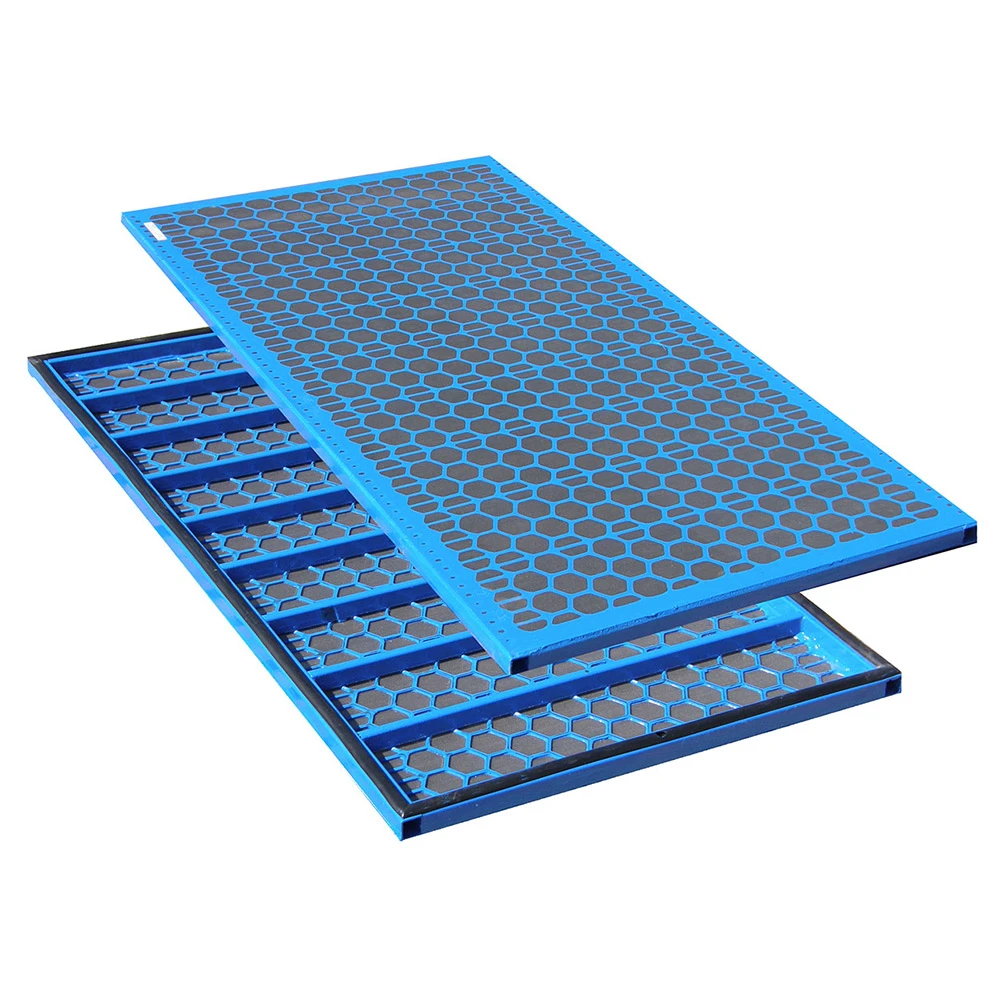
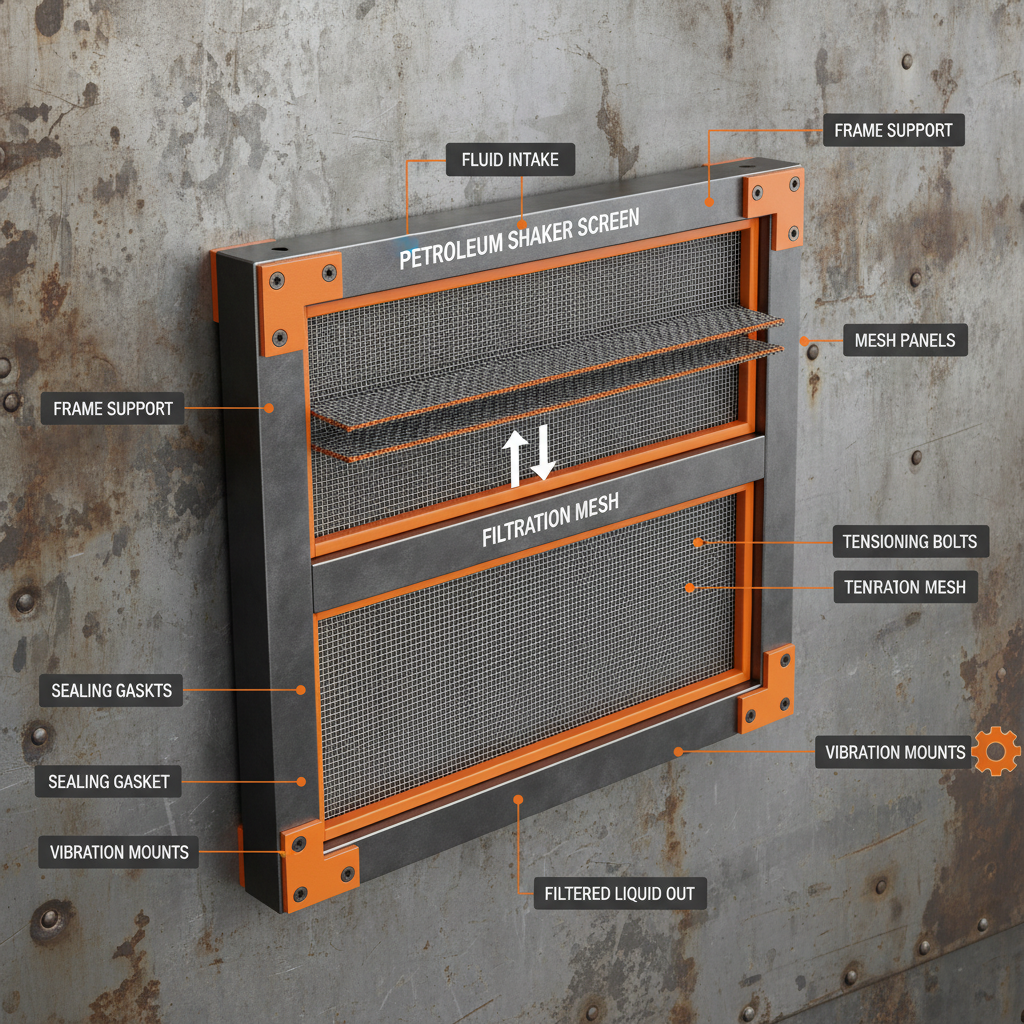
Simply put, a custom shaker screen is a sieving or filtering mesh designed specifically to fit an industrial shaker device. These devices vibrate solids-liquid mixtures (like drilling mud or slurry) to separate particles by size. Customization means adjusting factors like size, mesh type, frame materials, and tensioning to fit the exact shaker model and operational environment.
Linking modern industries and sustainable practices, custom shaker screens allow operators to keep contaminants out and valuable solids in play, enhancing recovery rates and lowering environmental footprints.
Key Components and Features of Custom Shaker Screens
1. Durability
Since shaker screens endure abrasive, high-pressure environments, durability is king. Frames may use stainless steel, polyurethane, or composite materials, which help resist corrosion and mechanical wear — extending screen life and reducing replacements.
2. Mesh Design and Aperture Size
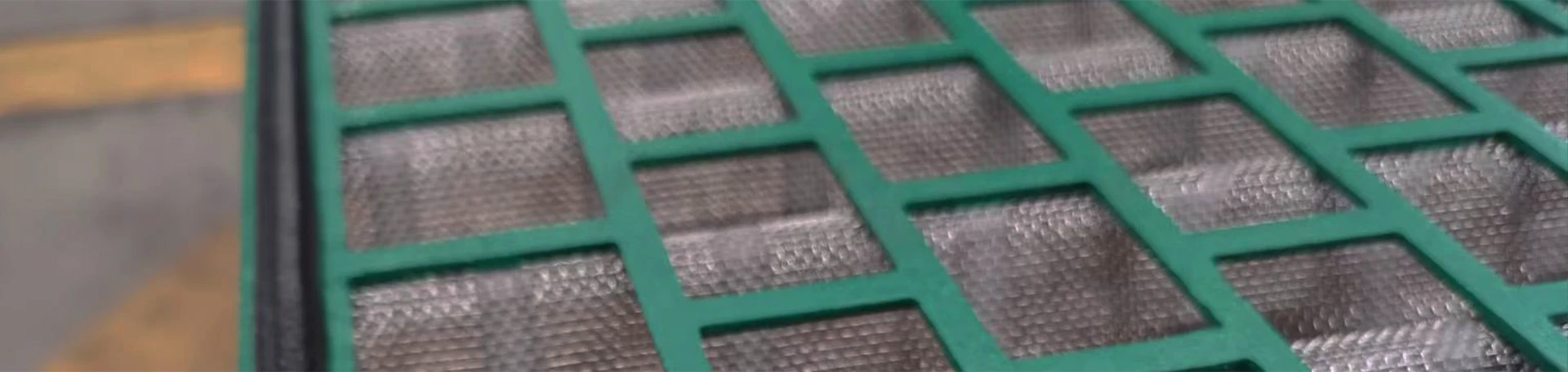
The mesh (woven wire or synthetic) determines what particles get filtered out. Customization here ensures you filter precisely what’s needed — whether coarse sand or fine silt — enhancing process accuracy.
3. Compatibility & Fit
Every shaker manufacturer has unique screen attachment designs. Custom screens fit perfectly, minimizing vibration loss and increasing separation efficiency. It’s a bit like bespoke tailoring — the better the fit, the smoother the operation.
4. Ease of Installation and Maintenance
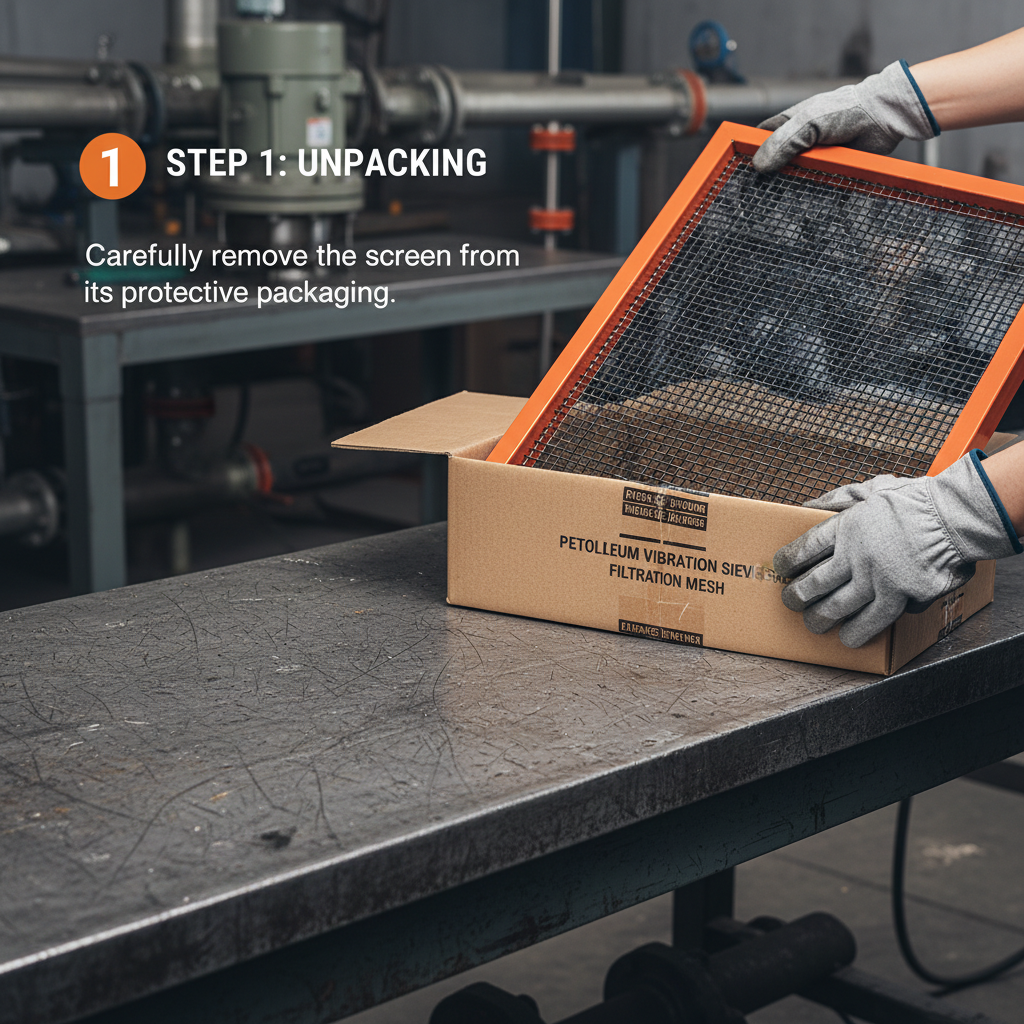
Custom designs often include features like quick-release frames or modular components, cutting down on downtime during change-outs. In industries where time is money, this is a godsend.
5. Cost Efficiency Over Time
Though custom screens may carry higher upfront costs, their extended lifespan and superior separation performance often translate into significant long-term savings.
| Specification | Typical Range | Benefit |
|---|---|---|
| Frame Material | Stainless Steel, Polyurethane, Composite | Improved durability & corrosion resistance |
| Mesh Type | Wire Cloth, Synthetic, Hook Strip | Precise particle separation |
| Aperture Size | 10 to 200 mesh | Controls cut point of solids |
| Screen Dimension | Varies by shaker model | Ensures secure fit and operation |
| Tension Type | Hook & loop, hook strip, framed tension | Prevents screen loosening under vibration |
Global Applications and Real-World Use Cases
Custom shaker screens are crucial across diverse industries:
- Oil & Gas: In drilling, they separate drilling fluids from rock cuttings, enabling fluid reuse and reducing environmental discharge.
- Mining: They classify and refine ores, improving mineral recovery and product purity.
- Wastewater Treatment: Municipal plants use shaker screens to remove solids before water re-entry to the environment.
- Construction: Recycled aggregate processing depends heavily on efficient shaking and sieving.
For instance, after the 2019 cyclone in Mozambique, mobile drilling rigs equipped with custom shaker screens helped to quickly treat and recycle water onsite — a game-changer for relief efforts in remote zones.
Mini Takeaway: The versatility and adaptability of custom shaker screens directly support global sustainability and operational efficiency goals, across both developed and developing regions.
Advantages and Long-Term Value of Custom Shaker Screens
Let’s be frank: using generic equipment might get you by, but it often costs more in the long run. Custom shaker screens bring tangible benefits:
- Cost Savings: Longer lifespan plus lower maintenance equal less downtime and replacement expense.
- Sustainability: Less waste sent to landfill, better resource recycling, and reduced environmental impact.
- Reliability: Custom fit means minimal screen blowouts or malfunctions, so operations keep humming.
- Safety and Dignity: Cleaner processes improve worker safety and meet stricter environmental regulations, fostering community trust.
It’s one of those cases where innovation quietly supports ethical, economic, and ecological progress all at once.
Looking Ahead: Future Trends in Custom Shaker Screens
Innovation is not standing still. The latest screens are incorporating:
- Advanced Composite Materials: Lighter, stronger, and more corrosion-resistant than ever.
- Digital Monitoring: Sensors integrated for real-time wear and vibration analytics.
- Automation and AI: Adaptive shaking protocols that optimize separation on the fly.
- Eco-friendly Designs: Using recycled polymers and energy-efficient manufacturing.
These advances align with broader industry moves towards greener, smarter operations — reinforcing the custom shaker screen’s critical role.
Challenges and Expert Solutions
Of course, custom screens are not without hurdles. Sourcing high-quality, durable materials can be tricky, and fitting unique machinery requires precise specs. Lead times can be longer than standard screens, and costs sometimes discourage smaller operators.
However, advances in rapid prototyping and modular design have started to tackle these issues. Some vendors offer expedited customizable production runs with flexible returns policies. Partnering with experienced suppliers who understand your specific operation—like those listed below—can make all the difference.
| Vendor | Customization Options | Typical Lead Time | Support & Warranty |
|---|---|---|---|
| SolidControlPart | Full size, mesh & material customization | 2-4 weeks | 12 months, on-site consultation |
| GlobalShakerScreens | Standard sizes with limited custom mesh | 4-6 weeks | 6 months, remote support |
| EcoScreen Solutions | Eco-materials focus, custom frames | 3-5 weeks | 12 months, installation assistance |
FAQ: Frequently Asked Questions About Custom Shaker Screens
Q1: How do I know which mesh size is right for my operation?
A1: Mesh size depends on your material’s particle size distribution and separation goals. Consult your equipment manual and suppliers to match the mesh aperture appropriately — and consider custom consultation if uncertain.
Q2: Are custom shaker screens compatible with all shaker models?
A2: Most are designed specifically per shaker brand and model. Some manufacturers produce adaptable frames, but it’s safest to verify compatibility to prevent vibration loss or frame damage.
Q3: What maintenance practices can extend a shaker screen’s life?
A3: Regularly inspect for tears, avoid overloading the shaker, and clean screens with appropriate tools to prevent clogging. Following manufacturer-maintained tensioning procedures also helps.
Q4: Can custom shaker screens help reduce environmental impact?
A4: Absolutely — by improving solids recovery and reducing waste volume, custom screens minimize pollutant discharge and support recycling efforts.
Conclusion: The Long-Term Payoff of Investing in Custom Shaker Screens
When it comes down to it, a custom shaker screen is one of those unsung heroes of industrial efficiency and sustainability. It feels like a small detail — but the results ripple out as cost savings, environmental stewardship, and operational confidence. For anyone serious about optimizing their solids separation, this bespoke approach is worth investigating.
Ready to enhance your operations? Visit https://www.solidcontrolpart.com to explore custom solutions tailored to your needs.
Mini takeaway: Embrace customization in industrial separation — it pays dividends in performance and sustainability over the long haul.
References: