Custom Shale Shaker Screen Mesh: A Veteran's Take on Precision and Performance
Having spent more than a decade in the industrial equipment sector, particularly around solids control systems, I've seen firsthand how crucial custom shale shaker screen mesh can be. You might think it’s just another screen, but oddly enough, it’s the heart of your solids removal process. This mesh isn’t just about filtering; it’s about tailoring the solution to your exact drilling environment and material properties.
Trends in drilling technology and the diversity of drilling fluids mean that off-the-shelf screens don’t always cut it — hence the rise of those who want a custom approach. It feels like the industry's really dialing into the interface between mesh design and operational efficiency. You know, the difference between a screen that lasts a few runs and the one that gives you months of uptime without hiccups.
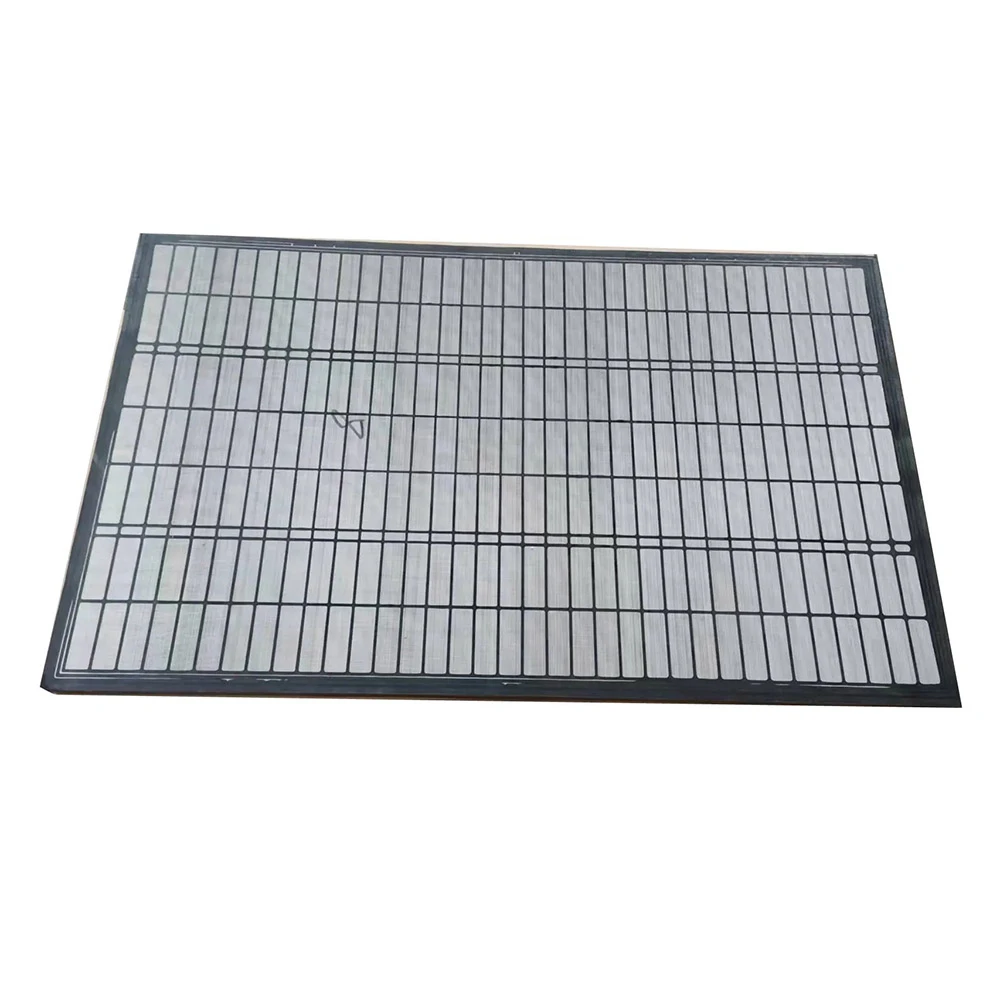
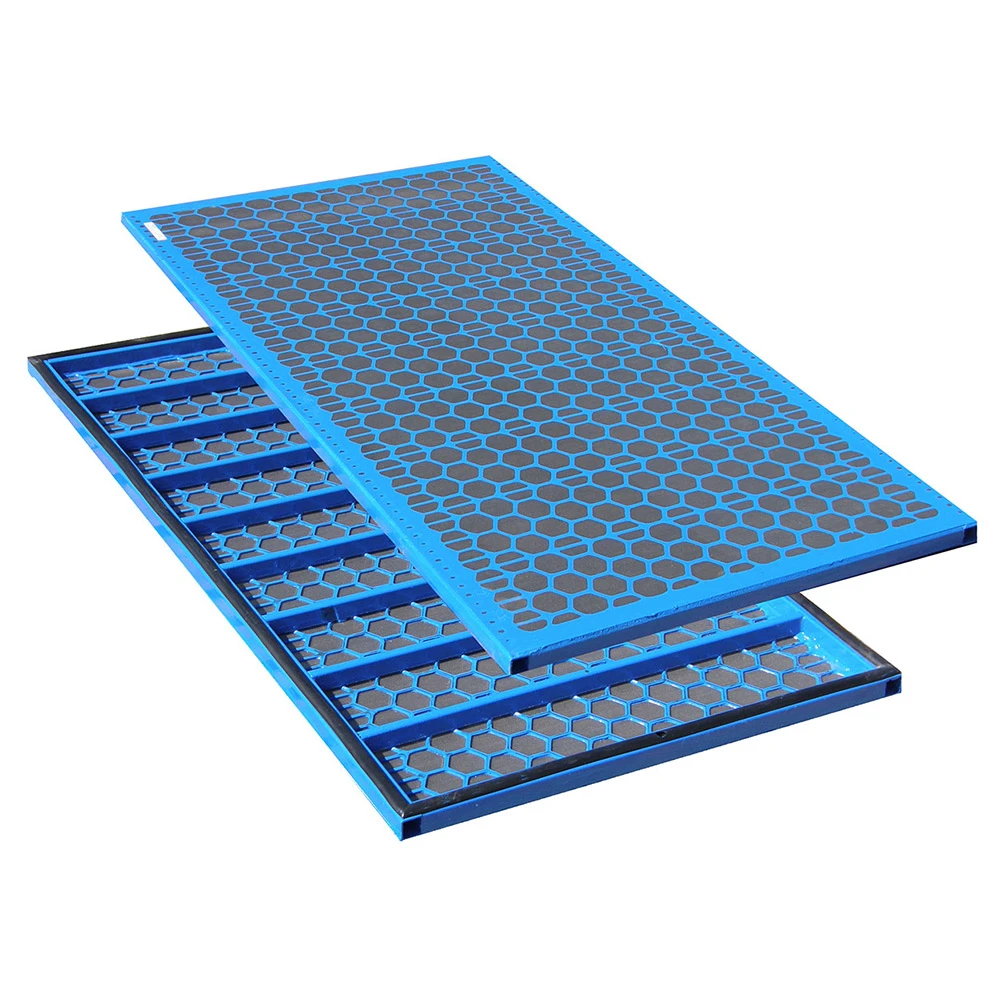
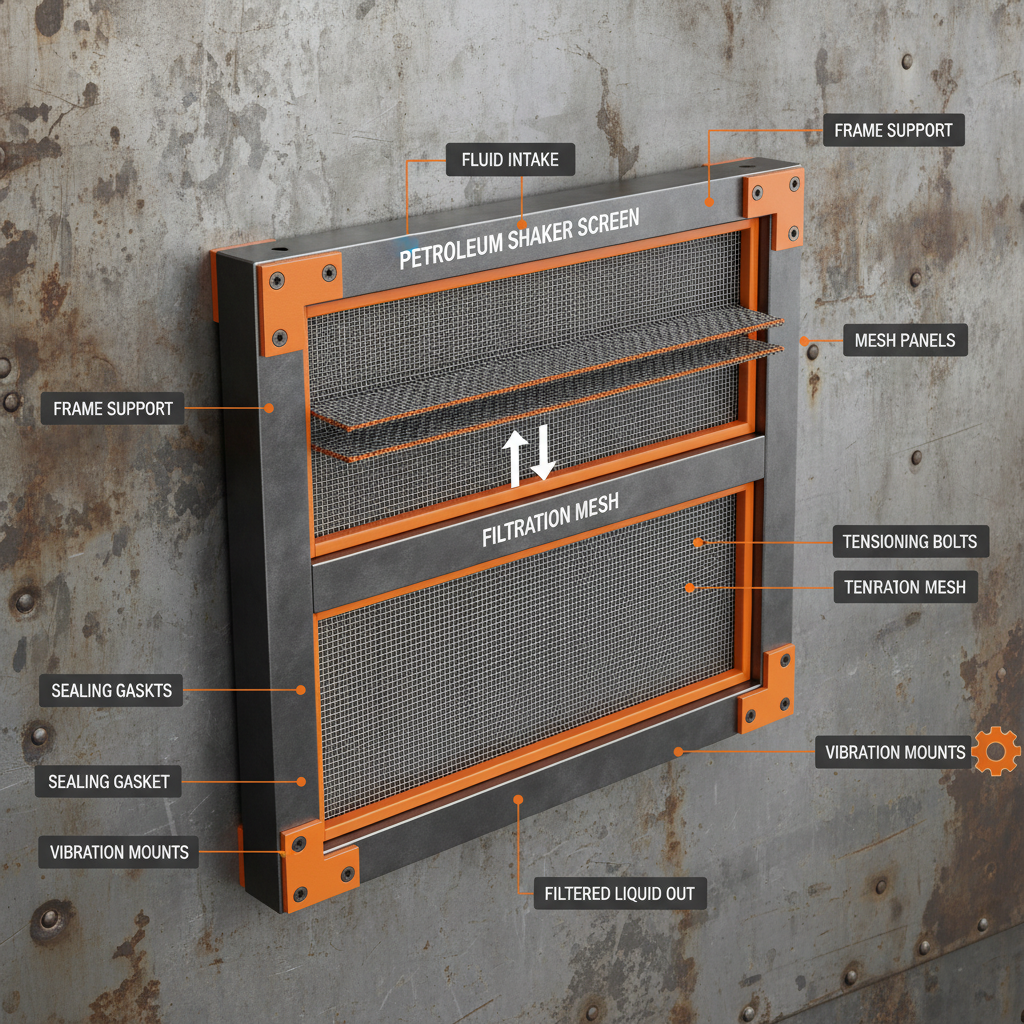
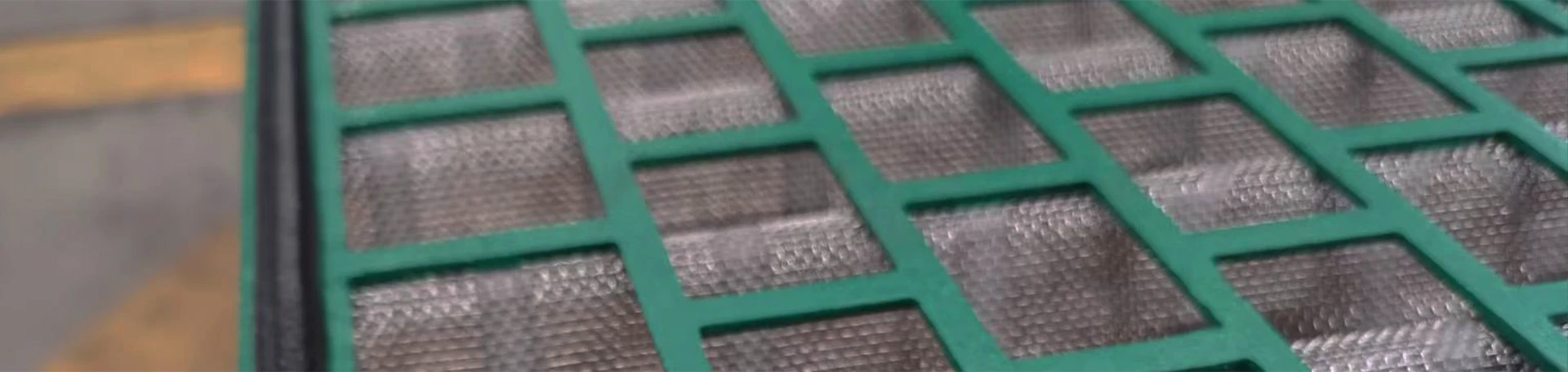
When we talk about product design, the mesh material is usually stainless steel, often 304 or 316 grades, to resist corrosion and abrasion. The wire diameter, mesh count, and opening size all work together in a delicate dance — and frankly, getting this wrong can mean lost rig time, or worse. From experience, I noticed custom screens with finer mesh counts provide a better cut point which helps reduce the volume of waste fluid, but may affect flow rate, so it’s always a balance.
Testing these meshes isn’t trivial either. Vendors typically perform abrasion resistance tests, tensile strength tests, and even flow rate measurements to ensure the screen meets field specs. I remember a client who’d had repeated screen failures — switching to a tailored screen mesh improved their solids control and saved them tens of thousands in downtime. That kind of real-world impact is why customization matters.
Customization options can include adjusting wire thickness, mesh aperture, and even frame compatibility, so that the mesh fits perfectly with your shaker model, which varies a lot across brands. It's not just about fitting, though — it’s about matching the mesh’s characteristics to the type of solids you’re dealing with, whether it’s sticky clay or coarse sand.
| Parameter | Typical Range/Value | Notes |
|---|---|---|
| Mesh Count | 20 - 200 | Finer mesh for finer solids separation |
| Wire Diameter | 0.15 - 0.5 mm | Affects durability and opening size |
| Material | 304/316 Stainless Steel | Corrosion and abrasion resistance |
| Opening Size | 75 - 850 microns | Customizable based on solids size |
| Frame Compatibility | API 20/40 series or custom | Ensures perfect fit with shaker model |
With so many vendors out there, picking the right source for your screens can be a headache. Here’s something I keep close: reliability is king, but so is pricing and turnaround time. Some manufacturers have the specs right but miss on delivery windows (and that’s a costly slip in our line of work). Others might be cheaper, but their mesh longevity is questionable. I’m a fan of vendors who offer rigorous quality control and real customization — it’s a bit like tailoring a suit; the better fit, the better performance.
| Vendor | Customization | Lead Time | Quality Control | Price Range |
|---|---|---|---|---|
| SolidControlPart | High (full specs) | 2-3 weeks | ISO 9001 certified, multiple tests | Moderate to Premium |
| Generic Screens Co. | Low (standard sizes only) | 1-2 weeks | Basic inspections | Low |
| Precision Mesh Ltd. | Moderate (some custom options) | 3-4 weeks | Advanced QC, including abrasion tests | Moderate |
So, in real terms, customizing your shale shaker screen mesh isn’t just a nice-to-have — it’s a game-changer. In some projects, I’ve noticed operators who ignore customization face quicker wear and tear, while those who invested upfront in tailored mesh got uninterrupted runs and cleaner cut points for their drilling fluid. Sure, it adds some time to the procurement phase, but the long-term savings and performance gains? Worth it.
At the end of the day, like many engineers say, you’re not buying a part; you’re buying uptime and reliability.
References:
1. API RP 13C - Recommended Practice for Field Testing of Shale Shakers
2. “Solids Control Equipment: Technologies and Trends” – Drilling Journal, 2023
3. Quality Control Parameters for Shaker Screens – Industry Whitepaper, SolidControlPart