Choosing a Cheap Derrick Shaker Screen: What You Need to Know
Having spent over a decade working in the industrial equipment world, I’m always a bit cautious when someone talks about a cheap derrick shaker screen. You might immediately think, “Cheap? That can’t be reliable.” But oddly enough, it’s not as black and white as it sounds. Sometimes, the term “cheap” just means cost-effective or affordable, rather than outright low quality. So, let's unpack that a bit.
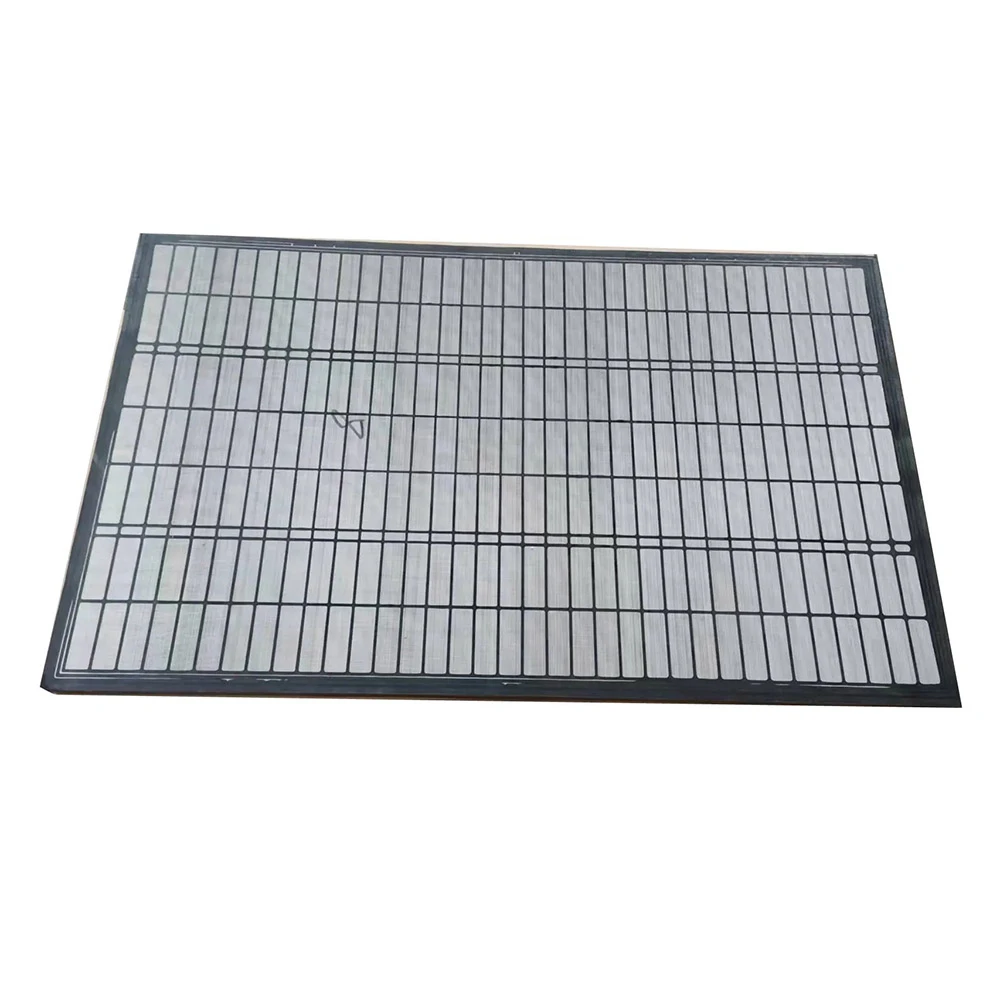
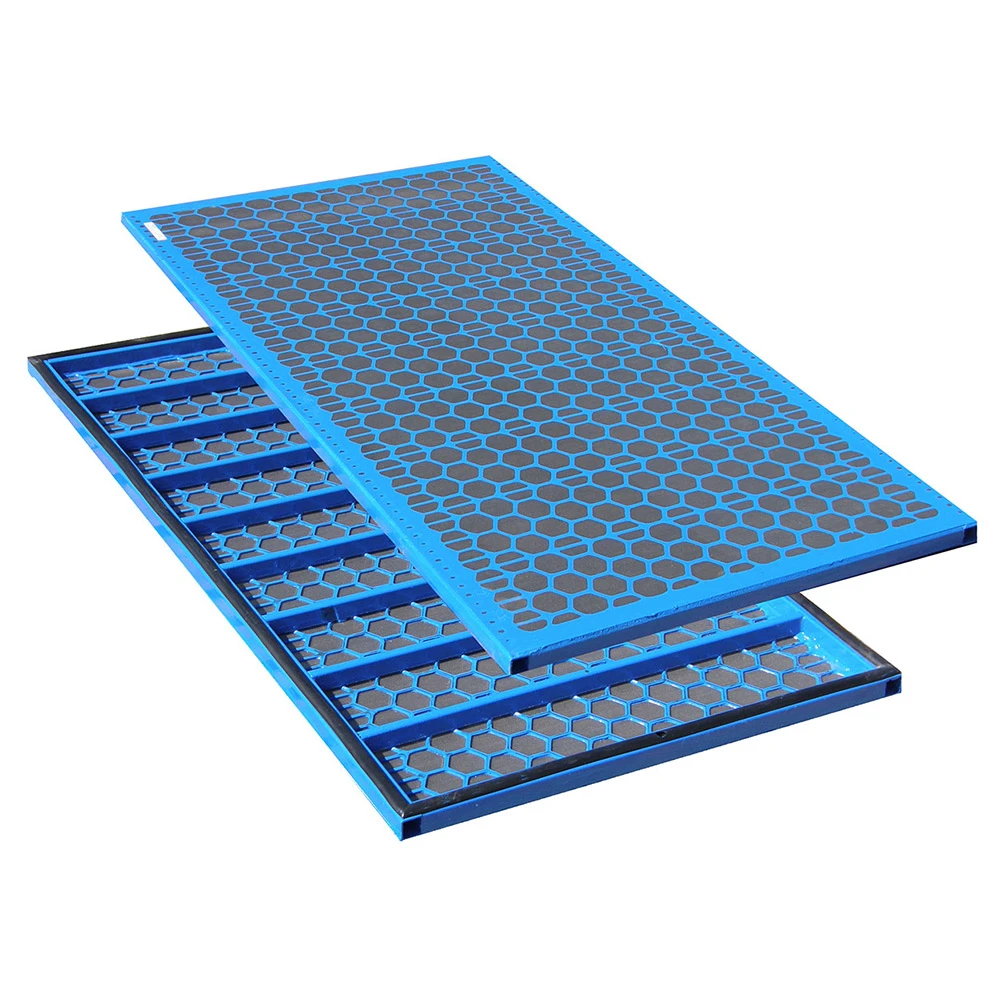
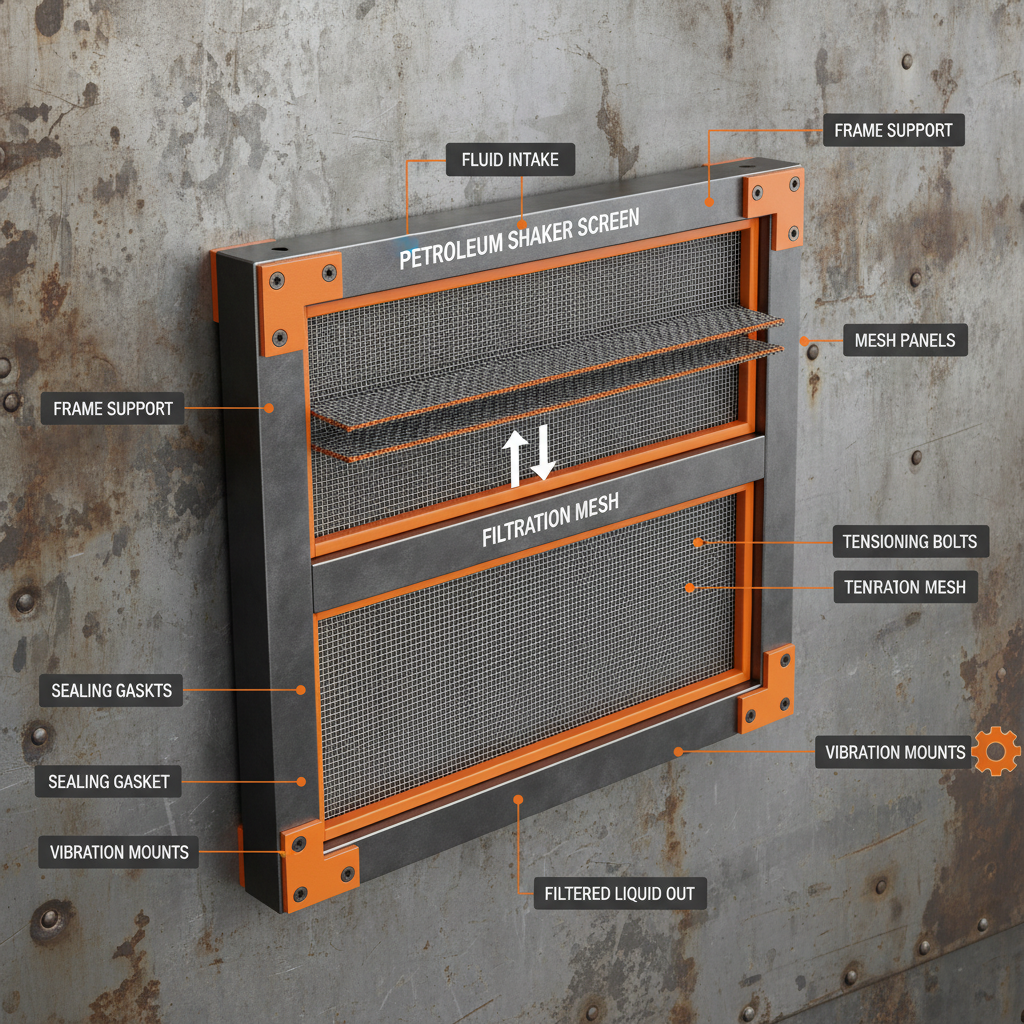
In oilfield solids control systems, derrick shaker screens are a big deal. They’re the first line filtering out solids during drilling, and their performance directly impacts equipment lifespan and operational costs. Over the years, I’ve seen those screens made from varying materials and tensions, and frankly, the difference can be night and day.
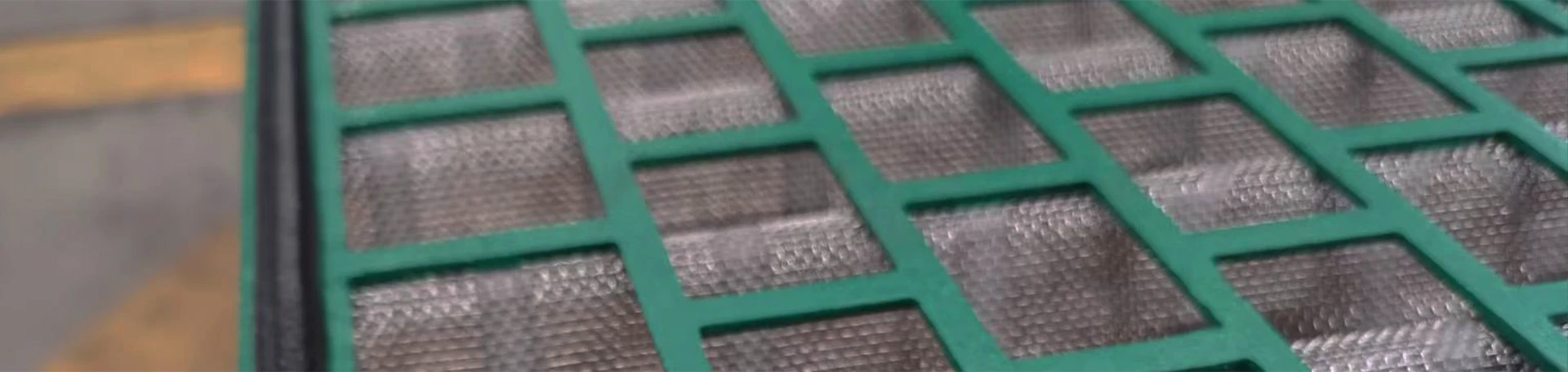
Now, you might wonder why a low-cost screen wouldn’t just wear out immediately. The truth is, some manufacturers nail the balance of quality and price by using modern synthetic materials and optimized weave patterns. They maintain the right mesh sizes for efficient separation without sacrificing durability. But be wary of brands that cut corners on metal framing or use cheap welding techniques — those tend to be the ones you’ll be replacing every few weeks.
Here’s a quick spec snapshot of what a decent yet affordable derrick shaker screen looks like nowadays:
| Feature | Specification |
|---|---|
| Screen Type | Hookstrip or Pretensioned |
| Material | Stainless Steel Mesh + Galvanized Frame |
| API Rating | API RP 13C Compliant |
| Mesh Sizes | 20 to 200 Mesh, customizable |
| Dimensions | Varies to fit Derrick K series models |
| Expected Lifespan | 3-6 months under standard drilling conditions |
One thing I stress to folks is fitment before price. Many errors come from buying “universal” or cheap screens that don’t quite match the Derrick shaker model. It’s like squeezing a square peg in a round hole — it’ll either barely function or damage the equipment. Thankfully, aftermarket suppliers like cheap derrick shaker screen providers often list exact dimensions and API standards, so double-checking specs saves headaches later.
Talking about vendors, here’s a side-by-side comparison of some popular sources for affordable derrick screens I’ve tested or heard reliable feedback on:
| Brand | Price Range | Material Quality | API Certification | Customer Service |
|---|---|---|---|---|
| Solid Control Part | $60-$90 per screen | High-grade SS mesh | Yes, API RP 13C | Responsive, knowledgeable |
| Generic Offshore Supplies | $45-$75 | Mixed quality steel | Varies | Limited support |
| DrillMax Solutions | $80-$110 | Premium mesh + frames | Yes | Good, but slow shipping |
I recall one project where we had to switch our derrick shaker screens suddenly when our usual vendor was out of stock. We turned to a lesser-known but “cheap” brand, skeptical at first. Surprisingly, the screens lasted the full expected duration under pretty tough drilling conditions. This taught me that sometimes, with the right specs and API compliance, affordable doesn't automatically mean inferior.
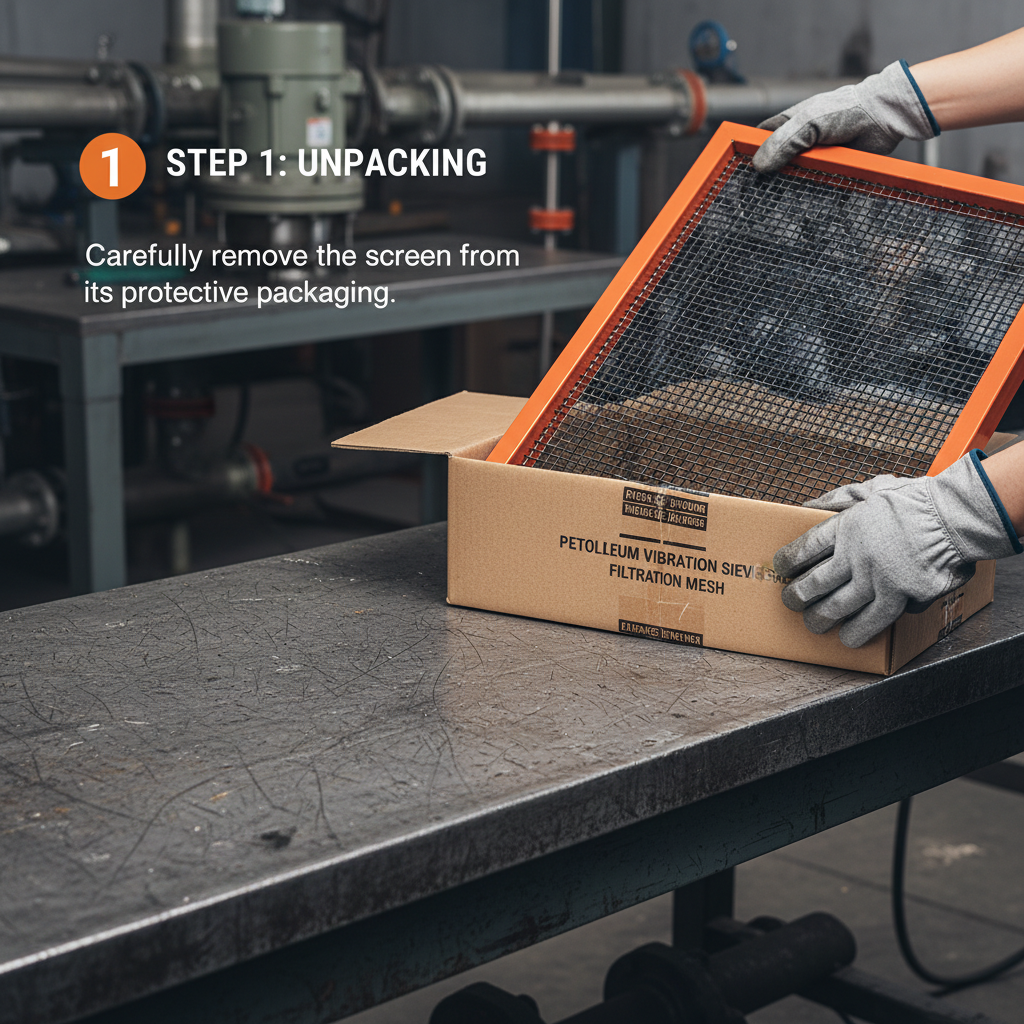
Of course, handling and installation also affect longevity — a torn screen from improper mounting is a fast way to waste money. So, I’d recommend training your on-site crew on the nuances of different screen types and inspection routines. That’s where experience pays dividends.
To sum up, if you are searching for a cheap derrick shaker screen, don’t immediately assume it’s a compromise. Focus on API standards, materials, and fitment first — then price. With the right approach, you’ll find options that keep your shaker performing smoothly without breaking the budget.
In real terms, spending a bit more on certified quality screens usually saves you downtime and hassle later — but it’s good to know affordable alternatives exist if you shop smart.
Thanks for reading this little industry insider note — I hope it helps you make sense of what can feel like a maze of product choices!
— Mike T., Industrial Equipment Specialist
References:
- API Recommended Practice 13C – Field Testing of Shaker Screens
- Solid Control Equipment Handbook, 5th Edition
- Industry Case Studies on Drilling Solids Control