Understanding cheap shaker screen mesh: A Practical Insight
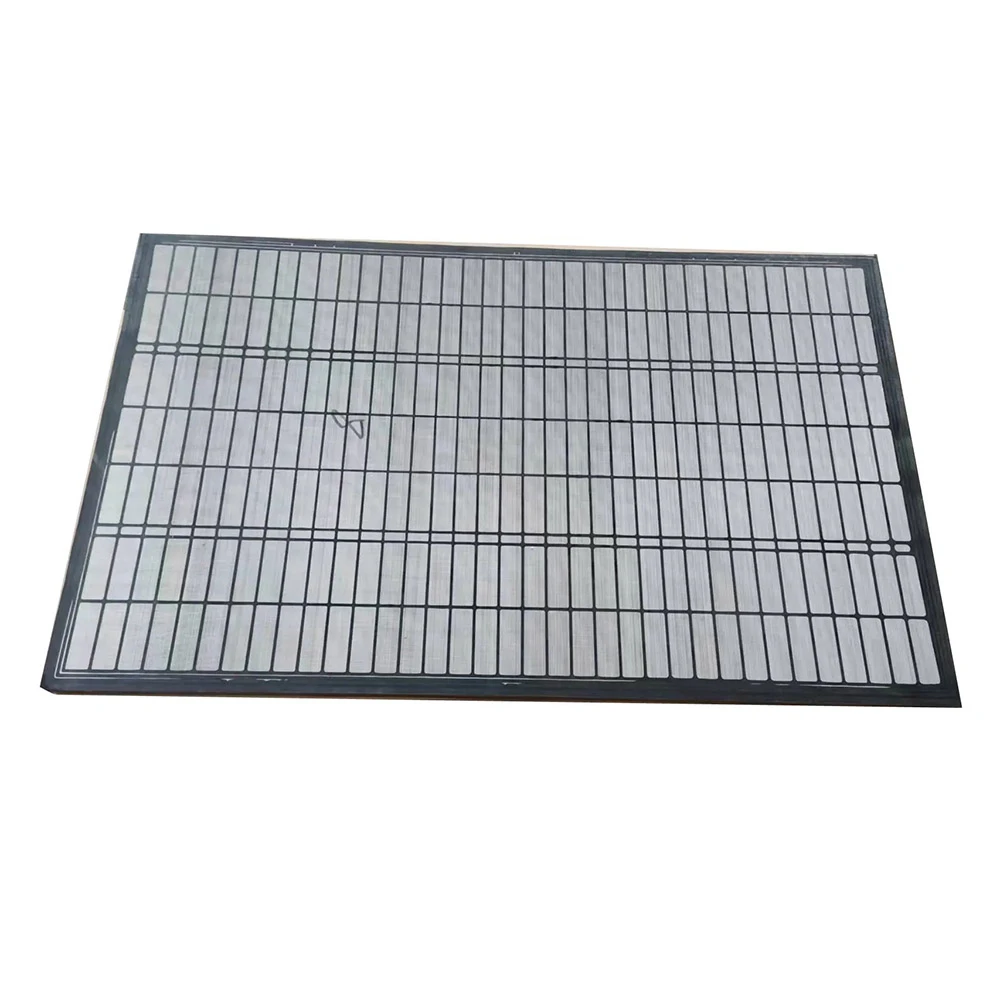
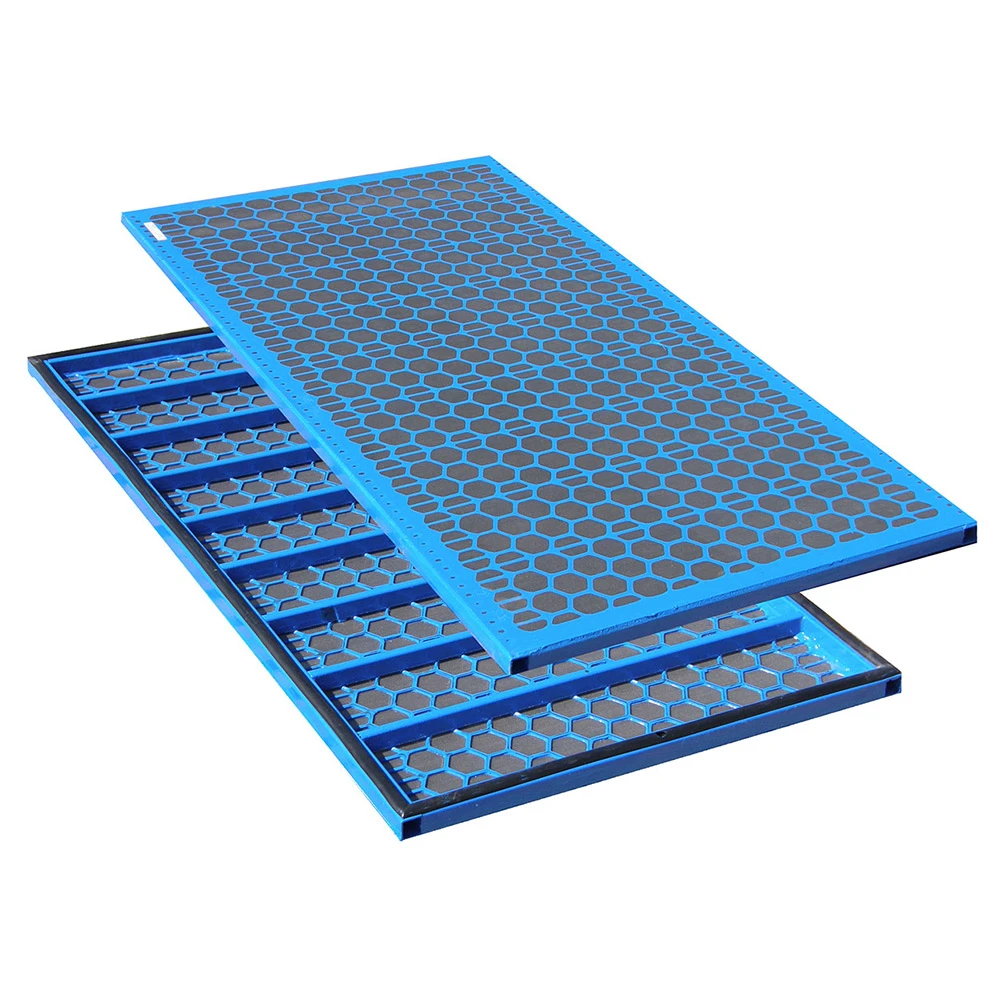
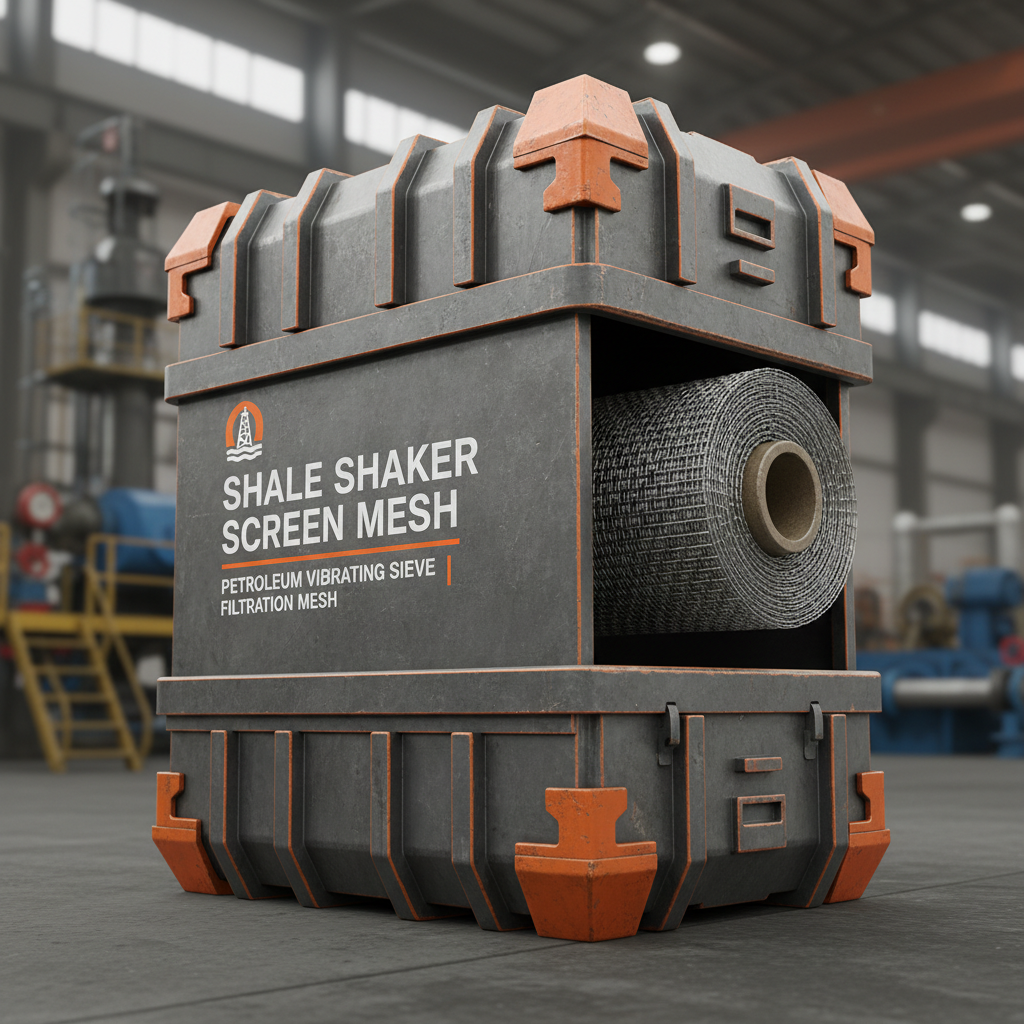
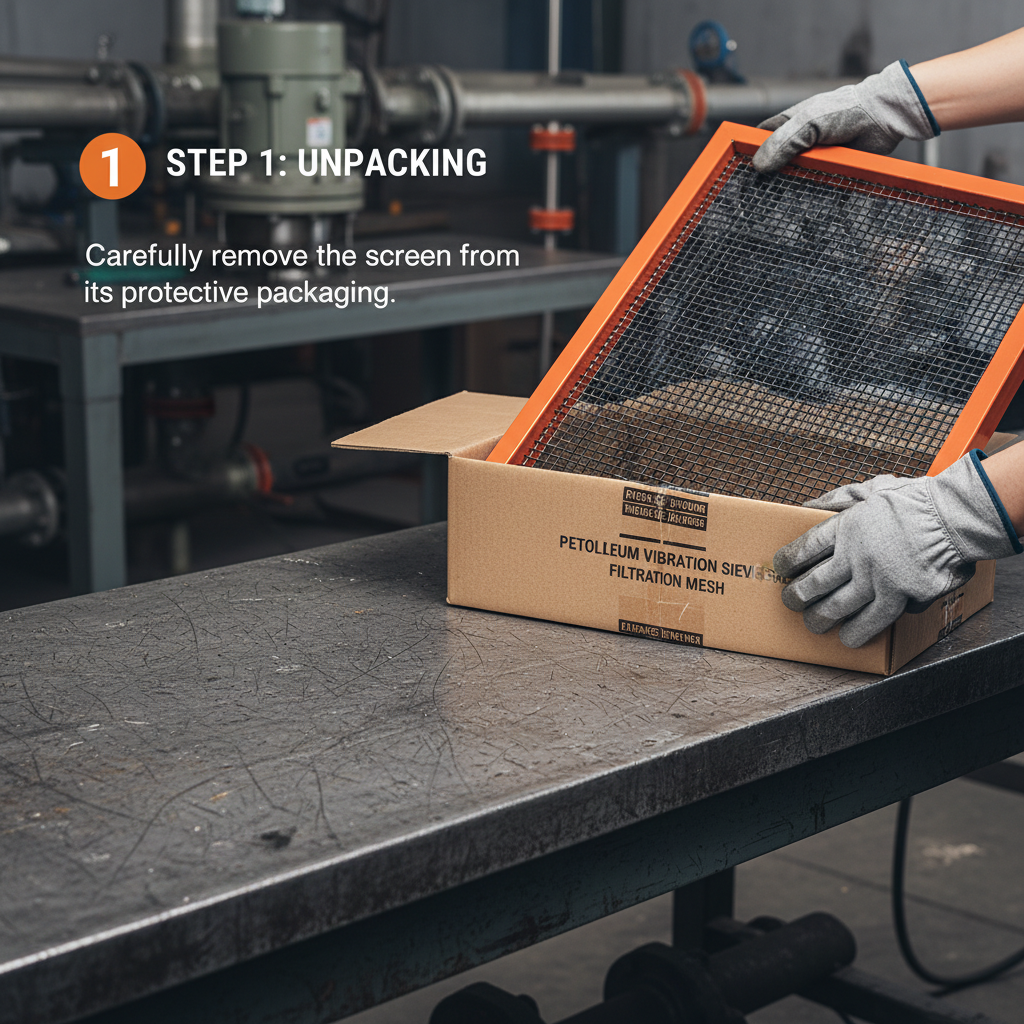
Having spent a good number of years around the industrial equipment sector, I’ve come to appreciate how something as seemingly mundane as shaker screen mesh can quietly make or break the efficiency of a solids control system. It’s not glamorous, sure—but the right mesh, especially if you can find a cheap shaker screen mesh, can save you headaches in both performance and cost.
Now, when I say “cheap,” it’s not about cutting corners—it’s about getting value without sacrificing critical functionality. A screen mesh that’s too flimsy or poorly manufactured quickly leads to downtime and replacement costs, which frankly, aren’t “cheap” at all.
What Makes Shaker Screen Mesh Tick?
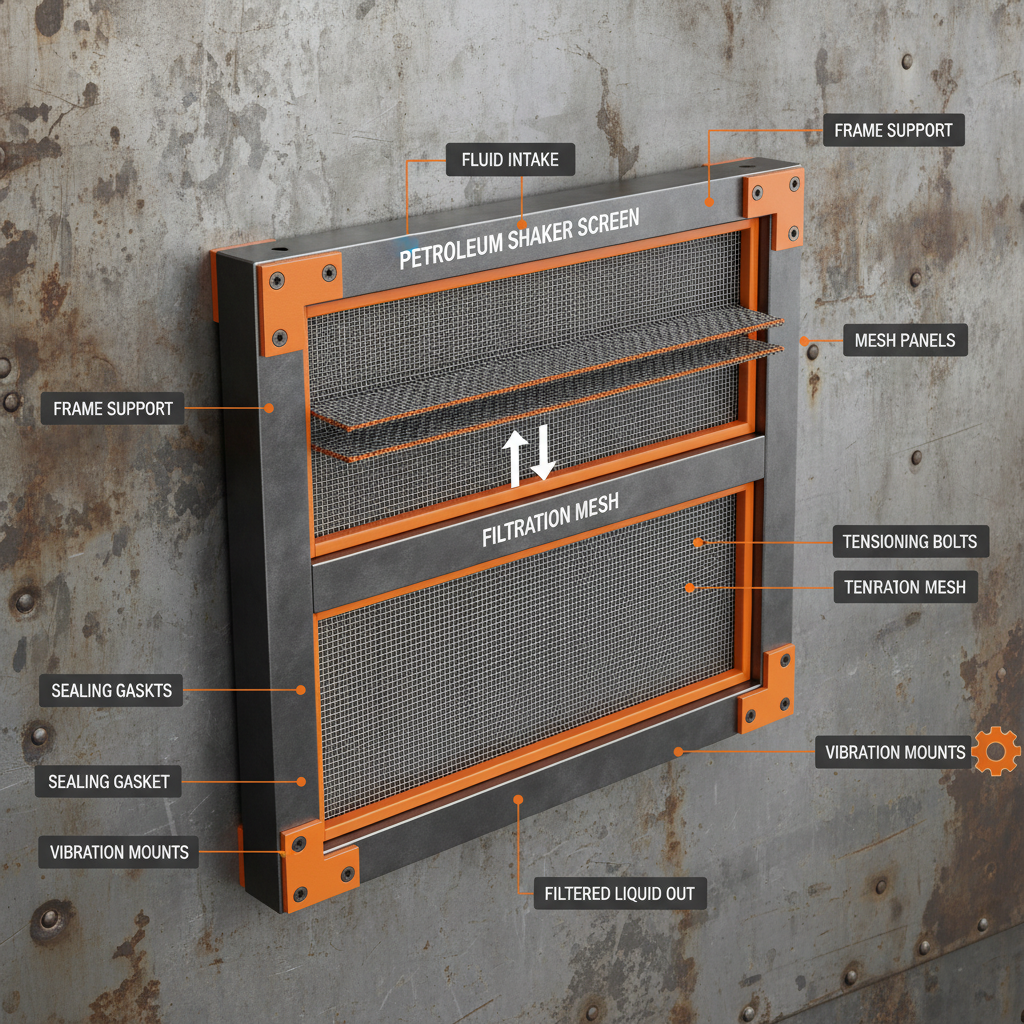
Shaker screens are designed to separate solids from drilling fluids or slurries through vibration and mesh filtration. The mesh itself plays the pivotal role of filtering and must withstand harsh chemical exposure, high pressure, and constant vibration. Materials generally range from stainless steel wires of various grades to synthetic composites. In my experience, durability varies widely—some cheaper options might use lower-grade steel or inconsistent weaving methods, affecting longevity.
Of course, mesh size is crucial, too. Finer meshes capture smaller particles but tend to clog quicker, while coarser meshes let through larger solids but stay cleaner longer. Finding the right balance depends a lot on your specific operation.
Key Specs That Matter
| Specification | Typical Range | Notes |
|---|---|---|
| Material | 304 / 316 Stainless Steel | Corrosion resistance vs cost tradeoff |
| Mesh Size | 20 - 200 mesh | Depends on particle size separation needed |
| Wire Diameter | 0.1 - 0.3 mm | Affects strength and flow rate |
| Tensile Strength | 50-150 N/mm² | Ensures durability under vibrating stress |
Vendor Comparison: Finding the Best Cheap Shaker Screen Mesh
Over time, I’ve noticed there’s a real difference in how vendors approach pricing and quality. Oddly enough, the absolute cheapest options often come with hidden costs—like inconsistent mesh weave or faster wear rates. Meanwhile, a mid-range vendor often strikes the right balance.
| Vendor | Price | Material Quality | Lead Time | Customization |
|---|---|---|---|---|
| Vendor A (Low Cost) | $ | Basic 304 SS, variable consistency | 2-3 weeks | Limited |
| SolidControlPart | $$ | 316 SS, strict QC process | 1-2 weeks | Wide range, bespoke options |
| Vendor C (Premium) | $$$ | 316+ SS, reinforced frames | 3-4 weeks | Fully customized |
A Small Anecdote From the Field
Some years ago, I witnessed a drilling operation near the Gulf Coast where they initially went for a super cheap shaker mesh from an unknown source. The mesh didn’t last half the estimated run-time before tearing, causing unplanned downtime. When the company switched to cheap shaker screen mesh from a reputable vendor like SolidControlPart, the downtime dropped dramatically. It felt like a small investment in quality material yielded disproportionately high returns—something I often remind clients about.
In real terms, you’re balancing upfront cost with total cost of ownership. And frankly, it feels better when you know your screens won’t let you down in the middle of a crucial job.
Summing It Up
If you’re hunting for cheap shaker screen mesh, remember it’s less about simply picking the lowest price and more about selecting the best value for your operation. Look closely at material specs, supplier reputation, and after-service options. In the end, quality and consistency pay off in ways that matter.
To those in the industry, it may sound obvious—but with so many choices and price points on the table, it’s good to pause and reflect on what you’re truly buying.
Stay safe and keep your operations running smooth.
References:
- Industry norms and product lifecycle insights from various drilling operation reports.
- Manufacturer datasheets from leading stainless steel mesh producers.
- Personal observations from field site engagements and client feedback.