Affordable, Reliable Cheap Shaker Screens: Insights From the Field
Having spent quite a few years crossing paths with shaker screens in the industrial sector, I can say this: not all cheap shaker screens are created equal. It’s tempting to go for the lowest price out there, especially when budgets tighten. But, let's be honest, there’s a fine line between cost-effective and just cheap in quality—frankly, one you want to tread carefully.
I remember early on, we sourced screens that looked perfect on paper. They hit the price point comfortably, but soon enough, those screens showed signs of wear way ahead of schedule. From tears in the mesh to warped frames, our downtime increased and so did the headaches. Over time, I learned that the secret isn't just picking the cheapest; it’s about balancing price with durability and fit. And that’s why I think this is such a fascinating topic—cheap shaker screens are a dime a dozen, but good cheap shaker screens? They’re worth the hunt.
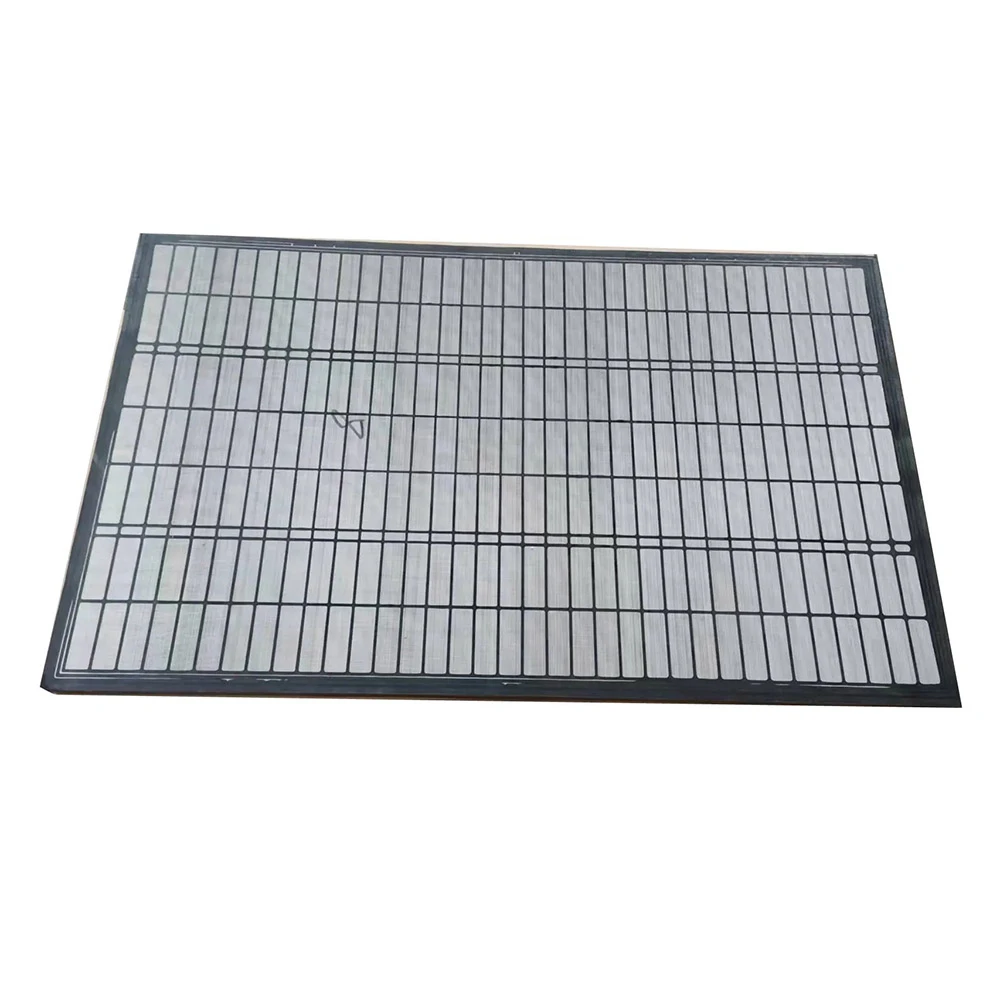
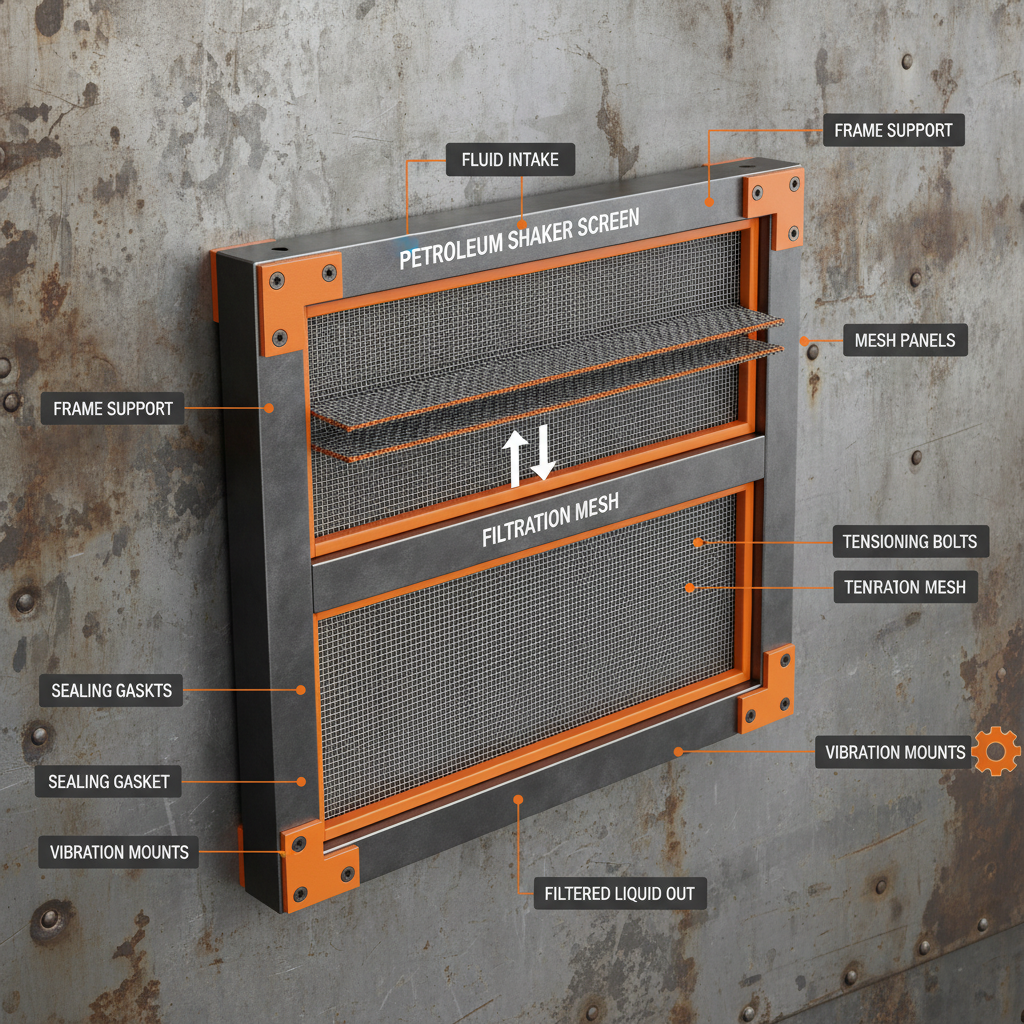
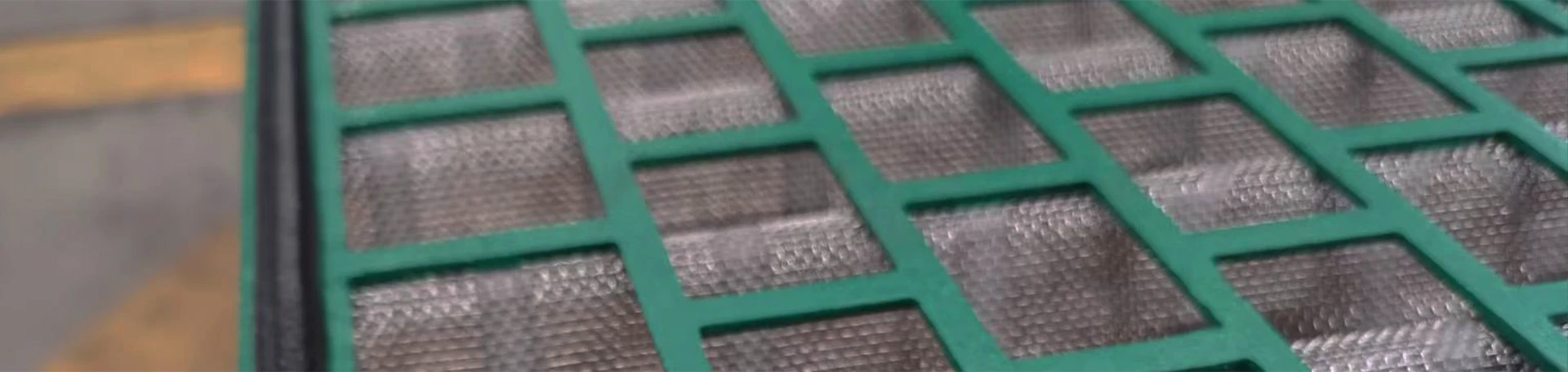
Most of these screens are made from stainless steel wire mesh, and the quality — mesh size, weave pattern, and tensile strength — really dictates performance. Oddly enough, I always found that upgrading just one step on mesh quality led to noticeable improvements in solids removal, which in turn saved money on downstream processing. It feels a bit counterintuitive to spend more upfront, but the payoff usually sways in favor of quality.
Here's a quick rundown of specs you want to watch out for when considering cheap shaker screens:
| Specification | Details |
|---|---|
| Material | Stainless steel 304 or 316 (commonly) |
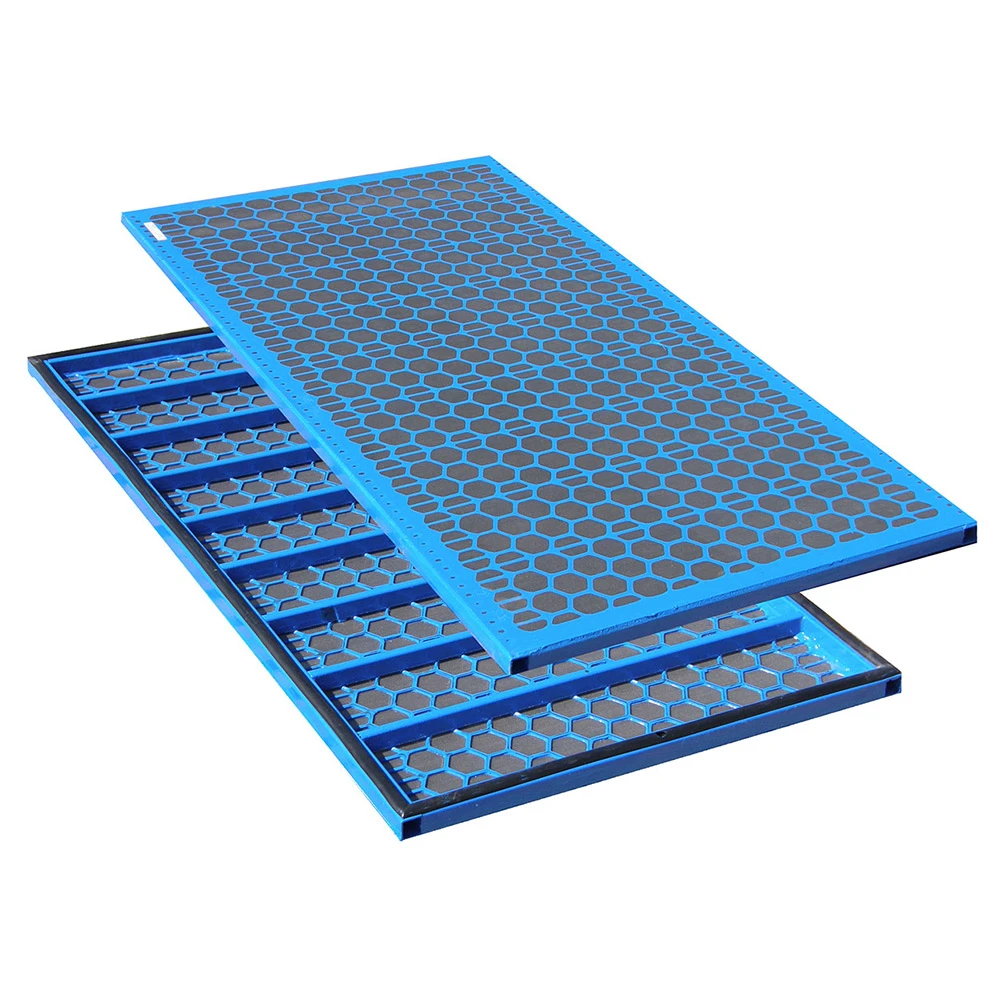
| Mesh Type | Woven wire mesh or punched plate |
| Mesh Size | API standard sizes (API 20 to API 325 typical) |
| Frame Type | Modular wedge or hookstrip frames |
| Recommended Usage | Designed for shale shakers, mud cleaning, drilling fluids |
One thing that surprises many newcomers is the variety of vendors supplying these screens. Some big names are mostly known for premium options, but there are smaller outfits worth considering—particularly if you want cost savings and aren’t too rigid about branding. Of course, reliability is key here; downtime can wipe out any savings you thought you’d earned.
To help, here’s a brief comparison of popular vendors I've observed over the years in the cheap shaker screen market:
| Vendor | Price Range (USD) | Material Quality | Typical Lead Time | Customization Available |
|---|---|---|---|---|
| SolidControlPart | $80 - $150 | 304/316 Stainless Steel | 1-2 weeks | Yes |
| Generic Vendor A | $60 - $120 | 304 Stainless Steel (variable) | 2-3 weeks | Limited |
| Budget Screens Ltd. | $50 - $100 | Mixed grades (mostly 304) | 3-4 weeks | No |
During my last project, I decided to test screens from SolidControlPart because of their customization promise and steel grade options. What stood out was that the frames were perfectly compatible with our existing equipment, and the mesh quality met or exceeded API standards without blowing the budget. This wasn’t just a lucky guess—I went digging through datasheets, third-party reviews, and yes, a few direct conversations with their tech team. Their clarity on material sourcing really helped me trust their product.
To sum it up: if you’re hunting for cheap shaker screens, consider your real cost—not just sticker price. A slightly pricier screen with better materials and fit means fewer replacements and, most importantly, fewer headaches. You know, there’s something to be said for “you get what you pay for,” and while I’m all for budget-conscious decisions, I’m just as passionate about putting a screen on the shaker that won’t let you down during critical jobs.
In real terms, finding a reliable vendor who offers customization and uses quality stainless steel mesh adds real value. If you want a safe starting point, I suggest you check out cheap shaker screens from reliable suppliers that hold true to industry standards.
So next time your supplier pitches those bargain screens, remember: it’s not just price, but performance you’re buying. And if you want, I’m happy to chat more about picking the right specs—sometimes the difference is in tiny details.
Just my two cents from years in the trenches.
References:
- API RP 13C/ISO 13501: Standards for drilling fluid processing equipment
- Industry feedback forums – shaker screen user experiences
- Direct vendor technical datasheets and materials testing reports