ODm Shale Screen: The Unsung Hero of Drilling Operations
Having spent more years than I care to count around ODM shale screens on rigs and equipment yards, there’s this peculiar quiet confidence they give you. I mean, it’s the sort of piece you only really notice when it’s not there or not doing its job properly. But when it works as intended, it feels almost… invisible. That’s the ideal in fluid control components, right?
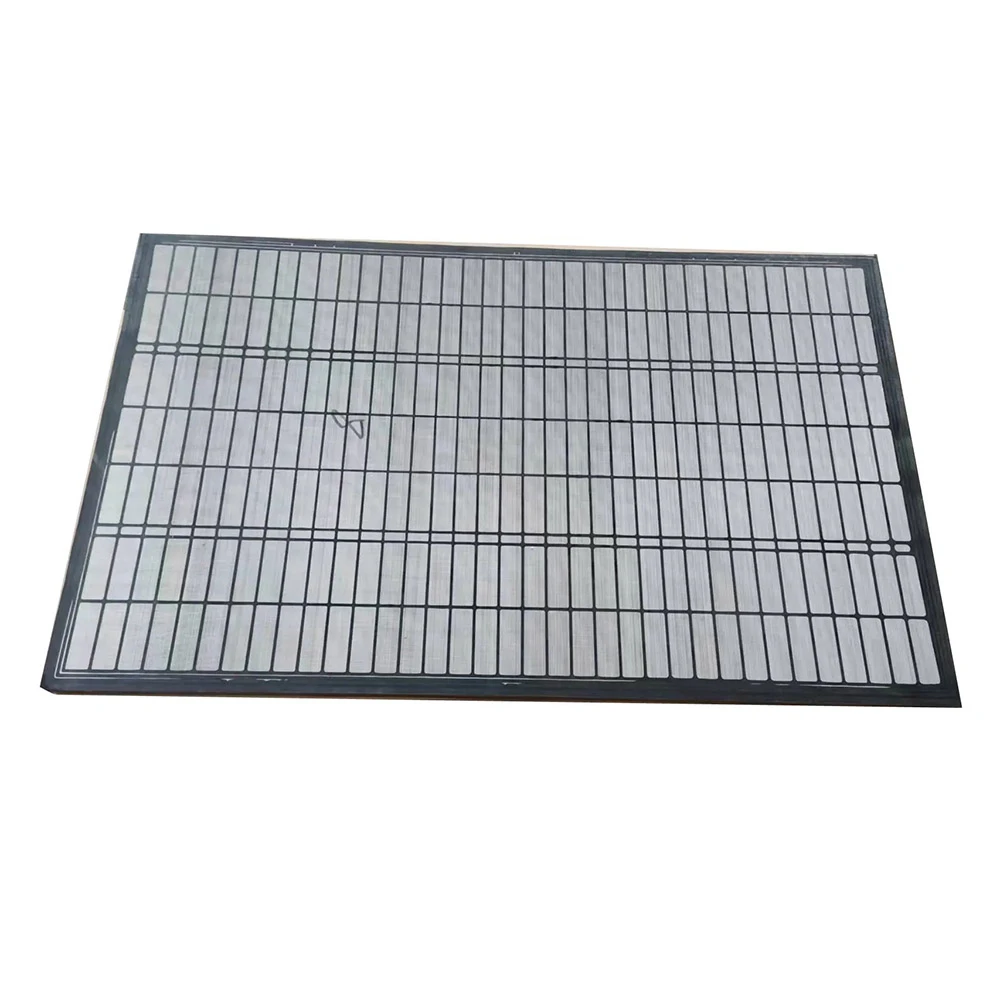
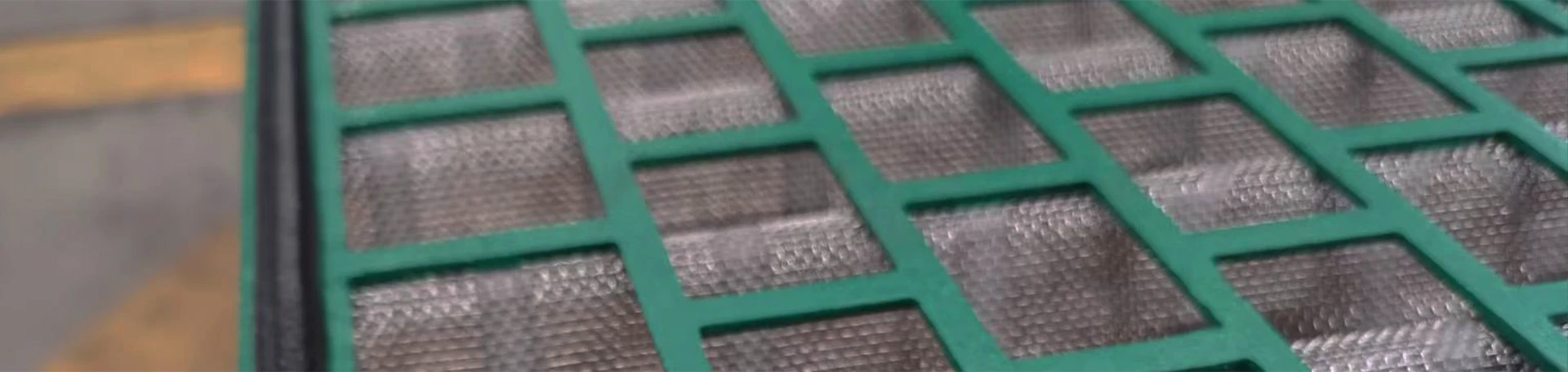
ODM shale screens, for those new to the game, serve a vital role in drilling fluid cleaning systems. They act as a first line of defense, separating drilling cuttings from the mud, which — frankly — keeps the entire operation humming and prevents myriad downstream headaches. Oddly enough, despite the mechanical simplicity, the quality of the screen material and design profoundly impacts performance.
I remember watching some operators swap out lower quality screens for ODM variants on a Gulf Coast project. The improvement in the fluid recycling rate was noticeable within hours, reducing downtime — a win that translated directly to cost savings. It’s details like these that make me appreciate how important solid engineering in shale screens is.
Material and Design Matters
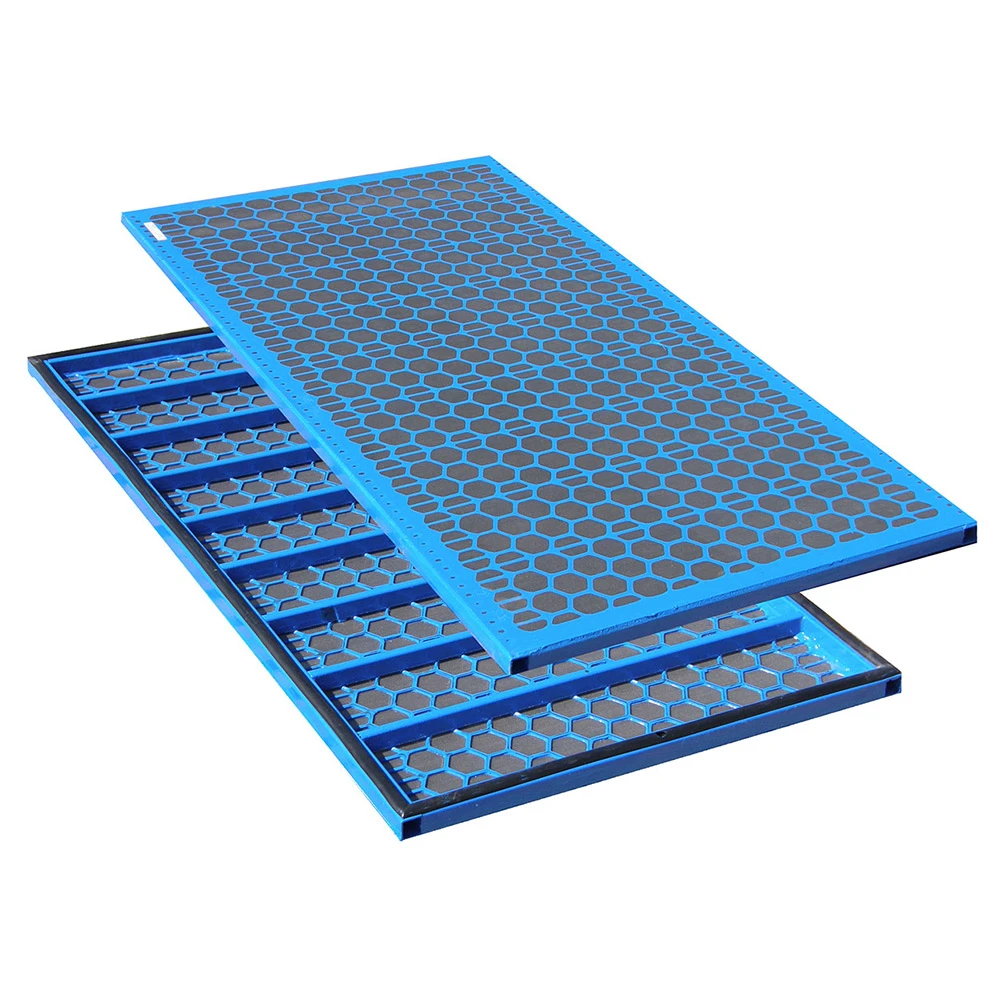
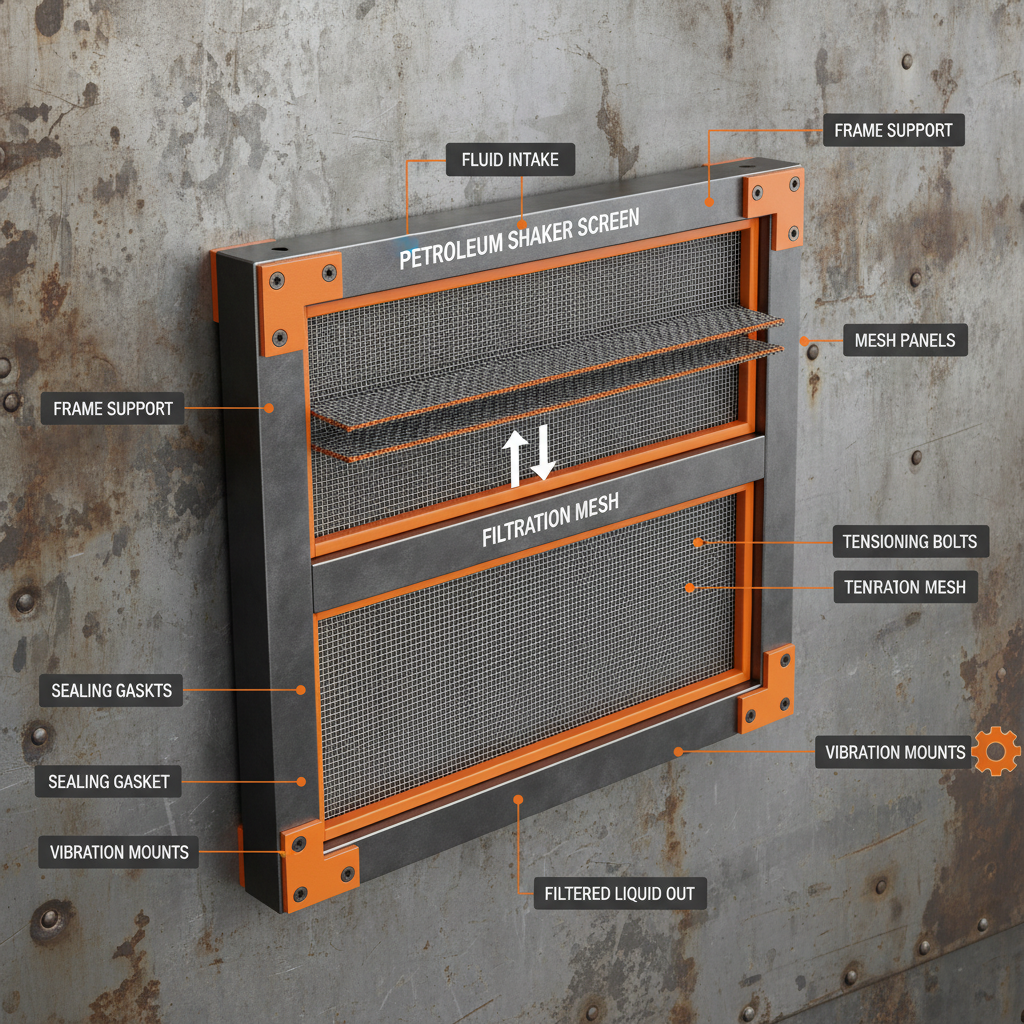
The ODM shale screens are typically made from high-grade stainless steel mesh. This mesh is not just about durability but about fine precision in aperture size — often between 0.15mm to 0.85mm — to ensure optimal particle retention without choking the flow. Many engineers I've talked to highlight how the tension and frame rigidity can drastically optimize the screening process, which is key in longer drilling projects.
Design-wise, these screens often feature a modular setup that allows quick replacement. In real terms, this means fewer rig hours lost to maintenance, and fewer headaches for the crew managing solids control units. Custom sizing is also a growing trend, especially for unique rig configurations or particularly challenging drilling environments.
| Specification | Details |
|---|---|
| Material | 304 or 316 Stainless Steel Mesh |
| Mesh Aperture Range | 0.15mm - 0.85mm |
| Frame Type | Aluminum or Carbon Steel, Modular |
| Tensioning System | Mechanical Tension with Quick-Release |
| Typical Usage Lifespan | 6-12 months depending on conditions |
Comparing ODM Shale Screens with Competitors
One question I get asked fairly often is: “How do ODM products stack up against other vendors?” Well, it depends on what you value most.
| Feature | ODM | Vendor A | Vendor B |
|---|---|---|---|
| Mesh Quality | High grade 316 SS | 316 SS (variable batches) | 304 SS |
| Frame Material | Modular Aluminum | Carbon Steel | Aluminum |
| Ease of Installation | Quick-release tensioning | Bolt-on (longer downtime) | Snap-in type |
| Customization Options | Extensive (mesh & frame) | Limited | Moderate |
| Price Range | Mid to High | Low to Mid | Mid |
Of course, price is a factor, but frankly, I’ve noticed that buying cheaper shale screens sometimes means more frequent replacements, and that’s a hidden cost many forget when budgeting. ODM’s offering delivers reliability over time, so even if the upfront cost feels steeper, long-term it evens out — and then some.
I should add that if your drilling environment is particularly abrasive or you run extended projects, making use of ODM’s custom options can be a game-changer. I’ve seen teams reduce fluid loss and improve overall solids management just by tweaking aperture sizing and upgrading frame materials.
What does this all mean? In a way, choosing the right shale screen is like picking the right teammate. You want someone dependable, adaptable, and built to last—and ODM shale screens fit that bill.
Well, that’s my two cents, anyway. If you’re pondering an upgrade or replacement, it might be worth a look.
References:
1. Industry field reports, 2021–2023.
2. Drilling performance journals, April 2022.
3. Manufacturer specs and user manuals from ODM and competitors.