What Makes a Shale Shaker Screen Mesh Factory Stand Out?
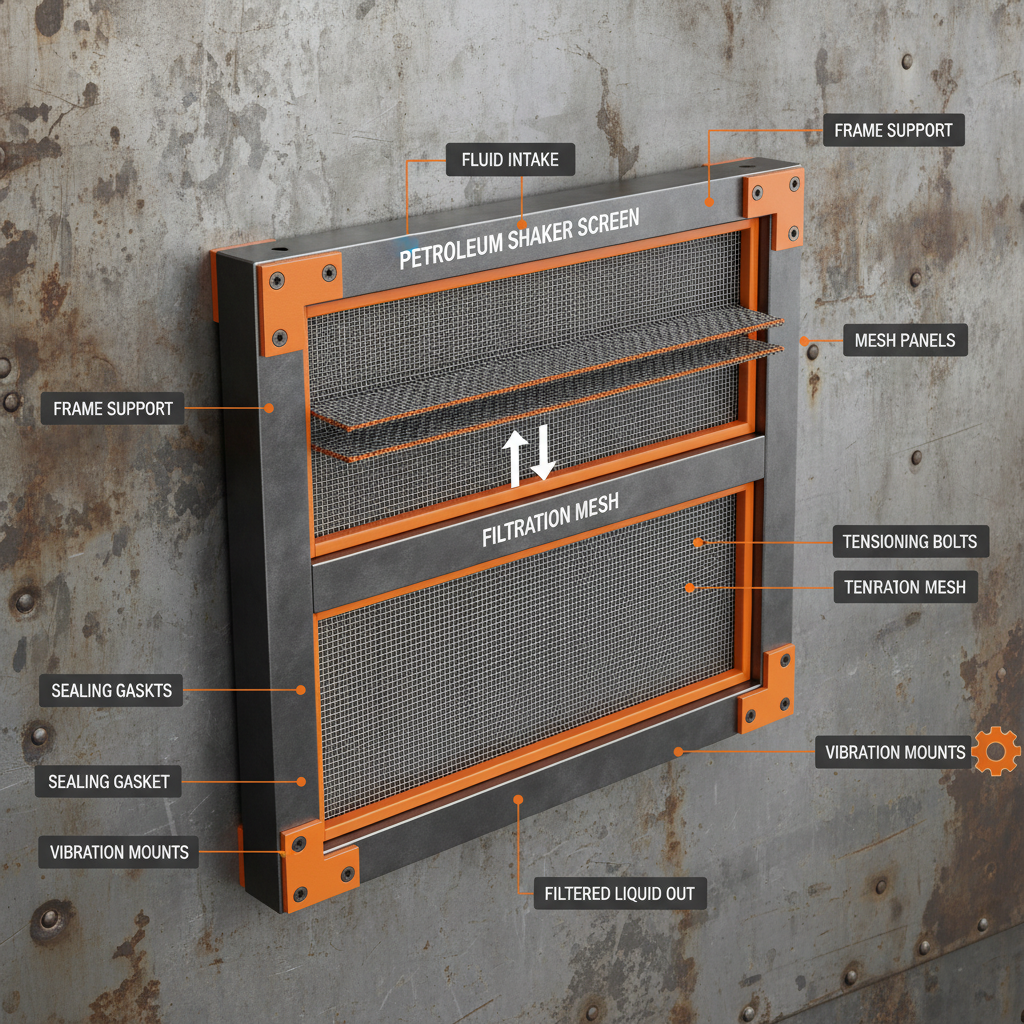
After more than a decade dabbling in the industrial equipment realm, specifically oil & gas drilling gear, I can tell you — not all shale shaker screen mesh factories are created equal. It’s a niche market, and frankly, it doesn’t get the spotlight it deserves. These screens do the tough job of separating solids from drilling fluids, which can make or break the efficiency of the entire drilling operation.
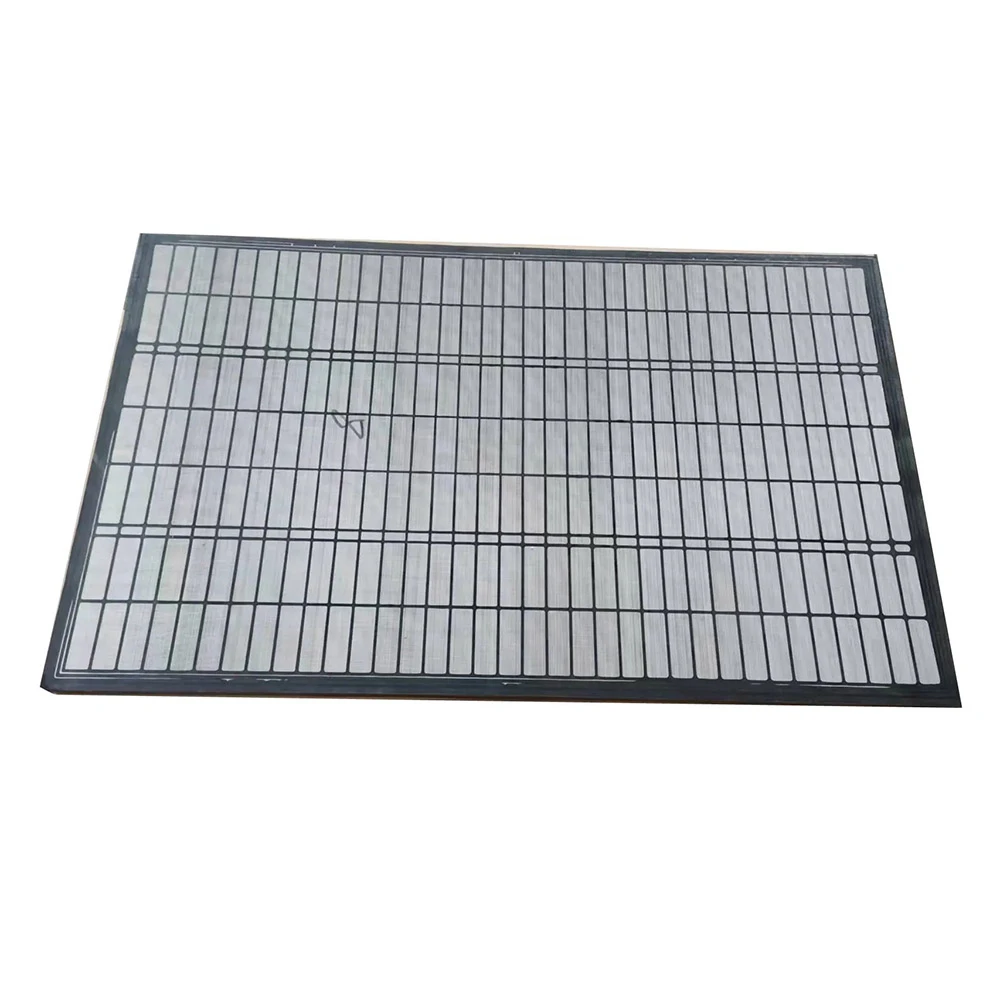
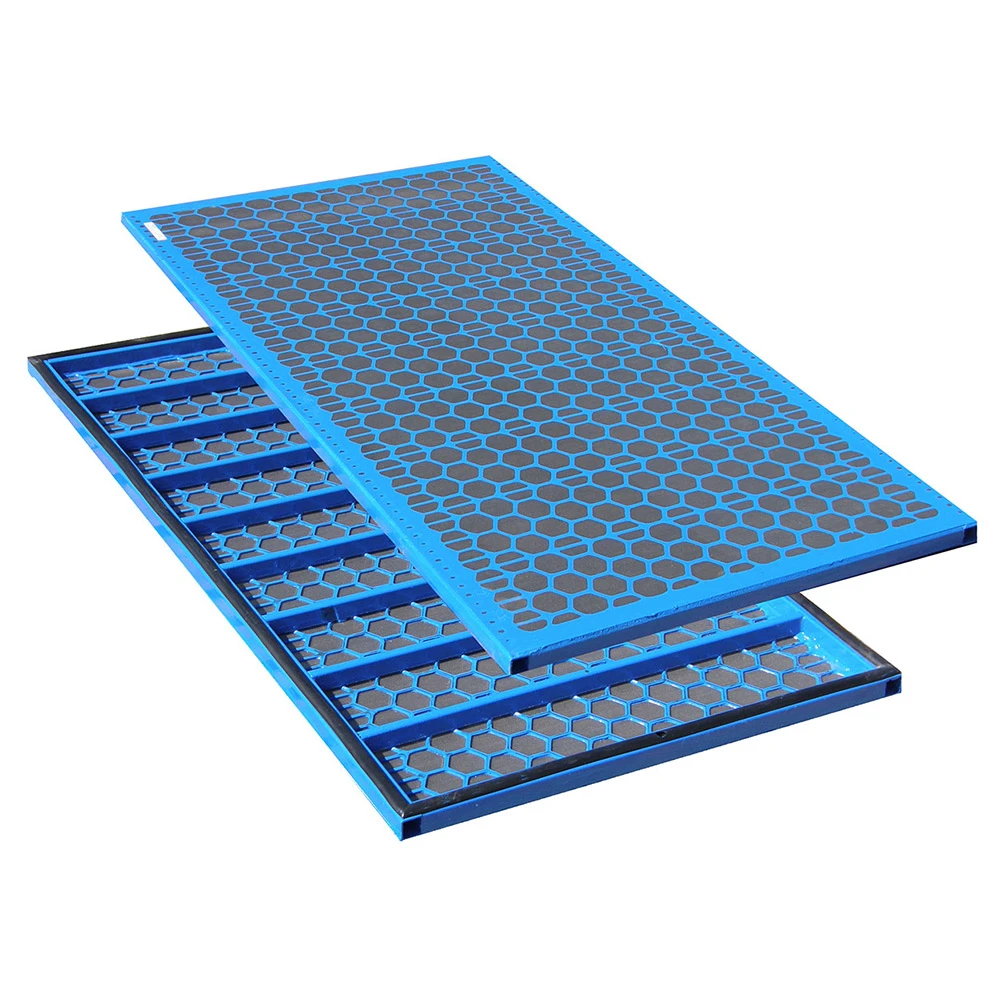
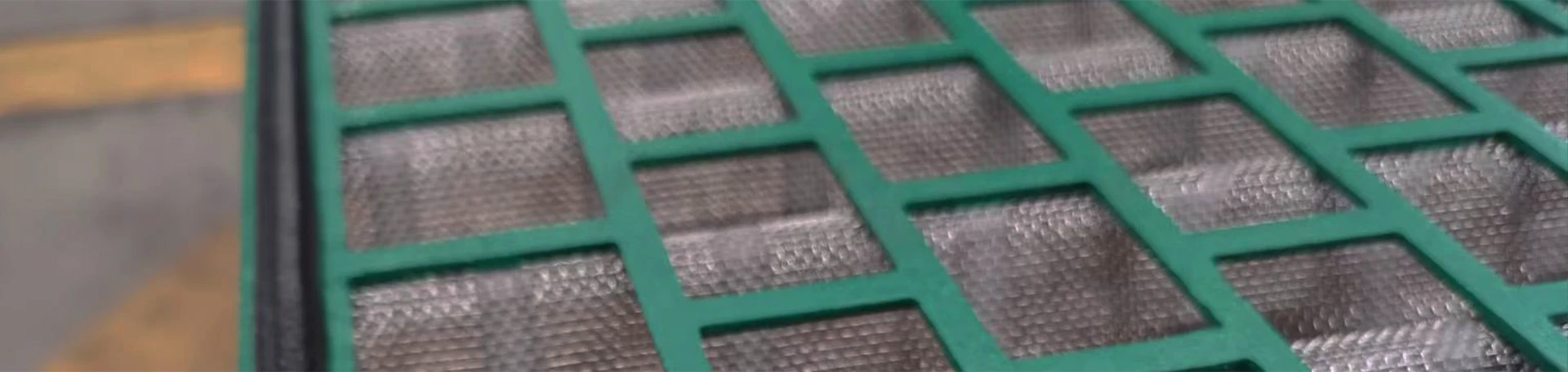
What I’ve noticed is the real difference lies in the manufacturing process and materials used. High-quality factories emphasize stainless steel wire cloth, precision weaving techniques, and rigorous testing. Others? Well, you get what you pay for — mesh inconsistencies, premature wear, and frankly, a headache on site.
Key Product Specifications for Shale Shaker Screen Mesh
Let’s break it down a bit. The specs are not just numbers thrown on a sheet; they reflect years of trial, error, and improvements born on the rig floor.
| Specification | Typical Range | Notes |
|---|---|---|
| Mesh Size | API 20 – API 325 | Defines particle size cut-off for solids removal |
| Material | 304 Stainless Steel, 316 Stainless Steel | Corrosion resistance varies by grade |
| Width | 500 mm – 1200 mm | Depends on shaker model compatibility |
| Length | 1000 mm – 1800 mm | Customized per equipment specs |
| Weave Type | Dutch, Twill | Influences durability and flow rate |
| API Certification | API RP 13C | Industry standard for shaker screens |
Oh, and before I forget, always look for shale shaker screen mesh with solid backing support — it makes a huge difference when the screen’s pushed to the limit in muddy, abrasive conditions.
Comparing Leading Shale Shaker Screen Mesh Vendors
Choosing a vendor isn’t always about price, which feels obvious but is often ignored when budgets tighten. I put together a quick comparison based on toughness, customization options, lead times, and price. If you want your screen to last a few extra rig hours, these little details matter a lot.
| Vendor | Build Quality | Customization | Lead Time | Price Range |
|---|---|---|---|---|
| Solid Control Part | Excellent - API certified mesh | High - custom sizes & weave types | 2-3 weeks | Medium |
| Generic Factory A | Good - basic stainless steel | Low - standard sizes only | 1-2 weeks | Low |
| Premium Industrial Inc. | Very high - specialized alloys | Medium - some custom options | 3-5 weeks | High |
One customer story that sticks with me: a rig operator shared how switching to the right factory’s screens saved them nearly two days’ worth of downtime caused by screen damage. That’s not just equipment talk — it’s money, schedule, and reputations on the line.
Final Thoughts on Working with Shale Shaker Screen Mesh Factories
I suppose if you’re in the market for these screens, my biggest advice is to avoid shortcuts. I've seen that once the mesh quality slips even a bit, you spend more time cleaning down, swapping screens, and dealing with clogged flow lines. Keep it tight on specs, and choose a factory with a solid track record. If you want to dig a little deeper, explore products from shale shaker screen mesh specialists who can customize solutions to your exact field needs. It’s a small upfront investment, but well worth it when you’re staring down the clock on a drilling job.
That’s my two cents — hopefully, it helps the next time you’re sourcing your industrial equipment screens!
References:
1. API RP 13C Guidelines
2. Field experience reports from drilling engineers, 2018-2023
3. Solid Control Part product catalog and spec sheets