Why You Should Buy Shale Shaker Screen Mesh from Trusted Suppliers
Having spent over a decade in the industrial equipment sector—primarily hands-on with drilling rigs and solids control—I’ve grown to appreciate the subtle but crucial role that shale shaker screen mesh plays in drilling operations. If you are here looking to buy shale shaker screen mesh, then you already know that picking the right screen is part science, part art.
Oddly enough, people often overlook how much the screen mesh affects not just the efficiency of solids removal but the overall cost-effectiveness of the drilling job. Scrimping on screen quality means frequent replacements, downtime, and frankly, headaches you don’t want. But on the other hand, the market offers a bewildering number of options—stainless steel vs polymer coated, different mesh counts, and various frame materials.
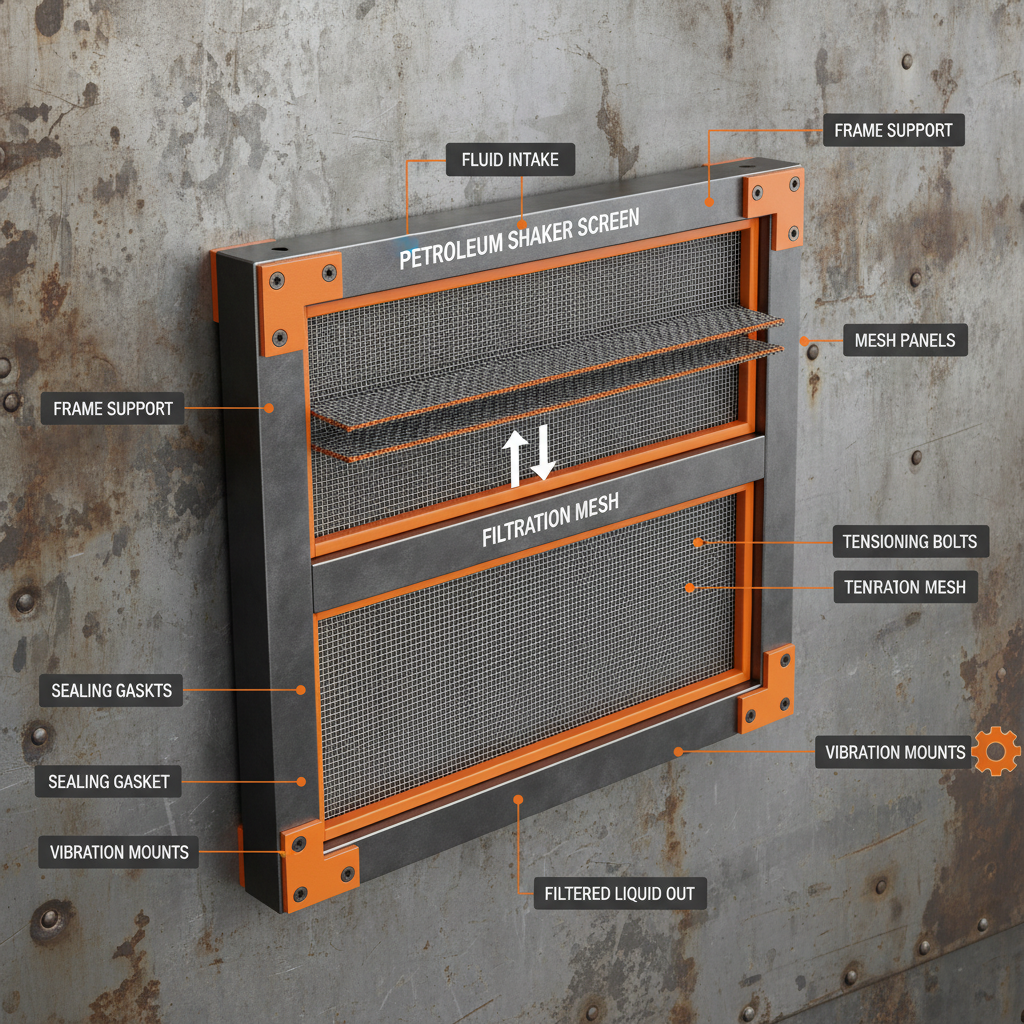
Product Design and Material Choices Matter
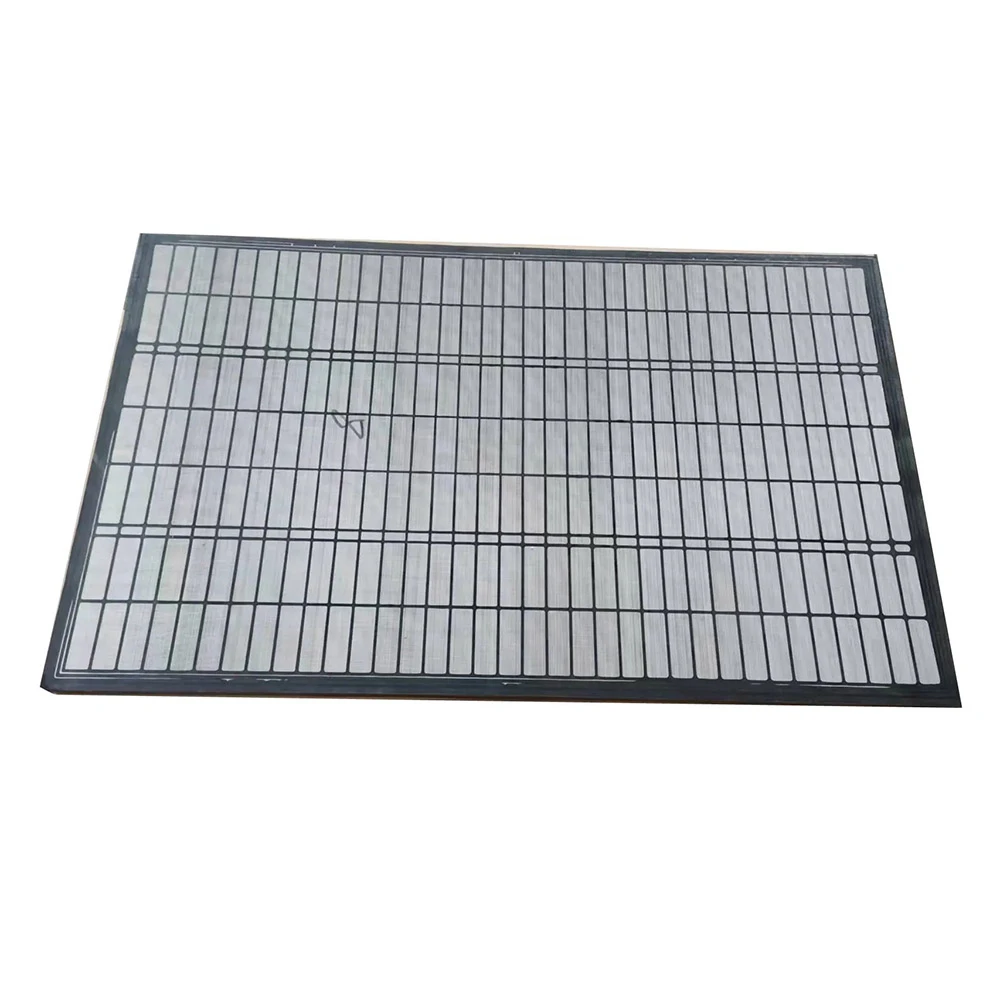
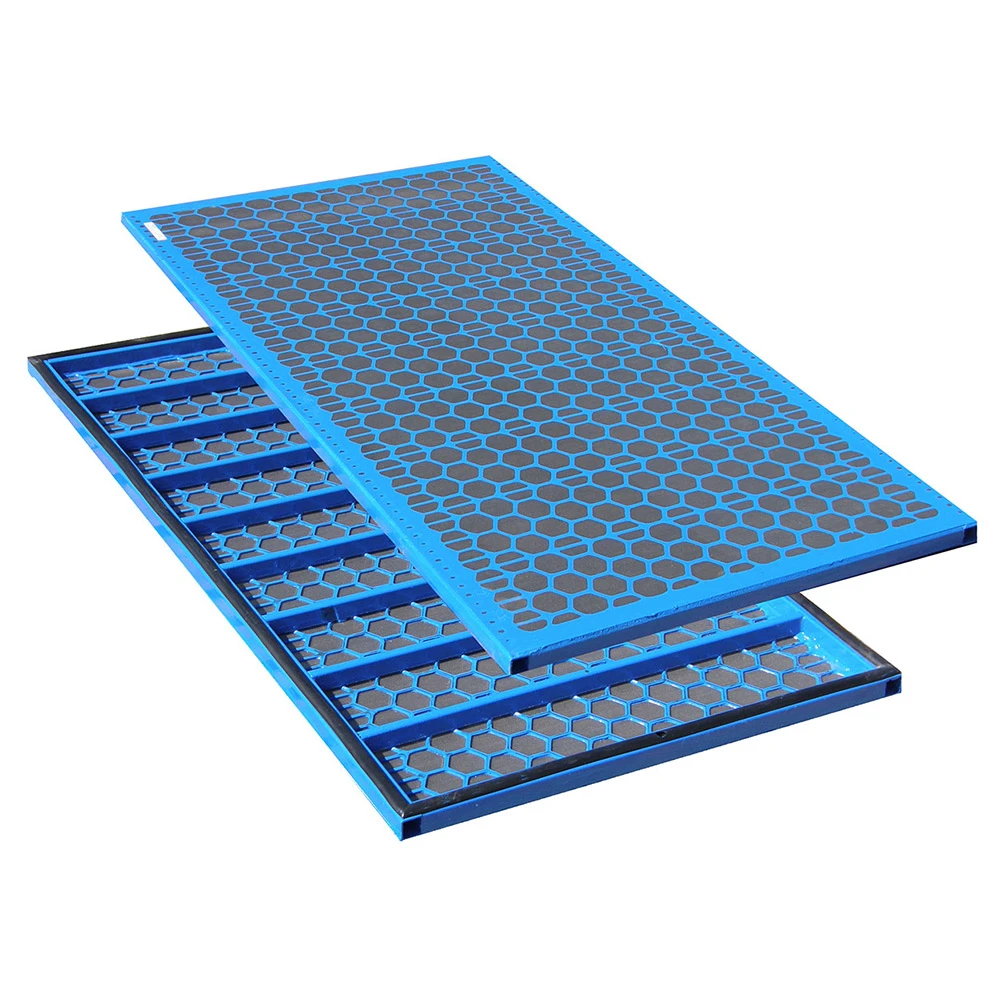
Most shale shaker screen meshes are made from high-tensile woven stainless steel wire cloth. The common grades include 304 and 316 stainless steel—316 being more corrosion resistant, especially in harsh saline or chemical environments. You’ll find that many operators prefer 304 for regular mud systems to save costs but switch to 316 when conditions get tough.
Screen mesh size, or mesh count, determines the particle size cutoff. From something like 10 mesh (really coarse) to over 200 mesh (very fine), you’re controlling what solids get rejected. In real terms, going too fine means faster blinding and reduced flow rates, so it’s always a balance depending on what your rig needs.
| Specification | Description |
|---|---|
| Material | Stainless Steel Wire Cloth (304 / 316) |
| Mesh Count | 10 - 230 mesh (common ranges) |
| Frame Types | Steel, Aluminum, Polymer Resin |
| Coating | Polymer Coated (optional for abrasion resistance) |
| Dimensions | Customized to rig requirements |
Comparing Vendors: What to Watch For
Frankly, not all suppliers are created equal. Over the years, I’ve dealt with a handful of manufacturers and distributors. Some offer cheap screens that look good on paper but fail after a few shakes—if you’ll pardon the pun. Others might be pricier but throw in better customization and more consistent quality.
For example, some vendors provide detailed inspection reports and perform rigorous tensile strength and corrosion resistance testing, which can be a huge plus if you’re working offshore or under challenging conditions. Others don’t offer much transparency, which makes you feel like you’re gambling on your screens.
| Feature | Vendor A | Vendor B | Vendor C |
|---|---|---|---|
| Mesh Variety | Wide (10 - 230 mesh) | Moderate (30 - 150 mesh) | Limited (60 - 100 mesh) |
| Material Quality | 316 SS, Tested | 304 SS, Untested | 304 SS, Polymer Coated |
| Customization | Full | Partial | None |
| Turnaround Time | 1-2 weeks | 3-4 weeks | 2-3 weeks |
| After Sales Support | Detailed | Minimal | Basic |
Real-World Experiences
One memory that sticks out: a customer I was helping last year had been blade-cutting through screens every two weeks—quite expensive and disruptive. After switching to a well-made 316 stainless steel mesh from a reputable supplier, their downtime reduced by nearly half. They also reported the screens hung in there without blinding as quickly, which was a big relief for their on-site crew.
Customization: Why It’s Not Just a Fancy Word
I suppose you could call customization the secret sauce in shale shaker screen selection. Sizes vary between rigs. The stiffness of the frame can affect vibration transmission. And if your drilling fluids have unusual chemistry, a particular polymer coating might extend screen life. It’s rare to find a one-size-fits-all screen nowadays—most suppliers expect you to give them some parameters.
So when you opt to buy shale shaker screen mesh, you should look for vendors willing to walk the extra mile and offer tailored solutions, not just stock items off the shelf.
At the end of the day, having quality screen mesh is like having a good pair of boots out there on the rig floor: you barely notice when it works well, but it quickly becomes the whole story when it doesn’t.
Takeaway: Investing in quality shale shaker screen mesh pays off in reduced downtime and better solids control. It’s worth the research and a careful vendor choice.
- API Recommended Practice 13C – Drilling Fluid Processing.
- Technical papers on stainless steel wire cloth durability in petroleum drilling.
- Solid Control Part product catalog and quality assurance data.