Shale Shaker Screen Mesh Company: Your Guide to Solid Control Parts
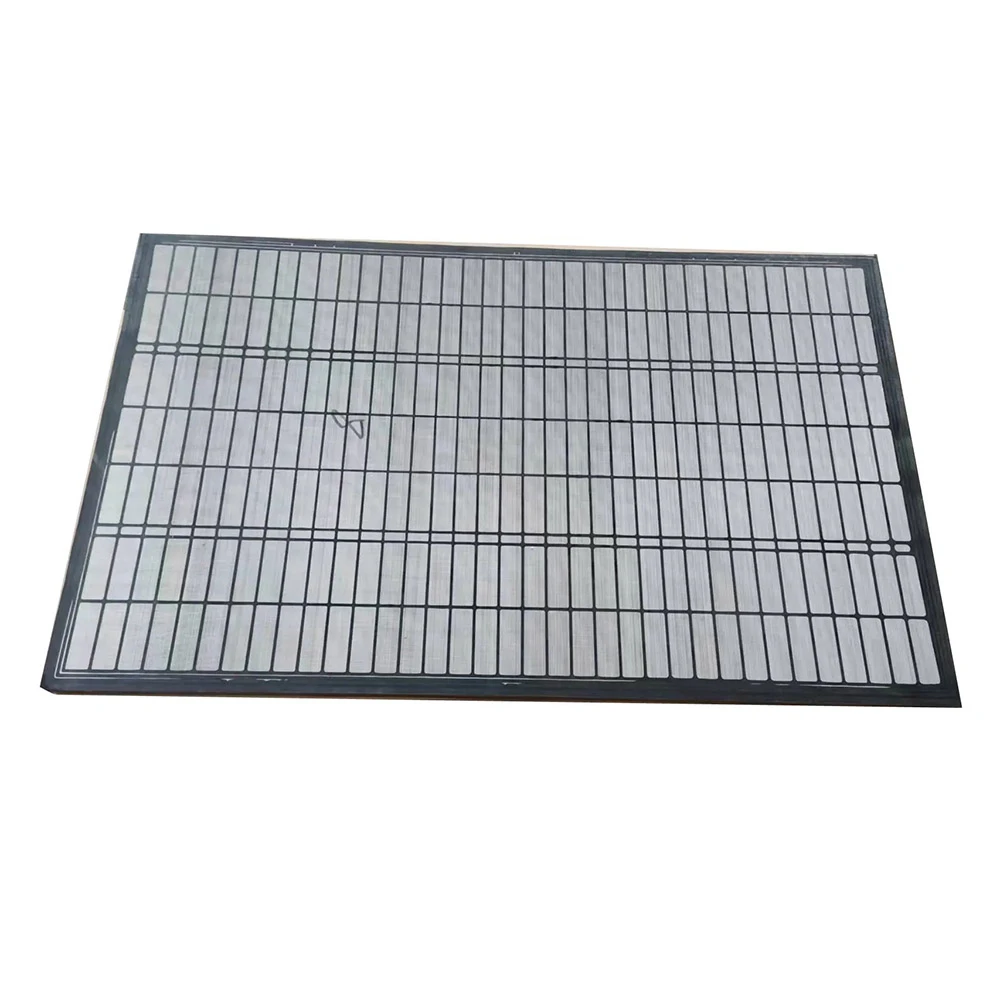
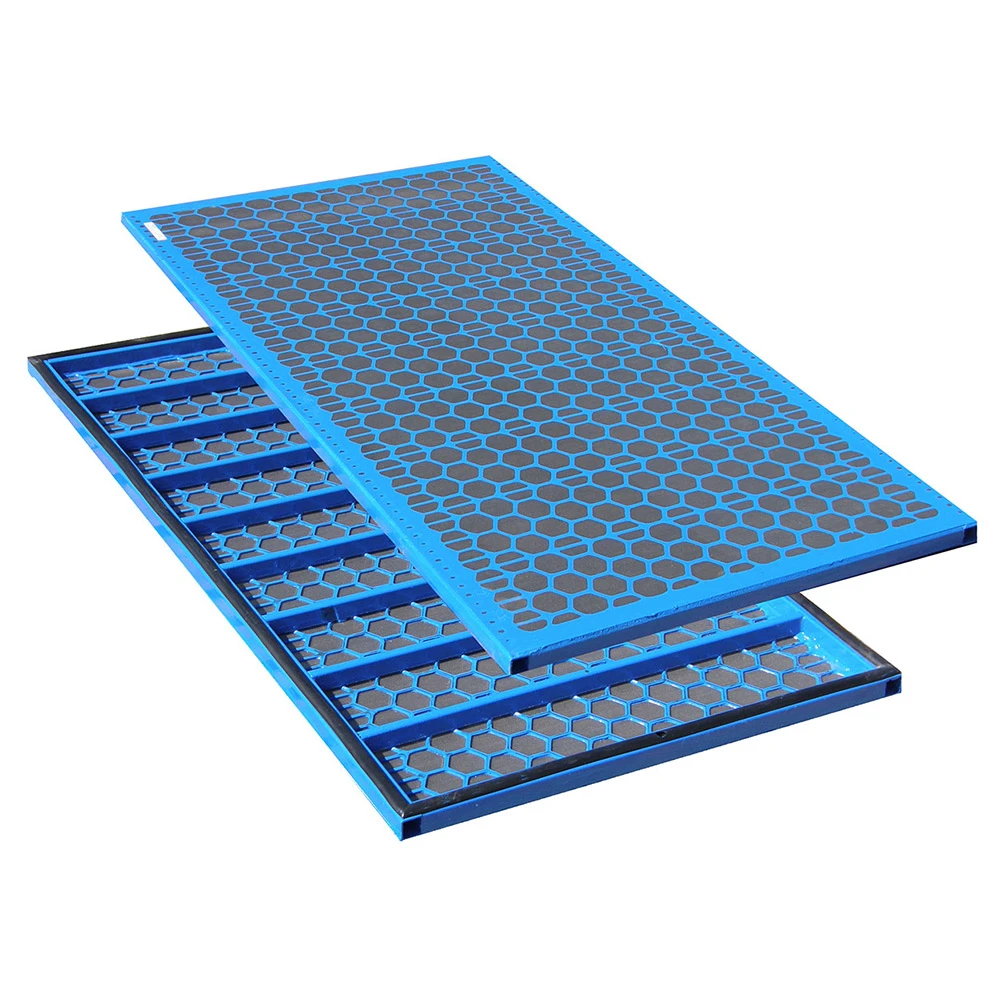
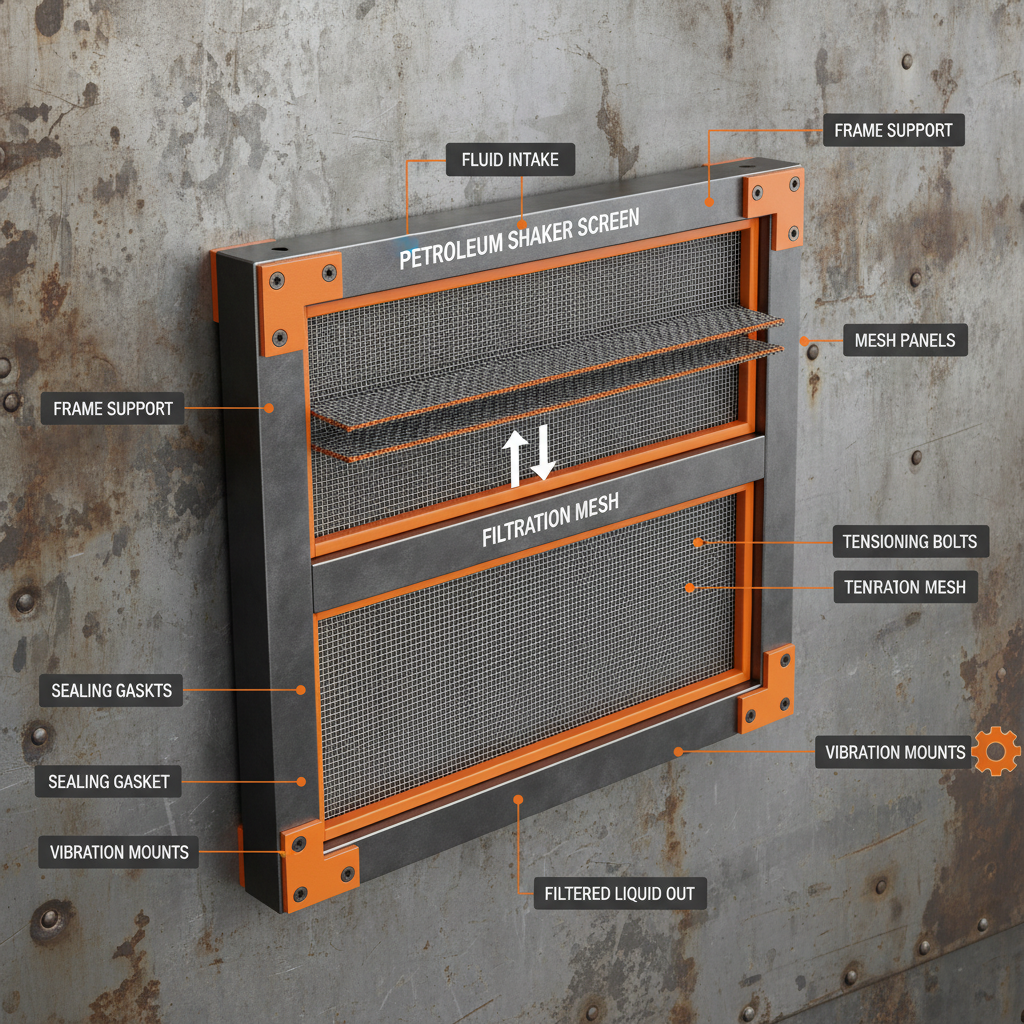
In the oil and gas industry, efficient solids control is crucial for drilling performance and cost-effectiveness. A key component of this process is the shale shaker screen mesh, which effectively separates solids from drilling fluids. This article will delve into the world of shale shaker screens, focusing on the products offered by Solid Control Parts, a leading shale shaker screen mesh company. We'll explore different mesh sizes, materials, applications, and the importance of choosing the right screen for your specific needs. Effective solids control directly impacts drilling efficiency, reduces wear on equipment, and minimizes environmental impact.
Understanding Shale Shaker Screen Mesh Sizes
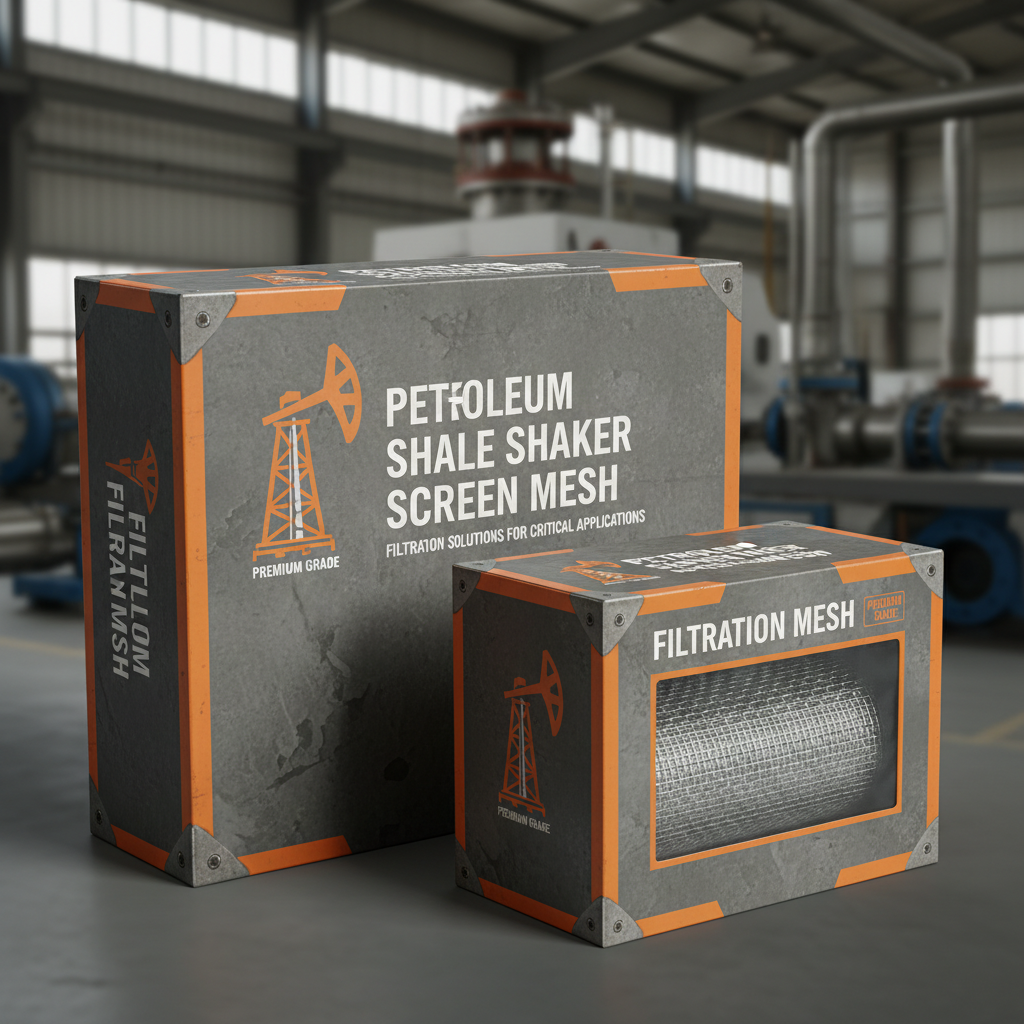
Shale shaker screens are available in a variety of mesh sizes, measured in units of API (American Petroleum Institute). The API number indicates the number of openings per inch. A lower API number signifies a coarser mesh, allowing larger particles to pass through, while a higher API number represents a finer mesh for more thorough solids removal. Solid Control Parts offers a comprehensive range of mesh sizes to accommodate diverse drilling conditions. Selecting the appropriate mesh size is critical for optimizing solids control performance. Too coarse a mesh will allow valuable drilling fluid to be lost with the solids, while too fine a mesh can lead to reduced flow rate and increased back pressure.
Key Takeaway: The correct mesh size is a balance between efficient solids removal and maintaining optimal flow rates.
Types of Shale Shaker Screen Materials
Shale shaker screens are constructed from various materials, each offering distinct advantages and disadvantages. Common materials include stainless steel, composite materials, and polyurethane. Stainless steel screens are known for their durability and resistance to corrosion, making them suitable for harsh drilling environments. Composite screens offer a good balance of strength and cost-effectiveness. Polyurethane screens are often used for applications requiring high abrasion resistance. Solid Control Parts provides screens constructed from all these materials, allowing customers to select the best option for their specific application. The choice of material depends on the type of solids being removed, the drilling fluid composition, and the operating temperature.
Material Comparison:
• Stainless Steel: Durable, corrosion-resistant, higher cost.
• Composite: Good balance of strength and cost.
• Polyurethane: High abrasion resistance, suitable for harsh solids.
Choosing the Right Shale Shaker Screen Mesh for Your Operation
Selecting the optimal shale shaker screen mesh involves considering several factors, including the drilling fluid type, the size and concentration of solids, and the shaker's capacity. As a shale shaker screen mesh company, Solid Control Parts understands these complexities and offers expert guidance to help customers make informed decisions. Utilizing screens with incorrect mesh sizes can lead to inefficiencies, increased costs, and potential equipment damage. It's best to consult with a specialist to analyze your specific drilling requirements.
The Benefits of Partnering with a Reliable Shale Shaker Screen Mesh Company
Choosing a reputable shale shaker screen mesh company like Solid Control Parts ensures you receive high-quality products, competitive pricing, and expert technical support. We offer a wide selection of screens to fit various shaker models and provide fast, reliable delivery. Our commitment to customer satisfaction and rigorous quality control processes make us a trusted partner for drilling operations worldwide. Solid Control Parts doesn't just sell screens; we offer solutions.

Product Specifications & Common Sizes
Solid Control Parts offers shale shaker screens in a variety of standard and custom sizes. Below is a table showcasing some common specifications:
Conclusion: Optimizing Solids Control with Solid Control Parts
Choosing the right shale shaker screen mesh is a vital component of efficient and cost-effective drilling operations. Solid Control Parts provides a comprehensive range of high-quality screens, expert guidance, and reliable service to meet your specific needs. Contact us today to learn more about how we can help you optimize your solids control process.
Frequently Asked Questions (FAQs)
What is the typical lifespan of a shale shaker screen?
The lifespan of a shale shaker screen varies depending on several factors, including the abrasiveness of the solids being processed, the drilling fluid composition, and the operating conditions. Generally, screens should be inspected regularly for wear and tear, and replaced when they exhibit signs of damage such as tears, holes, or significant mesh distortion. As a general guideline, screens may last anywhere from a few weeks to several months in typical drilling applications. Solid Control Parts recommends establishing a routine inspection and replacement schedule based on your specific operating environment to maximize performance and minimize downtime.
How often should I clean my shale shaker screens?
Regular cleaning of shale shaker screens is essential to maintain optimal performance. The frequency of cleaning depends on the solids content of the drilling fluid. In high-solids environments, screens may need to be cleaned several times per shift. Cleaning can be done using a high-pressure water jet or a specialized screen cleaning tool. Proper cleaning removes accumulated solids, preventing screen blinding and maintaining efficient separation. Consistent cleaning extends the lifespan of the screens and reduces the risk of reduced flow rates and increased back pressure.
What is screen blinding, and how can it be prevented?
Screen blinding occurs when fine solids accumulate on the screen mesh, restricting flow and reducing separation efficiency. This can happen due to an improper mesh size selection or a high concentration of fine particles in the drilling fluid. To prevent screen blinding, ensure that the mesh size is appropriate for the solids content and consider using a pre-screen or desander to remove larger particles before they reach the shale shaker. Regular screen cleaning is also crucial. Solid Control Parts offers screens designed to minimize blinding and provide consistent performance.