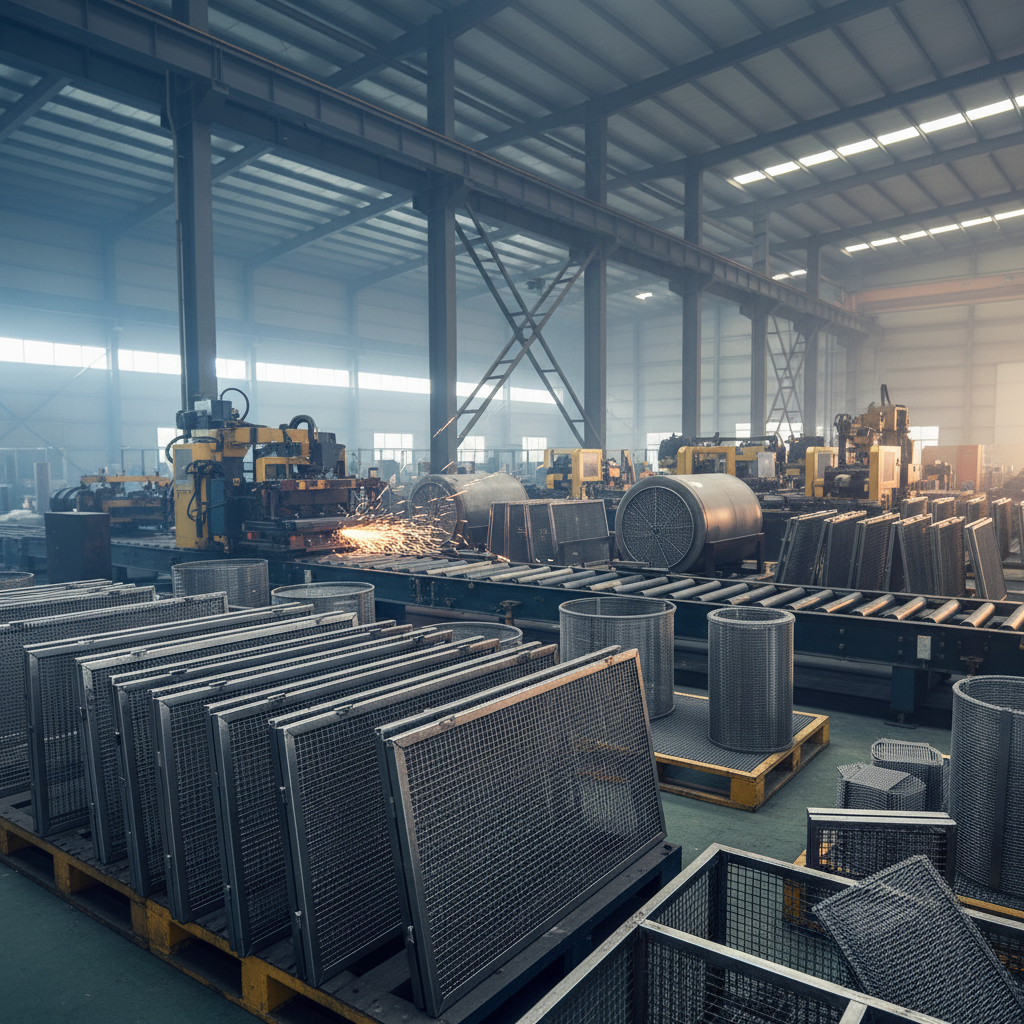
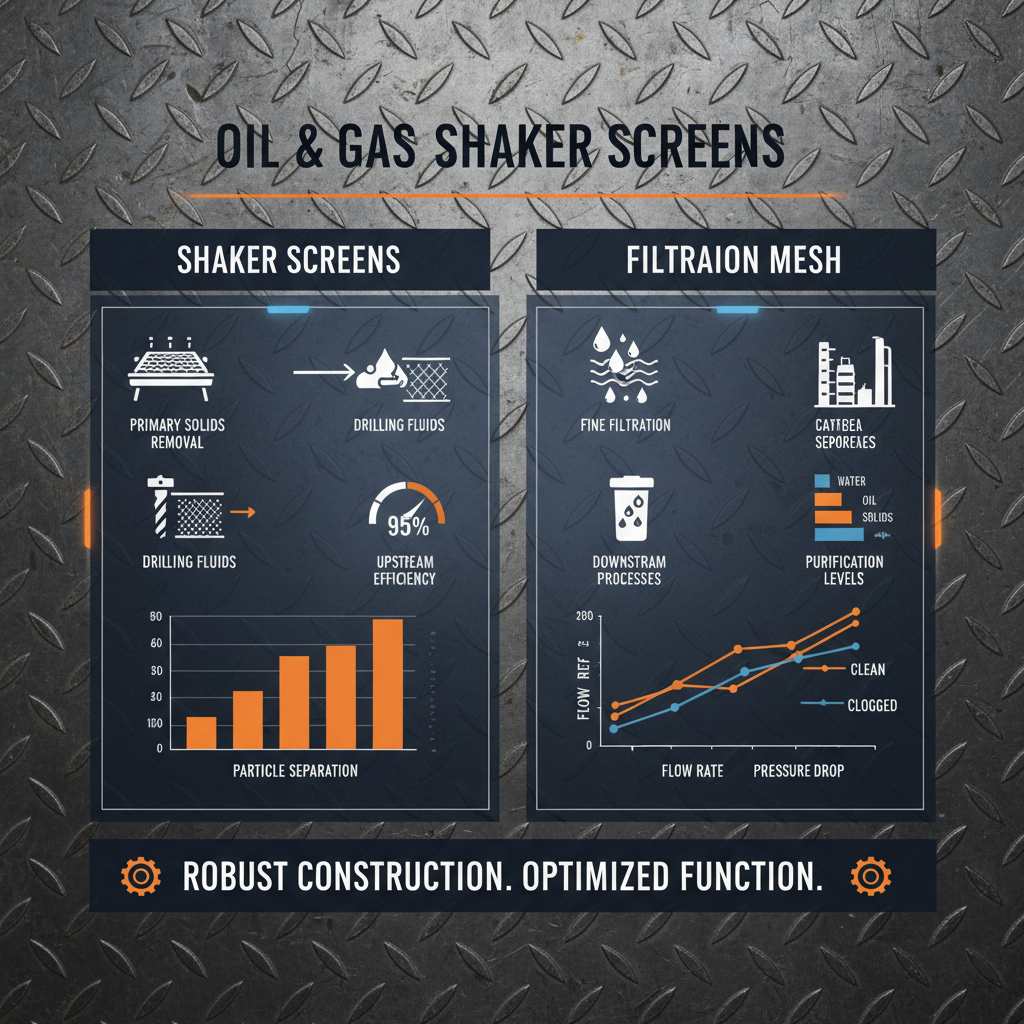
Shaker screens oil and gas are integral components in the modern oil and gas industry, serving as the primary means of separating solids from drilling fluids. Their efficient operation is crucial for maintaining wellbore stability, reducing drilling costs, and minimizing environmental impact. The global demand for energy continues to drive the need for efficient and reliable drilling operations, placing significant importance on advancements and optimal utilization of shaker screen technology. Understanding the nuances of these systems is paramount for professionals in the oilfield services sector, environmental regulators, and energy industry stakeholders alike.
The implementation of shaker screens oil and gas isn’t confined to upstream operations. They’re essential in managing waste streams, complying with stringent environmental regulations, and optimizing fluid recycling. Their relevance extends to diverse geographical locations, from the prolific shale plays of North America to the offshore platforms in the Gulf of Mexico and the challenging drilling environments of the Middle East. This widespread applicability underscores their significance in maintaining sustainable and economically viable energy production.
Investing in the right shaker screens oil and gas technology translates to significant cost savings, improved operational efficiency, and a reduced environmental footprint. Innovations in materials, mesh sizes, and screen designs are continuously pushing the boundaries of performance, making them a key area of focus for ongoing research and development within the oil and gas sector.
The Importance of Shaker Screens Oil and Gas
The efficient removal of drill solids is paramount to maintaining drilling fluid properties, preventing formation damage, and optimizing drilling rates. Shaker screens oil and gas directly address these challenges. By effectively separating solids, they prevent the buildup of cuttings in the drilling fluid, ensuring optimal rheological properties and minimizing the risk of stuck pipe.
Without effective solids control, drilling operations can experience significant non-productive time (NPT) due to issues like bit balling, poor hole cleaning, and increased wear on downhole tools. Shaker screens oil and gas serve as the first line of defense in solids control, significantly reducing the load on subsequent separation equipment like hydrocyclones and centrifuges, ultimately leading to lower overall operating costs and a more efficient drilling process.
Defining Shaker Screens Oil and Gas
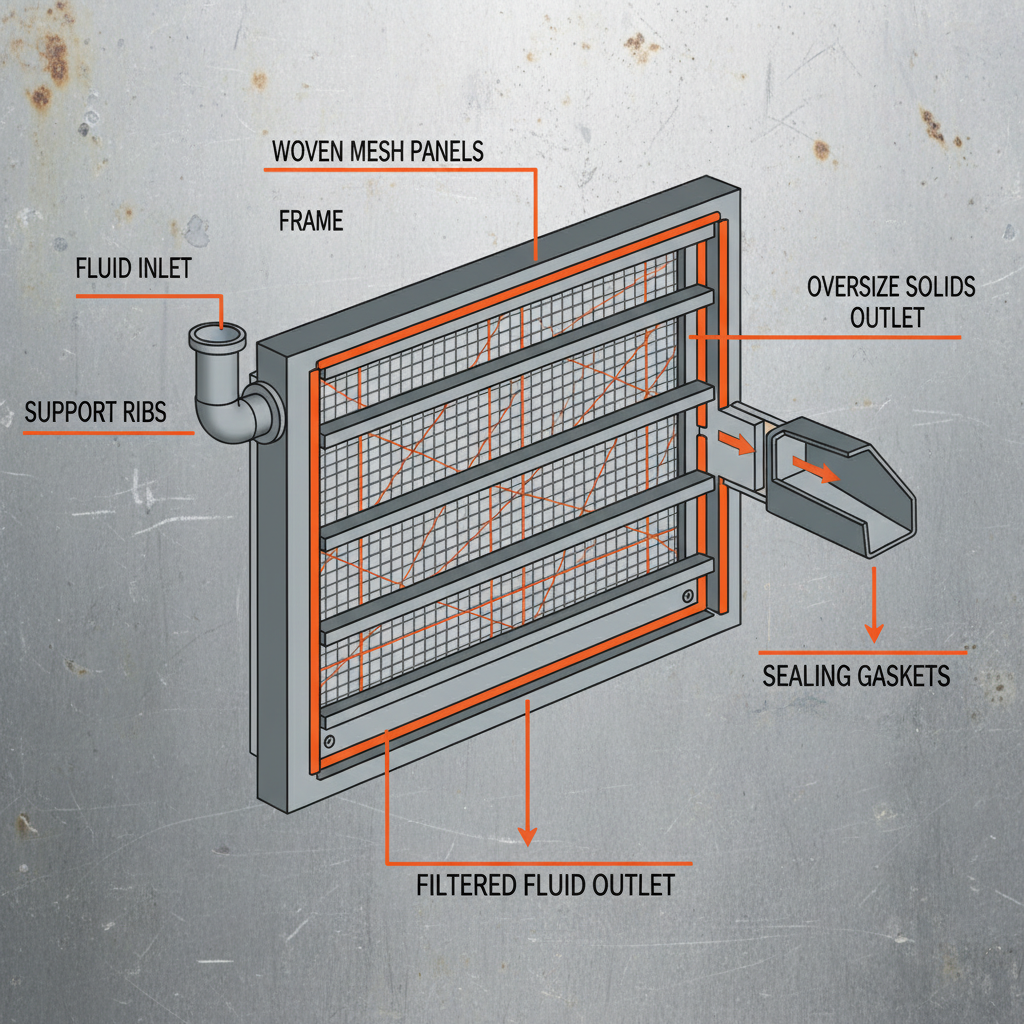
Shaker screens oil and gas are mechanical separation devices used to remove drill solids, cuttings, and other unwanted materials from drilling fluids. They consist of a vibratory screen installed on a shaker frame, which agitates the drilling fluid, allowing the liquid phase to pass through the screen while retaining the solids. The screens themselves are typically constructed from woven wire mesh or composite materials.
These systems are a critical component in the closed-loop drilling fluid management process, reducing waste disposal volumes and minimizing environmental impact. Modern shaker screens oil and gas employ various screening technologies, including single-deck, multi-deck, and desander/desilter combinations, tailored to specific drilling applications and fluid compositions.
The effectiveness of shaker screens oil and gas is judged on their ability to efficiently separate solids while maximizing fluid recovery, directly contributing to the overall economic and environmental sustainability of drilling operations.
Key Factors Influencing Shaker Screen Performance
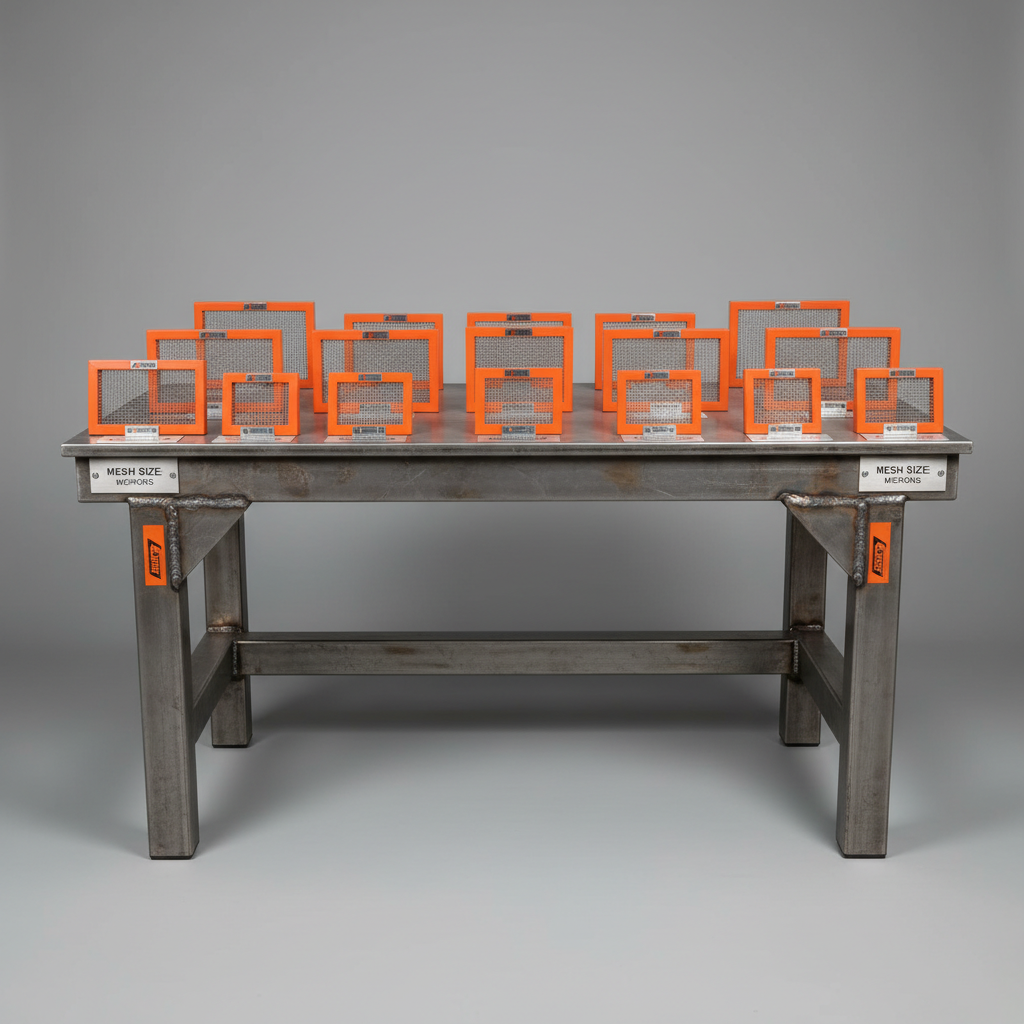
Several key factors determine the effectiveness of shaker screens oil and gas. Mesh size is perhaps the most critical, determining the smallest particle size that can be retained. The selection of mesh size depends on the drilling fluid composition, the type of formation being drilled, and the desired level of solids removal.
Another important factor is screen material. Different materials, such as stainless steel, alloy steel, and composite materials, offer varying levels of abrasion resistance, corrosion resistance, and tensile strength. The appropriate material selection depends on the specific drilling environment and the type of solids being encountered. Screen tension and integrity are also vital; properly tensioned screens ensure optimal separation efficiency and prevent premature failure.
Finally, the shaker's vibration frequency and amplitude play a significant role. Optimized vibration parameters ensure thorough agitation of the drilling fluid and efficient solids conveyance across the screen surface. Regular inspection and maintenance of all these factors are essential for maintaining peak performance.
Global Applications of Shaker Screens Oil and Gas
Shaker screens oil and gas find widespread application in onshore and offshore drilling operations across the globe. In North America, they are extensively used in the shale oil and gas development, where high volumes of drilling fluids are circulated and efficient solids control is crucial.
The Middle East, a major oil-producing region, relies heavily on shaker screens oil and gas to manage the challenging drilling conditions and maintain optimal fluid properties. Offshore drilling operations in the Gulf of Mexico and the North Sea similarly depend on these systems for efficient solids removal and waste management.
Furthermore, the use of shaker screens oil and gas is expanding into geothermal drilling and mineral exploration, demonstrating their versatility and adaptability to diverse drilling applications. In remote industrial zones and environmentally sensitive areas, robust solids control systems are vital for responsible resource development.
Shaker Screen Oil and Gas Methods Comparison
Advantages and Long-Term Value Proposition
Implementing high-quality shaker screens oil and gas offers tangible benefits, including reduced drilling fluid losses, minimized waste disposal costs, and enhanced operational efficiency. This directly translates to lower overall project costs and improved profitability.
From a sustainability standpoint, efficient solids control minimizes environmental impact by reducing the volume of waste materials requiring disposal. This aligns with increasingly stringent environmental regulations and promotes responsible resource development. The reliability of shaker screens oil and gas provides peace of mind, reducing the risk of costly downtime and ensuring continuous operation.
Future Trends in Shaker Screen Technology
The future of shaker screens oil and gas is focused on automation, advanced materials, and real-time monitoring capabilities. Automated screen changing systems reduce manual labor and minimize downtime, while sensors and data analytics provide insights into screen performance and predict potential failures.
Research is underway to develop new composite materials with enhanced abrasion resistance and longer service life. Integration with digital drilling platforms and remote monitoring systems will enable proactive maintenance and optimization of solids control processes, furthering efficiency and reducing operational costs.
Common Challenges and Innovative Solutions
A common challenge is screen blinding, where fine particles accumulate on the screen surface, reducing permeability and separation efficiency. Innovative solutions include anti-blinding screen designs, automated screen cleaning systems, and optimized drilling fluid formulations.
Premature screen failure due to abrasion or corrosion is another concern. Advanced materials, improved screen tensioning mechanisms, and preventative maintenance programs can mitigate these issues.
Furthermore, optimizing screen selection for specific drilling conditions requires expertise and careful consideration of fluid properties, formation characteristics, and solids loading. Leveraging data analytics and machine learning can assist in predicting optimal screen configurations and maximizing performance.
Summary of Shaker Screen Oil and Gas Performance Indicators
| Screen Type |
Solids Removal Efficiency (%) |
Fluid Recovery Rate (%) |
Estimated Screen Life (Hours) |
| Woven Wire Mesh |
85-95 |
90-98 |
200-400 |
| Composite Material |
90-98 |
92-99 |
400-600 |
| Multi-Deck Shaker |
95-99 |
95-99 |
300-500 |
| High-Capacity Shaker |
80-90 |
90-97 |
250-450 |
| Automated Screen Changer |
92-97 |
93-98 |
350-550 |
| Desander/Desilter Combo |
75-85 |
88-95 |
150-300 |
FAQS
The lifespan of shaker screens oil and gas varies widely based on factors such as the abrasiveness of the drilled solids, drilling fluid composition, and screen material. Generally, woven wire mesh screens last between 200-400 hours, while composite screens can extend to 400-600 hours. Regular inspection and proactive replacement are crucial to maintain optimal performance and prevent unexpected failures.
Mesh size selection depends on the size of the solids you need to remove. Finer mesh sizes (lower micron rating) are suitable for removing very fine particles, while coarser mesh sizes are more effective for larger cuttings. Consider the formation being drilled, the type of drilling fluid, and the desired level of solids control when selecting the mesh size. Consult with a drilling fluids specialist for optimal recommendations.
Composite shaker screens oil and gas generally offer superior abrasion resistance, longer service life, and improved resistance to corrosion compared to woven wire mesh screens. They are particularly beneficial in abrasive drilling environments or when drilling through formations containing hard, angular solids. While they may have a higher upfront cost, their extended lifespan can result in lower overall costs.
Screen blinding can be mitigated by optimizing drilling fluid properties, using anti-blinding screen coatings, and implementing automated screen cleaning systems. Regularly monitoring flow rates and pressure differentials can also help detect blinding early on. Ensure proper fluid agitation and screen tension to promote efficient solids removal.
Always wear appropriate personal protective equipment (PPE), including gloves, safety glasses, and a dust mask, when handling shaker screens oil and gas. Ensure the shaker is properly shut down and locked out before attempting any maintenance or replacement. Handle screens carefully to avoid cuts or abrasions from the mesh or frame.
Minor damage to the screen frame can sometimes be repaired, but it's generally recommended to replace the entire screen if the mesh is torn or significantly damaged. Attempting to repair a damaged screen can compromise its integrity and reduce its separation efficiency. Replacement ensures optimal performance and prevents potential issues downhole.
Conclusion
In conclusion, shaker screens oil and gas represent a fundamental element in modern drilling operations. Their ability to efficiently remove solids, optimize fluid properties, and minimize environmental impact makes them indispensable for cost-effective and sustainable energy production. Understanding the nuances of screen selection, maintenance, and emerging technologies is crucial for maximizing their performance and ensuring operational efficiency.
As the oil and gas industry continues to evolve, advancements in materials, automation, and data analytics will undoubtedly shape the future of shaker screen technology. Proactive investment in these innovations and a commitment to best practices will be essential for maintaining a competitive edge and addressing the evolving challenges of the energy sector.