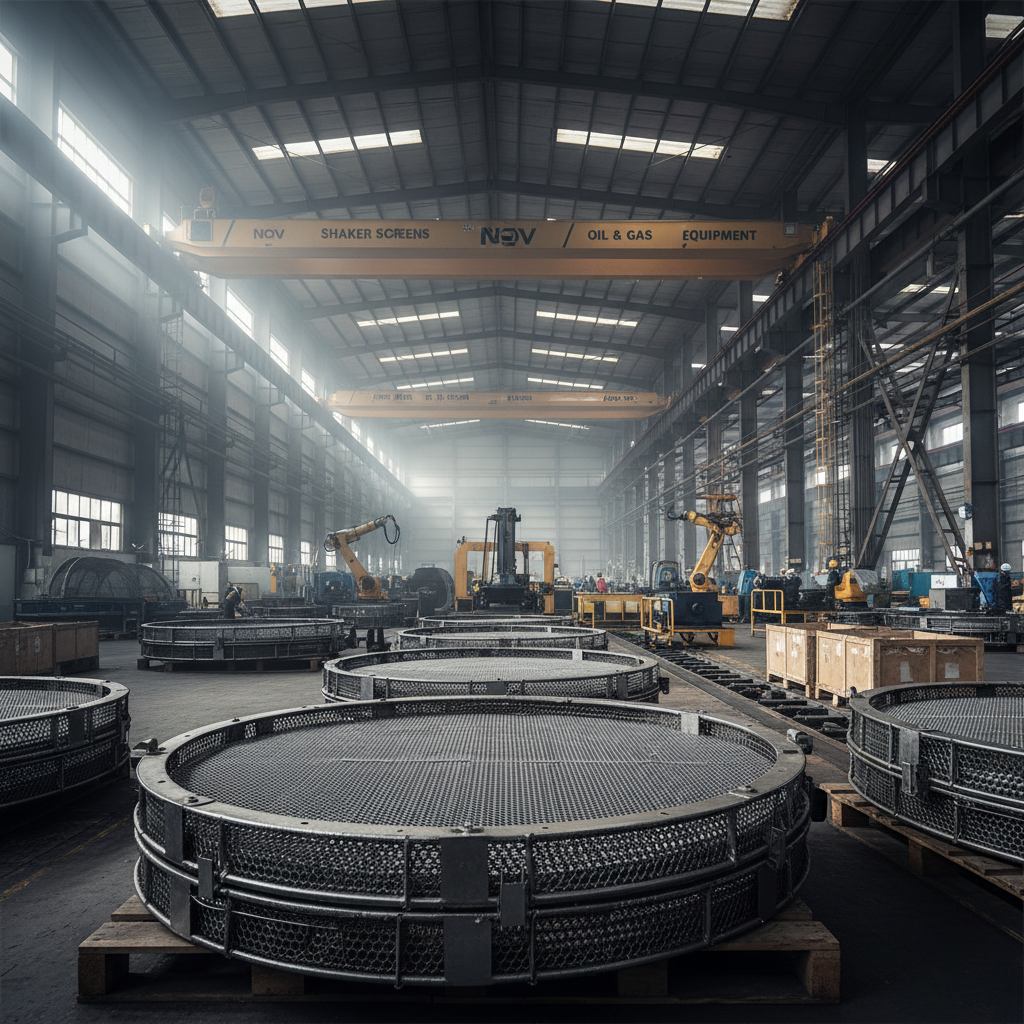
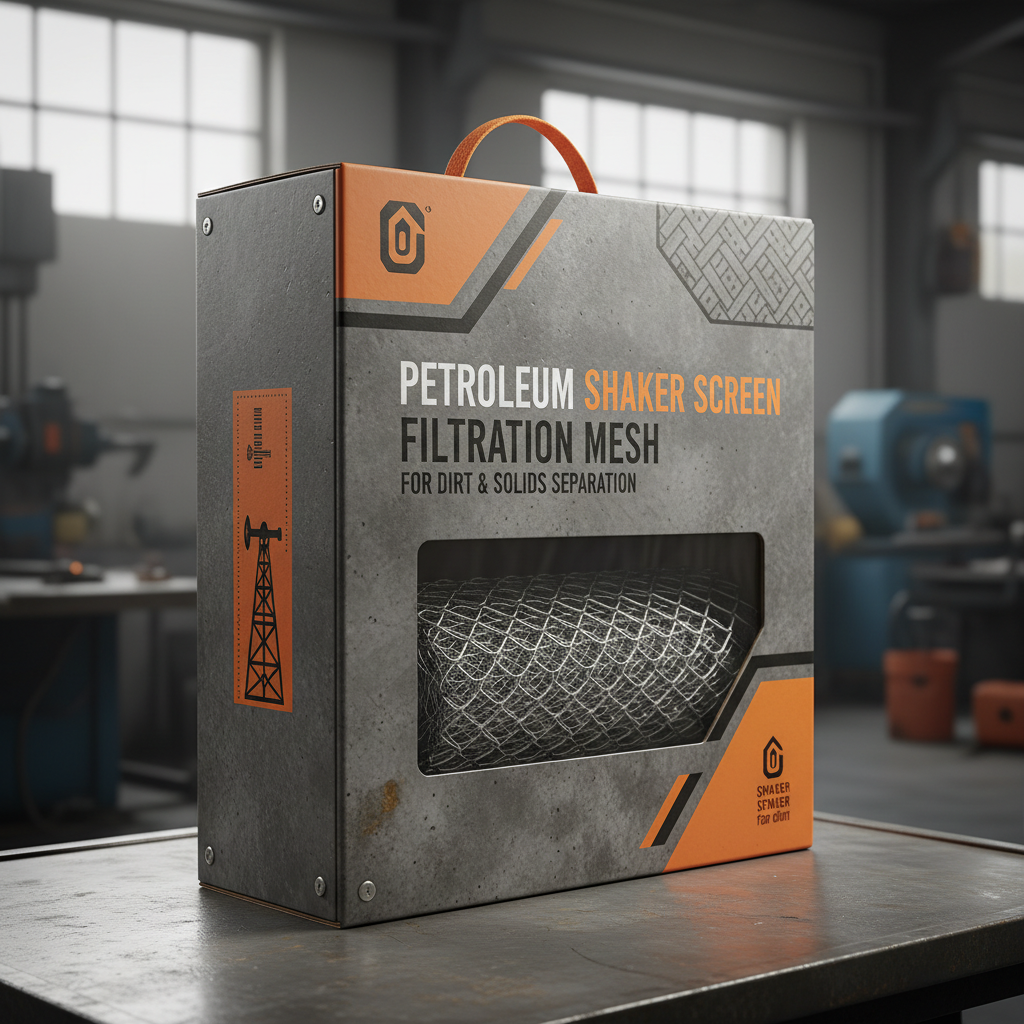
Look, I’ve spent the last twenty years covered in dust and mud, tracking everything from mud pumps to shale shakers across drilling sites. And let me tell you, when it comes to keeping operations flowing smoothly, reliable nov shaker screens aren’t just a nice-to-have – they're absolutely critical. We're talking about preventing downtime, maximizing recovery, and ultimately, keeping projects on budget. It's not glamorous work, but without effective solids control, everything else grinds to a halt. These screens are the front line in that battle, and quality matters.
The oil and gas industry, and increasingly even water treatment and mineral processing, operate on incredibly tight margins. Every minute of lost production due to equipment failure translates directly into lost revenue. Effective nov shaker screens minimize that risk by efficiently separating solids from fluids, extending the life of drilling mud, and ensuring compliance with environmental regulations. It’s a global issue; from the Permian Basin to the North Sea, operators are facing increasing pressure to optimize performance and reduce their environmental footprint.
And it’s not just about big oil companies anymore. Smaller operators, contractors, and even specialized service providers are relying on robust, dependable equipment. The availability of quality components, like these shaker screens, is a major factor in their success. Getting the right screens, quickly and at a competitive price, can make or break a project – particularly in remote locations.
The Importance of Nov Shaker Screens in Solids Control
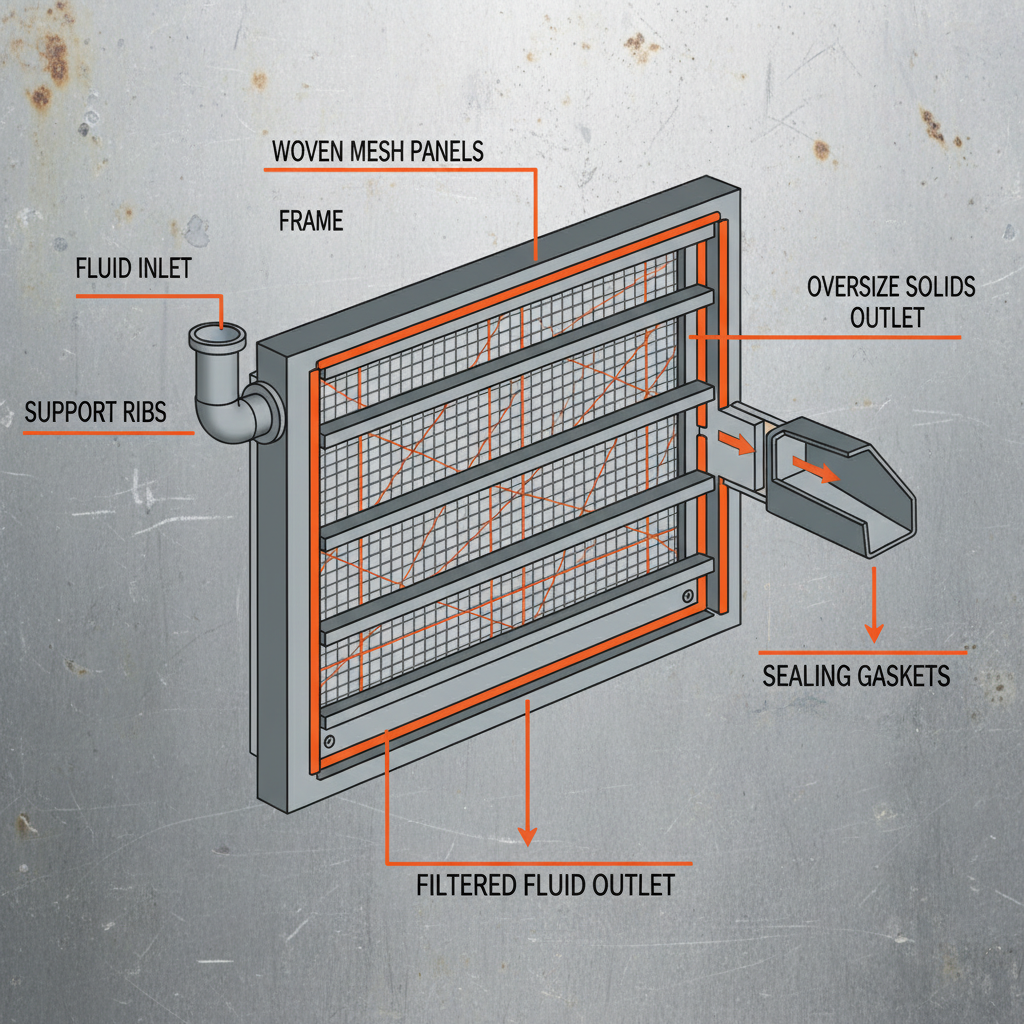
Let’s be clear: solids control isn’t sexy. But it’s the backbone of efficient operations. nov shaker screens are the first stage in that process, removing drill cuttings and other debris from the drilling fluid. Without effective screens, those solids recirculate, increasing wear and tear on equipment, reducing drilling rates, and ultimately, costing you money.
Think of it like this – your drilling mud is the lifeblood of the operation. You need to keep it clean. That’s where high-quality screens come in. They’re designed to withstand harsh conditions, handle high flow rates, and consistently deliver the required level of separation. And frankly, a cheap screen is a false economy. You’ll end up paying more in the long run for repairs and downtime.
Understanding Nov Shaker Screen Technology
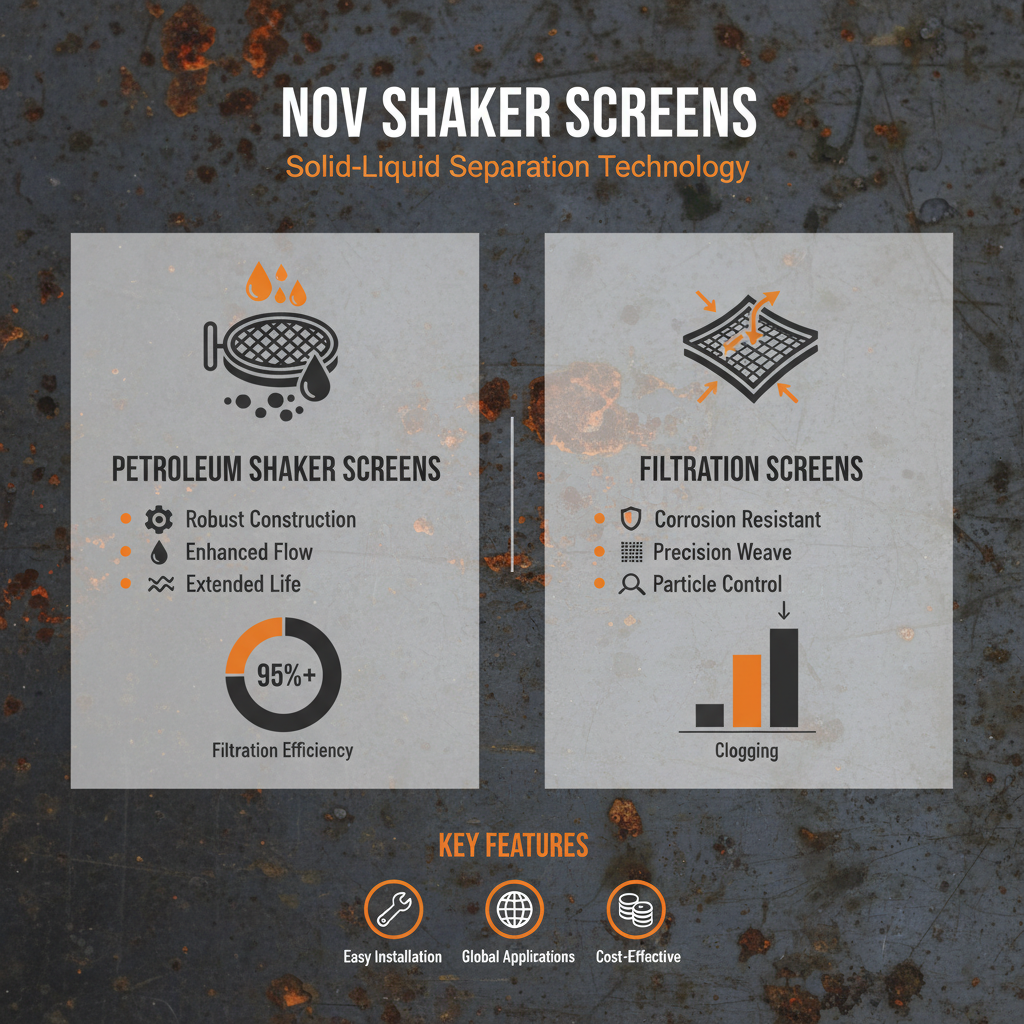
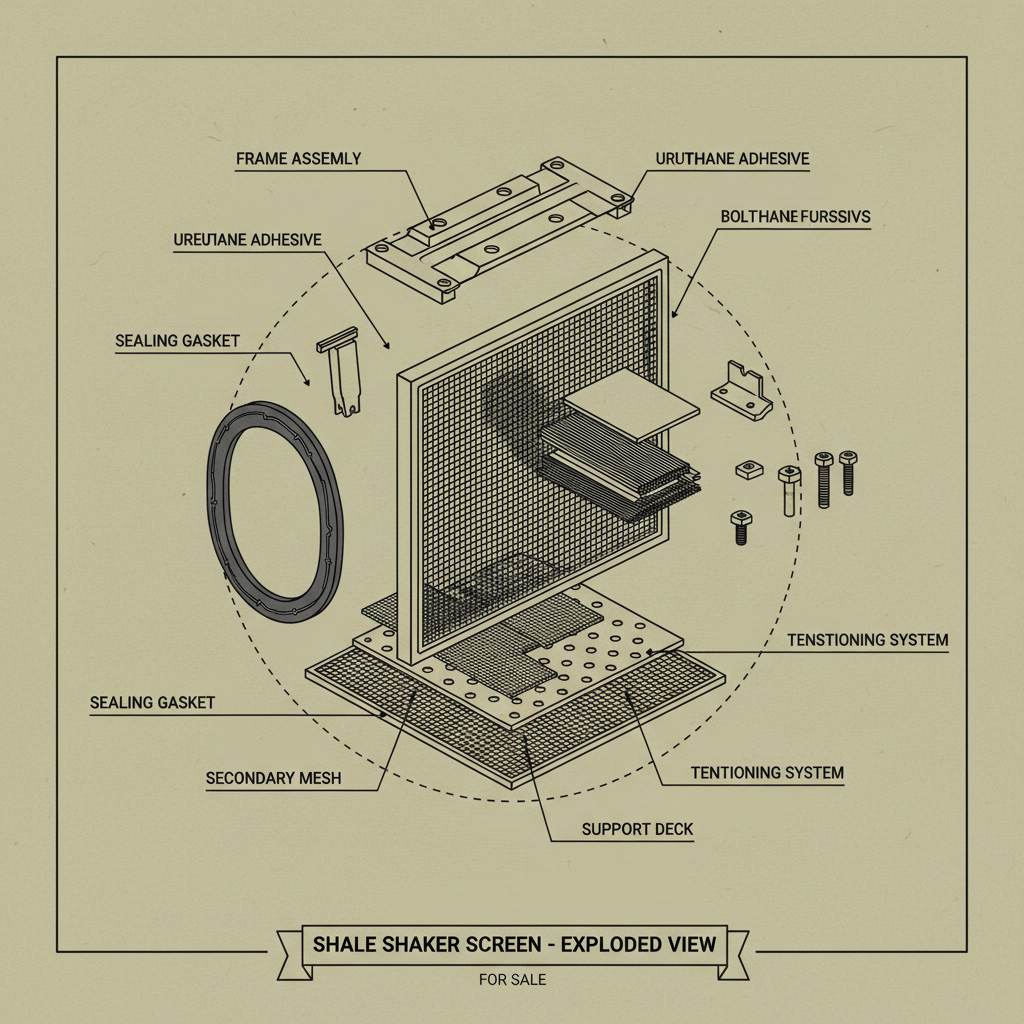
These aren’t just simple mesh screens. Modern nov shaker screens incorporate a lot of engineering. The mesh material itself is critical – typically stainless steel, but also sometimes featuring advanced alloys for increased durability. The weave pattern, the screen size (measured in microns), and even the tensioning system all play a role in performance.
Different screen types are designed for different applications. You've got coarse screens for initial separation of larger cuttings, finer screens for polishing the fluid, and specialized screens for specific materials. The right screen selection depends on the type of drilling operation, the properties of the formation being drilled, and the characteristics of the drilling fluid. It's about optimizing for efficiency and minimizing waste.
And it’s not just the screens themselves. The shaker unit they’re installed on is just as important. A well-maintained shaker with a powerful vibration system ensures consistent performance and extends the life of the screens. It's a system, not just a single component.
Key Factors Influencing Nov Shaker Screen Performance
Durability is paramount. These screens take a beating. They're constantly exposed to abrasive materials, high pressures, and corrosive fluids. The quality of the steel, the weave pattern, and the manufacturing process all contribute to their lifespan. We're talking about resisting tearing, abrasion, and fatigue.
Flow rate capacity is crucial. A screen can be incredibly durable, but if it can't handle the volume of fluid being pumped through it, it’s useless. The screen needs to be sized appropriately for the shaker unit and the drilling operation. Restricting flow can lead to increased pressure, reduced efficiency, and premature screen failure.
API compliance is non-negotiable. nov shaker screens need to meet stringent industry standards to ensure safety and performance. That means rigorous testing, quality control, and documentation. You don’t want to risk non-compliance and potential fines.
Global Applications of Nov Shaker Screens
We’re not just talking about onshore drilling in Texas. nov shaker screens are deployed globally, from offshore platforms in the Gulf of Mexico to remote drilling sites in Siberia. The core principles remain the same – efficient solids removal – but the specific applications vary.
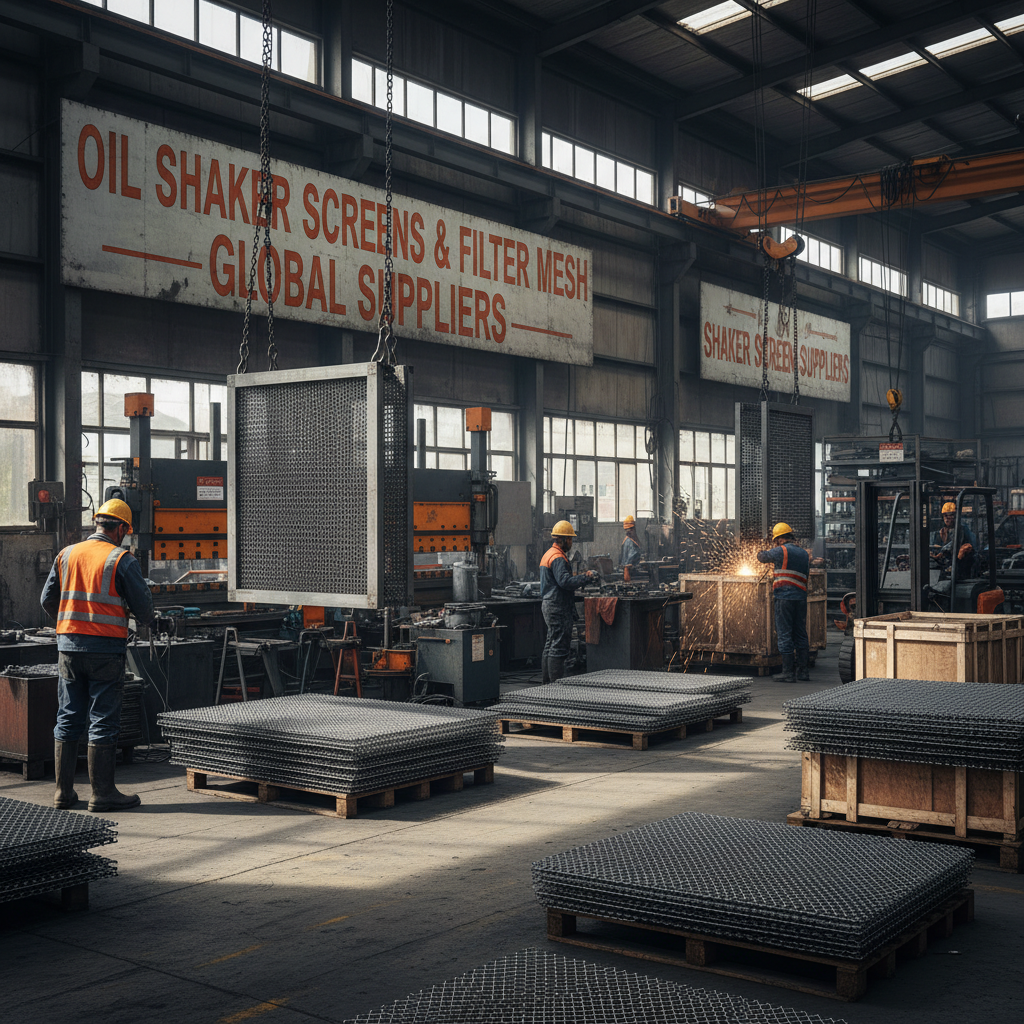
Beyond oil and gas, these screens are finding increased use in water treatment plants, mining operations, and even in the construction industry for separating aggregates and sediments. Any process that involves separating solids from fluids can benefit from this technology.
Nov Shaker Screen Performance Metrics
Advantages and Long-Term Value Proposition
Investing in high-quality nov shaker screens translates directly into cost savings. Reduced downtime, extended equipment life, and minimized waste all contribute to a healthier bottom line. It's about preventing problems, not just reacting to them.
Beyond the financial benefits, there’s also the environmental impact. Efficient solids control minimizes the volume of waste requiring disposal, reducing environmental risks and ensuring compliance with regulations. That’s becoming increasingly important, both from a regulatory and a social responsibility perspective.
Future Trends and Innovations in Shaker Screen Technology
We’re seeing a move towards more automated systems, with sensors and data analytics used to optimize screen performance and predict potential failures. Smart screens that can adjust their parameters based on real-time conditions are on the horizon.
Material science is also playing a role. New alloys and composite materials are being developed to improve durability, reduce weight, and enhance separation efficiency. The focus is on creating screens that can withstand even harsher conditions and deliver superior performance.
And with the increasing focus on sustainability, we’re seeing a push for more eco-friendly screen materials and manufacturing processes. Recyclability and reduced energy consumption are becoming key considerations.
Challenges and Solutions in Nov Shaker Screen Implementation
One of the biggest challenges is screen plugging, especially when dealing with highly viscous fluids or formations containing a lot of fines. Proper screen selection, optimized flow rates, and regular screen cleaning are essential to mitigate this issue.
Another challenge is ensuring consistent screen tension. Improperly tensioned screens can lead to reduced efficiency and premature failure. Investing in high-quality tensioning systems and training personnel on proper installation procedures are crucial.
Finally, availability and lead times can be a concern, particularly for specialized screens. Working with a reliable supplier like Solid Control Parts, who maintains a robust inventory and offers fast delivery, is essential to minimize downtime.
Overview of Nov Shaker Screen Performance Evaluation
| Screen Type |
Durability Rating (1-10) |
Flow Rate Capacity (GPM) |
Cost Effectiveness (1-10) |
| Coarse Mesh |
7 |
800 |
9 |
| Fine Mesh |
6 |
600 |
7 |
| Polyester Mesh |
5 |
700 |
6 |
| Stainless Steel Woven |
9 |
750 |
8 |
| Composite Mesh |
8 |
850 |
7 |
| High-Capacity Woven |
7 |
900 |
8 |
FAQS
The lifespan of a nov shaker screen really depends on a few factors – the type of fluid being processed, the solids load, and the overall maintenance of the shaker unit. Generally, you can expect a high-quality screen to last anywhere from 50 to 200 hours, but that’s just a guideline. Regular inspections are key. Look for tears, excessive wear, or a decrease in separation efficiency.
Choosing the right mesh size is critical. Too coarse, and you’ll let too many solids through. Too fine, and you’ll restrict flow and potentially damage the screen. Start by understanding the particle size distribution of the solids you’re dealing with. A good rule of thumb is to select a mesh size that’s slightly smaller than the average particle size you want to remove. Consulting with a solids control expert can also be very helpful.
Premature failure is usually caused by one of a few things: abrasive solids, improper tensioning, or excessive flow rates. Ensure your screens are properly tensioned and that you’re not exceeding the shaker’s flow rate capacity. Also, consider using pre-filters or desanders to remove larger cuttings before they reach the shaker screens.
Regular cleaning is essential. Use a high-pressure water spray to remove any accumulated solids. Avoid using harsh chemicals or abrasive cleaners, as these can damage the screen material. Inspect the screens for tears or wear after each cleaning and replace them as needed.
Stainless steel screens are the most durable and offer excellent resistance to abrasion and corrosion, making them ideal for harsh environments. Polyester screens are less expensive but also less durable. They’re often used for less demanding applications. Composite screens offer a good balance of durability and cost. The best material depends on your specific needs and budget.
Look for a reputable supplier with a proven track record and a comprehensive inventory. Solid Control Parts offers a wide range of nov shaker screens, along with expert technical support and fast delivery. Don’t be afraid to ask for references and check their quality control procedures.
Conclusion
Ultimately, nov shaker screens are more than just a component; they’re a critical investment in the efficiency, reliability, and sustainability of your operations. Choosing the right screens, maintaining them properly, and partnering with a trusted supplier are essential for maximizing their value and minimizing downtime.
The future of solids control is heading towards greater automation and data-driven optimization. Staying ahead of these trends and embracing innovative technologies will be key to maintaining a competitive edge. Visit www.solidcontrolpart.com to explore our comprehensive range of shaker screens and discover how we can help you optimize your solids control processes.