Understanding Shale Shaker Screen Price: Why It Matters Globally
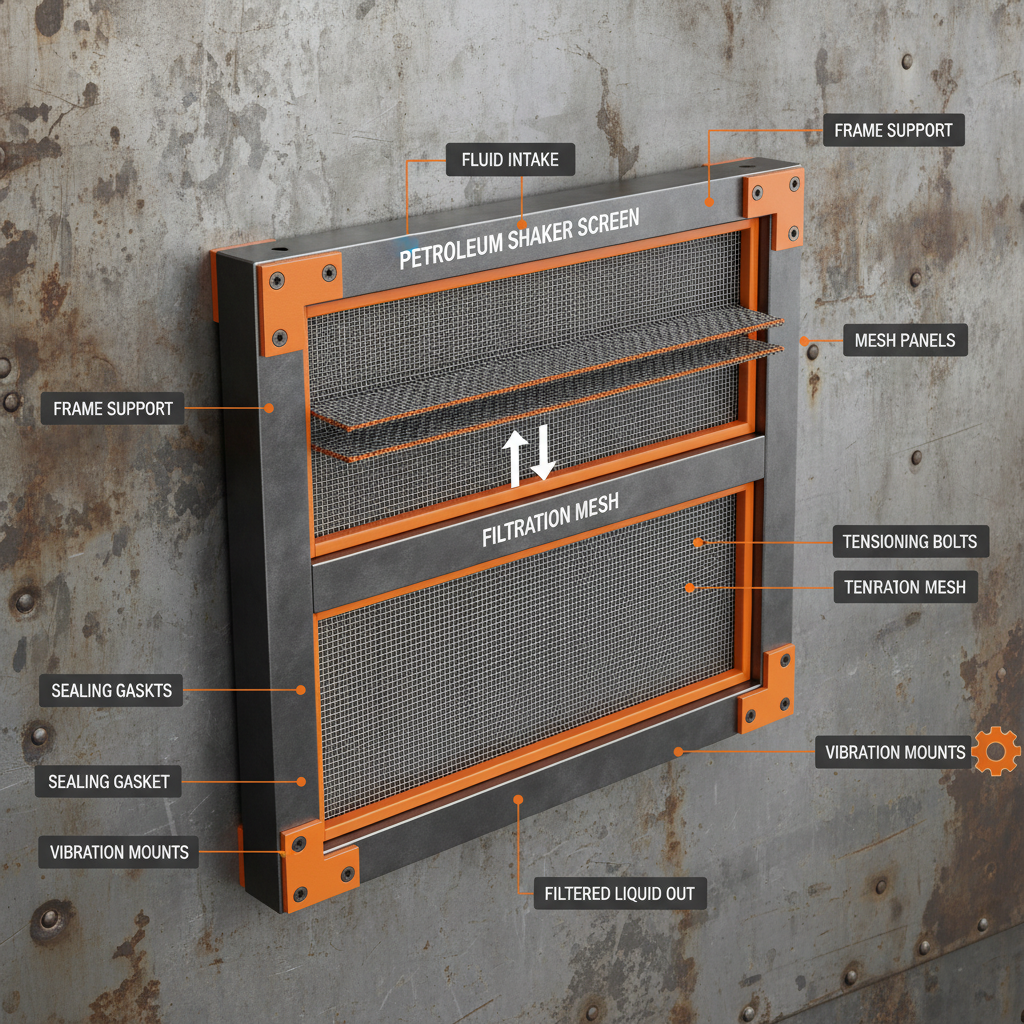
In the vast world of oil and gas drilling, the shale shaker plays a pivotal role. At the heart of this equipment lies the shale shaker screen, an essential component that helps separate solid waste from drilling fluids. Shale shaker screen price isn't just about dollars and cents—it's a critical factor affecting operational efficiency, environmental safety, and overall project cost. Globally, as energy demands rise and environmental regulations tighten, understanding the pricing and value of shale shaker screens is more important than ever.
Not convinced? Well, drilling operations lose millions annually due to inefficient solids control, so choosing the right screen at the right price can save both money and time, reducing environmental hazards in the process.
Global Context: How Shale Shaker Screen Price Impacts Industry
The oil and gas sector is a $4 trillion global behemoth, powering economies and industries from the US Permian Basin to the Middle East's deserts. According to the International Association of Drilling Contractors (IADC), solid control systems—including shale shakers—account for around 15–20% of the total drilling operational cost. This makes understanding shale shaker screen price relevant for companies targeting efficiency and sustainability.
Environmental agencies worldwide, such as the EPA and ISO, emphasize reducing drilling waste impacts. Thus, the choice of shale shaker screens affects compliance and corporate responsibility. Additionally, market volatility in materials like stainless steel and polyurethane also influences screen pricing globally, making cost predictability a challenge for procurement teams.
Simply put: getting to grips with shale shaker screen costs isn’t just a purchasing issue, it’s a strategic imperative.
What Exactly Is "Shale Shaker Screen Price"?
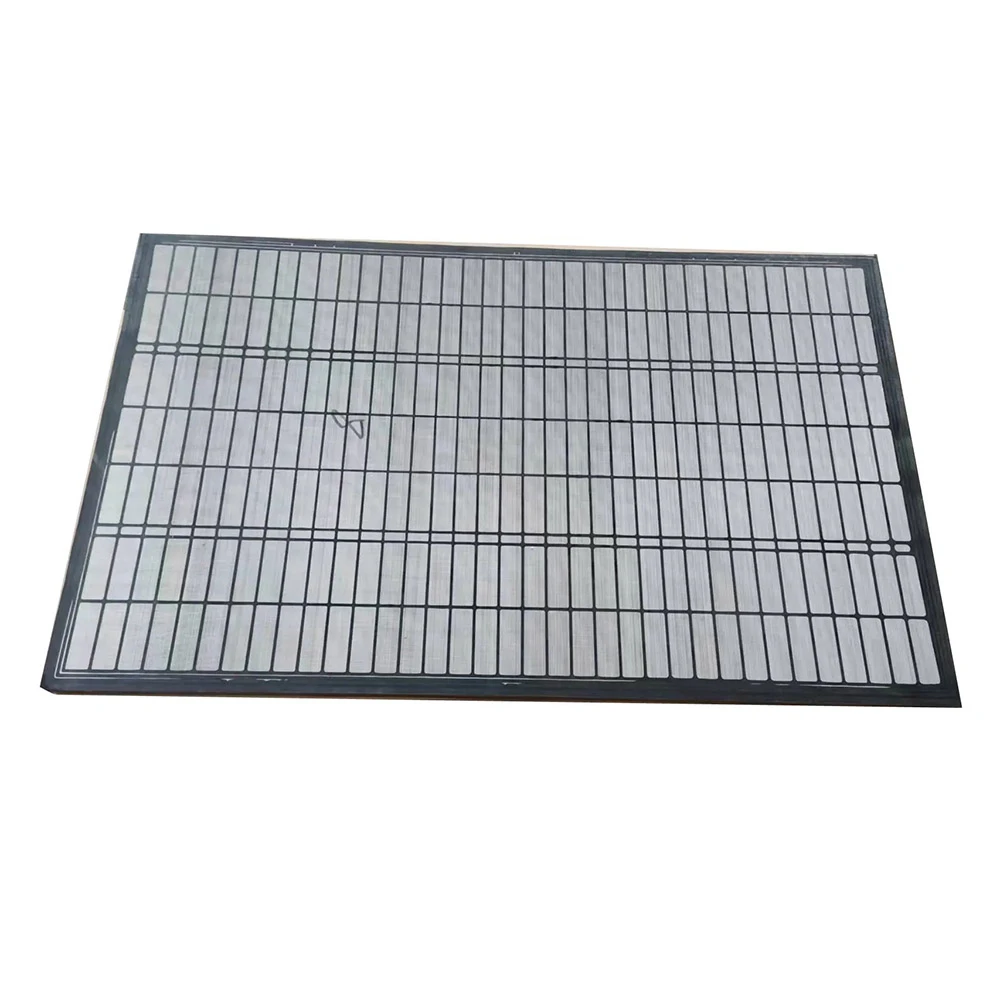
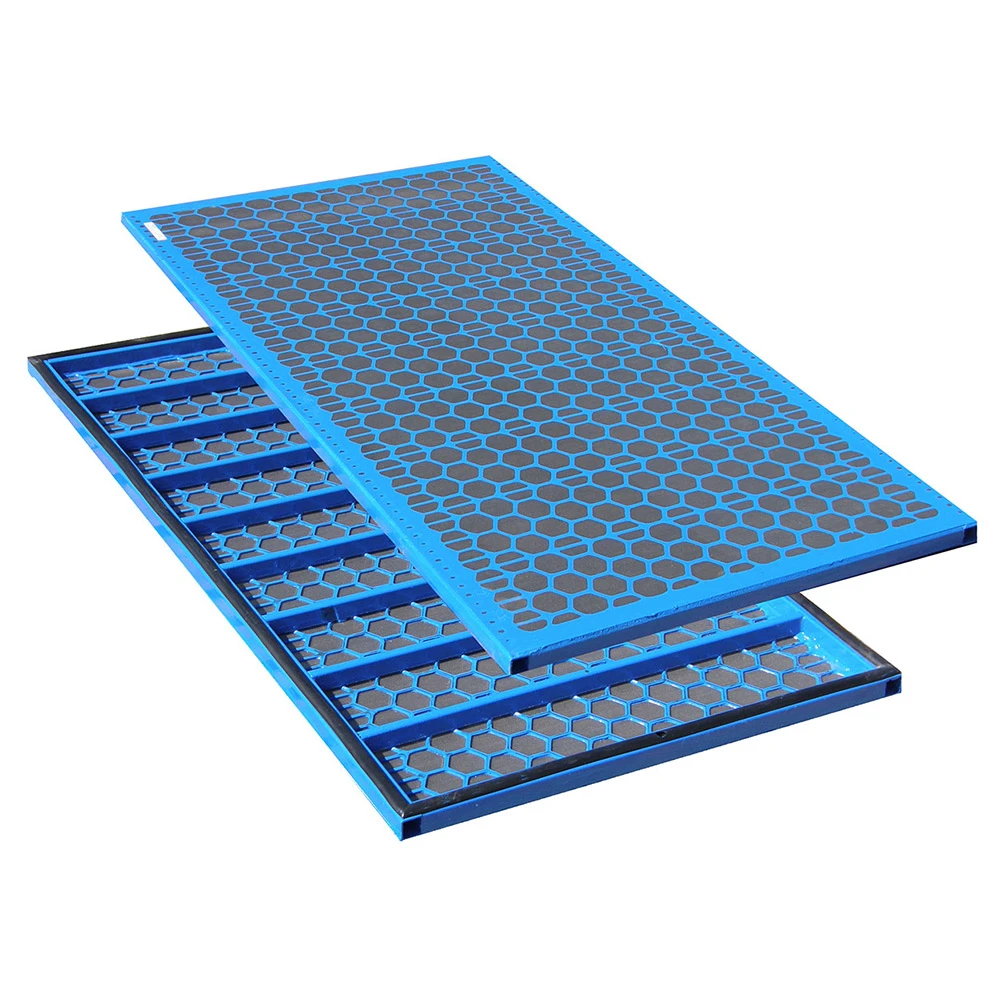
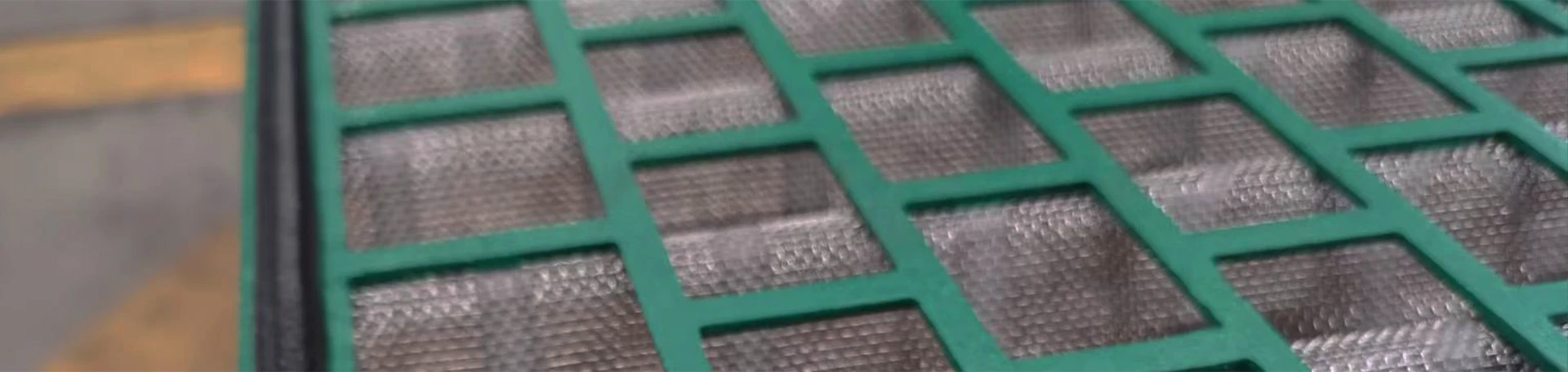
At its core, the term shale shaker screen price refers to the cost a company pays for replacement screens that fit the shale shaker—a vibrating sieve that separates drill cuttings from mud during drilling. These screens must withstand harsh conditions, resist wear and tear, and meet the flow capacity needs of the operation.
Due to varying materials (like stainless steel mesh vs. composite punch plate), brand reputation, size, and design features, prices can vary widely. Still, it’s a fundamental cost driver in the whole solids control ecosystem, influencing how efficiently companies manage waste and recycle drilling fluids.
Key Factors Influencing Shale Shaker Screen Price
1. Durability and Material Quality
Shale shaker screens must resist abrasion from rock cuttings and chemicals in drilling fluids. Screens made from high-grade stainless steel or composite materials tend to cost more but last several times longer. I’ve noticed operators often consider “price per hour of usage” rather than upfront cost alone.
2. Mesh Size and Screening Area
The finer the mesh (i.e., smaller openings), the more expensive the screen, typically. But finer screens increase separation efficiency at the cost of higher wear. The total screening area matters too — larger screens can cost more but improve throughput, which affects overall drilling performance.
3. Compatibility and Customization
Not all shale shaker screens fit every brand or model. Custom screens or special designs may carry a premium. In remote regions, sourcing compatible or customized screens quickly can significantly affect downtime and cost.
4. Vendor and Brand Reputation
OEM screens often come at a premium but guarantee fit and quality standards. Third-party screens might be cheaper but vary in reliability. Choosing between original and aftermarket suppliers is a classic cost-versus-risk dilemma.
5. Geographic Location and Logistics
Transportation costs, tariffs, and lead times vary widely. A screen that costs $200 at source might end up close to $400 delivered in remote drilling sites. Oddly enough, this is often overlooked in initial price evaluations.
Typical Product Specifications for Shale Shaker Screens
| Specification | Typical Values / Options |
|---|---|
| Material | Stainless Steel / Composite / Polyurethane |
| Mesh Size | 20 – 400 mesh (varies by application) |
| Screen Size (L × W) | 400 mm × 850 mm (typical) |
| Tensile Strength | Up to 2500 N/cm |
| Shelf Life | 6 months – 2 years (depending on storage) |
| Price Range per Screen | $150 – $600 (depending on type and quality) |
Vendor Comparison for Shale Shaker Screens
| Vendor | Price Range (USD) | Material Options | Delivery Time | Warranty / Support |
|---|---|---|---|---|
| OEM Supplier A | $300 – $600 | Stainless Steel Only | 2–4 weeks | 1 year |
| Third-Party Supplier B | $150 – $350 | Composite, Stainless Steel | 1–3 weeks | 6 months |
| OEM Supplier C (Asia) | $200 – $400 | Stainless Steel & Polyurethane | 3–5 weeks | 1 year |
Real-World Applications of Shale Shaker Screens
Across continents, from North America's shale plays to offshore rigs in the North Sea, shale shaker screens help manage the presence of solids in drilling fluid. This supports safer drilling, limits environmental impact, and reduces waste handling costs.
In disaster-struck regions with emergency oil recovery efforts or in remote industrial zones lacking robust waste infrastructure, reliable and affordable screens become mission-critical. Even humanitarian logistics teams occasionally encounter these through partners ensuring oil sites don’t become environmental catastrophes.
For example, a leading drilling company in West Africa reported reducing mud loss and drilling downtime by 15% after switching to higher-quality yet cost-effective screens, balancing price with durability nicely.
Advantages & Long-Term Value in Choosing the Right Screen
- Cost Efficiency: Investing slightly more upfront in quality screens often lowers total operating expenses by reducing replacements and downtime.
- Sustainability: Durable, recyclable screens contribute to reducing hazardous waste and support circular economy initiatives.
- Safety & Compliance: Better solids control reduces risks of spills and pollutant discharge, ensuring regulatory compliance and safer sites.
- Operational Stability: Reliable screens maintain flow and pressure consistency, enabling smoother drilling campaigns.
Emotionally, choosing well-crafted shaker screens fosters trust between operators and regulators, engineers, and field workers. There’s pride in well-run operations that are both efficient and responsible.
Future Trends & Innovations in Shale Shaker Screens
Frankly, the screen market isn’t standing still. We’re seeing:
- Advanced Composite Materials: Offering longer life with lighter weight and improved resistance.
- Digital Monitoring: Sensors embedded in screens provide real-time wear and clogging feedback, helping optimize replacement cycles.
- Automation & Remote Procurement: Automated ordering systems linked to equipment data reduce downtime.
- Eco-friendly Manufacturing: Sustainable sourcing of raw materials and recycling programs to lower carbon footprint.
These trends suggest that shale shaker screen price will increasingly reflect not just raw component costs but value-added technology and environmental credentials.
Challenges & Solutions in Managing Shale Shaker Screen Costs
Challenges abound—supply chain disruptions, inconsistent quality of aftermarket screens, and unpredictable drilling site conditions can all complicate procurement and budgeting. Some experts recommend multi-vendor sourcing strategies and predictive analytics to anticipate screen replacements before failures occur.
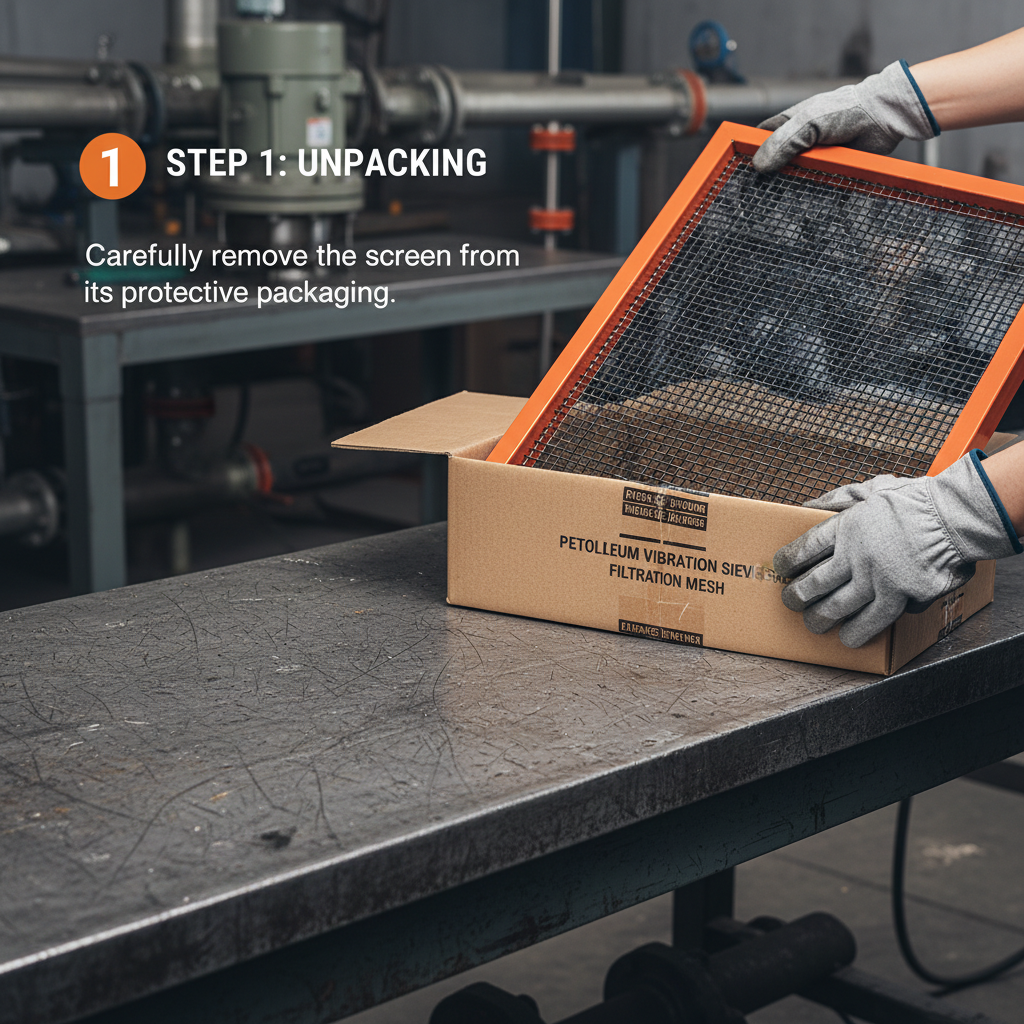
Moreover, training field staff on proper screen handling and storage can extend screen life significantly, a detail often overlooked but hugely effective in cost savings.
FAQ: Frequently Asked Questions About Shale Shaker Screen Price
- What factors most influence the price of shale shaker screens?
- Material quality, mesh size, screen area, and brand reputation are key price drivers. Logistics and compatibility also affect final cost.
- Are aftermarket screens reliable compared to OEM ones?
- Many aftermarket screens offer good value, but quality can vary. Verify vendor credentials and reviews for best results.
- How often should shale shaker screens be replaced?
- Replacement frequency depends on drilling conditions but generally ranges from weeks to a few months. Monitoring wear is essential.
- Can shale shaker screen price be reduced without sacrificing quality?
- Yes, by balancing material choices, vendor selection, and optimizing inventory management to avoid rush orders and downtime.
- Where can I find competitive shale shaker screen price quotes?
- Industry suppliers and online platforms like shale shaker screen price listings offer a good start for comparing options.
Conclusion: Why Understanding Shale Shaker Screen Price Pays Off
In real terms, paying close attention to shale shaker screen price goes beyond simple procurement. It directly supports safer drilling, cost-effective operations, and environmental stewardship. For professionals in the oilfield, making informed purchasing decisions can save significant time and money over project lifecycles.
Looking to explore your options or get a tailored quote? Visit our website for comprehensive solutions and expert advice.
References:
1. International Association of Drilling Contractors (IADC) Reports
2. ISO 13501-1: Solid Control Equipment Standards
3. EPA Guidelines on Drilling Waste Management
4. Wikipedia: Drilling Fluid