Custom Derrick Shaker Screen: The Unsung Hero in Drilling Operations
Having spent several years navigating the industrial equipment landscape, I can say this with some confidence: the custom derrick shaker screen might just be one of the most overlooked, yet critical components in drilling operations. It’s funny — people often get distracted by the big machines and flashy tech, but out in the field, it’s the humble shaker screen that does so much of the heavy lifting.
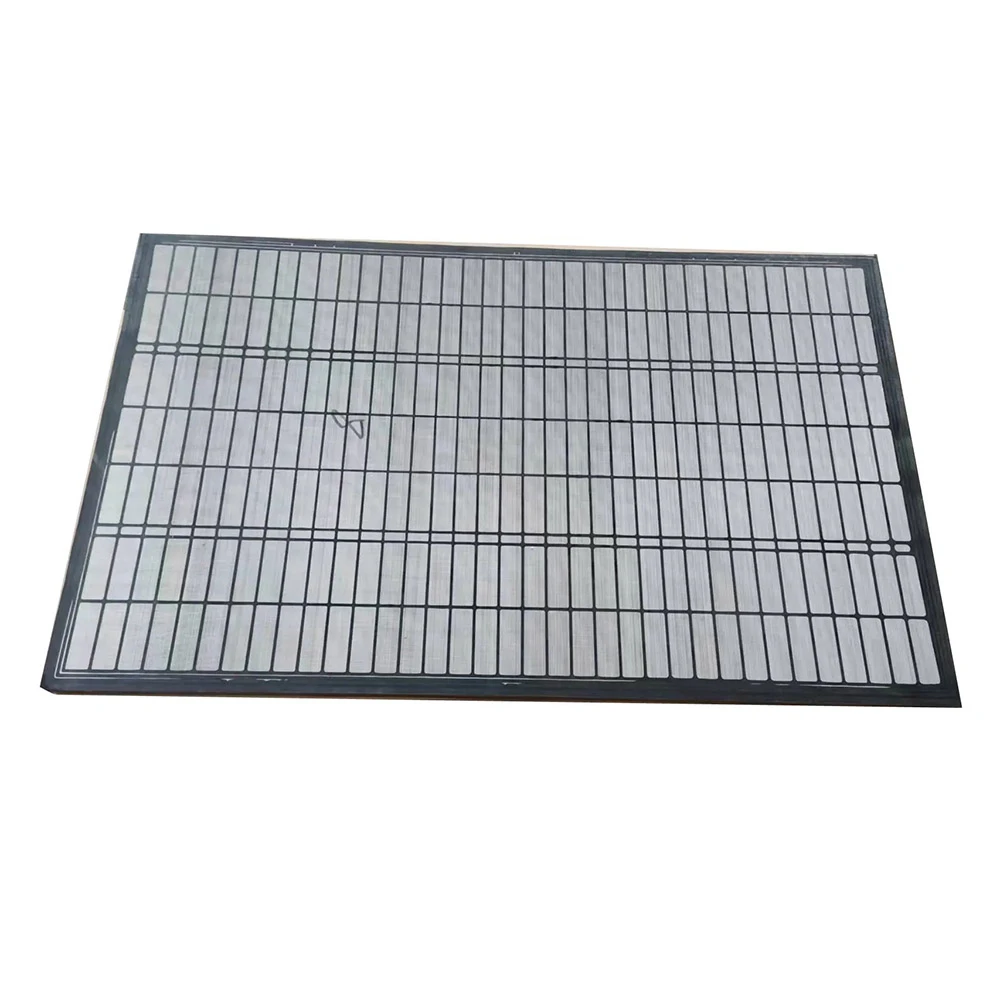
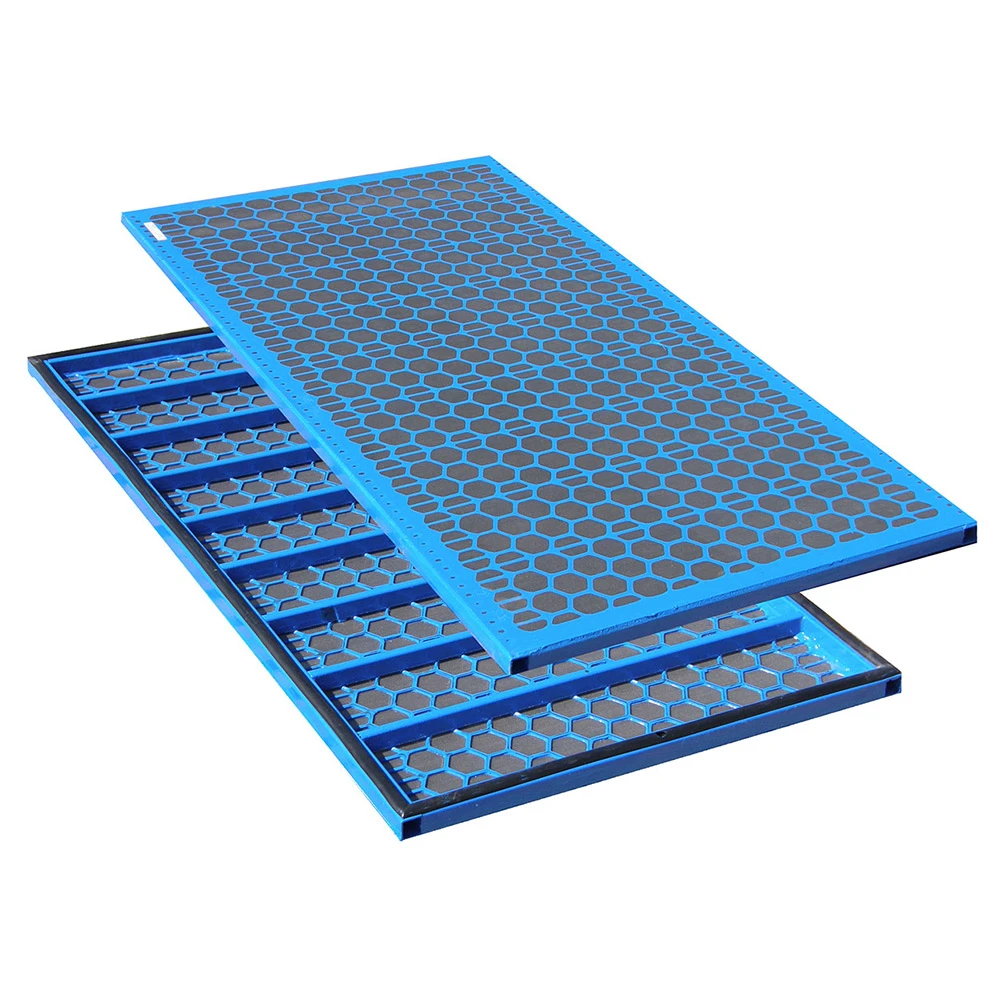
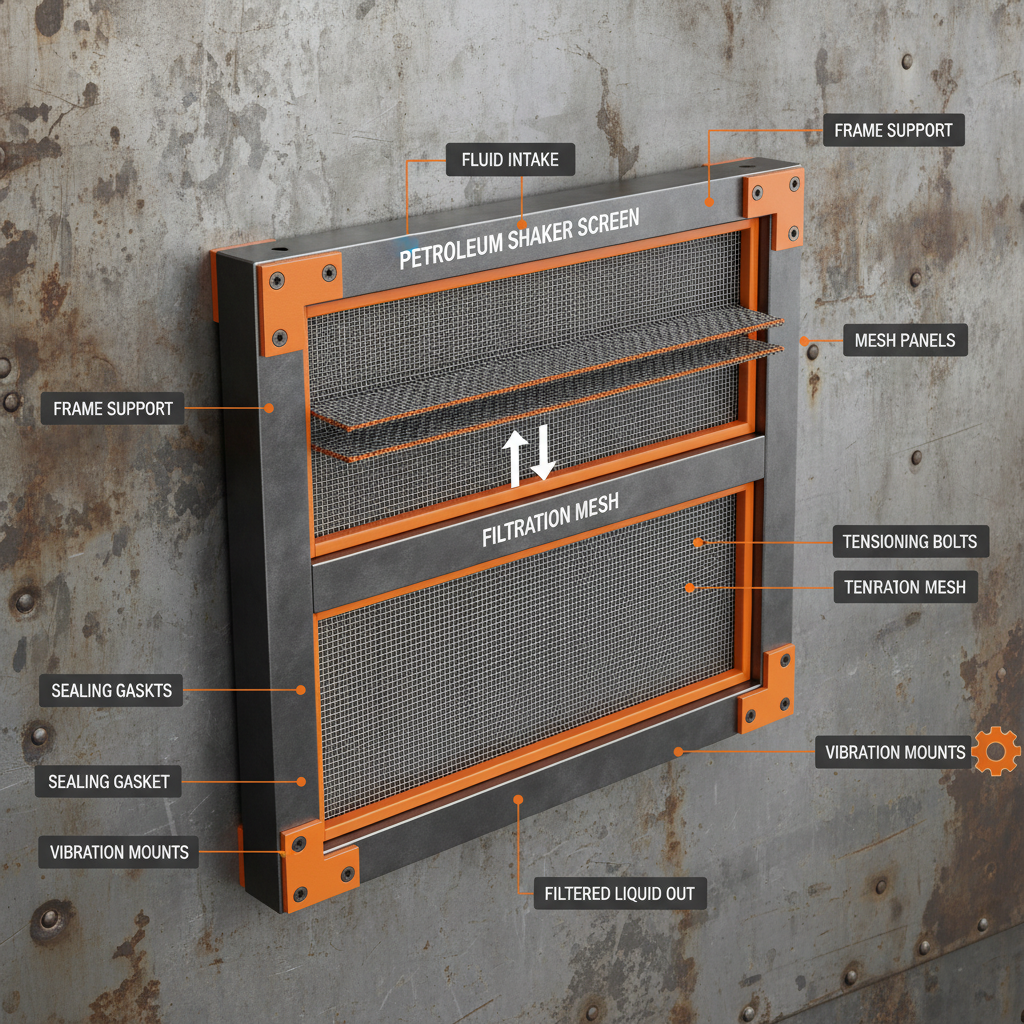
To put it simply, derrick shaker screens are filtration workhorses. They sit atop the shale shaker and separate cuttings from the drilling fluid. Poorly designed or low-quality screens? Well, those can bring operations to a slow crawl due to downtime, clogging, or even premature wear and tear on your equipment. Now, the word custom in there isn’t just marketing fluff. In real terms, it means these screens are tailored to specific shaker models and drilling conditions — that’s a game changer.
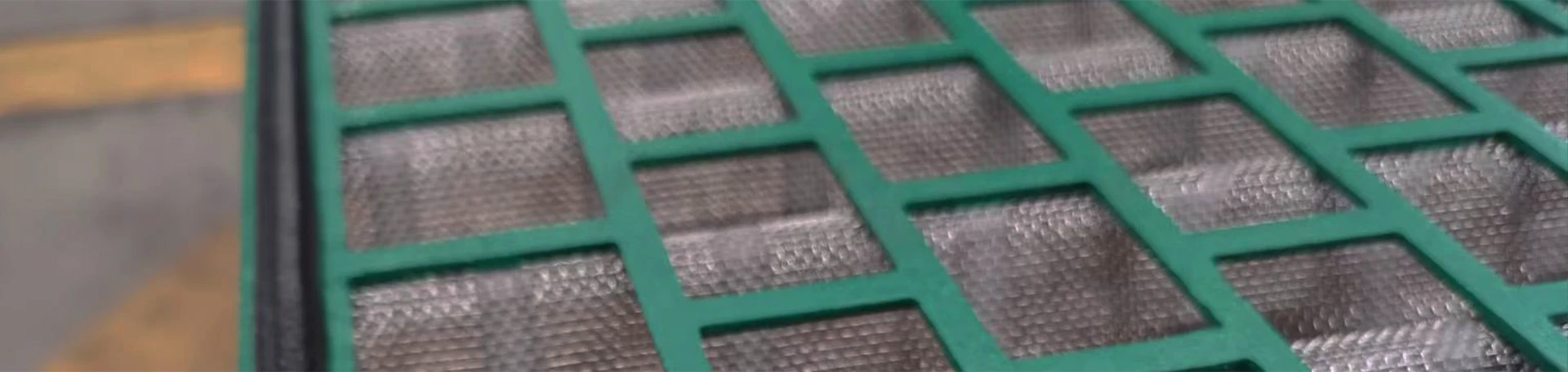
Frankly, the merger of design precision and material quality defines performance here. Most custom screens nowadays use high-tensile mesh made from stainless steel, sometimes layered with synthetic fibers to boost durability without adding weight. This not only ensures optimal particle separation, but also dramatically extends screen life — something I noticed firsthand when swapping out screens on a series of offshore rigs a couple years back.
One or two of my clients told me that switching to custom screens reduced their fluid loss headaches by about 30%. You’d think it’s small in the grand scheme, but those savings add up — less downtime, fewer replacements, and a smoother flow rate all around. Plus, many engineers I’ve talked to swear by certain layering patterns in screens that cut down on blinding, which is a constant nemesis in shale shakers.
Key Product Specifications
| Specification | Details |
|---|---|
| Mesh Material | 316 Stainless Steel with Synthetic Fiber Overlay |
| Mesh Size | API 20 – API 325 (Customizable) |
| Frame Construction | Aluminum or Composite; Anti-corrosion Coating |
| Compatibility | Fits Derrick Brand Shale Shakers and Other Models by Request |
| Screen Life Expectancy | Up to 30% Longer Than OEM Screens |
| Customization Options | Mesh Size, Frame Type, Wire Diameter, Coating, Branding |
In my discussions with operators, one thing that always comes up is the importance of vendor reliability. Oddly enough, with something as ‘basic’ as shaker screens, not all suppliers are created equal. Some push stock items that don’t quite fit perfectly, others really work on engineering custom solutions based on site-specific demands.
Vendor Comparison: What Sets the Best Apart?
| Feature | Generic Supplier A | Specialized Supplier B | Solid Control Part |
|---|---|---|---|
| Customization Level | Low | Medium | High – Full ODM & OEM Support |
| Material Quality | Standard Stainless Steel | 316 Stainless Steel | Premium 316 Stainless + Synthetics |
| Lead Time | 2-3 weeks | 1-2 weeks | 1 week or less (with stock options) |
| Price Tier | Low | Mid | Competitive |
| After-Sales Service | Limited | Good | Strong Technical Support & Custom Testing |
So why go custom? Well, from experience, it boils down to efficiency and cost-savings. I suppose it’s like choosing a tailored suit versus off-the-rack — one fits just right and feels better through the day. In drilling, a well-fitting shaker screen means fewer headaches over clogs and downtime, and frankly, I’ve seen older rigs brought back to life just by upgrading screens to better specs.
If you’re curious about exploring options, the folks at solidcontrolpart.com have been consistently reliable. Their customization capabilities – from mesh sizes to frame design – really stand out in the industrial field. I admit, I was pleasantly surprised by their willingness to run tests and tweak designs before shipment, which isn’t always common in this business.
Ultimately, whether you’re drilling shale, oil, or geothermal wells, investing in the right shaker screen isn’t just a task on your checklist — it’s an ongoing part of ensuring operational health. I guess if there’s one nugget to take away from years in the field, it’s this: don’t underestimate the power of well-engineered filtration. It’s quietly where a lot of the magic happens.
References:
- API Recommended Practices for Drilling Fluid Shale Shakers
- Manufacturers’ datasheets: Stainless steel mesh vs. synthetic overlay benefits
- Field reports from North Sea drilling rigs, 2019–2022