

Optimizing Solids Control with Advanced Shale Shaker Screens
In the demanding landscape of oil and gas exploration, efficient solids control is paramount for operational success, environmental compliance, and cost management. At the heart of this process lies the shale shaker, a critical piece of equipment reliant on high-performance screens. For operators seeking superior performance and reliability, finding the right shale shaker screen for sale. is a strategic decision impacting drilling fluid integrity, drilling efficiency, and ultimately, project profitability. This comprehensive guide delves into the technical intricacies, industry trends, and practical considerations for selecting and implementing advanced shale shaker screens, with a focus on maximizing drilling performance.
Modern drilling operations, characterized by deeper wells, more complex lithologies, and stringent environmental regulations, necessitate solids control solutions that are not only robust but also highly efficient. The selection of a shale shaker screen directly influences drilling fluid losses, waste management costs, wear on downhole tools, and overall rig safety. Understanding the manufacturing process, technical specifications, and real-world applications is crucial for B2B decision-makers and engineers aiming to optimize their drilling programs.
Industry Trends in Shale Shaker Screen Technology
The shale shaker screen industry is continuously evolving, driven by the increasing complexity of drilling operations and a heightened focus on environmental sustainability and cost efficiency. Several key trends are shaping the development and adoption of new screen technologies:
- Composite Frame Screens: Shifting away from traditional steel frames, composite screens offer significant advantages. Their lighter weight reduces wear on shaker components, extends screen life, and simplifies handling. Composite materials also offer superior corrosion resistance and can be designed for increased non-blanking area (NBA), leading to enhanced fluid throughput and drier solids discharge.
- API RP 13C Compliance and Optimization: Adherence to API Recommended Practice 13C for shaker screen testing is standard, but the trend is towards optimizing screen selection based on detailed API designations (D100 separation point, conductance, non-blanking area). This allows for more precise control over solids removal and fluid recovery.
- Finer Mesh for Enhanced Solids Removal: With the push for higher quality drilling muds and greater drilling efficiency, there's an increasing demand for finer mesh screens that can remove smaller particles more effectively without significant loss of drilling fluid. This is particularly crucial in advanced horizontal drilling and extended reach drilling (ERD) projects.
- Environmental Focus: Enhanced solids control translates directly to reduced waste volume, lower disposal costs, and a smaller environmental footprint. Screens that improve fluid recovery and create drier cuttings are highly valued for their contribution to sustainable drilling practices.
- IoT and Data Integration: While still nascent, the integration of sensors into shale shakers and screens to monitor performance, predict wear, and optimize operational parameters in real-time is an emerging trend. This allows for predictive maintenance and more informed decision-making.
These trends underscore the importance of selecting advanced, high-quality screens to meet the evolving demands of the drilling industry and ensure optimal solids control performance.
The Manufacturing Process of Shale Shaker Screens
The production of a high-quality shale shaker screen for sale. is a complex process demanding precision engineering, advanced materials, and rigorous quality control. Our shaker screen factory. employs state-of-the-art techniques to ensure superior performance and durability. The typical manufacturing process for composite frame replacement screens involves several critical stages:
Process Flow Schematic:
-
Raw Material Selection (Mesh & Frame):
- Mesh Material: High-grade stainless steel wire cloth (typically SS304 or SS316) is selected for its corrosion resistance, tensile strength, and uniform aperture. The specific weave (e.g., plain weave, twilled weave, or often multi-layer non-blanking screen cloth) is chosen based on desired separation efficiency and flow rate.
- Frame Material: For composite screens, high-strength thermoset resins reinforced with fiberglass are preferred. This provides structural integrity, chemical resistance, and a lighter weight compared to steel. For steel-frame screens, high-quality structural steel is used.
-
Mesh Preparation & Layering:
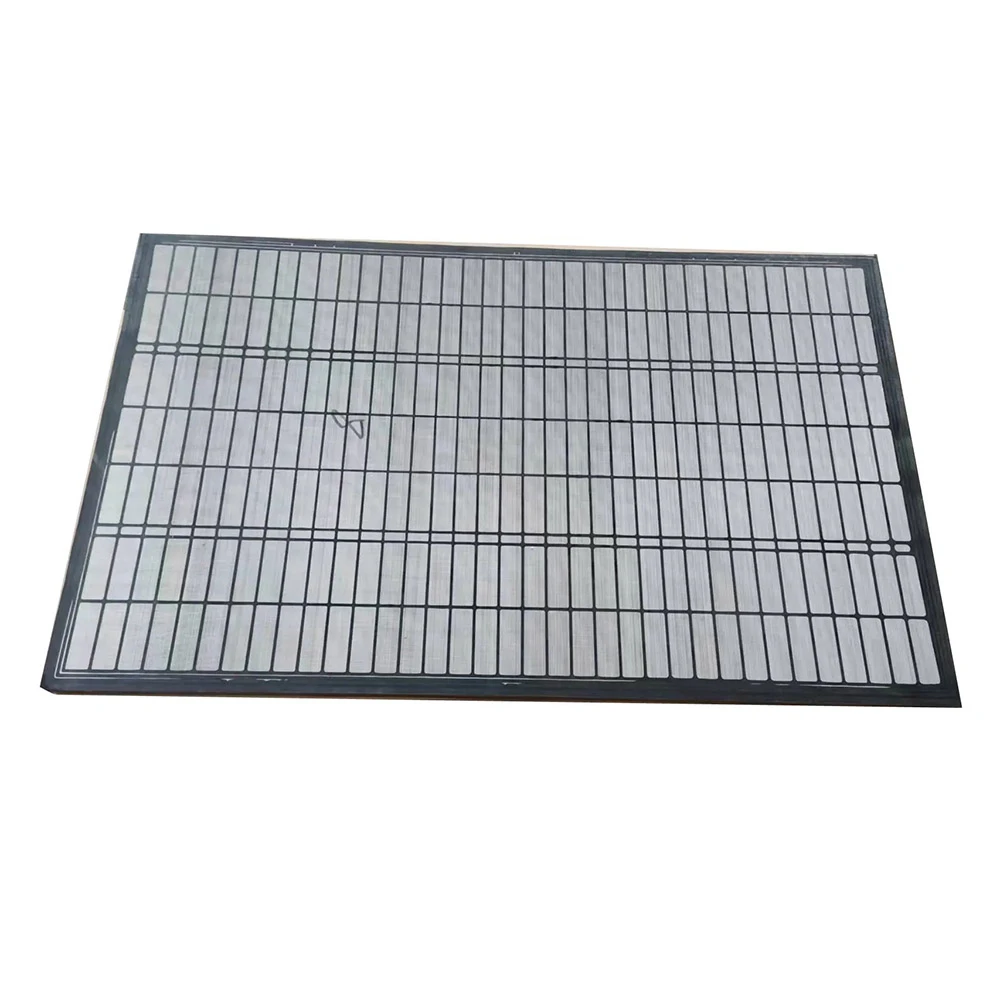
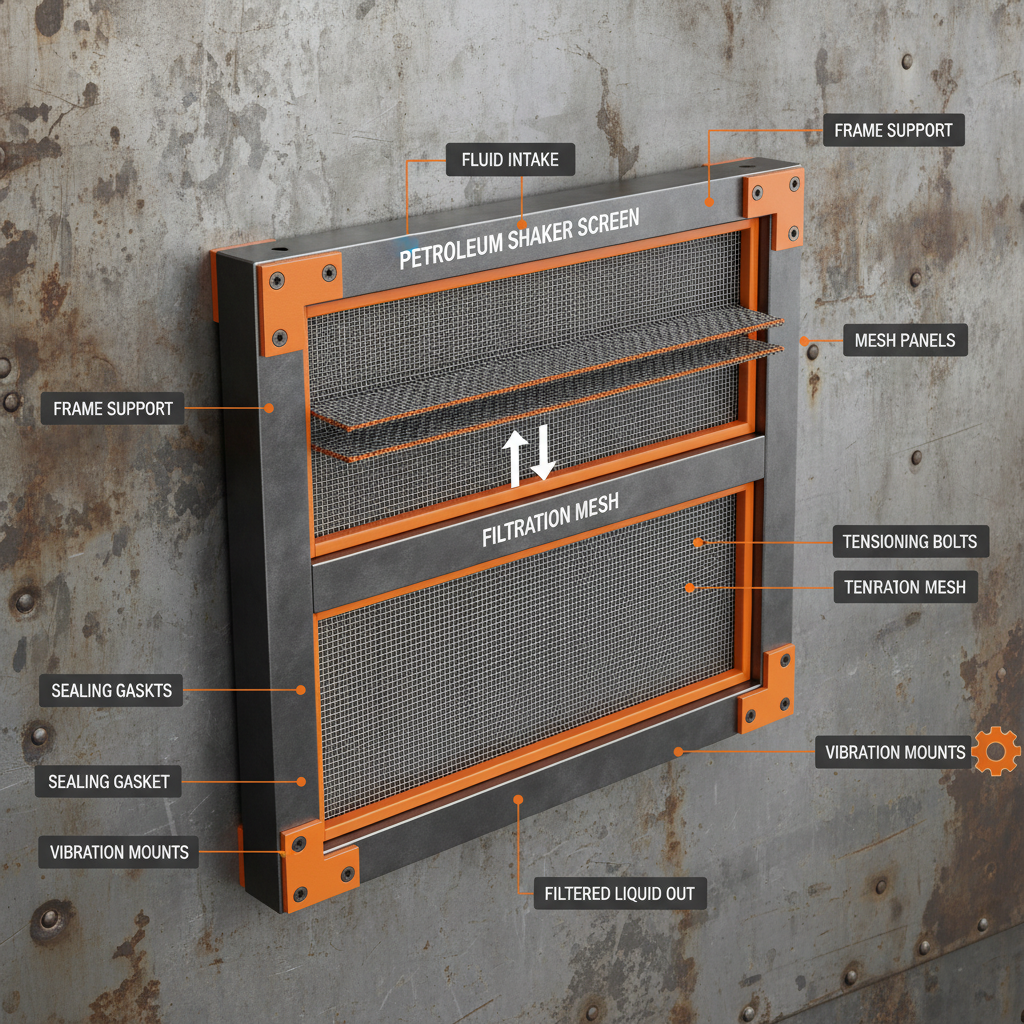
- Multiple layers of precisely cut wire mesh, often with different aperture sizes (finer mesh on top, coarser support layers below), are meticulously stacked. This multi-layer design optimizes separation efficiency, extends screen life, and minimizes blinding.
-
Frame Molding/Fabrication:
- Composite Frames: The mesh layers are positioned within a mold. The composite resin is then injected or compression molded around the mesh, chemically bonding with it under controlled temperature and pressure. This ensures a robust, integrated structure without traditional welding.
- Steel Frames: Steel tubes are cut, bent, and welded (using advanced TIG/MIG welding) to form the screen frame. The frame undergoes post-welding treatment to ensure structural integrity and corrosion protection.
-
Tensioning & Bonding:
- Crucial for performance, the mesh is precisely tensioned onto the frame. For composite screens, this tension is achieved during the molding process. For steel frames, the mesh is typically bonded to the frame using high-strength adhesive and sometimes mechanical fasteners, ensuring uniform tension across the screen surface. This prevents sagging and premature failure.
-
Curing & Finishing:
- After molding/bonding, composite screens undergo a curing process to achieve maximum strength and chemical resistance. Both composite and steel screens are then trimmed, deburred, and fitted with necessary sealing gaskets or rubber seals.
-
Quality Control & Testing Standards:
- Every screen undergoes stringent quality control. Key tests include:
- API RP 13C Compliance: Particle separation (D100 cut point), conductance, and non-blanking area (NPT) are measured using calibrated equipment. This ensures the screen meets specified mesh designations.
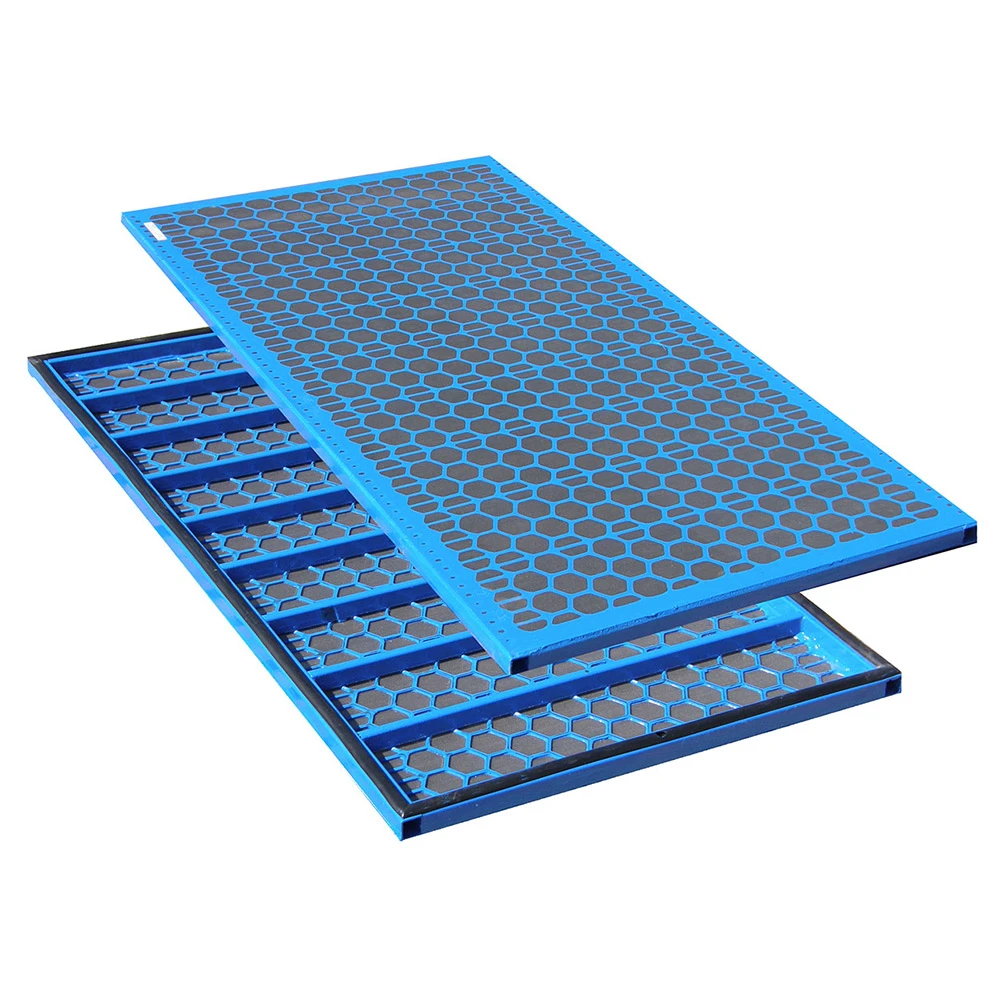
- Visual Inspection: Checking for defects, uniform tension, proper bonding, and frame integrity.
- Dimensional Accuracy: Verifying conformity to shaker manufacturer specifications.
- Material Composition Analysis: Ensuring stainless steel and composite materials meet specified grades (e.g., using XRF for elemental analysis).
- Our manufacturing processes are certified under ISO 9001:2015, guaranteeing consistent quality and continuous improvement.
- Every screen undergoes stringent quality control. Key tests include:
-
Packaging & Dispatch:
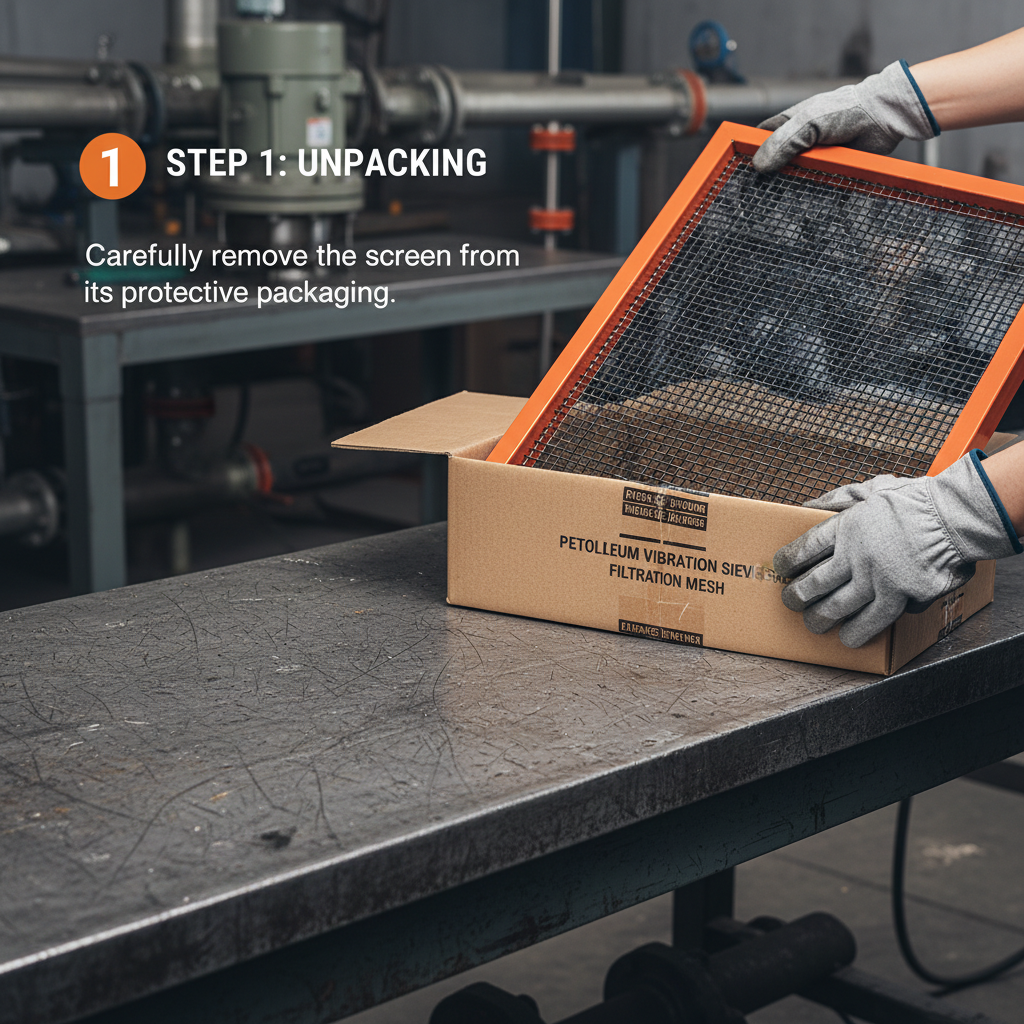
- Screens are carefully packaged to prevent damage during transit, ready for global distribution to target industries such as oil & gas drilling (onshore and offshore), horizontal directional drilling (HDD), coal bed methane (CBM), and geothermal energy projects.
This meticulous manufacturing process ensures that each shale shaker screen for sale. delivers optimal performance, extended service life, and superior solids removal efficiency, contributing to energy saving and corrosion resistance in harsh drilling environments. Typical service life, when properly maintained, can range from 200-500 operating hours, depending on mud properties and shaker operational parameters.
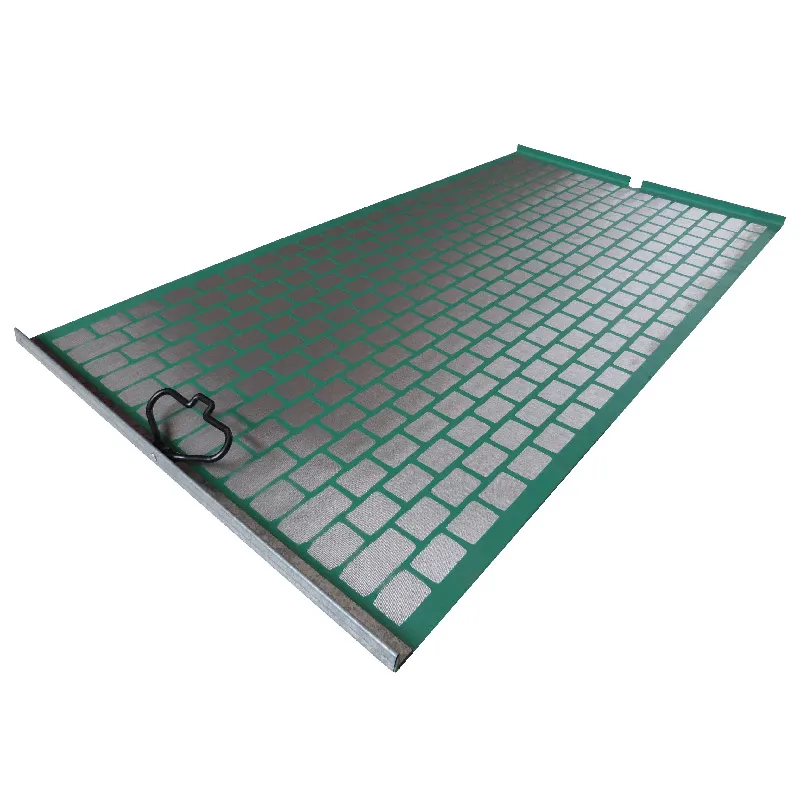
Fig 1: Advanced composite frame shaker screen for enhanced performance.
Technical Specifications: Derrick Replacement Shale Shaker Screen
Our range of Derrick Replacement Shale Shaker Screens is engineered to meet or exceed OEM specifications, offering superior performance and compatibility with Derrick equipment such as FLC series (FLC 2000, FLC 503, FLC 504) and Hyperpool shakers. The precise control over mesh aperture and multi-layer construction ensures optimal separation efficiency and extended operational life.
Key Specifications Table: Derrick Replacement Shale Shaker Screen (Example)
| Parameter | Specification/Value |
|---|---|
| Product Type | Derrick Replacement Shale Shaker Screen |
| Compatible Shaker Series | Derrick FLC 2000, FLC 503, FLC 504, Hyperpool (specific models may vary) |
| Frame Material | High-Strength Composite or Steel |
| Mesh Material | API RP 13C Certified Stainless Steel 304/316 |
| Mesh Layers | 2-3 layers (e.g., fine screen, coarser support, protective layer) |
| API Mesh Sizes Available | API 40 to API 400 (e.g., API 60, 80, 100, 120, 140, 170, 200, 230, 270, 325, 400) |
| Conductance (API RP 13C) | Varies by mesh size (e.g., API 100: ~80-120 kD/cm²) |
| Non-Blanking Area (NPT) | Optimized for maximum fluid throughput and separation efficiency |
| D100 Cut Point (API RP 13C) | Precisely controlled (e.g., API 100: ~150-180 microns) |
| Dimensions (L x W) | Standard Derrick panel sizes (e.g., 47.9" x 24.5" for FLC 500 series) |
| Weight (Approx.) | Composite: 10-15 kg; Steel: 15-25 kg (depends on size) |
| Temperature Resistance | Up to 150°C (300°F) continuous |
| Corrosion Resistance | Excellent in typical drilling fluid environments |
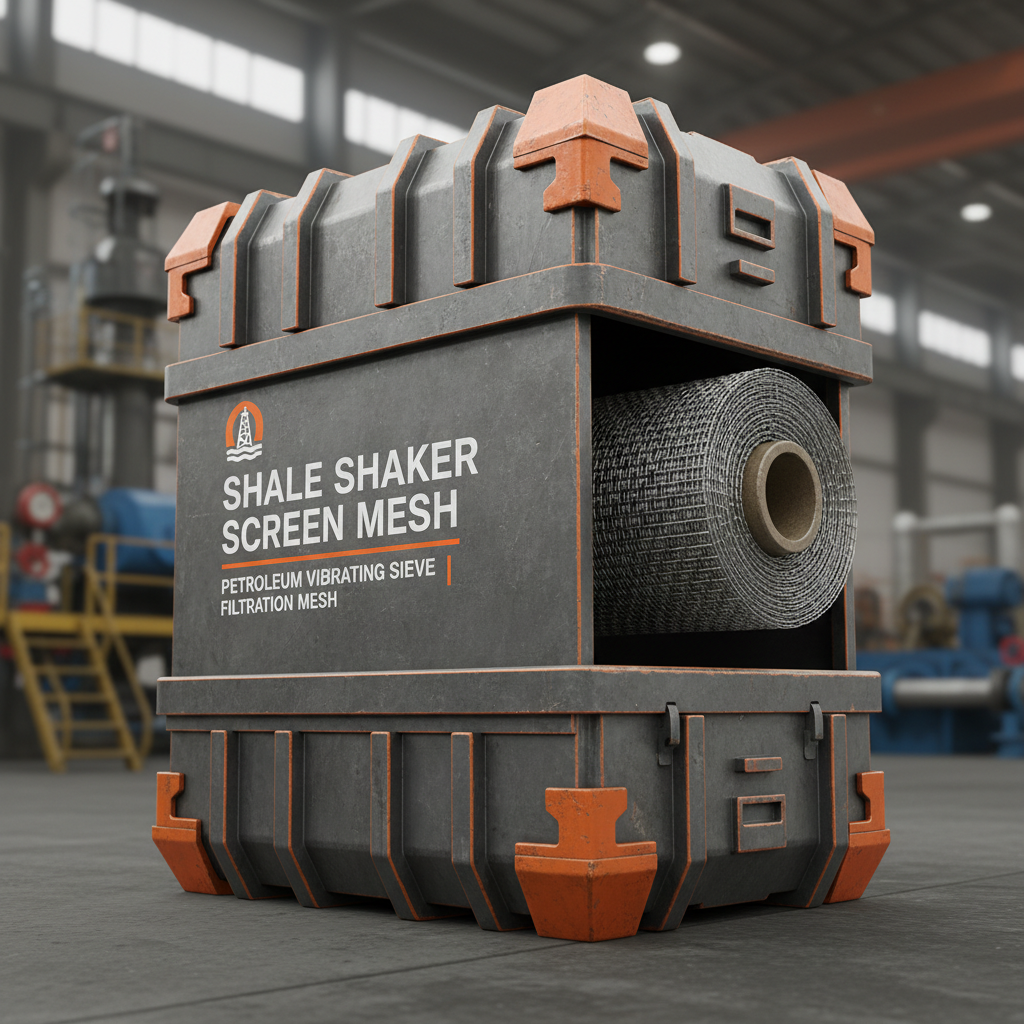
These specifications highlight the meticulous engineering that goes into each shale shaker screen for sale., ensuring compatibility, efficiency, and durability in the most demanding drilling environments. The advanced multi-layer design, often referred to as shale shaker screen mesh., is critical for achieving optimal separation.
Application Scenarios and Technical Advantages
High-performance shale shaker screens are indispensable across a wide array of drilling and solids control applications. Their technical advantages translate directly into operational benefits, improving efficiency, reducing costs, and enhancing safety.
Typical Application Scenarios:
- Oil & Gas Drilling (Onshore & Offshore): Essential for primary solids control, removing drill cuttings from drilling mud before it is recirculated. This preserves mud properties, extends its life, and reduces waste.
- Horizontal Directional Drilling (HDD): Critical for maintaining the integrity of bentonite-based drilling fluids, especially in urban or environmentally sensitive areas where fluid loss and waste generation must be minimized.
- Coal Bed Methane (CBM) & Geothermal Drilling: Adapting to different geological formations and fluid compositions, these screens efficiently separate solids, ensuring smooth operations and environmental compliance.
- Mining & Tunneling: Used in slurry treatment plants to dewater slurries and recover valuable minerals or clean process water, demonstrating versatility beyond oilfield applications.
- Waste Management & Environmental Projects: Utilized in dewatering municipal or industrial sludge, highlighting their role in broader fluid-solid separation challenges.
Key Technical Advantages:
- Enhanced Solids Separation Efficiency: Multi-layered designs and precisely controlled shale shaker screen mesh. achieve superior cut points, removing finer solids (e.g., D50 values as low as 40-70 microns for fine screens) while maximizing fluid recovery. This reduces the load on subsequent solids control equipment (desanders, desilters, centrifuges).
- Extended Service Life: High-quality stainless steel mesh and robust composite frames offer exceptional wear resistance against abrasive cuttings and corrosive drilling fluids. Composite frames, in particular, absorb vibration more effectively, preventing premature tearing and extending the screen's operational lifespan, often exceeding that of traditional steel screens by 20-30%.
- Increased Fluid Throughput (Conductance): Optimized non-blanking areas (NPT) and high conductance values allow for greater volumes of drilling fluid to pass through the screen per unit time, preventing fluid accumulation on the shaker deck and maintaining optimal drilling rates (ROP).
- Reduced Mud Losses: Efficient separation leads to drier cuttings, minimizing the amount of valuable drilling fluid lost with discarded solids. This directly translates into significant cost savings on drilling fluid expenses.
- Environmental Benefits: Drier cuttings reduce the volume of waste requiring disposal, lowering transportation and processing costs, and minimizing the environmental footprint of drilling operations. This aligns with increasingly strict regulatory requirements.
- Improved Drilling Performance: By maintaining cleaner drilling fluid, screens protect downhole equipment (e.g., MWD/LWD tools, drill bits) from excessive wear, extend their service life, and reduce non-productive time (NPT) associated with equipment failure.
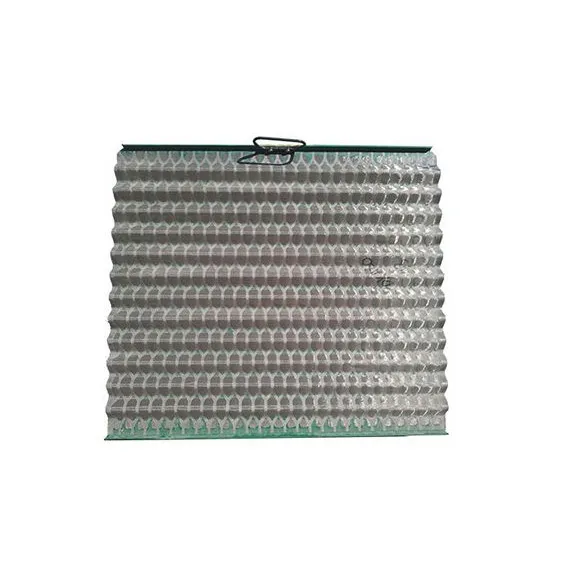
Fig 2: A closer look at the multi-layered design of a high-performance shaker screen.
Vendor Comparison and Selection Criteria
Selecting the right supplier for a shale shaker screen for sale. is as crucial as the screen itself. While many manufacturers exist, distinguishing between them requires a keen understanding of key comparison factors beyond just price. Our shale shaker screen factory. prioritizes transparency and quality.
Key Factors for Vendor Comparison:
- Quality Assurance & Certifications: Look for manufacturers with ISO 9001:2015 certification and strict adherence to API RP 13C testing protocols. This ensures consistent product quality and verifiable performance data.
- Product Range & Compatibility: A reputable derrick shaker screen factory. should offer a comprehensive range of screens compatible with various shaker models (e.g., Derrick, Brandt, Swaco, MI-Swaco) and in diverse API mesh sizes.
- Material Science & Engineering: Evaluate the use of premium materials (SS304/316 for mesh, high-strength composites) and advanced manufacturing techniques (e.g., injection molding for composite frames, specialized bonding processes).
- Technical Support & Expertise: The vendor should provide strong technical support, including assistance with screen selection, troubleshooting, and optimization for specific drilling conditions.
- Lead Time & Logistics: Reliable supply chains and efficient logistics are critical to minimize downtime. Inquire about typical lead times, stock availability, and global shipping capabilities.
- Cost-Effectiveness (Total Cost of Ownership): While initial price is a factor, focus on the total cost of ownership, including screen life, impact on mud losses, and overall drilling efficiency. A slightly higher-priced screen with double the life and better mud recovery can be significantly more cost-effective.
Shaker Screen Comparison Matrix (General)
| Feature/Criteria | Steel Frame Screens | Composite Frame Screens |
|---|---|---|
| Frame Material | Welded Steel (often carbon steel) | Polymer/Fiberglass Composite |
| Weight | Heavier | Lighter (15-30% lighter) |
| Corrosion Resistance | Moderate (prone to rust if coating is compromised) | Excellent (inherent chemical resistance) |
| Non-Blanking Area (NPT) | Good, but often limited by frame design | Superior (often 10-20% more, increasing fluid capacity) |
| Screen Life | Standard (susceptible to tearing at frame edges) | Extended (better vibration absorption, integrated mesh bonding) |
| Repairability | Sometimes possible with patches | Generally not designed for repair, but less prone to damage |
| Cost (Initial) | Lower | Higher |
| Total Cost of Ownership | Potentially higher due to shorter life, more mud loss | Lower due to extended life, better performance, reduced waste |
This comparison highlights why many modern drilling operations are transitioning to composite frame screens for their superior overall performance and cost-effectiveness in the long run.
Customized Solutions for Optimal Performance
Every drilling operation presents unique challenges, from varying geological conditions to specific fluid properties. Recognizing this, our shaker screen factory. offers tailored solutions to optimize solids control for diverse requirements. When sourcing a shale shaker screen for sale., customization options can significantly impact performance and cost-efficiency.
Areas of Customization:
- API Mesh Size & Weave Pattern: Beyond standard API mesh sizes, screens can be customized with specific cut points (D100 values) and conductance ratings. For instance, in drilling challenging shales, a unique multi-layer shale shaker screen mesh. design might be required to prevent blinding while maintaining high flow rates.
- Frame Material & Design: While composite frames are generally preferred, specific operational constraints might require robust steel frames for certain applications. Custom frame dimensions or mounting mechanisms can also be developed for non-standard shaker models.
- Screen Panel Configuration: The number of mesh layers, the specific sequence of coarse and fine meshes, and even the geometry of the support grid can be optimized to balance separation efficiency, flow capacity, and wear resistance for particular drilling fluid types (e.g., WBM, OBM, SBM).
- Corrosion & Abrasion Resistance Coatings: For highly corrosive or abrasive drilling environments, specialized coatings can be applied to extend screen life, though composite frames inherently offer superior resistance.
- Integration with Existing Systems: Custom solutions can ensure seamless integration with existing solids control equipment, optimizing the entire mud treatment system rather than just a single component.
Our engineering team collaborates closely with clients to understand their specific operational challenges, fluid properties, and desired outcomes. This consultative approach ensures that the customized shale shaker screen for sale. delivers maximum performance, contributing to reduced costs and improved drilling efficiency.
Application Case Studies and Customer Feedback
Real-world application demonstrates the tangible benefits of high-quality shale shaker screens. Our commitment to excellence is reflected in the success stories of our clients, ranging from independent operators to major international drilling contractors.
Case Study 1: Enhanced Mud Recovery in Horizontal Drilling
- Client: A leading North American onshore drilling contractor.
- Challenge: Excessive drilling fluid loss with cuttings while drilling a challenging horizontal section in the Permian Basin, leading to high mud costs and increased waste disposal. Their existing screens frequently blinded, reducing throughput.
- Solution: Implemented our specialized composite-frame Derrick Replacement Shale Shaker Screens (API 200 equivalent) on their FLC 504 shakers. The screens featured an optimized multi-layer shale shaker screen mesh. design for improved non-blanking area and resistance to blinding.
- Results: Over a three-month trial, the client reported a 15% reduction in drilling fluid consumption directly attributable to drier cuttings. Screen life increased by 30-40% compared to previous steel-frame screens, reducing replacement frequency and maintenance downtime. The increased conductance also allowed them to maintain higher ROP without mud accumulation on the shakers.
- Customer Feedback: "The new composite screens have been a game-changer for our Permian operations. We've seen significant savings on mud costs and our shakers are running much more efficiently. The screens truly deliver on their promise of extended life and better performance." - Drilling Superintendent.
Case Study 2: Performance in High-Vibration Environment
- Client: An offshore drilling rig operating in the North Sea.
- Challenge: Extreme vibration conditions on linear motion shakers were causing premature tearing and frame fatigue in their conventional steel-frame screens, leading to frequent replacements and operational interruptions.
- Solution: Supplied our robust composite-frame shale shaker screen for sale. specifically designed with enhanced frame rigidity and integrated mesh bonding to withstand high-G forces and vibration.
- Results: The new screens demonstrated exceptional resilience, reducing screen change-outs by 50% per well. The improved structural integrity prevented tearing and significantly extended service intervals, contributing to a substantial reduction in non-productive time (NPT) and maintenance labor.
- Customer Feedback: "In the harsh North Sea, screen durability is everything. These composite screens have proven incredibly robust, saving us considerable time and money. They are definitely engineered for tough conditions." - Rig Manager.
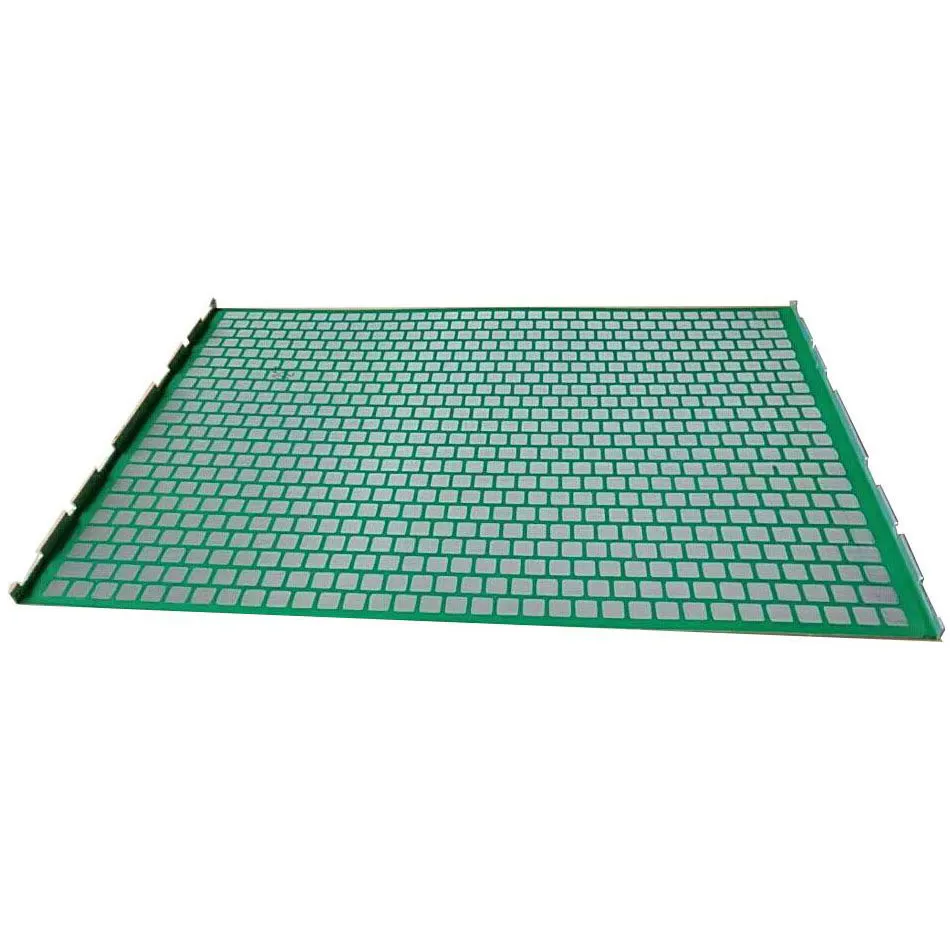
Fig 3: Quality control ensuring precise mesh tension and frame integrity.
Frequently Asked Questions (FAQ)
- Q: How do I choose the correct API mesh size for my drilling operation?
- A: The optimal API mesh size depends on several factors: the rheology of your drilling fluid, the type and size of drill cuttings, the desired D100 cut point, and the specific shaker model and G-force. Our technical specialists can assist in selecting the ideal shale shaker screen mesh. based on your specific drilling program and objectives. Generally, coarser meshes are used at the initial stages, transitioning to finer meshes as drilling progresses to achieve finer solids removal.
- Q: What are the advantages of composite screens over steel-frame screens?
- A: Composite screens offer several benefits including lighter weight (easier handling, less shaker wear), superior corrosion resistance, greater non-blanking area (leading to higher fluid throughput), and often a significantly longer service life due to better vibration dampening and integrated mesh bonding. While initial cost might be slightly higher, their total cost of ownership is often lower.
- Q: How can I maximize the service life of my shale shaker screens?
- A: Maximizing screen life involves proper installation, regular cleaning to prevent blinding, careful handling to avoid damage, and ensuring the shaker is operating at optimal G-forces for the specific drilling fluid and screen type. Avoiding impact from large foreign objects and timely replacement of worn screens also extend the overall efficiency of the solids control system.
- Q: Are your Derrick Replacement Shale Shaker Screens compatible with all Derrick shaker models?
- A: Our Derrick Replacement Shale Shaker Screens are designed to be fully compatible with a wide range of popular Derrick shaker models, including FLC 2000, FLC 503, FLC 504, and Hyperpool series. We recommend consulting our product specifications or contacting our sales team with your specific shaker model for precise compatibility information.
Lead Time, Warranty, and Customer Support
We understand the critical nature of timely delivery and reliable support in the drilling industry. Our commitment extends beyond providing a high-quality shale shaker screen for sale.; we ensure a seamless procurement and operational experience.
- Lead Time & Fulfillment: Standard stock items, including popular Derrick replacement screens, typically have a lead time of 7-14 business days for major international shipping hubs. For customized orders or larger quantities, lead times will be confirmed at the time of order based on current production schedules. We maintain strategic inventory levels to support urgent operational requirements.
- Warranty Commitment: All our shale shaker screens are backed by a comprehensive warranty against manufacturing defects. The specific warranty period and terms will be provided with each quotation, reflecting our confidence in the quality and durability of our products. This typically covers material and workmanship for a period of 6-12 months from the date of purchase under normal operating conditions.
- Customer Support: Our dedicated customer support team is available to assist with product selection, technical inquiries, order tracking, and after-sales service. We offer multi-channel support via phone, email, and a responsive online portal. Our technical experts can also provide on-site or remote consultation to optimize your solids control setup. We are committed to fostering long-term partnerships through exceptional service.
For immediate assistance or to request a quote for your specific needs, please contact us. We are your reliable partner for advanced solids control solutions.
References
- API Recommended Practice 13C: Recommended Practice for Drilling Fluid Processing Systems Evaluation. American Petroleum Institute.
- Bourgoyne, A. T., Millheim, K. K., Chenevert, M. E., & Young, F. S. (1986). Applied Drilling Engineering (Vol. 2). Society of Petroleum Engineers.
- Schlumberger Oilfield Glossary: Shale Shaker. Retrieved from www.glossary.oilfield.slb.com
- IADC (International Association of Drilling Contractors) publications on solids control and drilling waste management.
Optimizing Solids Control with Advanced Shale Shaker Screens
In the demanding landscape of oil and gas exploration, efficient solids control is paramount for operational success, environmental compliance, and cost management. At the heart of this process lies the shale shaker, a critical piece of equipment reliant on high-performance screens. For operators seeking superior performance and reliability, finding the right shale shaker screen for sale. is a strategic decision impacting drilling fluid integrity, drilling efficiency, and ultimately, project profitability. This comprehensive guide delves into the technical intricacies, industry trends, and practical considerations for selecting and implementing advanced shale shaker screens, with a focus on maximizing drilling performance.
Modern drilling operations, characterized by deeper wells, more complex lithologies, and stringent environmental regulations, necessitate solids control solutions that are not only robust but also highly efficient. The selection of a shale shaker screen directly influences drilling fluid losses, waste management costs, wear on downhole tools, and overall rig safety. Understanding the manufacturing process, technical specifications, and real-world applications is crucial for B2B decision-makers and engineers aiming to optimize their drilling programs.
Industry Trends in Shale Shaker Screen Technology
The shale shaker screen industry is continuously evolving, driven by the increasing complexity of drilling operations and a heightened focus on environmental sustainability and cost efficiency. Several key trends are shaping the development and adoption of new screen technologies:
- Composite Frame Screens: Shifting away from traditional steel frames, composite screens offer significant advantages. Their lighter weight reduces wear on shaker components, extends screen life, and simplifies handling. Composite materials also offer superior corrosion resistance and can be designed for increased non-blanking area (NBA), leading to enhanced fluid throughput and drier solids discharge.
- API RP 13C Compliance and Optimization: Adherence to API Recommended Practice 13C for shaker screen testing is standard, but the trend is towards optimizing screen selection based on detailed API designations (D100 separation point, conductance, non-blanking area). This allows for more precise control over solids removal and fluid recovery.
- Finer Mesh for Enhanced Solids Removal: With the push for higher quality drilling muds and greater drilling efficiency, there's an increasing demand for finer mesh screens that can remove smaller particles more effectively without significant loss of drilling fluid. This is particularly crucial in advanced horizontal drilling and extended reach drilling (ERD) projects.
- Environmental Focus: Enhanced solids control translates directly to reduced waste volume, lower disposal costs, and a smaller environmental footprint. Screens that improve fluid recovery and create drier cuttings are highly valued for their contribution to sustainable drilling practices.
- IoT and Data Integration: While still nascent, the integration of sensors into shale shakers and screens to monitor performance, predict wear, and optimize operational parameters in real-time is an emerging trend. This allows for predictive maintenance and more informed decision-making.
These trends underscore the importance of selecting advanced, high-quality screens to meet the evolving demands of the drilling industry and ensure optimal solids control performance.
The Manufacturing Process of Shale Shaker Screens
The production of a high-quality shale shaker screen for sale. is a complex process demanding precision engineering, advanced materials, and rigorous quality control. Our shaker screen factory. employs state-of-the-art techniques to ensure superior performance and durability. The typical manufacturing process for composite frame replacement screens involves several critical stages:
Process Flow Schematic:
-
Raw Material Selection (Mesh & Frame):
- Mesh Material: High-grade stainless steel wire cloth (typically SS304 or SS316) is selected for its corrosion resistance, tensile strength, and uniform aperture. The specific weave (e.g., plain weave, twilled weave, or often multi-layer non-blanking screen cloth) is chosen based on desired separation efficiency and flow rate.
- Frame Material: For composite screens, high-strength thermoset resins reinforced with fiberglass are preferred. This provides structural integrity, chemical resistance, and a lighter weight compared to steel. For steel-frame screens, high-quality structural steel is used.
-
Mesh Preparation & Layering:
- Multiple layers of precisely cut wire mesh, often with different aperture sizes (finer mesh on top, coarser support layers below), are meticulously stacked. This multi-layer design optimizes separation efficiency, extends screen life, and minimizes blinding.
-
Frame Molding/Fabrication:
- Composite Frames: The mesh layers are positioned within a mold. The composite resin is then injected or compression molded around the mesh, chemically bonding with it under controlled temperature and pressure. This ensures a robust, integrated structure without traditional welding.
- Steel Frames: Steel tubes are cut, bent, and welded (using advanced TIG/MIG welding) to form the screen frame. The frame undergoes post-welding treatment to ensure structural integrity and corrosion protection.
-
Tensioning & Bonding:
- Crucial for performance, the mesh is precisely tensioned onto the frame. For composite screens, this tension is achieved during the molding process. For steel frames, the mesh is typically bonded to the frame using high-strength adhesive and sometimes mechanical fasteners, ensuring uniform tension across the screen surface. This prevents sagging and premature failure.
-
Curing & Finishing:
- After molding/bonding, composite screens undergo a curing process to achieve maximum strength and chemical resistance. Both composite and steel screens are then trimmed, deburred, and fitted with necessary sealing gaskets or rubber seals.
-
Quality Control & Testing Standards:
- Every screen undergoes stringent quality control. Key tests include:
- API RP 13C Compliance: Particle separation (D100 cut point), conductance, and non-blanking area (NPT) are measured using calibrated equipment. This ensures the screen meets specified mesh designations.
- Visual Inspection: Checking for defects, uniform tension, proper bonding, and frame integrity.
- Dimensional Accuracy: Verifying conformity to shaker manufacturer specifications.
- Material Composition Analysis: Ensuring stainless steel and composite materials meet specified grades (e.g., using XRF for elemental analysis).
- Our manufacturing processes are certified under ISO 9001:2015, guaranteeing consistent quality and continuous improvement.
- Every screen undergoes stringent quality control. Key tests include:
-
Packaging & Dispatch:
- Screens are carefully packaged to prevent damage during transit, ready for global distribution to target industries such as oil & gas drilling (onshore and offshore), horizontal directional drilling (HDD), coal bed methane (CBM), and geothermal energy projects.
This meticulous manufacturing process ensures that each shale shaker screen for sale. delivers optimal performance, extended service life, and superior solids removal efficiency, contributing to energy saving and corrosion resistance in harsh drilling environments. Typical service life, when properly maintained, can range from 200-500 operating hours, depending on mud properties and shaker operational parameters.
Fig 1: Advanced composite frame shaker screen for enhanced performance.
Technical Specifications: Derrick Replacement Shale Shaker Screen
Our range of Derrick Replacement Shale Shaker Screens is engineered to meet or exceed OEM specifications, offering superior performance and compatibility with Derrick equipment such as FLC series (FLC 2000, FLC 503, FLC 504) and Hyperpool shakers. The precise control over mesh aperture and multi-layer construction ensures optimal separation efficiency and extended operational life.
Key Specifications Table: Derrick Replacement Shale Shaker Screen (Example)
| Parameter | Specification/Value |
|---|---|
| Product Type | Derrick Replacement Shale Shaker Screen |
| Compatible Shaker Series | Derrick FLC 2000, FLC 503, FLC 504, Hyperpool (specific models may vary) |
| Frame Material | High-Strength Composite or Steel |
| Mesh Material | API RP 13C Certified Stainless Steel 304/316 |
| Mesh Layers | 2-3 layers (e.g., fine screen, coarser support, protective layer) |
| API Mesh Sizes Available | API 40 to API 400 (e.g., API 60, 80, 100, 120, 140, 170, 200, 230, 270, 325, 400) |
| Conductance (API RP 13C) | Varies by mesh size (e.g., API 100: ~80-120 kD/cm²) |
| Non-Blanking Area (NPT) | Optimized for maximum fluid throughput and separation efficiency |
| D100 Cut Point (API RP 13C) | Precisely controlled (e.g., API 100: ~150-180 microns) |
| Dimensions (L x W) | Standard Derrick panel sizes (e.g., 47.9" x 24.5" for FLC 500 series) |
| Weight (Approx.) | Composite: 10-15 kg; Steel: 15-25 kg (depends on size) |
| Temperature Resistance | Up to 150°C (300°F) continuous |
| Corrosion Resistance | Excellent in typical drilling fluid environments |
These specifications highlight the meticulous engineering that goes into each shale shaker screen for sale., ensuring compatibility, efficiency, and durability in the most demanding drilling environments. The advanced multi-layer design, often referred to as shale shaker screen mesh., is critical for achieving optimal separation.
Application Scenarios and Technical Advantages
High-performance shale shaker screens are indispensable across a wide array of drilling and solids control applications. Their technical advantages translate directly into operational benefits, improving efficiency, reducing costs, and enhancing safety.
Typical Application Scenarios:
- Oil & Gas Drilling (Onshore & Offshore): Essential for primary solids control, removing drill cuttings from drilling mud before it is recirculated. This preserves mud properties, extends its life, and reduces waste.
- Horizontal Directional Drilling (HDD): Critical for maintaining the integrity of bentonite-based drilling fluids, especially in urban or environmentally sensitive areas where fluid loss and waste generation must be minimized.
- Coal Bed Methane (CBM) & Geothermal Drilling: Adapting to different geological formations and fluid compositions, these screens efficiently separate solids, ensuring smooth operations and environmental compliance.
- Mining & Tunneling: Used in slurry treatment plants to dewater slurries and recover valuable minerals or clean process water, demonstrating versatility beyond oilfield applications.
- Waste Management & Environmental Projects: Utilized in dewatering municipal or industrial sludge, highlighting their role in broader fluid-solid separation challenges.
Key Technical Advantages:
- Enhanced Solids Separation Efficiency: Multi-layered designs and precisely controlled shale shaker screen mesh. achieve superior cut points, removing finer solids (e.g., D50 values as low as 40-70 microns for fine screens) while maximizing fluid recovery. This reduces the load on subsequent solids control equipment (desanders, desilters, centrifuges).
- Extended Service Life: High-quality stainless steel mesh and robust composite frames offer exceptional wear resistance against abrasive cuttings and corrosive drilling fluids. Composite frames, in particular, absorb vibration more effectively, preventing premature tearing and extending the screen's operational lifespan, often exceeding that of traditional steel screens by 20-30%.
- Increased Fluid Throughput (Conductance): Optimized non-blanking areas (NPT) and high conductance values allow for greater volumes of drilling fluid to pass through the screen per unit time, preventing fluid accumulation on the shaker deck and maintaining optimal drilling rates (ROP).
- Reduced Mud Losses: Efficient separation leads to drier cuttings, minimizing the amount of valuable drilling fluid lost with discarded solids. This directly translates into significant cost savings on drilling fluid expenses.
- Environmental Benefits: Drier cuttings reduce the volume of waste requiring disposal, lowering transportation and processing costs, and minimizing the environmental footprint of drilling operations. This aligns with increasingly strict regulatory requirements.
- Improved Drilling Performance: By maintaining cleaner drilling fluid, screens protect downhole equipment (e.g., MWD/LWD tools, drill bits) from excessive wear, extend their service life, and reduce non-productive time (NPT) associated with equipment failure.
Fig 2: A closer look at the multi-layered design of a high-performance shaker screen.
Vendor Comparison and Selection Criteria
Selecting the right supplier for a shale shaker screen for sale. is as crucial as the screen itself. While many manufacturers exist, distinguishing between them requires a keen understanding of key comparison factors beyond just price. Our shale shaker screen factory. prioritizes transparency and quality.
Key Factors for Vendor Comparison:
- Quality Assurance & Certifications: Look for manufacturers with ISO 9001:2015 certification and strict adherence to API RP 13C testing protocols. This ensures consistent product quality and verifiable performance data.
- Product Range & Compatibility: A reputable derrick shaker screen factory. should offer a comprehensive range of screens compatible with various shaker models (e.g., Derrick, Brandt, Swaco, MI-Swaco) and in diverse API mesh sizes.
- Material Science & Engineering: Evaluate the use of premium materials (SS304/316 for mesh, high-strength composites) and advanced manufacturing techniques (e.g., injection molding for composite frames, specialized bonding processes).
- Technical Support & Expertise: The vendor should provide strong technical support, including assistance with screen selection, troubleshooting, and optimization for specific drilling conditions.
- Lead Time & Logistics: Reliable supply chains and efficient logistics are critical to minimize downtime. Inquire about typical lead times, stock availability, and global shipping capabilities.
- Cost-Effectiveness (Total Cost of Ownership): While initial price is a factor, focus on the total cost of ownership, including screen life, impact on mud losses, and overall drilling efficiency. A slightly higher-priced screen with double the life and better mud recovery can be significantly more cost-effective.
Shaker Screen Comparison Matrix (General)
| Feature/Criteria | Steel Frame Screens | Composite Frame Screens |
|---|---|---|
| Frame Material | Welded Steel (often carbon steel) | Polymer/Fiberglass Composite |
| Weight | Heavier | Lighter (15-30% lighter) |
| Corrosion Resistance | Moderate (prone to rust if coating is compromised) | Excellent (inherent chemical resistance) |
| Non-Blanking Area (NPT) | Good, but often limited by frame design | Superior (often 10-20% more, increasing fluid capacity) |
| Screen Life | Standard (susceptible to tearing at frame edges) | Extended (better vibration absorption, integrated mesh bonding) |
| Repairability | Sometimes possible with patches | Generally not designed for repair, but less prone to damage |
| Cost (Initial) | Lower | Higher |
| Total Cost of Ownership | Potentially higher due to shorter life, more mud loss | Lower due to extended life, better performance, reduced waste |
This comparison highlights why many modern drilling operations are transitioning to composite frame screens for their superior overall performance and cost-effectiveness in the long run.
Customized Solutions for Optimal Performance
Every drilling operation presents unique challenges, from varying geological conditions to specific fluid properties. Recognizing this, our shaker screen factory. offers tailored solutions to optimize solids control for diverse requirements. When sourcing a shale shaker screen for sale., customization options can significantly impact performance and cost-efficiency.
Areas of Customization:
- API Mesh Size & Weave Pattern: Beyond standard API mesh sizes, screens can be customized with specific cut points (D100 values) and conductance ratings. For instance, in drilling challenging shales, a unique multi-layer shale shaker screen mesh. design might be required to prevent blinding while maintaining high flow rates.
- Frame Material & Design: While composite frames are generally preferred, specific operational constraints might require robust steel frames for certain applications. Custom frame dimensions or mounting mechanisms can also be developed for non-standard shaker models.
- Screen Panel Configuration: The number of mesh layers, the specific sequence of coarse and fine meshes, and even the geometry of the support grid can be optimized to balance separation efficiency, flow capacity, and wear resistance for particular drilling fluid types (e.g., WBM, OBM, SBM).
- Corrosion & Abrasion Resistance Coatings: For highly corrosive or abrasive drilling environments, specialized coatings can be applied to extend screen life, though composite frames inherently offer superior resistance.
- Integration with Existing Systems: Custom solutions can ensure seamless integration with existing solids control equipment, optimizing the entire mud treatment system rather than just a single component.
Our engineering team collaborates closely with clients to understand their specific operational challenges, fluid properties, and desired outcomes. This consultative approach ensures that the customized shale shaker screen for sale. delivers maximum performance, contributing to reduced costs and improved drilling efficiency.
Application Case Studies and Customer Feedback
Real-world application demonstrates the tangible benefits of high-quality shale shaker screens. Our commitment to excellence is reflected in the success stories of our clients, ranging from independent operators to major international drilling contractors.
Case Study 1: Enhanced Mud Recovery in Horizontal Drilling
- Client: A leading North American onshore drilling contractor.
- Challenge: Excessive drilling fluid loss with cuttings while drilling a challenging horizontal section in the Permian Basin, leading to high mud costs and increased waste disposal. Their existing screens frequently blinded, reducing throughput.
- Solution: Implemented our specialized composite-frame Derrick Replacement Shale Shaker Screens (API 200 equivalent) on their FLC 504 shakers. The screens featured an optimized multi-layer shale shaker screen mesh. design for improved non-blanking area and resistance to blinding.
- Results: Over a three-month trial, the client reported a 15% reduction in drilling fluid consumption directly attributable to drier cuttings. Screen life increased by 30-40% compared to previous steel-frame screens, reducing replacement frequency and maintenance downtime. The increased conductance also allowed them to maintain higher ROP without mud accumulation on the shakers.
- Customer Feedback: "The new composite screens have been a game-changer for our Permian operations. We've seen significant savings on mud costs and our shakers are running much more efficiently. The screens truly deliver on their promise of extended life and better performance." - Drilling Superintendent.
Case Study 2: Performance in High-Vibration Environment
- Client: An offshore drilling rig operating in the North Sea.
- Challenge: Extreme vibration conditions on linear motion shakers were causing premature tearing and frame fatigue in their conventional steel-frame screens, leading to frequent replacements and operational interruptions.
- Solution: Supplied our robust composite-frame shale shaker screen for sale. specifically designed with enhanced frame rigidity and integrated mesh bonding to withstand high-G forces and vibration.
- Results: The new screens demonstrated exceptional resilience, reducing screen change-outs by 50% per well. The improved structural integrity prevented tearing and significantly extended service intervals, contributing to a substantial reduction in non-productive time (NPT) and maintenance labor.
- Customer Feedback: "In the harsh North Sea, screen durability is everything. These composite screens have proven incredibly robust, saving us considerable time and money. They are definitely engineered for tough conditions." - Rig Manager.
Fig 3: Quality control ensuring precise mesh tension and frame integrity.
Frequently Asked Questions (FAQ)
- Q: How do I choose the correct API mesh size for my drilling operation?
- A: The optimal API mesh size depends on several factors: the rheology of your drilling fluid, the type and size of drill cuttings, the desired D100 cut point, and the specific shaker model and G-force. Our technical specialists can assist in selecting the ideal shale shaker screen mesh. based on your specific drilling program and objectives. Generally, coarser meshes are used at the initial stages, transitioning to finer meshes as drilling progresses to achieve finer solids removal.
- Q: What are the advantages of composite screens over steel-frame screens?
- A: Composite screens offer several benefits including lighter weight (easier handling, less shaker wear), superior corrosion resistance, greater non-blanking area (leading to higher fluid throughput), and often a significantly longer service life due to better vibration dampening and integrated mesh bonding. While initial cost might be slightly higher, their total cost of ownership is often lower.
- Q: How can I maximize the service life of my shale shaker screens?
- A: Maximizing screen life involves proper installation, regular cleaning to prevent blinding, careful handling to avoid damage, and ensuring the shaker is operating at optimal G-forces for the specific drilling fluid and screen type. Avoiding impact from large foreign objects and timely replacement of worn screens also extend the overall efficiency of the solids control system.
- Q: Are your Derrick Replacement Shale Shaker Screens compatible with all Derrick shaker models?
- A: Our Derrick Replacement Shale Shaker Screens are designed to be fully compatible with a wide range of popular Derrick shaker models, including FLC 2000, FLC 503, FLC 504, and Hyperpool series. We recommend consulting our product specifications or contacting our sales team with your specific shaker model for precise compatibility information.
Lead Time, Warranty, and Customer Support
We understand the critical nature of timely delivery and reliable support in the drilling industry. Our commitment extends beyond providing a high-quality shale shaker screen for sale.; we ensure a seamless procurement and operational experience.
- Lead Time & Fulfillment: Standard stock items, including popular Derrick replacement screens, typically have a lead time of 7-14 business days for major international shipping hubs. For customized orders or larger quantities, lead times will be confirmed at the time of order based on current production schedules. We maintain strategic inventory levels to support urgent operational requirements.
- Warranty Commitment: All our shale shaker screens are backed by a comprehensive warranty against manufacturing defects. The specific warranty period and terms will be provided with each quotation, reflecting our confidence in the quality and durability of our products. This typically covers material and workmanship for a period of 6-12 months from the date of purchase under normal operating conditions.
- Customer Support: Our dedicated customer support team is available to assist with product selection, technical inquiries, order tracking, and after-sales service. We offer multi-channel support via phone, email, and a responsive online portal. Our technical experts can also provide on-site or remote consultation to optimize your solids control setup. We are committed to fostering long-term partnerships through exceptional service.
For immediate assistance or to request a quote for your specific needs, please contact us. We are your reliable partner for advanced solids control solutions.
References
- API Recommended Practice 13C: Recommended Practice for Drilling Fluid Processing Systems Evaluation. American Petroleum Institute.
- Bourgoyne, A. T., Millheim, K. K., Chenevert, M. E., & Young, F. S. (1986). Applied Drilling Engineering (Vol. 2). Society of Petroleum Engineers.
- Schlumberger Oilfield Glossary: Shale Shaker. Retrieved from www.glossary.oilfield.slb.com
- IADC (International Association of Drilling Contractors) publications on solids control and drilling waste management.


