
Understanding the Importance of a Shale Shaker Screen Factory
The shale shaker screen factory might not be a term that pops up in everyday conversation, but if you find yourself anywhere near the oil and gas drilling industry, it’s absolutely pivotal. In simple terms, this facility produces the screens used in shale shakers — a critical piece of equipment that keeps drilling operations efficient and safe by separating solids from drilling fluids. Globally, these factories support massive drilling infrastructures, underpinning energy supply chains and environmental safeguards. Understanding their role means appreciating both the economic and environmental stakes involved in modern resource extraction.
Introduction: Why a Shale Shaker Screen Factory Matters Globally
Worldwide, oil and gas remain essential to energy security, despite pushes toward renewables. According to the International Energy Agency (IEA), over 80 million barrels of oil are consumed daily (IEA, 2023). Shale drilling, in particular, has reshaped global energy markets, notably in the U.S. and China. The shiny “hero” in this process often overlooked is the shale shaker screen — and its factory of origin. These factories produce screens that filter out rock cuttings and other solids from the drilling fluids, ensuring smooth drilling and minimizing environmental pollution.
Oddly enough, one challenge has been the durability and efficiency of these screens in harsh conditions; failures can result in costly downtime and ecological risks. Hence, innovation at shale shaker screen factories has a direct impact on operational sustainability.
What Exactly Is a Shale Shaker Screen Factory?
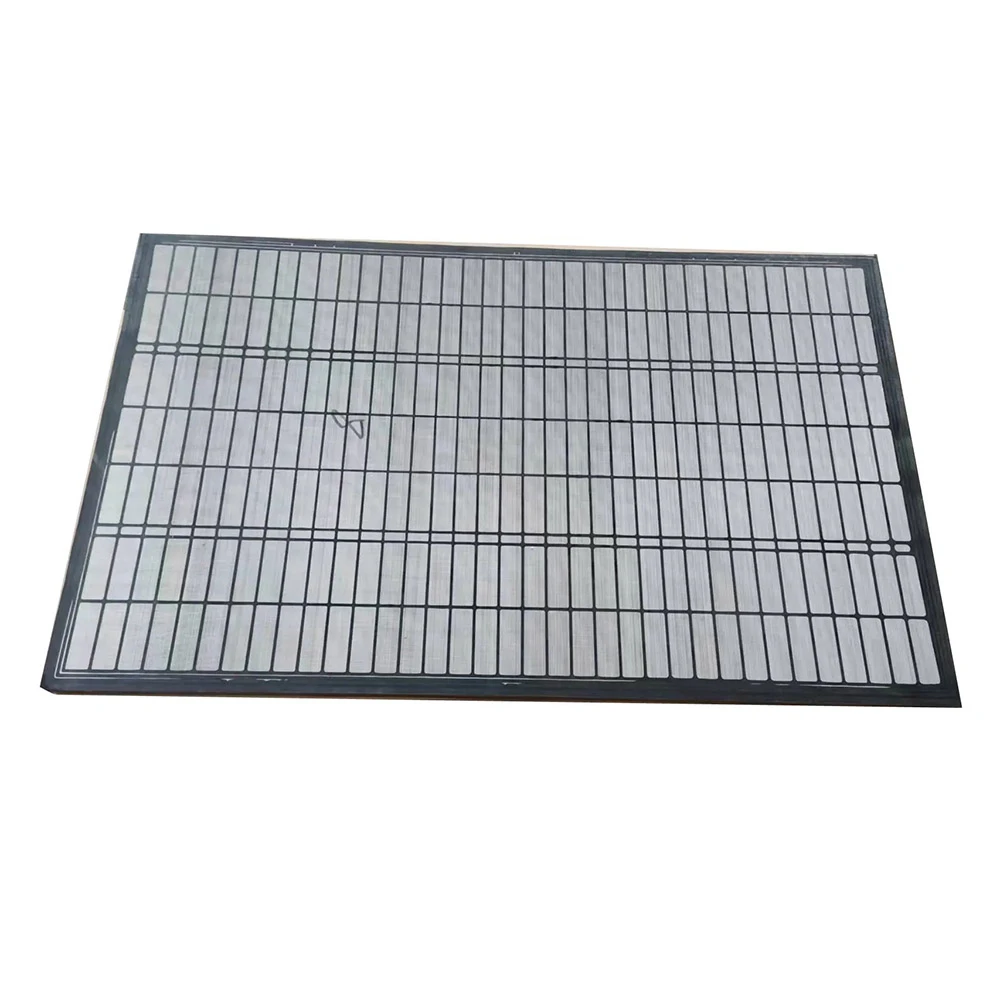
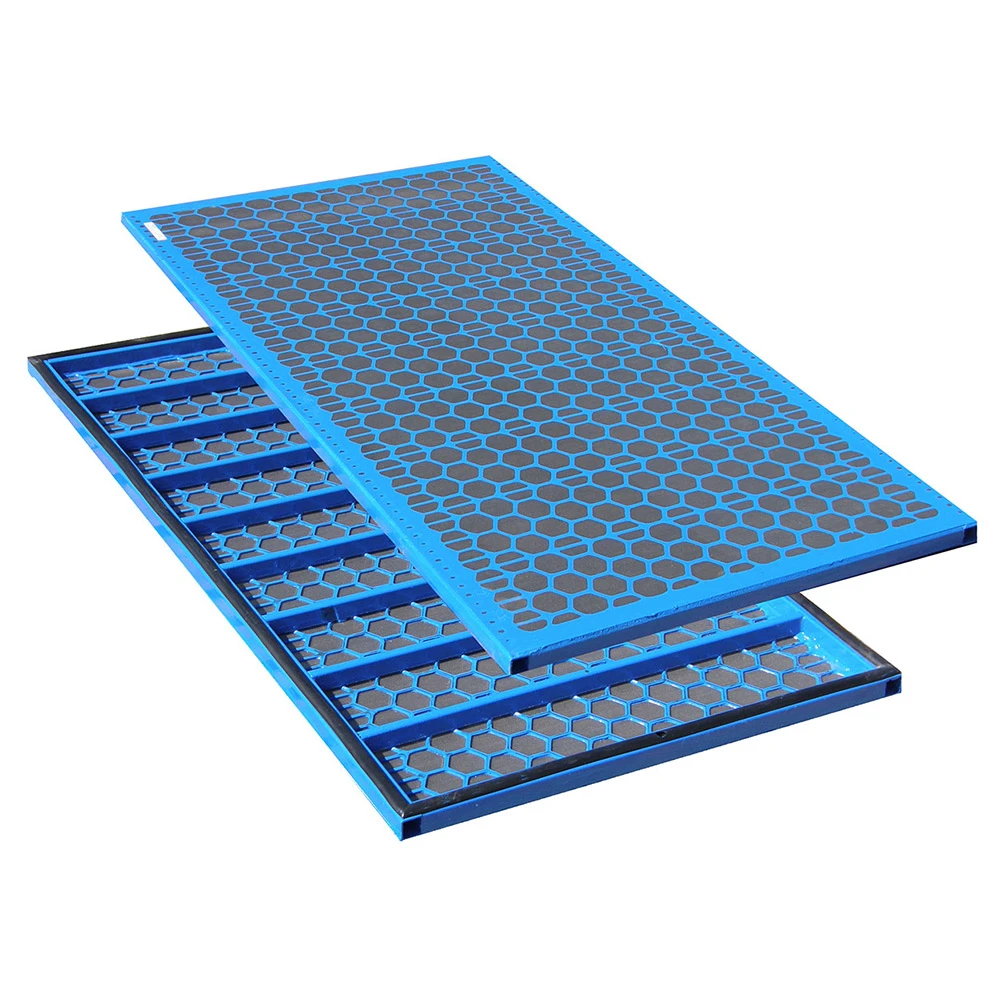
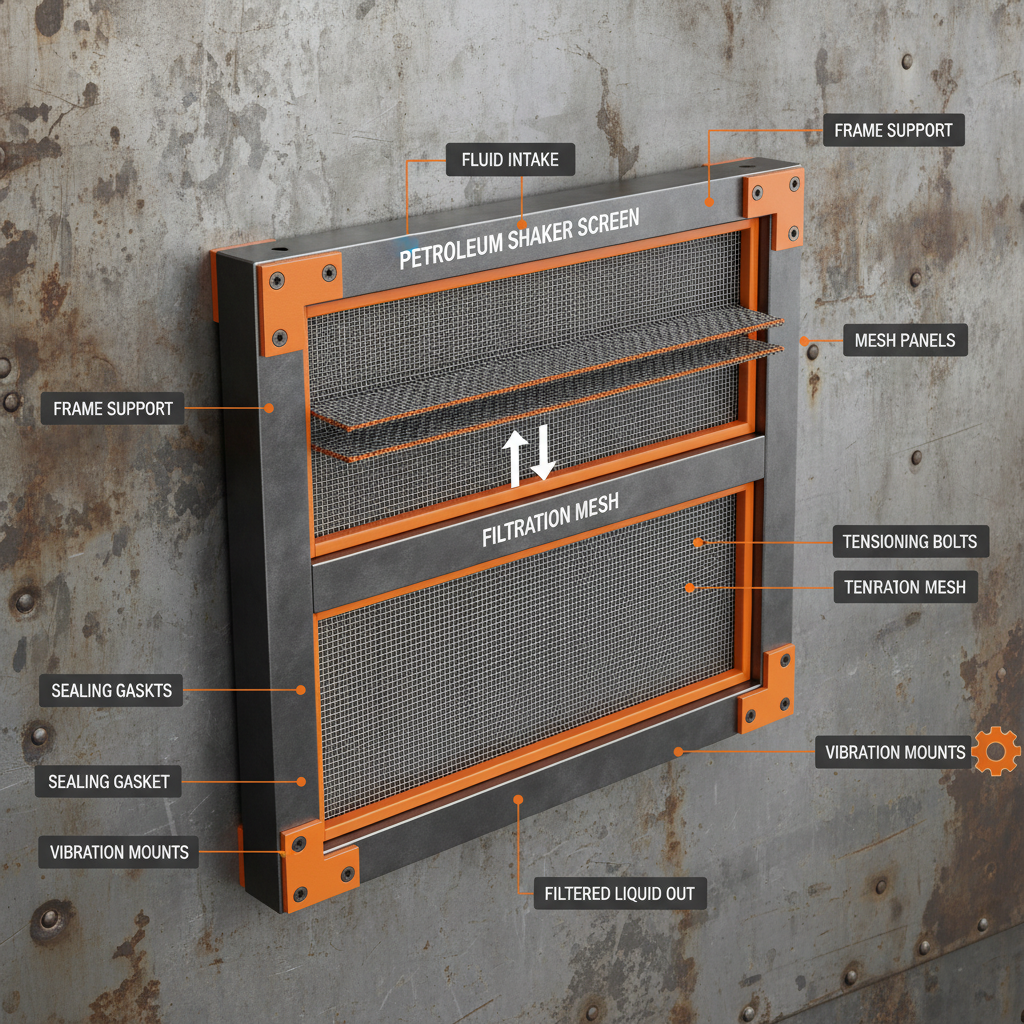
Simply put, a shale shaker screen factory manufactures the mesh screens that fit onto shale shakers — vibrating devices that sieve out unwanted solids from drilling mud. This process recycles drilling fluids so operators can reuse them rather than dispose of them, reducing environmental impact significantly.
These factories blend materials science, mechanical engineering, and quality control to produce screens that meet rigorous industry standards (like API RP 13C). They serve not just energy companies but also sectors like mining and environmental remediation where separating solids from liquids is required.
Core Components and Key Factors in Shale Shaker Screen Production
1. Durability
Screens endure extreme abrasion, pressure, and corrosive chemicals. To address this, factories source high-grade stainless steel or composite materials, often delivering customized wear resistance depending on drilling conditions. A screen’s lifespan is a game changer.
2. Screen Mesh Design and Aperture Size
The mesh’s aperture affects how much solid material gets filtered. Factories design multiple grades and patterns to optimize separation efficiency — finer mesh for tight formations, coarser for faster throughput.
3. Cost Efficiency
Efficient manufacturing strategies reduce downtime and waste. Modern shale shaker screen factories have increasingly automated assembly lines to cut costs while maintaining quality.
4. Scalability
With fluctuating oil demand, factories must ramp production up or down quickly. Flexible manufacturing systems help meet global client needs without long delays.
5. Compliance and Testing
Every batch undergoes stringent performance tests, including vibration simulation and chemical resistance, to comply with industry certifications like ISO 9001.
Mini Takeaway:
Shale shaker screen factories focus on durability, mesh design, cost efficiency, scalability, and compliance — all crucial for supporting robust drilling operations worldwide.
Global Applications and Real-World Use Cases
These factories don’t just supply shale screens; they enable energy firms to operate more responsibly and profitably. For example:
- North America: The U.S. shale boom would be unimaginable without reliable screen supply chains.
- Middle East: Energy exporters depend on high-quality screens for deepwell drilling under extreme temperatures.
- Africa: Emerging markets leverage these for both oil exploration and mining operations.
- Post-Disaster Zones: Environmental cleanup crews utilize similar screens to separate debris from slurry.
These examples show that the shale shaker screen factory's influence extends beyond just energy extraction — it’s part of a larger industrial ecosystem.
Advantages and Long-Term Value
The product of these factories directly impacts operational cost savings through longer screen lifespans and fewer replacements. Plus, high-quality separation prevents environmental contamination, appealing to increasingly stringent regulatory environments.
On another level, operators gain peace of mind knowing their equipment is trusted and tested, fostering safer workplaces. The reliability factor cannot be overstated — downtime in drilling means millions lost.
Future Trends and Innovations
Looking ahead, these factories are starting to incorporate greener materials like biodegradable polymers in screen mesh, aiming to reduce ecological footprints. Additive manufacturing (3D printing) is also under exploration for rapid prototyping and customization.
Digitalization is another buzzword — IoT sensors embedded in shaker screens promise real-time monitoring of wear and performance, enabling predictive maintenance.
Challenges and Emerging Solutions
Despite innovations, common challenges remain such as:
- Material Cost Fluctuations: Price volatility in steel affects manufacturing expenses.
- Quality Variability: Supplier inconsistency can lead to screen failures.
- Environmental Regulations: Stricter rules demand greener production methods.
In response, leading factories invest in local raw material sourcing, rigorous QC protocols, and greener process engineering.
Specifications of a Typical High-Quality Shale Shaker Screen
| Specification | Details |
|---|---|
| Material | Stainless Steel 304 or 316 |
| Mesh Size Range | 20 to 325 Mesh (equivalent 850 µm to 45 µm apertures) |
| Screen Type | Hookstrip, Pretension, or Composite |
| Lifespan | 500–1500 operational hours (varies by job) |
| Certification | API RP 13C, ISO 9001 |
Vendor Comparison: Leading Shale Shaker Screen Factories
| Feature | Factory A | Factory B | Factory C |
|---|---|---|---|
| Material Quality | High-grade SS 316 | SS 304 | Composite Steel Blend |
| Delivery Speed | 2 weeks | 3 weeks | 1 week |
| Customization Options | Extensive | Moderate | Basic |
| Price Range | $$$ | $$ | $ |
| Sustainability Practices | Recycling & Waste Reduction | Standard | Minimal |
Frequently Asked Questions About Shale Shaker Screen Factories
Q1: Why is mesh size important for shale shaker screens?
A1: Mesh size determines how finely solids are filtered from drilling fluids, directly affecting drilling efficiency and fluid reuse. A screen with the wrong mesh size might miss harmful cuttings or clog too quickly, impacting operations.
Q2: How often should shale shaker screens be replaced?
A2: Replacement depends on operating conditions but typically every 500 to 1500 hours is recommended. Visual inspections for wear or damage help decide the exact timing to avoid unexpected failures.
Q3: Can shale shaker screens be customized?
A3: Absolutely. Modern factories offer customized screen sizes, mesh types, and materials to best fit specific drilling scenarios, which can optimize performance and cost-effectiveness.
Q4: How do environmental regulations affect shale shaker screen production?
A4: Stricter environmental laws have pushed factories to adopt greener materials and cleaner manufacturing processes to reduce waste and pollution, enhancing sustainability.
Conclusion: A Vital Hub in Energy Infrastructure
In real terms, a shale shaker screen factory is more than a manufacturing site — it’s a cornerstone of reliable, sustainable drilling operations worldwide. The technologies they develop, the materials they select, and the standards they uphold ripple through the energy sector, promoting efficiency, safety, and environmental stewardship.
If you want to dive deeper into advanced shale shaker screens or explore sourcing options, don’t hesitate to visit the shale shaker screen factory website. Understanding these factories connects us to the unseen but essential machinery behind our modern world.
Mini Reflection
Thinking about all this, it feels like shale shaker screen factories quietly power the engines of global energy — a humble yet indispensable part of an incredibly complex system.
References
- International Energy Agency. (2023). Oil Market Report. https://www.iea.org/reports/oil-market-report
- API Recommended Practice 13C. (2019). API RP 13C: Recommended Practice for Field Testing of Oil-based Drilling Fluids.
- ISO 9001 Quality Management Systems. https://www.iso.org/iso-9001-quality-management.html