The Core of Drilling Operations: Understanding the Modern Shaker Screen Factory
In the demanding landscape of oil and gas exploration, the efficiency and reliability of solid control equipment are paramount. At the heart of this critical system lies the shale shaker, and its performance is overwhelmingly dictated by the quality of its screens. A state-of-the-art shaker screen factory is therefore not just a manufacturing unit but a vital link in the chain of successful drilling operations, ensuring optimal drilling fluid recovery and waste management. This article delves into the intricacies of modern shaker screen manufacturing, exploring industry trends, technical specifications, application advantages, and the pivotal role of advanced production techniques.
The demand for screens that offer extended service life, superior separation efficiency, and resistance to harsh operational environments continues to drive innovation. We examine how dedicated facilities address these challenges, delivering solutions that meet the stringent requirements of global energy sectors.
The Advanced Manufacturing Process at a Shale Shaker Screen Factory
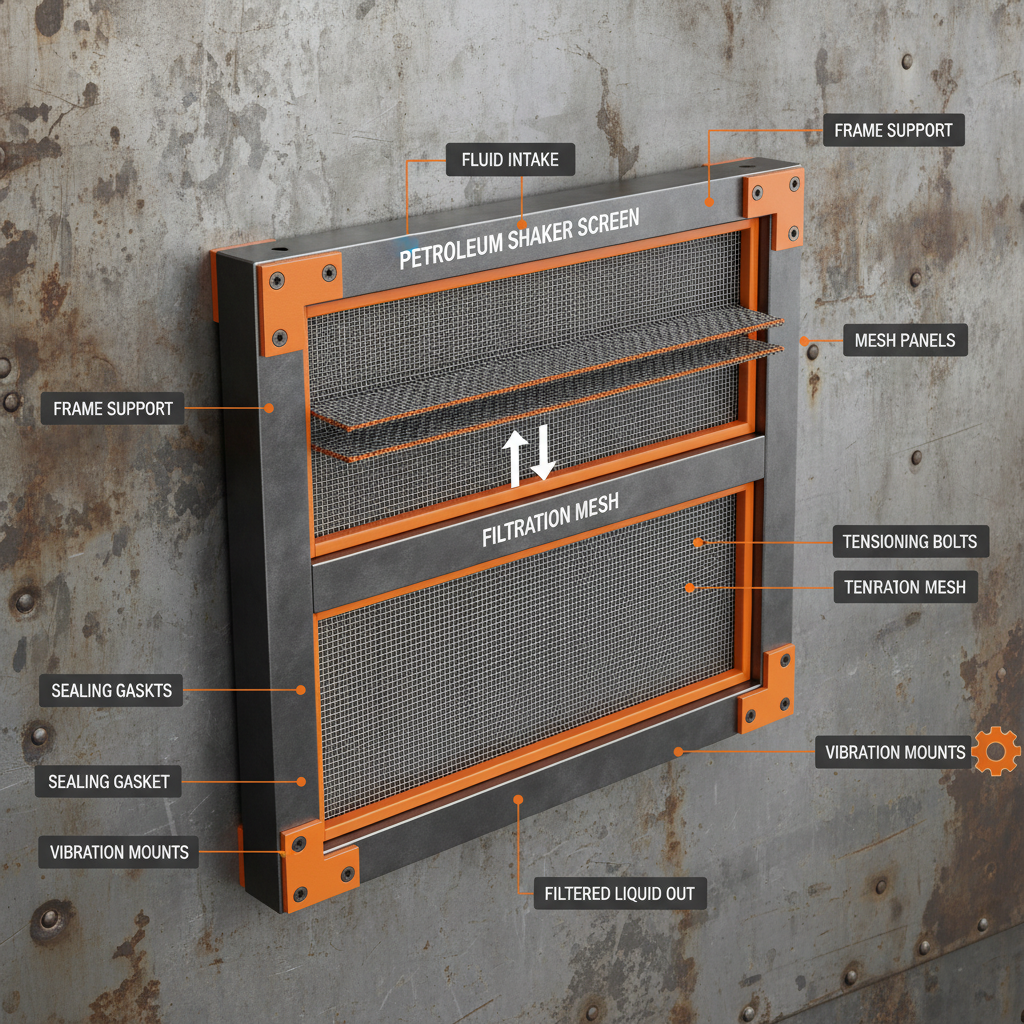
The production of high-performance shale shaker screens is a sophisticated multi-stage process, demanding precision engineering and rigorous quality control. A leading shaker screen factory integrates advanced technologies to produce screens capable of withstanding extreme conditions while maximizing efficiency.
Manufacturing Process Flow:
- Material Selection and Preparation:
- High-grade stainless steel wire cloth (e.g., SS304, SS316, SS316L) is selected for its corrosion resistance and mechanical strength. Key parameters include wire diameter, mesh count, and weave pattern.
- Frame materials (e.g., composite plastic, steel) are chosen based on the desired strength-to-weight ratio and chemical resistance.
- Wire Cloth Weaving/Sintering:
- Precision weaving machines produce multi-layer wire cloth with specific mesh sizes and API RP 13C designations. For advanced screens, sintering processes might be employed to bond multiple layers of mesh, enhancing strength and longevity.
- Frame Fabrication (Casting/Injection Molding/Forging):
- For composite frames (like those found in many NOV screens), injection molding ensures precise dimensions and material integrity. Steel frames may involve forging for critical stress points, followed by CNC machining for exact tolerances.
- Each frame is designed to perfectly fit the specific shale shaker model, ensuring zero bypass.
- Screen Panel Assembly:
- The pre-cut wire cloth layers are precisely stretched and bonded to the frame using advanced adhesive bonding techniques or vulcanization. This critical step ensures maximum tension and prevents premature delamination.
- Specialized tensioning systems are used to achieve uniform tension across the entire screen surface, crucial for optimal separation and extended service life.
- Quality Control and Testing:
- Every screen undergoes rigorous inspection. This includes visual inspection for defects, dimensional checks, tension testing, and bubble point tests to verify mesh integrity according to ISO 13501 and API RP 13C standards.
- Mechanical stress tests and vibration tests simulate operational conditions to ensure durability and resistance to fatigue.
- Finishing and Packaging:
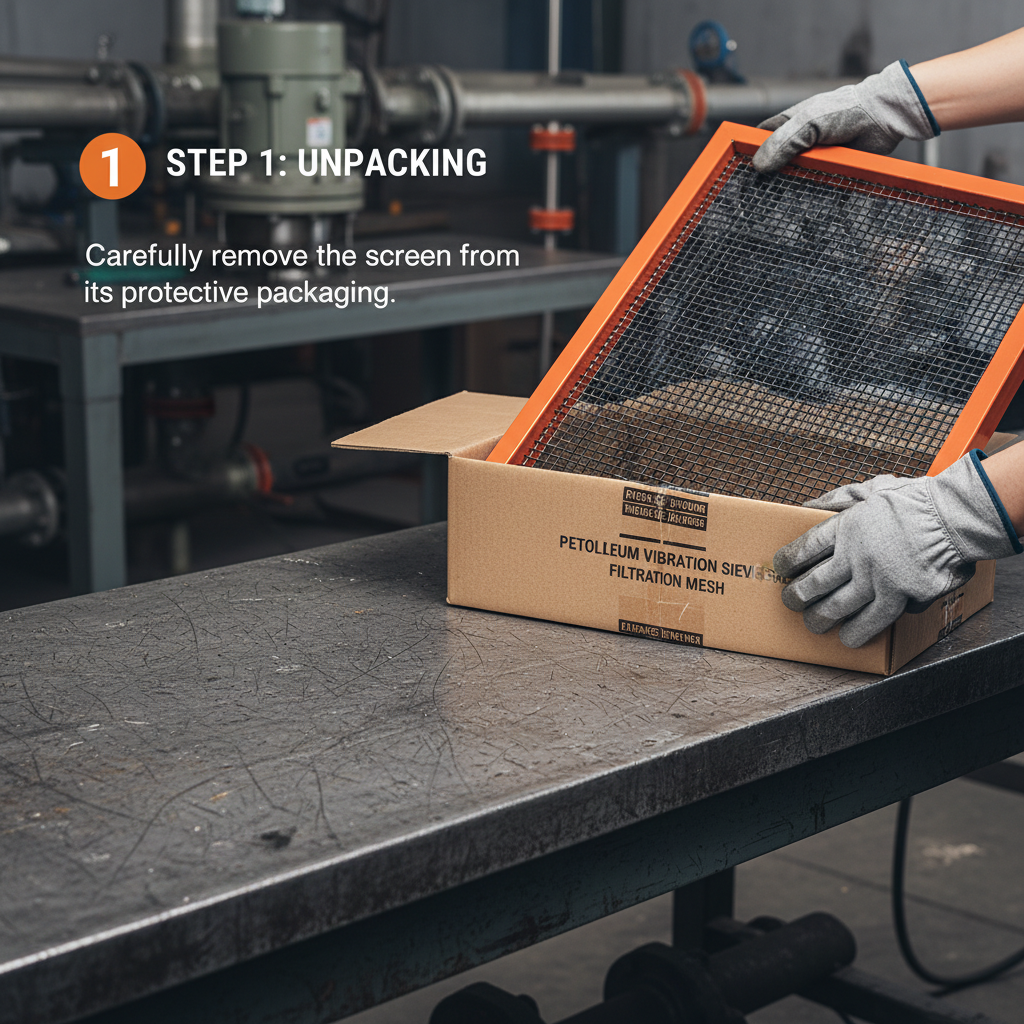
- Finished screens are labeled with API numbers, batch codes, and other identification. They are then carefully packaged to prevent damage during transit to various global destinations.
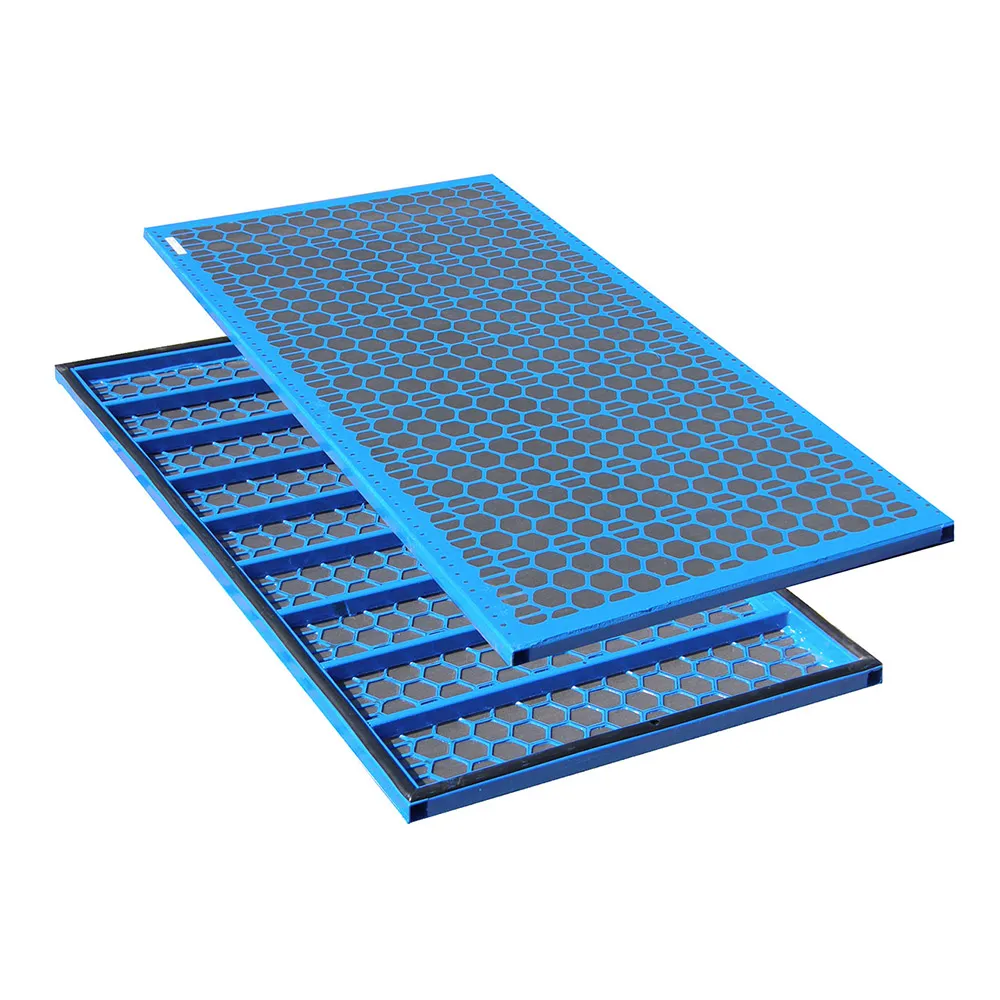
Precision engineering is at the core of every high-quality shaker screen.
The materials used, such as premium SS316L, contribute to exceptional corrosion resistance, crucial in highly saline drilling environments. The meticulous manufacturing ensures a service life often exceeding competitors by 20-30%, leading to significant energy savings by maintaining high separation efficiency and reducing drilling fluid losses. Target industries include petrochemical, metallurgy, and water supply & drainage, wherever fine solid-liquid separation is critical.
Industry Trends and Technical Innovations in Shale Shaker Screens
The drilling industry is constantly evolving, driven by the need for greater efficiency, reduced environmental impact, and lower operational costs. This directly influences the development in a shale shaker screen factory.
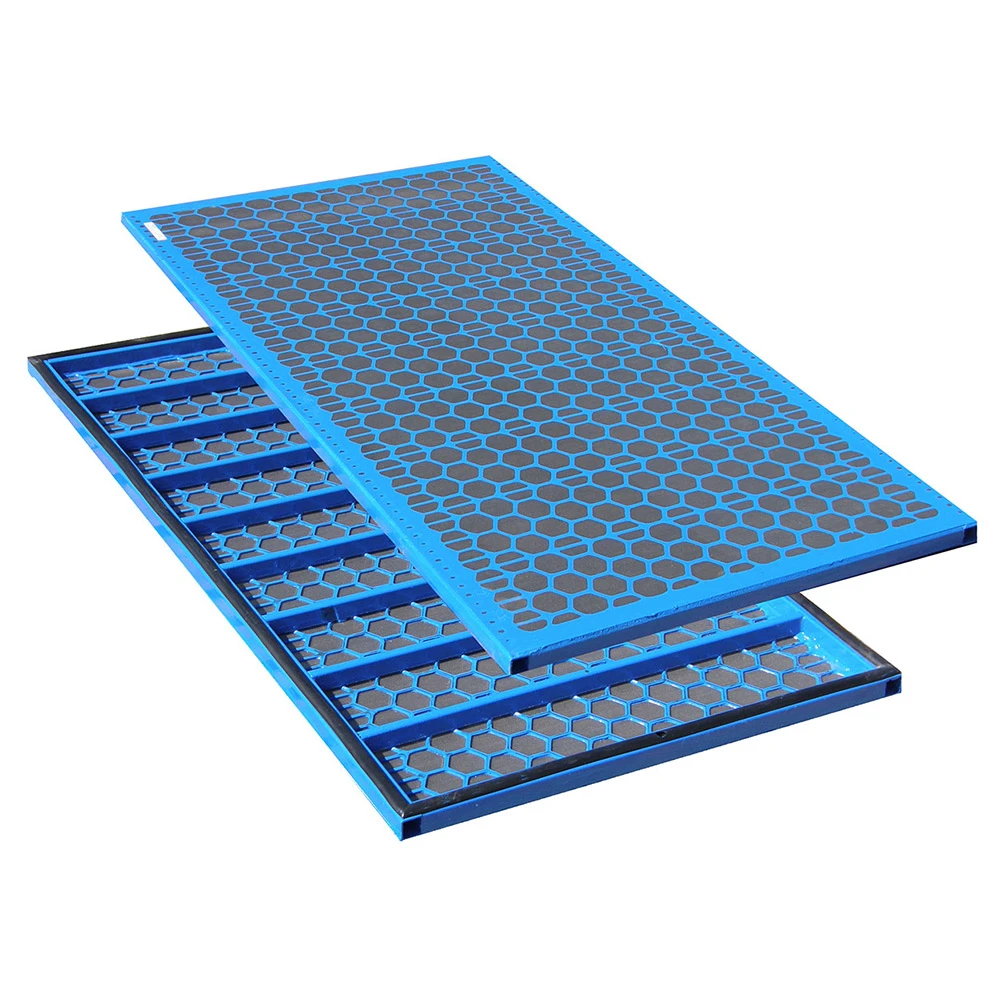
- Composite Frame Technology: Moving away from traditional steel frames, composite frames offer lighter weight, enhanced durability, improved fluid conductivity, and superior resistance to corrosion and wear. This leads to extended screen life and reduced downtime.
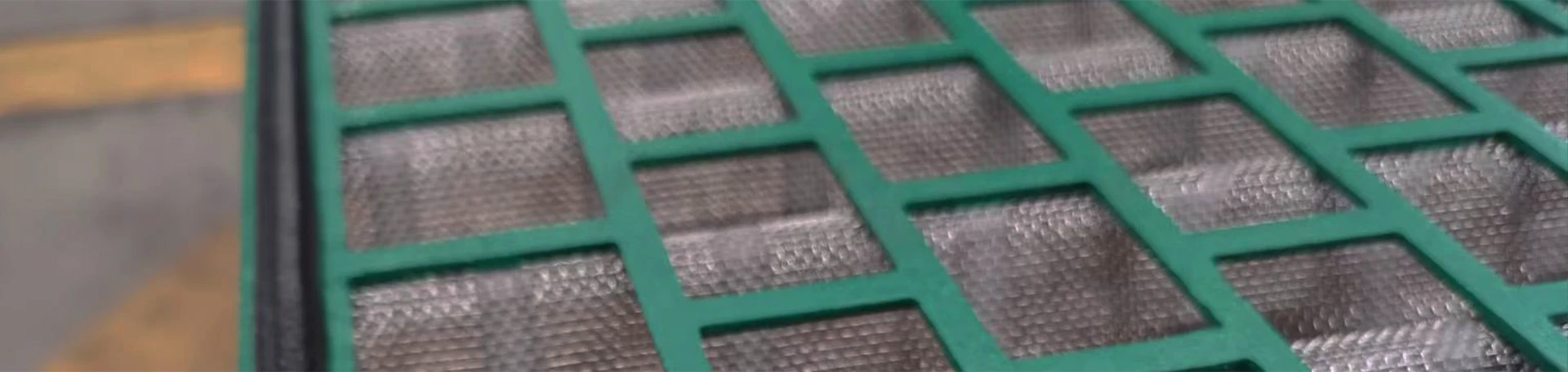
- Multi-Layered Screen Design: Advanced screens feature multiple layers of wire mesh with varying aperture sizes. This design optimizes separation efficiency, increases throughput, and prevents blinding, especially crucial when dealing with challenging drilling fluids.
- API RP 13C Compliance: Adherence to the latest API Recommended Practice 13C (ISO 13501) ensures standardized performance evaluation, allowing operators to accurately compare screen capabilities based on D100 cut point and conductance.
- Extended Life Screens: Innovations in wire cloth materials and bonding techniques aim to significantly prolong screen life, reducing replacement frequency and associated costs, directly impacting the shale shaker screen price over the long term.
- Eco-friendly Manufacturing: Increasing focus on sustainable practices within the shaker screen factory, including material sourcing, waste reduction, and energy-efficient production processes.
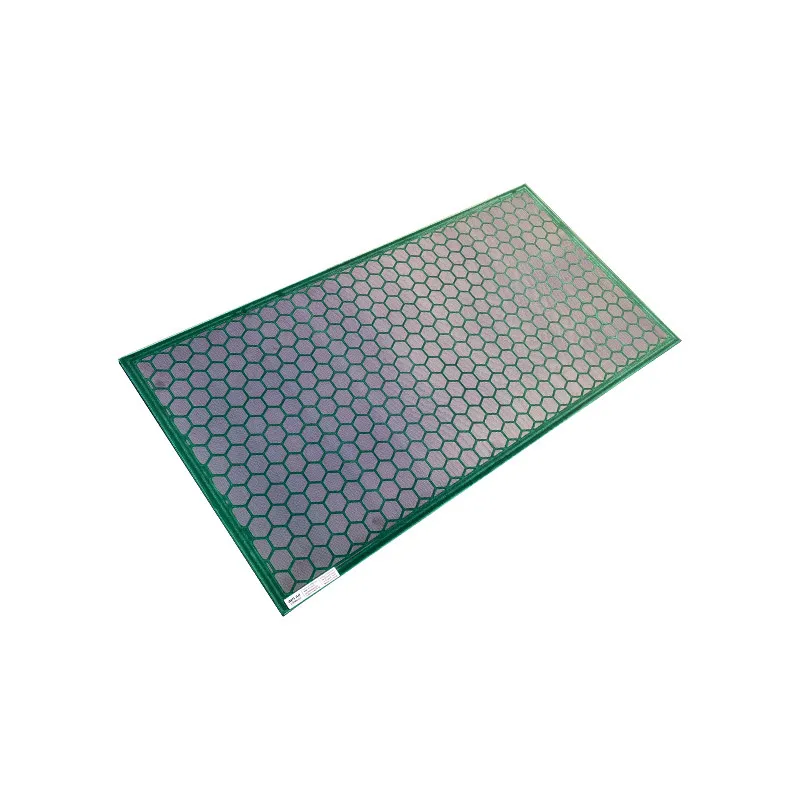
Advanced screen designs enhance separation efficiency and prolong service life.
Technical Specifications: NOV Metal Replacement Shale Shaker Screens
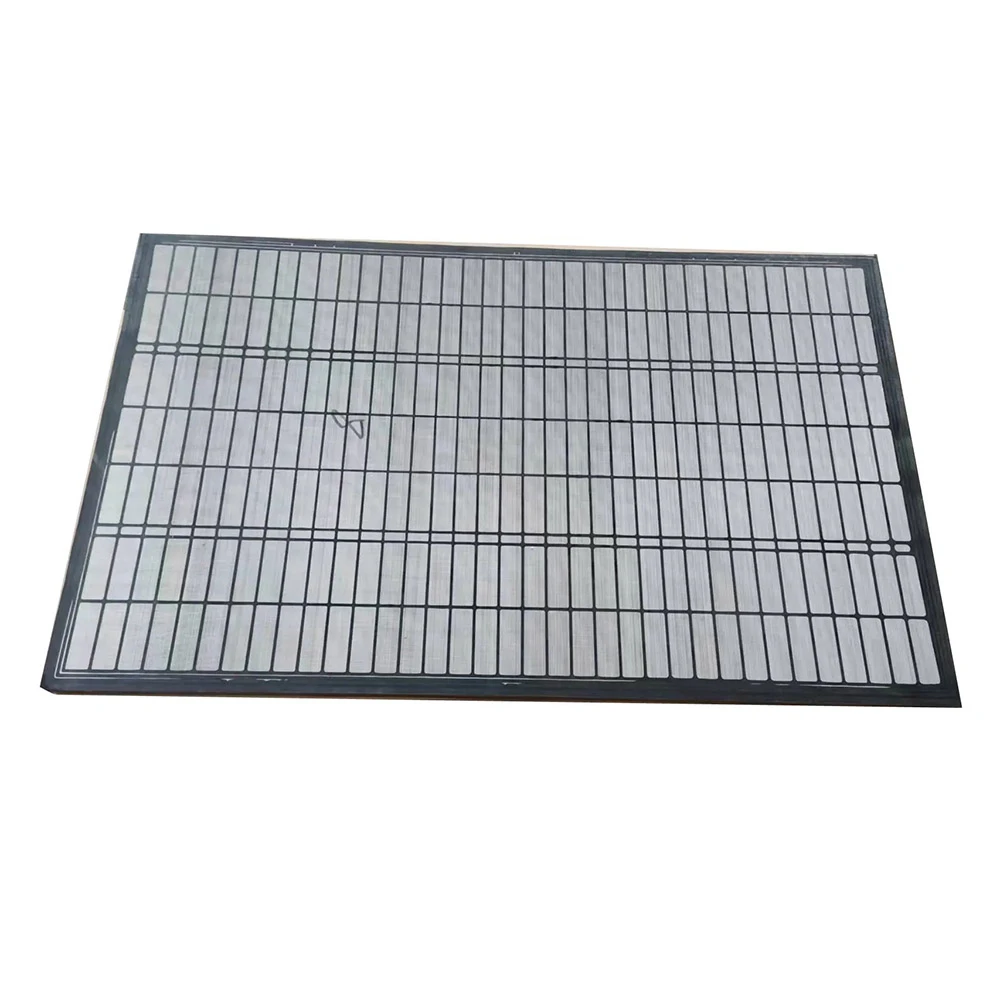
Our range of NOV Metal Replacement Shale Shaker Screens exemplifies cutting-edge technology, designed to deliver superior performance and reliability. These screens are engineered to be fully interchangeable with OEM NOV screens, offering a cost-effective alternative without compromising on quality or efficiency.
Product Specification Table:
These specifications ensure that our replacement screens not only match but often exceed the performance expectations for original equipment, offering a compelling advantage in terms of cost-efficiency and operational continuity.
Application Scenarios and Technical Advantages
The versatility and robust design of our screens from a dedicated shaker screen factory make them indispensable across a variety of demanding applications.
- Oil & Gas Drilling (Onshore & Offshore): Primary application for separating drilling cuttings from valuable drilling fluids (mud). Our screens enhance mud recovery, reduce waste volume, and protect downstream equipment. The superior corrosion resistance of SS316L is crucial in high-salinity offshore environments.
- Horizontal Directional Drilling (HDD): Used for efficient solids control in trenchless construction, ensuring environmental compliance and equipment longevity.
- Mining and Mineral Processing: Employed for dewatering and classifying various slurries, separating valuable minerals from waste.
- Wastewater Treatment: Critical for preliminary solid-liquid separation in municipal and industrial wastewater facilities.
Key Technical Advantages:
- Enhanced Separation Efficiency: Multi-layer design and precise API sizing ensure optimal separation of fine solids, leading to cleaner drilling mud and reduced fluid losses. This directly impacts drilling speed and cost.
- Extended Service Life: High-quality materials and robust bonding techniques significantly extend screen lifespan, reducing replacement frequency and maintenance costs. Our screens typically last 20-30% longer than generic alternatives.
- Superior Corrosion Resistance: The use of SS316L wire mesh provides excellent resistance to corrosive drilling fluids and saltwater environments, a critical factor for offshore operations.
- Improved Throughput: Optimized screen designs, including corrugated options, increase the effective screening area, allowing for higher fluid processing rates without sacrificing separation quality.
- Reduced Blinding: Advanced screen designs and proper tensioning minimize mesh blinding, maintaining consistent fluid flow and separation efficiency, and reducing the need for frequent cleaning.
- Cost-Effectiveness: While the initial shale shaker screen price might be slightly higher than substandard options, the extended service life, improved drilling efficiency, and reduced mud loss lead to substantial overall cost savings.
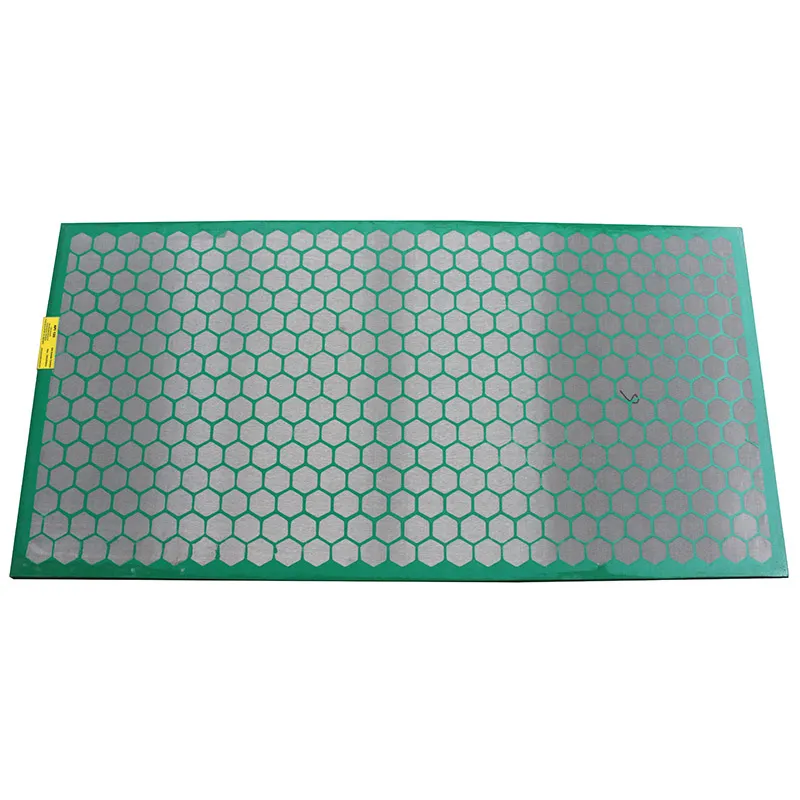
Robust screens are essential for efficient solids control in demanding drilling environments.
Vendor Comparison and Market Position
Choosing the right supplier for shale shaker screens involves more than just comparing the shale shaker screen price. It requires evaluating quality, reliability, technical support, and the overall value proposition. As a specialized shaker screen factory, we pride ourselves on offering products that consistently outperform many alternatives.
Competitive Advantages:
- OEM Compatibility with Enhanced Performance: Our NOV Metal Replacement Screens are designed for seamless integration with existing NOV shaker units, providing equal or superior performance at a competitive price point, improving your overall shale shaker screen pricelist.
- Superior Materials and Craftsmanship: We use only certified, high-grade stainless steel and advanced composite materials, coupled with stringent manufacturing processes that often exceed industry norms.
- R&D Driven Innovation: Continuous investment in research and development ensures our screens incorporate the latest advancements in fluid dynamics and materials science, addressing emerging industry challenges.
- Global Supply Chain and Support: With a robust supply chain and dedicated technical support, we ensure timely delivery and expert assistance, minimizing operational downtime for our clients worldwide.
Product Comparison Table: NOV Metal Replacement vs. Generic Screens
Customized Solutions and Application Case Studies
Understanding that drilling conditions vary significantly, a specialized shale shaker screen factory offers bespoke solutions tailored to unique operational requirements. This includes custom mesh configurations, frame designs for non-standard shakers, and specific material compositions to combat unusual corrosive agents or extreme temperatures.
Our engineering team collaborates closely with clients to develop screens that precisely match their fluid properties, flow rates, and desired separation outcomes, ensuring optimal performance and cost efficiency.
Application Case Study: Deepwater Offshore Drilling
- Challenge: An operator in the Gulf of Mexico faced premature screen failure and high mud losses due to aggressive drilling fluids (OBM with high chloride content) and high flow rates on their NOV King Cobra shakers. Generic screens were lasting only 72 hours on average, leading to significant replacement costs and logistical challenges.
- Solution: We supplied custom-designed NOV screens with SS316L wire cloth and a specialized composite frame, rated for API 170. The design focused on enhanced fluid conductance and superior corrosion resistance.
- Results: The replacement screens extended service life to an average of 190 hours, a 163% improvement. This resulted in a 40% reduction in screen procurement costs, a 25% reduction in mud loss, and significantly fewer deck man-hours spent on screen changes. The operator reported improved ROP (Rate of Penetration) due to cleaner drilling fluid.
Application Case Study: Shale Gas Exploration (Permian Basin)
- Challenge: A land-based drilling company in the Permian Basin struggled with blinding and low throughput from their existing screens on NOV VSM 300 shakers while drilling through highly reactive shale formations. This led to inefficient solids removal and increased waste disposal volumes.
- Solution: Our shaker screen factory provided corrugated (Pyramid/PMD) NOV replacement screens with API 140 mesh, designed to maximize effective screening area and enhance fluid flow while minimizing blinding.
- Results: The operator experienced a 30% increase in fluid processing capacity per shaker and a 15% reduction in wet solids discard. The anti-blinding features significantly reduced cleaning cycles, saving an estimated 8 hours of labor per week per rig. The enhanced solids removal also improved the quality of the recycled drilling mud, contributing to better wellbore stability.
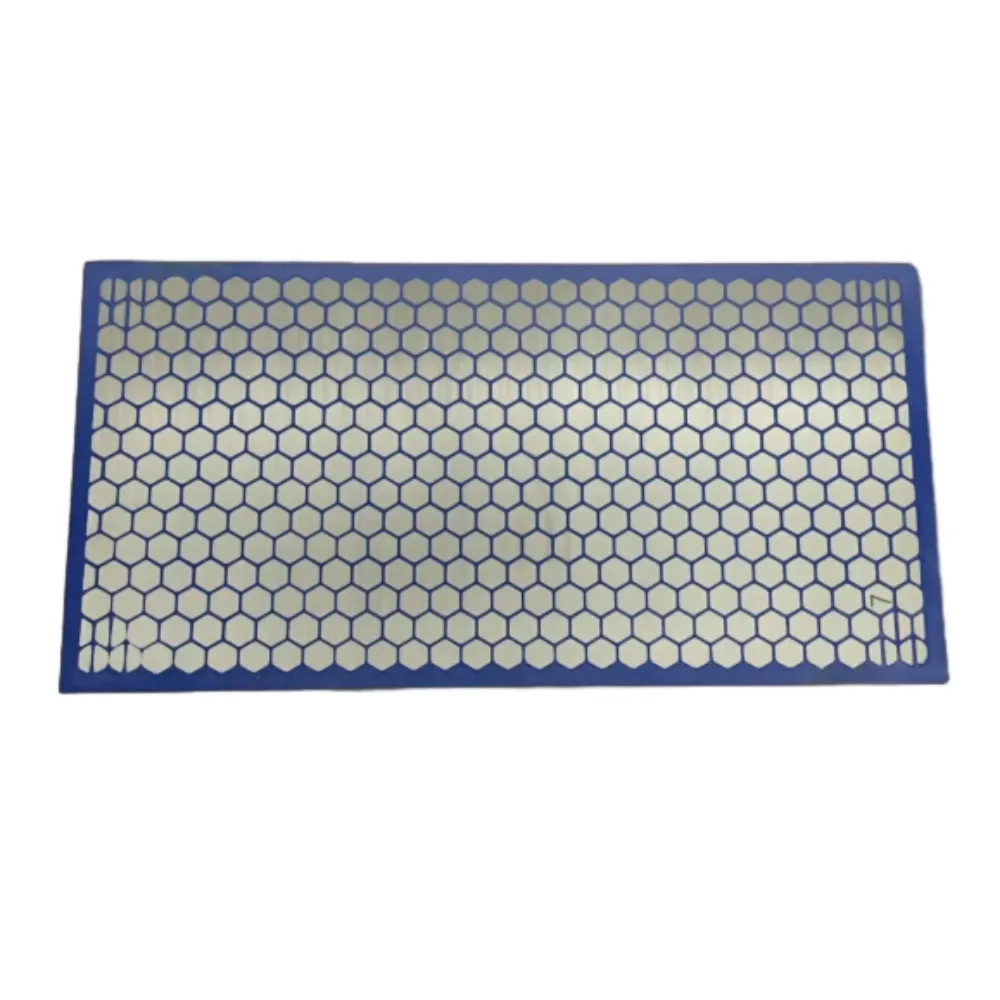
Tailored solutions provide optimal performance for specific drilling challenges.
Ensuring Trustworthiness and Support
As a reputable shale shaker screen factory, our commitment extends beyond product delivery to fostering long-term partnerships built on reliability, transparency, and unparalleled customer support. Our adherence to stringent industry standards and client-focused services underscores our dedication to trustworthiness.
Certifications and Quality Assurance:
We operate under ISO 9001:2015 certified quality management systems, ensuring consistent product quality from raw material inspection to final packaging. All our screens are manufactured to comply with API RP 13C (ISO 13501) standards, with each screen clearly marked for D100 cut point and non-blanked area (conductance). Our partnerships with leading drilling contractors and service companies globally attest to our product reliability and service excellence over many years.
Frequently Asked Questions (FAQ):
- Q: How do your replacement screens compare to OEM NOV screens in terms of performance?
- A: Our NOV Metal Replacement Screens are engineered to meet or exceed OEM performance specifications. We utilize similar or higher-grade materials and adhere to rigorous manufacturing processes, often providing enhanced durability and efficiency, especially in challenging environments. Testing shows comparable D100 cut points and higher conductance values in some applications.
- Q: What is the typical service life of your screens?
- A: The service life depends on drilling fluid properties, flow rates, and operational parameters. However, our screens typically offer 20-30% longer service life compared to generic alternatives, often reaching 300-500 operating hours under normal conditions. This directly impacts the long-term shale shaker screen pricelist value.
- Q: Can you provide a detailed shale shaker screen price list?
- A: Pricing varies based on screen type, mesh size, frame material, and order volume. Please contact our sales team with your specific requirements, and we will provide a comprehensive, competitive quotation, including details for various shaker models and API specifications.
- Q: Do you offer customized screen solutions?
- A: Yes, we specialize in customized solutions. Our engineering team can work with your specific operational data to design screens with unique mesh configurations, frame modifications, or material compositions to optimize performance for unusual drilling conditions or non-standard shaker models.
- Q: What are your lead times and fulfillment capabilities?
- A: Standard orders typically have a lead time of 1-3 weeks, depending on volume and current production schedules. For urgent requirements, expedited manufacturing and shipping options are available. We maintain strategic inventories for popular models to facilitate rapid fulfillment.
Warranty and Customer Support:
We offer a comprehensive warranty against manufacturing defects, underscoring our confidence in product quality. Our dedicated after-sales support team is available 24/7 to provide technical assistance, troubleshooting, and advice on screen selection and maintenance, ensuring seamless operations for our clients worldwide.
Conclusion
The modern shaker screen factory plays a pivotal role in optimizing drilling fluid management and overall drilling efficiency. By combining advanced manufacturing processes, high-grade materials, and a deep understanding of operational demands, manufacturers can deliver screens that offer superior performance, extended service life, and significant cost savings. Choosing a reputable supplier, like us, ensures access to cutting-edge technology, robust technical support, and solutions that are perfectly aligned with the evolving needs of the global energy industry. Our commitment to quality, innovation, and customer satisfaction makes us a trusted partner in your drilling operations.
References:
- American Petroleum Institute (API) Recommended Practice 13C: Recommended Practice for Drilling Fluid Processing Systems Evaluation.
- International Organization for Standardization (ISO) 13501: Petroleum and natural gas industries - Drilling fluids - Processing systems evaluation.
- Society of Petroleum Engineers (SPE) Journal Articles on Solids Control and Drilling Fluid Management.
- Journal of Petroleum Technology (JPT) publications on advanced drilling technologies.
- NACE International (formerly National Association of Corrosion Engineers) standards and reports on material selection for corrosive environments.