Understanding Shale Shaker Screen Mesh Exporter: A Vital Link in the Oil & Gas Chain
The term shale shaker screen mesh exporter may sound a bit niche, but it’s actually a critical cog in the global energy machine. In simple terms, these exporters supply one of the most essential consumables for drilling rigs worldwide—the mesh screens that sift drilling fluids and solids. With oil and gas production still powering much of the global economy, understanding the importance of this market—and the quality of the products involved—means understanding a large part of modern industrial infrastructure.
Why does it matter? Because effective solids control directly affects drilling efficiency, environmental compliance, and operational safety. Suppliers who specialize in exporting top-notch shale shaker screens help keep rigs running smoothly from the Texas Permian Basin to Gulf of Mexico offshore platforms—and even in challenging fields like Siberia or the North Sea.
The Global Context: Why Shale Shaker Screen Mesh Exporters Are More Relevant Than Ever
Industry analysts estimate that the global solids control equipment market will exceed USD 5 billion by 2025, with shale shaker screens playing a starring role. According to the International Energy Agency (IEA), despite growing renewable energy adoption, oil & gas drilling remains essential, especially in emerging economies. The quality and availability of shale shaker screen mesh can directly impact how quickly and cleanly wells are drilled.
However, challenges persist: inconsistent screen quality, delayed shipments, and rising costs threaten operational timelines. Plus, with tightening environmental standards (see ISO 14001 guidelines on environmental management), companies desperately need reliable exporters who understand both product specs and global logistics.
Mini takeaway: The shale shaker screen mesh exporter market sits at the intersection of performance, sustainability, and global trade—making it a fascinating lens on modern industrial supply chains.
What is a Shale Shaker Screen Mesh Exporter?
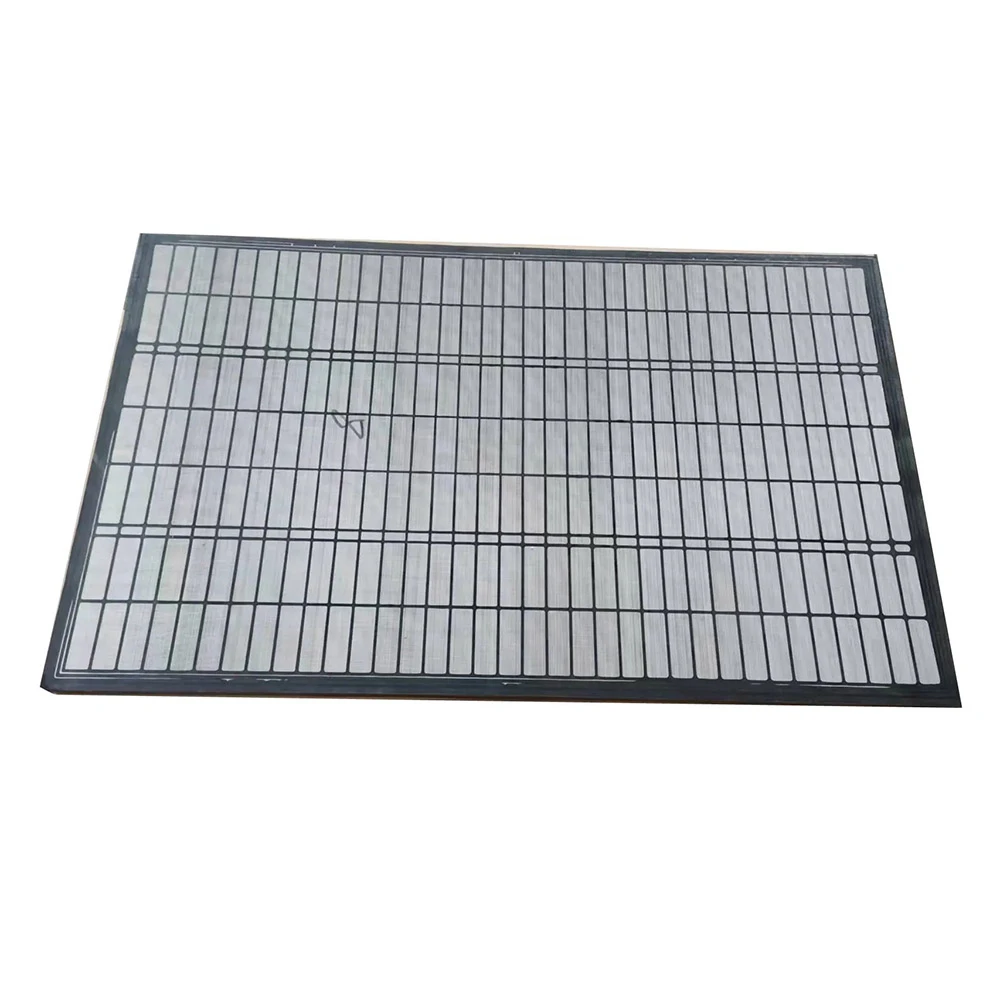
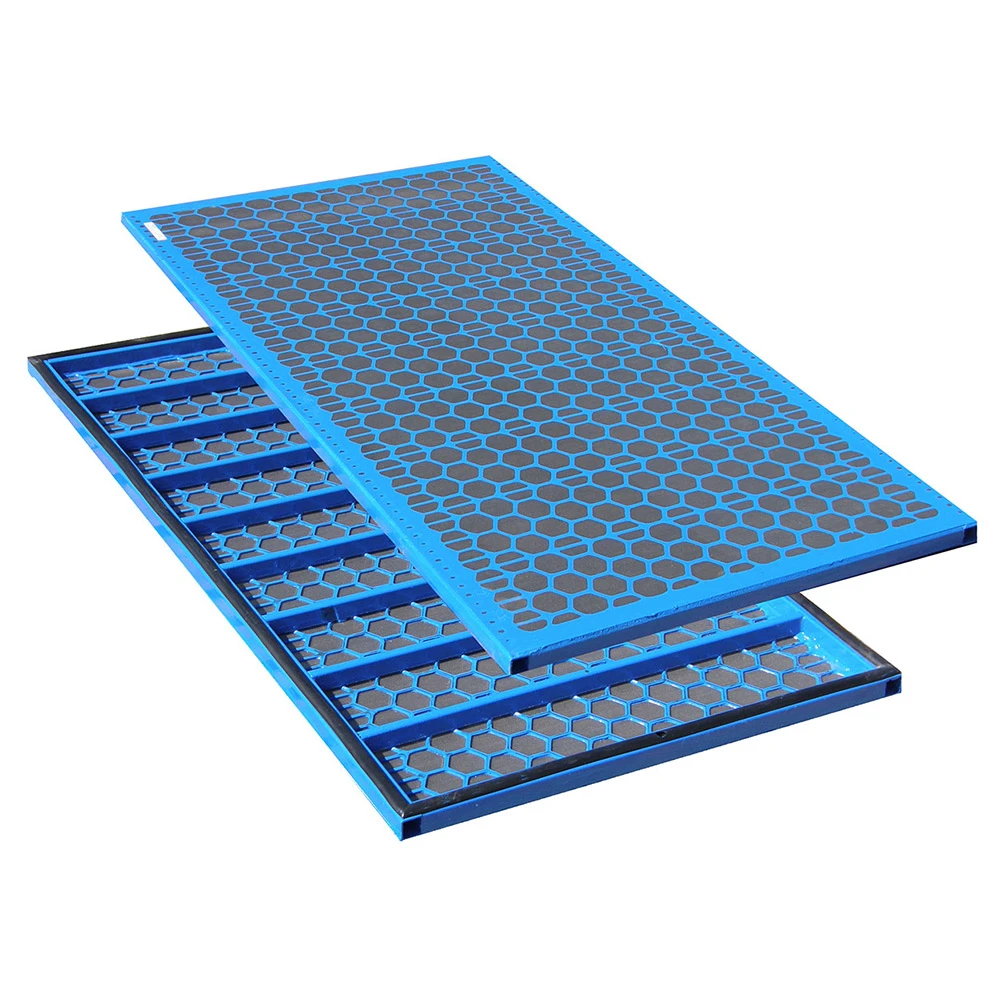
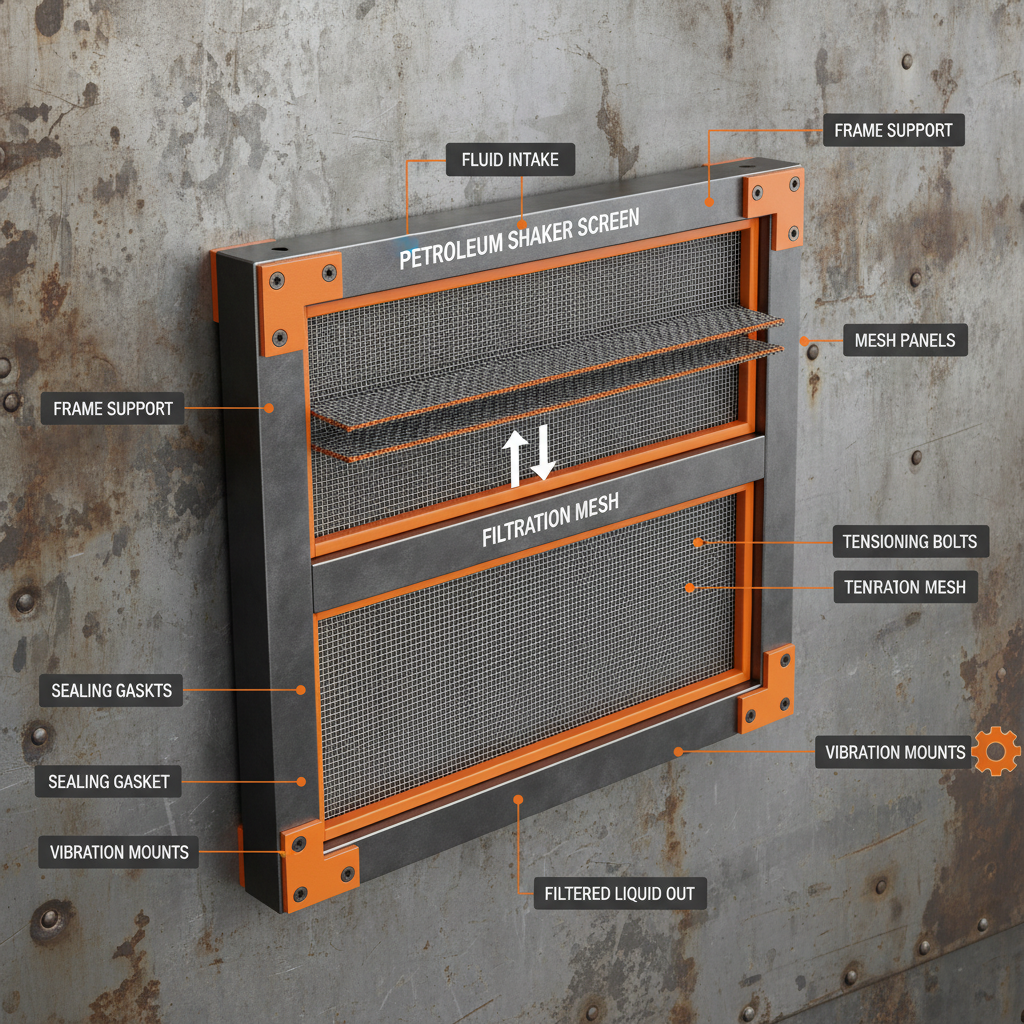
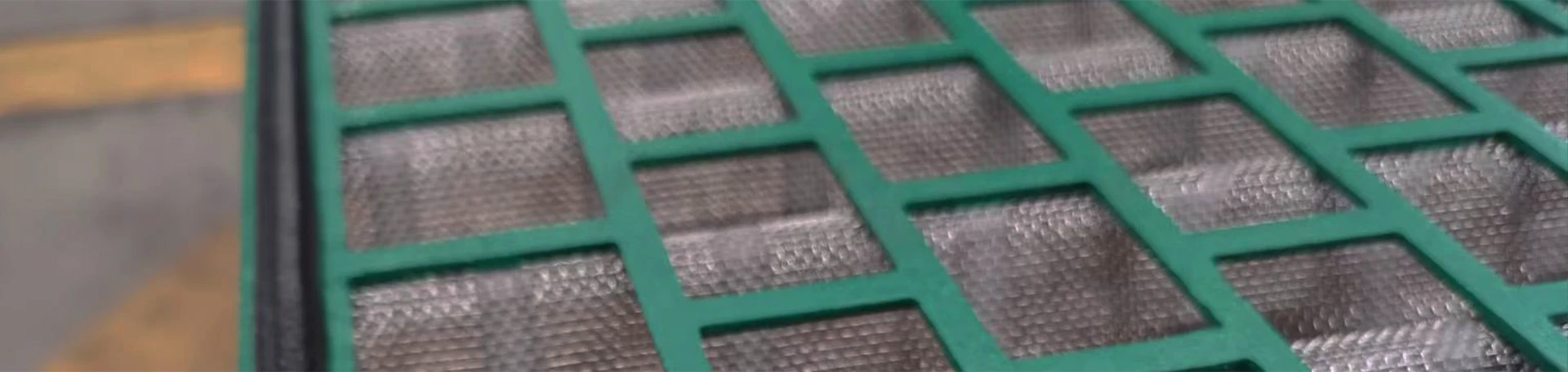
Put simply, a shale shaker screen mesh exporter is a company or entity that manufactures, sources, and sells shale shaker screen meshes internationally. These meshes are the filter layers on shale shakers—machines on drilling rigs that separate drill cuttings from fluids. Without efficient separation, rigs face downtime, equipment damage, and environmental fines.
This exporter doesn’t just move product; they must ensure the mesh’s quality, mesh count, tensile strength, and compatibility with major shaker brands like Derrick, Swaco, and Brandt. Beyond the industrial connection, there's a humanitarian angle too—safer drilling means fewer accidents and less contamination near communities.
Core Components and Critical Factors
Durability and Material Quality
Engineers often say a screen’s lifespan depends on mesh weave precision and steel grade. High-carbon steel wire mesh resists wear and tear from abrasive drilling fluids, extending rig uptime. A good exporter guarantees consistent material batches, avoiding frustration on the customer end.
Mesh Count and Opening Sizes
The mesh count (holes per linear inch) must match drilling conditions—too coarse, and cuttings pass through; too fine, and the fluid flow decreases. Exporters who understand these nuances can advise clients on best fits for specific shale formations.
Compatibility and Customization
Each shale shaker model requires a tailored screen size and locking mechanism. A leading mesh exporter often offers customized solutions to fit client equipment precisely, reducing the hassle of retrofitting or incompatibility.
Cost Efficiency and Logistics
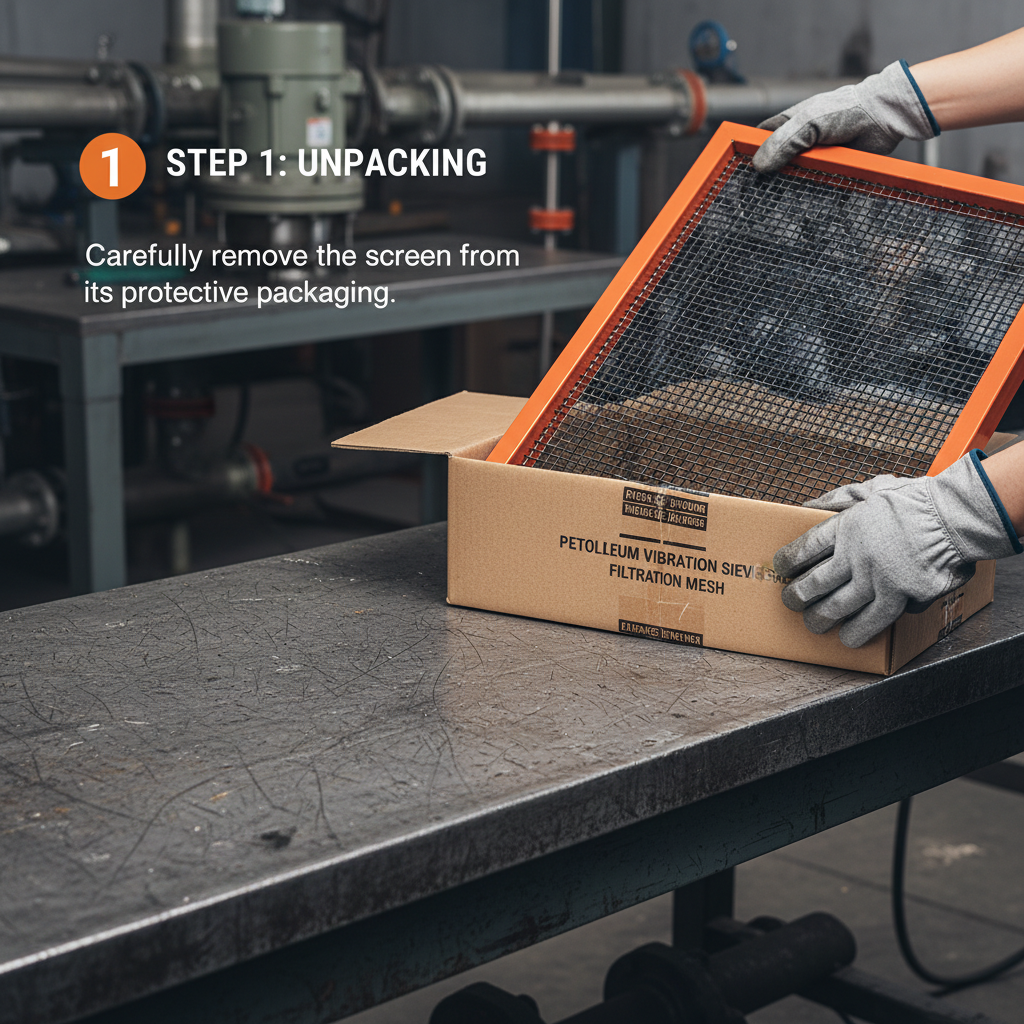
Shipping heavy steel screens worldwide isn’t trivial. Exporters optimize packaging and freight options to keep costs reasonable without sacrificing delivery speed—a competitive advantage in a market where time is money.
Sustainability Practices
Increasingly, buyers want eco-conscious exporters who minimize waste in manufacturing, use recyclable materials, or engage in responsible supply chain management—especially in environmentally sensitive drilling zones.
Mini takeaway: It’s not just steel and mesh count. Long-term success depends on quality, fit, delivery, and sustainability working in harmony.
Global Applications and Industry Use Cases
Shale shaker screen mesh exporters serve clients across continents:
- North America: The Permian Basin rigs rely on quick screen replacements to keep multi-rig drilling programs on schedule.
- Middle East: Harsh desert drilling conditions mean exporters supply highly corrosion-resistant meshes.
- Asia-Pacific: Offshore rigs in Indonesia and Malaysia demand customized screens tailored for tropical humidity and high-salinity waters.
- Africa: New drilling projects in Nigeria benefit from exporters who provide training on proper installation and maintenance to reduce premature screen failures.
For instance, in recent post-disaster resilience projects in oil-producing regions, reliable equipment—including shale shaker meshes—was critical to restoring energy supply chains. It's oddly reassuring to think that something as unglamorous as export logistics quietly supports such massive operations.
Advantages and Long-Term Value of Choosing the Right Exporter
- Improved Rig Efficiency: High-quality meshes translate into fewer disruptions.
- Cost Savings: Less frequent replacements reduce operational expenditure.
- Environmental Safety: Superior separation reduces waste disposal contamination.
- Trust and Reliability: Consistent shipments foster long-term client relationships.
Emotionally, drilling managers often mention the “peace of mind” that comes knowing spare parts and consumables won’t cause downtime. It builds trust that’s hard to quantify but vital for daily operations.
Future Trends and Innovations in Shale Shaker Screen Mesh Exporting
The industry is gradually embracing:
- Advanced Materials: Nanocoatings and composite materials to increase lifespan.
- Digital Tracking: IoT-enabled screens that monitor wear in real time.
- Green Logistics: Exporters opting for low-carbon shipping routes and biodegradable packaging.
- Regulatory Alignment: ISO certifications and compliance with evolving environmental laws ensuring safer drilling practices.
It feels like we’re on the cusp of a small revolution—who would have thought a simple mesh screen could someday “communicate” via sensors?
Challenges Faced and Practical Solutions
Common hurdles include inconsistent mesh quality from suppliers, delays caused by customs or transportation bottlenecks, and growing price pressures from competition.
Leading exporters mitigate these with strategies like:
- Strict quality control (ISO 9001 certification)
- Partnering with reliable freight forwarders
- Offering on-demand production services for faster turnaround
- Training clients on proper usage to extend screen lifespan
It’s not perfect, but the industry gets a little smoother every year.
Specification Table: Typical Shale Shaker Screen Mesh Characteristics
| Specification | Typical Values |
|---|---|
| Material | High tensile stainless steel wire |
| Mesh Count | 20 - 325 mesh (varies by application) |
| Tensile Strength | ≥ 2200 N/mm² |
| Opening Size | 45 - 500 microns |
| Screen Life | Up to 300 hours under standard drilling conditions |
Vendor Comparison: Leading Shale Shaker Screen Mesh Exporters
| Vendor | Product Quality | Customization | Delivery Speed | Sustainability |
|---|---|---|---|---|
| GlobalMesh Co. | Excellent | High | 2-3 weeks | ISO 14001 Certified |
| DrillWeave Exports | Very Good | Medium | 3-4 weeks | Efficient Packaging |
| RockTex Screens | Good | Limited | 4-5 weeks | Traditional manufacturing |
FAQs about Shale Shaker Screen Mesh Exporters
What factors should I consider when choosing a shale shaker screen mesh exporter?
Look for product quality certifications like ISO 9001, customized mesh options, reliable delivery timelines, and good customer support. Sustainability practices and after-sales service also add value during long-term projects.
How long does a typical shale shaker screen last in field conditions?
Under standard drilling operations, most screens last around 200–300 hours. However, this varies with drilling fluid abrasiveness, screen material, and maintenance frequency.
Can shale shaker screen meshes be customized to specific drilling environments?
Absolutely. Leading exporters offer tailored mesh counts, materials resistant to corrosion or heat, and fitting options matching popular shaker models for specific regional conditions.
How do exporters handle international shipping delays?
Proactive exporters work with trusted freight partners, maintain buffer stock, and communicate transparently with clients to mitigate impacts of customs or logistical delays.
Where can I find a reputable shale shaker screen mesh exporter online?
You can start by visiting established suppliers such as shale shaker screen mesh exporter marketplaces and directories to compare offerings and customer reviews.
Wrapping It Up: Why the Right Exporter Makes a Difference
Choosing a skilled shale shaker screen mesh exporter isn’t just about getting a product—it’s about partnering for efficiency, compliance, and innovation in a high-stakes industry. The ripple effects stretch from operational budgets to community safety and environmental stewardship.
If this has sparked your interest or needs, visiting our website is an easy next step toward sourcing solutions built for today’s demanding drilling environments. Trust me, quality and reliability pay off more than you’d guess.
Mini takeaway: In an industry that rarely pauses, dependable shale shaker screen mesh exporters quietly keep the wheels — and rigs — turning.
References