The Growing Importance of a Shale Screen Exporter in Global Industries
You might wonder: what exactly is a shale screen exporter, and why does the term pop up more and more in industrial circles worldwide? Simply put, it’s a company or supplier specializing in the production and international distribution of shale screens—specialized equipment used to separate shale and other fine solids from drilling fluids in oil and gas operations. While it sounds niche, the ripple effects are anything but. From improving resource recovery to reducing environmental impact, understanding shale screens and their exporters is vital in today’s resource-driven and sustainability-conscious world.
Globally, millions of barrels of shale-based resources are extracted yearly. Efficient screening is crucial to maximize yield and minimize waste. Given that shale formations dominate many promising locations in the U.S., China, Russia, and the Middle East, firms that can reliably provide quality shale screening equipment internationally have become linchpins for field operators everywhere. In fact, the shale gas boom alone accounted for around 60% of U.S. natural gas production by 2021, a figure that would have been much lower without advances in shale screening technologies.
Mini takeaway: A reliable shale screen exporter plays a pivotal role in streamlining drilling processes globally, enabling better resource recovery and environmental stewardship.
Putting the Shale Screen Exporter into Perspective: What Does It Mean?
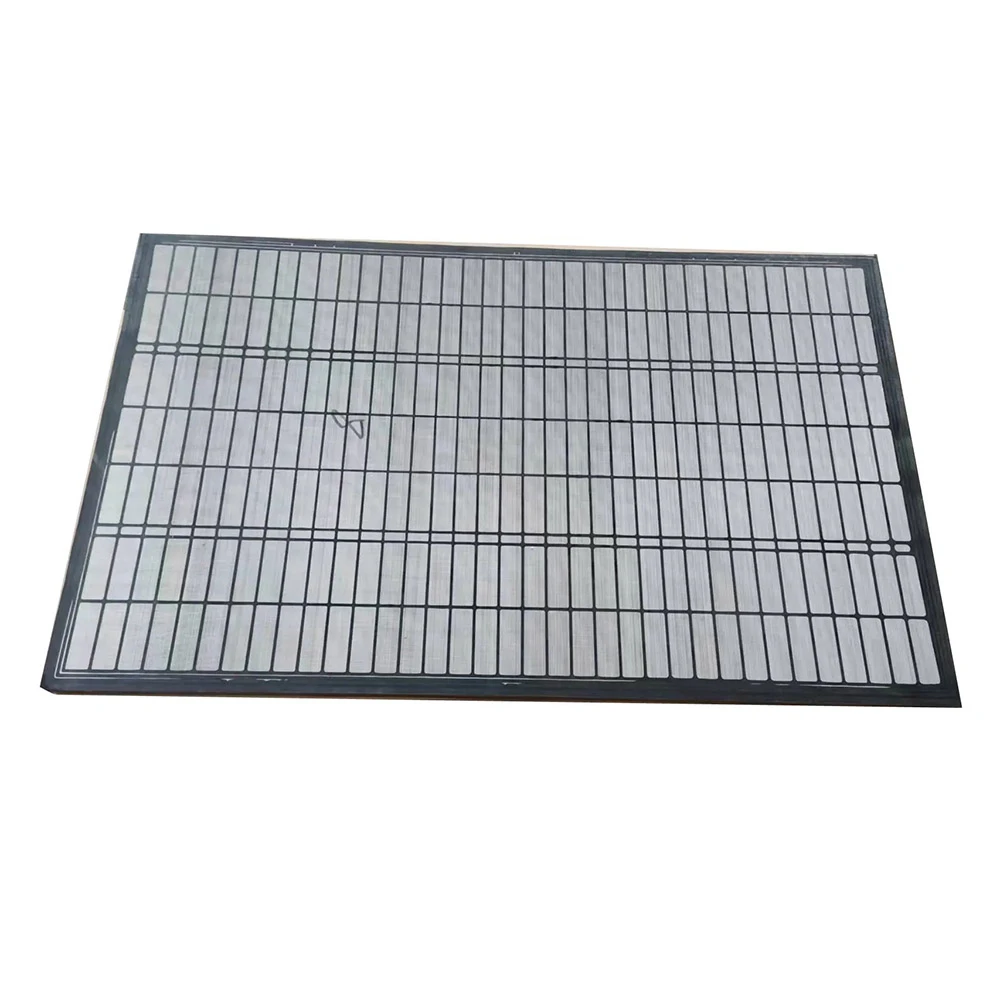
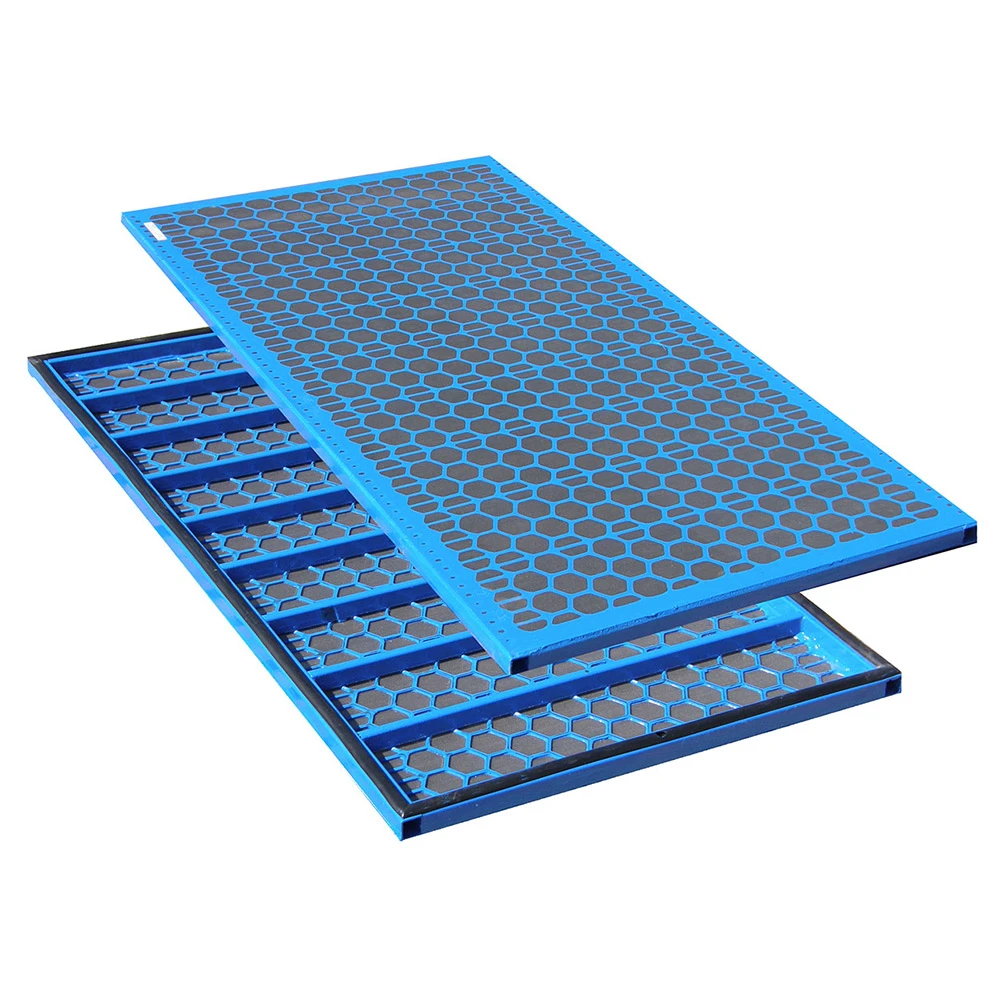
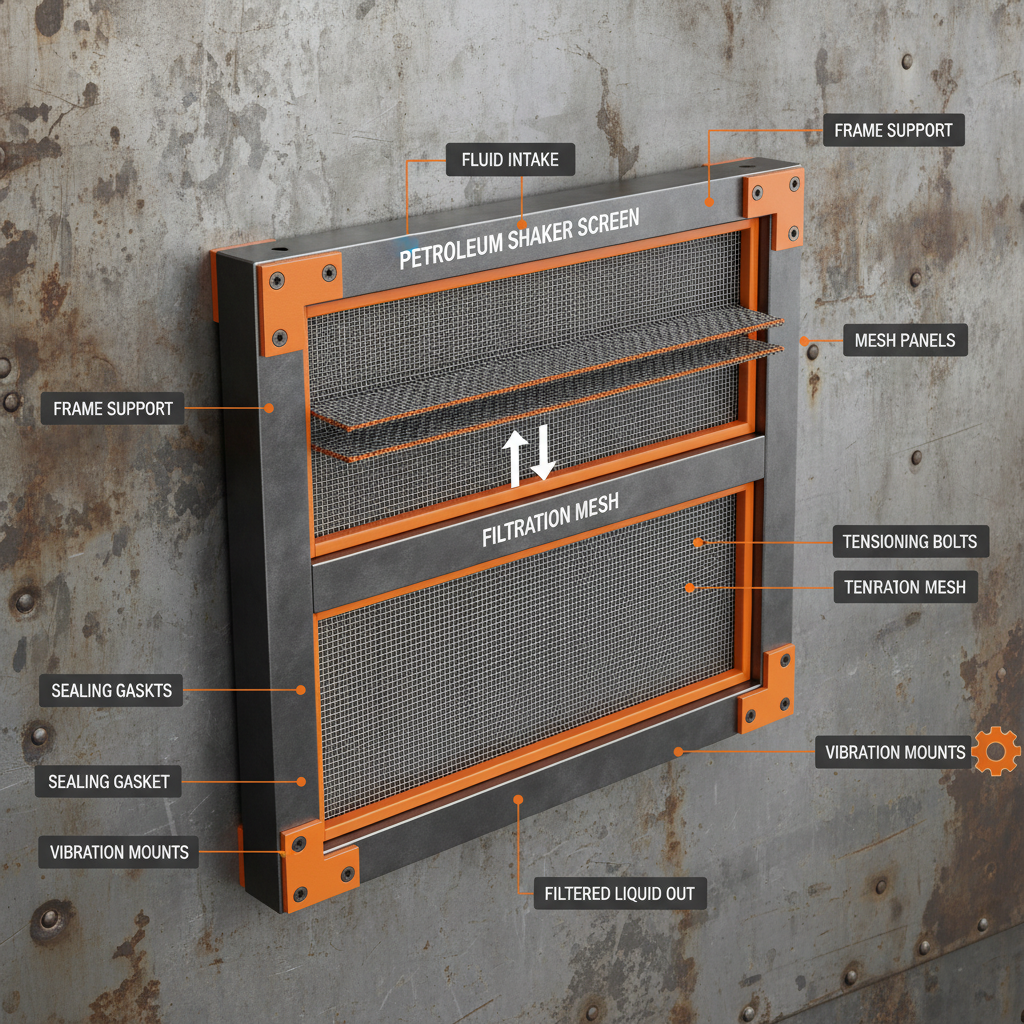
Let’s get down to basics. A shale screen exporter is, effectively, a supplier that manufactures and ships shale screens across borders, offering drilling companies the right equipment to handle solids control. These screens sift and filter the drilling muds and fluids, separating out unwanted shale fragments and particles to keep the excavation clean and efficient.
Think of it as your kitchen sieve, but industrial-grade and designed for some of the toughest terrains and most demanding drilling conditions. Without these screens, the drilling process would slow down significantly, be less safe, and cause greater wear on machines.
On a larger scale, shale screen exporters connect remote drill sites in Canada’s oil sands, the Middle East’s desert rigs, or Russia's Siberian fields to the technology they need. This helps industries not only extract resources but do so responsibly, by reducing environmental contamination and enhancing operational safety.
Mini takeaway: Essentially, these exporters are the unsung heroes making sure drilling continues smoothly, ethically, and efficiently across continents.
Key Factors That Define Effective Shale Screens
1. Durability and Material Quality
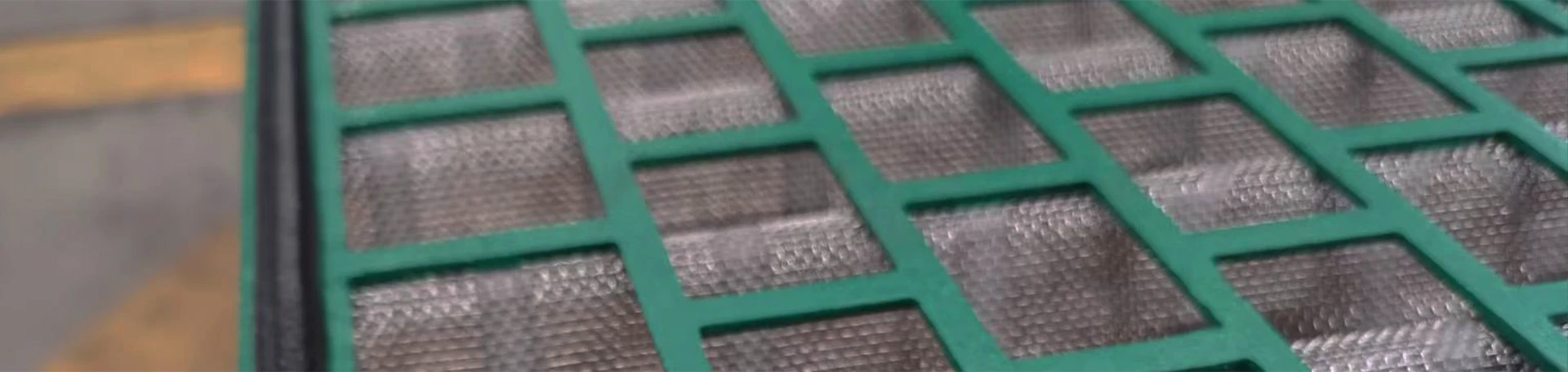
One of the first things engineers look for is durability. Shale screens must endure harsh abrasive particles and powerful fluid pressures. Most leading exporters use high-quality mesh materials like stainless steel or polyurethane to strike a balance between flexibility and toughness.
2. Efficiency of Particle Separation
The finer the mesh, the better it filters small shale fragments without clogging or slowing production. This efficiency directly impacts the environmental footprint, helping limit waste disposal issues.
3. Scalability and Size Variants
Drilling sites vary massively in size and throughput. A good shale screen exporter offers a range of sizes and types—from mini flat screens for small rigs to large multi-panel vibrating screens for massive operations.
4. Cost Efficiency Over Time
While upfront costs matter, total cost of ownership is king—how long screens last before replacement, maintenance-friendly designs, and shipping logistics all influence ROI.
5. Customization and Compliance
Lastly, compliance with industrial standards (like ISO 9001) is non-negotiable. Plus, many exporters now offer custom solutions tailored to specific geologies or drilling methods.
Mini takeaway: When choosing a shale screen exporter, prioritize material robustness, filtration precision, and customizable options aligned with industry standards.
Global Applications: Where and How Are Shale Screens Used?
While we often associate shale screens purely with oil & gas, their use is surprisingly diverse. Here are some key areas:
- Oil & Gas Industry: Predominantly filtering drilling muds to increase efficiency and reduce equipment wear.
- Mining Operations: Extracting fine particles from slurry or wash water to protect downstream equipment.
- Construction Sites: In certain geotech situations requiring soil separation and sediment control.
- Environmental Remediation: Post-disaster cleanups where sediment removal is crucial.
Regions like Texas, Alberta (Canada), Kazakhstan, and Saudi Arabia heavily rely on imported quality shale screens. Some post-disaster humanitarian logistics also engage shale screen exporters indirectly, especially when large-scale soil or sediment removal is necessary.
Mini takeaway: Shale screens touch a broad spectrum—from raw resource extraction to environmental protection, showing their versatility worldwide.
Advantages and Long-Term Benefits of Partnering with a Reliable Shale Screen Exporter
Why choose a reputable shale screen exporter? The benefits are numerous:
- Economic sustainability: Highly efficient screens reduce downtime and cut costs over time.
- Environmental responsibility: Proper solids control mitigates pollution risks.
- Operational safety: Reduced equipment jams mean fewer accidents and less hazard to workers.
- Trust & Innovation: Working with reliable suppliers means access to state-of-the-art designs and materials.
Personally, I’ve noticed that teams working with tested exporters report smoother operations, and frankly, less stress—which in these high-stakes industries, can make all the difference.
Future Trends & Innovations in Shale Screen Exporting
The shale screen market isn’t static. Here’s what’s emerging:
- Green Materials: Biodegradable polyurethane variants are in development to reduce environmental impact.
- Smart Screens: Sensors embedded in screens to provide real-time wear and tear data.
- Automated Sorting Systems: Integration with AI-driven solids control for rapid adjustments during drilling.
- Global Digital Platforms: Enhanced e-commerce and logistics software simplifying international procurement.
The move towards sustainability combined with tech integration feels inevitable. When I chatted with a shale screen exporter rep recently, they hinted at pilot projects involving AI-assisted quality inspection—pretty exciting stuff.
Common Challenges & How Suppliers Are Overcoming Them
No product is perfect. Shale screens and exporters face hurdles such as:
- Shipping Delays & Import Regulations: Customs, especially in politically sensitive regions, slow down deliveries.
- Screen Wear in Harsh Conditions: Though material advances help, extreme abrasiveness still shortens screen life.
- Customer Education: Not all operators fully understand ideal screen selection.
To combat these, exporters now offer accelerated shipping, local warehouse stocking, and robust customer training programs. Plus, there’s a push for modular screen designs that can be repaired onsite rather than replaced whole.
Frequently Asked Questions About Shale Screen Exporters
- What should I look for in a high-quality shale screen?
- Look for durable mesh material (stainless steel or polyurethane), compatibility with your rig, and compliance with industry standards such as ISO certifications. Efficiency in particle separation is also key to productivity.
- How do shale screen exporters handle customized requirements?
- Most exporters offer tailored solutions based on your drilling environment and mud composition. They typically require detailed specs upfront and may provide prototypes before mass production.
- Is it better to source shale screens locally or through international exporters?
- Local sourcing can reduce lead times, but international exporters often provide a broader selection, advanced technology, and better pricing due to economies of scale. Balancing cost, quality, and speed is essential.
- How can I ensure timely delivery despite global shipping challenges?
- Partner with exporters that maintain regional warehouses or have established logistics partners. Ask about expected lead times and customs documentation well in advance.
- What sustainability practices are adopted by leading shale screen exporters?
- Top exporters are using greener materials, recycling worn screens, and employing energy-efficient manufacturing processes. They also help clients optimize solids control to limit environmental impact overall.
Product Specification Table: Sample Shale Screen Specs
| Parameter | Specification | Units |
|---|---|---|
| Material | Polyurethane / Stainless Steel | - |
| Screen Size | 20” x 40”, 40” x 60” etc. | inches |
| Mesh Opening | 0.2 – 1.5 | mm |
| Operating Temperature | -40 to 120 | °C |
| Shelf Life | 18–24 | months |
| Compliance | ISO 9001, API Spec 13C | - |
Vendor Comparison Table: Leading Shale Screen Exporters
| Exporter | Product Range | Delivery Regions | Pricing | Sustainability Focus |
|---|---|---|---|---|
| Global Screens Inc. | Wide – Oil & gas, mining | North America, MENA | Mid-Range | High (eco-friendly mesh) |
| ShaleTech Exporters | Specialized shale & solids control | Asia, Europe | Premium | Medium (floor recycling program) |
| EcoScreen Solutions | Mid-range; focus on green materials | Global, incl. Africa | Competitive | Very High (biodegradable screens) |
Conclusion: Why Investing in a Reputable Shale Screen Exporter Makes Sense
In the grand scheme of things, you wouldn’t think shale screens warrant so much attention—after all, they’re just screens, right? I’ve come to realize, though, these components quietly carry an enormous weight. They streamline pivotal resource extraction, align with global sustainability efforts, and reflect a commitment to safety and innovation. Choosing the right shale screen exporter is more than a transaction; it’s an investment in smoother operations, fewer headaches, and future-proofing.
If you’re ready to explore tailored shale screen options or just want to know more about why this niche matters so much, take the leap and visit our website. Sometimes the smallest details make the biggest difference.
References