Why Choosing the Right Shale Shaker Screen Factory Makes All the Difference
Having spent years navigating the twists and turns of industrial equipment—especially in the drilling sector—I’ve learned firsthand how crucial the role of a shale shaker screen factory truly is. These factories are the unsung heroes behind the scenes, crafting the components that keep solids control systems humming smoothly on rigs worldwide.
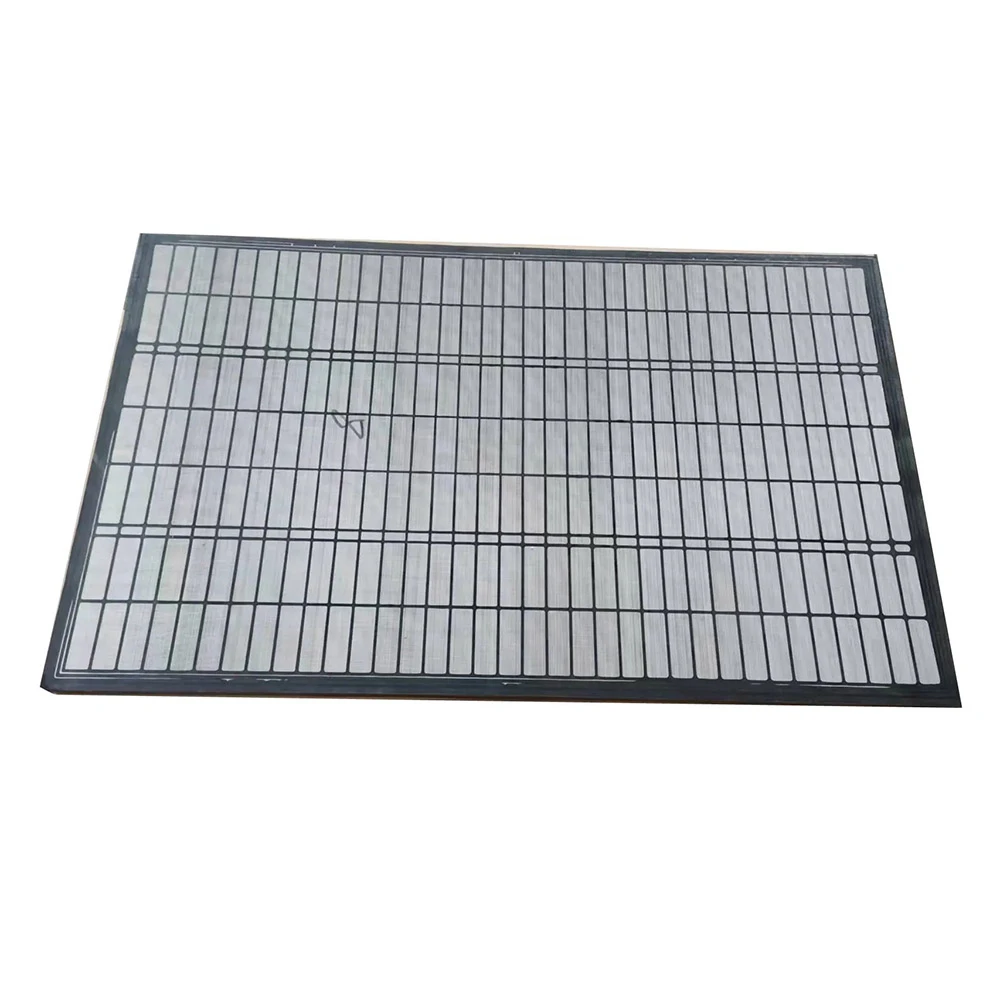
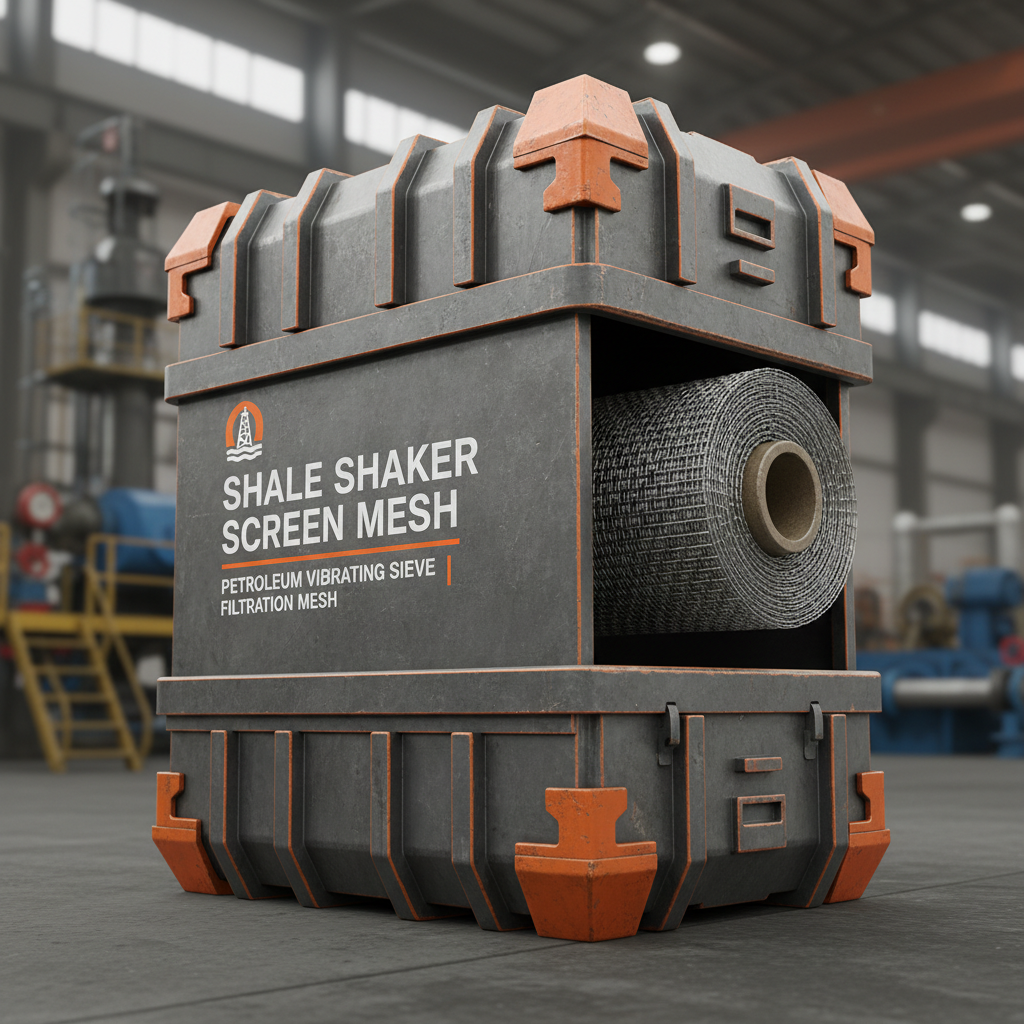
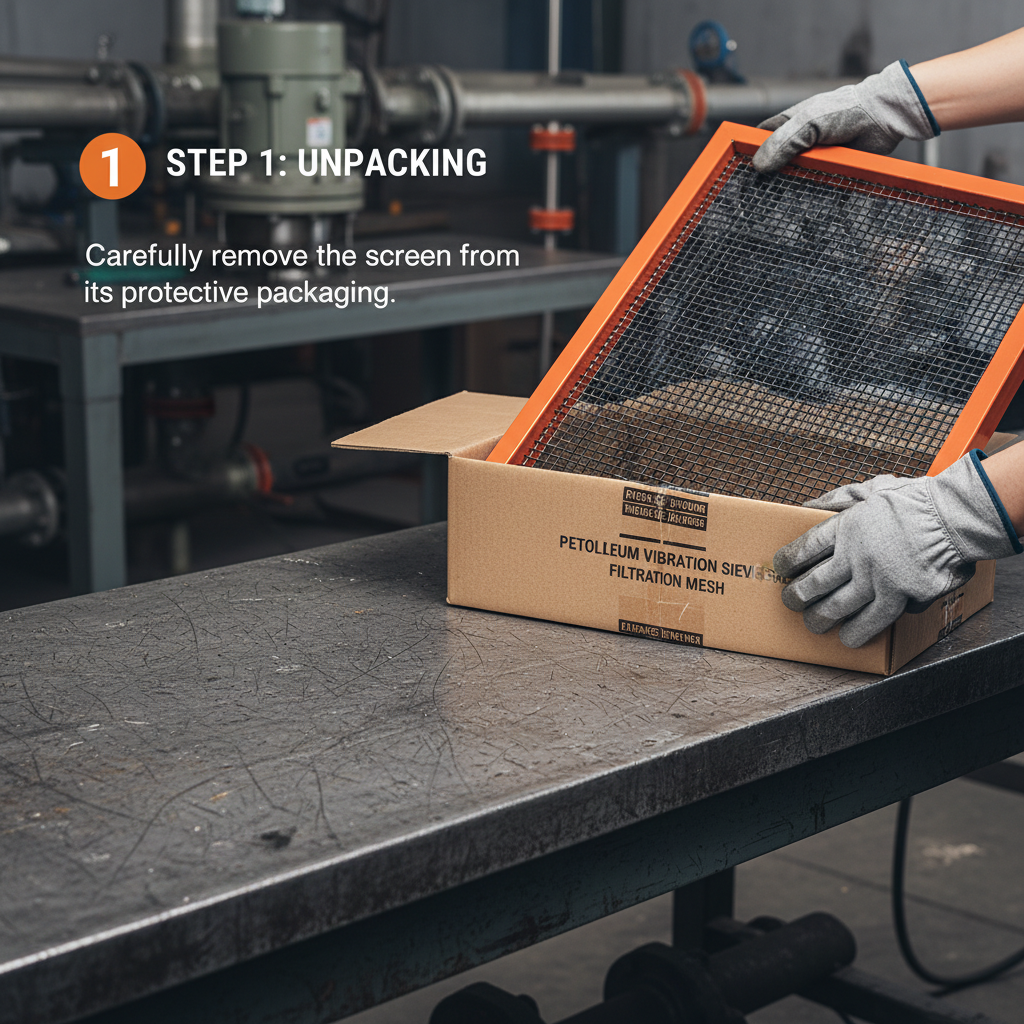
It’s easy to underestimate what happens inside those factories. You open a shaker screen box and see a simple mesh, but in real terms, it’s a product shaped by metallurgy expertise, precise weaving, rigorous quality checks, and sometimes a bit of factory-floor pride that you just can’t quantify on paper.
Understanding Product Design and Materials in Shale Shaker Screens
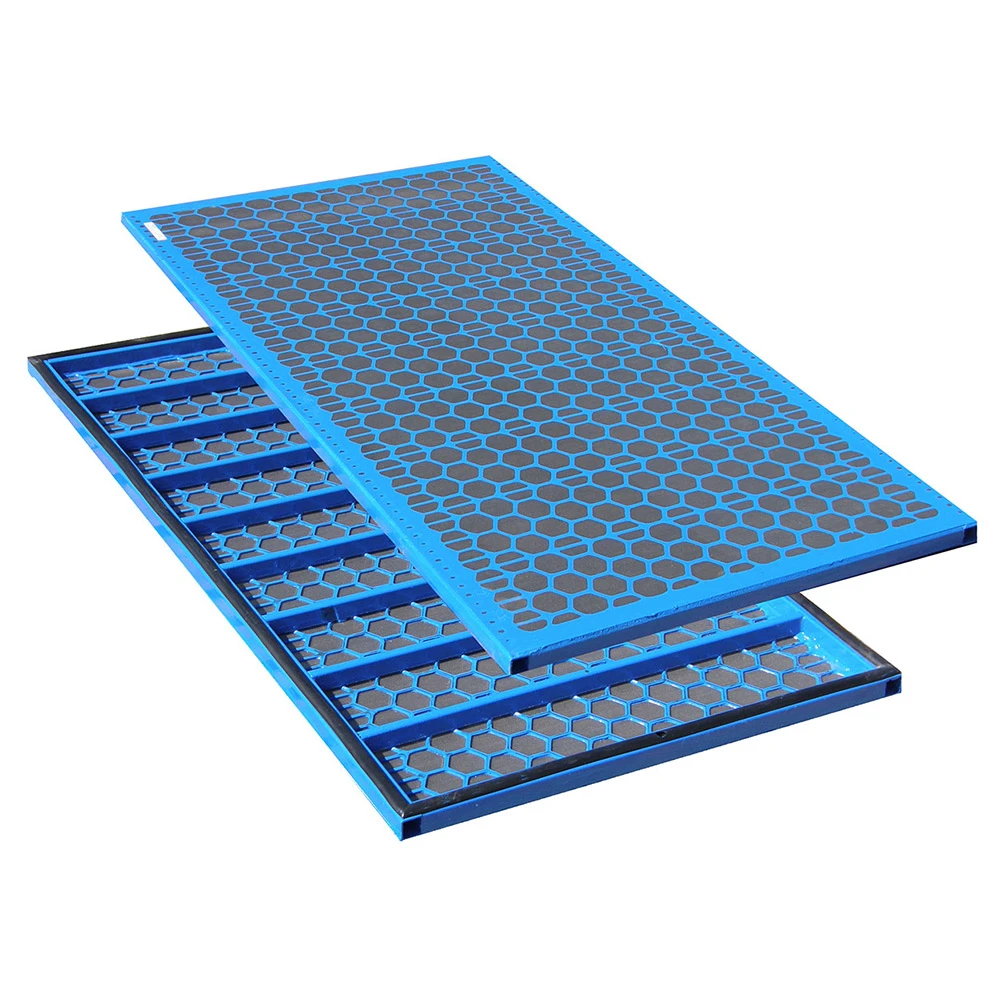
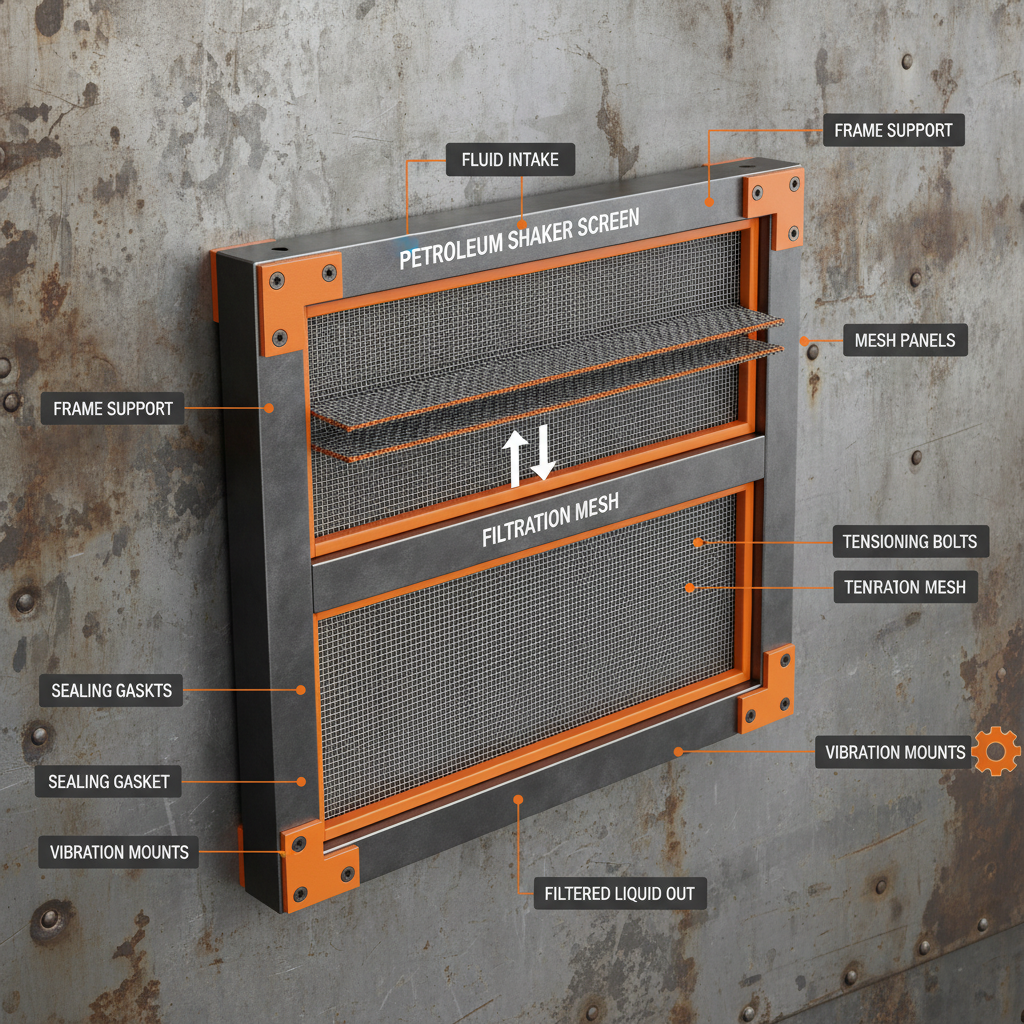
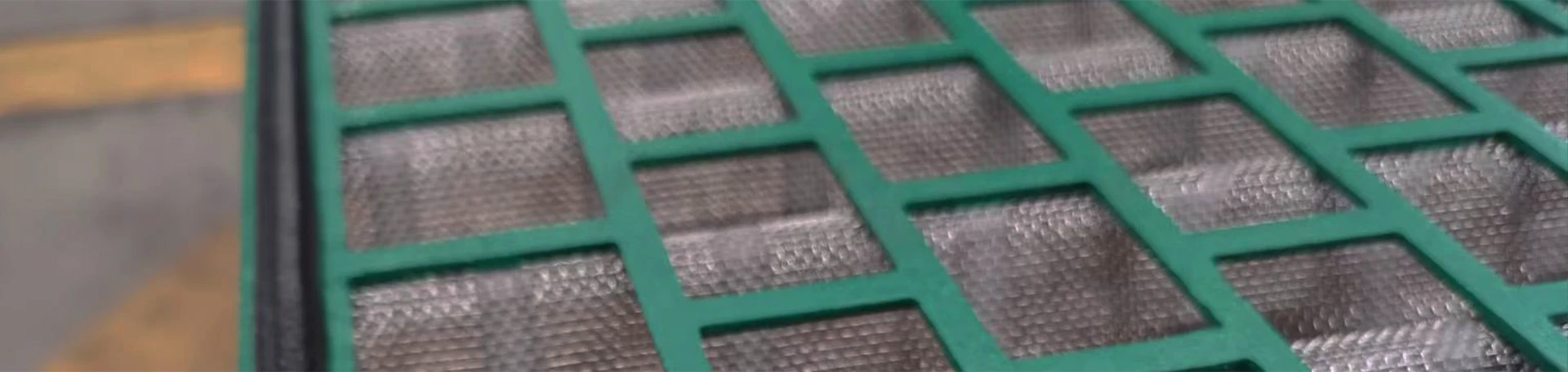
Over the years, the design of shaker screens has evolved nicely. From early models that felt flimsy to these modern, durable options, it’s a testament to smart engineering and smarter materials. The typical screens come with a range of mesh sizes—tailored to fit the grit and granularity of the drilling mud—and usually feature stainless steel or specialty alloys for their frames and mesh wires.
One thing I always watch for is the testing protocols these factories employ. Many engineers say a good screen factory performs not just tensile and elongation tests, but also abrasion and corrosion resistance testing. In harsh field conditions, that really pays off because you want screens that won’t fail mid-operation, costing both time and money.
The Advantages of Customization: Tailored Screens for Tough Jobs
Customization is more than a buzzword in this industry. It’s practically a necessity. Shale shaker screen factories often offer variations—different mesh sizes, frame thicknesses, even tailored tensioning systems. I remember one project where a customer needed a really specific wire gauge for a highly abrasive drilling site. The factory adjusted their weaving process, and the custom screen lasted twice as long as the previous version they tried. Little moments like that are the reason I trust certain factories over others.
Quick Look: Typical Shale Shaker Screen Specifications
| Specification | Details |
|---|---|
| Mesh Size Range | 20 – 325 mesh |
| Frame Material | Stainless steel & alloy steel |
| Screen Type | Hookstrip, pre-tensioned & composite |
| Tensile Strength | > 350 N/mm |
| Use | Oil and gas drilling solids control |
Selecting a Shale Shaker Screen Factory: What I've Learned Over Time
Not all factories are created equal. The marketplace is miles wide with vendors promising top-notch quality. But frankly, I’ve found you need to dig a little deeper than glossy brochures.
Here’s a brief vendor comparison from my personal observations, factoring quality, customization, pricing, and delivery reliability:
| Vendor | Product Quality | Customization Options | Price Competitiveness | Delivery Speed |
|---|---|---|---|---|
| Alpha Screens Inc. | Excellent | High | Mid-range | Fast |
| Beta Mesh Solutions | Good | Medium | Competitive | Average |
| Solid Control Parts Ltd. | Very good | Wide range | Affordable | Reliable |
On the topic of shale shaker screen factories, I’ve personally found Solid Control Parts to be a reliable partner—blending quality with flexibility and solid support. That sense of partnership makes a huge difference when operational pressures kick in and downtime isn’t an option.
A Small Anecdote from the Field
A colleague once shared a tale about a drilling job in a particularly abrasive formation—screens from a lesser-known vendor failed prematurely, causing delays over a week. Switching to a factory with better materials and tighter controls fixed the problem almost immediately. These stories aren’t uncommon, and they’re why investing in quality shaker screens is one of those behind-the-scenes decisions you might not think about—until it really matters.
To wrap up, shale shaker screen factories are the beating heart of efficient solids control in the drilling world. The mix of design innovation, material science, and customization options creates products that can withstand some of the toughest environments. Choosing wisely saves headaches and keeps operations flowing.
At the end of the day, it’s about partnership, trust, and a bit of industry know-how... and maybe a good cup of coffee to mull it all over.
Quick References & Thoughts
- Solid Control and Screen Technology Journal, 2023 Edition
- Personal experience and talks with field engineers, 2019-2024
- Conversations with suppliers and factory visits, various