Buy Shale Shaker Screen: What I’ve Learned Over the Years
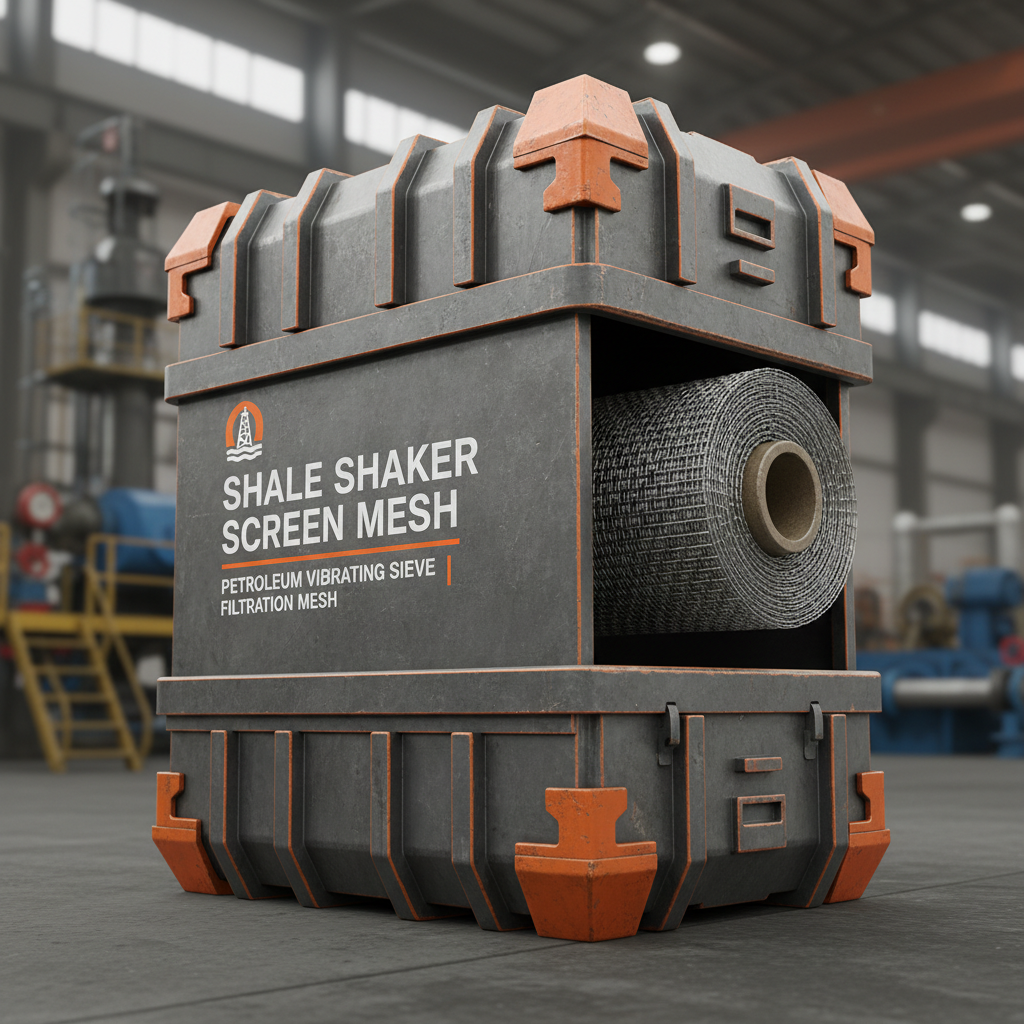
In the industrial equipment world, especially in drilling, buy shale shaker screen isn't just about swapping out some mesh — it often feels like striking a balance between durability, precision, and, frankly, cost-effectiveness. After years of working around rigs and troubleshooting screening issues in tedious mud circulation setups, I’ve gathered some thoughts that might help if you’re considering your next screen purchase.
Shale shaker screens play a deceptively simple but critical role in solid control systems — they separate drill cuttings from the drilling fluid, keeping everything flowing smoothly. I remember one project where we repeatedly struggled with screen blinding, leading to downtime that none of us wanted to explain to the client. That’s when I started paying more attention to mesh quality and frame materials.
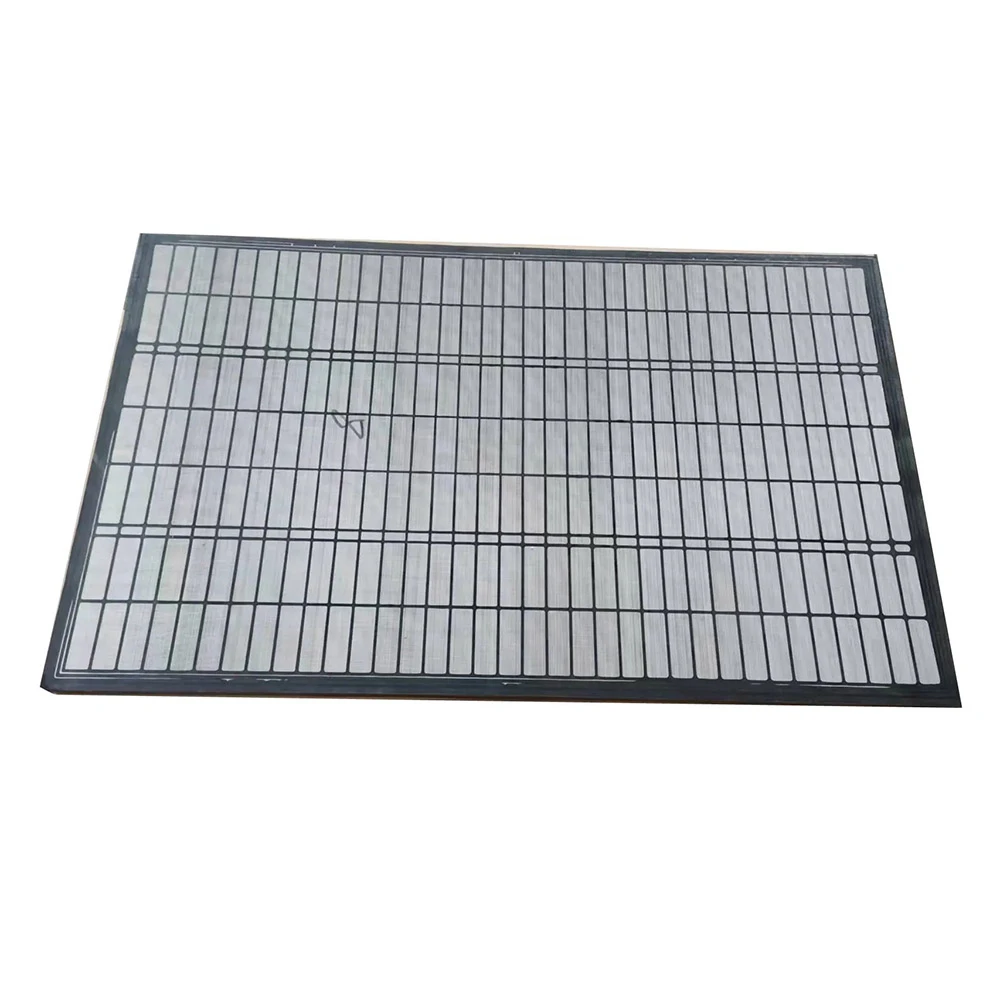
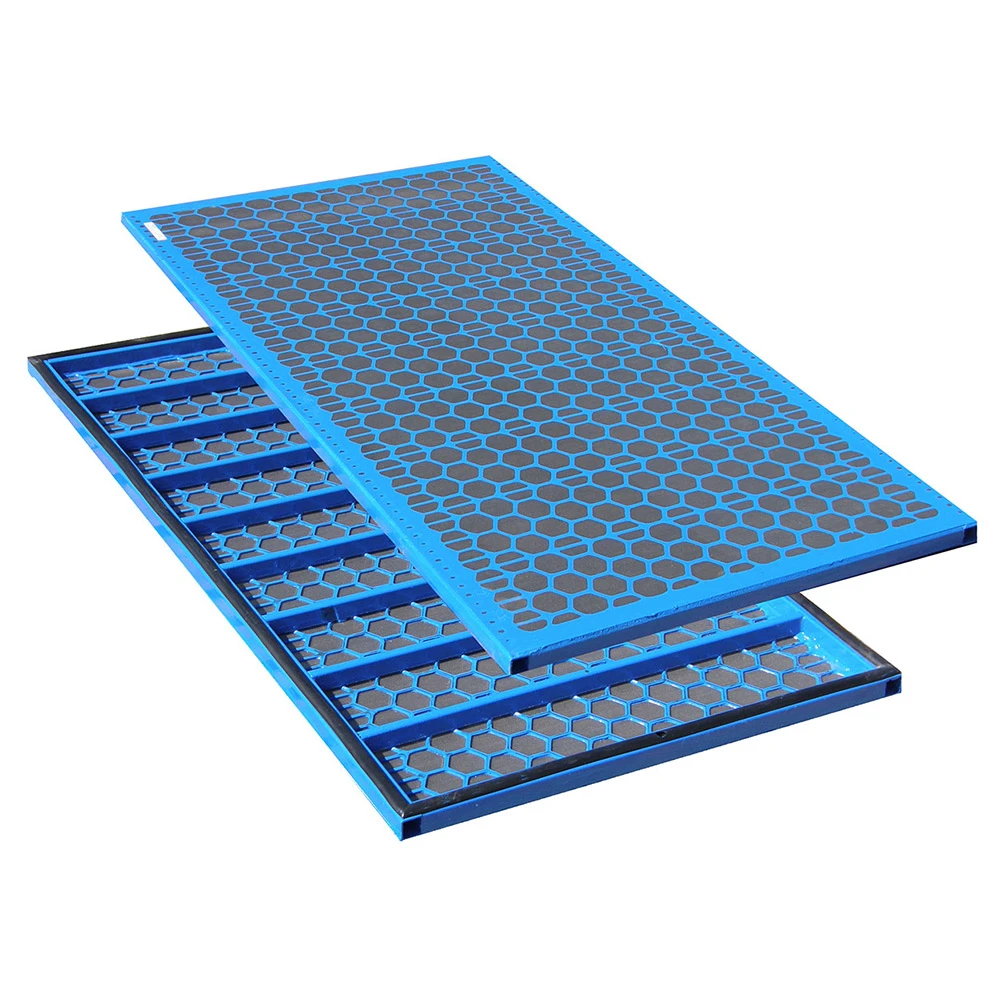
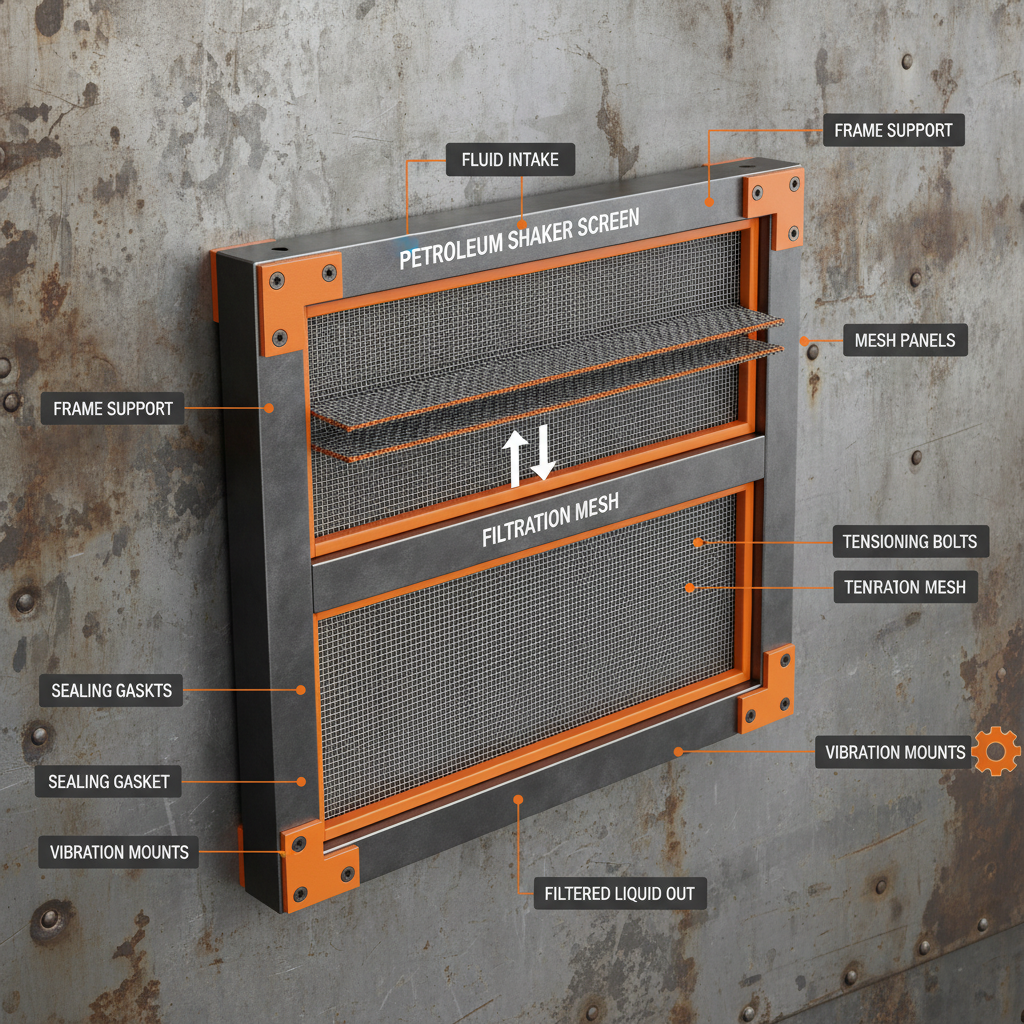
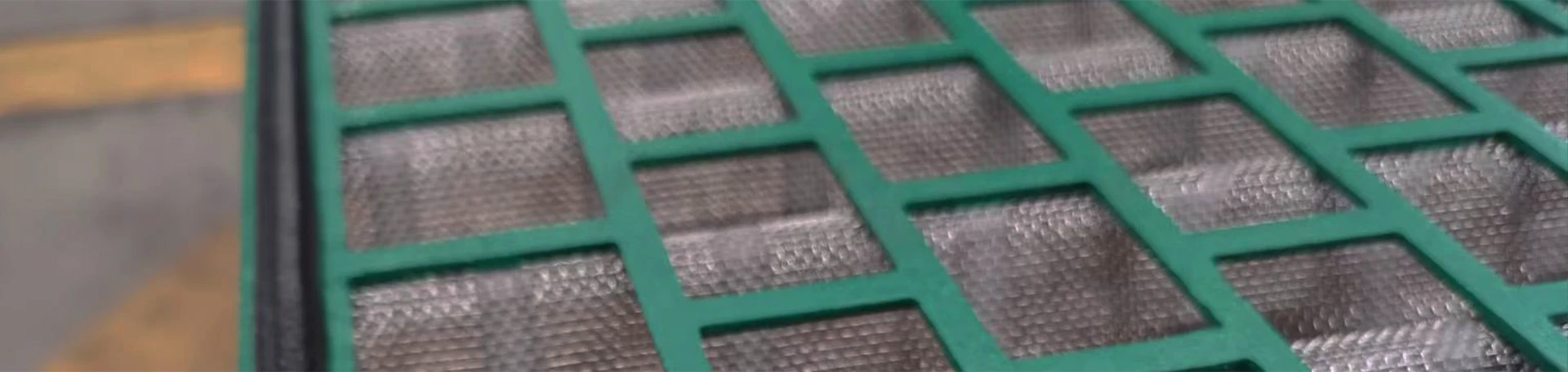
These days, the market offers a variety of screen designs. From traditional hookstrip and framed screens to modular ones tailored for specific shaker models, the choices can confuse even seasoned engineers. Materials typically range from stainless steel wire cloth, often 316L grade for corrosion resistance, to synthetic composite alternatives. It feels like screens are getting more advanced, with multilayer designs that resist wear better and maintain cut points longer, but you should always verify the specs carefully.
Testing is another crucial factor. Field testing under real drilling conditions can reveal much more than lab specs. I once saw a vendor proudly present nominal opening sizes, but when put to the real test on a high-solid-content brine mud, their screens clogged rapidly. So, track records and testing results supplied by manufacturers shouldn’t be overlooked.
| Specification | Typical Range | Notes |
|---|---|---|
| Screen Type | Hookstrip, Framed, Modular | Depends on shaker model compatibility |
| Mesh Size | API 20 – API 325 (approx. 850 – 44 microns) | Finer mesh catches smaller solids but clogs faster |
| Wire Material | 316L Stainless Steel | Corrosion resistant, industry standard |
| Frame Material | Steel, Aluminum, Composite | Composite frames reduce weight and resist corrosion |
| Opening Size Tolerance | ±5% (varies by vendor) | Affects solid particle capture accuracy |
Choosing the right vendor is equally vital. Vendors vary widely — some push volume and standard products, and others focus on custom, high-quality solutions with faster lead times. I tend to recommend considering turnaround time alongside quality. Our past experiences have taught me that waiting weeks for a screen might save a few bucks but can ultimately cost you much more in downtime.
| Vendor | Lead Time | Customization | Price Range | Warranty |
|---|---|---|---|---|
| Solid Control Part | 2-3 weeks | Extensive (mesh size & frame options) | Mid-range | 12 months |
| Vendor B | 4-5 weeks | Limited | Low-end | 6 months |
| Vendor C | 1-2 weeks | Moderate | High-end | 18 months |
It’s interesting – one operator I worked with once insisted that synthetic composite frames made a big difference in ease of handling and longevity, though they cost a bit more upfront. I suppose in the harsh environments where drilling occurs, the balance of long-term reliability and minimal replacement often trumps initial price.
So, when you decide to buy shale shaker screen, a few things to keep in mind: test specs against real-world drilling conditions, vet vendor lead times and warranty offers, and consider customization to fit your shaker model precisely—it really pays off.
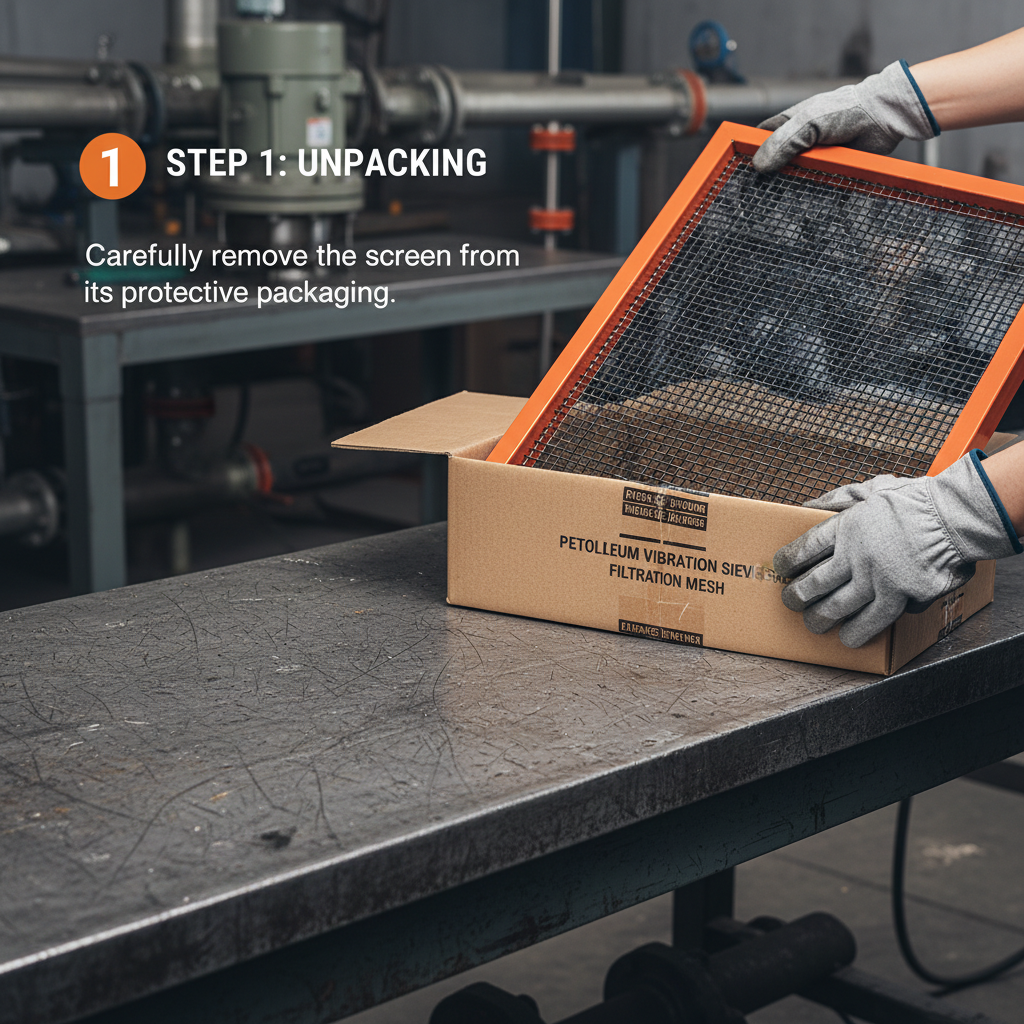
Lastly, don’t forget the importance of installation and maintenance. A well-fitted screen correctly tightened and maintained is half the battle won.
In real terms, it feels like investing a little extra upfront in the right screen and vendor saves you more than just money — it saves headaches, rig downtime, and maybe a few angry phone calls.
Bottom line: quality, compatibility, and trust in your supplier make all the difference.
References:
1. API Specification 13C for drilling fluid solids control equipment
2. Solid Control Part Official Website
3. Field experience notes from drilling operations, 2015-2023