Understanding OEM Shale Shaker Screens: Essential Tech in Drilling Operations
If you’re diving into the world of drilling equipment, particularly in oil and gas or mining, chances are you’ve bumped into the term OEM shale shaker screen. But what exactly is it — and why should it matter beyond the oilfields? Well, shale shaker screens are small in size but big in impact. These screens are the frontline players in separating solids from drilling fluids, a crucial step that maintains efficiency, protecting expensive machinery downstream and enabling safer, cleaner operations globally. Given the growing demand for energy and mineral resources, understanding the technology behind these screens isn’t just technical jargon; it’s part of how we responsibly harness natural resources.
Introduction: The Global Importance of OEM Shale Shaker Screens
Globally, drilling operations — whether onshore or offshore — depend heavily on effective solids control to reduce waste and environmental impact while boosting productivity. According to the International Association of Drilling Contractors (IADC), the proper separation of drill cuttings directly influences drilling speed and fluid recycling capabilities, improving cost and environmental footprints. But here’s the kicker: many drill sites worldwide struggle with inefficient screen replacements or poor-quality aftermarket options that shorten lifespan or hamper performance. OEM shale shaker screens, designed by original equipment manufacturers, offer the precision, durability, and fit that the highly sensitive and high-stakes drilling industry demands.
In real terms, this means fewer delays, less environmental contamination, and substantial cost savings — benefits everyone from multinational oil companies to remote mining operations can appreciate.
What Exactly Is an OEM Shale Shaker Screen?
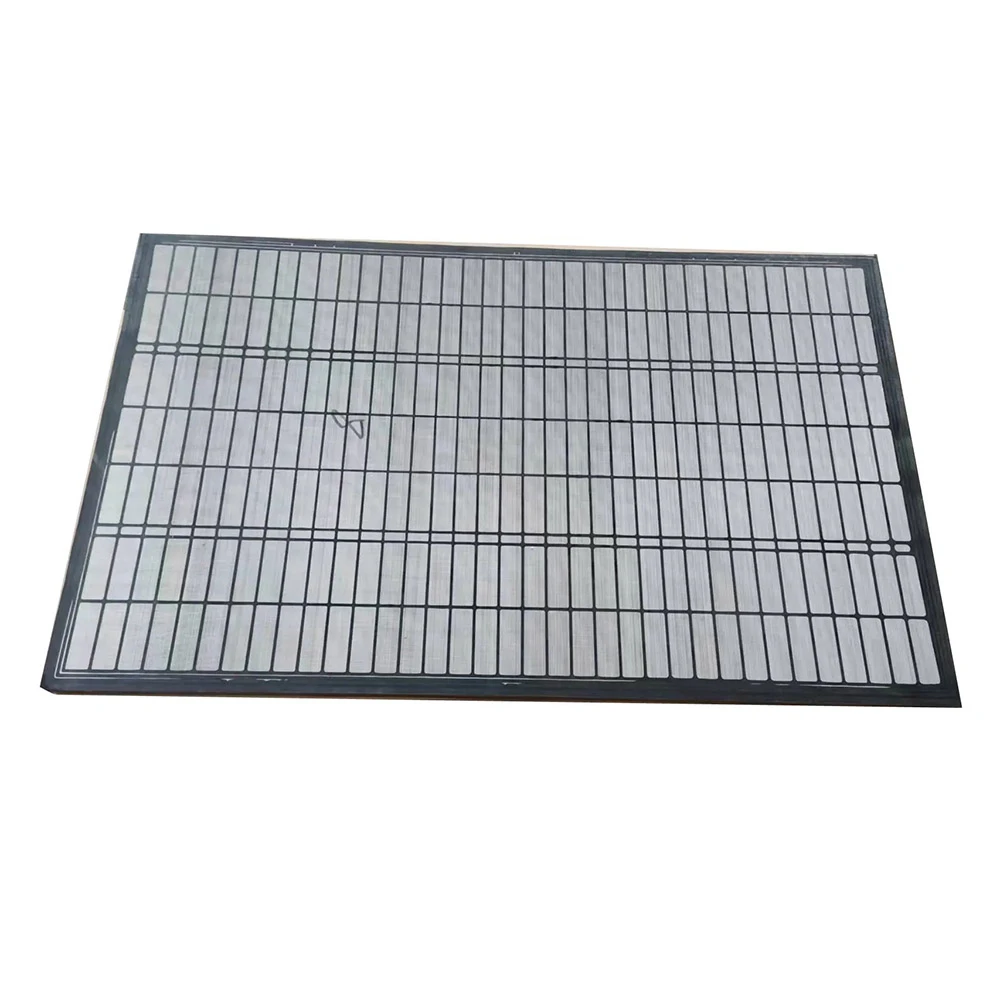
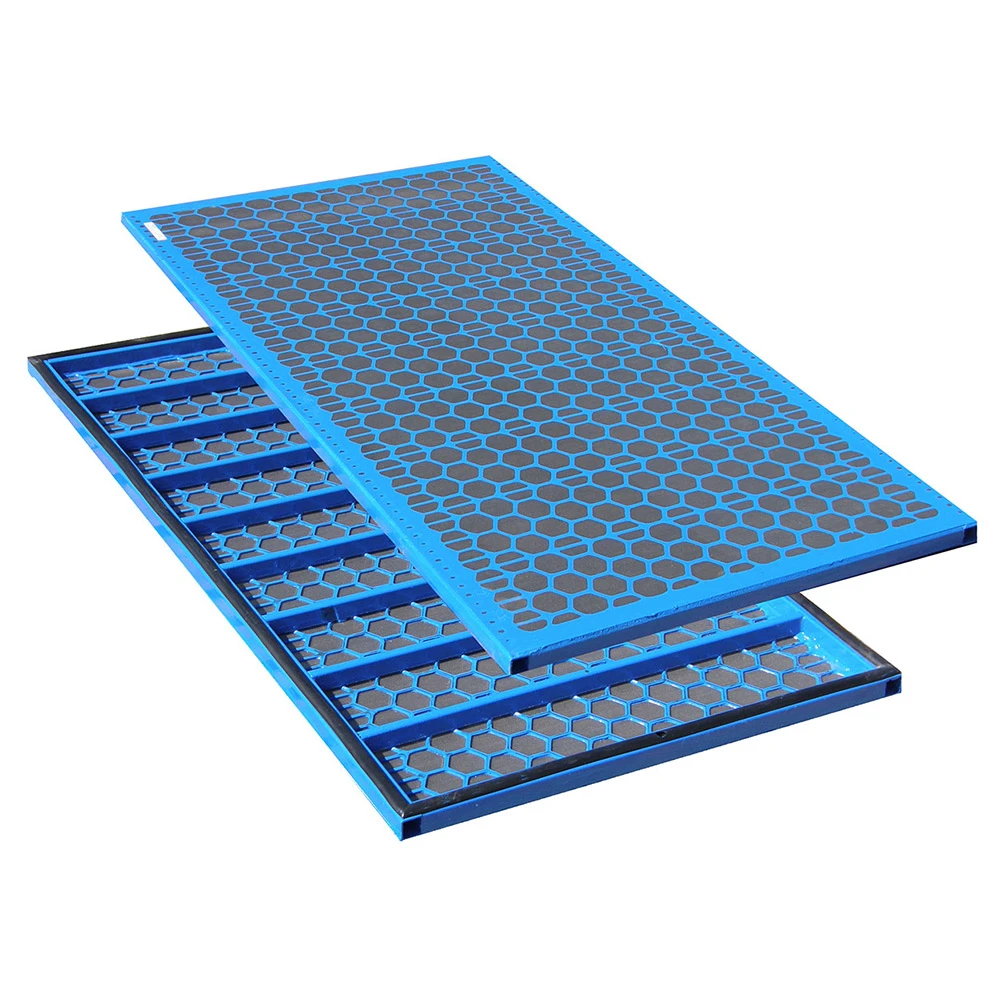
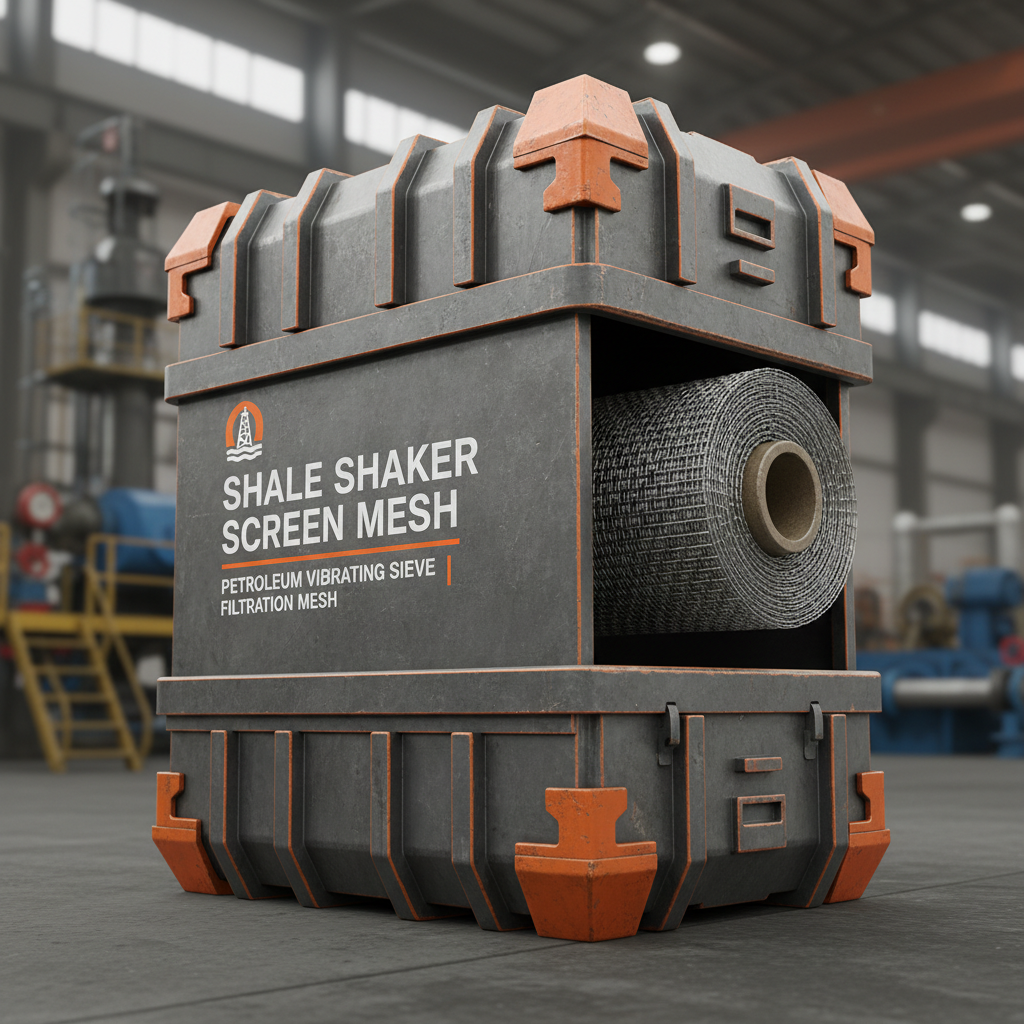
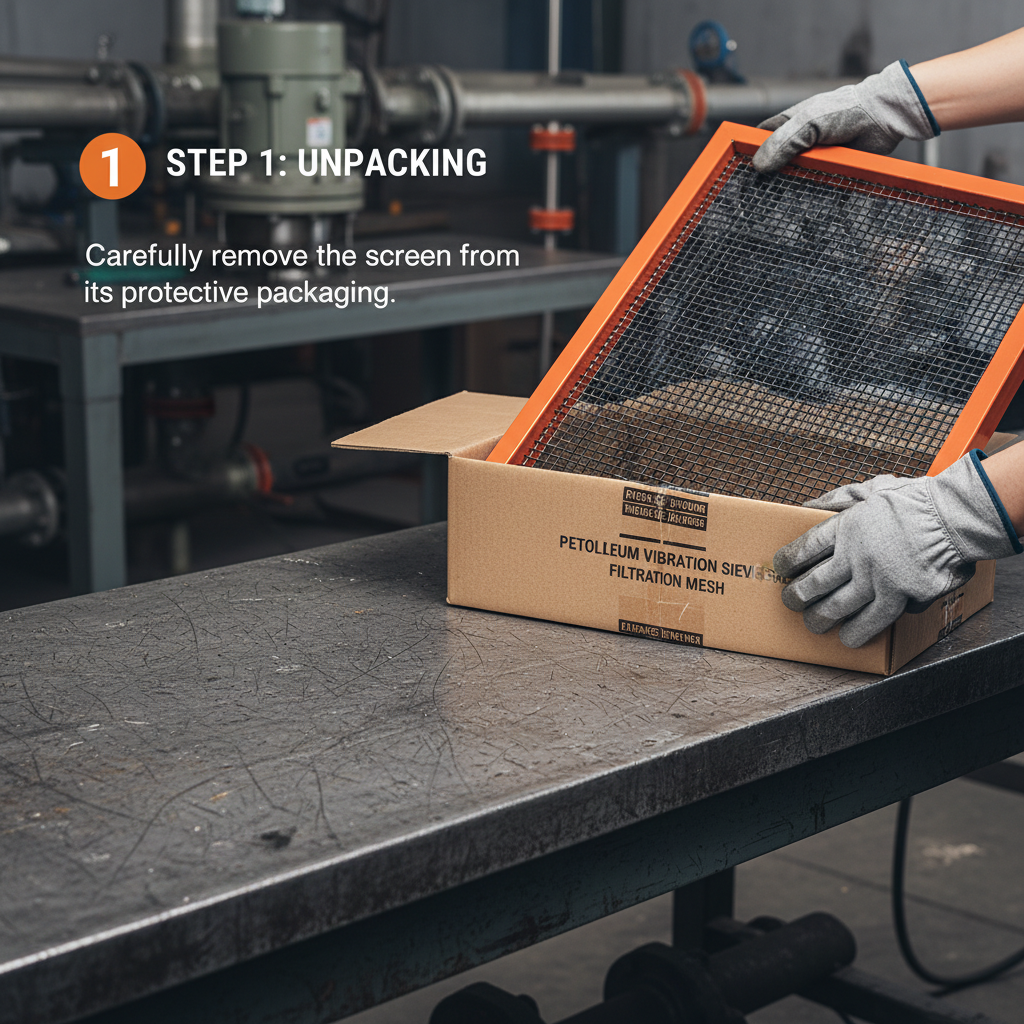
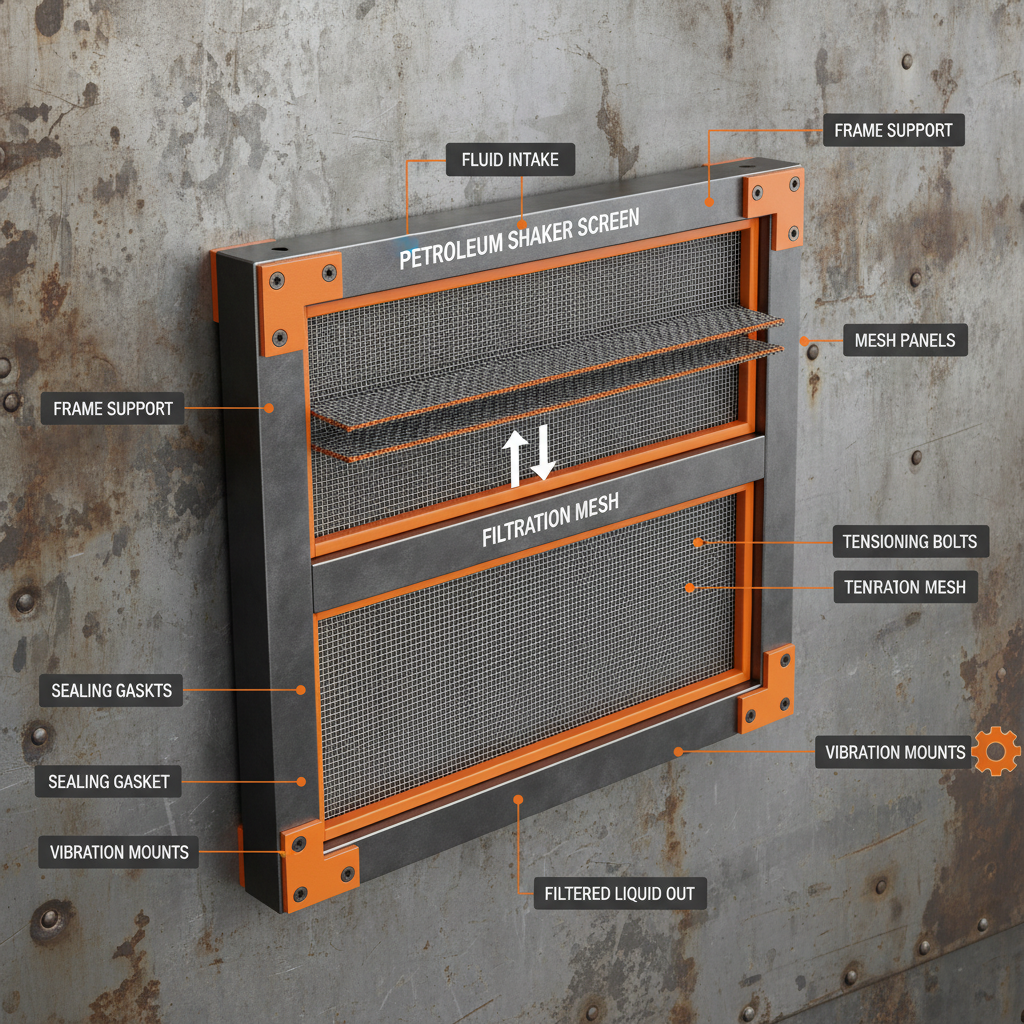
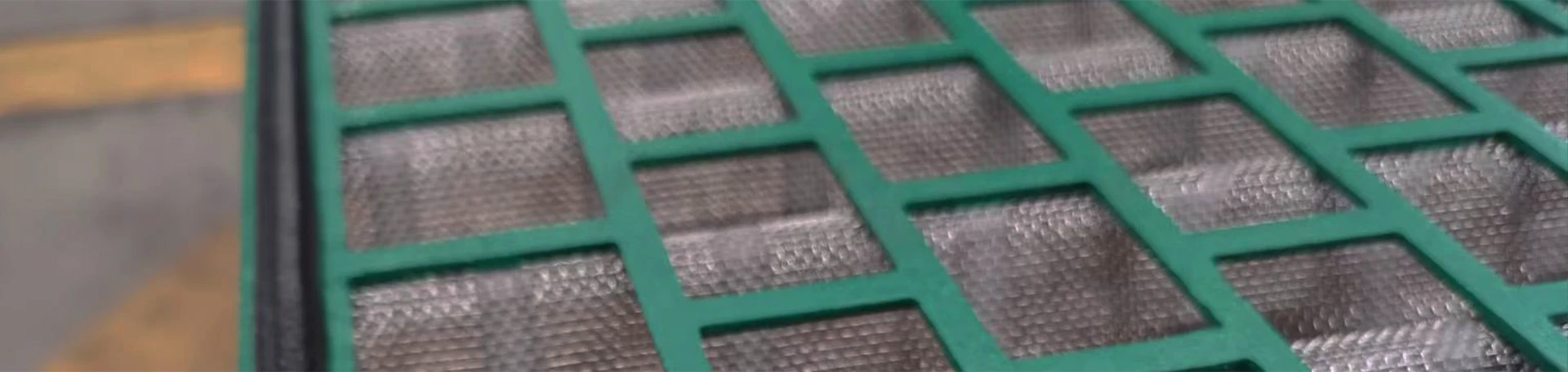
Simply put, an OEM shale shaker screen is a protective and filtering mesh that fits onto a shale shaker, the first line of solids control in drilling fluids systems. The “OEM” bit means the screen is made or certified by the original equipment manufacturer, ensuring compatibility and performance per the original design specs. These screens sieve the cuttings and debris out of the drilling mud, which is then recirculated back into the well to lubricate and cool the drill bit.
Beyond being a piece of engineered mesh, it represents a critical intersection of technology and sustainability. Proper screening ensures less waste, safer disposal, and better fluid recovery — factors that resonate with tighter environmental regulations worldwide.
Key Factors That Define High-Quality OEM Shale Shaker Screens
1. Durability & Material Composition
OEM screens often use stainless steel or alloys resistant to abrasion and corrosion. This means longer life cycles even under harsh downhole conditions. The mesh size and material are tailored for different drilling environments, balancing flow rate and solids retention.
2. Precision Engineering & Fit
Because they come from the original manufacturer, these screens match the shaker’s dimensions exactly, avoiding leakages and screen damage common in third-party options.
3. Cost Efficiency Over Time
Though OEM screens might come with a higher upfront price tag, their longevity and efficiency reduce downtime, replacement frequency, and overall operational costs.
4. Scalability & Availability
OEM suppliers typically offer various screen options to fit different shaker models and drilling scenarios, ensuring the right product for each stage.
5. Compliance & Testing Standards
Many OEM screens conform to ISO, API, or other industry standards, offering assurance about performance and safety.
Product Specifications of a Typical OEM Shale Shaker Screen
| Specification | Details |
|---|---|
| Material | 304 Stainless Steel / 316L Alloy |
| Mesh Size Range | 10 to 400 Mesh (varies by application) |
| Screen Type | Hookstrap, Quick-Change, Composite |
| Dimensions | Tailored to OEM shaker models |
| Lifespan | Up to 1000 operating hours |
Global Applications & Use Cases
The use of OEM shale shaker screens spans continents and industries. In the Middle East, where offshore drilling dominates, precision OEM screens help maintain fluid cleanliness to manage the sticky desert sands that cause downtime. North American shale gas plays rely heavily on robust screens to handle the rapid drilling pace, while in Africa, mining operations use these screens to separate valuable minerals and reduce environmental waste.
Oddly enough, even humanitarian engineering projects use similar screening tech for water treatment and soil remediation post-disaster. For instance, NGOs engaged in restoring water quality in flood-affected areas sometimes apply adaptations of shale shaker screens to separate contaminants.
Oil companies like Shell or Schlumberger, mining giants such as Rio Tinto, and even smaller service companies swear by the consistency and reliability of original equipment manufacturer parts. These parts help them avoid unpredictable shut-downs that cost millions.
Vendor Comparison: Leading OEM Shale Shaker Screen Suppliers
| Supplier | Screen Types | Price Range (USD) | Lead Time | Global Presence |
|---|---|---|---|---|
| Brand A (OEM) | Hookstrap, Composite | $250 - $450 | 2-4 weeks | North America, ME |
| Brand B (OEM) | Quick-Change, Hookstrap | $300 - $500 | 1-3 weeks | Global |
| Brand C (OEM) | Composite Only | $270 - $420 | 3-5 weeks | Asia, Africa |
Advantages and Long-Term Value of OEM Shale Shaker Screens
Choosing an OEM shale shaker screen means investing in reliability, something drilling contractors value immensely. The logical benefits of seamless fit and adherence to OEM engineering specs translate into less fluid loss, reduced equipment wear, and fewer unexpected repairs.
There’s also a soft side to it — operators feel confident and safe knowing the components won’t fail under pressure, literally. The screens’ efficiency promotes environmental stewardship by minimizing waste, which is increasingly critical in today’s regulatory landscape. So, for companies aiming to project trust and innovation, OEM parts are a straightforward way to uphold standards.
Future Trends and Innovations
The shale shaker screens landscape isn’t static. We’re seeing trends toward composite materials that reduce weight and increase wear resistance. Additive manufacturing (3D printing) might soon allow bespoke screen designs tailored more precisely to specific drilling projects. Digital monitoring of screen wear and condition, part of the broader automation wave in oilfield tech, promises to help companies predict failures before they happen.
Interestingly, sustainability is also a driver — screens that enable better fluid recycling reduce water and mud consumption, important in drought-prone regions or offshore rigs where logistics are complex.
Challenges and Expert Solutions
No tech is without challenges. OEM shale shaker screens can be pricey, and lead times sometimes delay urgent replacements. Also, the wrong mesh selection can cause clogging or allow fines through, reducing efficiency.
Experts recommend:
- Maintaining detailed inventory of common screen models to reduce downtime
- Engaging with OEMs early for customized mesh solutions
- Training operators on proper screen maintenance and handling
FAQ: Frequently Asked Questions About OEM Shale Shaker Screens
- Q1: How do I know if I need an OEM shale shaker screen or a generic one?
- A1: If your drilling operations depend on high uptime and fluid efficiency, OEM screens usually offer better durability, fit, and performance. Generic screens might save money upfront but can cause more frequent downtime and increased maintenance costs.
- Q2: What is the typical lifespan of an OEM shale shaker screen?
- A2: Lifespan varies by material, drilling conditions, and maintenance. On average, stainless steel OEM screens last up to 1,000 operating hours, sometimes longer with careful handling.
- Q3: Can I order OEM shaker screens directly online and ship internationally?
- A3: Many OEM vendors provide global shipping options, but lead times vary. It’s best to coordinate with your supplier well in advance, especially for remote or offshore deliveries.
- Q4: Are there eco-friendly options for shale shaker screens?
- A4: Yes! Composite screens are lighter and sometimes manufactured with recycled materials. Additionally, screens that improve fluid recycling indirectly promote environmental benefits.
Conclusion
Understanding and investing in quality OEM shale shaker screen products pays off in the long run through improved reliability, cost savings, and environmental compliance. These screens may seem like “just mesh,” but they are the unsung heroes of efficient drilling worldwide. Whether you are drilling in the deserts of the Middle East, the shale fields of North America, or remote mines in Africa, the right screen makes a difference.
If you want to learn more or source high-quality OEM shale shaker screens, visit our website today.
Mini takeaway: Quality OEM shale shaker screens are vital in modern drilling — think of them as precision filters safeguarding your operations and the environment.
References