What Is an OEM Shaker Screen and Why It Matters Globally
When it comes to industrial solids separation, the term OEM shaker screen keeps popping up—and for good reason. These screens are indispensable components in shale shakers, which are the first line of defense in removing solids from drilling fluids in oil and gas, mining, and other sectors. Frankly, without quality shaker screens, the whole separation process gets clogged, costly equipment can break down, and operational efficiency plummets. Understanding what makes an OEM shaker screen stand out helps industries worldwide optimize performance, minimize downtime, and lower costs. So, it’s not just about a piece of mesh; it’s a global matter touching energy security, environmental safety, and industrial productivity.
Introduction: The Global Context Around OEM Shaker Screens
The market for shaker screens has expanded alongside rising global energy demands and mining activities. According to the International Energy Agency (IEA), global oil production continues to hover above 90 million barrels per day, requiring highly efficient and reliable solids control equipment. OEM shaker screen manufacturers face industry demands for high-performance materials that can withstand harsh conditions while maintaining accuracy in solids separation.
Oddly enough, a common challenge today is balancing robust performance with sustainability goals. Operators want durable, reusable screens that don’t compromise on separation quality but also minimize waste—a tricky tightrope. This global push for cleaner, more efficient extraction processes makes choosing the right OEM shaker screen a critical decision across multiple industries.
Defining OEM Shaker Screen: What Exactly Is It?
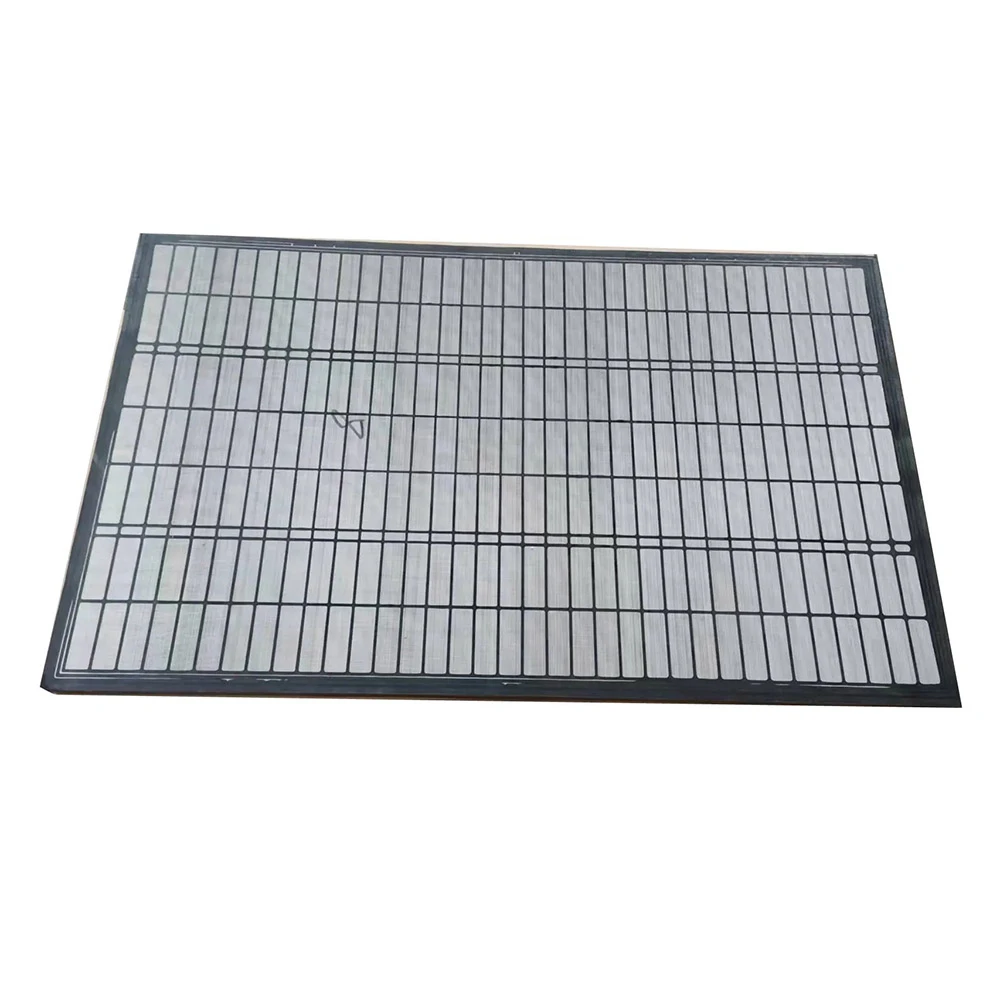
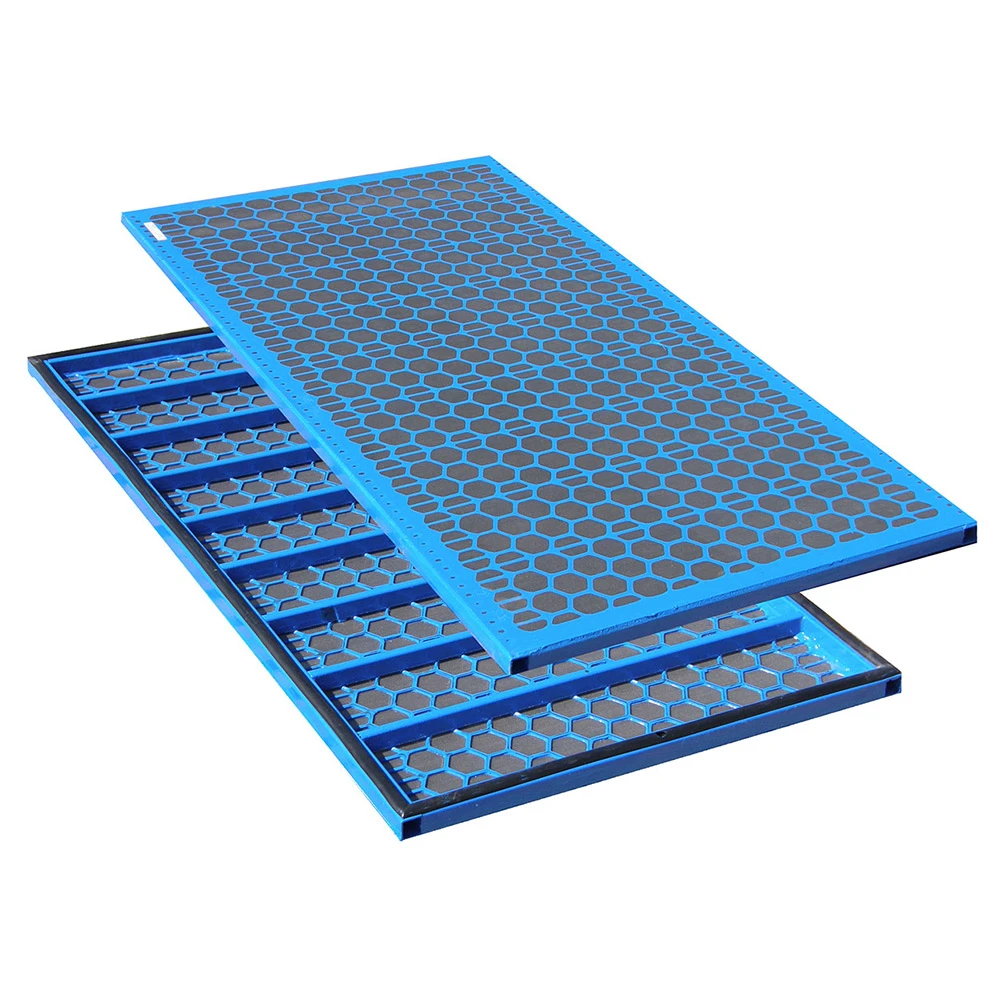
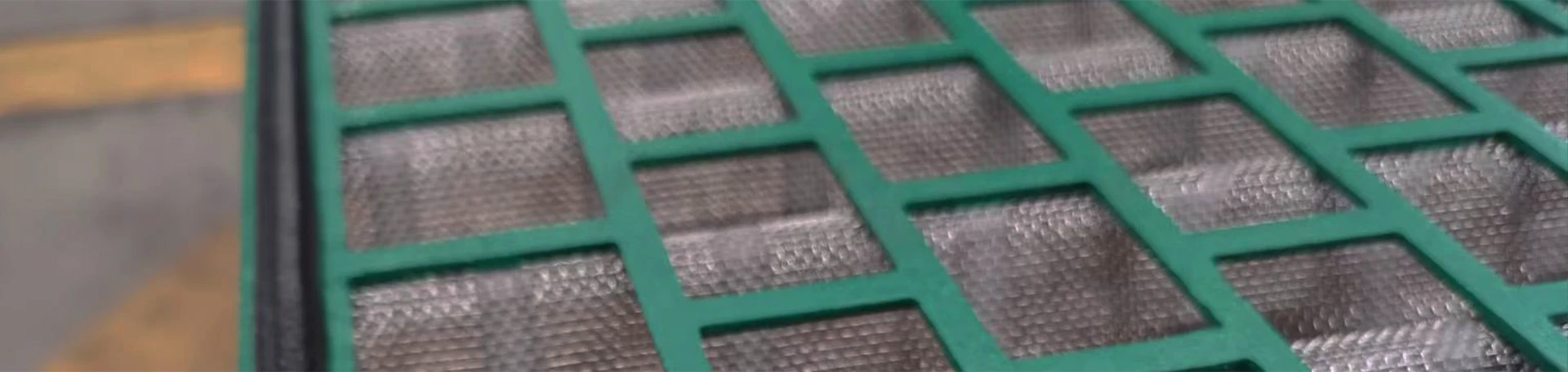
Simply put, an OEM shaker screen is a replacement or original equipment manufacturer part designed specifically to fit and perform on a brand’s shale shaker unit. Think of it as a finely woven mesh panel that filters out solids from drilling fluids as they pass over vibrating screens. This is crucial because optimizing fluid cleanliness helps preserve drilling efficiency and reduces environmental discharge.
These screens connect deeply with modern industry needs by enabling the recovery and reuse of drilling muds, thereby saving costs and reducing ecological impact. They're also vital in humanitarian and developing regions where resource efficiency translates directly into economic and environmental benefits.
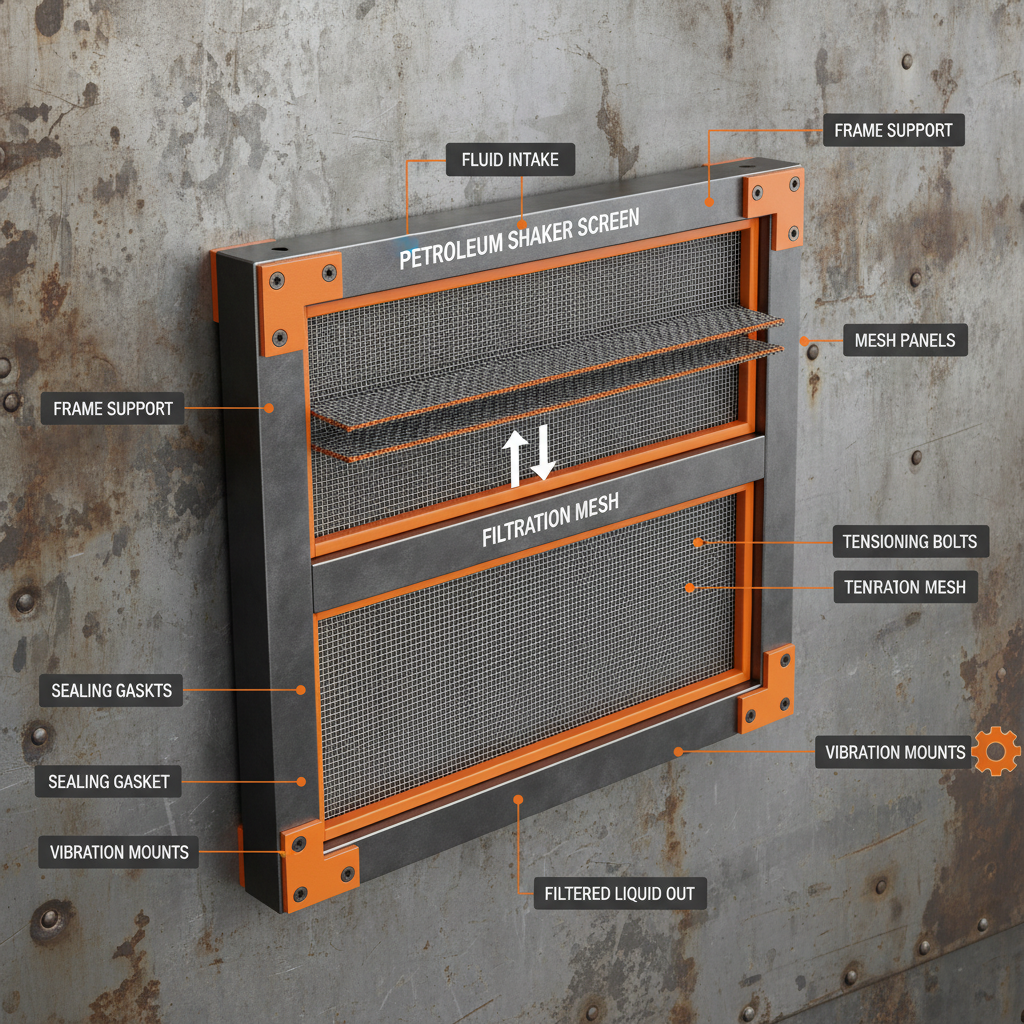
Key Characteristics of OEM Shaker Screens
- Durability: High-quality woven wire cloth or synthetic meshes resist wear, corrosion, and mechanical stress.
- Mesh Size Variety: Screens come in various sizes, tailored for coarse to fine solids retention.
- Frame Design: Frames are precision engineered—usually steel or composite—to fit specific shaker models ensuring seamless installation.
- Compatibility: OEM screens guarantee perfect fit with original equipment, reducing downtime often caused by ill-fitting aftermarket parts.
- Ease of Maintenance: Modular, quick-release designs lower labor costs and speed change-out times in the field.
Each element impacts operational uptime and overall cost efficiency—fundamental in remote and time-sensitive drilling operations.
Mini Takeaway:
OEM shaker screens are engineering puzzles—combining material science, precision design, and operational ease. These core qualities directly influence performance and lifecycle costs, making knowledge about them invaluable to professionals.
Global Applications of OEM Shaker Screens
The use cases stretch far beyond oil drilling. Mining operations in Australia and South America rely heavily on shaker screens to separate ore sludge and water. In Middle Eastern countries, shale screen demand aligns with increasing fracking activities. Even in humanitarian contexts, such as post-disaster water filtration or remote water treatment plants, durable shaker screens help maintain clean water resources.
One interesting example is Canada’s tar sands extraction where customized OEM screens handle abrasive, sticky sludges under extreme temperatures. Such niche applications demand tailored solutions solidly supported by reputable OEM parts.
Advantages and Long-Term Benefits
- Cost Savings: Durable OEM parts reduce frequent replacements, avoiding costly downtime.
- Environmental Impact: Enhanced solids removal improves fluid recycling and reduces waste discharge.
- Reliability: OEM assurance means stringent quality control and guaranteed fitment.
- Safety & Dignity: Properly functioning shakers minimize hazardous spill risks, protecting workers and communities.
It’s this blend of operational logic and ethical responsibility that increasingly guides decisions in supplier selection.
Future Innovations and Trends in OEM Shaker Screen Technologies
Looking ahead, expect greener materials like recycled metals and bio-based polymer meshes to make an appearance. Sensors and IoT integration are also on the horizon, enabling real-time monitoring of screen wear and clogging. Automation in shaker screen replacement and modular designs will reduce human risks and errors. All these align with broader digital transformation efforts documented by the ISO 18436 standards on equipment maintenance.
Challenges and How Experts Solve Them
Challenges include screen blinding (clogging) and wear in harsh slurry environments. Expert engineers design multi-layered mesh and support bars to solve these issues. Innovative tensioning mechanisms ensure screens remain taut and effective much longer. Additionally, collaboration with oem shaker screen vendors who provide custom specs based on operational data greatly improves lifespan and separation efficiency.
Product Specification Table: Typical OEM Shaker Screen Features
| Feature | Specification | Benefit |
|---|---|---|
| Mesh Material | Stainless Steel 304 / 316 | Corrosion resistance and durability |
| Mesh Size | 20–400 Mesh | Customizable solids retention |
| Screen Type | Hook Strip, Pretension, Composite | Fit for various shaker models |
| Frame Material | Steel or Composite | Structural stability and lightweight options |
| Service Life | 6–12 months (typical) | Optimized maintenance scheduling |
Vendor Comparison Table: Leading OEM Shaker Screen Providers
| Vendor | Materials & Quality | Customization | Global Reach | Pricing |
|---|---|---|---|---|
| SolidControlPart | Premium stainless steel | Fully custom OEM fit | Worldwide distribution | Competitive |
| Vendor B | Standard steel alloys | Limited options | Regional (EMEA focus) | Mid-range |
| Vendor C | High-grade composites | Good customization | Limited global | Premium |
FAQ: Frequently Asked Questions About OEM Shaker Screen
- What factors should I consider when selecting an OEM shaker screen?
- Focus on mesh size to suit your solids separation needs, compatibility with your shaker model, material durability, and vendor support. Proper fitment avoids downtime and improves filtration efficiency.
- How often should shaker screens be replaced in typical drilling operations?
- Service life varies depending on operating conditions but generally ranges from 6 to 12 months. Regular inspection for wear and performance monitoring ensures timely replacement and consistent results.
- Can OEM shaker screens be customized for unusual operating environments?
- Yes, many vendors offer tailored mesh types, frame designs, and coatings to resist abrasives, corrosives, or temperature extremes. Working closely with manufacturers like SolidControlPart improves outcomes.
- Are OEM shaker screens environmentally friendly?
- They help reduce waste by enabling efficient fluid recycling and often are made from reusable or recyclable materials. Advances in green manufacturing are making them more sustainable annually.
- How do I ensure I’m getting genuine OEM quality?
- Purchase directly from verified OEM suppliers or authorized distributors. Check certifications and customer reviews, and ask for documentation on materials and production standards.
Conclusion & Call to Action
OEM shaker screens are the unsung heroes powering countless drilling and mining operations around the globe. Their design influences operational efficiency, environmental impact, and safety in ways that often go unnoticed but are critically important. Understanding their specifications, selecting the right supplier, and staying on top of industry trends help companies stay competitive and responsible. For anyone looking to improve solids control processes, an investment in quality OEM shaker screens pays off long-term.
Ready to explore top-grade oem shaker screen options tailored to your needs? Visit our website for expert advice and premium products.
It feels like simply upgrading your screen can ripple through your whole operation in surprisingly positive ways.
References: