Insider’s Field Notes on Composite Shaker Screens and the People Who Make Them
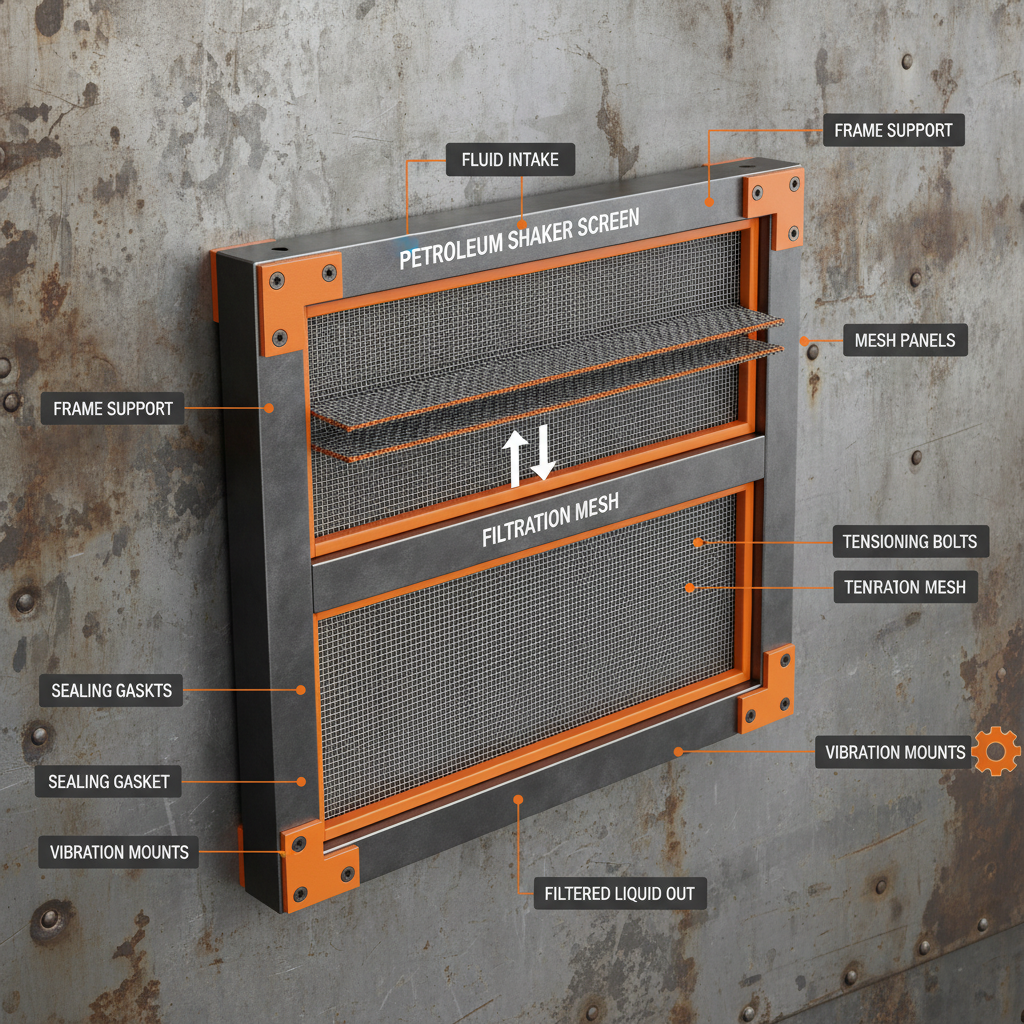
If you follow solids-control even casually, you know the screen game has changed. Composite frames, higher conductance, smarter locking systems—none of this is accidental. It comes from a tight circle of [shale shakerscreen manufacturers] who obsess over what happens in the first hour on a rig and the 500th hour when the mud turns mean.
What’s hot right now (and why it matters)
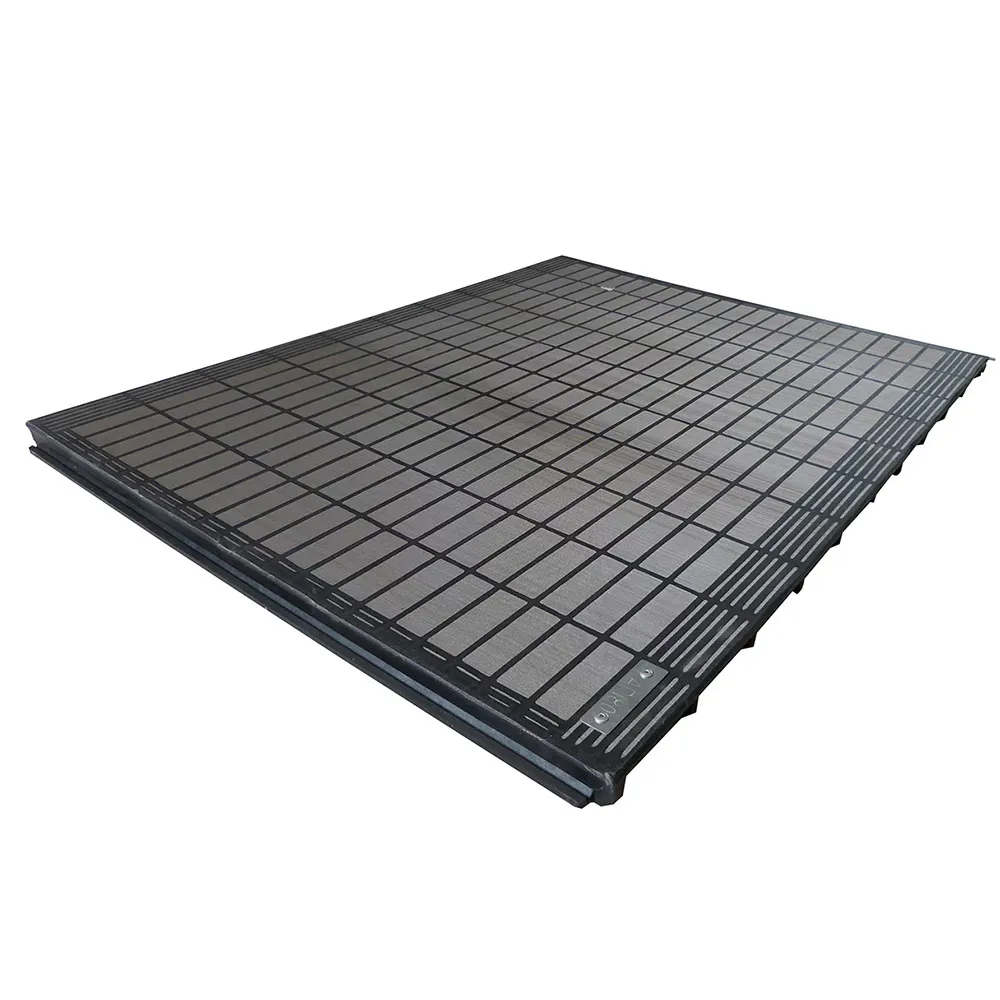
In the last two years, the trend is clear: composite construction and API RP 13C–compliant labeling are table stakes. Many customers say they’ll take slightly higher upfront cost if it means fewer changeouts and drier discharge. To be honest, they’re right—downtime is the expensive part. Another angle: better anti-blinding geometries. I’ve seen screen beds hold flow without the telltale “sheeting” even on weighted muds.
Product snapshot: Swaco Replacement Shale Shaker Screens
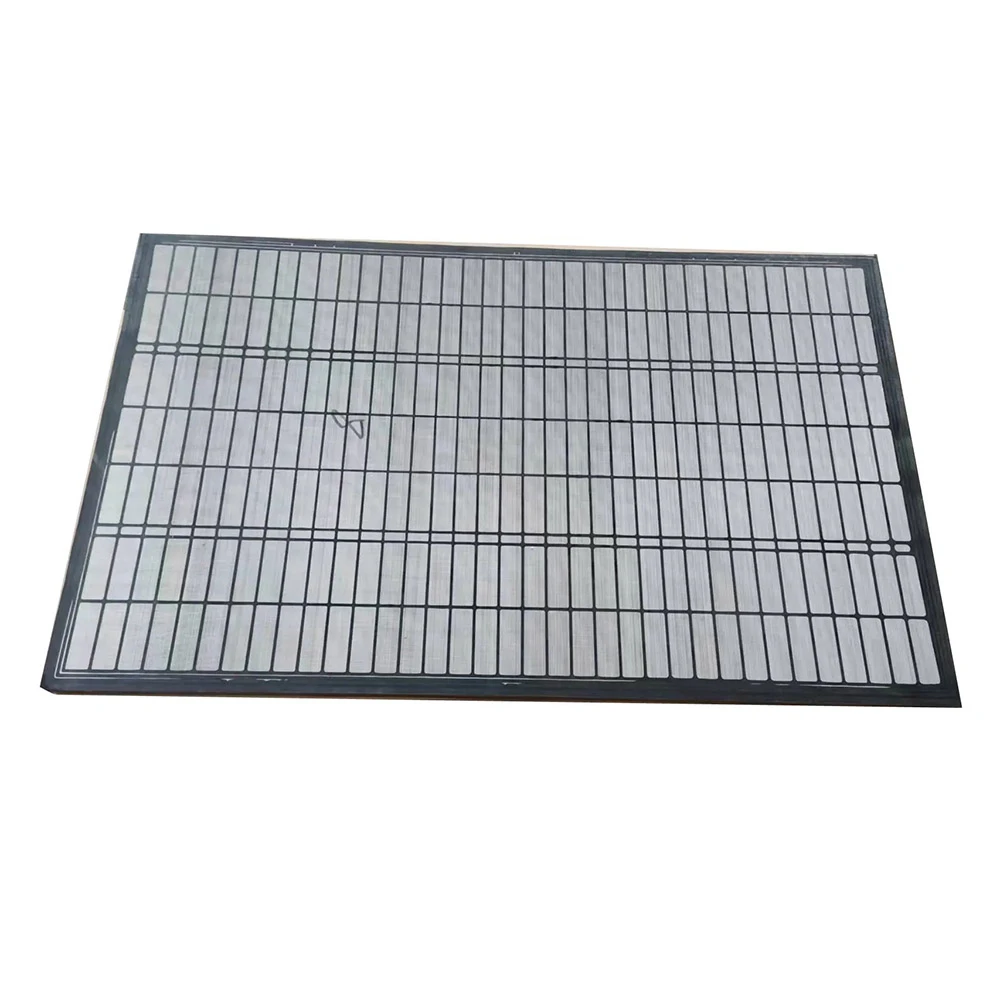
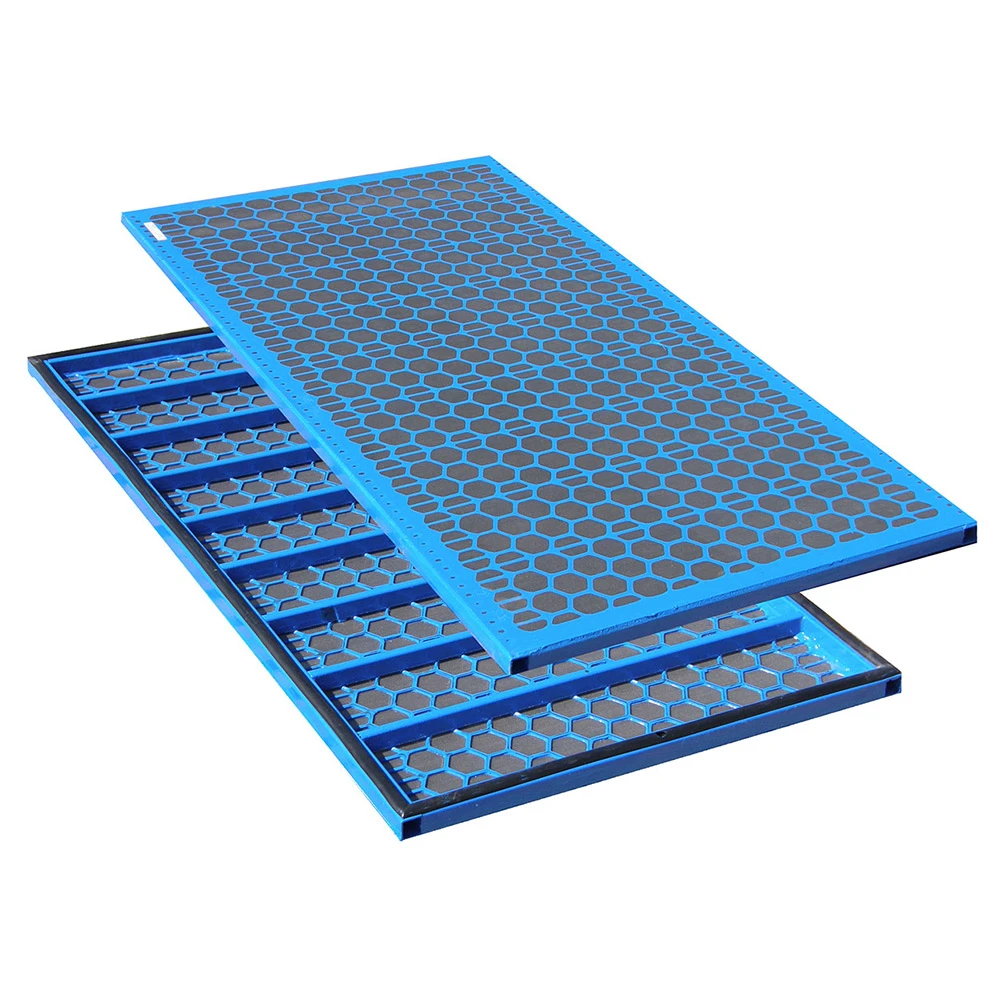
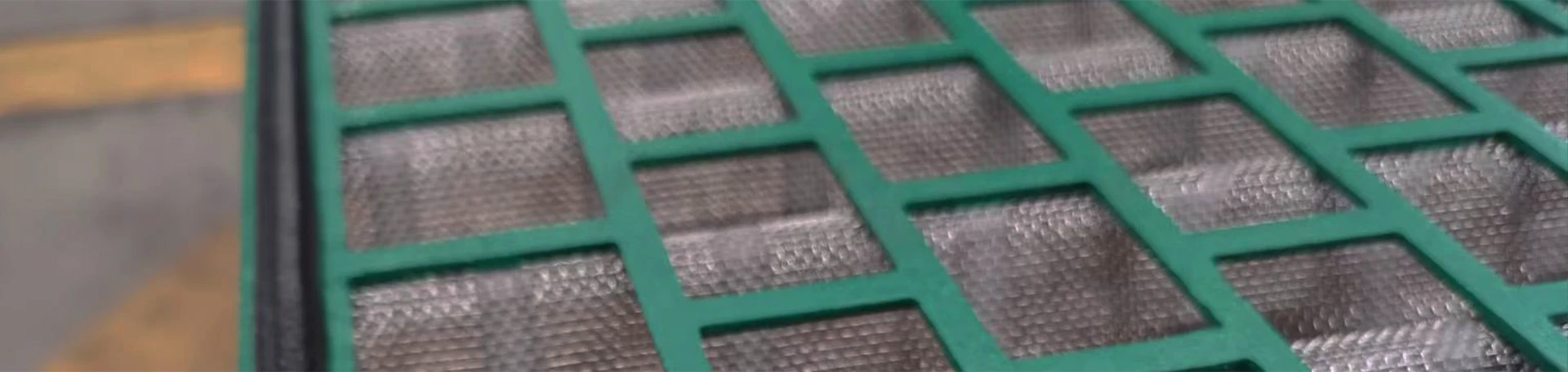
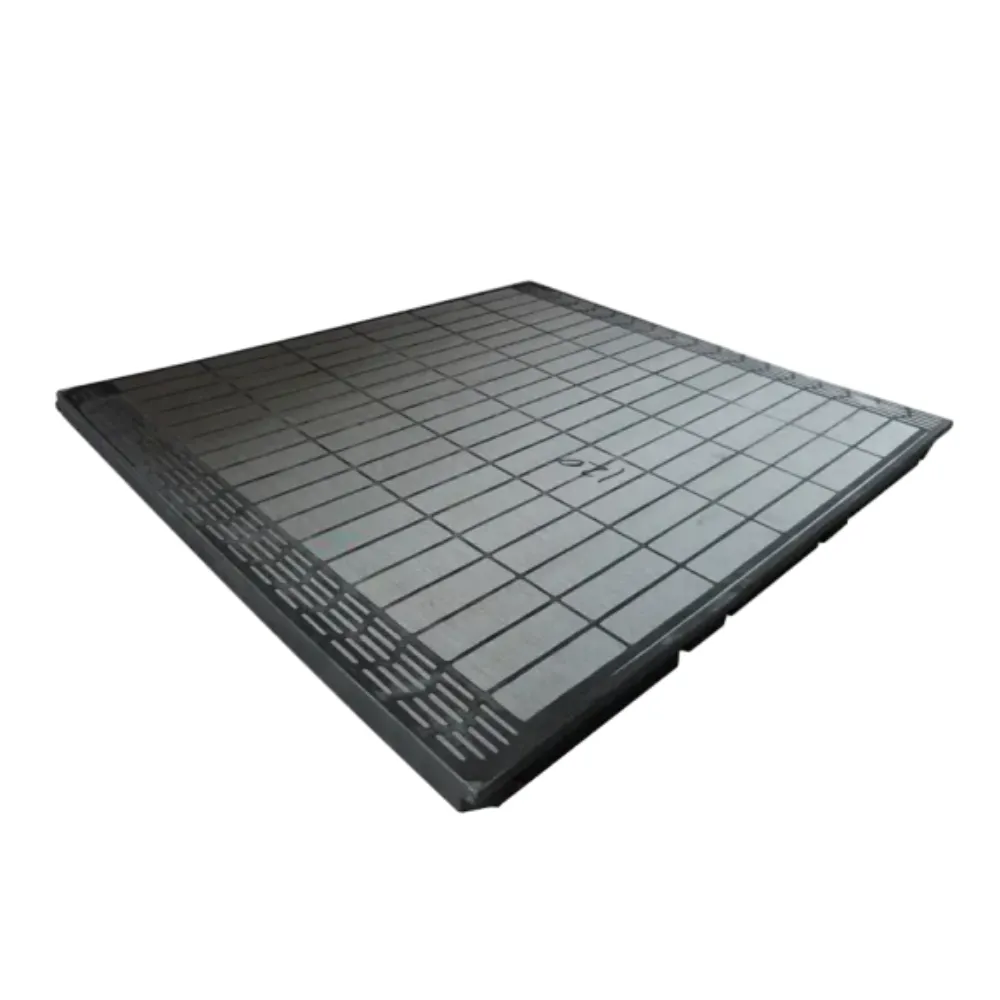
From ROOM 1907, ZIJIN BUILDING, HUAIAN STR. SHIJIAZHUANG, this line of composite screens is built to take corrosive drilling fluids head-on. In fact, the composite frame creates an ultra-tight seal on the bed, which practically eliminates costly solids bypass. The wedge-style screen-locking mechanism? Simple, firm, and very field-friendly. Drier solids, higher fluid capacity, and a large usable screen area—those are the real outcomes rig crews notice.
Typical specifications (real-world use may vary)
| Parameter | Typical Value | Notes |
|---|---|---|
| API designation | API 20–325 | Per API RP 13C labeling |
| D100 cut point | ≈ 73–840 μm | Screen-dependent |
| Conductance | ≈ 0.6–2.1 kD/mm | API 13C method |
| Open area (non-blanked) | Up to ~5.2 ft² | Model-dependent |
| Materials | 304/316 SS mesh; composite frame | ASTM A240 for SS |
| Temperature | Up to ~120°C | Fluid chemistry dependent |
| Service life | ≈ 300–600 hrs | Application & handling matter |
How they’re made (short version)
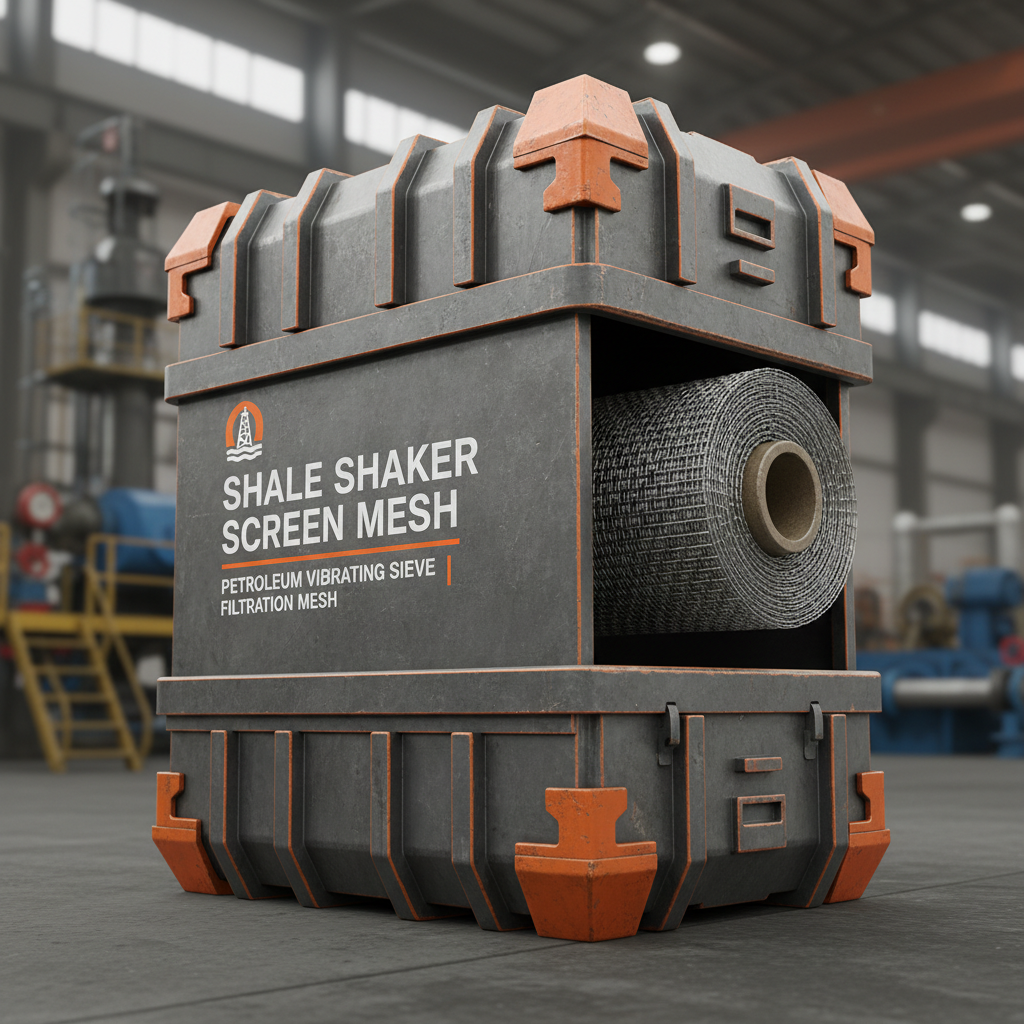
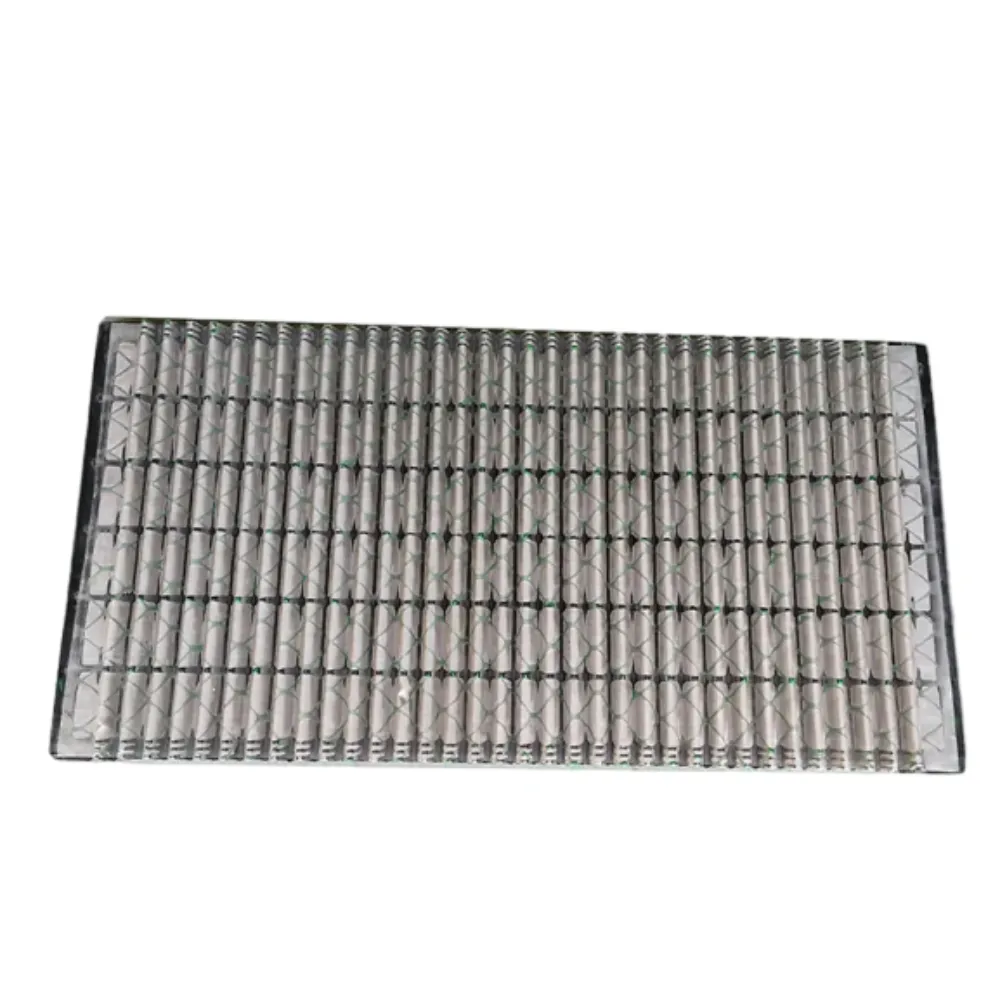
Materials are incoming-checked (mesh count, wire diameter), composite frames are molded and cured, mesh layers are tensioned, bonded with epoxy, then trimmed. Testing includes API 13C cut-point and conductance, gasket compression, corrosion soak (salt spray), and vibration endurance. Certifications you should look for: API RP 13C compliance, ISO 9001:2015 quality management.
Where they work
- Oil & gas drilling (land and offshore)
- HDD and geothermal
- Mining slurry dewatering
Usage tip: match API screen to solids loading and desired dryness. For weighted muds, I usually step one designation coarser to mitigate blinding; then tighten once the system stabilizes.
Vendor landscape (my quick take)
| Vendor | Certs | Composite Frame | Lead Time | Notes |
|---|---|---|---|---|
| SolidControlPart (Swaco Replacement) | ISO 9001; API 13C | Yes | ≈ 7–15 days | Tight seal, wedge lock; custom logo available |
| Regional OEM | API 13C | Yes | ≈ 10–20 days | Strong after-sales; premium pricing |
| Low-cost Importer | Varies | Mixed | ≈ 20–35 days | Watch for labeling gaps; QC inconsistent |
Field note and feedback
A West Texas operator told me their switch to these screens cut blinding complaints in half and extended average run time by about 18%—not a lab trial, just real crews under hot weather. On HDD jobs, crews liked the firmer bed seal; surprisingly, it helped with fine sand carryover.
If you’re shortlisting shale shakerscreen manufacturers, look for: clear API 13C tags, measured conductance data, composite integrity (no voids), and a credible returns/repair path. Customization—logo printing, mesh mapping by well phase, and regional stocking—can be decisive.
Citations
- API RP 13C: Recommended Practice on Drilling Fluids Processing Systems Evaluation — American Petroleum Institute. https://www.api.org/products-and-services/standards/important-standards/api-rp-13c
- ISO 9001:2015 Quality Management Systems — International Organization for Standardization. https://www.iso.org/standard/62085.html
- ASTM A240/A240M — Standard Specification for Chromium and Chromium-Nickel Stainless Steel Plate, Sheet, and Strip. https://www.astm.org/a0240_a0240m-20.html