High Quality Shale Shaker Screen Mesh: What Makes the Difference?
Having spent well over a decade in the industrial equipment trenches, especially working hands-on around shale shakers, I’ve learned that the screen mesh can either make your day—or break it. You might think all shaker screens are more or less the same, but frankly, the nuances of high quality shale shaker screen mesh go far beyond just "wire size" or "material strength." It’s in the details, those small yet crucial factors that affect performance, longevity, and ultimately, your bottom line.
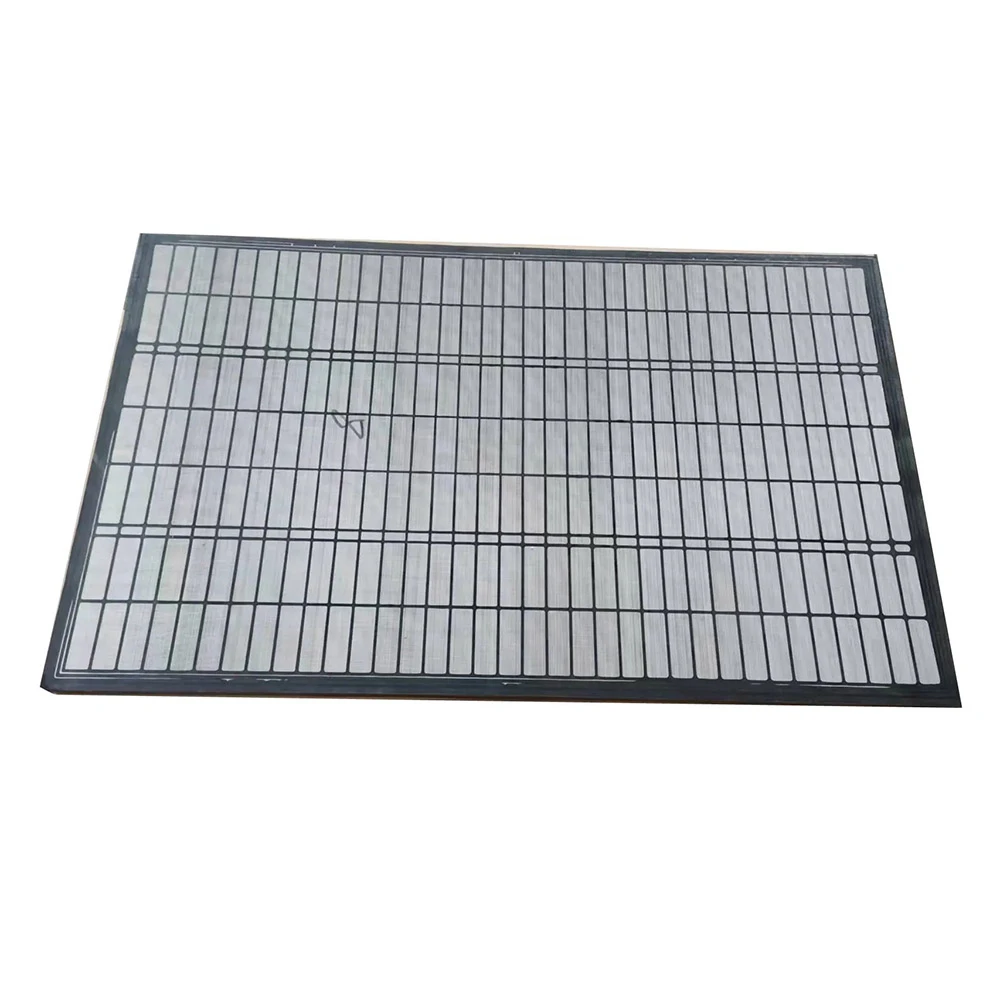
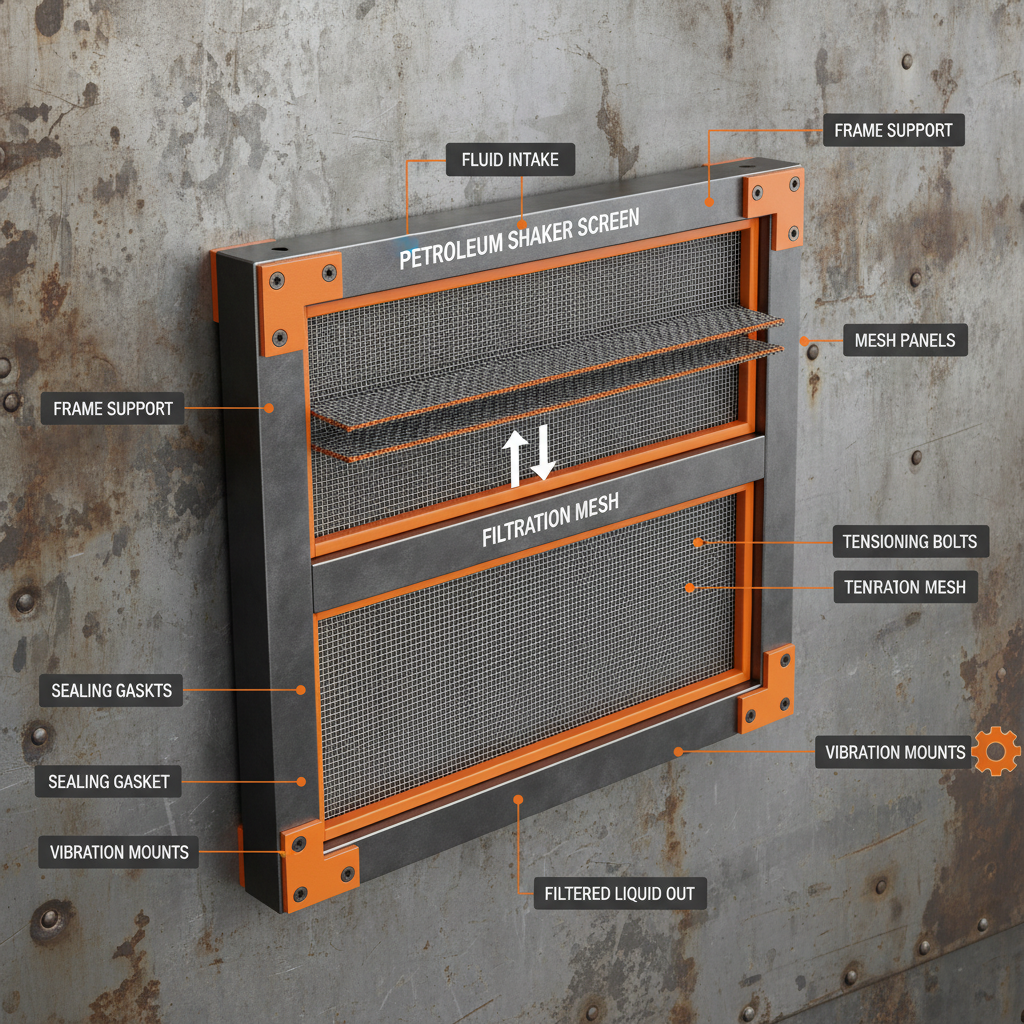
For starters, the material selection is paramount. Most top-tier screens use stainless steel wire, commonly 304 or 316 grades—316 is often preferred for its corrosion resistance in tough drilling environments. The weave method (plain, twilled, or Dutch weave) also determines how effectively the screen separates solids from drilling fluid. That’s more than just a tech spec; it changes how your shaker behaves under pressure, with abrasive sludges, or in extreme temperatures.
One thing I’ve noticed over the years is that quality control testing varies wildly between manufacturers. The best screen meshes undergo rigorous tensile strength tests, mesh opening accuracy checks, and abrasion resistance assessments. Some even simulate real-world drilling conditions to ensure durability. Honestly, it’s worth demanding these tests. If your supplier can’t back up their specs with data, you might be looking at premature failures.
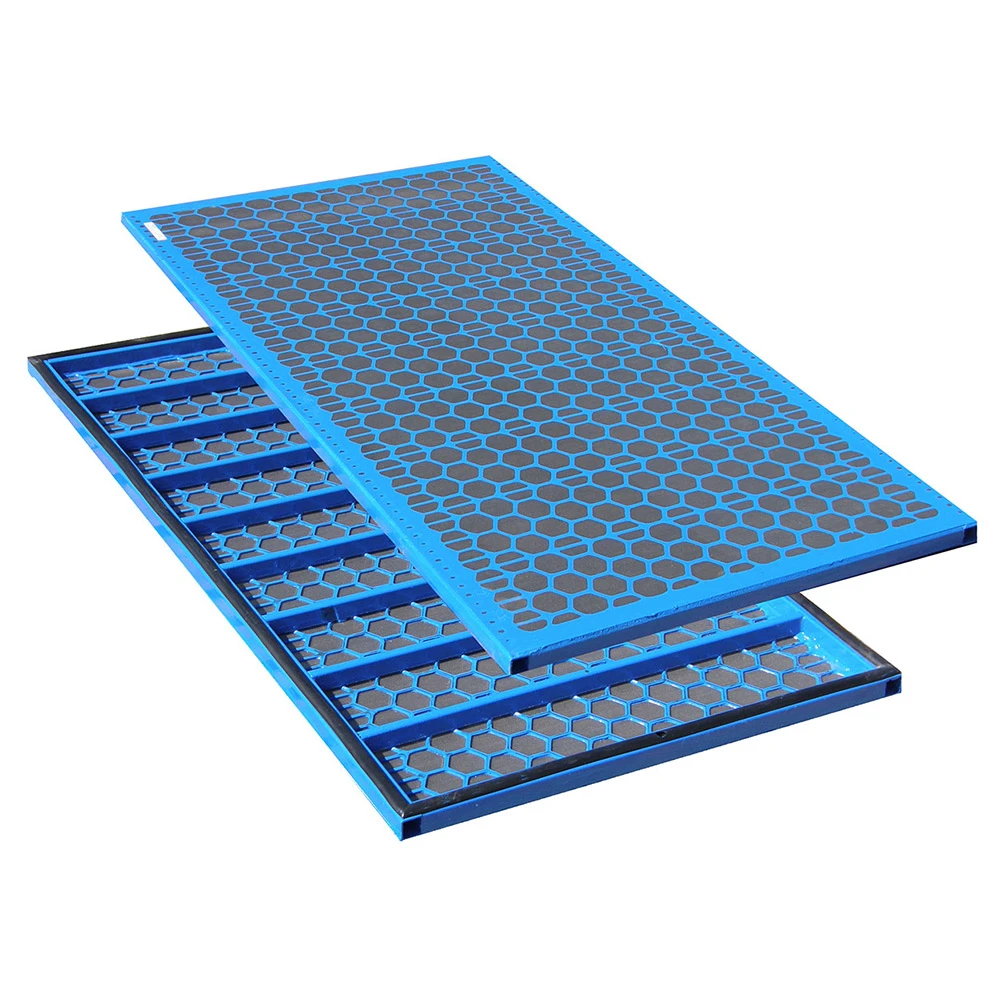
Customization is often overlooked but can be a game changer. In one project I consulted on, the engineers required a screen with a special anti-blinding coating to keep the mesh from clogging up too quickly. The result? Screen lifespan more than doubled, downtime went down, and everyone was happy—even management. It’s stuff like that which makes me respect suppliers willing to tailor their products to field conditions.
Speaking of suppliers, here’s a quick comparison table I put together reflecting my experience with some of the more popular shale shaker screen mesh vendors on the market:
| Vendor | Material Grade | Weave Type | Customization Options | Typical Lead Time |
|---|---|---|---|---|
| Solid Control Part | 316 Stainless Steel | Dutch Weave / Twilled | Anti-blinding, mesh size custom | 2–3 weeks |
| Generic Brand A | 304 Stainless Steel | Plain Weave | Limited customization | 1 week |
| Industry OEM Vendor | 316 Stainless Steel | Twilled Weave | Standard only | 3–4 weeks |
Now, let’s peek at some of the key specs you should check when selecting shale shaker screen mesh. This table breaks down typical parameters I watch closely in every new batch we order:
| Parameter | Typical Range / Value | Why It Matters |
|---|---|---|
| Wire Diameter (mm) | 0.07–0.1 | Balance between durability & flow rate |
| Mesh Opening Size (microns) | 50–500 (varies by specification) | Defines smallest particle filtered |
| Tensile Strength (N/mm²) | ≥ 1000 | Ensures screen won’t tear under stress |
| Abrasion Resistance | High (tested per ASTM standards) | Prolongs operational life |
| Corrosion Resistance | Excellent (316 SS grade) | Critical in chemically harsh drilling environments |
Of course, specs and tables can only tell you so much. It’s the real-world use cases that bring these products to life. A client in Texas shared with me how switching to a higher-grade mesh saved them an entire drill rig shift during a tricky gas-condensate well project. Since downtime costs are painfully steep, that kind of reliability isn’t just a “nice-to-have” — it’s a practical necessity.
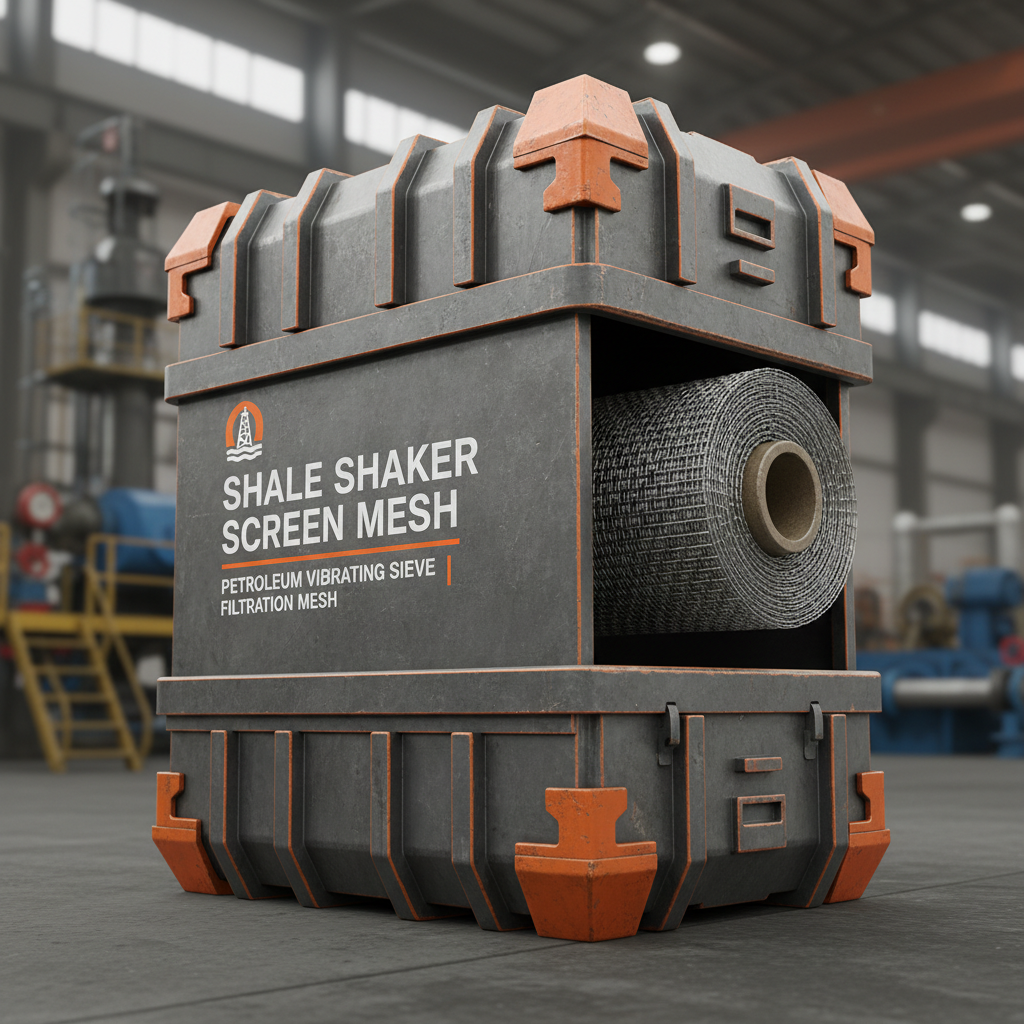
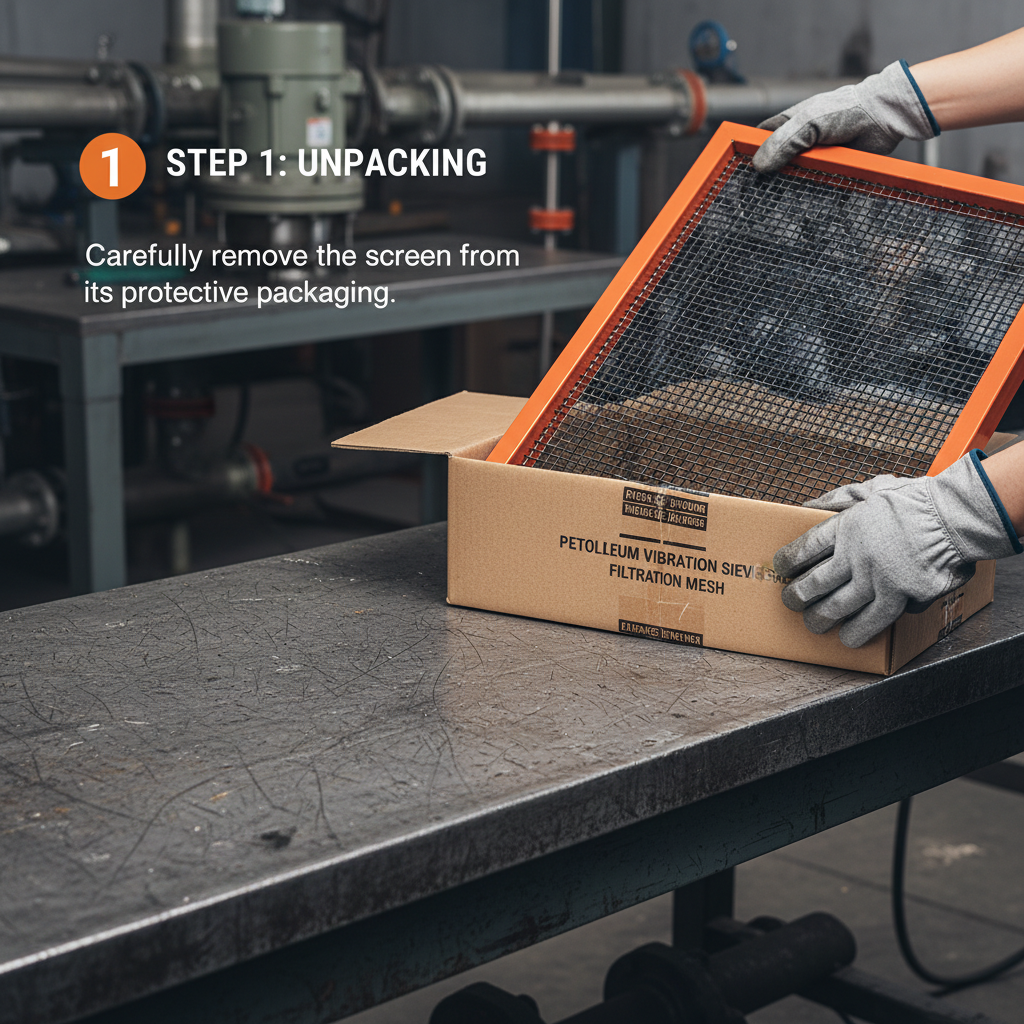
When you’re out there managing shale shaker maintenance or negotiating replacement orders, it helps to remember that not all screen mesh is created equal. Even small improvements in mesh weave or steel grade translate into less plugging, better throughput, and fewer headaches overall. If you need a dependable source of high quality shale shaker screen mesh, it’s worth checking the credentials and testing evidence behind the product.
It feels like, after all these years, quality control remains king in this niche industry—and frankly, it should.
References:
- API RP 13C: Recommended Practice for Field Testing of Drilling Fluids
- ASTM D5183-12: Standard Test Method for Abrasion Resistance of Textile Fabrics
- Client case report, independent drilling operation, Texas, 2022