Understanding the High Quality Industrial Shaker Screen: Why It Matters Globally
You might never have stopped to think about the role of an industrial shaker screen — but if you work in mining, oil, pharmaceuticals, or wastewater management, these devices are absolutely crucial. Essentially, a high quality industrial shaker screen is a specially engineered mesh that facilitates the separation of solids from liquids or separates particles by size, with impressive efficiency and reliability. This kind of sorting process has huge implications worldwide, from cleaner water supplies to safer extracted minerals, and even better resilience in food and chemical manufacturing.
The global industrial screening market is projected to grow significantly in the next decade due to increasing industrialization and environmental regulation (UNIDO reports). Choosing a high quality industrial shaker screen — rather than a generic or low-grade one — can dramatically improve productivity, reduce downtime, and limit waste. Oddly enough, despite how crucial they are, shaker screens often go unnoticed until something jams or fails, causing costly interruptions.
Introduction: Global and Industry Context
Consider this: the UN estimates that over 80% of the world’s wastewater is discharged untreated, a statistic that underscores the urgent need for effective separation technologies. Industrial shaker screens play a pivotal role here. Whether it’s in mining operations in Australia, oil drilling in the Gulf of Mexico, or chemical plants in Europe, these screens help manage solid-liquid separation processes with greater environmental responsibility.
The challenge? Many screens are prone to quick wear or inefficiency, leading to operational risks or excessive maintenance costs. This is where a high quality industrial shaker screen — one built with precision engineering, specialized alloys, and optimized mesh sizes — truly shines. You know, it’s the difference between constant headaches and smooth operations.
Definition & Meaning
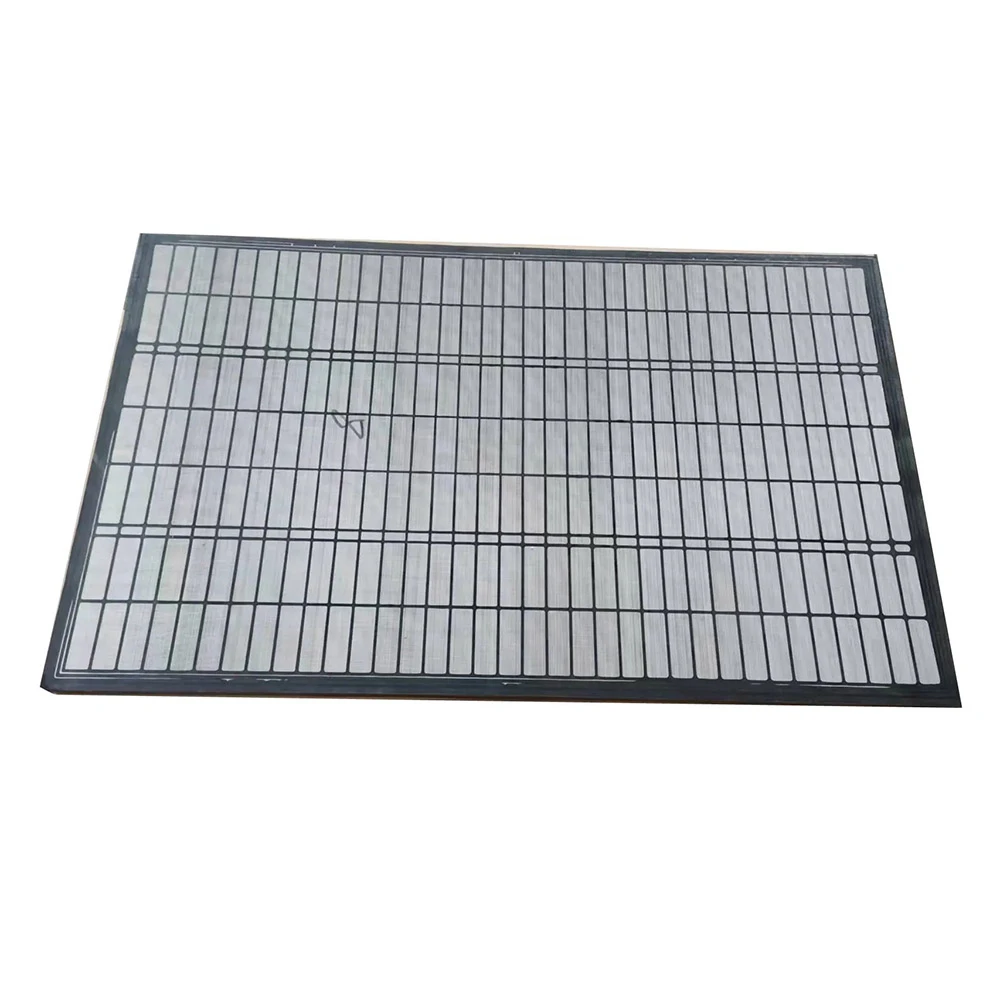
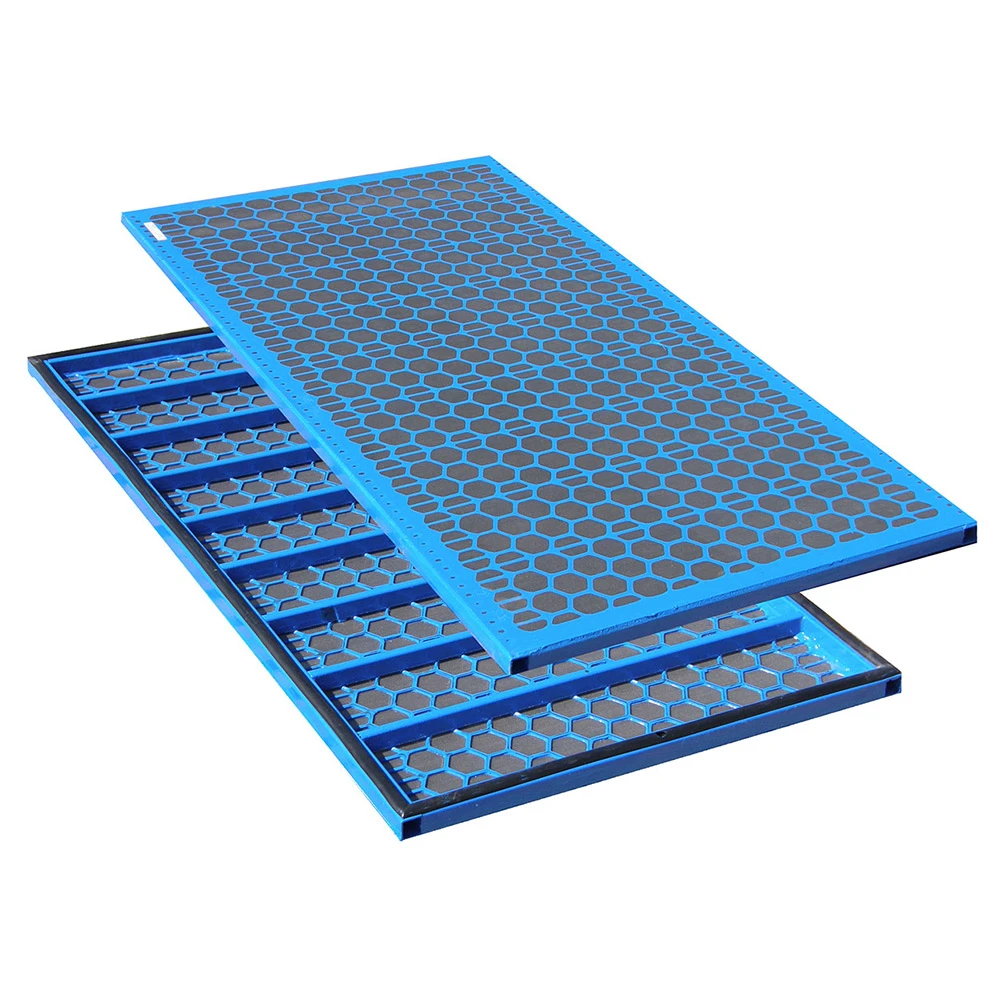
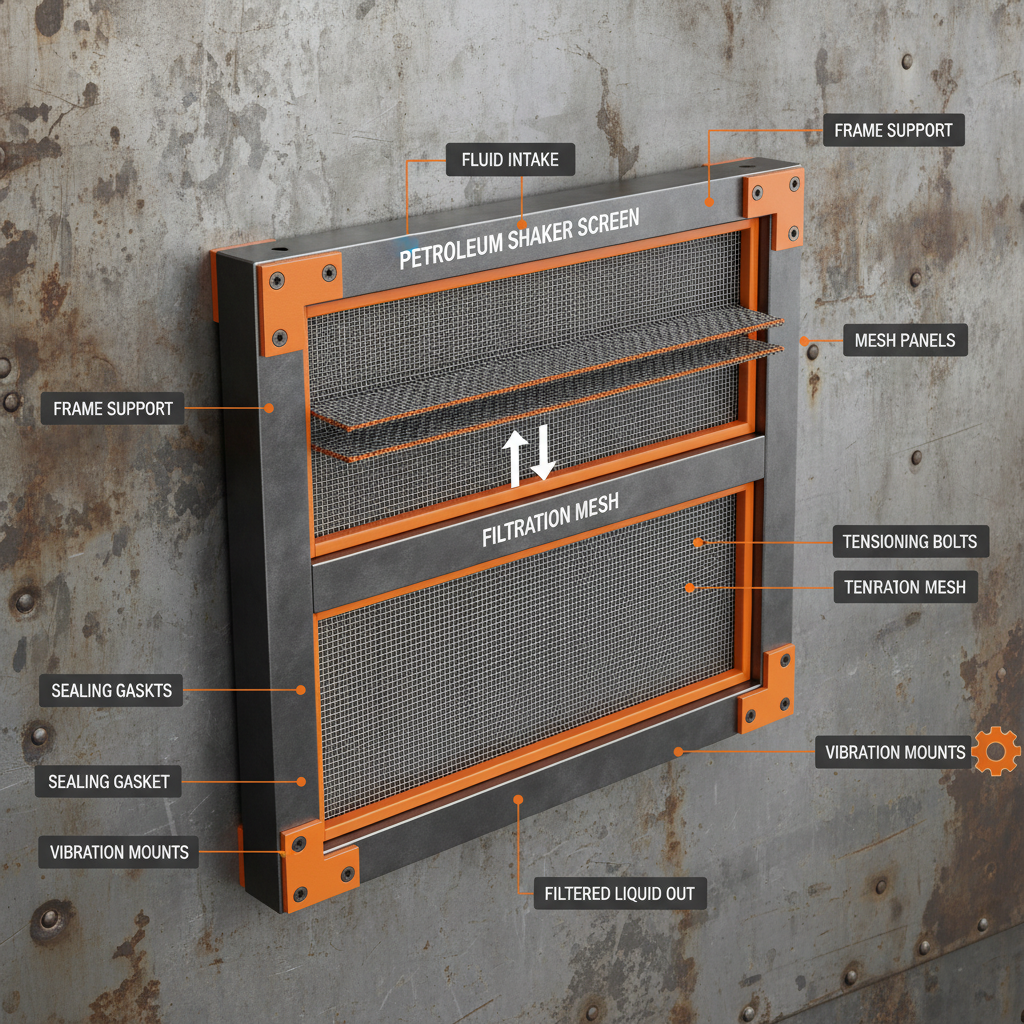
So, what exactly do we mean by a high quality industrial shaker screen? Unlike standard mesh filters or sieves, industrial shaker screens are robust frames with precisely tensioned woven or perforated surfaces designed to vibrate at controlled amplitudes and frequencies. This shaking action separates unwanted solids from slurries or powders at an industrial scale.
These screens are often customized to meet the specific particle sizes or throughput rates required by industries. And frankly, their performance can make or break a whole production line. Beyond factories, humanitarian efforts also rely on efficient screening in water purification or soil cleanup, showing just how broad their value truly is.
Core Components of a High Quality Industrial Shaker Screen
Durability
Industrial environments are tough on equipment. A high quality shaker screen typically uses stainless steel alloys or even specialized composites that resist corrosion, abrasion, and fatigue. This means fewer replacements and less downtime — saving businesses both time and money.
Mesh Design and Precision
The mesh isn’t just holes punched randomly — it’s engineered with exacting tolerances using advanced weaving or perforation techniques to ensure consistent particle separation. This precision reduces errors in sorting and improves downstream processing.
Scalability
Whether you need a compact screen for a small chemical batch or a massive, multi-panel unit for a mining operation, the best shaker screens can scale to fit. Modularity in design means easier maintenance and adaptability to shifting production demands.
Cost Efficiency
While upfront costs for quality screens might be higher, the gains in energy efficiency, maintenance savings, and uptime typically make them a better long-term investment. It’s like buying quality shoes instead of disposable ones — they just last longer and feel better in use.
Ease of Installation and Maintenance
Good designs also prioritize user-friendly installation and quick cleaning or screen replacement, reducing operational interruptions and workforce fatigue.
Mini Takeaway: A well-made industrial shaker screen balances robust material choices, precision design, scalability, and cost-effectiveness to meet demanding separation needs efficiently.
Technical Specifications of a Typical High Quality Industrial Shaker Screen
| Parameter | Specification |
|---|---|
| Material | Stainless Steel 304/316 or High Strength Alloy |
| Mesh Size | 20 to 400 mesh (customizable) |
| Screen Dimensions | From 0.5m x 0.5m to 3m x 6m |
| Vibration Frequency | 1000 to 3600 rpm (variable) |
| Load Capacity | Up to 5 tons per hour |
| Operating Temperature | -40°C to 350°C |
Global Applications & Use Cases
- Mining Industry: Separation of ore from waste rock, especially in Australia and South Africa.
- Oil & Gas: Used in drilling fluids to filter solids from drilling mud, common in North America and the Middle East.
- Wastewater Treatment: Municipal plants in Europe employ shaker screens to reduce sludge weight and improve processing.
- Pharmaceutical & Food Industry: To ensure particle size uniformity and contamination-free production worldwide.
- Post-Disaster Relief: In regions affected by floods, shaker screens help purify water supplies rapidly, aiding NGOs and relief agencies.
Mini Takeaway: From remote industrial zones to critical humanitarian efforts, high quality industrial shaker screens underpin vital separation processes that impact health, economy, and the environment.
Advantages & Long-Term Value
Investing in quality industrial shaker screens delivers tangible benefits: reduced maintenance costs, optimized material recovery, and less energy consumption. On a human level, cleaner water and safer food production linked to these screens foster trust and protect dignity. Plus, the dependability they bring means fewer operational surprises—a big deal when downtime costs thousands per hour.
Future Trends & Innovations
Looking ahead, innovation centers on eco-friendly materials like biodegradable composites and digital monitoring systems that detect wear remotely—part of the broader digital transformation sweeping industry. Integration with IoT sensors allows real-time vibration tracking, improving predictive maintenance. Furthermore, companies are exploring energy-efficient motors and modular designs to reduce environmental footprints.
Challenges & Solutions
Let’s be honest, even high quality shaker screens have limits — mesh clogging, abrupt wear in abrasive conditions, or higher initial costs can be stumbling blocks. However, advances like ultrasonic cleaning, reinforced edge seals, and hybrid material meshes show promise. Industry leaders are also training operators and developing better installation protocols to extend service life.
Vendor Comparison: Leading Manufacturers of High Quality Industrial Shaker Screens
| Feature | SolidControlPart | MineScreen Co. | Vibrascreen Ltd. |
|---|---|---|---|
| Material Quality | 316 Stainless Steel & Advanced Alloys | 304 Stainless Steel | Carbon Steel with Coatings |
| Customization Options | High (Mesh & Frame Sizes) | Medium | Low |
| Warranty & Support | 3 Years + Dedicated Tech Support | 2 Years Limited | 1 Year |
| Delivery Time | 4–6 Weeks | 6–8 Weeks | 8–10 Weeks |
| Price Range | Mid-High | Mid | Low |
FAQ: Frequently Asked Questions About High Quality Industrial Shaker Screens
Q1: How do I choose the right mesh size for my application?
Choosing the appropriate mesh size depends on the particle size you want to separate. For finer particles, high mesh counts (over 200) might be necessary, whereas larger solids need coarser mesh. Consider also the slurry properties and throughput. Consulting technical datasheets or a vendor’s experts is usually the best way.
Q2: Can these screens handle abrasive materials without frequent failure?
Yes, but the key is high-grade materials such as stainless steel 316 or hardened alloys, plus protective coatings when needed. Some manufacturers also offer hybrid meshes combining metals with polymers for better abrasion resistance.
Q3: How often should shaker screens be replaced?
Replacement cycles vary widely depending on usage, but typically every 6 to 24 months is standard. Regular inspection for holes, dents, or loss of tension can inform timely replacements to avoid downtime.
Q4: Is installation of industrial shaker screens complicated?
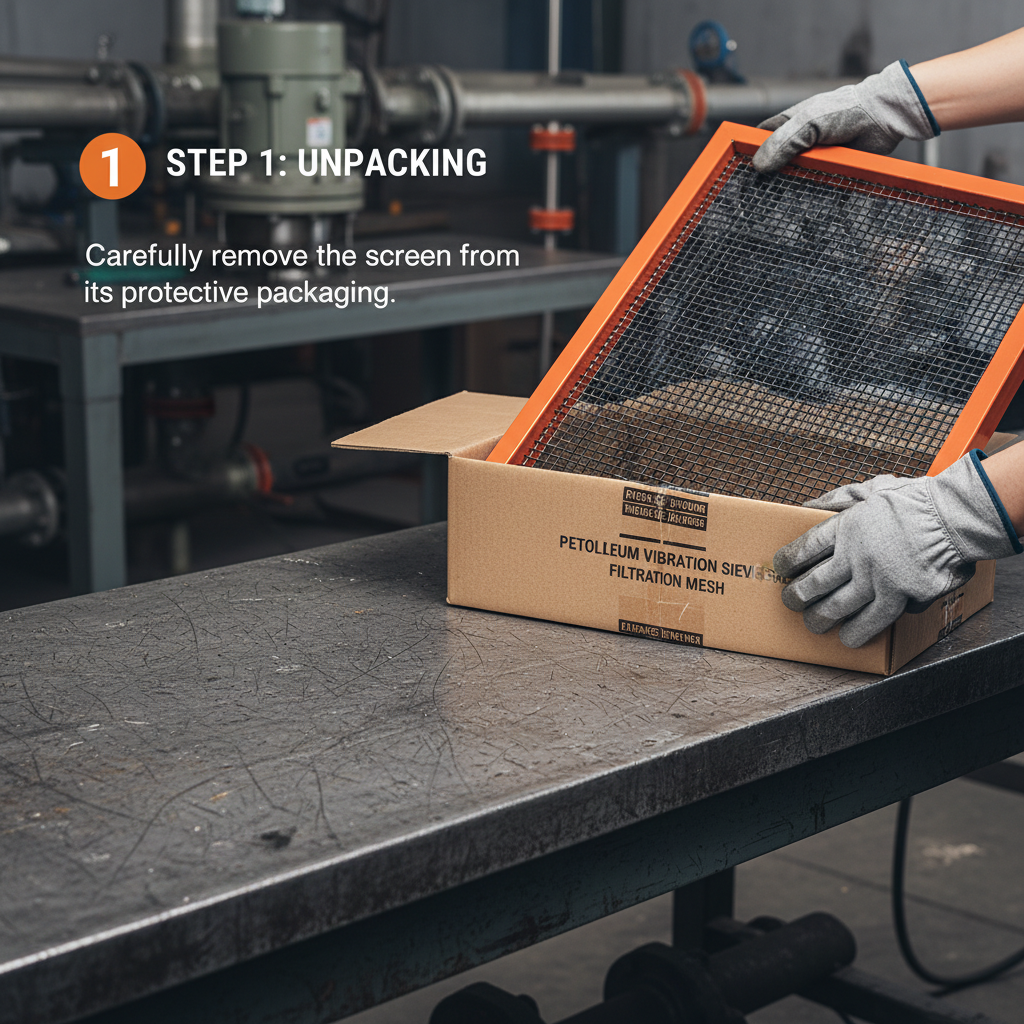
Most modern high quality screens are designed for quick installation with modular components and easy tension adjustment. Still, trained technicians and proper tools are recommended to ensure optimal performance.
Conclusion & Call to Action
In summary, investing in a high quality industrial shaker screen can transform industrial operations, offering greater efficiency, sustainability, and peace of mind. Whether you’re enabling cleaner water, safer mining, or more reliable manufacturing, these screens form a backbone of modern processing. If you want to explore how cutting-edge shaker screens could benefit your operation, visit our website for detailed specs and expert advice.
Sometimes it’s the unassuming components like shaker screens that quietly keep entire industries moving forward — a reminder that quality really does matter every step of the way.
References