Understanding the Importance of a High Quality Shale Screen in Modern Industry
You might not often stop to think about shale screens, but they’re quietly pivotal in fields like oil and gas extraction, mining, and environmental engineering. A high quality shale screen helps separate and filter shale cuttings from drilling fluids — a crucial step that ensures efficiency, safety, and environmental protection. So, why does this tiny yet mighty component matter globally? Well, with increasing demands for energy and responsible resource extraction, having reliable shale screens is vital to minimize waste, reduce environmental impact, and support sustainable operations.
Globally, the drilling industry’s volume keeps growing — about 33 million barrels of oil produced per day as of recent years — meaning managing shale efficiently isn’t just local business; it’s a global challenge. The World Bank and ISO standards emphasize sustainability and operational safety, pressing companies to choose equipment that aligns with these goals. Without a sturdy, well-performing shale screen, downtime, costly maintenance, and environmental hazards spike considerably.
What Is a High Quality Shale Screen?
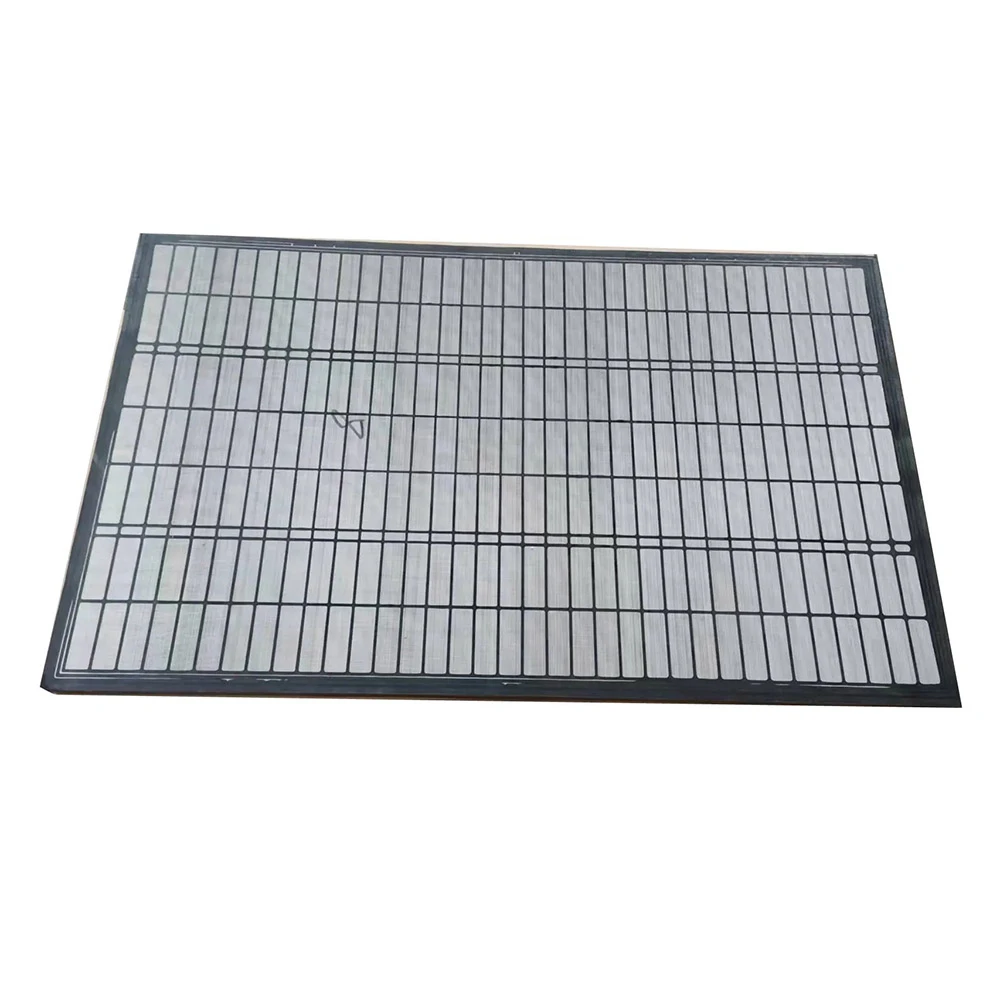
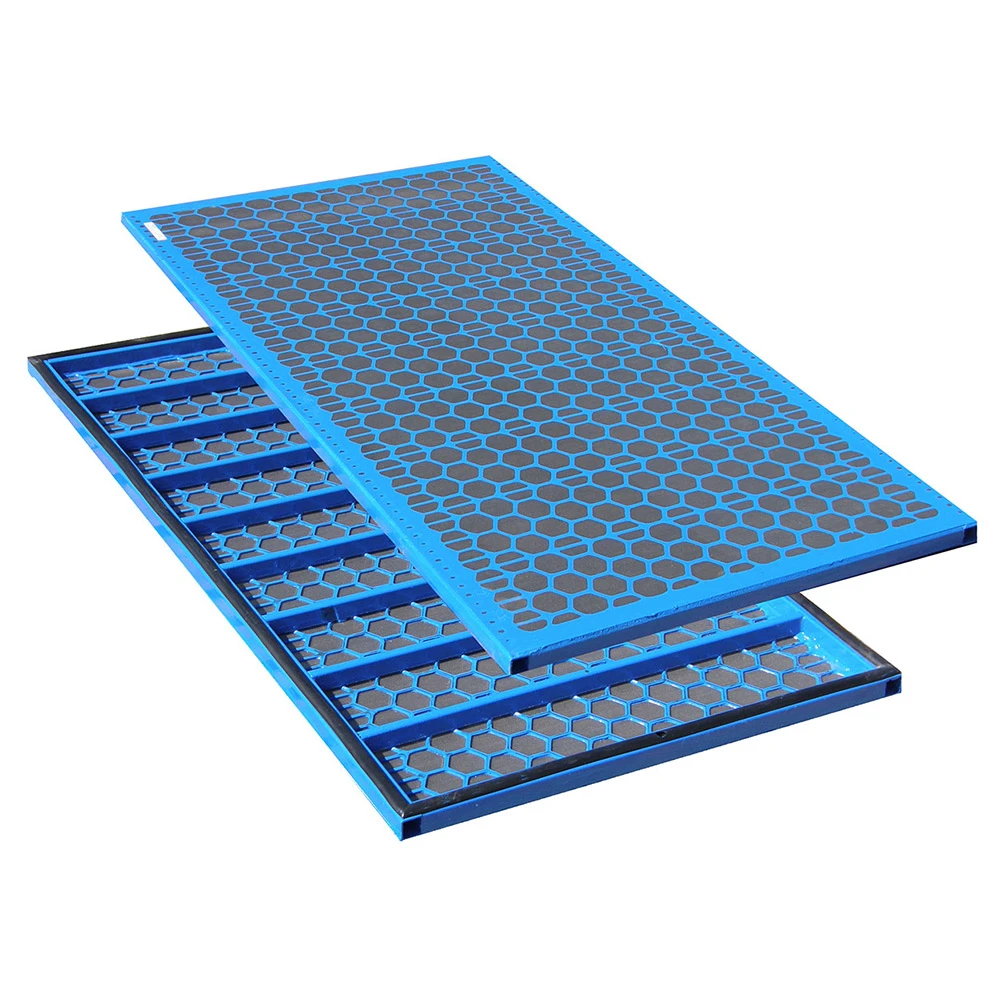
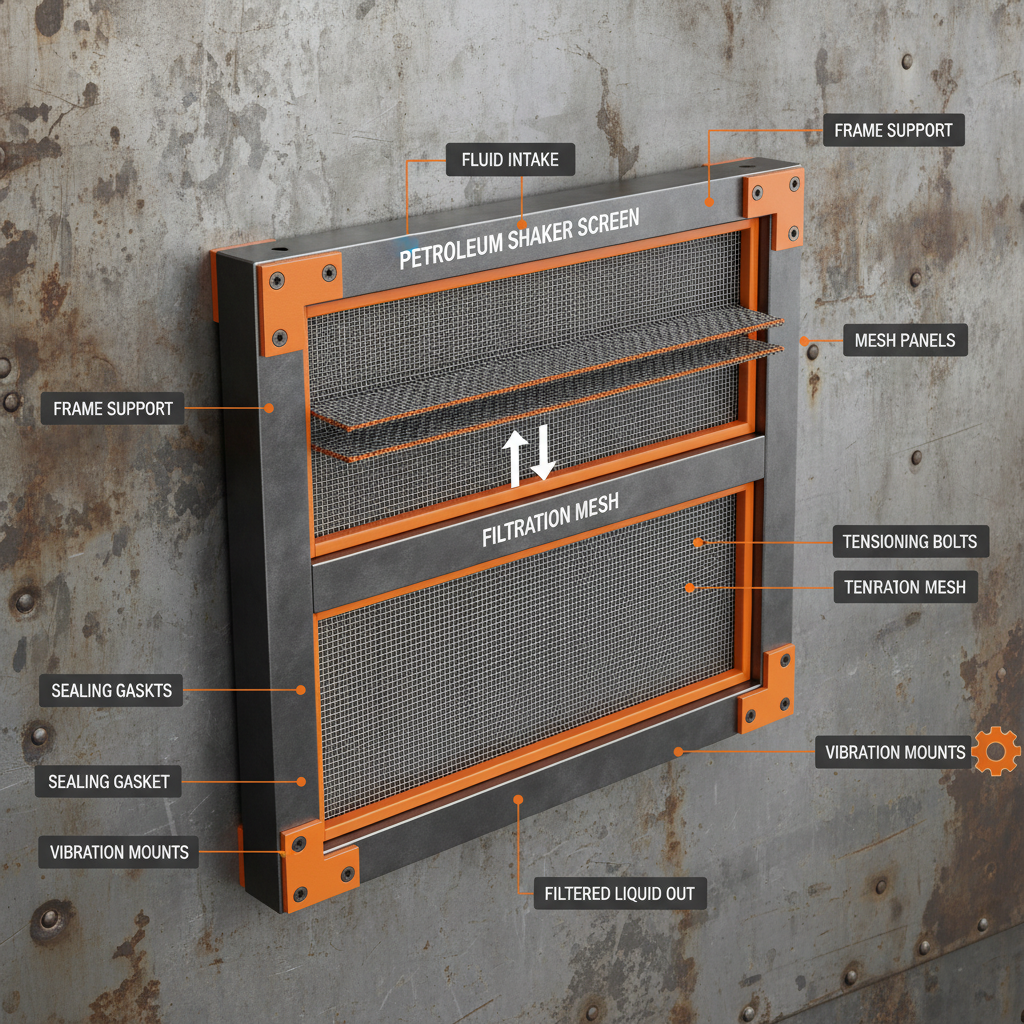
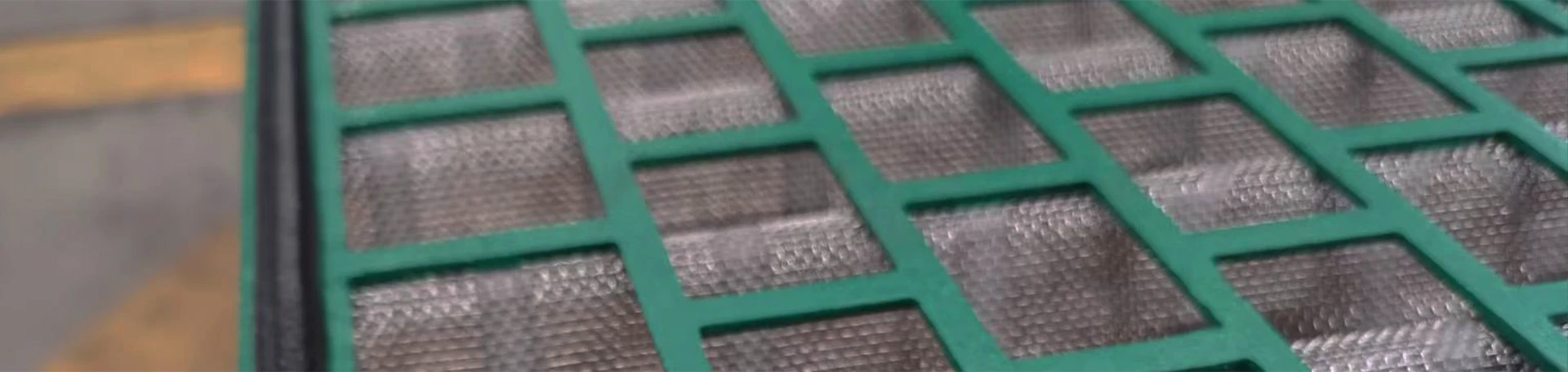
In simplest terms, a shale screen is a mesh or perforated plate designed to filter out shale rock fragments and other solids from drilling fluids during extraction. A high quality shale screen means durability, precision in sizing, and resistance to wear — qualities that directly influence operational continuity. The better the screen, the fewer contaminants enter the drilling fluid system, which literally saves millions in maintenance and downtime costs.
These screens are not just industrial tools; they’re part of how industries meet growing humanitarian and environmental needs. By enabling cleaner extraction processes, they reduce pollutant leakage and resource wastage, indirectly supporting local communities near extraction sites.
Core Components of a High Quality Shale Screen
1. Durability
The toughest shale screens use high-grade steel alloys to withstand abrasive shale materials and constant fluid pressure. It’s fascinating how some utilize proprietary coatings to extend lifespan beyond traditional limits — we’re talking wear resistance lasting thousands of operational hours.
2. Precise Aperture Sizing
Mesh sizes need to fit the drilling fluid’s particle profile. Too large, and cuttings pass through; too small, and screens clog rapidly. A quality screen balances this for optimal solids control.
3. Corrosion Resistance
Depending on the chemicals used in drilling fluids, corrosion can render screens useless fast. That’s why stainless steel or coated screens often become preferred, especially offshore.
4. Scalability and Customization
Different drilling rigs require different screen sizes and configurations. High quality screens come with customization options to fit various operational platforms seamlessly.
5. Cost Efficiency
Though initially pricier, superior materials and design reduce replacement frequency and downtime, making them more economical in the long run.
Typical Product Specifications for a High Quality Shale Screen
| Specification | Details |
|---|---|
| Material | High-strength stainless steel (304/316L) |
| Mesh Aperture Size | 20 - 100 mesh (customizable) |
| Coating | Wear-resistant polyurethane or ceramic coatings available |
| Dimensions | Fits standard shale shaker decks: 20"x60" typical |
| Lifespan | Up to 12 months continuous operation (depending on conditions) |
| Compliance | Meets API 13C standards |
Global Applications & Real-World Use Cases
Industrially, shale screens play a starring role in oil & gas fields across the Middle East, North America, and Central Asia, regions where shale formation drilling is intensifying. For instance, companies in Texas use high quality shale screens to optimize horizontal drilling efficiency.
Oddly enough, their use isn't confined to oil rigs — mining operations in South Africa employ these screens to sort ore tailings, enhancing recovery rates and limiting environmental runoff. Even in remote places like Arctic drilling sites, durability becomes a lifesaver, literally preventing accidents linked to equipment failure.
In humanitarian terms, reliable shale screens reduce chemical contamination risks during drilling near water sources, protecting local populations. NGOs working in resource-intensive environments increasingly recognize this component’s role in sustainable development.
Advantages & Long-Term Value of Using High Quality Shale Screens
- Operational Reliability: Fewer breakdowns mean steadier production and less unexpected downtime — a clear money saver.
- Environmental Safety: Efficient solids control reduces fluid pollution, safeguarding ecosystems.
- Cost Savings: Because these screens last longer and work better, total lifecycle expenses drop.
- Enhanced Worker Safety: Stable equipment means fewer accidents and safer workplaces.
- Reputation & Compliance: Investing in quality gear also helps companies meet international sustainability standards, bolstering industry credibility.
Frankly, it feels like these modest components punch way above their weight in terms of impact.
Future Trends & Innovations in Shale Screen Technology
Innovation doesn’t sleep here. The shale screen industry is adopting increasingly advanced materials — think nano-engineered coatings that repel debris, or digital monitoring sensors embedded in screens to detect clogging early. This smart integration mirrors larger industry digital transformations, enabling predictive maintenance.
Green energy initiatives push manufacturers to develop recyclable and biodegradable screen components, aligning products with circular economy principles. Automation also promises quicker screen swaps on drilling rigs, reducing human exposure to risky operations.
In short, the future feels both more high-tech and more sustainable — a trend that most engineers and environmentalists welcome wholeheartedly.
Challenges & Solutions in Current Practices
Still, no tech is perfect. One persistent challenge with shale screens is balancing durability with flexibility — adding more wear resistance often increases rigidity, risking damage in rough conditions. Another is the cost barrier; smaller operators sometimes skimp on quality, paying dearly later with failures.
Innovative composites and modular designs are emerging to tackle these issues, offering strength, adaptability, and ease of repair. Plus, vendor partnerships with clients to supply tailored, scalable solutions is increasingly common — a step in the right direction.
Vendor Comparison of Popular High Quality Shale Screen Providers
| Vendor | Material Quality | Customization | Price Range | Warranty |
|---|---|---|---|---|
| Solid Control Part | Top-tier stainless steel with advanced coatings | Highly customizable mesh & dimensions | Mid to high | 12 months |
| Vendor B | Standard steel with polyurethane coatings | Limited options | Low to mid | 6 months |
| Vendor C | Premium corrosion-resistant alloys | Moderate customization | High | 18 months |
Frequently Asked Questions About High Quality Shale Screens
- Q: How do I know if a shale screen fits my drill rig?
- A: Compatibility depends on screen dimensions and mesh size matching your shale shaker model. Measuring your shaker deck and consulting your equipment manual or vendor specifications ensures the right fit.
- Q: Can high quality shale screens reduce environmental contamination?
- A: Yes, by efficiently separating solids from drilling fluids, they minimize chemical and particulate discharge into the environment, helping meet regulatory standards.
- Q: What maintenance is necessary to prolong shale screen life?
- A: Regular inspection for wear, ensuring correct tension in mesh, and prompt cleaning to avoid clogging greatly extend screen lifespan.
- Q: Are there eco-friendly materials for shale screens?
- A: Emerging trends include bio-based coatings and recyclable metal meshes, though these solutions are still scaling in commercial use.
- Q: How quickly can a worn shale screen be replaced in the field?
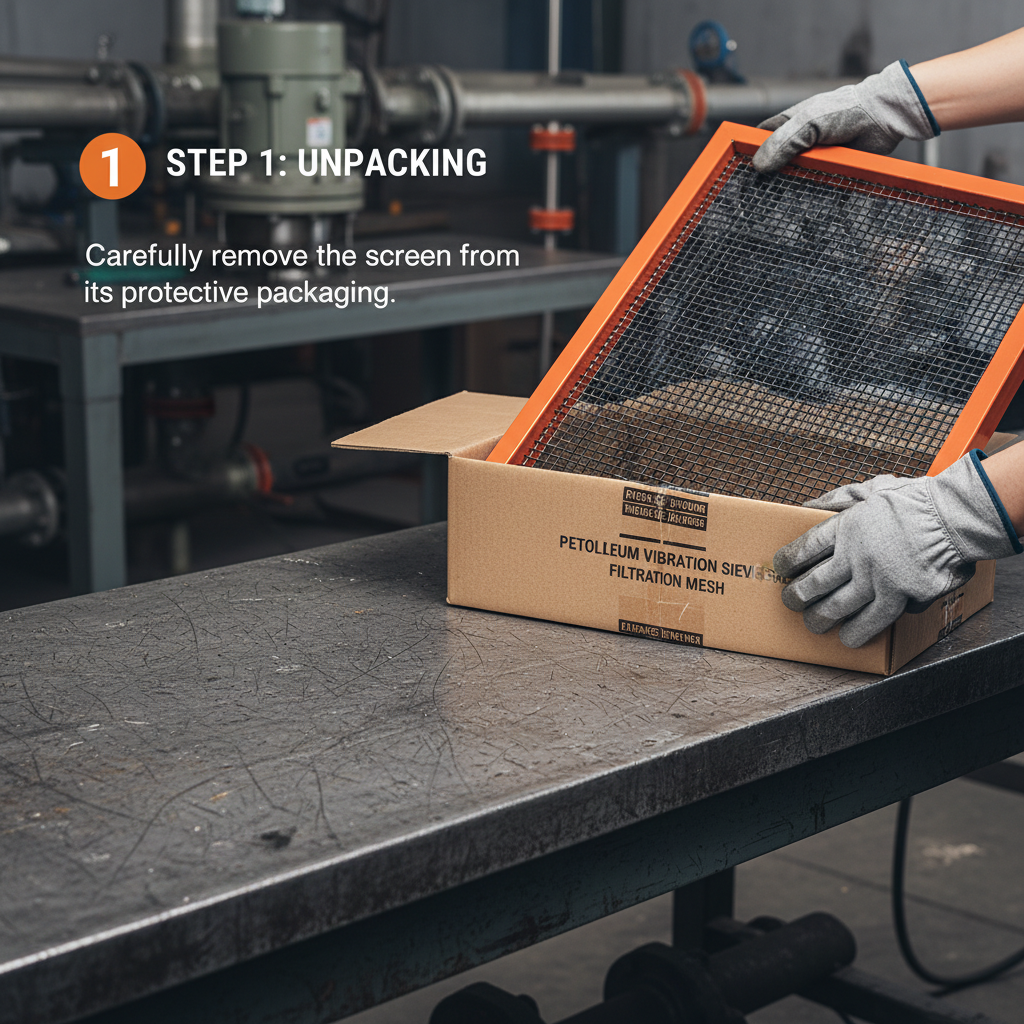
- A: With modular designs and pre-fitted components, replacement can take as little as 30 minutes, minimizing downtime significantly.
Conclusion
All things considered, investing in a high quality shale screen is a smart move—not just for operational efficiency, but also for environmental stewardship and workforce safety. They form the quiet backbone of successful drilling operations worldwide. If you’re in the drilling, mining, or environmental sectors, exploring reliable shale screen options can yield significant long-term returns.
Want to learn more or source premium shale screens? Visit our website: https://www.solidcontrolpart.com for detailed specs and expert support.
Quick takeaway: A good shale screen cuts costs, improves safety, and protects the environment—a rare win-win-win in industrial tech.
References