High Quality shaker screens: What sets them apart?
Having spent over a decade in the industrial equipment scene, particularly in oilfield solids control, I’ve had my fair share of hands-on time with shaker screens. Frankly, when you’re elbow-deep in managing solids separation, you notice the difference between a good shaker screen and one that just... isn’t up to snuff. Even the smallest specs can make a huge difference in efficiency and durability.
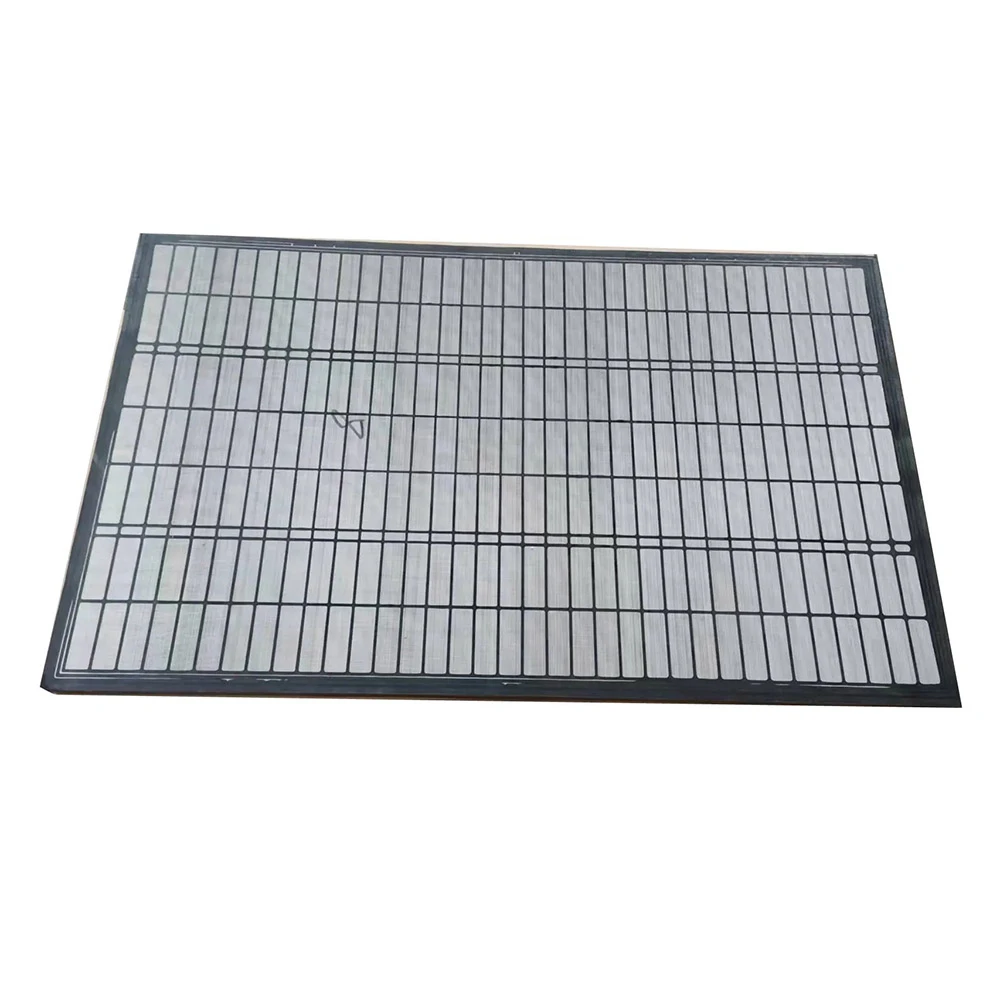
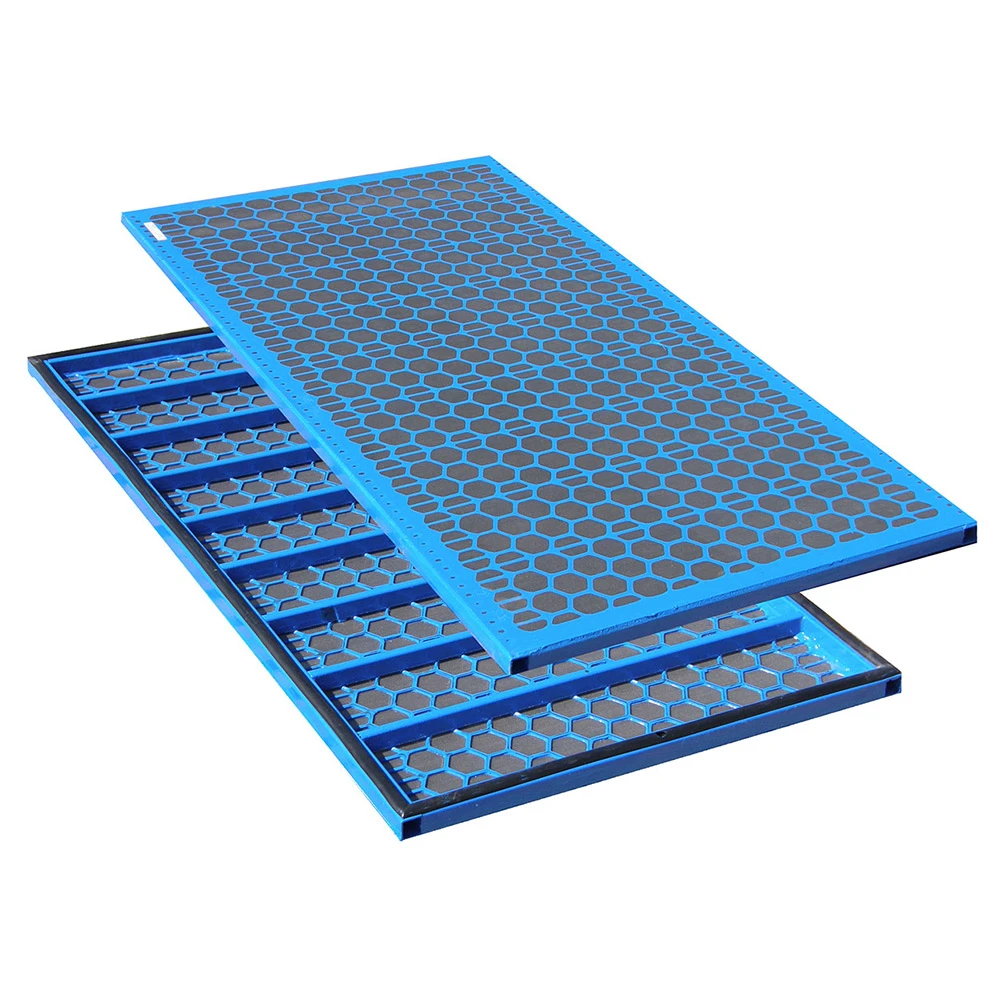
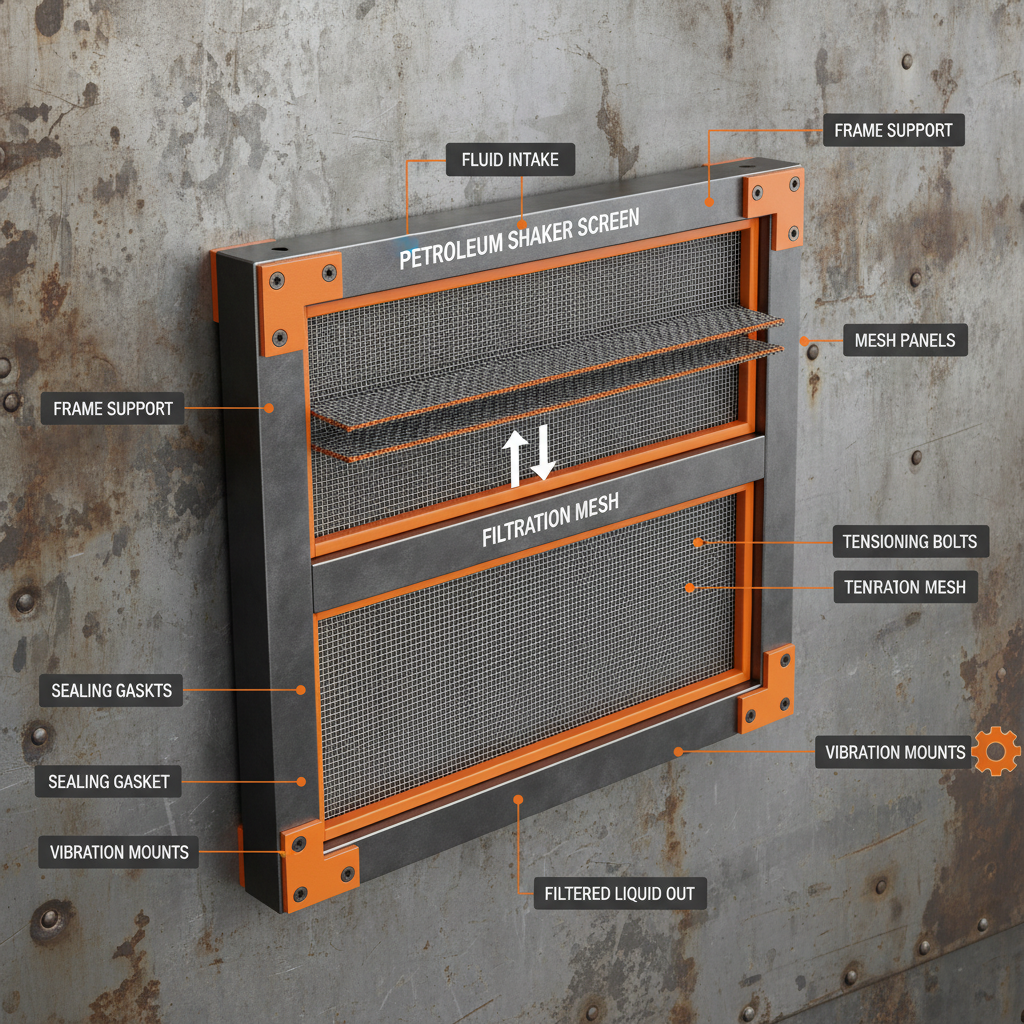
The industry has evolved quite a bit, with many manufacturers emphasizing not just tensile strength or mesh precision, but also material innovation. A high quality shaker screen nowadays often combines stainless steel frames with precision-woven synthetic mesh for better wear resistance. It feels like the more advanced ones also get tested beyond standard industry benchmarks, including simulated abrasion and deformation cycles. That kind of hassle upfront can prevent costly downtime later.
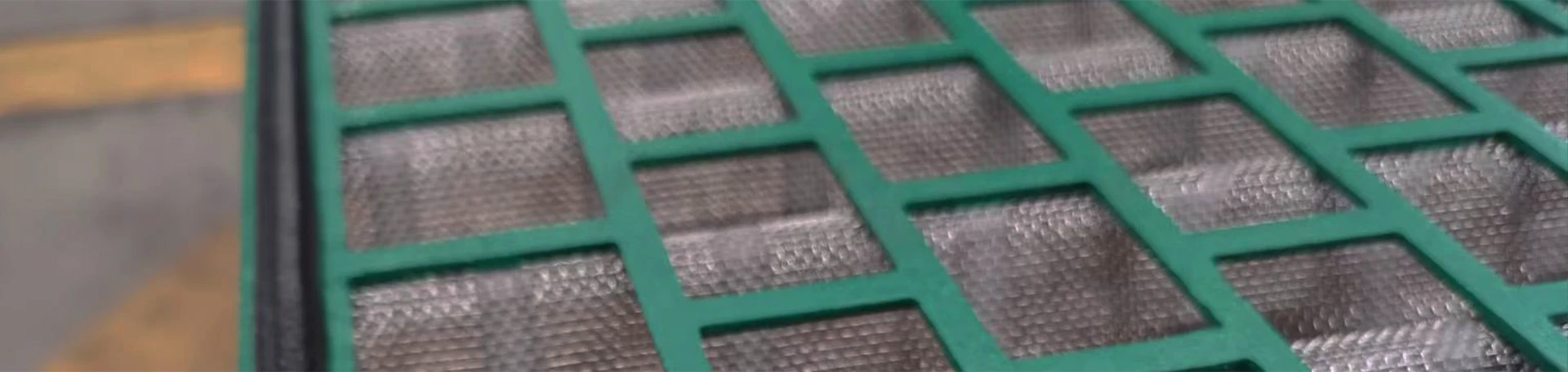
On the shop floor, I’ve noticed how some screens maintain integrity longer under extreme temperature swings or abrasive brine sludges. It’s almost niche info — like certain screens use dual-layer fine mesh that's bonded rather than just glued, which stops fraying and reduces blinding. You know, that pesky thing where the mesh clogs with solids making your shaker less effective? Yeah, those small details separate the champions from the also-rans.
Customization is another interesting angle. Some clients I worked with asked for screens tailored to specific shaker models or unique feedstocks. It’s a reminder that “one size fits all” rarely applies in real operations. The best suppliers understand this; they’re ready to tweak mesh sizes, frame types, even the tensioning method. I suppose this responsiveness is what really cements long-term vendor relationships.
Speaking of vendors, here’s a quick comparison I’ve put together based on typical offerings, delivery times, and durability claims that you’ll often bump into when sourcing shaker screens:
| Vendor | Mesh Types | Delivery Time | Material Quality | Customization |
|---|---|---|---|---|
| SolidControlPart | API-compliant, Synthetic & SS mesh | 2 weeks | Premium SS frame, bonded mesh | High (custom mesh size & frame) |
| Competitor A | Standard synthetic mesh | 3–4 weeks | Moderate SS with glued mesh | Low |
| Competitor B | Stainless steel mesh only | 1 week | Good quality SS frame | Medium |
Now, let me pull back a bit and share a quick story. One time, my client was struggling with excessive wear on their shaker screens — in just days, not weeks. After switching to high quality, bonded mesh screens from a reputable supplier (not naming names but you can guess), their operational uptime improved by roughly 30%. The screens didn’t blind as fast, and they resisted frame warping in the field conditions that felt borderline brutal. It made me appreciate how a well-made screen isn’t just a replacement part, but a key piece of the productivity puzzle.
If you’re wondering about specs, here’s a typical profile for a reliable high quality shaker screen that I often recommend – sort of a sweet spot of durability, functionality, and cost efficiency:
| Feature | Specification | Notes |
|---|---|---|
| Frame Material | Stainless Steel 304 or Higher | Corrosion resistant, resists warping |
| Mesh Type | Dual-layer bonded synthetic or SS mesh | Prevents blinding and fraying |
| Tensile Strength | > 200 MPa | Ensures durability under load |
| Mesh Sizes | API 20–230 (custom available) | Fits various solids control needs |
| Screen Tension | Factory pre-tensioned | Reduces installation hassle |
| Operating Temperature | -20°C to +100°C | Suitable for standard field conditions |
Oddly enough, while technology in shaker screens doesn’t always get the spotlight, these screens silently affect your whole process’s uptime and efficiency. So if you’re stocking up or upgrading, it’s worth investing in the higher quality, maybe even custom options.
In summary: it’s all about balancing material strength with mesh accuracy and customization. When all those boxes tick right, your shaker screen won’t just last longer — it will transform how well your solids control system performs. And that’s something engineers and operations managers alike can both appreciate, I suppose. If you want to explore options, shaker screens from trusted suppliers are a solid place to start.
Cheers to fewer screen replacements and more uptime!
References:
- API Specification 13C Rev E – Shaker Screen Standards.
- SolidControlPart Product Catalog, accessed 2024.
- Industry interviews and field reports, 2015–2023.