Why a High Quality derrick shaker screen Still Matters in Industrial Separation
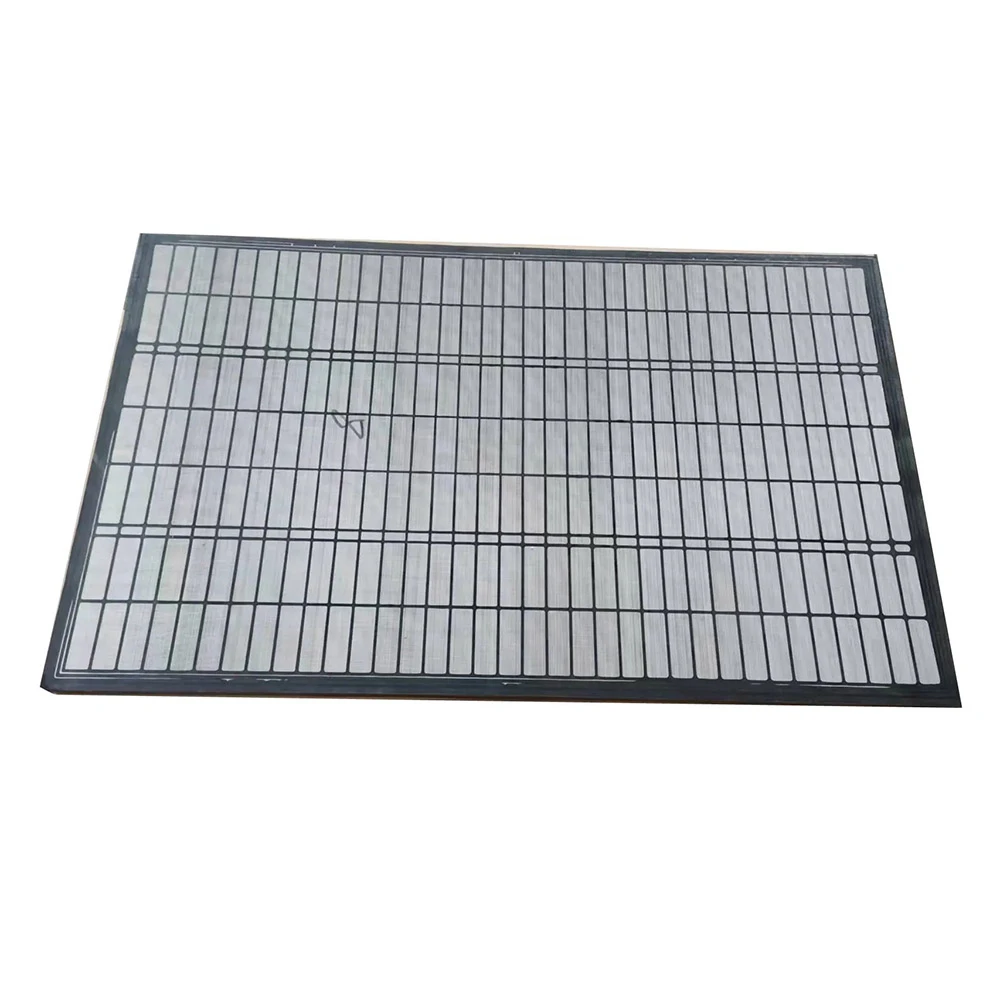
Having spent well over a decade in the industrial equipment trenches—primarily with solids control gear—you start noticing trends that aren’t always obvious from polished brochures. Take the seemingly humble derrick shaker screen: it’s a small but vital component that too often gets overlooked until it fails. When you’re dealing with thousands of pounds of slurry and the relentless rhythmic shaking of a rig, having a reliable screen is not just about efficiency; it’s a frontline safeguard.
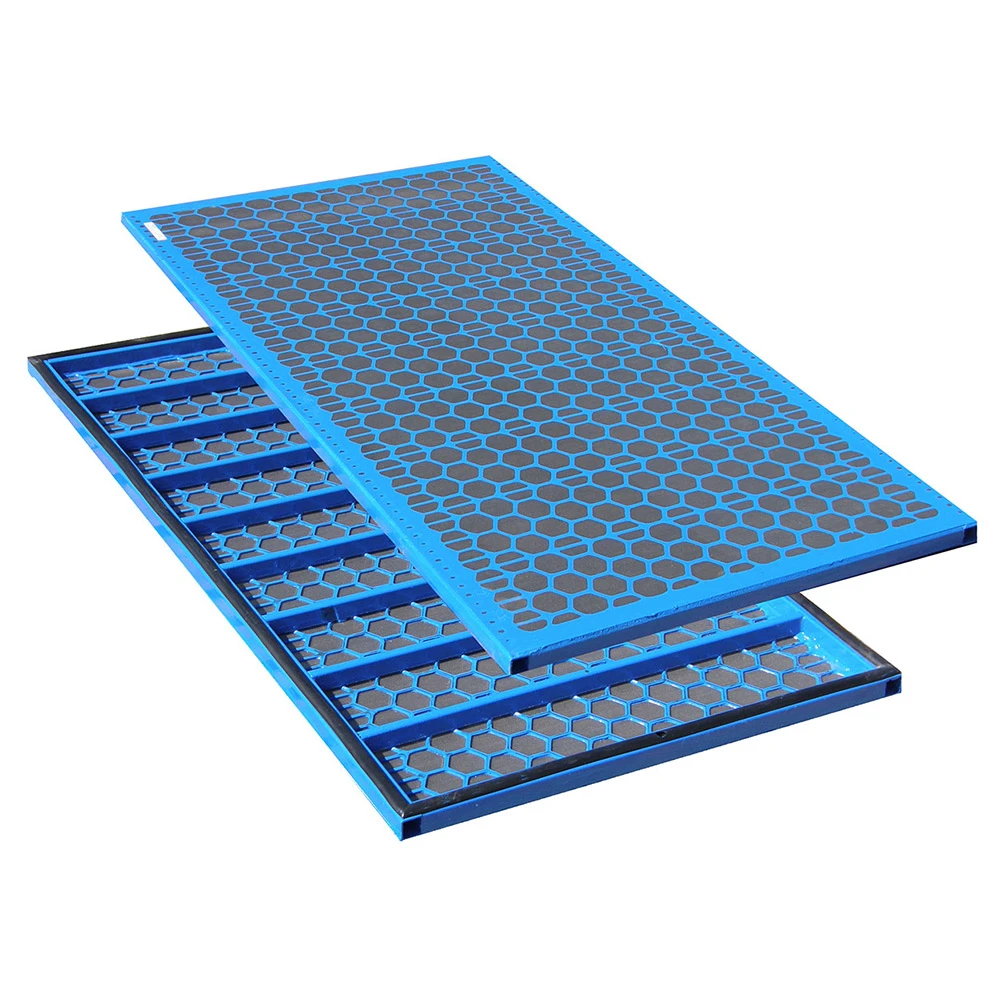
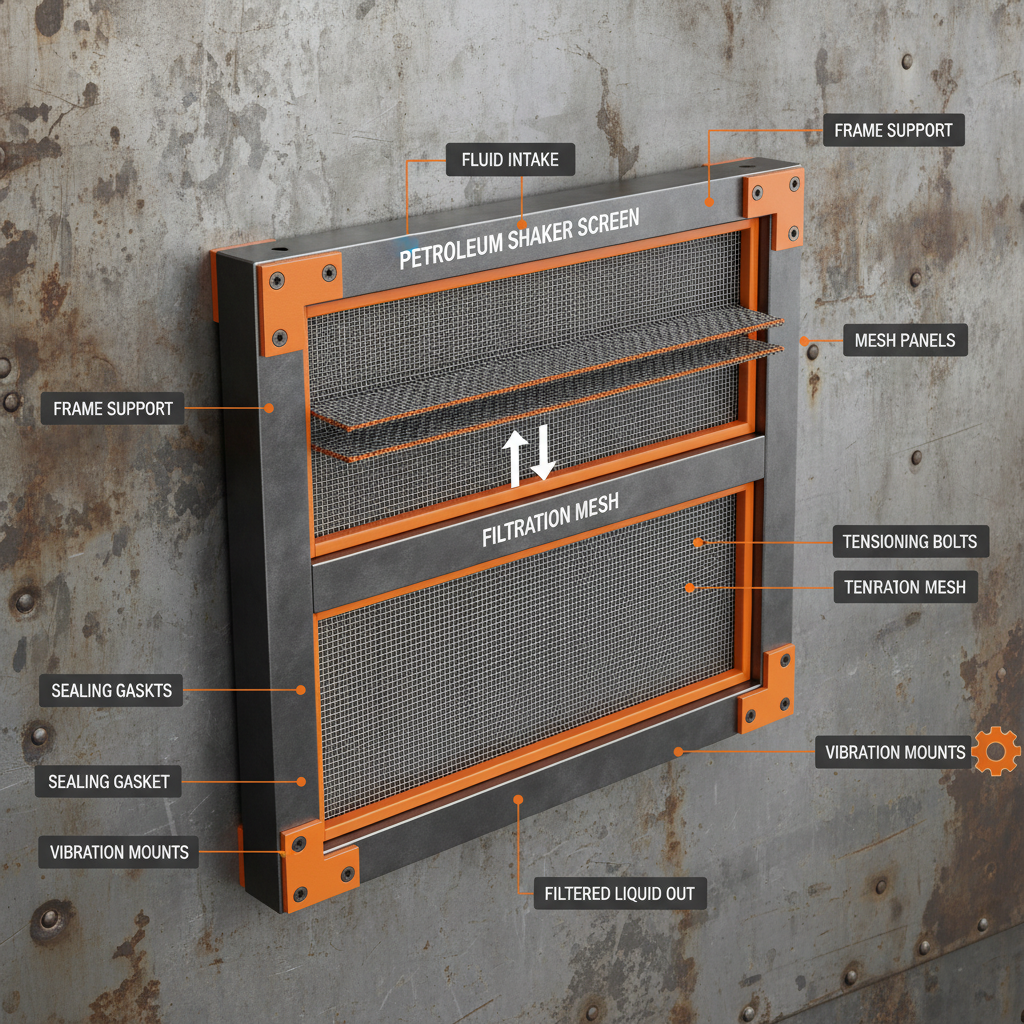
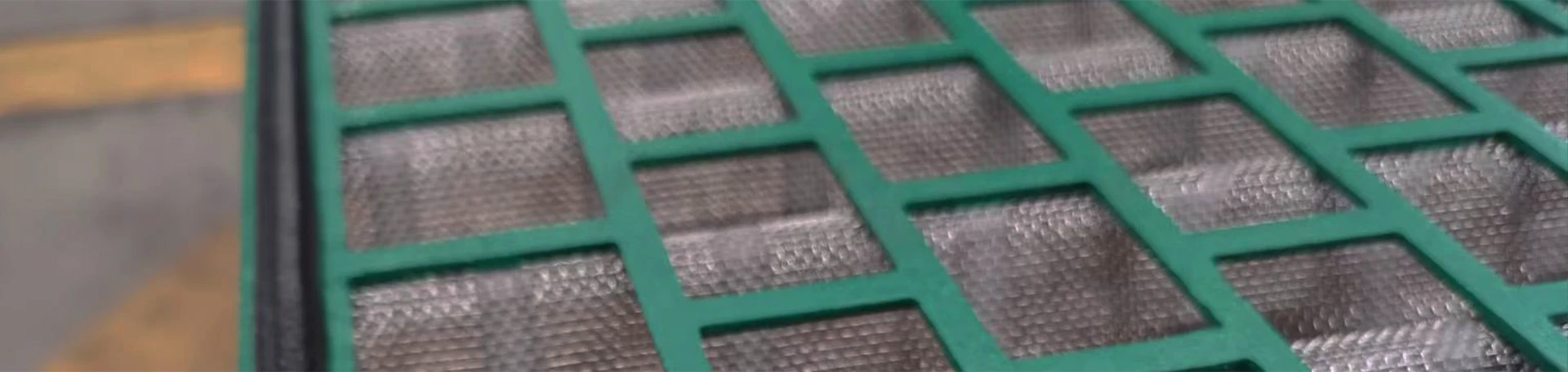
Now, I suppose many engineers out there nod along when I say that the choice of mesh, frame design, and material finishes can really change the lifespan and performance of those screens. From my experience, the best shaker screens—like those from Solid Control Part—focus on durability first without sacrificing the critical particle separation accuracy.
Oddly enough, the industry doesn’t standardize screen dimensions as tightly as you would expect. That leads to lots of retrofit hassles on rigs with non-standard shaker decks, which can slow operations in a pinch. The good news is that premium manufacturers now offer customization options, reducing downtime and fitting different derrick models seamlessly. In real terms, this means less maintenance, fewer replacements, and lower overall operational headwinds.
| Feature | Specification |
|---|---|
| Mesh Type | High-tensile stainless steel woven wire |
| Mesh Size | From 20 to 200 US Mesh (custom options available) |
| Frame Material | Aluminum alloy with corrosion-resistant coating |
| Attachment Style | Hexagonal bolt fasteners / clamp-fit |
| Max Operational Temperature | 350°C (660°F) |
| Expected Lifespan | Up to 12 months for continuous heavy-duty use |
One thing I personally appreciate about these high quality screens is how they handle abrasive particles. You might recall a project in Texas where we tested a batch of these against cheaper imports. The Solid Control Part screen retained integrity far longer, especially under intense shale and sand loads. For operators, that translates into fewer screen swaps and less friction with downtime-driven anxiety.
Of course, not all vendors are created equal. To help out, here’s a simple comparison table that sums up some key differences between notable suppliers:
| Vendor | Material Quality | Customization | Pricing | Lead Time |
|---|---|---|---|---|
| Solid Control Part | Premium 304/316 SS Mesh | High - bespoke sizes & mesh | Mid-range | 2-3 weeks |
| Generic Industrial Screens | Standard SS Mesh | Low - few options | Low | 1-2 weeks |
| Premium Screen Tech | High-grade alloy steel | Medium - limited mesh sizes | High | 3-4 weeks |
Talking shop, what I think is often missed by those outside the field is that a shaker screen doesn’t just “catch solids” — it shapes the whole downstream recovery and waste handling workflow. A lousy screen can throw off the particle size distribution and increase your drilling fluid loss dramatically. Frankly, that’s a nightmare on any rig timeline.
One customer I worked with in Oklahoma told me (half-exasperated, half-grateful) how switching to a more durable screen reduced their shaker deck downtime by over 40%. And in those operations, every hour saved is tens of thousands of dollars. You realize, then, the “screen” is more than a part—it’s an unsung hero of efficient drilling.
So when selecting your next derrick shaker screen, it pays to dig beyond price tags and look for quality, material science, and customization. That’s my two cents from the trenches—take it or leave it!
References:
- Industry Standards for Solids Control, Oilfield Equipment Assoc., 2022
- Solid Control Part Product Literature and Case Studies, 2023
- Direct Field Experience and Customer Feedback, 2015-2023