Understanding Shale Shaker Screen Exporters: Why They Matter Globally
Shale shaker screens might not be a household phrase, but in oil and gas drilling – as well as many other industries – they are vital. Essentially, these screens help physically separate solids from drilling fluid, enabling efficient fluid reuse and less waste. With the continual push for sustainability and cost control in drilling worldwide, knowing about shale shaker screen exporters becomes key for companies that want to maintain operational excellence and comply with environmental standards.
On a global scale, efficient solids control impacts drilling economics and environmental footprint. If you’re involved in equipment sourcing, understanding exporter capabilities can save time and money—plus, get your operation ready for the next generation of drilling challenges.
Global Industry Snapshot: Where Shale Shaker Screen Exporters Fit In
The drilling industry, valued at over $100 billion globally (source: World Bank), depends heavily on efficient solids control equipment. Shale shakers are frontline tools for solids removal, and their screens determine operational efficiency, downtime, and fluid quality.
Challenges arise when export logistics, screen quality, and adaptability to various mud types don’t align. Many regions—like the Middle East, North America, and parts of Asia-Pacific—experience high demand for quality shale shaker screens. This is due partly to expanding drilling activities combined with stricter environmental regulations demanding better waste management.
Exporters specializing in these screens must address issues like screen durability, mesh selection, and compatibility across shaker models. Frankly, if the screen fails early or doesn't fit well, the drilling team faces costly downtime. This makes the exporter’s role critical.
What Are Shale Shaker Screen Exporters, Anyway?
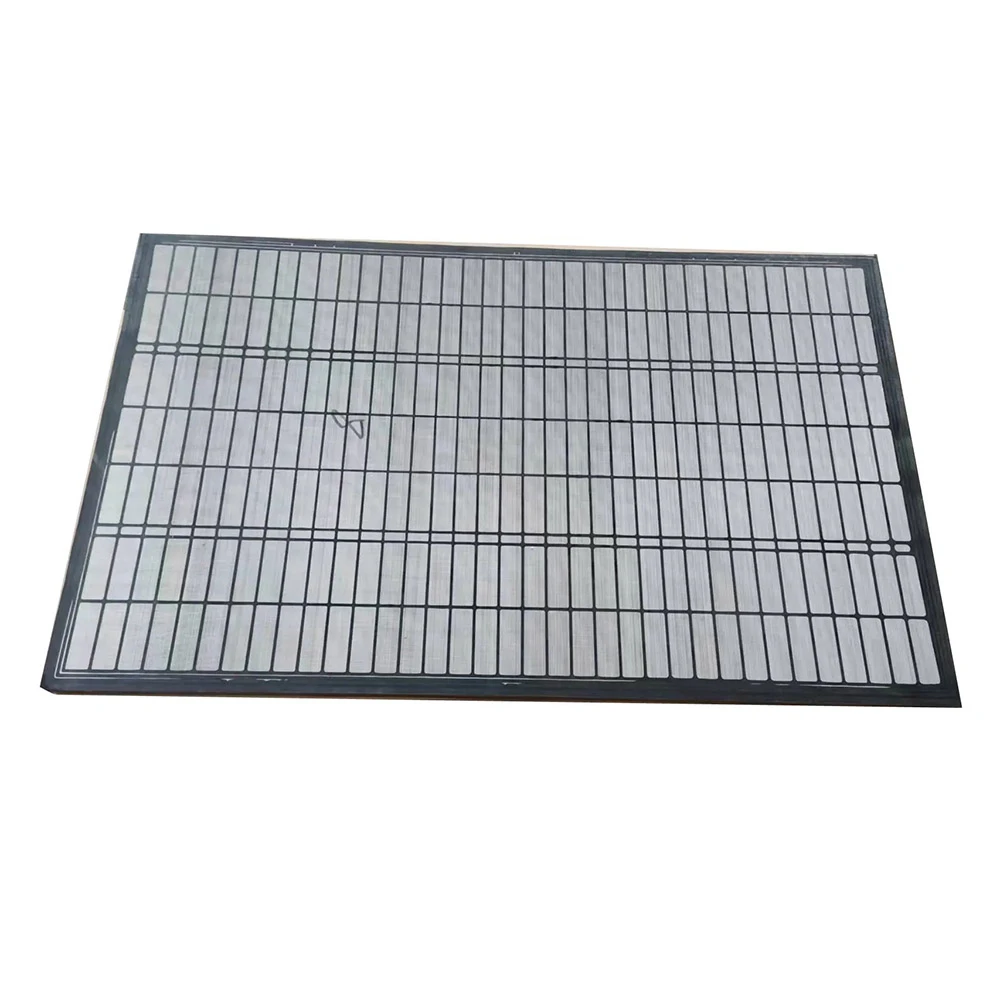
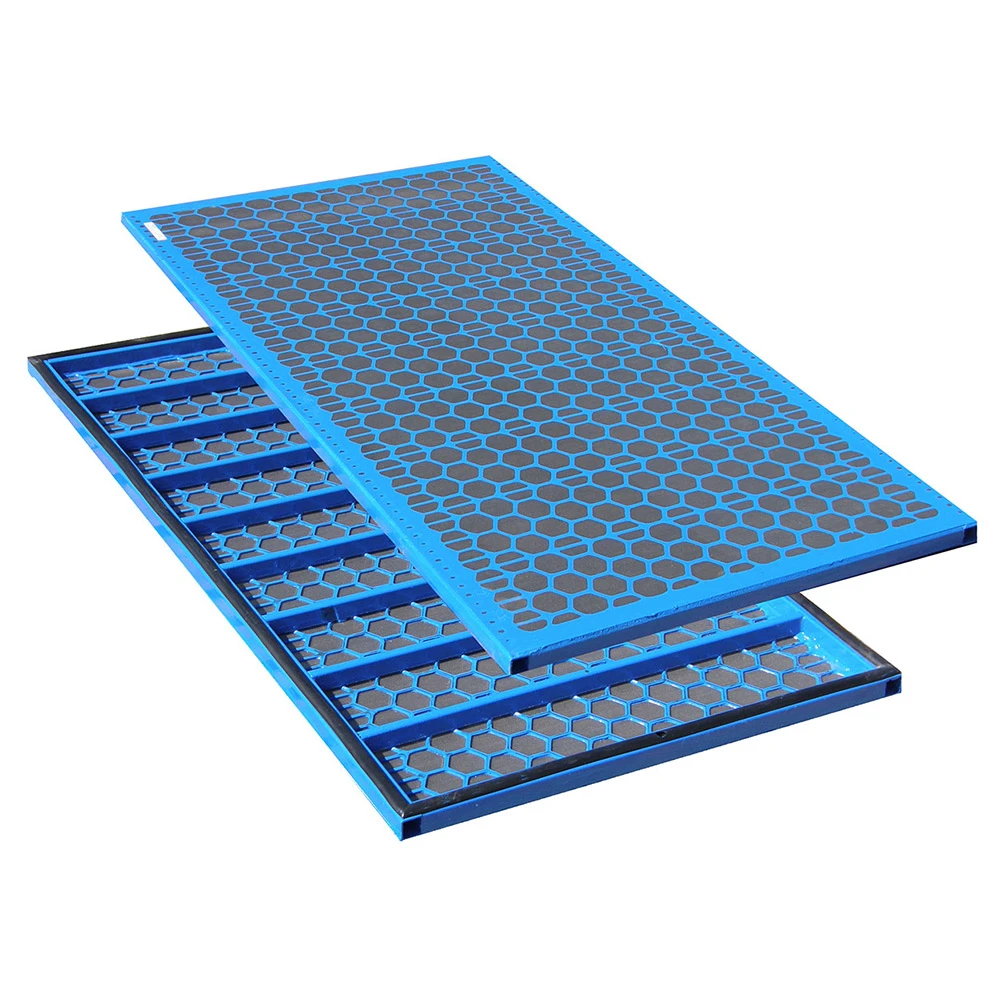
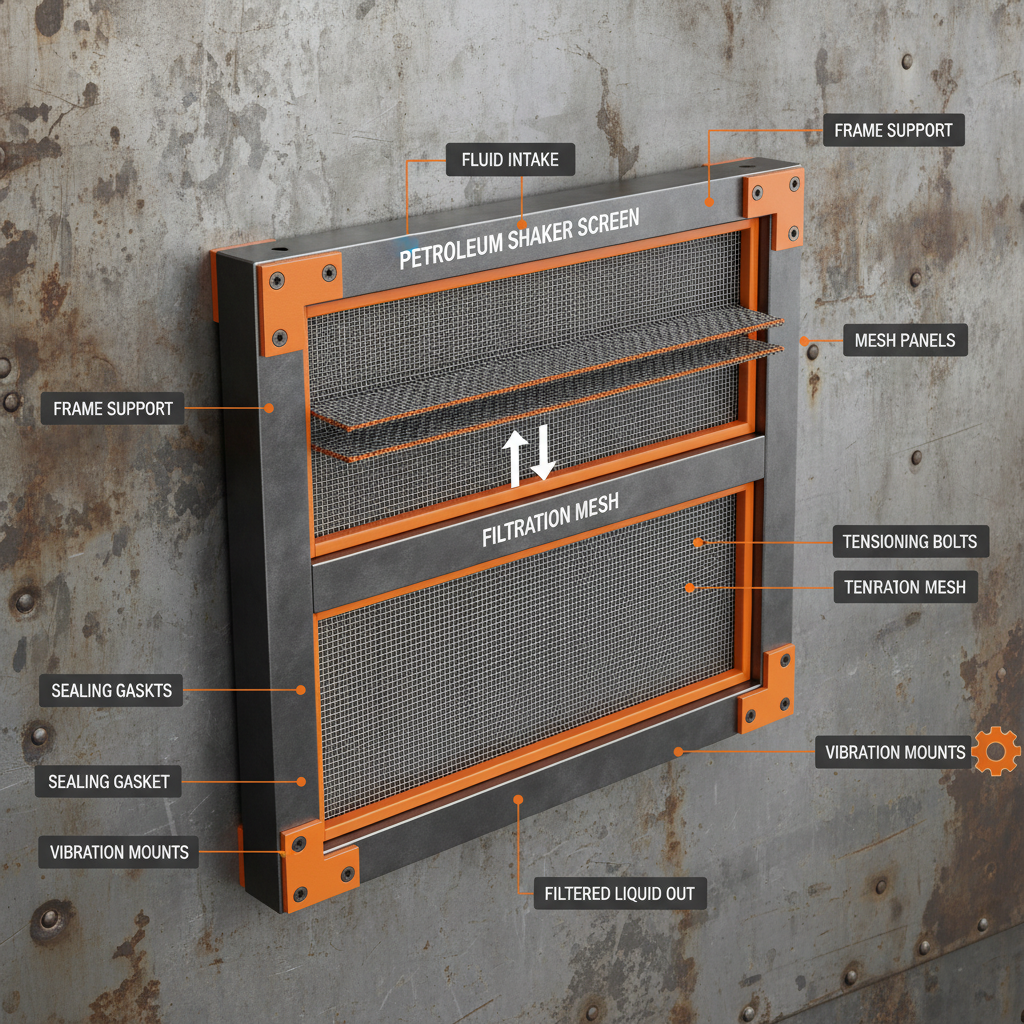
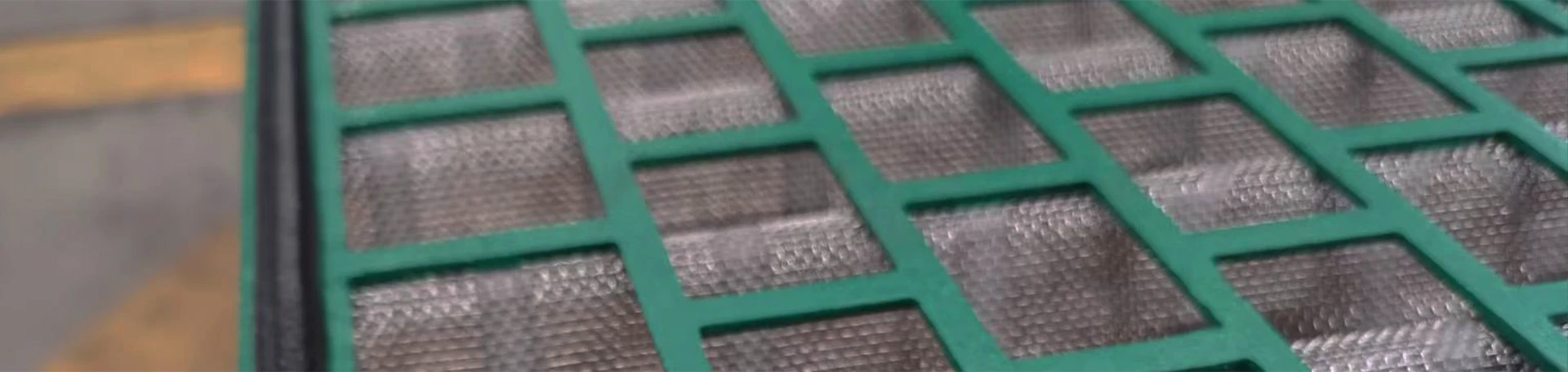
In simple terms: shale shaker screen exporters are businesses or suppliers that produce and ship screens used in shale shakers worldwide. These screens are a mesh layer that vibrates to filter out rock cuttings, sand, and other solids from drilling fluids. Exporters ensure these products reach distant drilling sites, often adapting to different sizes, mesh counts, and durability requirements.
Their importance transcends oil drilling and touches on environmental responsibility. Efficient shale shaker screens mean less fresh water use, reduced disposal of contaminated fluids, and lower overall environmental impact—something industries worldwide are increasingly held accountable for.
Key Factors That Define an Excellent Shale Shaker Screen Exporter
1. Durability and Screen Material Quality
The typical environment for drillingscreens is extremely harsh. Exporters source or manufacture screens using stainless steel alloys or composite materials that resist corrosion, abrasion, and high temperatures. This ensures operational longevity, smoothing out the supply chain concerns.
2. Customization & Compatibility
Not all shale shakers are created equal. Some exporters provide custom sizes or hybrid mesh configurations to fit different shaker models, drilling mud types, or operational needs. This flexibility can be a game changer, especially for rig operators juggling multiple machine types.
3. Cost-Effectiveness
Price isn’t just dollar-per-piece, but includes the longevity and performance that reduce downtime and maintenance. The best exporters balance quality and cost pragmatically—many engineers say it’s smarter to invest slightly more upfront for fewer replacements.
4. Export Experience and Logistics
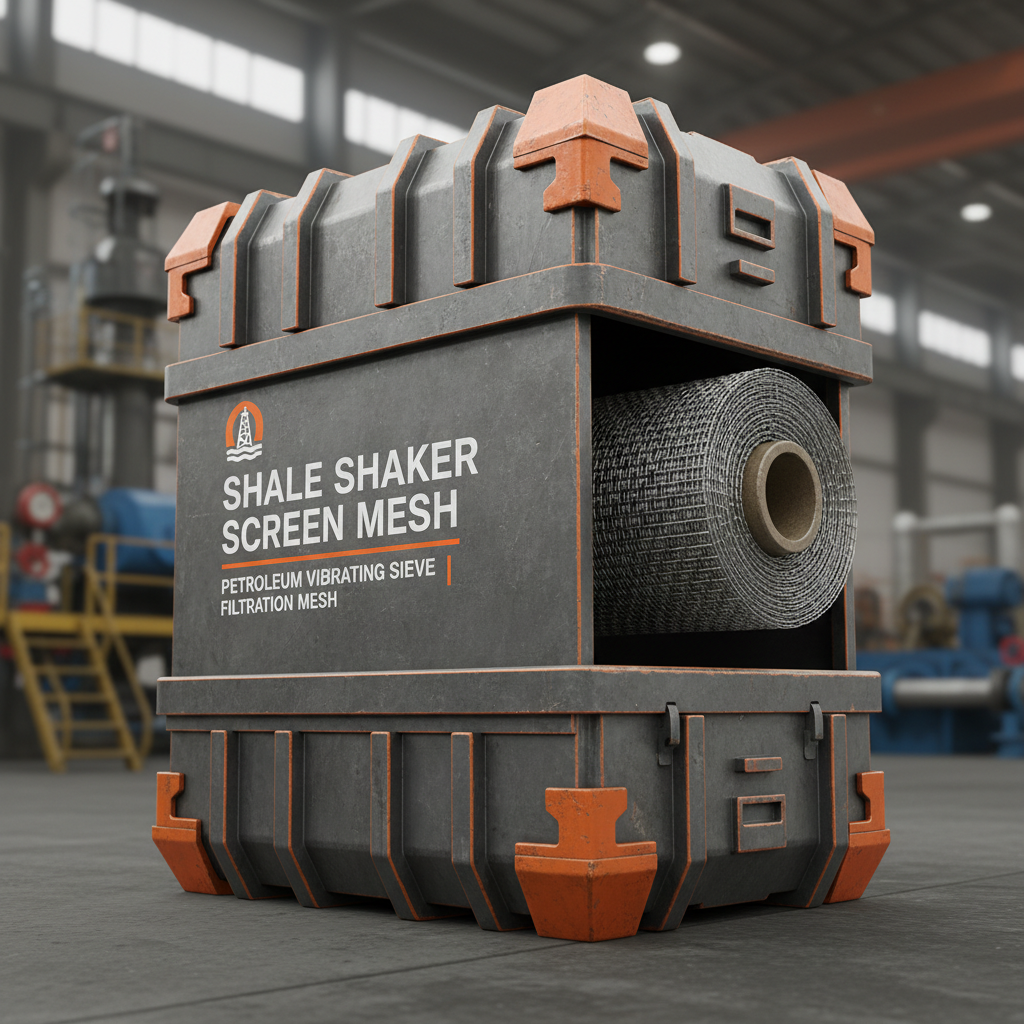
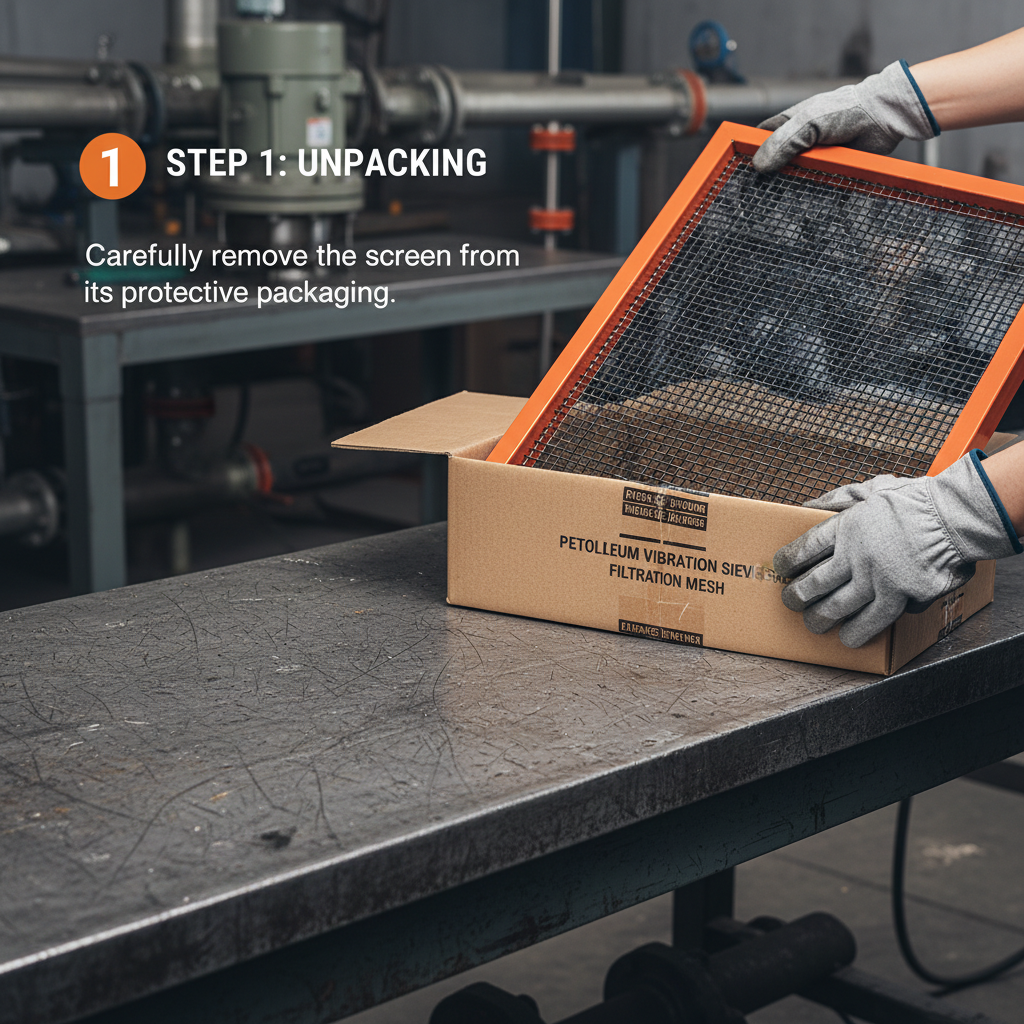
Shipping these screens globally demands logistics savvy, customs expertise, and reliable packaging. A dedicated exporter with global reach can simplify procurement and keep replacements on hand when rigs need them—no delays, no headaches.
5. Testing & Certification
ISO 9001 certification or API standard compliance can be a reassuring sign. Exporters who test their screens rigorously ensure consistency and customer satisfaction. In real terms, it’s about trust and reliability.
Practical Applications Around the World
In North America and the Middle East, shale shaker screen exporters serve booming oil and gas fields by equipping drilling crews with reliable solids control solutions. In harsh environments like the Arctic or desert regions, where shipping downtime can devastate schedules, these exporters ensure swift delivery.
Oddly enough, the impact isn’t limited to fossil fuels. Certain mining projects in Australia and South America deploy similar technology to separate slurry components, benefiting from the advances shale shaker screen exporters bring.
Even humanitarian and disaster relief projects have a stake; efficient solids control reduces environmental risks and costly waste even in unconventional drilling or water management setups.
Mini Takeaway
Ultimately, exporters that deliver durable, custom, cost-efficient shale shaker screens support industries that rely on fluid processing excellence. Their role underpins both economic success and environmental responsibility.
Typical Specifications of a High-Quality Shale Shaker Screen
| Specification | Typical Range | Explanation |
|---|---|---|
| Screen Material | Stainless Steel 304 or Composite | Corrosion and abrasion resistant |
| Mesh Count | 20 - 200 mesh | Determines cut size of solids filtered |
| API Standard | API RP 13C Compliant | Industry-standard quality assurance |
| Screen Dimensions | Various (e.g., 585x1165 mm) | Fits multiple shaker models |
| Screen Type | Hookstrip, Pretension, Composite | Different mounting designs for versatility |
How Top Shale Shaker Screen Exporters Stack Up
| Exporter | Product Range | Global Shipping Capability | Customization | Certifications |
|---|---|---|---|---|
| Exporter A | Wide (20-200 mesh) | 50+ countries | High | ISO 9001, API |
| Exporter B | Medium (40-140 mesh) | 30 countries | Medium | API only |
| Exporter C | Limited (50-100 mesh) | Local & regional | Low | None |
Advantages and Long-Term Value of Working with Reliable Exporters
- Reduced Downtime: Quality screens prevent frequent replacements, optimizing drilling schedules.
- Environmental Compliance: Effective solids control means less waste and better adherence to regulations.
- Cost Savings: Investing in durable screens reduces maintenance and operational expenditures.
- Trust and Support: Exporters with strong customer service ensure fast turnaround and expert advice.
- Innovation Adoption: Staying ahead with updated screen technology fuels competitiveness.
Emerging Trends: What’s Next for Shale Shaker Screen Exporters?
Technology continues to impact shale shaker screens. Many exporters are exploring composite materials for lighter but equally durable screens. Automation and digital inventory management improve order accuracy and reduce lead times. Policies pushing greener drilling methods increase demand for more sustainable screen materials.
It feels like we're just starting to see the blend of digital and material science in this niche, ripe for innovation — smart sensors embedded in screens for wear detection, for instance, could be next.
Challenges and Forward-Thinking Solutions
One stubborn issue is screen wear variability due to different drilling fluids and environmental conditions. Expert exporters often recommend customized mesh and material choices that fit specific regional conditions.
Another challenge lies in late deliveries causing operational delays. Collaborative forecasting and local warehousing can help, which a few exporters already implement. It’s kind of the difference between scrambling for a replacement part and having it scheduled and ready to roll.
FAQ: Your Most Common Questions About Shale Shaker Screen Exporters
Q1: How do I choose the right mesh size for my drilling operation?
A1: Mesh size depends on the particle size you need to filter. Coarser mesh (20-60) removes bigger solids, finer mesh (100-200) captures smaller particles. Consult your mud engineer or a trusted exporter for recommendations tailored to your fluid properties.
Q2: Can exporters customize screens for less common shaker models?
A2: Yes, many leading exporters offer custom sizing and hybrid mesh designs to fit different shaker brands and models. This is especially helpful if your rig uses older or specialty equipment.
Q3: What certifications should I look for in shale shaker screens?
A3: Look for API RP 13C compliance and ISO 9001 certification. These indicate quality control, consistency, and adherence to industry standards, ensuring better reliability for your purchase.
Q4: How long does it typically take to ship shale shaker screens internationally?
A4: Shipping usually ranges from 1 to 4 weeks, depending on the exporter’s location, logistics partners, and customs processing. Reliable exporters provide tracking and clear communication to minimize downtime risks.
Q5: Where can I find reputable shale shaker screen exporters?
A5: A quick start is to check known industrial hubs and verified suppliers online. For specific needs, visit shale shaker screen exporters for a curated list of trustworthy manufacturers and exporters.
Wrapping It Up: Why Prioritize Shale Shaker Screen Exporters?
In the end, the quality and availability of shale shaker screens affect drilling fluid management, environmental compliance, and overall operational efficiency. Partnering with skilled shale shaker screen exporters means smoother workflows, lowered costs, and better performance for your rigs.
So before your next project kick-off, take a moment to research your options carefully and consider that slightly exotic exporter who can tailor the perfect solution for your drilling challenge.
Ready to upgrade your solids control? Visit our website for more insights and trusted export partners.
References & Further Reading