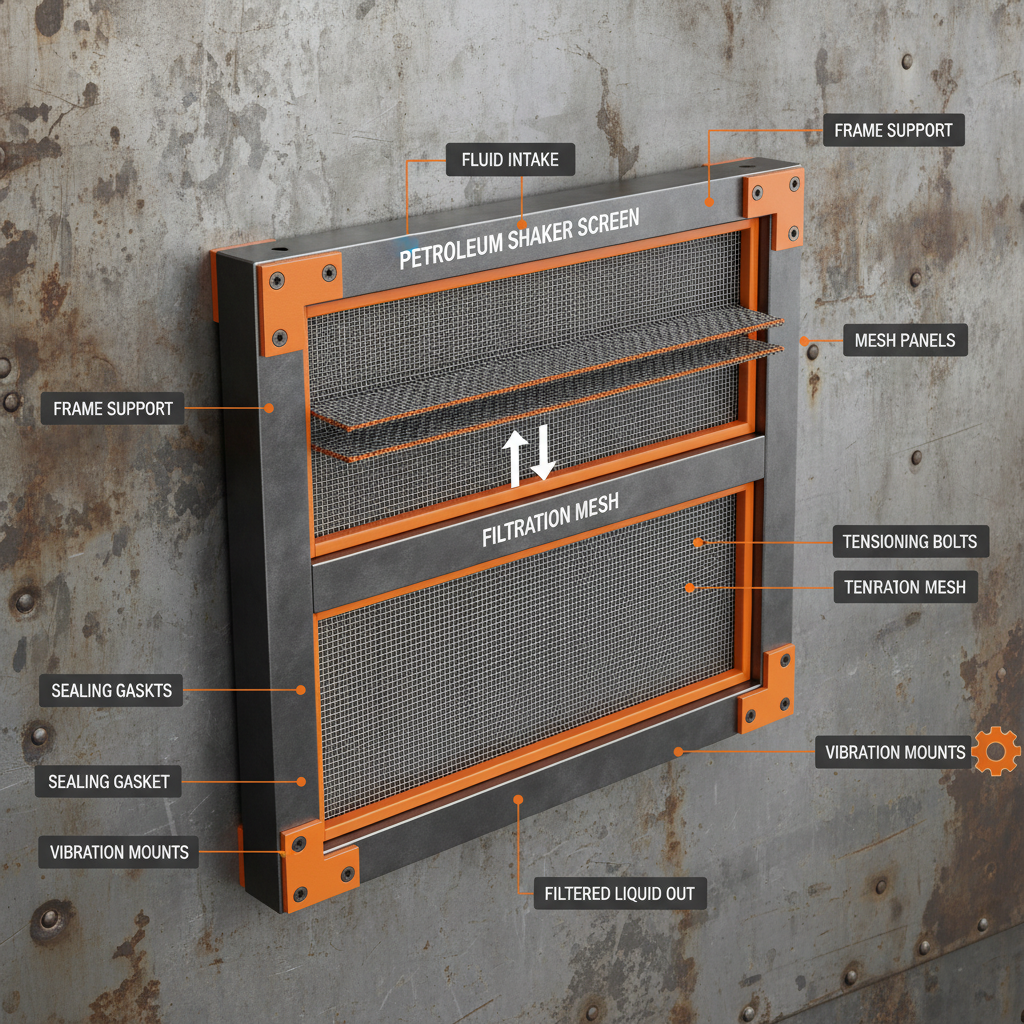

Understanding Industrial Shaker Screen Exporters: Why They Matter Globally
If you’ve worked in manufacturing, construction, or natural resource industries, you’ve probably come across shake screens — those vibrating filters that separate materials by size. Now, zoom out and consider industrial shaker screen exporters: companies specializing in supplying these vital components worldwide. Their role? Crucial. They bridge local industry needs with global manufacturing expertise, ensuring operations run smoothly in mining, agriculture, waste management, and more.
Why does this matter globally? Because efficient materials separation affects everything from food safety to environmental regulation compliance, not to mention production efficiency and worker safety. Understanding the nuances and players in the industrial shaker screen export market offers practical insight for businesses sourcing quality equipment and governments seeking industrial modernization.
Industrial Shaker Screen Exporters in the Global Market: Context & Challenges
The global economy is increasingly interconnected, and heavy industries are no exception. According to the International Organization for Standardization (ISO), standardized shaker components improve processing efficiency by up to 20% (1). Moreover, the World Bank reports that mining output in developing regions is set to increase by more than 15% over the next decade, intensifying demand for robust screening solutions (2).
But there’s a problem: diverse environmental conditions, fluctuating raw material qualities, and inconsistent regulatory frameworks make uniform provision of shaker screens quite complex. That’s where industrial shaker screen exporters step in, creating tailored, high-quality solutions for varied environments ranging from dry deserts to humid tropics.
What Exactly Are Industrial Shaker Screen Exporters?
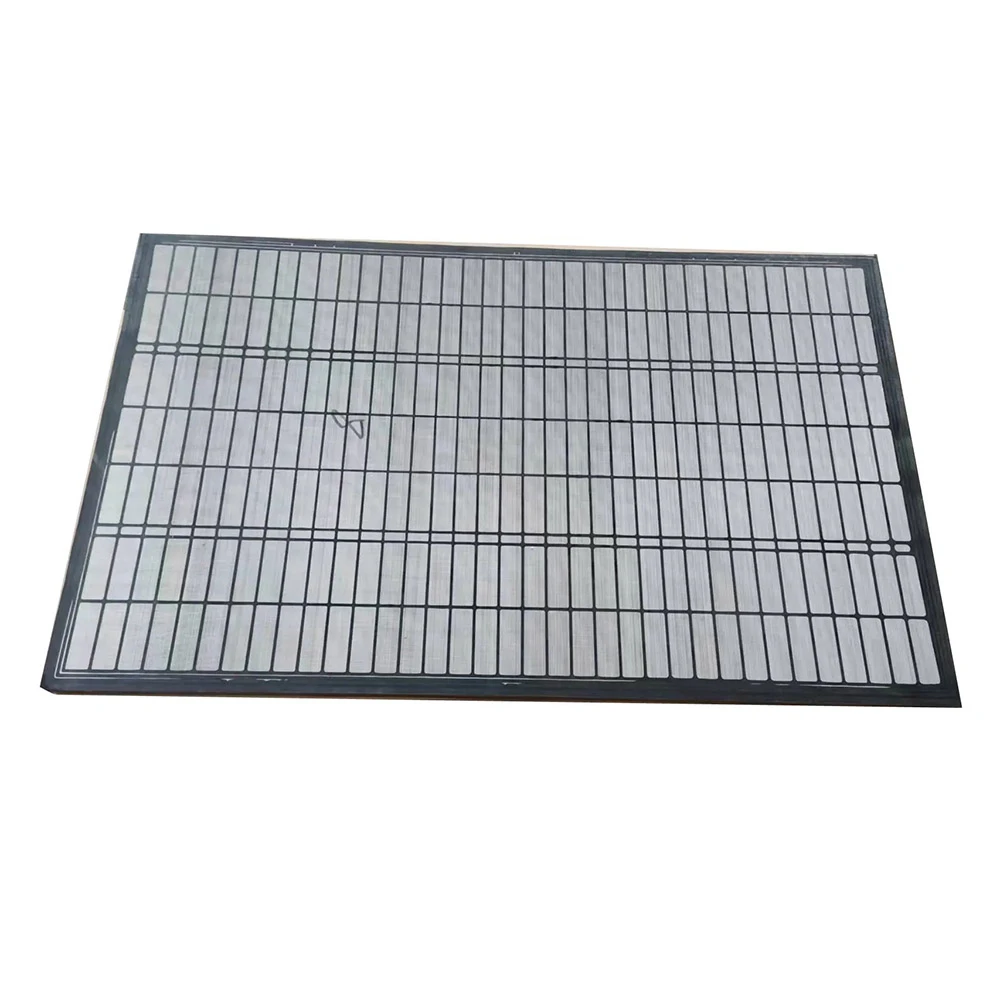
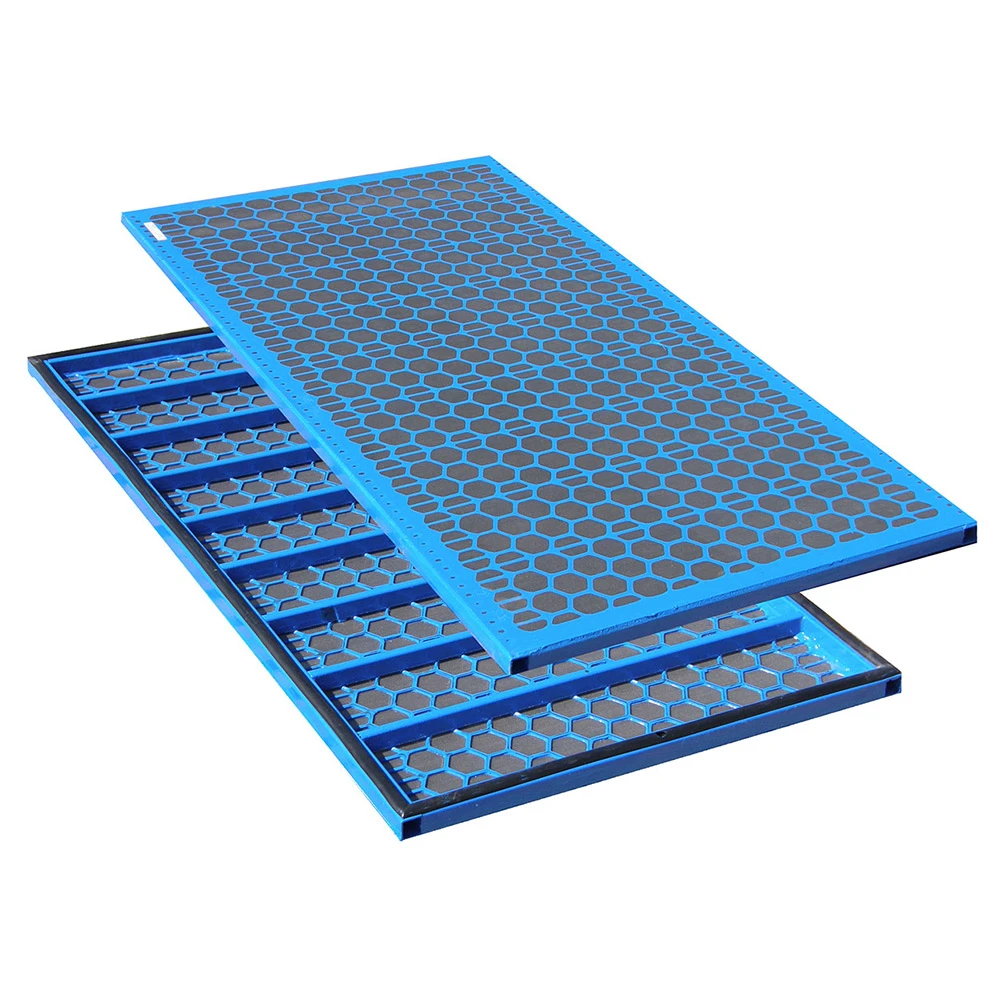
Put simply, these exporters are companies that manufacture and ship shaker screens and related equipment internationally. These screens are vibrating filter surfaces used to separate solids from liquids or classify materials by size during industries’ processing workflows.
Their importance is magnified since many industries — mining operations in South America, agricultural processors in Africa, even humanitarian clean water projects — depend on vibratory screening for quality and safety. By exporting these technologies to regions lacking domestic production, exporters close critical gaps and enable local industries to thrive.
Core Components That Define Industrial Shaker Screen Exporters
Durability & Material Engineering
Shaker screens must withstand harsh mechanical stresses and corrosive environments. Exporters generally use high-tensile steel, polyurethane composites, or advanced synthetic fibers, ensuring longevity and fewer replacements. This means lower downtime at the mine or mill.
Customization & Scalability
No two industrial operations are the same. Many exporters offer modular designs scalable in size and mesh thickness (e.g., 0.5 mm to 50 mm openings) to fit specific client needs. Picture a copper mine needing coarser separation than a grain processing plant — these exporters tweak the specs accordingly.
Cost Efficiency & Supply Chain Reliability
Exporters balance quality and affordability. Competitive pricing combined with effective logistics — often through established hubs in Asia and Europe — ensures timely deliveries worldwide. Notably, reliable service reduces costly production halts.
Environmental Compliance
International standards like ISO 9001 or environmental directives push exporters to include sustainable materials and eco-friendly packaging. It’s the industry’s quiet response to climate concerns.
After-Sales Support & Technical Assistance
Top exporters don’t just drop ship products; they provide setup guides, troubleshooting, and sometimes even remote monitoring tools. This reduces the learning curve, especially for first-time users in emerging markets.
Mini takeaway: In essence, industrial shaker screen exporters juggle material science, customization, pricing, and support — all tuned to serve diverse global customers.
Where in the World Do Industrial Shaker Screen Exporters Make a Difference?
Regions like Southeast Asia, Latin America, and Africa see substantial impact. Mining companies in Chile rely on exported shaker screens to improve copper ore separation, raising yield rates by nearly 12%. In India and Nigeria, agricultural processors use these screens to sanitize food grains before export.
Even humanitarian efforts benefit: in disaster zones requiring water purification systems, vibratory screens help remove sediment swiftly. A project by the UN highlighted that efficient shaker screens deployed by exporters improved water quality access by 30% post-floods in Southeast Asia (3).
Think about remote industrial zones in Russia or Australia — where the supply chain is tough, dependable exporters are indispensable. Without them, operations might face extended downtimes, risking significant losses.
Advantages & Long-Term Value of Partnering with Trusted Exporters
- Cost savings: Reduced replacement frequency and energy-efficient designs bring down total operating expenses.
- Sustainability: Environmentally certified materials and optimized production lessen ecological impact.
- Social impact: Enhanced product quality ensures worker safety and consumer protection.
- Reliability: Proven durability means fewer failures and higher production uptime.
- Innovation & Trust: Leading exporters invest continuously in R&D, bringing the latest tech available globally.
From emotional standpoints, companies buying from reputable exporters often feel assured their investments protect worker dignity and community wellbeing — that’s no small thing these days.
Emerging Trends in Industrial Shaker Screening Exportation
Automation and IoT integration are gaining ground. Engineers are embedding sensors into shaker screens to monitor wear and vibratory performance in real time, allowing predictive maintenance rather than reactive repairs.
Sustainable composites made from recycled polymers are being developed, replacing metals and reducing carbon footprints. Some exporters collaborate with green energy providers to power manufacturing plants, aligning with UN sustainable development goals.
Digitally enabled customization portals help clients configure products visually and order with instant feedback on specs and pricing. Oddly enough, this touch of e-commerce meets heavy industry.
Current Challenges and How Exporters Are Tackling Them
Challenges include inconsistent material standards across regions, fluctuating shipping times due to geopolitical disruptions, and adapting to various local technical regulations. Expert exporters mitigate these with:
- Local partnerships to ensure after-sales service and compliance checks.
- Buffer stock warehouses in strategic locations to minimize shipment delays.
- Investment in universal casting and mesh technologies that comply with multiple standards simultaneously.
It’s a puzzle, but one many exporters have gotten pretty good at solving.
Frequently Asked Questions About Industrial Shaker Screen Exporters
- What should I consider when selecting an industrial shaker screen exporter?
- Look for exporters offering durable materials, customization options, certifications like ISO 9001, and strong after-sales support. Consider delivery times and regional presence because downtime can be costly.
- How do exporters handle quality assurance for diverse global clients?
- Top exporters employ multi-stage testing, including vibration durability tests, corrosion resistance assessments, and compliance with international standards to ensure consistent quality worldwide.
- Can exporters customize shaker screen sizes and materials?
- Absolutely. Effective exporters will tailor mesh size, frame material, and vibration mechanisms according to your industry's requirements, from mining to food processing.
- Are there environmental benefits in using modern industrial shaker screens?
- Yes, newer screens use sustainable materials and reduce energy consumption. This aligns with global environmental goals while improving operational efficiency.
- How reliable are industrial shaker screen exporters in the face of global shipping challenges?
- Most established exporters maintain regional warehouses and flexible logistics partnerships to navigate shipping disruptions, ensuring steady supply chains.
Industrial Shaker Screen Exporter Product Specifications
| Specification | Typical Range | Notes |
|---|---|---|
| Mesh Opening Size | 0.5 mm – 50 mm | Customized per application |
| Material | High-tensile Steel / Polyurethane / Synthetic Fiber | Depends on abrasion & corrosion needs |
| Vibration Frequency | 800 – 3,600 RPM | Adjustable for material type |
| Frame Size | From 1 ft² to > 20 ft² | Modular design available |
| Operational Temperature | -20°C to 80°C | More with special materials |
Comparing Leading Industrial Shaker Screen Exporters
| Exporter | Regional Focus | Customization Level | Delivery Speed | After-Sales Support |
|---|---|---|---|---|
| Alpha Screens Inc. | North & South America | High | 2-4 weeks | 24/7 Global Hotline |
| Beta Industrial Supplies | Asia & Oceania | Medium | 3-5 weeks | On-site training |
| Gamma Tech Exporters | Africa & Middle East | High | 1-3 weeks | Remote diagnostics |
Ultimately, the landscape of industrial shaker screen exporters is vibrant and evolving. For those in industries relying on specialized filtration and material separation, picking the right exporter is a strategic decision.
If you’re looking for a reliable partner that understands the global pulse, competitive pricing, and personalized support, explore the options listed here or start by checking out industrial shaker screen exporters — they’re often the unsung heroes behind smooth operations worldwide.
Final Thoughts
Over the years, I’ve noticed how something as seemingly simple as a shaker screen becomes a linchpin in massive industrial workflows. Exporters not only deliver hardware—they deliver trust, sustainability, and adaptability in an unpredictable global market. Keeping an eye on their innovations might just give your operation that much-needed edge.
References