Buy Shale Screen: A Comprehensive Guide
In the oil and gas industry, efficient solids control is paramount for drilling success and cost reduction. A crucial component of this process is the shale screen. Selecting the right shale screen can significantly impact drilling fluid quality, equipment lifespan, and overall operational efficiency. This article will provide a comprehensive overview of shale screens, covering their function, types, selection criteria, and where to buy shale screens that meet your specific needs.
Understanding Shale Screens and Their Function
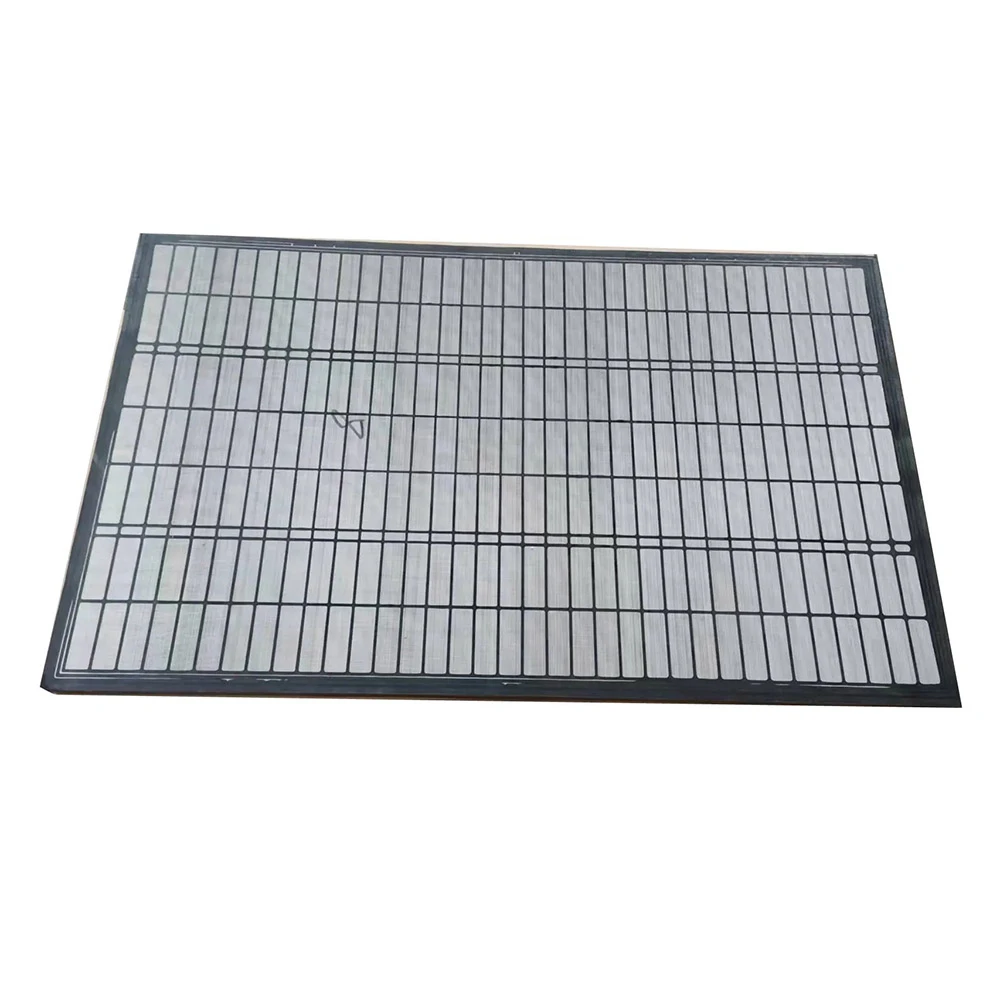
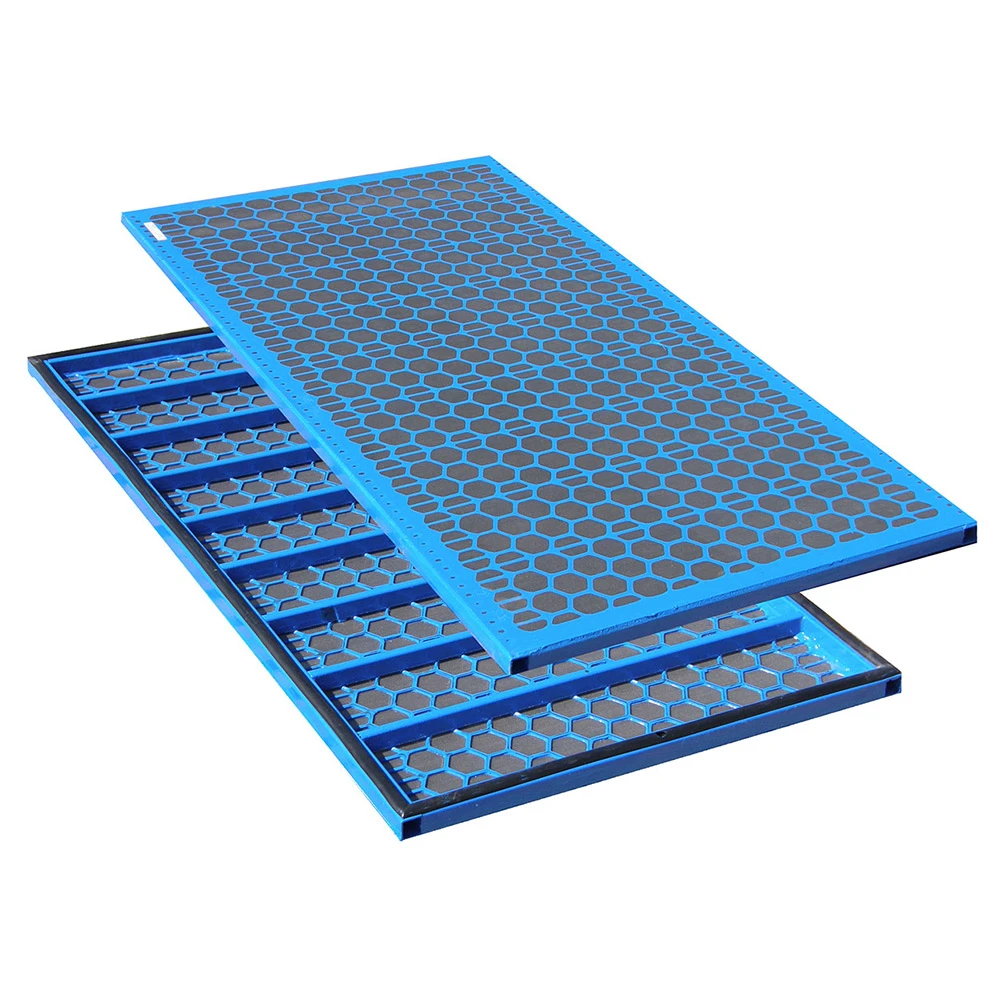
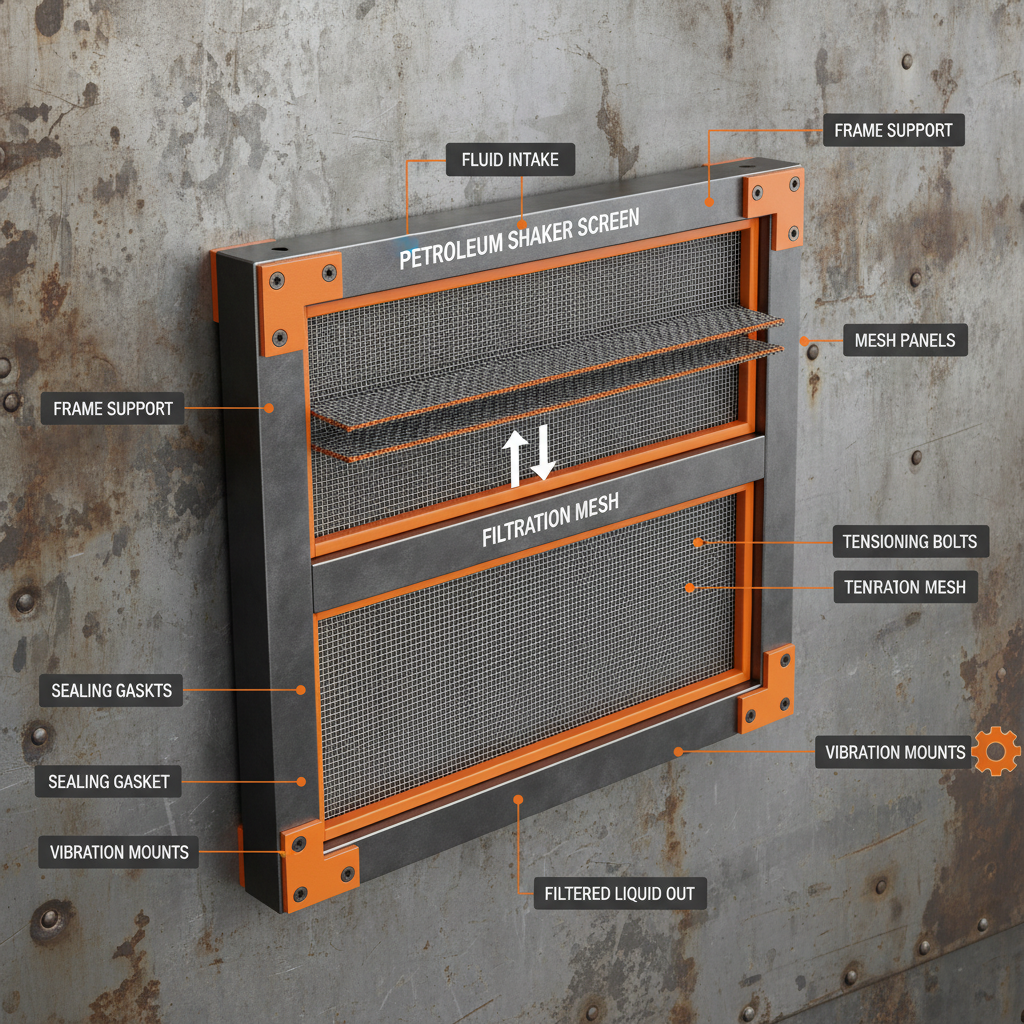
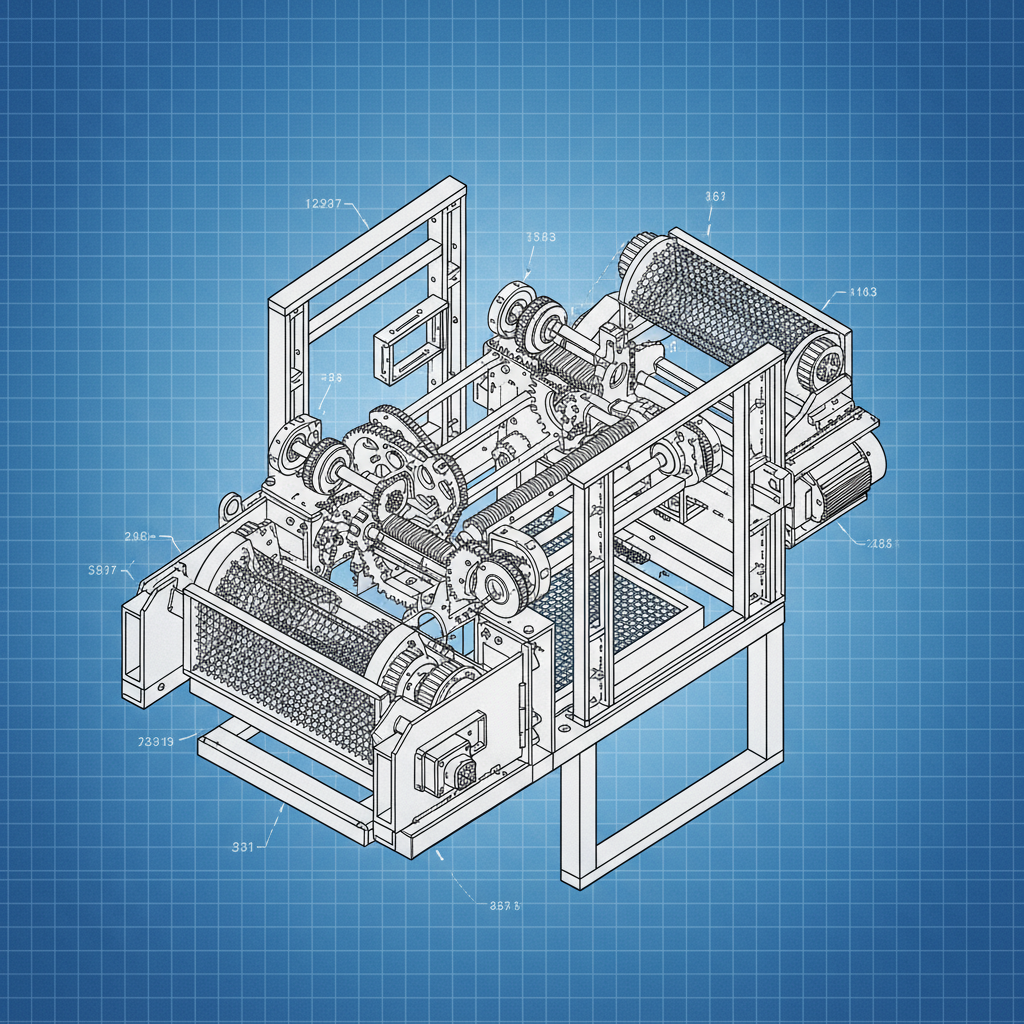
Shale screens are vital components of the solids control equipment used in drilling operations. They are installed in shale shakers, which are the primary devices for separating large solids—like cuttings, sand, and shale—from the drilling fluid (mud). The screen's mesh size determines the size of solids removed. Effective shale screen performance leads to cleaner drilling fluid, reduces wear on downhole tools, and minimizes drilling costs. Choosing the correct screen for the specific shale being drilled is critical. Solid Control Part specializes in providing high-quality shale screens designed for optimal performance.
Key Benefit: Efficient shale screen operation extends the lifespan of drilling equipment and reduces downtime.
Types of Shale Screens: Choosing the Right Mesh
Shale screens are categorized by their mesh size, which dictates the particle size they can remove. Common mesh sizes range from 80 to 200, with finer meshes (higher numbers) removing smaller particles. Different shale formations require different mesh sizes for optimal separation. Here's a breakdown of common shale screen mesh sizes and their applications:
Buy Shale Screen: Material and Construction
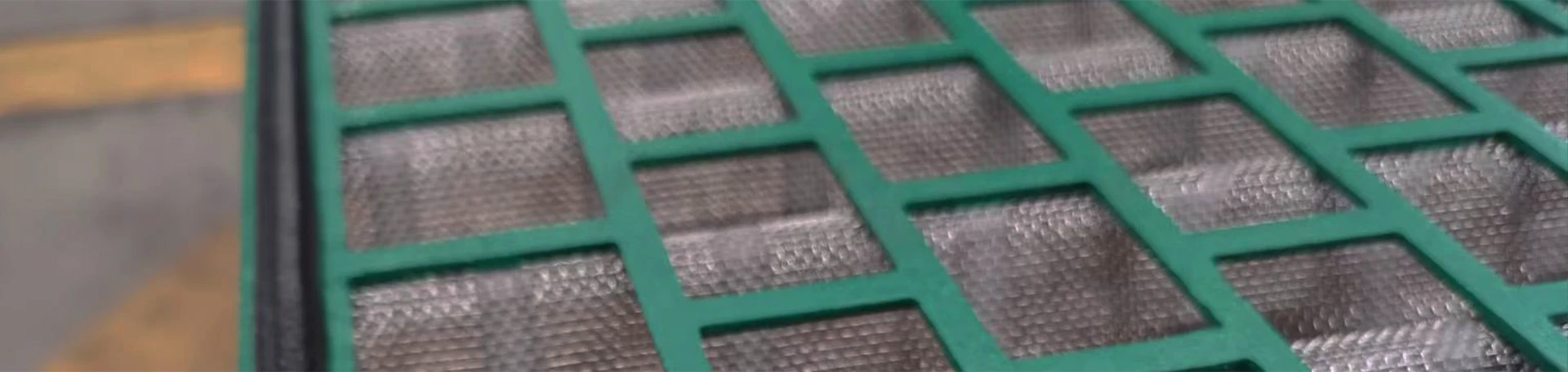
Shale screens are typically constructed from stainless steel, composite materials, or a combination of both. Stainless steel screens are durable and resistant to corrosion, making them suitable for harsh drilling environments. Composite screens offer lighter weight and enhanced abrasion resistance. The choice of material depends on the specific application and drilling conditions. Solid Control Part offers both stainless steel and composite shale screens, engineered for longevity and performance.
Factors to Consider When You Buy Shale Screen
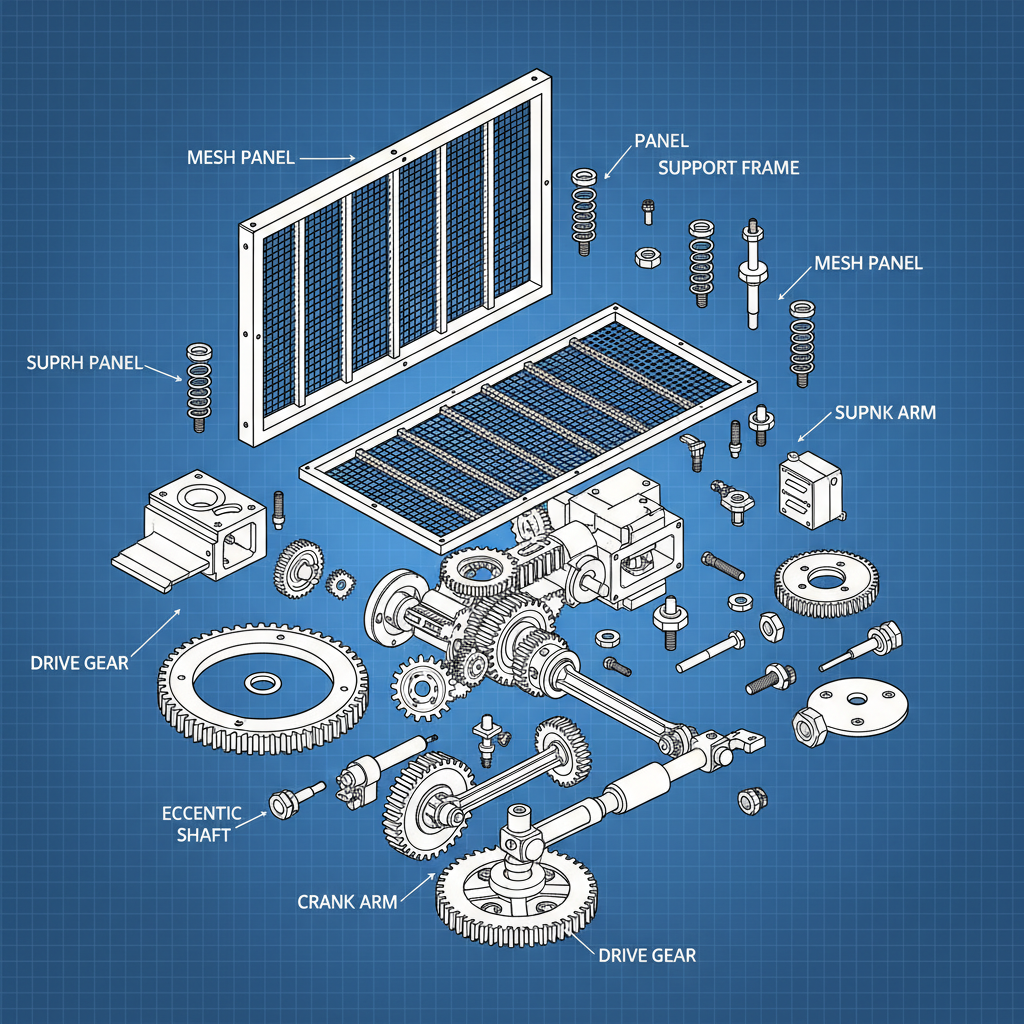
When you buy shale screen, several factors should be considered. These include the type of shale being drilled, the desired drilling fluid clarity, the flow rate of the drilling fluid, and the compatibility with your existing shale shaker. Choosing a reputable supplier like Solid Control Part ensures you receive high-quality screens that meet industry standards.
Key Considerations:
• Shale Type
• Drilling Fluid Clarity
• Flow Rate
• Shale Shaker Compatibility
Benefits of Choosing Solid Control Part
Solid Control Part is a leading supplier of shale screens and other solids control equipment. We offer a wide range of high-quality screens, competitive pricing, and exceptional customer service. Our screens are manufactured to stringent standards and are designed to deliver optimal performance and longevity. We also provide expert technical support to help you select the right screens for your specific drilling application. Contact us today to learn more about our products and services.
Conclusion: Optimize Your Drilling Operation with Quality Shale Screens
Investing in high-quality shale screens from a trusted supplier like Solid Control Part is a crucial step towards optimizing your drilling operation. Proper solids control translates to reduced costs, increased efficiency, and improved safety.
Frequently Asked Questions (FAQs)
How often should I replace my shale screens?
The frequency of shale screen replacement depends on several factors, including the type of shale being drilled, the volume of solids being processed, and the screen's material. Generally, screens should be inspected regularly for wear and tear, such as holes, cracks, or excessive abrasion. As a rule of thumb, replace screens when you notice a decrease in drilling fluid clarity or an increase in solids content. Solid Control Part recommends establishing a regular inspection and replacement schedule based on your specific drilling conditions.
What is the difference between stainless steel and composite shale screens?
Stainless steel shale screens are known for their durability and resistance to corrosion, making them suitable for harsh drilling environments. They offer excellent structural integrity and are generally more cost-effective upfront. Composite shale screens, on the other hand, are lighter in weight and exhibit superior abrasion resistance. This makes them ideal for applications where minimizing screen wear is critical. While composite screens may have a higher initial cost, they can often provide a longer lifespan in abrasive conditions.
Can I use different mesh sizes on the same shale shaker?
Yes, you can often use a combination of different mesh sizes on a shale shaker, typically arranged in a sequence from coarse to fine. This approach allows for a multi-stage separation process, effectively removing a wide range of solid particle sizes. The optimal screen arrangement depends on the specific shale formation and desired drilling fluid clarity. Solid Control Part can provide guidance on the best screen arrangement for your application.