You know, been running around construction sites all year, breathing in dust and dealing with engineers. Lately, everyone’s talking about these new high-performance shale shaker screens. It's all about efficiency, getting more solids out, cleaner fluids... Honestly, it feels like every other supplier is claiming to have the “next big thing”. But most of the time, it's just marketing fluff. To be honest, the real difference is in the details.
Have you noticed how many manufacturers promise a super-long screen life, but then the mesh tears after just a couple of weeks on a particularly abrasive job? It's a classic trap. They’re chasing numbers in the lab, but not thinking about what happens when you’re actually pumping gritty stuff through it for 12 hours straight. And another thing, the frame design! I encountered this at a factory in Sichuan last time, they were using this fancy composite frame, looked great in the catalog. But it cracked after being dropped a couple of times. Real life, you know? It’s rough.
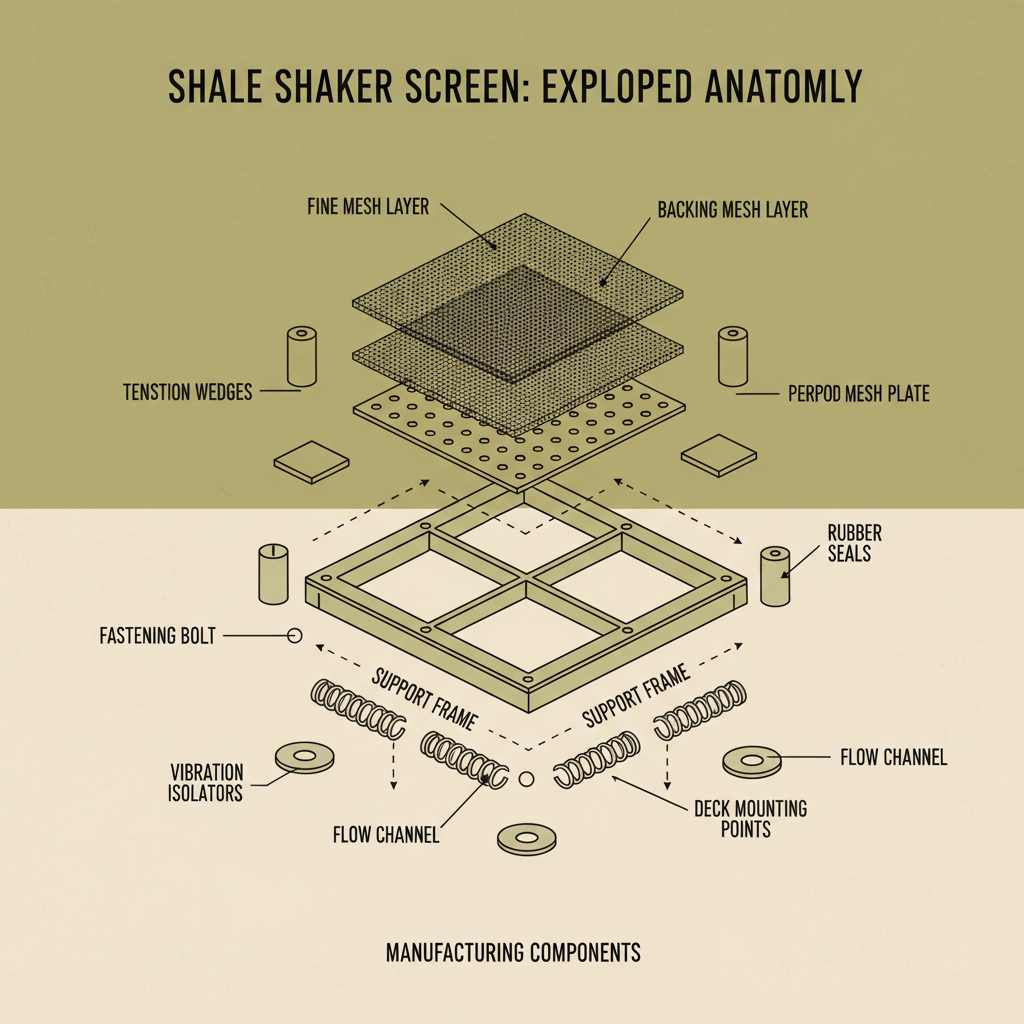
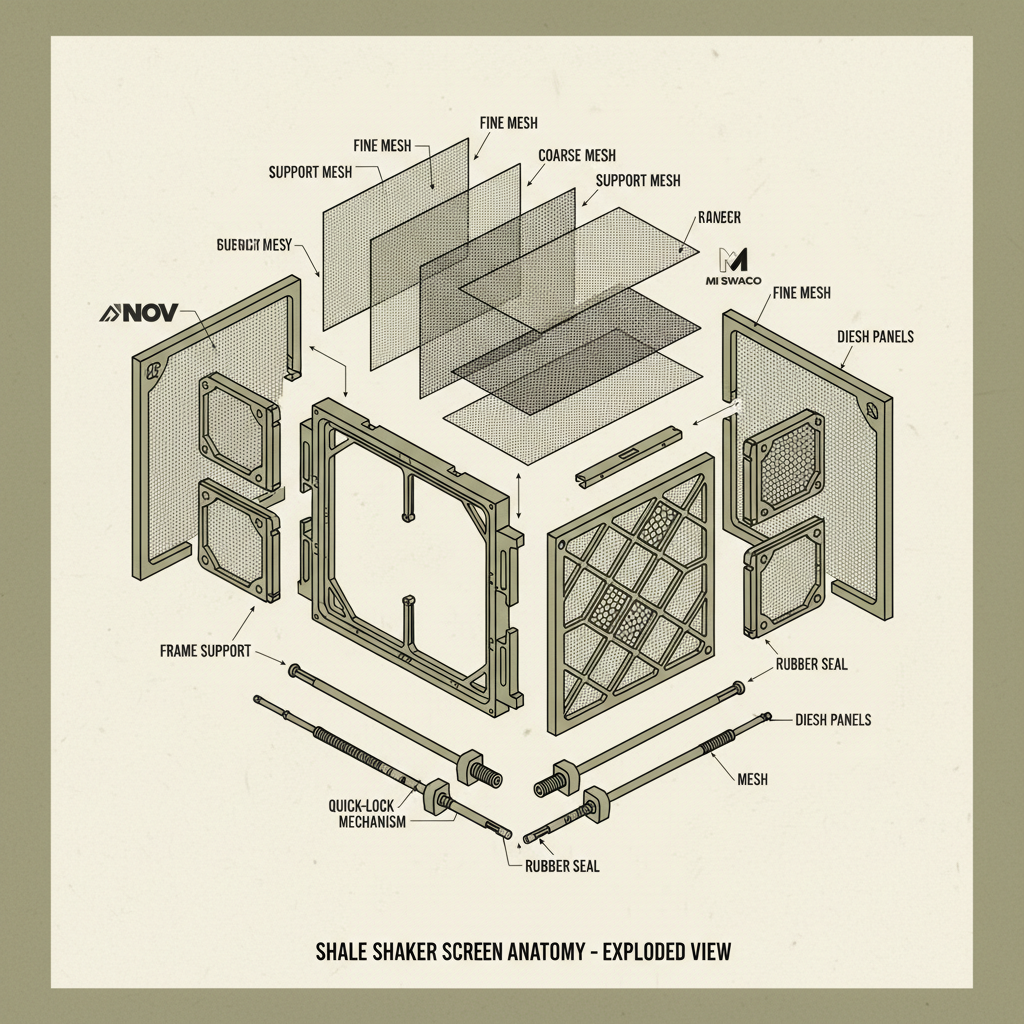
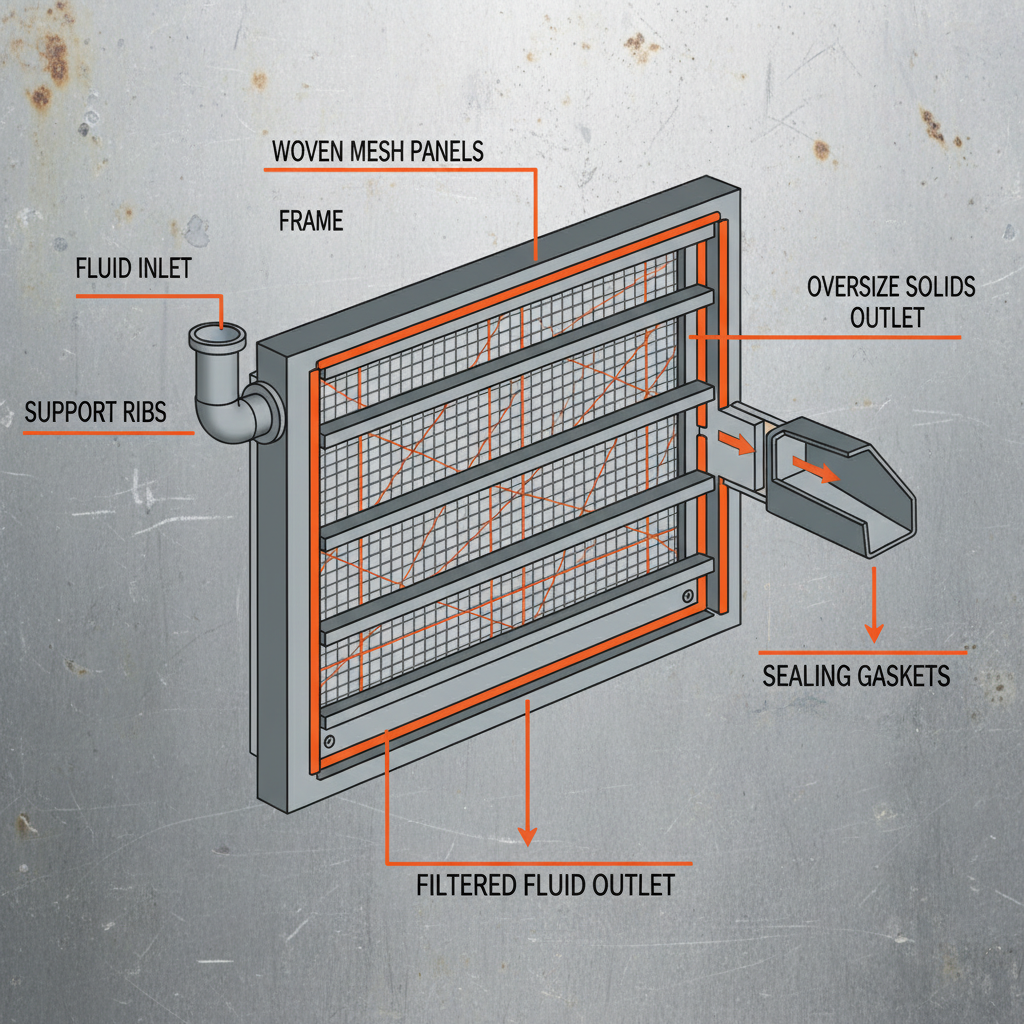
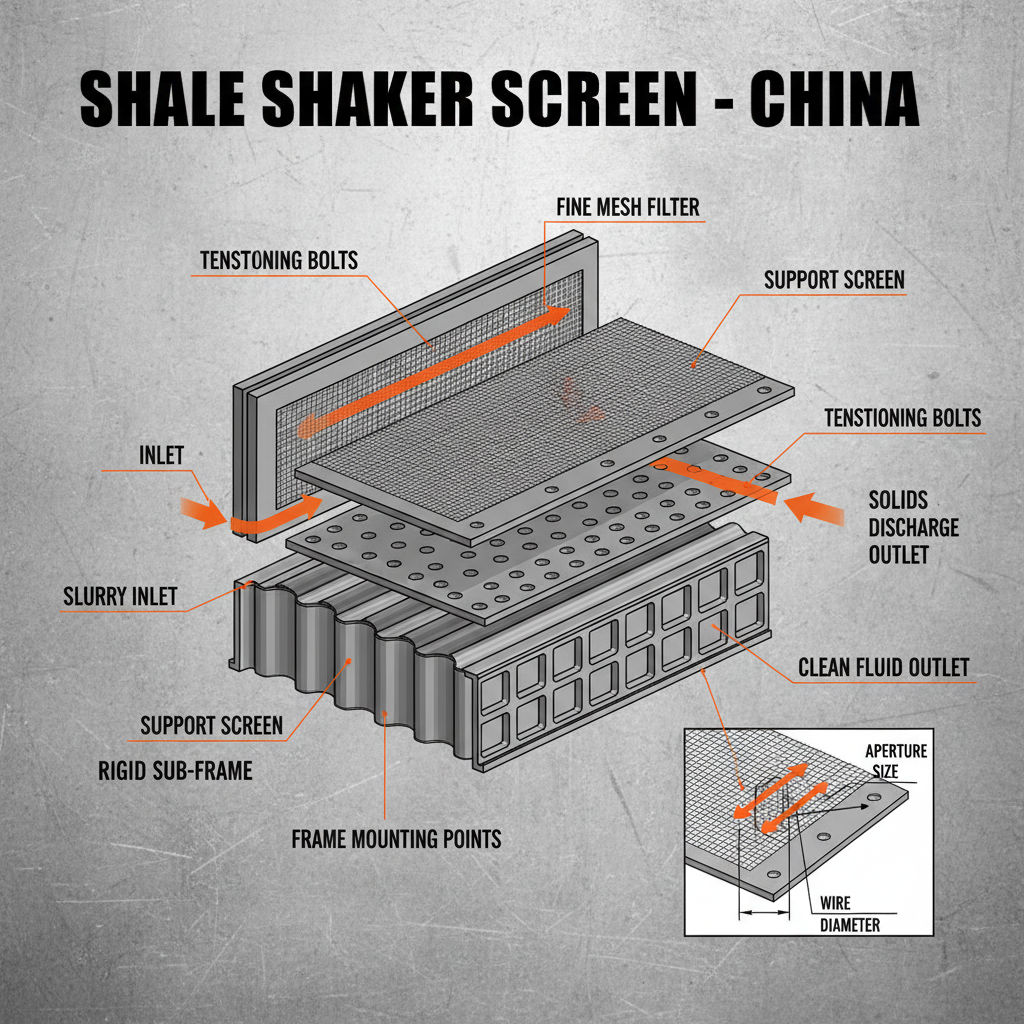
These screens, at their core, are usually made with stainless steel mesh, sometimes with a polyurethane backing. The steel, it has this… cool, metallic smell when you first open the packaging. Sort of reassuring, like you're getting something solid. The polyurethane, though... it can be sticky, especially in the heat. Handling it, you gotta wear gloves, or you’ll be peeling bits off your fingers all day. The mesh weave is critical. I’ve seen everything from tightly woven square mesh to more open diamond patterns. Different patterns handle different particle sizes, obviously, but the weave quality is what really matters. A loose weave will just let everything through.
The Recent Trends in Shale Shaker Screen Manufacturing
Strangely enough, there’s a big push towards more sustainable materials. Folks are starting to ask about the environmental impact of these things. It's good, I guess, but you gotta be careful. I saw one company trying to use a “biodegradable” polymer for the backing… it basically dissolved after a few days in the mud. Doesn’t do anyone any good. Anyway, I think the biggest trend is the demand for higher throughput. Everyone wants to process more material, faster, without sacrificing separation efficiency. That means tighter tolerances, more durable meshes, and… more expensive screens, naturally.
Another thing I've noticed is a move towards modular screen designs. Makes replacement easier, less downtime. But those connections between modules? Those are always a potential weak point. You have to inspect those religiously.
Common Design Pitfalls in Shale Shaker Screens
The biggest mistake? Underestimating the forces involved. These screens are taking a beating, constantly vibrating, subjected to all sorts of abrasive materials. A flimsy frame will fail, guaranteed. And the mesh tension… get that wrong and you'll have tears and premature wear. It’s deceptively simple, but getting it right takes a lot of experience. I’ve seen screens where the mesh wasn’t properly stretched during manufacturing, and they vibrated themselves apart in a matter of hours.
Another common problem is insufficient drainage. If you don’t get the drilling pattern and mesh size right, you’ll end up with a buildup of solids, which reduces flow rate and separation efficiency. And don't even get me started on the screen hooks. They have to be robust enough to withstand constant shaking and pulling. Cheap hooks will bend or break, leaving you scrambling for replacements.
Oh, and one more thing: ignoring the compatibility with the shaker itself. A screen that doesn't fit snugly will vibrate excessively, leading to premature failure. It seems obvious, but you wouldn't believe how many people get this wrong.
Material Composition and On-Site Handling
Like I said, stainless steel is the workhorse material for the mesh. 304 and 316 are the most common grades. 316 is more corrosion resistant, obviously, but it’s also more expensive. And you’ve got the polyurethane backing, which comes in different durometers – hardness levels. A harder backing will provide more support, but it’s also more brittle. Choosing the right durometer depends on the application.
Handling these things on-site… you gotta be careful. They’re surprisingly delicate. Dropping a screen can easily damage the mesh or the frame. And getting them dirty with mud or oil can reduce their effectiveness. You want to store them in a clean, dry place, covered if possible. And when you're installing them, make sure the mesh is facing the right way – sounds silly, but it happens.
Some manufacturers are experimenting with different metal alloys and composite materials, trying to find the perfect balance of strength, durability, and corrosion resistance. But honestly, I'm skeptical. Nothing beats good old-fashioned stainless steel, properly engineered.
Real-World Testing and Performance Evaluation
Lab tests are fine, but they don’t tell the whole story. You need to test these screens in real-world conditions, on actual job sites. That means subjecting them to the same stresses and abrasions they’ll encounter in the field. I’ve set up testing rigs at several drilling sites, where we monitor the screen’s performance over time, measuring flow rate, separation efficiency, and mesh integrity.
We also do visual inspections, looking for signs of wear and tear. And we talk to the operators, getting their feedback. They're the ones who are using these screens day in and day out, so their input is invaluable. One thing I've learned is that users often adapt the screens to suit their specific needs. They might modify the mesh size, or add extra support to the frame. That's something you wouldn't discover in a lab.
Shale Shaker Screen Performance Metrics
User Applications and Unexpected Usage Patterns
Most folks use these screens for obvious stuff - separating solids from liquids in drilling mud, wastewater treatment, and so on. But I’ve seen some surprising applications. One guy was using them to filter out sand from his garden soil! Another was using them as a makeshift sieve for separating rocks from gravel. People get creative, you know?
The key is understanding the limitations. These screens are designed for a specific purpose, and they won’t perform well if you push them beyond their limits. But within those limits, they can be incredibly versatile.
Advantages, Disadvantages, and Customization Options
The advantages are pretty clear: improved separation efficiency, reduced fluid loss, and longer equipment life. But there are also disadvantages. They can be expensive, especially the high-performance models. They require regular maintenance and replacement. And they can be prone to clogging if you’re dealing with particularly sticky materials.
Customization is definitely possible. Last month, that small boss in Shenzhen who makes smart home devices insisted on changing the interface to , and the result was that their entire production line had to be halted because they couldn't source the right connectors in time. A real headache. But in the shale shaker world, customization usually means adjusting the mesh size, frame material, or drainage pattern to meet specific requirements. We even had one customer ask for a screen with a built-in heating element to prevent freezing in cold weather.
A Customer Story and Practical Considerations
There was this one time, working with a small fracking operation in Texas, they were having terrible problems with screen failure. Turns out the mud they were using was incredibly abrasive, and the standard screens were tearing up within hours.
We ended up switching to a screen with a thicker mesh and a more durable frame, and that solved the problem. But it also cost them twice as much. It highlighted the importance of balancing cost and performance. You can’t always go for the cheapest option.
Ultimately, whether this thing works or not, the worker will know the moment he tightens the screw.
Summarizing Key Design Considerations for Shale Shaker Screens
| Key Feature |
Performance Impact |
Cost Consideration |
Maintenance Needs |
| Mesh Material (Stainless Steel Grade) |
Corrosion resistance, abrasion resistance, separation efficiency |
Higher grade = Higher cost |
Regular inspection for tears and wear |
| Frame Construction (Material & Design) |
Structural integrity, vibration dampening, impact resistance |
Composite frames can be cheaper initially, but prone to cracking |
Check for cracks and deformation after each use |
| Mesh Aperture Size (Micron Rating) |
Determines particle separation capability |
Smaller apertures = Increased cost |
Prone to clogging with fine particles |
| Polyurethane Backing (Durometer) |
Provides support to mesh, prevents deformation |
Harder durometers are more expensive |
Inspect for cracking and peeling |
| Drainage Pattern & Hole Size |
Facilitates efficient fluid removal |
Complex patterns can increase manufacturing cost |
Ensure holes are not blocked by solids |
| Overall Screen Rigidity & Fit |
Minimizes vibration and ensures efficient separation |
Precise manufacturing tolerances are crucial |
Ensure a secure and snug fit on the shaker |
FAQS
Honestly, it depends on a lot of factors. Mud composition, solids content, vibration frequency... but generally, you can expect anywhere from 50 to 200 hours of continuous use. More abrasive materials will shorten that lifespan significantly. Regular inspection is key – look for tears, wear, and plugging. Replacing a screen proactively can prevent a bigger headache down the line. We usually recommend keeping a stock of spares on hand, especially for critical operations.
That’s a good question. You need to consider the particle size distribution of the solids you're trying to remove. If you’re dealing with very fine particles, you’ll need a smaller mesh size. But be careful, smaller meshes can clog more easily. There are charts and calculators available online, but the best way is to experiment. Start with a medium mesh size and adjust based on your results. And don't be afraid to ask a supplier for advice. They’ve usually seen it all.
Oh boy, where do I start? Abrasive materials, over-vibration, improper installation, and impact damage are the usual suspects. But also, don’t underestimate the importance of good maintenance. Cleaning the screens regularly can prevent clogging and reduce wear. And make sure you’re using the right tools for installation and removal. Trying to force a screen into place can easily damage the frame or the mesh.
Sometimes. Small tears in the mesh can be patched, but it’s rarely a long-term solution. The patch will likely fail under stress. More significant damage usually requires replacement. Trying to repair a severely damaged screen is often a false economy – you’re better off just getting a new one. Safety is also a concern – a compromised screen can fail catastrophically during operation.
Composite frames are lighter weight and can offer some corrosion resistance, but steel frames are generally more durable and better able to withstand impact. The trade-off is cost and weight. For certain applications where weight is a critical concern, composites make sense. But for most heavy-duty applications, steel is still the preferred choice. I encountered a situation where a company tried to save money with composites and ended up replacing screens twice as often.
Keep them clean, dry, and protected from the elements. Store them in a covered area, away from direct sunlight and extreme temperatures. Stacking them improperly can cause damage, so make sure they are supported evenly. And avoid storing them near corrosive materials. A little bit of care during storage can significantly extend their lifespan. Honestly, treat them like you would treat your own tools.
Conclusion
So, there you have it. Shale shaker screens aren’t glamorous, but they’re absolutely critical for efficient and reliable operations. The market’s moving towards sustainability, higher throughput, and custom solutions, but the fundamentals remain the same: durability, proper material selection, and careful maintenance. Getting the details right can make a huge difference in terms of cost, performance, and safety.
Looking ahead, I think we’ll see more advancements in materials science and manufacturing techniques, leading to even more durable and efficient screens. But ultimately, whether this thing works or not, the worker will know the moment he tightens the screw.