The humble screen shaker, often overlooked, plays a critical role in a surprisingly vast range of industries and applications. From the meticulous quality control in pharmaceutical production to the efficient sorting of materials in mining operations, and even crucial applications in disaster relief efforts, the ability to accurately and rapidly separate materials based on size is paramount. Understanding the principles, applications, and future developments of screen shaker technology is therefore vital for professionals across diverse fields and increasingly important for addressing global challenges.
Globally, the demand for efficient and reliable separation technologies like the screen shaker is growing due to increasing industrialization, stricter quality control regulations, and the need for sustainable resource management. The United Nations Sustainable Development Goals, particularly those related to responsible consumption and production (Goal 12) and infrastructure development (Goal 9), are directly impacted by advancements in material separation. The World Bank’s focus on infrastructure projects in developing nations also drives the need for robust and cost-effective screening solutions.
Challenges like dwindling resources and the need for greater efficiency in recycling and waste management are further amplifying the importance of innovative screen shaker solutions. A deeper understanding of these technologies allows for optimized processes, reduced waste, and the development of more sustainable practices across numerous sectors.
The Core Principles of screen shaker
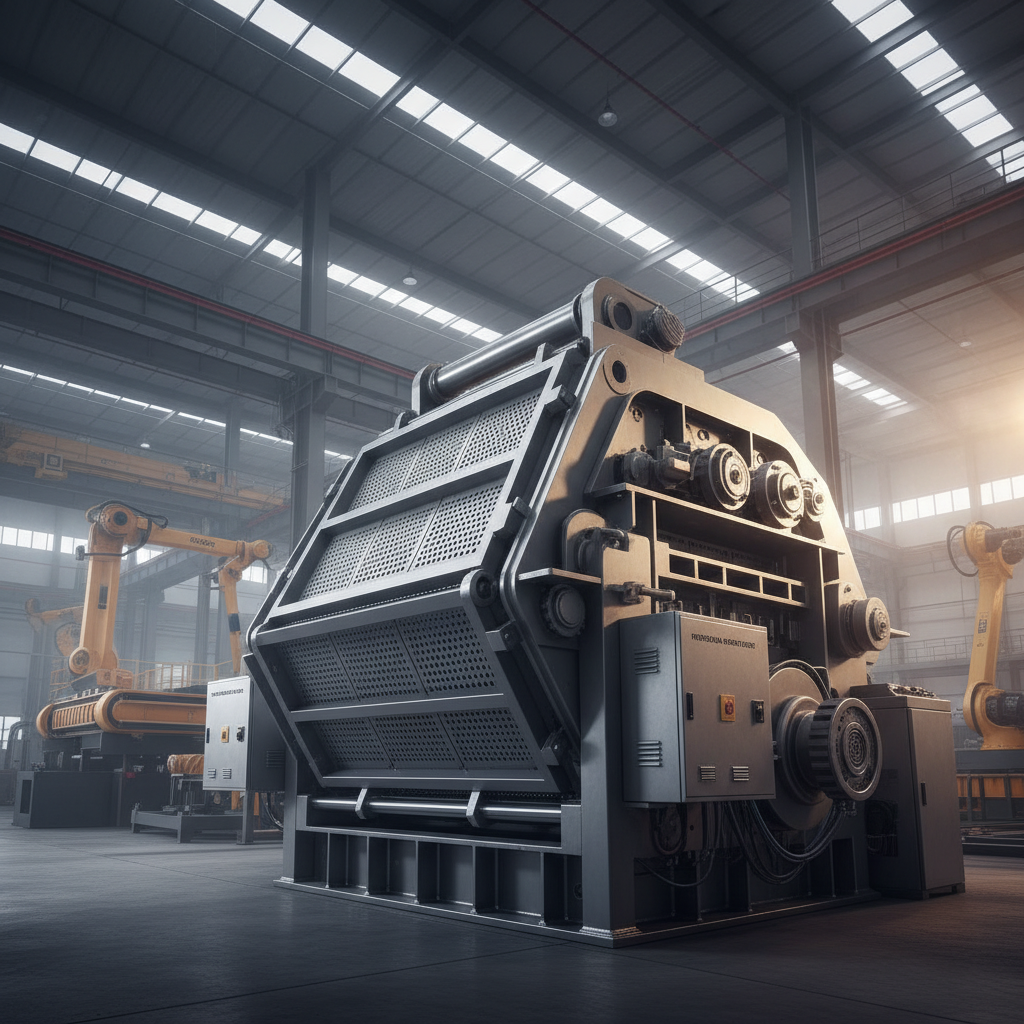
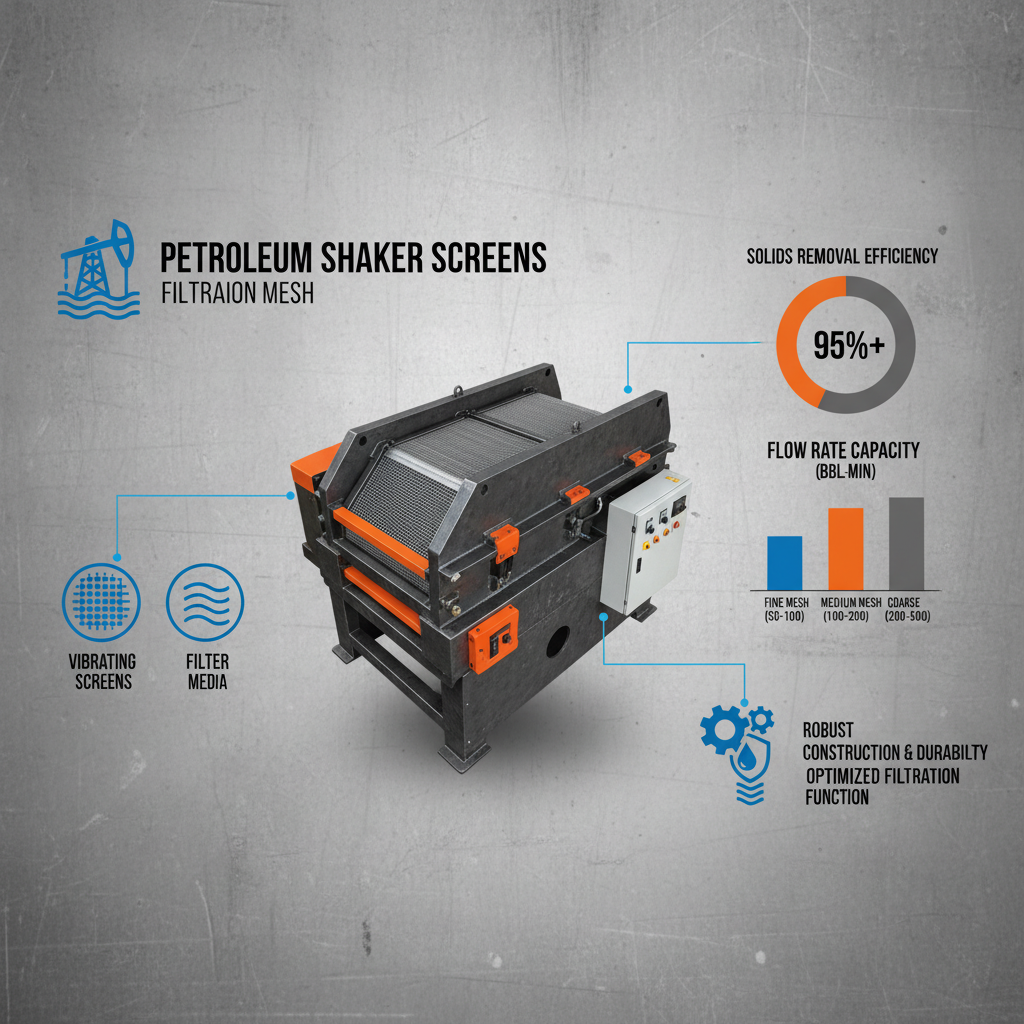
At its heart, a screen shaker operates on the principle of particle size separation. Materials are passed over a screen with specifically sized apertures. Particles smaller than the aperture pass through, while larger particles remain on top. This seemingly simple process is optimized through various factors, including screen mesh size, vibration frequency, and the angle of the screen.
The efficiency of a screen shaker relies on maintaining consistent material flow and avoiding screen blinding – the clogging of apertures by fine particles. Advanced screen shaker designs incorporate features like ball decks, self-cleaning mechanisms, and adjustable vibration settings to mitigate these issues, ensuring a consistent and reliable separation process.
Defining screen shaker and its Modern Relevance
A screen shaker is a mechanical device used to separate materials based on particle size. It’s a fundamental unit operation in numerous industrial processes. While the basic principle has existed for centuries, modern screen shaker technology has evolved significantly, incorporating sophisticated automation, precision engineering, and advanced materials.
Its relevance today is underscored by the increasing demand for high-purity materials in industries like pharmaceuticals, food processing, and electronics. Furthermore, the growing emphasis on recycling and waste management necessitates efficient and reliable screening solutions to recover valuable materials and reduce landfill waste.
Modern applications extend beyond simple size separation, with screen shakers playing a role in dewatering solids, classifying aggregates, and even performing quality control checks for product consistency. The evolution of screen shaker technology is inextricably linked to the modernization of various industries and the pursuit of sustainable practices.
Key Factors Influencing screen shaker Performance
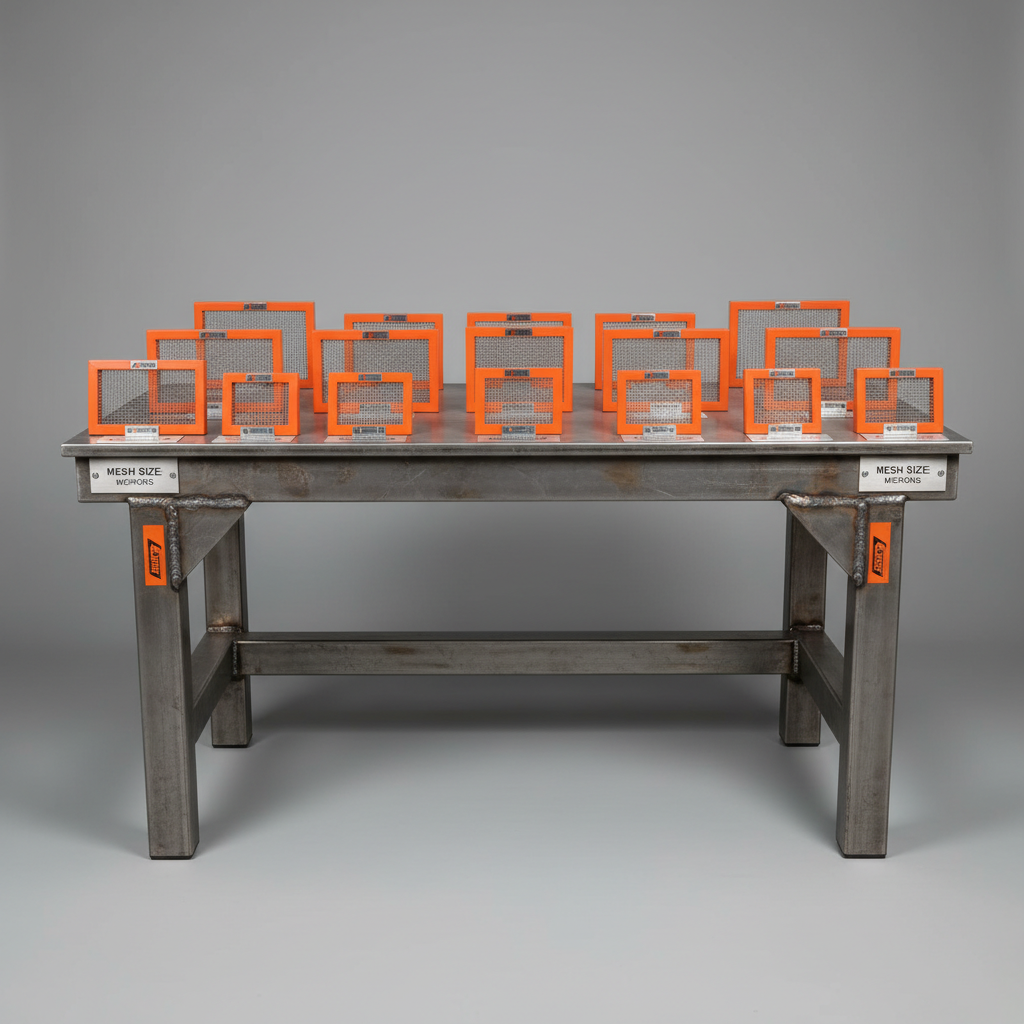
Several key factors directly impact the performance of a screen shaker. Perhaps the most crucial is the screen mesh size itself – selecting the appropriate mesh is paramount for achieving the desired separation. Material characteristics, such as particle shape, density, and moisture content, also play a significant role.
Vibration frequency and amplitude are also critical parameters. Higher frequencies generally lead to increased throughput, but can also cause increased screen wear. Amplitude influences the material's residence time on the screen, impacting separation efficiency. Finally, the angle of the screen affects material flow and can be adjusted to optimize performance for specific applications.
Furthermore, factors such as screen material (stainless steel, polyurethane, etc.) and screen tension influence durability and performance. Proper maintenance, including regular screen cleaning and inspection, is essential to ensure consistent and reliable operation of the screen shaker.
Global Applications and Use Cases of screen shaker
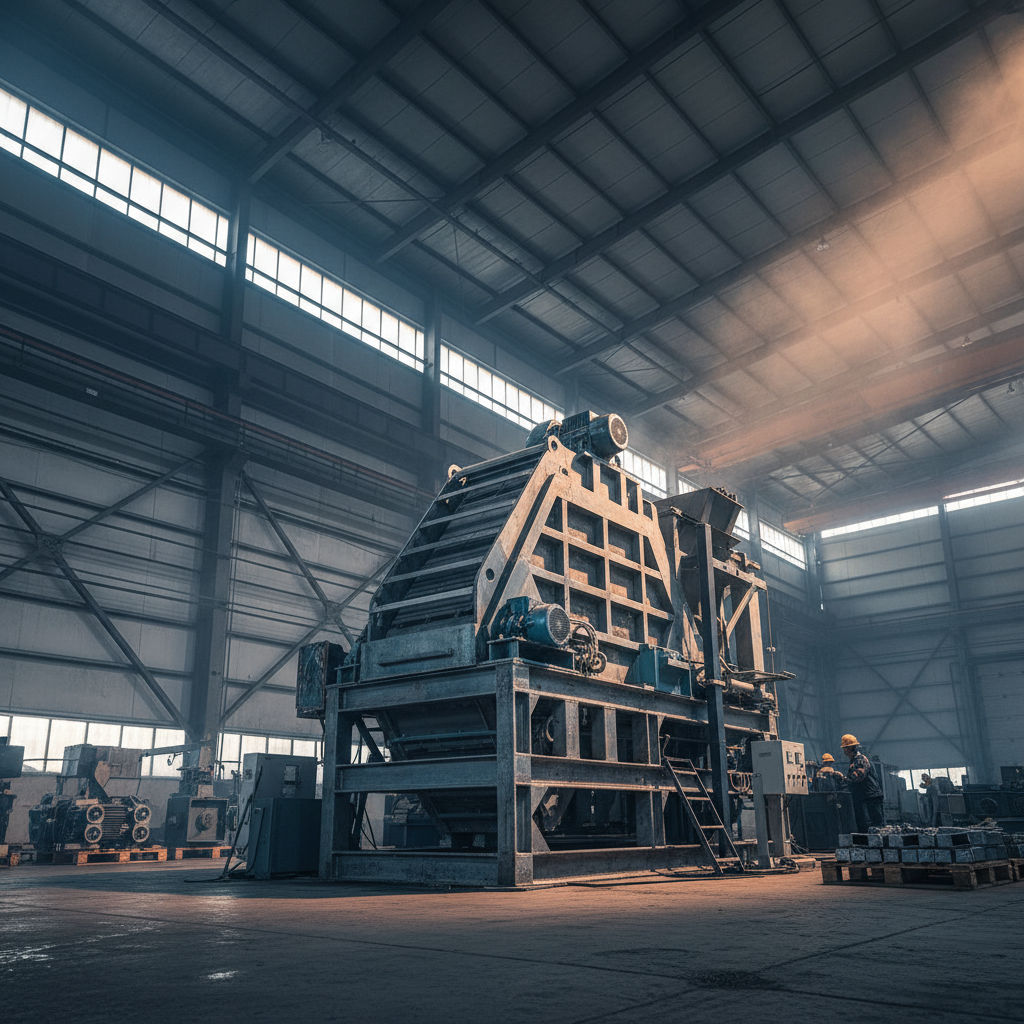
The applications of screen shaker technology are remarkably diverse. In the mining industry, they are used for classifying ore, removing overburden, and separating valuable minerals from waste rock. The construction industry relies on screen shakers for grading aggregates, separating sand and gravel, and recycling construction debris.
The pharmaceutical sector utilizes screen shakers for precise particle size control in drug manufacturing, ensuring consistent dosage and bioavailability. Food processing industries employ them for sifting flour, separating seeds, and grading produce. In post-disaster relief operations, mobile screen shaker units can be deployed to quickly separate salvageable materials from debris.
From remote industrial zones in Australia and South America, where resource extraction is dominant, to densely populated manufacturing hubs in Asia, screen shaker systems are essential. Organizations like the Red Cross and FEMA often incorporate screening technology into their disaster response plans, highlighting its critical role in humanitarian aid.
screen shaker Performance by Method
Advantages and Long-Term Value Proposition of screen shaker
The advantages of utilizing a screen shaker are multifaceted. Cost efficiency is a major draw, as they offer a relatively inexpensive and scalable solution for material separation compared to more complex technologies. Furthermore, they contribute to sustainability by enabling the recovery of valuable resources from waste streams, reducing landfill burden.
Reliability is another key benefit; well-maintained screen shakers offer consistent performance and require minimal downtime. From a safety perspective, they reduce manual handling of materials, minimizing the risk of injury. The trust and confidence placed in consistent product quality, enabled by precise screening, contribute to brand reputation and customer satisfaction.
Future Trends and Innovations in screen shaker Technology
The future of screen shaker technology is poised for significant advancements. Automation and digital integration are key trends, with the development of self-monitoring and self-adjusting systems that optimize performance in real-time. The incorporation of artificial intelligence (AI) and machine learning (ML) algorithms will further enhance efficiency and predictive maintenance capabilities.
New materials, such as high-strength polymers and advanced alloys, are being explored to improve screen durability and reduce wear. The development of energy-efficient designs, utilizing alternative vibration mechanisms and optimized motor control, aligns with the growing demand for sustainable technologies. Digital twins and remote monitoring will also become more common in advanced screen shaker systems.
Challenges and Solutions Related to screen shaker Implementation
Despite their advantages, screen shaker systems face challenges such as screen blinding, particularly when dealing with wet or sticky materials. Maintenance requirements, including regular screen replacement and cleaning, can also be time-consuming and costly. Dust control and noise pollution are additional concerns in certain applications.
Solutions include incorporating self-cleaning mechanisms, utilizing different screen materials (e.g., polyurethane for sticky materials), and implementing dust suppression systems. Predictive maintenance programs, leveraging sensor data and AI algorithms, can minimize downtime and optimize screen replacement schedules. Furthermore, enclosing the screen shaker within a soundproof housing can mitigate noise pollution.
Ongoing research focuses on developing anti-blinding screen coatings and innovative vibration technologies to further enhance performance and reduce maintenance needs. Continuous improvement in design and materials will be vital for addressing these challenges and maximizing the long-term value of screen shaker technology.
Summary of screen shaker Challenges and Solutions
| Challenge |
Impact on Operations |
Proposed Solution |
Implementation Cost (1-10) |
| Screen Blinding |
Reduced throughput, inconsistent separation |
Self-cleaning screen mechanisms |
6 |
| High Maintenance |
Downtime, increased operating costs |
Predictive maintenance programs |
7 |
| Dust Emissions |
Environmental concerns, health hazards |
Dust suppression systems |
5 |
| Noise Pollution |
Worker discomfort, regulatory issues |
Soundproof enclosures |
8 |
| Material Wear |
Screen damage, reduced lifespan |
Advanced screen materials |
9 |
| Energy Consumption |
Operating Costs |
Energy Efficient Vibration Systems |
4 |
FAQS
Choosing the right screen shaker involves evaluating several key aspects. Particle size distribution, material characteristics (moisture content, density), throughput requirements, and the desired level of separation accuracy all play crucial roles. Screen mesh size, vibration frequency, and the type of screen material (stainless steel, polyurethane) should be carefully considered based on the specific application to ensure optimal performance and longevity.
Screen blinding, caused by fine particles clogging screen apertures, can significantly reduce efficiency. Implementing strategies such as using self-cleaning screen mechanisms, incorporating ball decks to break up clumps, and optimizing vibration settings can help prevent blinding. Regularly inspecting and cleaning the screen, especially when processing sticky or wet materials, is essential for maintaining consistent performance and extending screen lifespan.
The lifespan of a screen shaker varies depending on usage, material abrasiveness, and maintenance practices. Typically, a well-maintained unit can last 5-10 years or more. Regular maintenance includes visual inspections for wear and tear, tightening loose components, lubricating moving parts, cleaning the screen, and replacing worn screens when necessary. Implementing a preventive maintenance schedule is highly recommended.
Determining the correct screen mesh size involves analyzing the particle size distribution of the material being processed. If you need to separate particles above a certain size, the mesh size should be slightly smaller. Performing sieve analysis is a crucial step to accurately determine the particle size distribution and select the most appropriate mesh size for achieving the desired separation. Consulting with a screen shaker manufacturer can also provide valuable guidance.
Safety is paramount when operating a screen shaker. Always wear appropriate personal protective equipment (PPE), including eye protection, dust masks, and hearing protection. Ensure the machine is properly grounded and that all safety guards are in place. Never attempt to clear a clogged screen while the machine is running, and follow the manufacturer's operating instructions carefully. Regularly inspect the machine for any signs of damage or malfunction.
Yes, screen shaker technology is often seamlessly integrated with other processing equipment to create complete material processing systems. It can be combined with conveyors, feeders, crushers, and other separation technologies to optimize the entire process flow. Automated control systems can coordinate the operation of multiple machines, enhancing efficiency and reducing manual intervention.
Conclusion
In conclusion, the screen shaker remains an indispensable piece of equipment across a vast spectrum of industries. From enhancing product quality and optimizing resource recovery to supporting disaster relief efforts and enabling sustainable practices, its versatility and reliability are undeniable. Understanding the core principles, key factors, and emerging trends in screen shaker technology is crucial for professionals seeking to improve operational efficiency and address global challenges.
Looking ahead, continued innovation in automation, materials science, and digital integration will further solidify the position of screen shaker technology as a cornerstone of modern material processing. Investing in robust and efficient screening solutions is not only a sound business decision but also a commitment to sustainability and responsible resource management. Visit our website at www.solidcontrolpart.com to explore our range of screen shaker solutions and discover how we can help optimize your operations.