Why Buy Shaker Screens? A Veteran’s Guide to Choosing the Right One
After more than a decade in the industrial equipment trenches, here’s the thing about shaker screens: they might look deceptively simple, but they’re the unsung heroes of solids control and separation processes. If you’re in the business, whether drilling mud management or any fluid-solid separation job, investing in quality shaker screens isn’t just a cost — it’s a necessity.
I remember one project where a colleague mentioned how switching to better screens completely changed their downtime metrics. They reduced the frequent rig halts caused by filter clogging, saving both time and headaches. That always stuck with me — these screens, ironically, are the screens you barely notice until they fail.
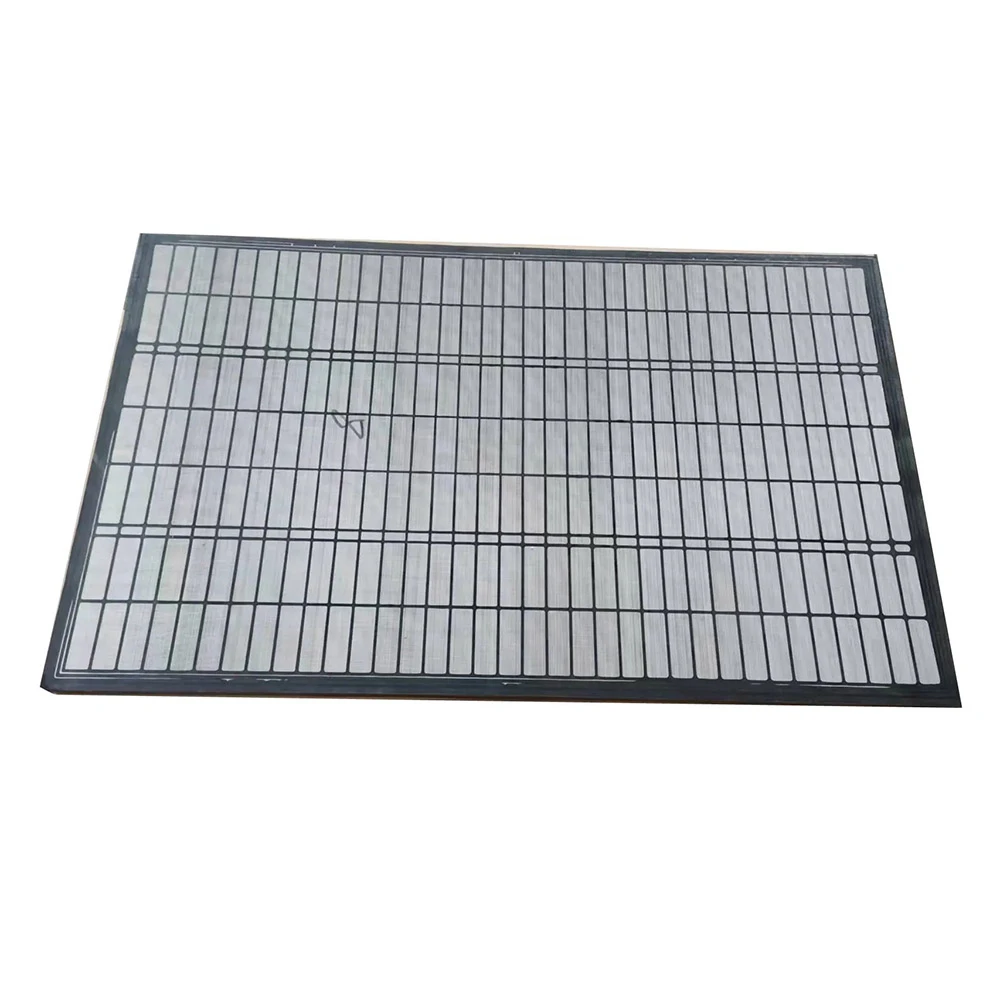
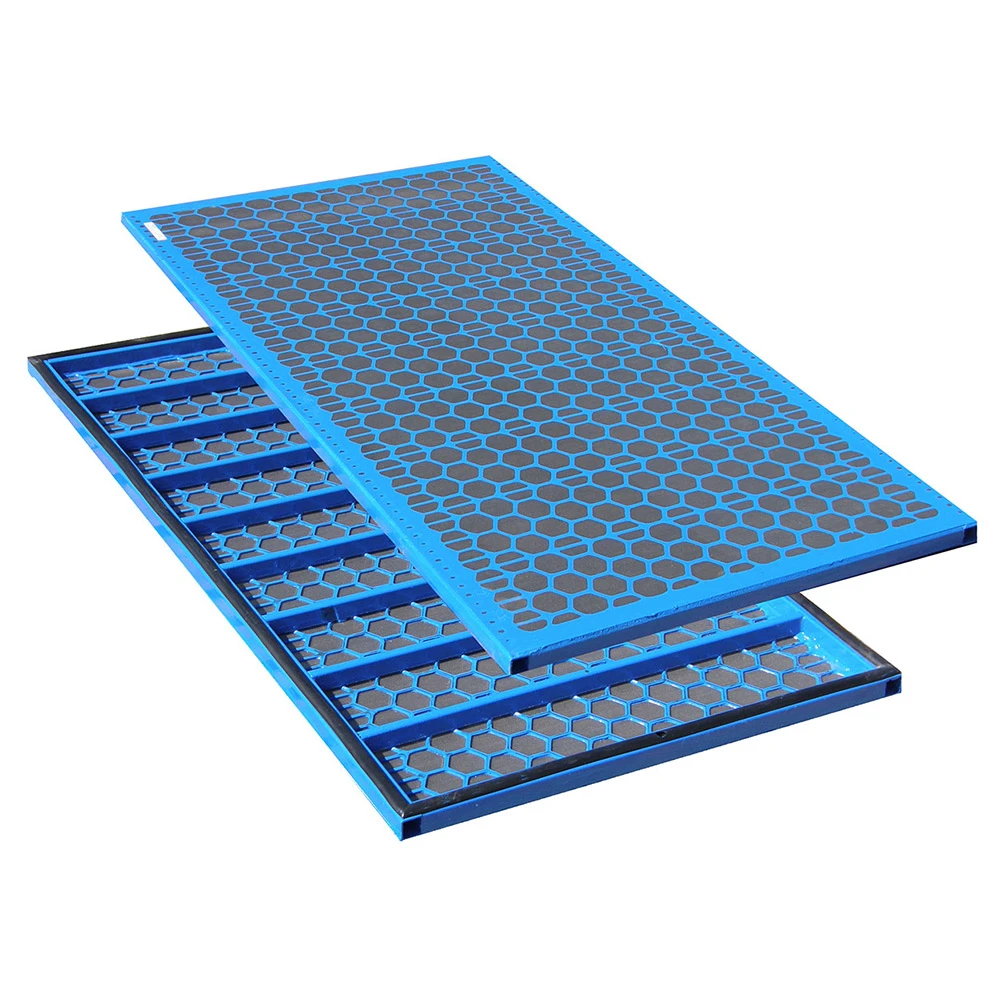
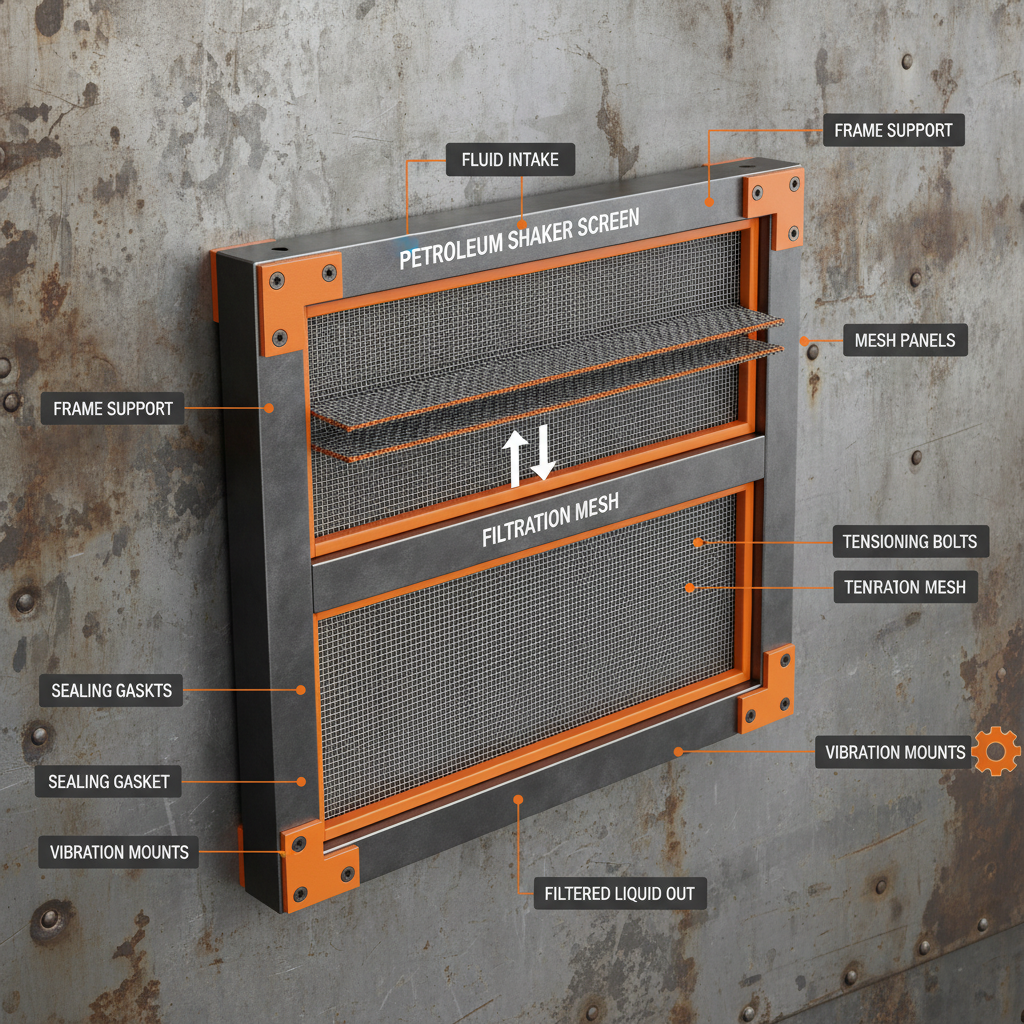
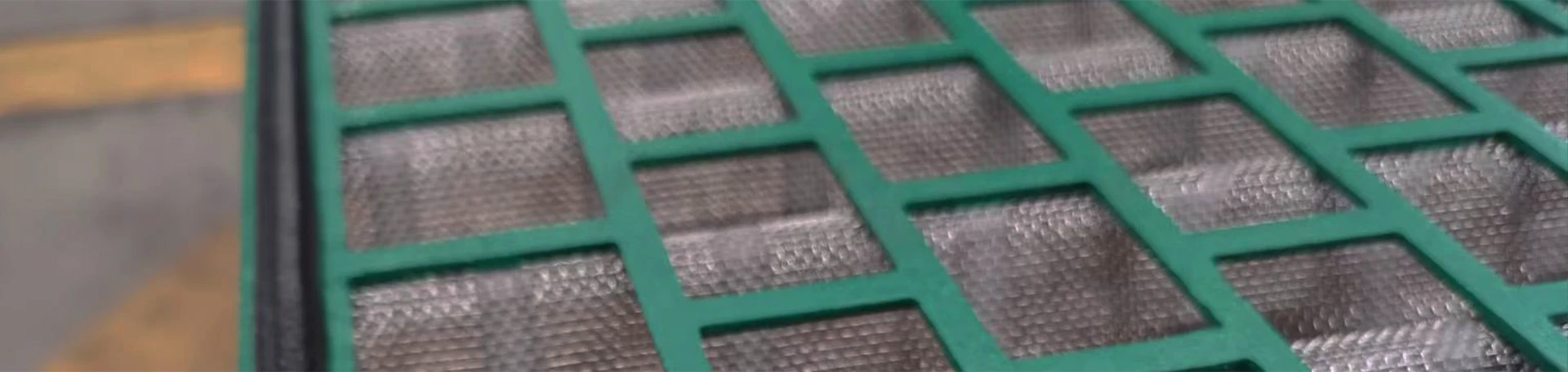
So, why buy shaker screens? First off, materials and design matter a lot. Most screens on the market are made from stainless steel mesh because of its durability and resistance to corrosion, which frankly is a must in the harsh, abrasive environments common to oil and gas or mining. The mesh size (which determines particle size separation) varies significantly — so knowing your application’s exact needs can save you money and improve efficiency down the line.
In real terms, a good shaker screen has to withstand constant vibration and fluid pressure without warping or tearing. Oddly enough, not all screens perform well for all shakers; each manufacturer tends to have optimized models that fit their equipment best. This is where customization becomes a game-changer. Some vendors offer tailored screens based on frame size, mesh type, and even specific drilling fluid compatibility.
If you’re curious about specs, here’s a quick overview of what to look out for:
| Spec | Details |
|---|---|
| Material | Stainless Steel Wire Mesh (304/316 grade) |
| Frame Type | Aluminum, Steel, or Composite |
| Mesh Size | Range from API 40 to API 325 (coarse to fine) |
| Compatibility | Fits major shaker brands: Brand A, Brand B, Brand C |
| Life Expectancy | Up to 6-9 months under typical field conditions |
Now, let me share a little bit about vendor options. I’ve seen companies place orders from different suppliers, and frankly, not all shaker screens perform the same even if specs match on paper. Here’s a simple vendor comparison from my own notes based on durability, lead time, and price.
| Vendor | Durability | Customization | Lead Time | Price Range |
|---|---|---|---|---|
| SolidControlPart | High – tough mesh and frames | Full customization available | 1-2 weeks | Mid-range |
| Vendor B | Medium | Limited options | 3-4 weeks | Low-end |
| Vendor C | High | Some customization | 2 weeks | Premium pricing |
If you’re looking to buy shaker screens, a quick tip: think long term. Cheaper screens might feel good on paper but often wear out fast, leading to unplanned downtime and replacements. I suppose it’s the classic “buy cheap, buy twice” scenario, which is frustrating when you’ve got tight project deadlines.
And here’s something less talked about — testing and quality control. Top-tier suppliers run thorough inspections and even field tests mimicking your operating conditions before shipping out their shaker screens. Many engineers I've met swear by screens that come with certifications or documented test results. It feels a bit like insurance, and frankly, that peace of mind is worth a lot on the rig.
To wrap up, shaker screens might be just a small component in your solids control setup, but they play a pivotal role. Whether you’re maintaining an existing rig or designing a new system, investing time into selecting the right screens, considering material quality, vendor reliability, and specific mesh properties will pay dividends. And on that note, to find reliable parts with customizable options and solid industry reputation, you might want to check out SolidControlPart. Their offering aligns well with what I’ve learned over the years.
Just a little industry insider wisdom — in this line of work, the details really do matter.
References:
1. API Recommended Practices on Solids Control
2. Industry forums and field engineer reports (2015–2023)
3. Manufacturer product literature and testing documentation