Cheap Shale Screen: What You Need to Know Before Buying
Having spent quite a few years working with industrial equipment—specifically those gritty pieces that deal with shale—and frankly, I’ve come to appreciate the subtle differences a quality shale screen can make. But let’s get real: sometimes it’s tough to find something that performs decently without blowing your budget. That’s where a cheap shale screen steps in as a viable option.
Before you dismiss “cheap” as synonymous with “low quality,” bear with me. In the shale and oilfield solid control world, cost-efficiency often means balancing affordability with reliable performance. These screens are the frontline soldiers in shale shaker equipment and critical for effective solids control—separating the valuable from the waste at remarkable speeds and with minimal downtime.
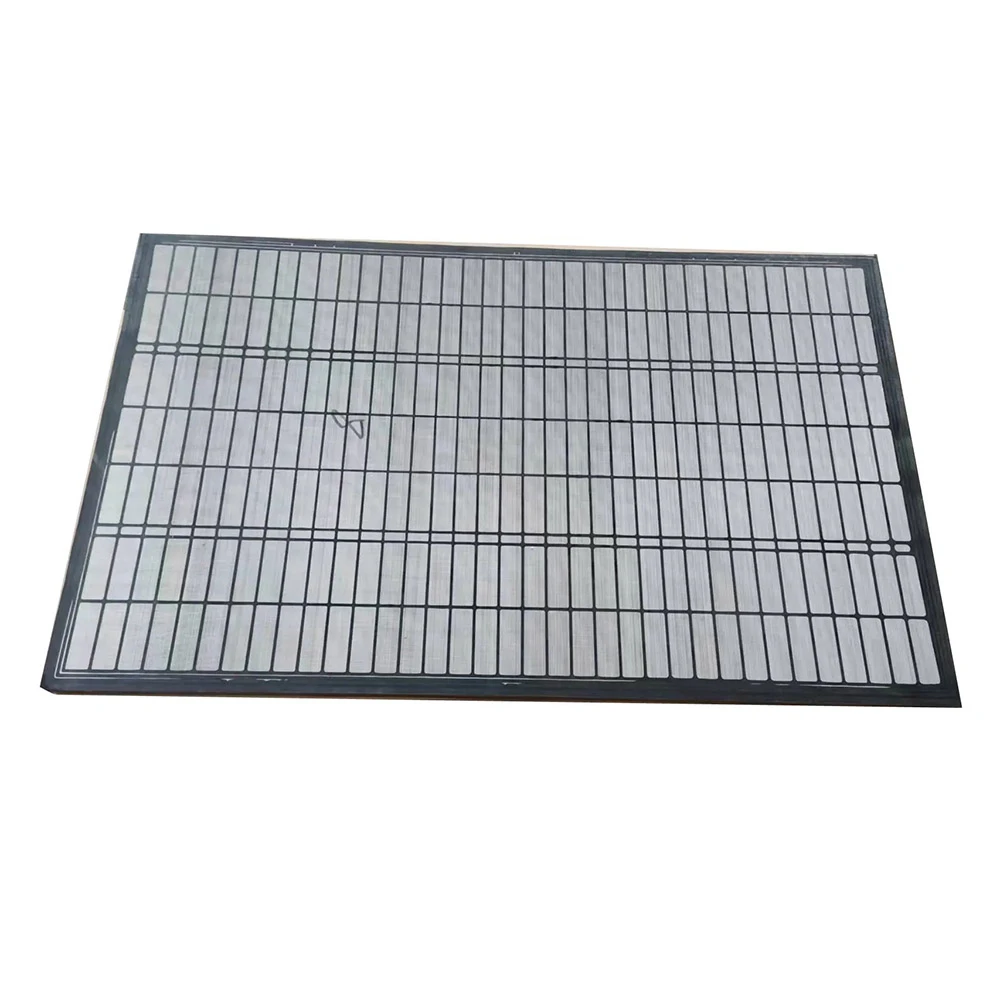
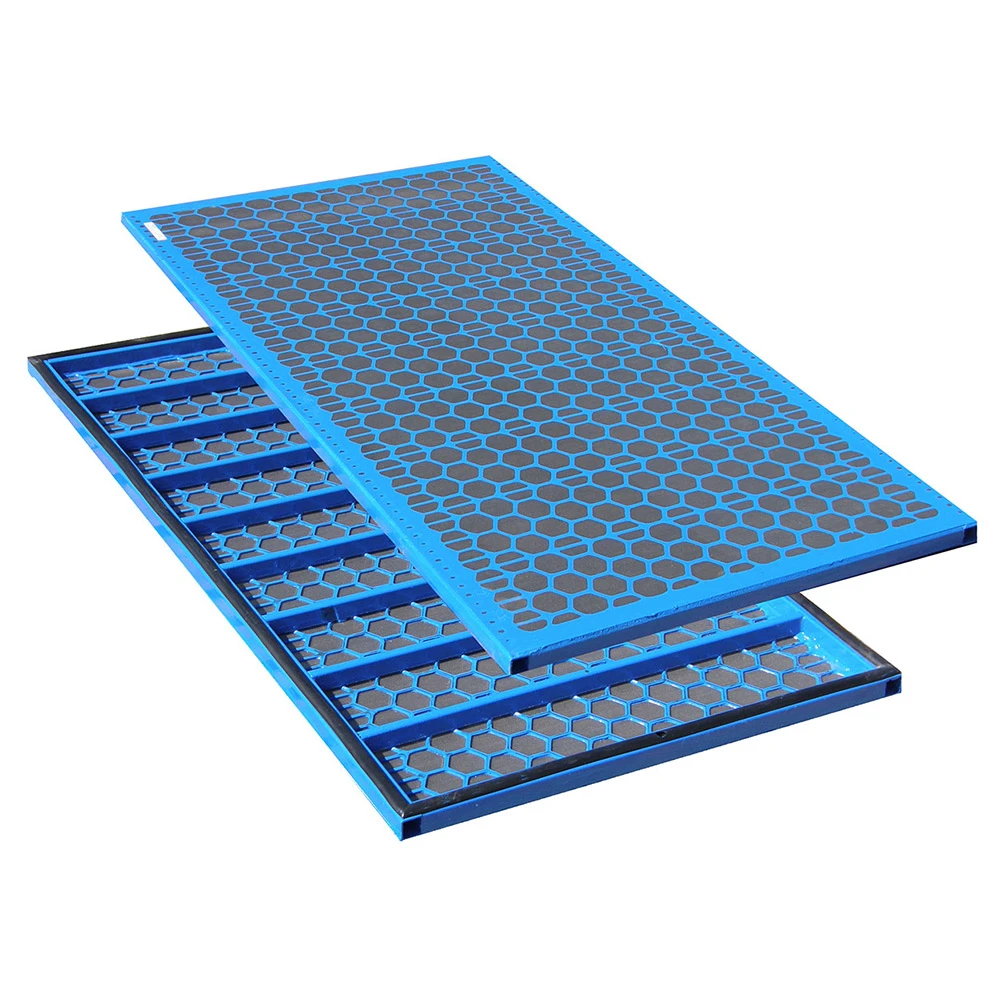
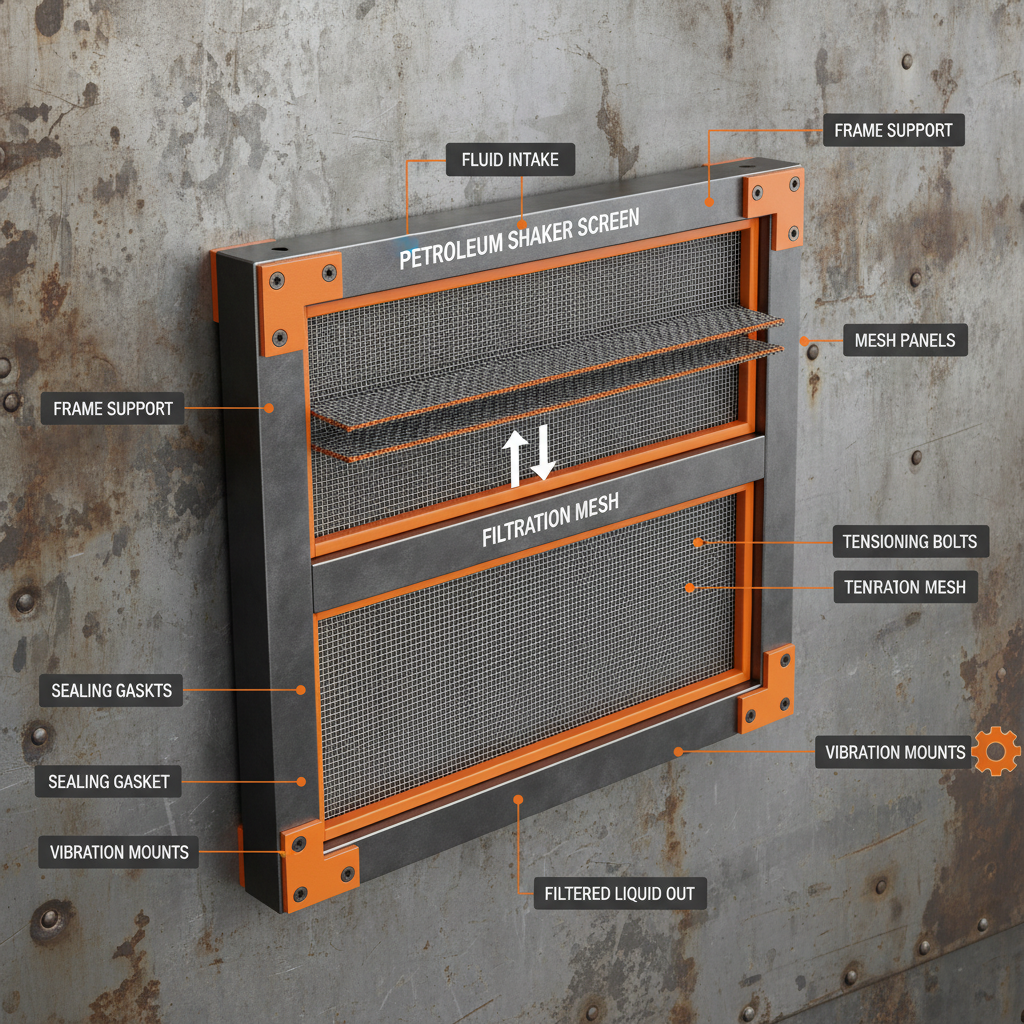
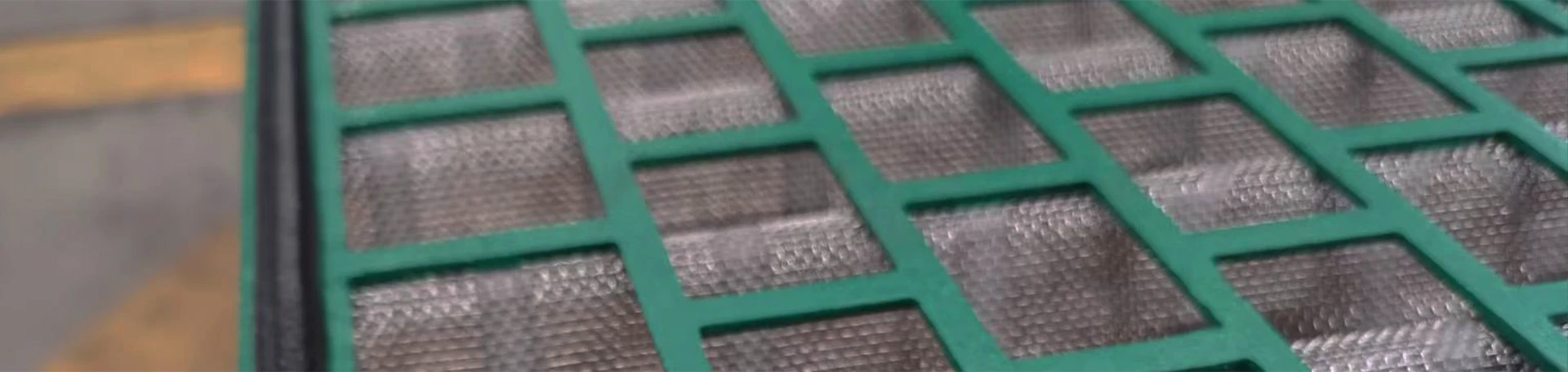
Oddly enough, cheap shale screens have evolved more than many expect. Advances in materials and weaving technology have brought surprising durability to some budget-friendly models. For example, many suppliers now offer screens made from high-tensile stainless steel wire mesh, which withstands abrasion and corrosive drilling fluids far better than older alternatives made of less durable metals or synthetic fibers.
Now, I recall chatting with a field engineer who, despite initial skepticism, found a low-cost screen from a lesser-known vendor lasted almost as long as their premium screens, but for half the price—meaning fewer shutdowns and quicker turnaround. It’s the kind of practical win that isn’t flashy but adds up in a busy operation.
One thing to keep in mind is customization. Many cheap shale screens are standardized, meant to fit common shale shaker models like the Brandt or Derrick. But tailoring screen mesh size and tension to specific well conditions can significantly improve separation efficiency. So, if you have the flexibility to specify these attributes, even a budget-friendly screen can perform admirably.
Speaking of specs, here’s a quick overview of typical cheap shale screen parameters:
| Specification | Typical Value |
|---|---|
| Material | Stainless Steel Wire Mesh (304/316) |
| Mesh Sizes | 10 to 200 Mesh (varies by application) |
| Frame Type | Rubber or Metal (depends on shaker compatibility) |
| Tensile Strength | > 1500 N/cm |
| Lifespan | 1-3 months (field dependent) |
I also find it useful to compare different vendors when choosing a budget shale screen. While some suppliers focus on sheer volume and low cost, others offer better after-sales support or more precise quality control. Here’s a snapshot of what you might expect from a few popular option categories:
| Vendor | Price Range | Quality | Customization | Lead Time |
|---|---|---|---|---|
| Local Chinese Manufacturers | Low ($$) | Moderate | Limited | 1-2 weeks |
| Established OEM Brands | Moderate to High ($$$) | High | Extensive | 3-4 weeks |
| Online Marketplaces (eBay, Alibaba) | Variable | Mixed | Usually none | Varies |
In my experience, buying cheap shale screens is less about finding the “cheapest cheapest” and more about finding the best value for your drilling operation’s specific needs. Testing a batch beforehand, if possible, or getting recommendations from trusted colleagues always helps. Oddly enough, it’s often the little details—like how the screen clamps on your chassis or how easy it is to swap out in the field—that make a big difference.
For those who are new to shale shaker equipment or looking for reliable yet affordable parts, checking vendors who balance cost and quality, like cheap shale screen providers, is a practical starting point. You can acquire screens that tick the boxes for durability, mesh precision, and compatibility without blowing your budget.
All things considered, a cheap shale screen doesn’t have to mean compromise, especially when you know what specs matter most and shop smart. I suppose you could say it’s about pairing experience with a little bit of savvy shopping—both critical in industrial equipment procurement.
If I have one takeaway for you: always look beyond price tags and check durability, mesh consistency, and supplier reliability. That little extra diligence often saves headaches down the line.
References:
- International Association of Drilling Contractors, “Shale Shaker Screens – Best Practices” (2022)
- API SPEC 13C – Specification for Shale Shaker Screens
- Industry interviews and field tests, 2018-2023