Derrick Shaker Screen Products: A Comprehensive Guide
In the oil and gas, water and wastewater treatment, and mineral processing industries, efficient solids control is paramount. Derrick shaker screen products are a crucial component in this process, separating solids from liquids to optimize performance and reduce costs. This article provides a detailed overview of these products, their applications, benefits, and key considerations for selection. Proper screen selection dramatically impacts the efficiency of your solids control system and overall operational success. We'll explore the nuances of different screen types and how to choose the right solution for your specific needs.
Understanding Derrick Shaker Screen Products
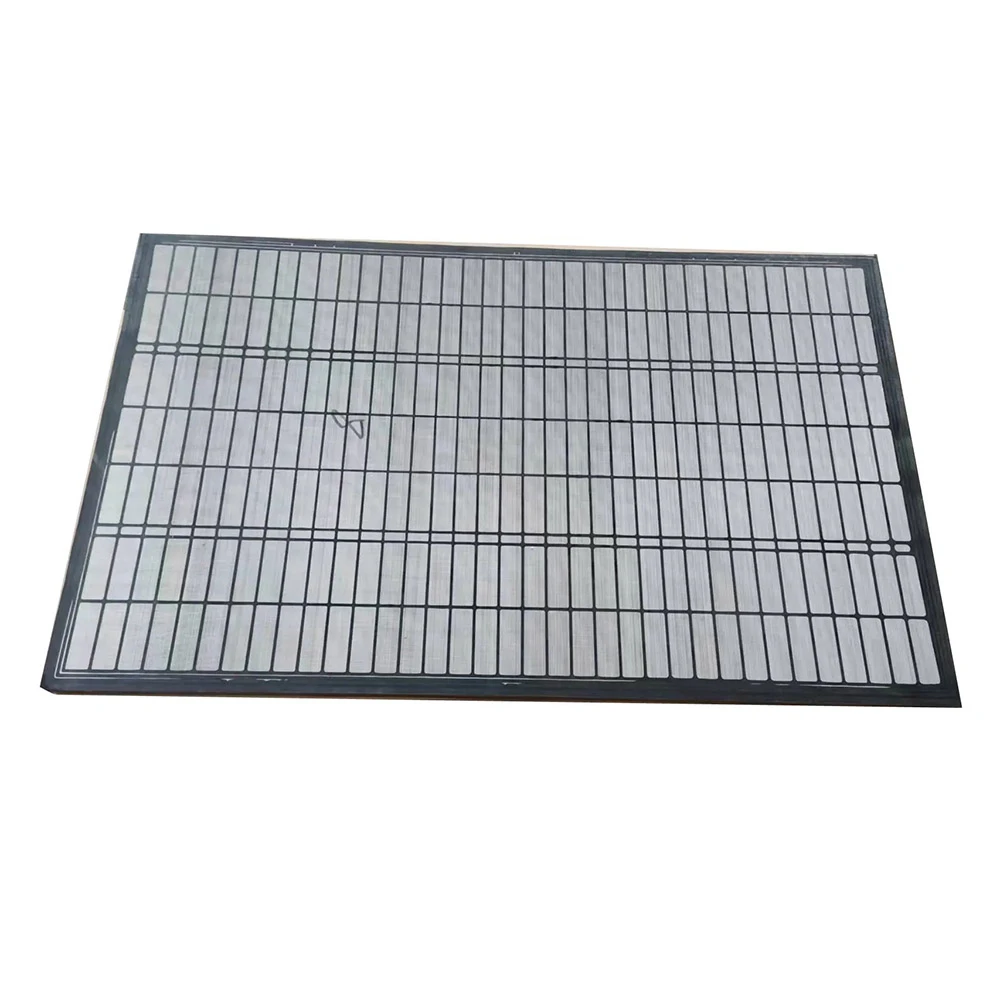
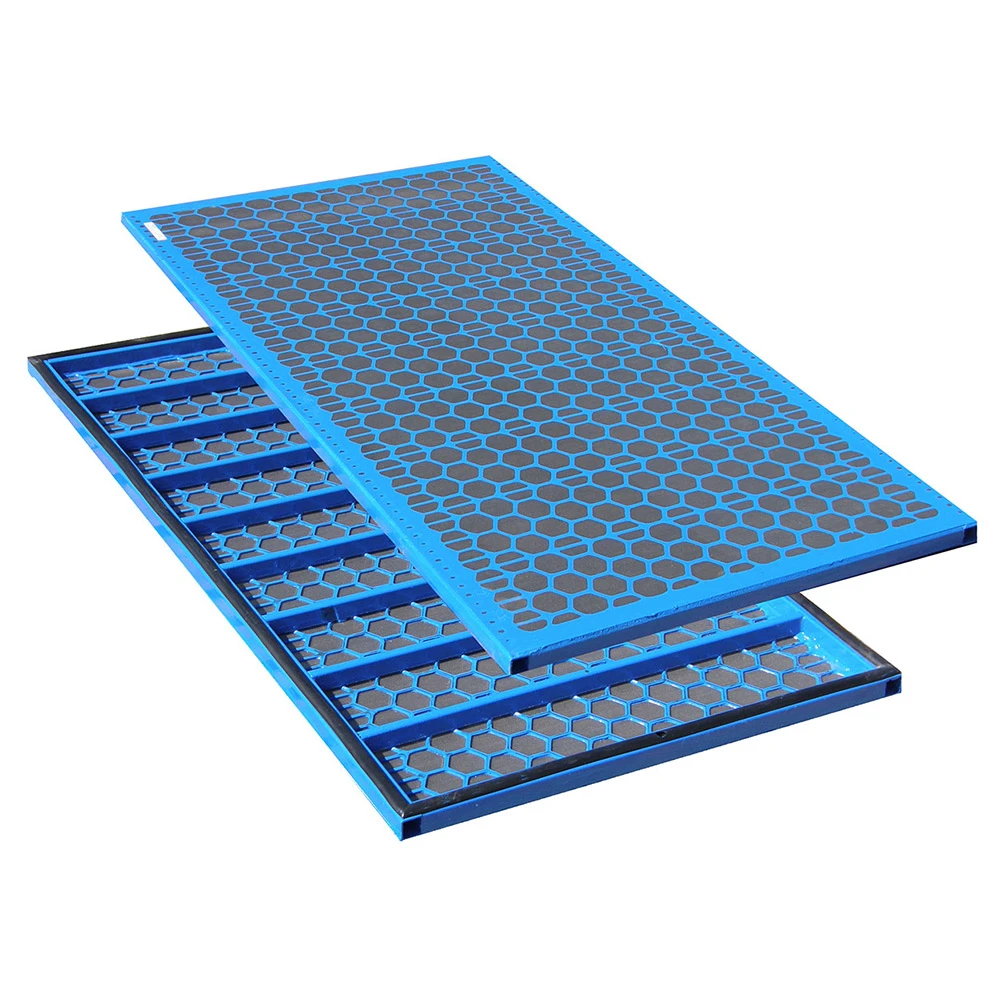
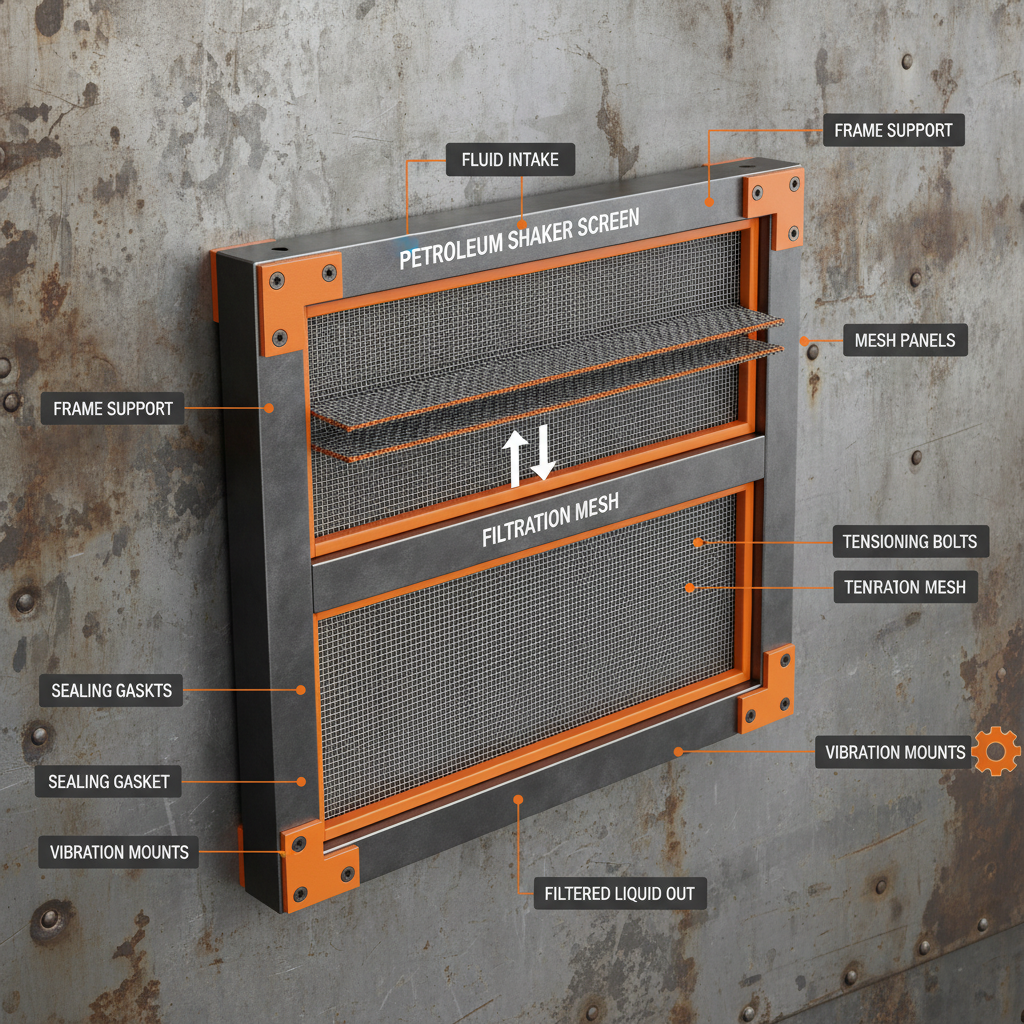
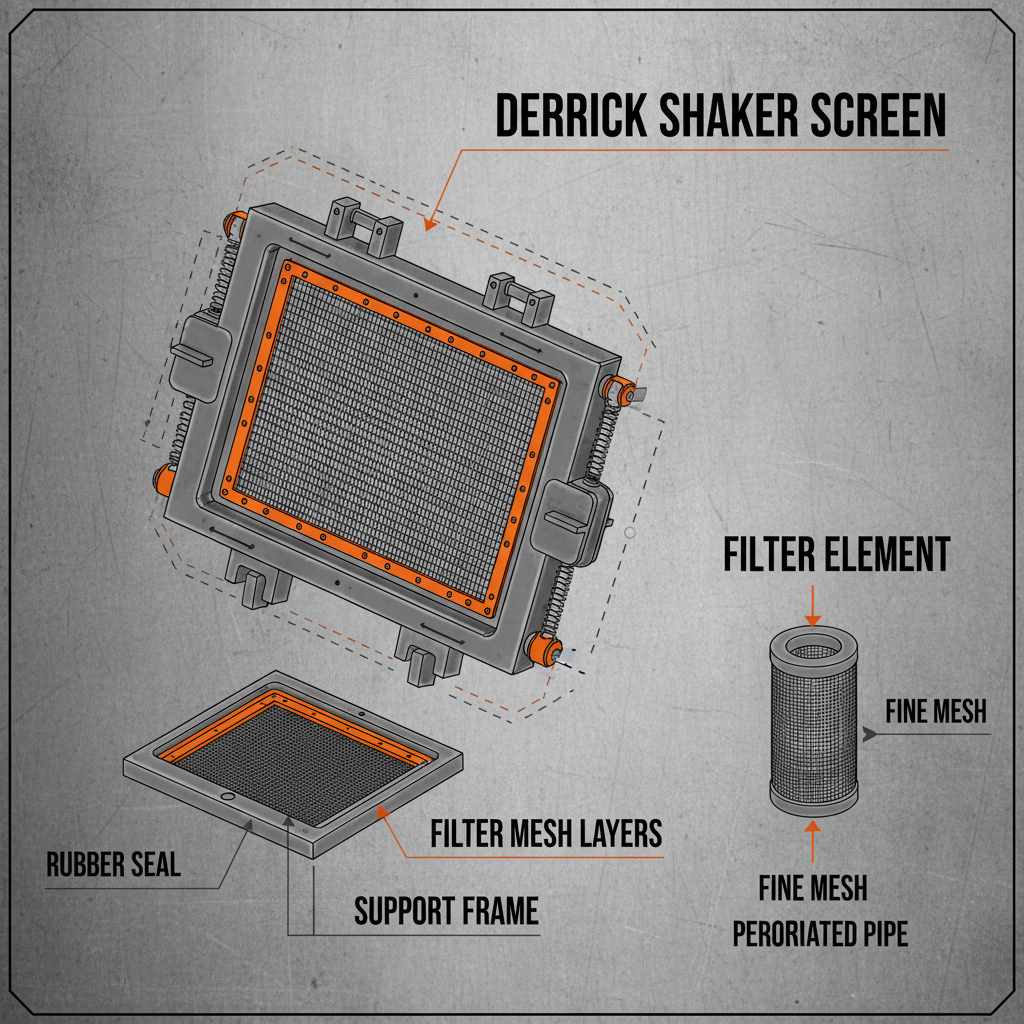
Derrick shaker screens are engineered to effectively remove solids from drilling fluids, completion fluids, and other process streams. They are typically constructed with multiple layers, each designed to capture particles of specific sizes. The layers consist of a backing cloth, a filter cloth, and often a metallic or synthetic mesh. The specific construction and materials used depend on the application and the type of solids being removed. Investing in high-quality shaker screens minimizes downtime and improves fluid quality, ultimately reducing operational expenses.
Key Benefits: Increased fluid cleanliness, reduced solids carryover, extended equipment life, and optimized drilling performance.
Types of Derrick Shaker Screen Products
Derrick offers a wide range of shaker screen products tailored to different applications. Common types include:
- Polyurethane Screens: Ideal for applications requiring high resistance to abrasion and tearing.
- Stainless Steel Screens: Provide excellent heat resistance and are suitable for high-temperature applications.
- Composite Screens: Combine the benefits of both polyurethane and stainless steel, offering a balance of durability and performance.
- Hook Strip Screens: These are the most common type and are easily installed and replaced.
- Pre-tensioned Screens: Offering a flatter, more consistent surface, often used in higher-performance shakers.
Choosing the right screen type depends on factors such as the fluid characteristics, the size and type of solids being removed, and the operating temperature. Solid Control Part provides expert guidance to help you select the optimal screens for your specific needs.
Screen Mesh Size and its Impact on Performance
The mesh size of a Derrick shaker screen is a critical factor determining its separation efficiency. Mesh size is typically measured in microns. A smaller mesh size allows for the removal of finer particles, resulting in cleaner fluids. However, a smaller mesh size can also lead to increased pressure drop and reduced flow rate. Selecting the correct mesh size requires careful consideration of the desired level of solids removal and the flow rate requirements of your system. A common approach is to use a combination of screen sizes in a multi-stage shaker system, starting with coarser screens to remove larger particles and progressing to finer screens for final polishing.
Mesh Size Guide:
• 20-40 mesh: Coarse separation of large solids.
• 50-80 mesh: Intermediate separation of medium-sized solids.
• 100-200 mesh: Fine separation of small particles.
• 230-400 mesh: Ultra-fine separation for polishing applications.
Derrick Shaker Screen Products Comparison
Understanding the differences between screen types is crucial for optimal performance. Below is a comparison of common Derrick shaker screen options:
Maximizing Derrick Shaker Screen Lifespan
To ensure optimal performance and longevity, proper maintenance and handling of Derrick shaker screen products are essential. Regularly inspect screens for wear and tear, including tears, holes, and blocked mesh. Clean screens periodically to remove accumulated solids and debris. Avoid using abrasive cleaning agents that could damage the screen material. Proper storage in a dry, protected environment will also extend the lifespan of your screens. Consider implementing a screen rotation program to distribute wear evenly and maximize utilization. Investing in durable, high-quality screens from Solid Control Part ultimately reduces long-term costs.
Conclusion: Optimizing Solids Control with Derrick Screens
Derrick shaker screen products are a vital component of any effective solids control system. Selecting the right screen type and mesh size, combined with proper maintenance, is crucial for optimizing performance, reducing costs, and ensuring operational efficiency. Solid Control Part provides a comprehensive range of high-quality Derrick shaker screens, along with expert support to help you choose the optimal solution for your specific needs. Investing in quality screens is an investment in the long-term success of your operations.
Frequently Asked Questions (FAQs)
What is the typical lifespan of a Derrick shaker screen?
The lifespan of a Derrick shaker screen varies depending on several factors, including the type of solids being processed, the fluid characteristics, the operating conditions, and the screen material. Generally, polyurethane screens last between 50-150 hours of operation, while stainless steel screens can last significantly longer, up to 200-300 hours or more. Regular inspection and timely replacement are crucial to prevent reduced separation efficiency and potential damage to downstream equipment. It's essential to monitor screen performance and replace them when they show signs of wear or blockage.
How do I determine the correct mesh size for my application?
Determining the correct mesh size requires considering the size and type of solids you need to remove. Start by analyzing the particle size distribution of the solids in your process stream. Choose a mesh size that effectively captures the target particles while allowing the desired liquid to pass through. If you're unsure, it's often best to start with a coarser mesh size and gradually decrease it until you achieve the desired level of separation. Consulting with a solids control expert at Solid Control Part can provide valuable guidance.
What are the benefits of using composite shaker screens?
Composite shaker screens offer a combination of the benefits of both polyurethane and stainless steel screens. They provide excellent abrasion resistance, heat resistance, and durability. The polyurethane layer offers a flexible and resilient surface that conforms to the shaker deck, while the stainless steel mesh provides structural support and prevents tearing. Composite screens are a versatile option suitable for a wide range of applications and are often a cost-effective choice in the long run.