Shaker Screens Products: A Comprehensive Guide
In the oil and gas, water treatment, and mining industries, efficient solids control is paramount. Shaker screens products are a critical component of this process, separating drilled solids from the returning drilling fluid. This article will provide a detailed overview of shaker screens, their types, applications, and key considerations for selection. Choosing the right shaker screens maximizes efficiency, reduces costs, and enhances overall operational performance. We’ll explore the different options available and how to find the best solutions for your specific needs.
Understanding Shaker Screens: The Core of Solids Control
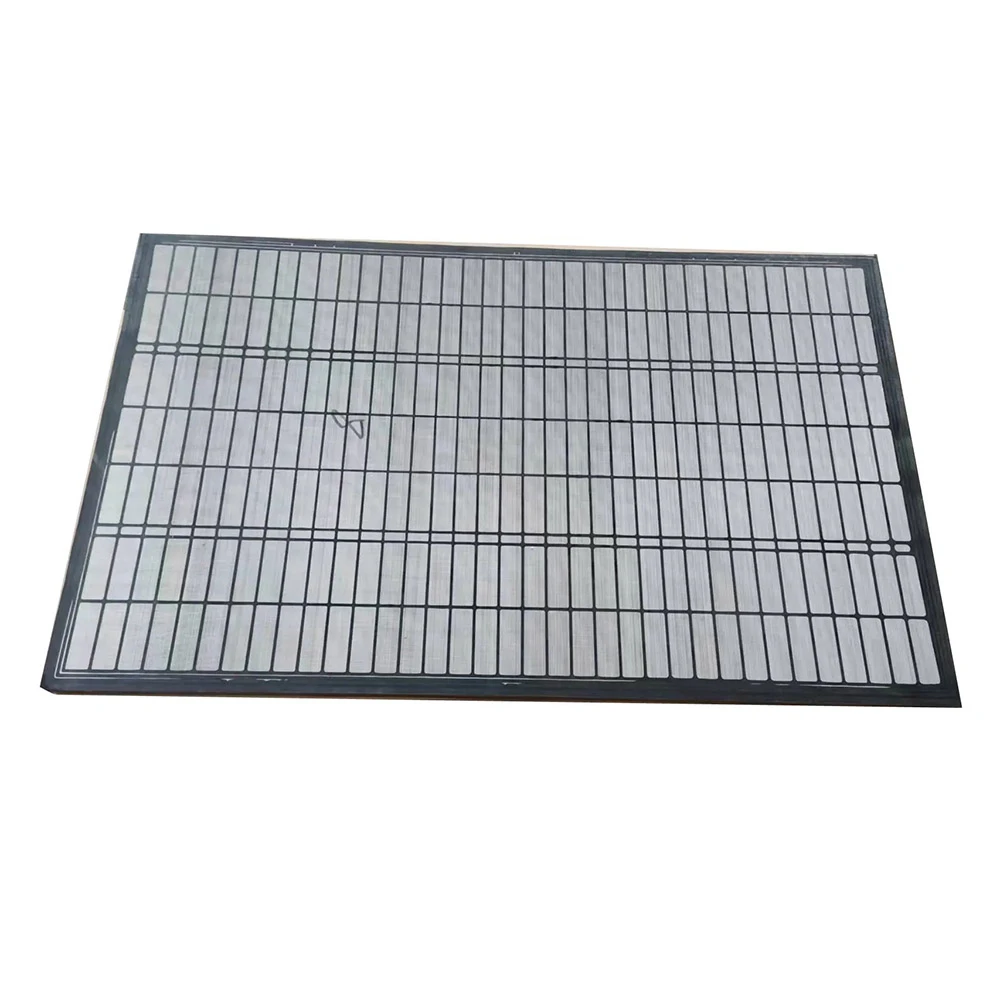
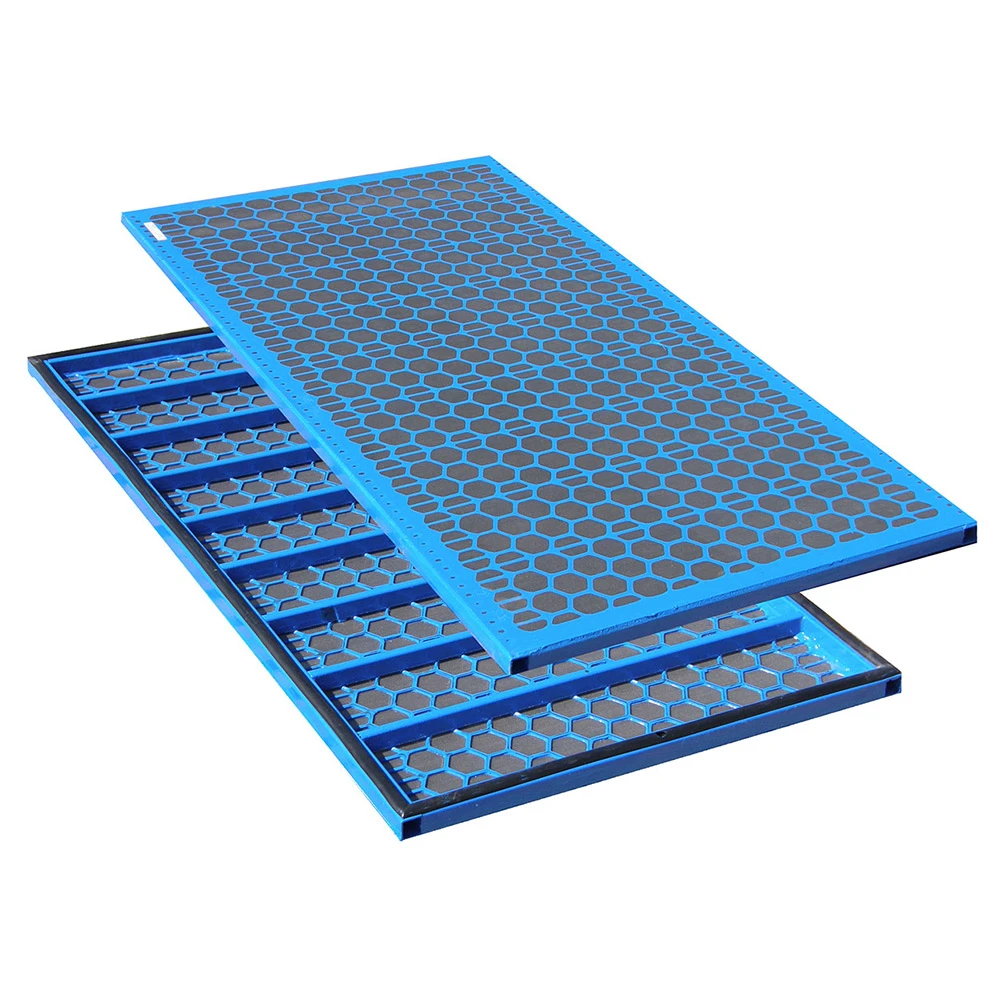
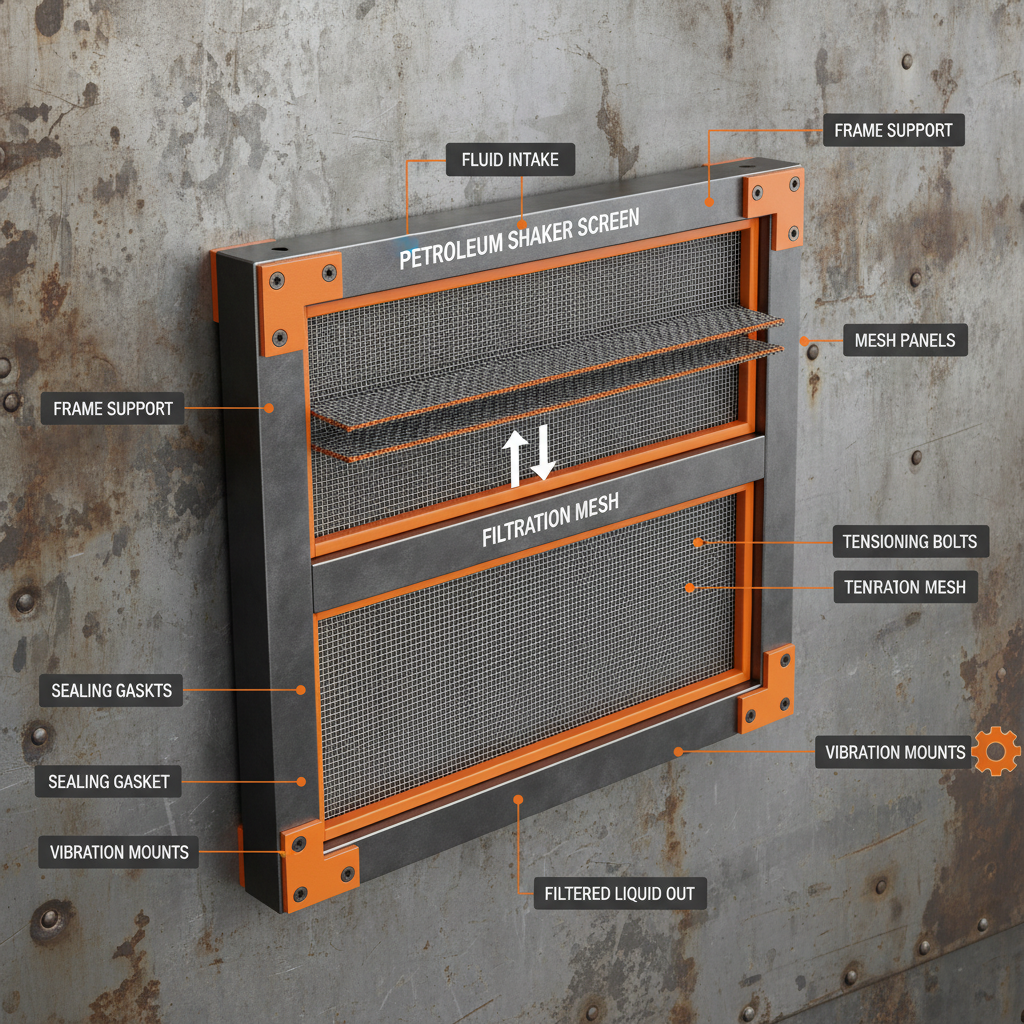
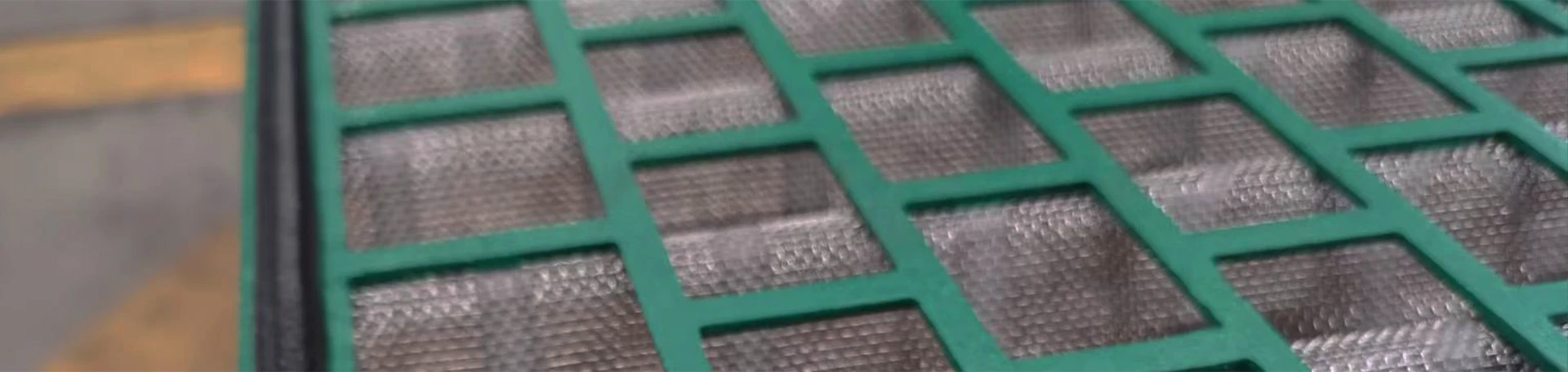
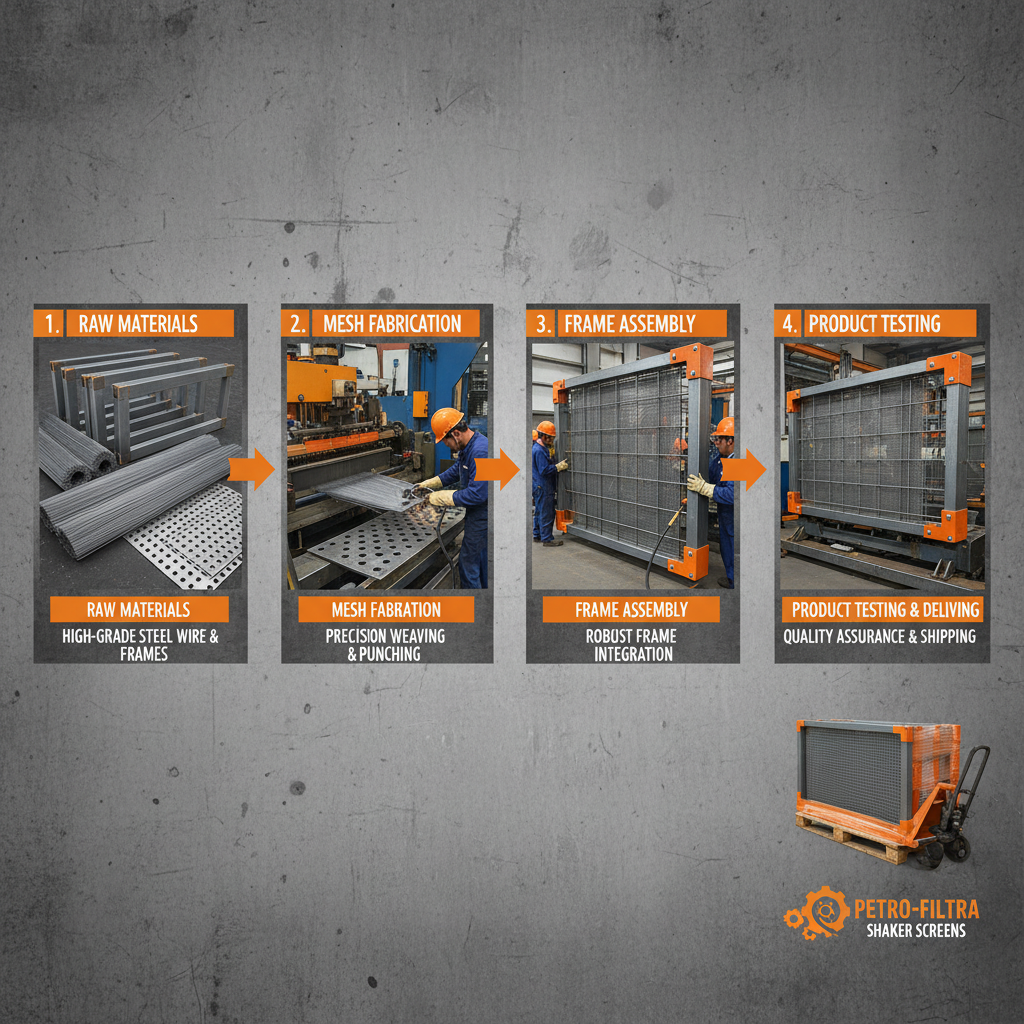
Shaker screens, also known as shale shakers, are the first line of defense in solids control. They utilize a vibrating mesh screen to separate drilled solids—like rock cuttings, sand, and debris—from the drilling fluid, allowing the clean fluid to be recirculated. This process is essential for maintaining drilling fluid properties, reducing wear on equipment, and minimizing disposal costs. The efficiency of shaker screens directly impacts drilling speed, wellbore stability, and the overall success of the operation. Proper screen selection is crucial to achieve optimal performance and prevent issues like fluid loss and equipment damage. Solid Control Part offers a comprehensive range of shaker screens designed for various applications.
Key Benefits: Effective solids removal, reduced drilling fluid costs, increased drilling efficiency, improved wellbore stability, minimized equipment wear.
Types of Shaker Screens Products: Choosing the Right Mesh
Shaker screens come in a variety of materials and mesh sizes, each suited for specific applications and particle sizes. Common screen materials include stainless steel, composite materials, and polyurethane. Mesh size, measured in microns, determines the smallest particle size that the screen can effectively remove. Coarser mesh screens (e.g., 80-120 microns) are used for removing larger cuttings, while finer mesh screens (e.g., 20-40 microns) are used for removing finer solids. The appropriate mesh size depends on factors like the type of drilling fluid, the geological formation being drilled, and the desired level of solids removal. Solid Control Part provides detailed specifications for each screen type.
Common Shaker Screen Materials:
• Stainless Steel: Durable, resistant to corrosion, suitable for a wide range of applications.
• Composite Materials: Lightweight, high tensile strength, excellent resistance to abrasion.
• Polyurethane: Flexible, good resistance to oil and chemicals, often used for fine mesh screens.
Shaker Screens Products Comparison: Material & Performance
Selecting the right shaker screen material is crucial for optimizing performance and longevity. Each material has unique characteristics influencing its suitability for different drilling environments. The table below provides a comparative overview of the most common materials:
Applications of Shaker Screens Products Across Industries
Shaker screens are indispensable in various industries where solids control is vital. In the oil and gas sector, they are used during drilling, completion, and workover operations. Water treatment plants utilize shaker screens to remove sediment and debris from water sources. The mining industry employs them for separating valuable minerals from waste materials. Each industry has unique requirements, leading to specialized shaker screen designs and materials. Solid Control Part caters to a wide range of industrial needs with custom-engineered solutions.
Selecting the Right Shaker Screens: Key Considerations
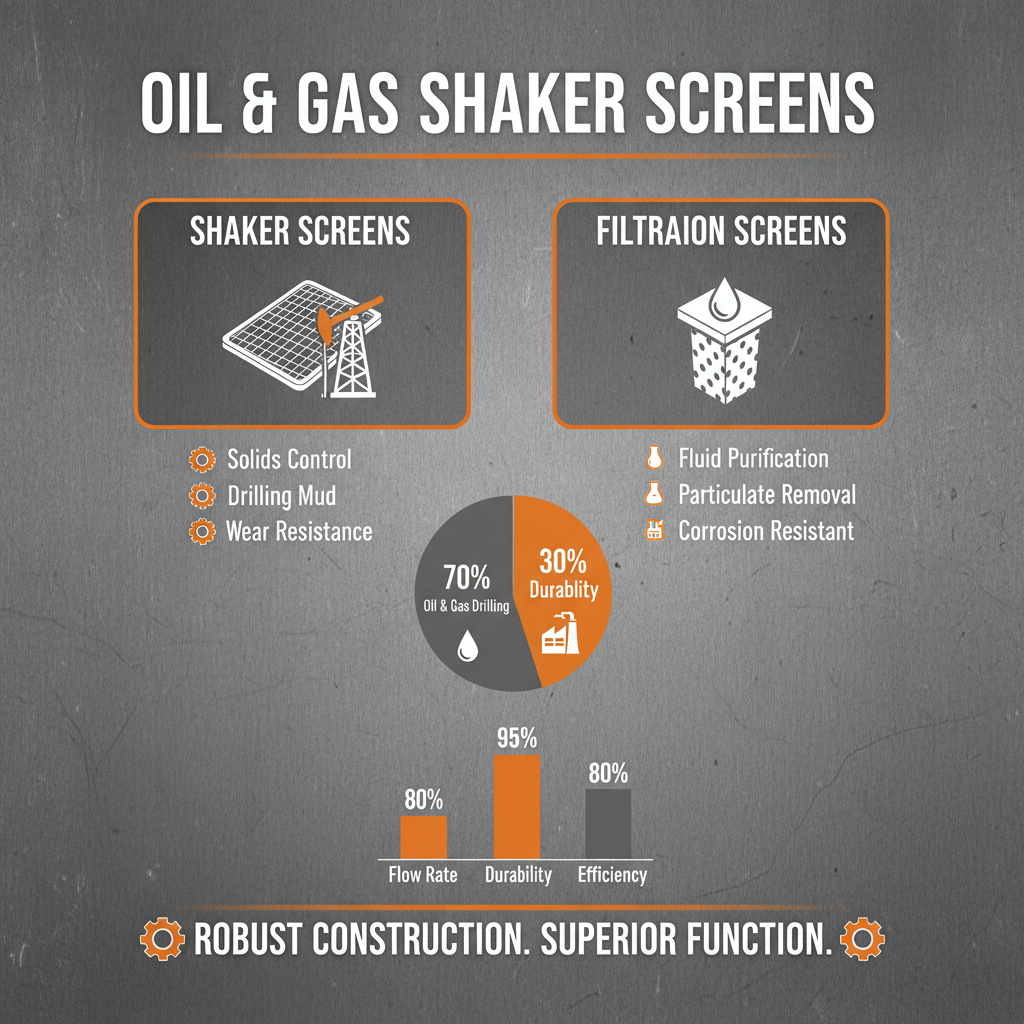
Choosing the optimal shaker screens requires careful consideration of several factors. These include the type of drilling fluid, the lithology (rock type) of the formation being drilled, the desired solids removal efficiency, and the compatibility with the shaker equipment. Factors like screen tension and aperture size also influence performance. Regular inspection and replacement of worn screens are essential to maintain optimal solids control. Solid Control Part's expert team can assist with screen selection and provide recommendations based on your specific application.
Conclusion: Optimizing Solids Control with the Right Shaker Screens
Investing in high-quality shaker screens products is crucial for efficient solids control and cost-effective operations. By understanding the different types of screens, materials, and applications, you can make informed decisions that enhance performance, reduce downtime, and improve overall profitability. Solid Control Part is committed to providing reliable, durable, and customized shaker screen solutions to meet the diverse needs of our customers.
Frequently Asked Questions (FAQs)
How often should shaker screens be replaced?
The frequency of shaker screen replacement depends on factors such as the abrasiveness of the solids being processed, the flow rate, and the screen material. Regular inspections are crucial – look for signs of wear, tears, or a decrease in separation efficiency. As a general guideline, screens should be replaced when they exhibit noticeable damage or when the performance degrades significantly. Preventive replacement schedules, based on operating hours or volume processed, can also be implemented to minimize downtime. Ignoring worn screens can lead to increased fluid loss, reduced drilling efficiency, and potential equipment damage.
What mesh size is appropriate for my application?
Selecting the correct mesh size requires understanding the particle size distribution of the solids you need to remove. Coarser mesh screens (e.g., 80-120 microns) are suitable for removing large cuttings, while finer mesh screens (e.g., 20-40 microns) are used for removing finer particles. Consider the type of drilling fluid and the geological formation being drilled. A combination of screen sizes – using multiple screens in series – can provide optimal solids removal. Solid Control Part can help you determine the ideal mesh size based on your specific requirements.
Are composite shaker screens more durable than steel screens?
Generally, composite shaker screens are more durable than stainless steel screens due to their higher tensile strength and resistance to abrasion. They are less prone to tearing and can withstand more demanding operating conditions. However, composite screens may be more expensive than steel screens. The choice depends on your budget and the specific demands of your application. Consider the trade-off between cost, durability, and performance when selecting your shaker screens.