Shale Screen Companies: A Comprehensive Guide to Providers & Technologies
The oil and gas industry, particularly shale gas extraction, relies heavily on efficient and reliable solids control equipment. A crucial component of this process is the shale shaker, and selecting the right provider – one of the leading shale screen companies – is vital for optimizing drilling operations, minimizing waste, and reducing costs. This article delves into the world of shale screen companies, examining key factors to consider, top providers, technology advancements, and future trends. We’ll cover everything from screen types to selecting the optimal partner for your drilling needs.
Understanding Shale Screens and Their Importance
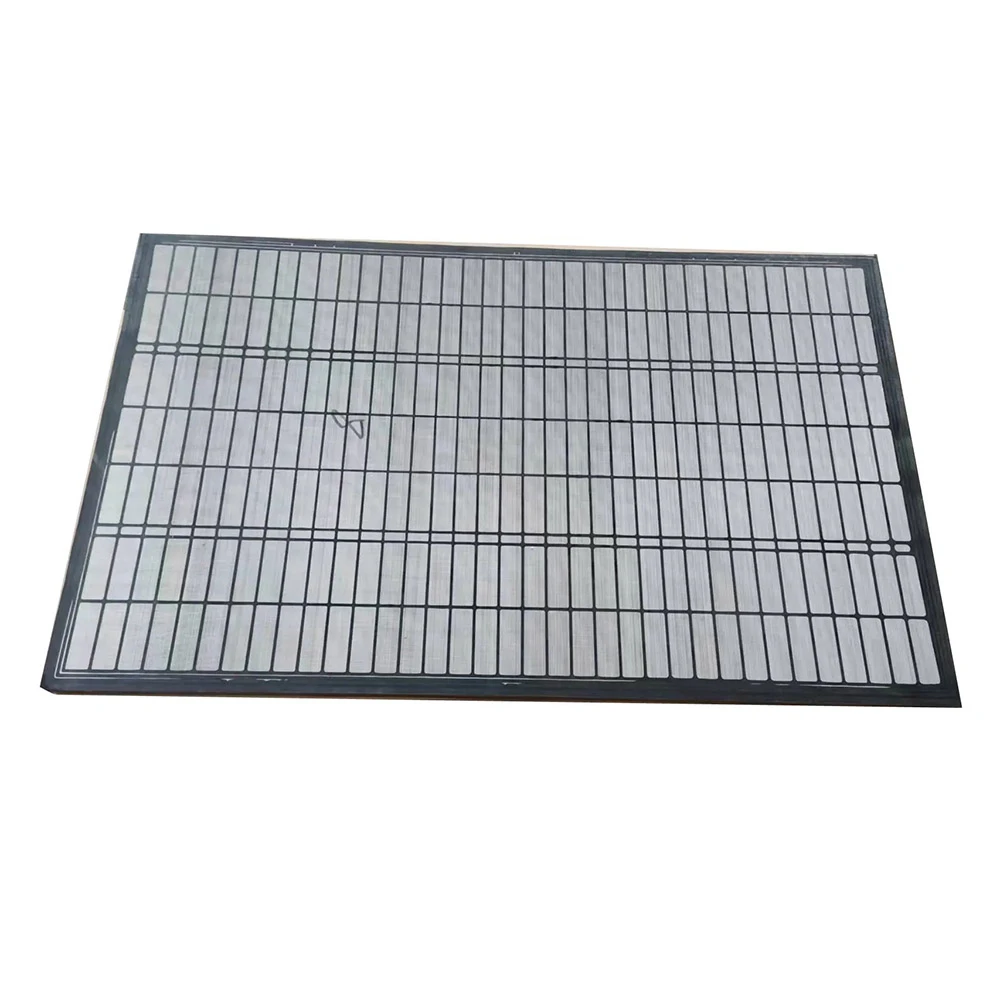
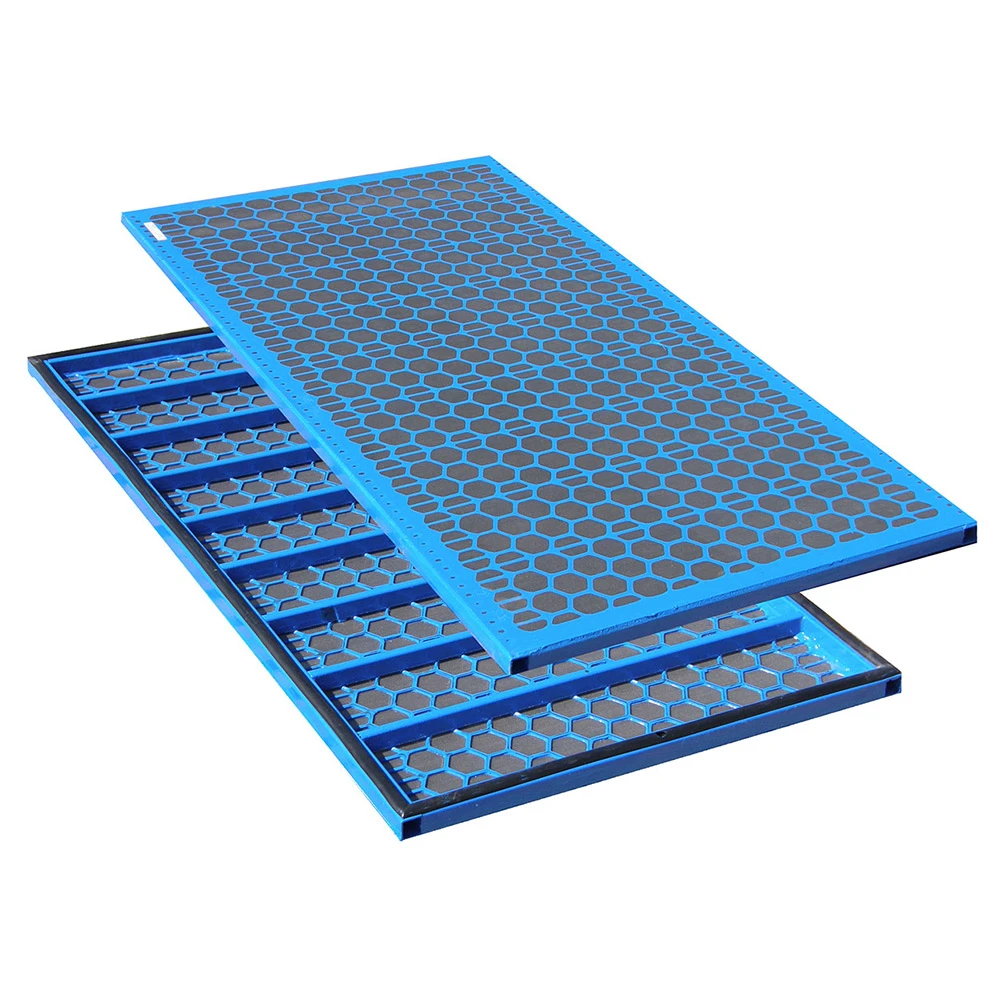
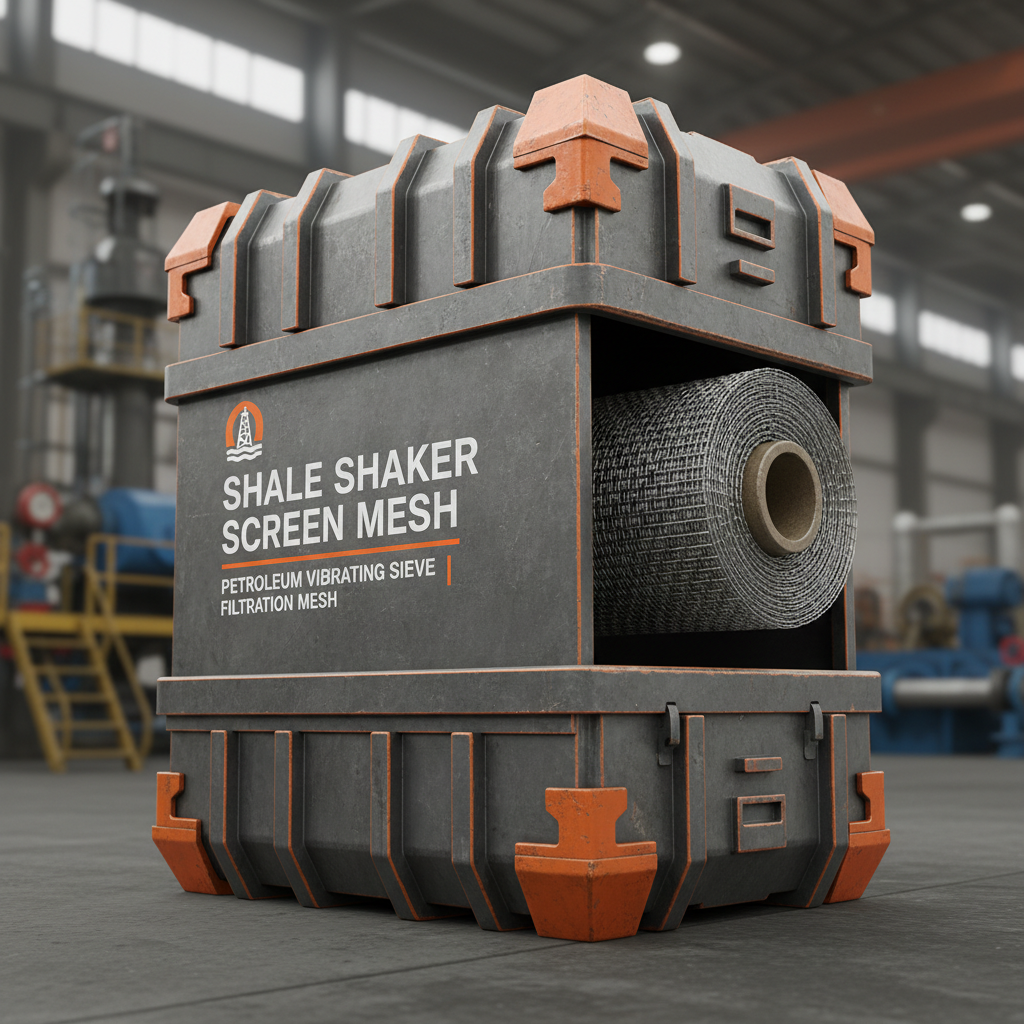
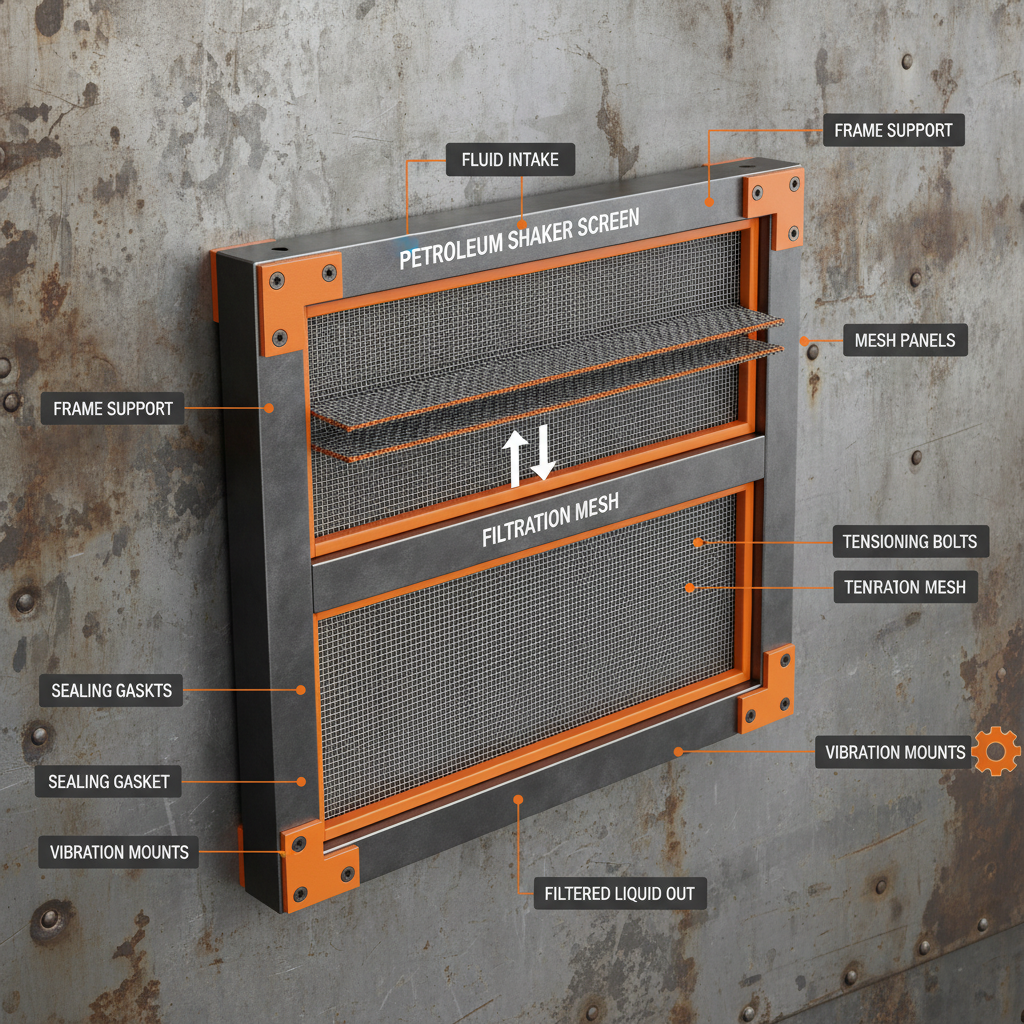
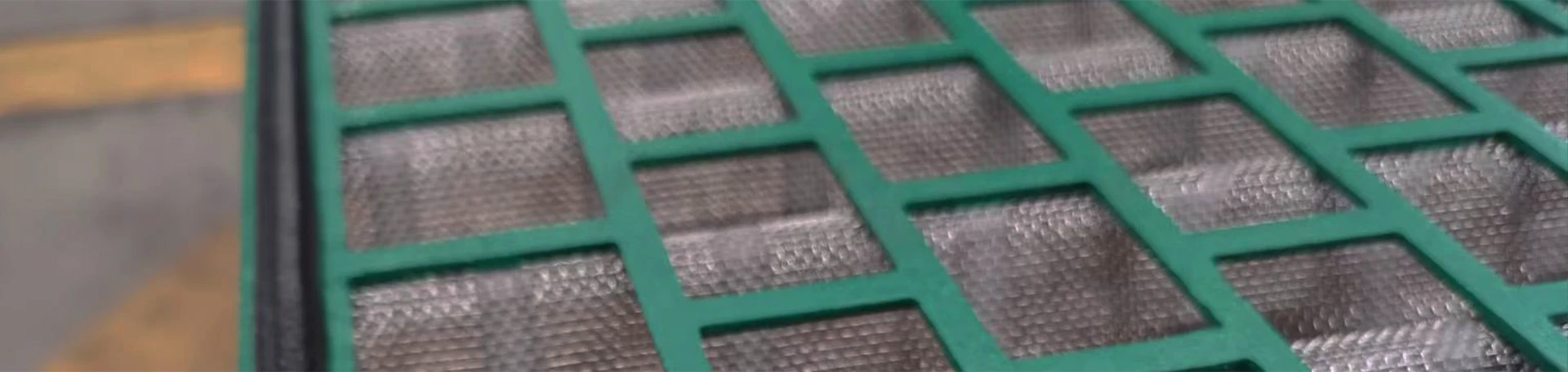
Shale screens, also known as shaker screens, are integral to the solids control process in drilling operations. Their primary function is to separate drilled solids – rock fragments, cuttings, and other debris – from the drilling mud. This purified mud is then recirculated, reducing the need for costly new mud and maintaining optimal drilling performance. Effective shale screening significantly enhances drilling efficiency, minimizes environmental impact, and lowers overall operational costs. Choosing screens from reputable shale screen companies ensures quality, durability, and optimized performance.
Key Benefits of High-Quality Shale Screens: Increased drilling efficiency, reduced mud costs, minimized waste disposal, enhanced environmental protection, and improved wellbore stability.
Key Considerations When Choosing Shale Screen Companies
Selecting the right shale screen company requires careful consideration of several factors. First, assess the company's experience and reputation within the industry. Look for providers with a proven track record of delivering high-quality products and excellent customer support. Second, evaluate the range of screen types offered – different drilling operations require different mesh sizes and materials. Third, consider the company's manufacturing capabilities and quality control processes. Finally, assess their logistical capabilities, including delivery times and availability of replacement parts. A reliable partner among shale screen companies offers more than just a product; they offer a solution.
Essential Factors for Evaluation:
• Experience and Reputation
• Range of Screen Types
• Manufacturing Quality Control
• Logistical Capabilities
Comparing Leading Shale Screen Companies
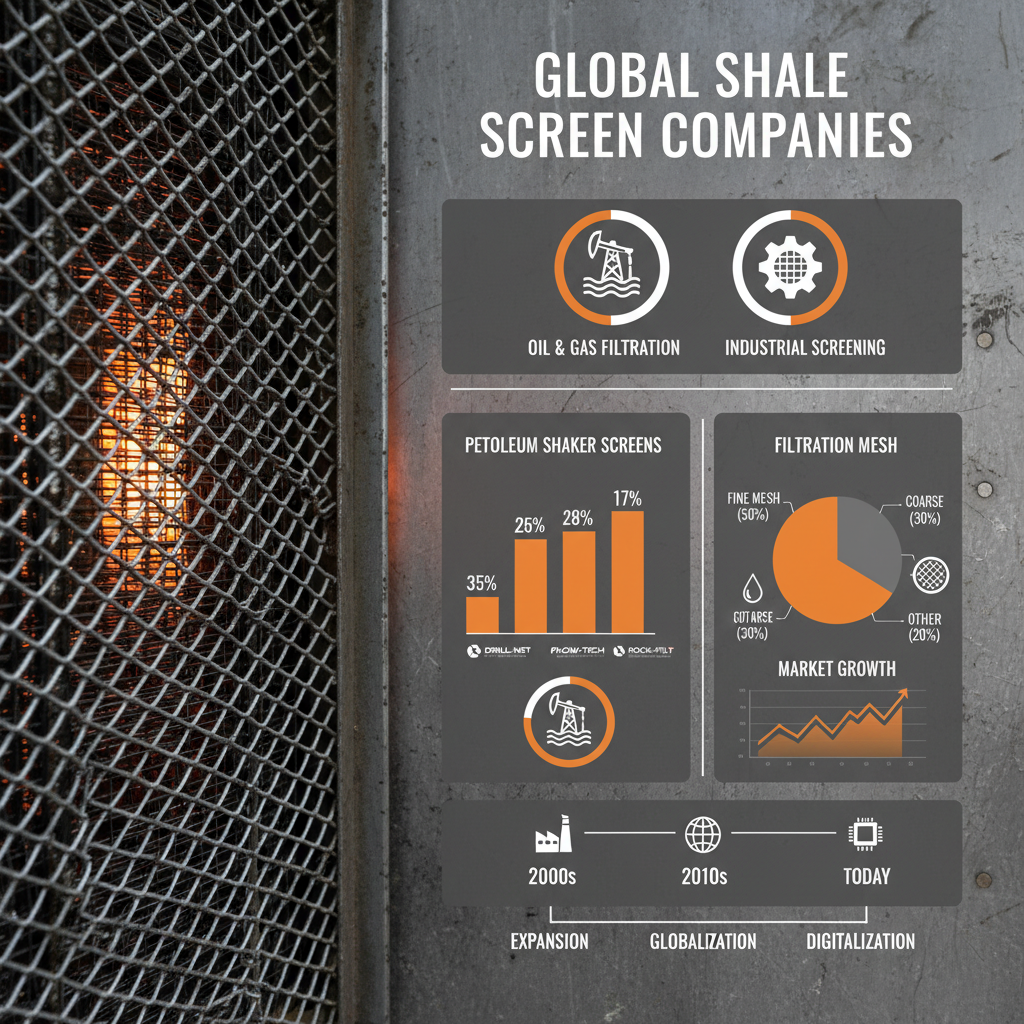
Several companies stand out in the shale screen market, each offering unique strengths and specialties. Solid Control Part (https://www.solidcontrolpart.com) is known for its wide range of screen options, competitive pricing, and rapid delivery. Other key players include MI Swaco (a Schlumberger company) and Derrick Corporation, both offering advanced technologies and comprehensive solutions. The best choice ultimately depends on your specific drilling needs and budget.
Technological Advancements in Shale Screens
The technology behind shale screens is constantly evolving. New materials, such as high-strength alloys and composite materials, are being developed to improve screen durability and performance. Advanced screen designs, like pre-tensioned screens and multi-layer screens, enhance separation efficiency and reduce the risk of plugging. Furthermore, the integration of smart sensors and data analytics allows for real-time monitoring of screen condition and performance, enabling proactive maintenance and optimization. Leading shale screen companies are at the forefront of these innovations.
Future Trends in Shale Screen Technology
Looking ahead, the future of shale screen technology will likely focus on increased automation, improved data analytics, and the development of even more durable and efficient materials. Expect to see wider adoption of remote monitoring systems, allowing operators to track screen performance from anywhere in the world. The use of artificial intelligence (AI) and machine learning (ML) algorithms will enable predictive maintenance and optimized screen selection. Furthermore, the industry will continue to prioritize environmentally friendly materials and sustainable manufacturing practices. Partnering with forward-thinking shale screen companies will be crucial for staying ahead of the curve.
Conclusion: Selecting the Right Partner for Success
Choosing the right partner among shale screen companies is a critical decision for any drilling operation. By carefully considering factors such as experience, product range, technology, and pricing, you can ensure optimal performance, reduced costs, and enhanced safety. Investing in high-quality shale screens and a reliable provider like Solid Control Part is an investment in the success of your drilling project.
Frequently Asked Questions (FAQs)
What is the typical lifespan of a shale screen?
The lifespan of a shale screen varies depending on factors like the abrasiveness of the drilled solids, drilling mud composition, and operating conditions. Generally, shale screens can last from 100 to 300 hours of operation. However, regular inspection for wear and tear, such as broken mesh or frame damage, is crucial. Reputable shale screen companies offer screens designed for extended durability, minimizing downtime and replacement costs.
What are the different types of shale screen mesh?
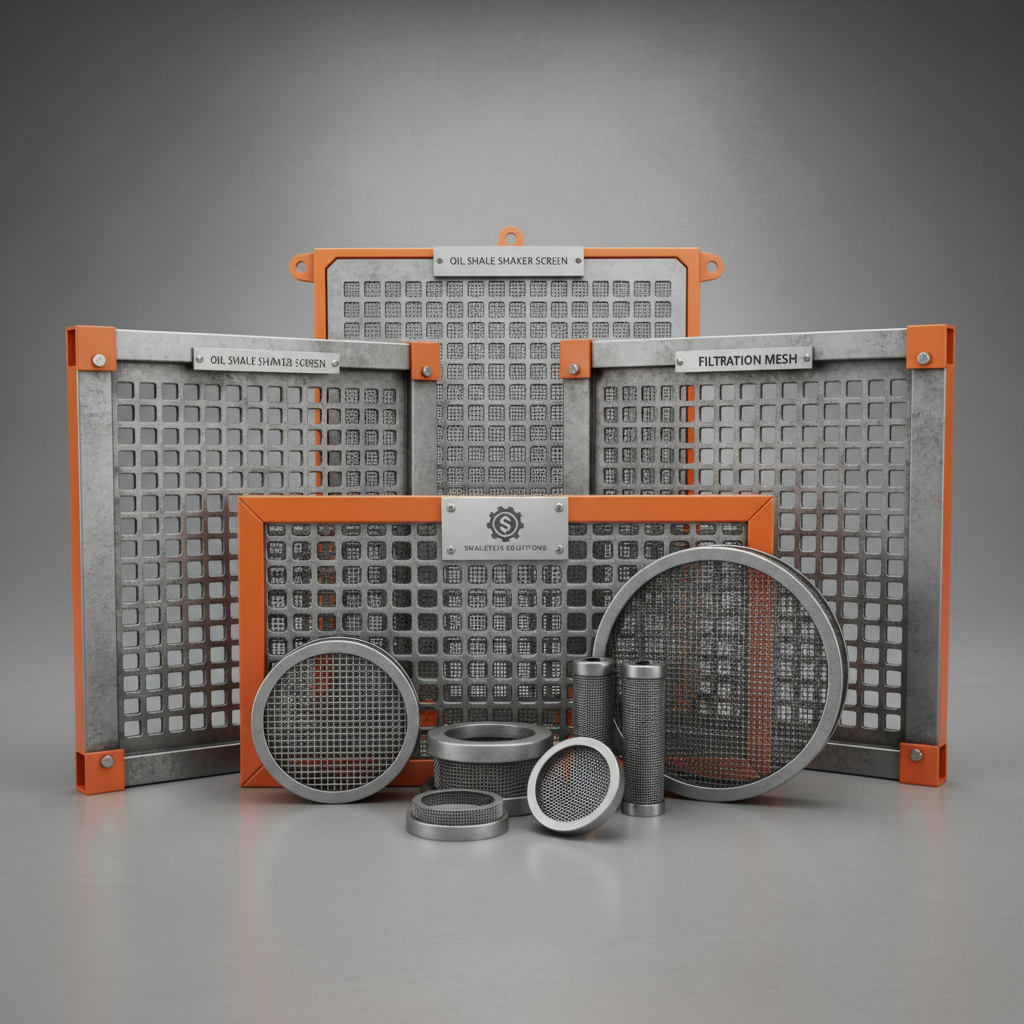
Common shale screen mesh types include square aperture, rectangular aperture, and triangular aperture. Square aperture screens are versatile and suitable for a wide range of applications. Rectangular aperture screens offer increased open area for higher flow rates, ideal for handling large volumes of solids. Triangular aperture screens provide excellent separation efficiency for fine particles. The choice of mesh type depends on the specific characteristics of the drilled solids and the desired separation performance. Solid Control Part can provide expert guidance on selecting the optimal mesh type for your needs.
How can I maximize the lifespan of my shale screens?
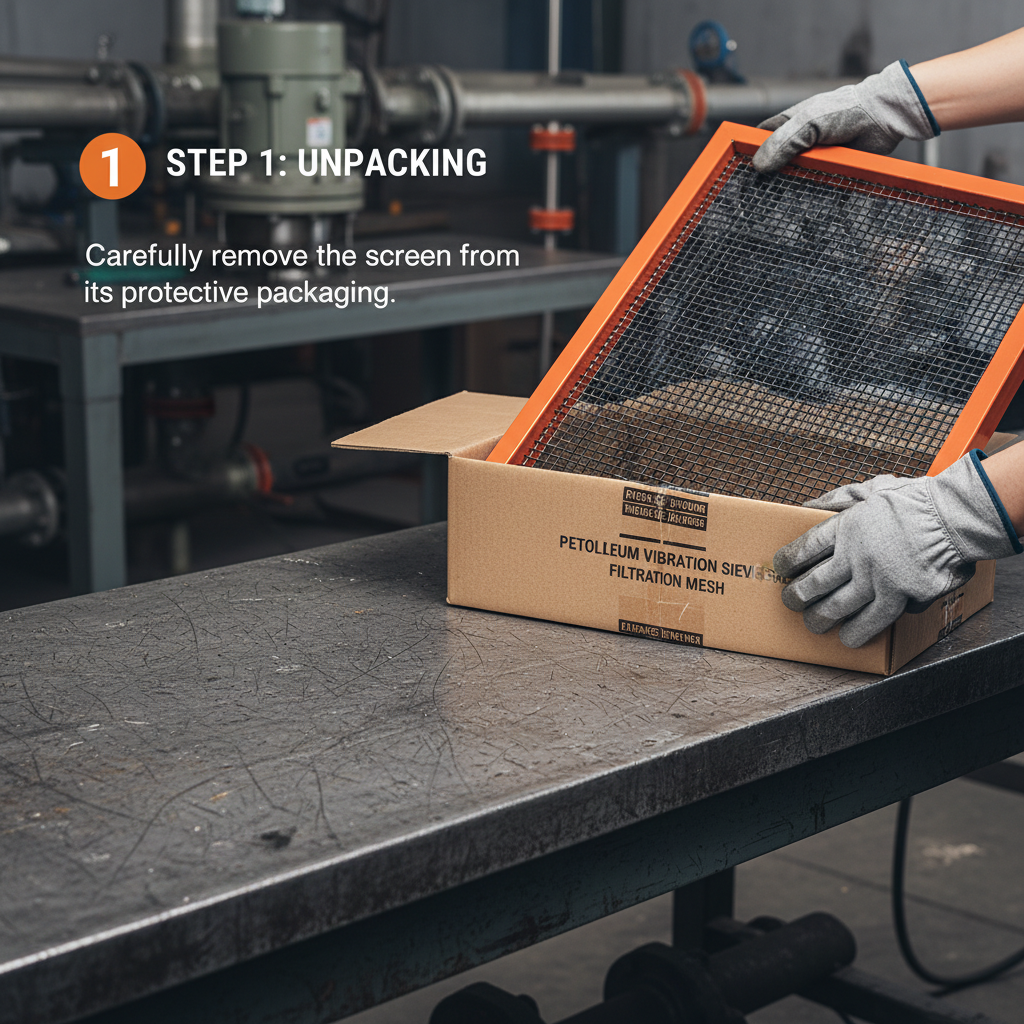
Several practices can extend the life of your shale screens. These include regularly inspecting screens for damage, maintaining proper drilling mud properties, avoiding over-shaking, and using screens appropriate for the type of solids being processed. Also, ensuring screens are properly installed and tensioned is vital. Shale screen companies often provide best practices guides for optimal screen management.
What are the key benefits of using pre-tensioned shale screens?
Pre-tensioned shale screens offer several advantages, including improved durability, reduced screen blinding, and more consistent performance. The pre-tensioning process enhances the screen’s resistance to stretching and deformation, resulting in a longer lifespan. The reduced blinding improves flow rates and separation efficiency. These screens are particularly beneficial in challenging drilling environments where solids loading is high.