Shaker Screens Product: A Comprehensive Guide for Enhanced Solids Control
In the demanding world of drilling and fluid processing, efficient solids control is paramount. Shaker screens are a critical component in this process, separating drilled solids from drilling fluids. This article provides a detailed overview of shaker screens, their types, applications, and factors to consider when selecting the right product for your operation. Understanding the nuances of shaker screens product is essential for optimizing performance, reducing costs, and maximizing drilling efficiency.
Understanding Shaker Screens and Their Function
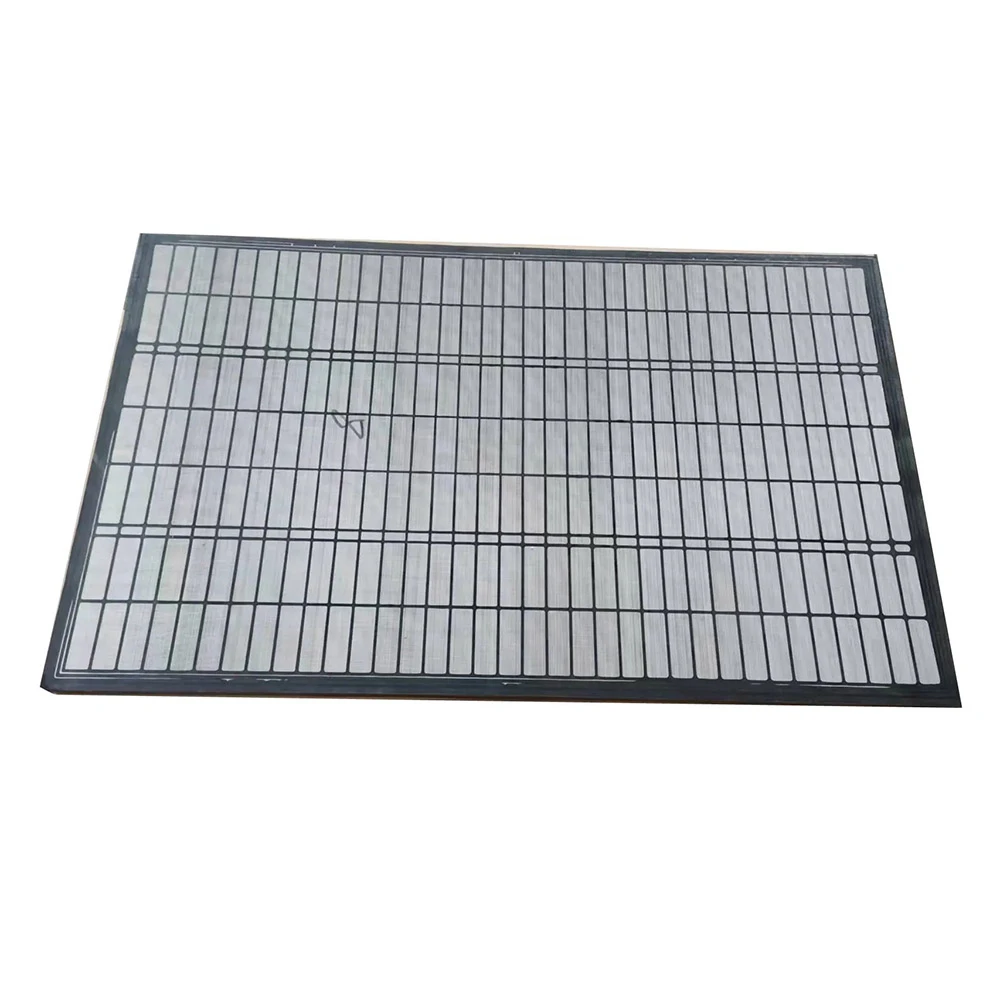
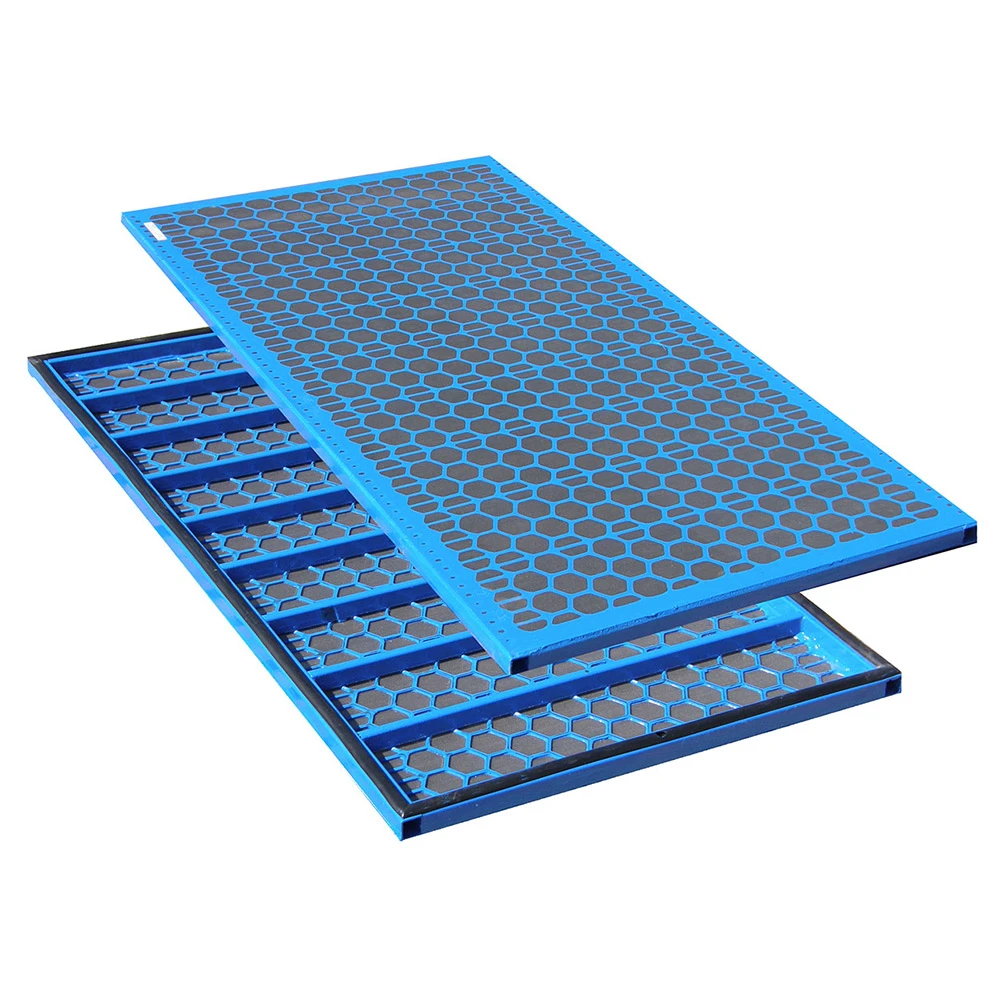
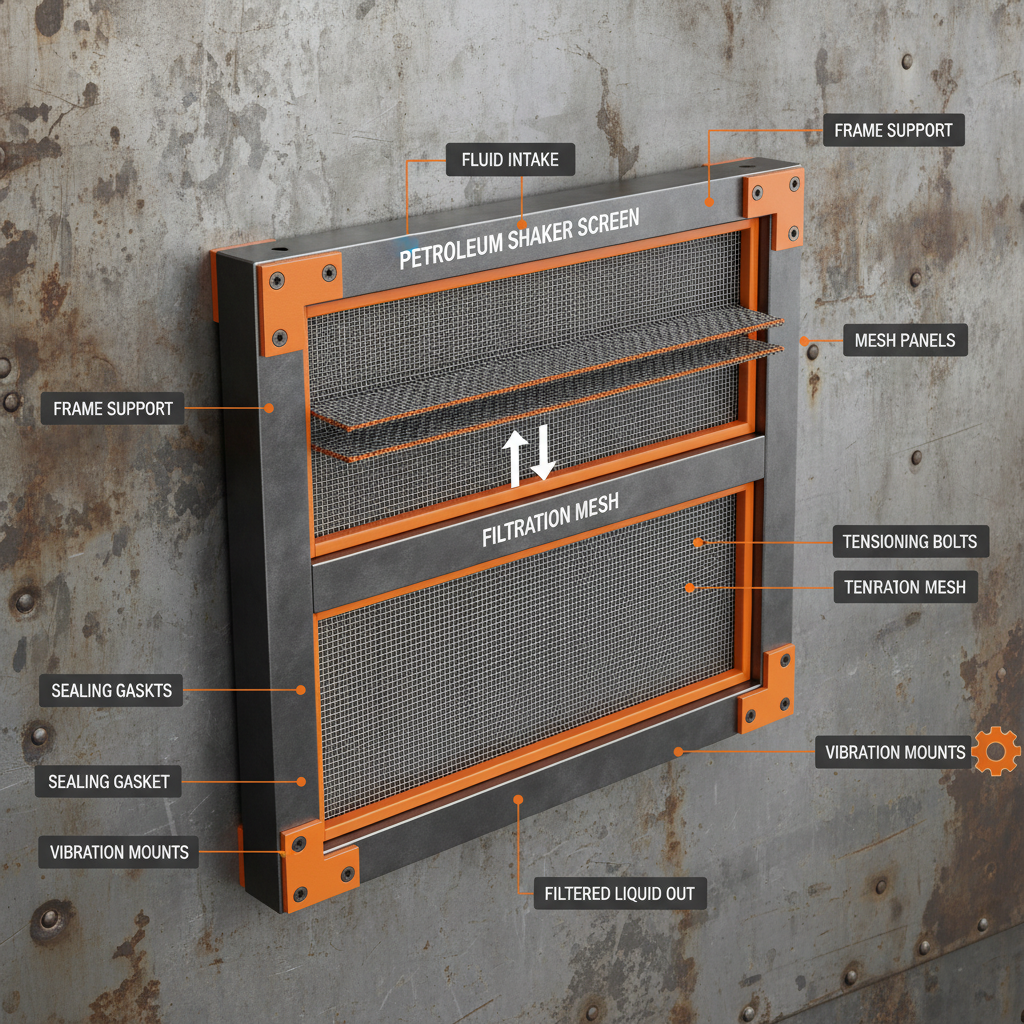
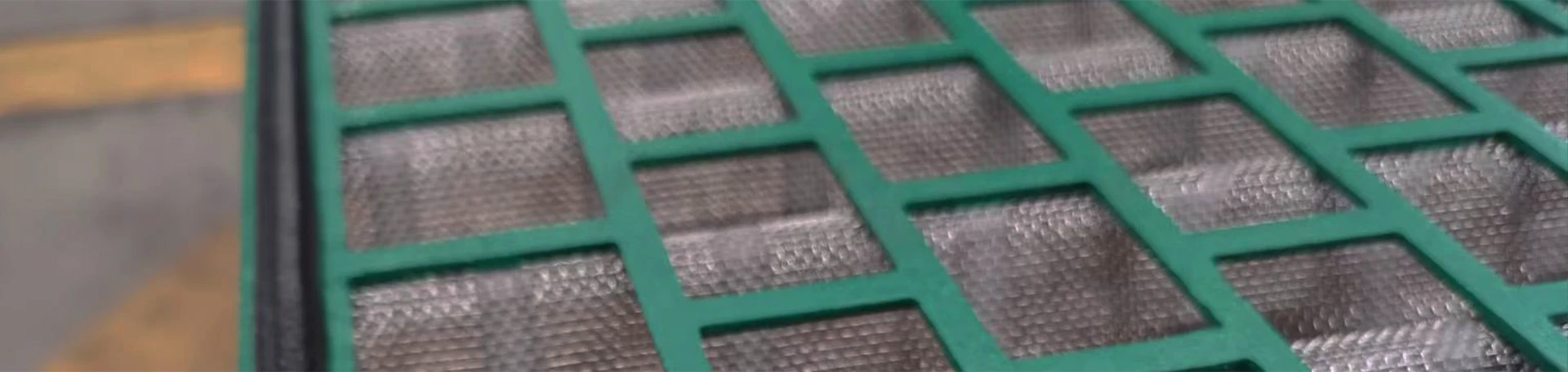
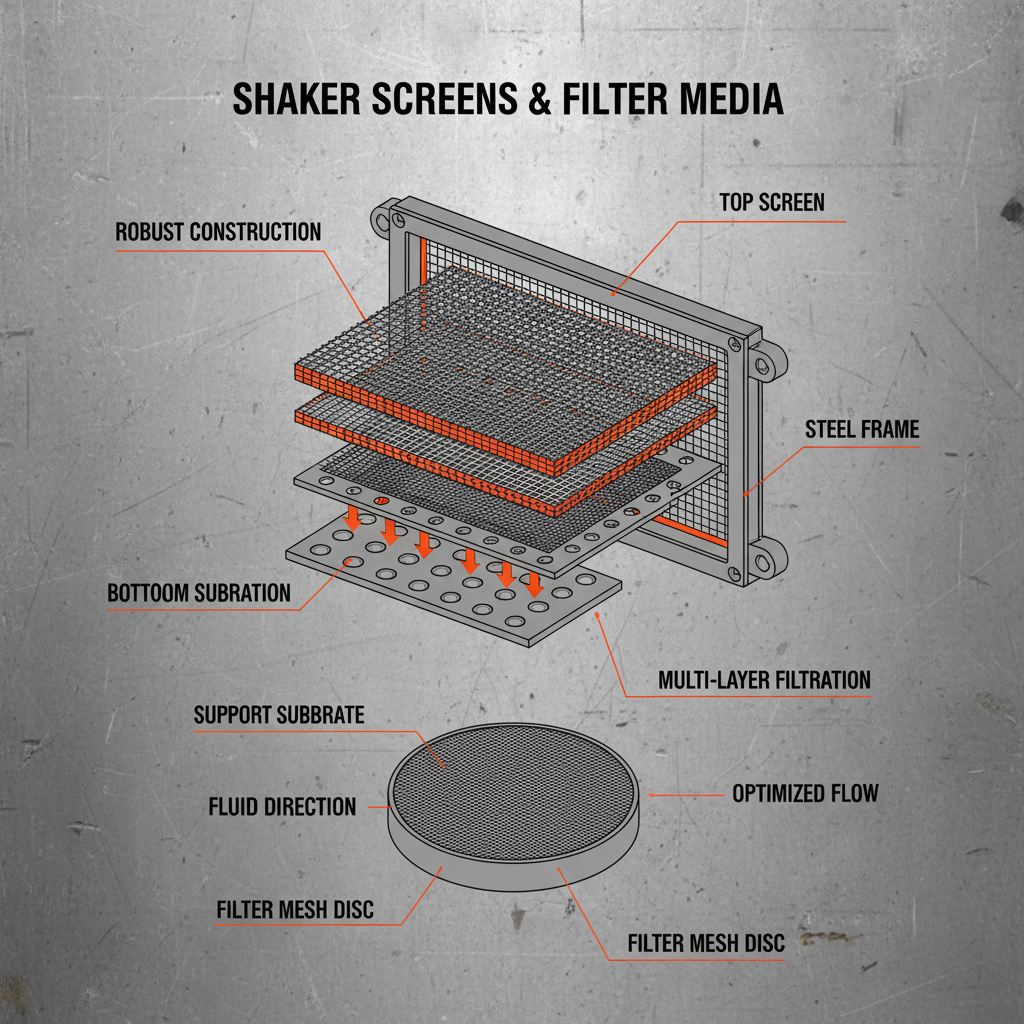
Shaker screens are vibratory separators used to remove drill solids from drilling fluid. They consist of a metal frame, a vibrating deck, and a screen mesh. Drilling fluid flows across the screen, and the vibrations cause the solids to be retained while the clean fluid passes through. The efficiency of a shaker screen directly impacts the quality of the drilling fluid, the rate of penetration, and overall drilling costs. Different mesh sizes are available to cater to varying particle sizes, and selecting the correct screen for the application is vital. Proper maintenance, including regular cleaning and replacement, ensures optimal performance. At Solid Control Part, we offer a wide range of shaker screens designed to meet diverse industry needs.
Key Benefits: Improved drilling fluid quality, reduced drilling costs, enhanced rate of penetration, and extended equipment lifespan.
Types of Shaker Screens Product Available
Several types of shaker screens are available, each designed for specific applications and particle size removal. The most common types include:
- Hook Strip Screens: These screens utilize rubber strips to secure them to the shaker deck, offering easy installation and removal.
- Wedge Wire Screens: Known for their durability and long lifespan, wedge wire screens feature V-shaped openings that prevent blinding and clogging.
- Composite Frame Screens: Combining the benefits of both hook strip and wedge wire screens, composite frames offer enhanced strength and longevity.
- Polyester Screens: These screens are commonly used in water-based mud applications, offering good filtration performance.
- Stainless Steel Screens: Ideal for oil-based muds, stainless steel screens are resistant to corrosion and offer excellent durability.
Choosing the right screen type depends on the drilling fluid type, the solids load, and the desired level of filtration.
Screen Selection Guide:
• Water-Based Mud: Polyester or composite screens.
• Oil-Based Mud: Stainless steel screens.
• High Solids Load: Wedge wire or composite screens.
• Easy Maintenance: Hook strip screens.
Shaker Screens Product: Mesh Size and Performance
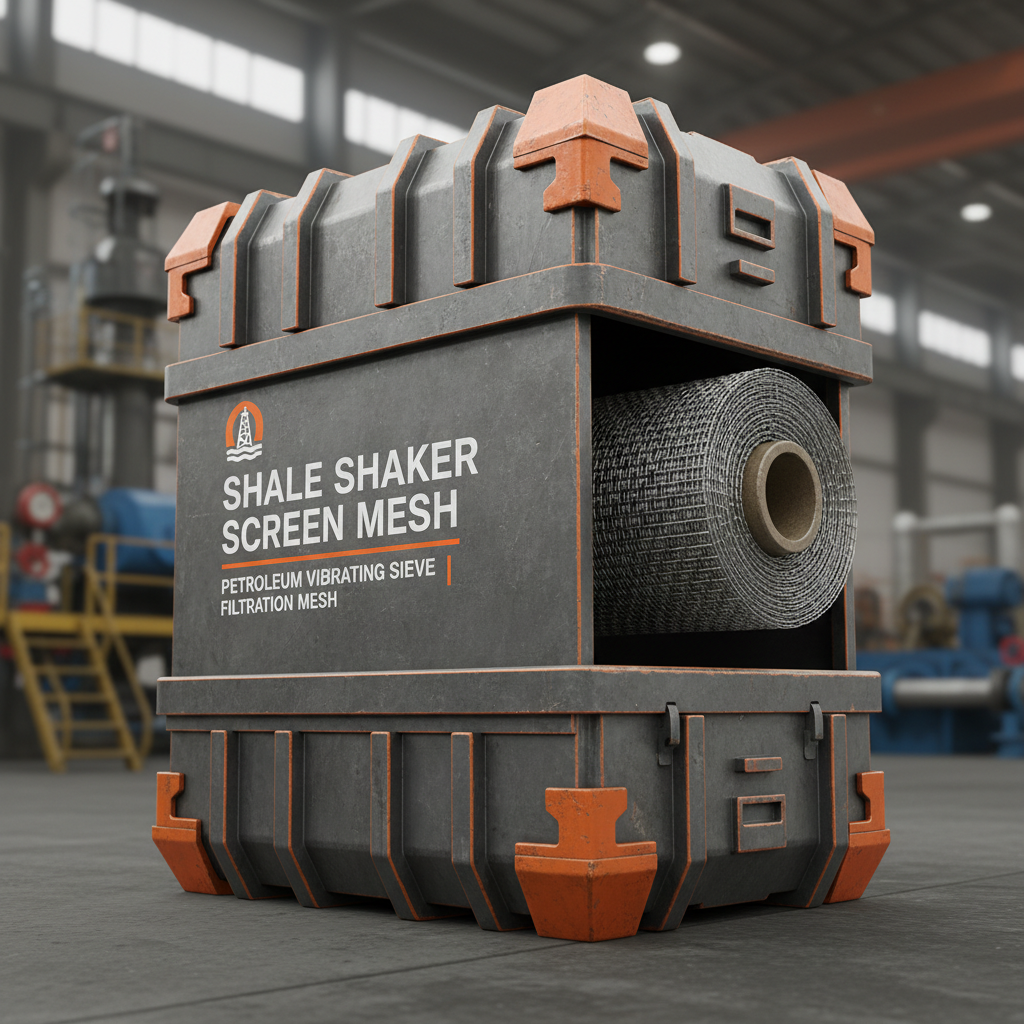
The mesh size of a shaker screen, measured in microns, determines the size of particles it can remove. Finer mesh sizes remove smaller particles, resulting in cleaner fluid but potentially reducing flow rate. Coarser mesh sizes offer higher flow rates but allow larger particles to pass through. Selecting the optimal mesh size involves balancing filtration efficiency and flow capacity. A common approach is to use a multi-stage screening system with progressively finer mesh sizes. We provide a comprehensive range of mesh sizes to suit various drilling applications.
Factors to Consider When Choosing Shaker Screens Product
Selecting the right shaker screen is crucial for optimal performance. Several factors should be considered, including the type of drilling fluid, the solids load, the desired filtration efficiency, and the compatibility with your shaker equipment. Consider the operating environment – temperature, exposure to chemicals, and abrasive materials can all impact screen lifespan. Prioritize high-quality screens from reputable manufacturers like Solid Control Part to ensure reliability and longevity.
Maintaining and Replacing Shaker Screens Product
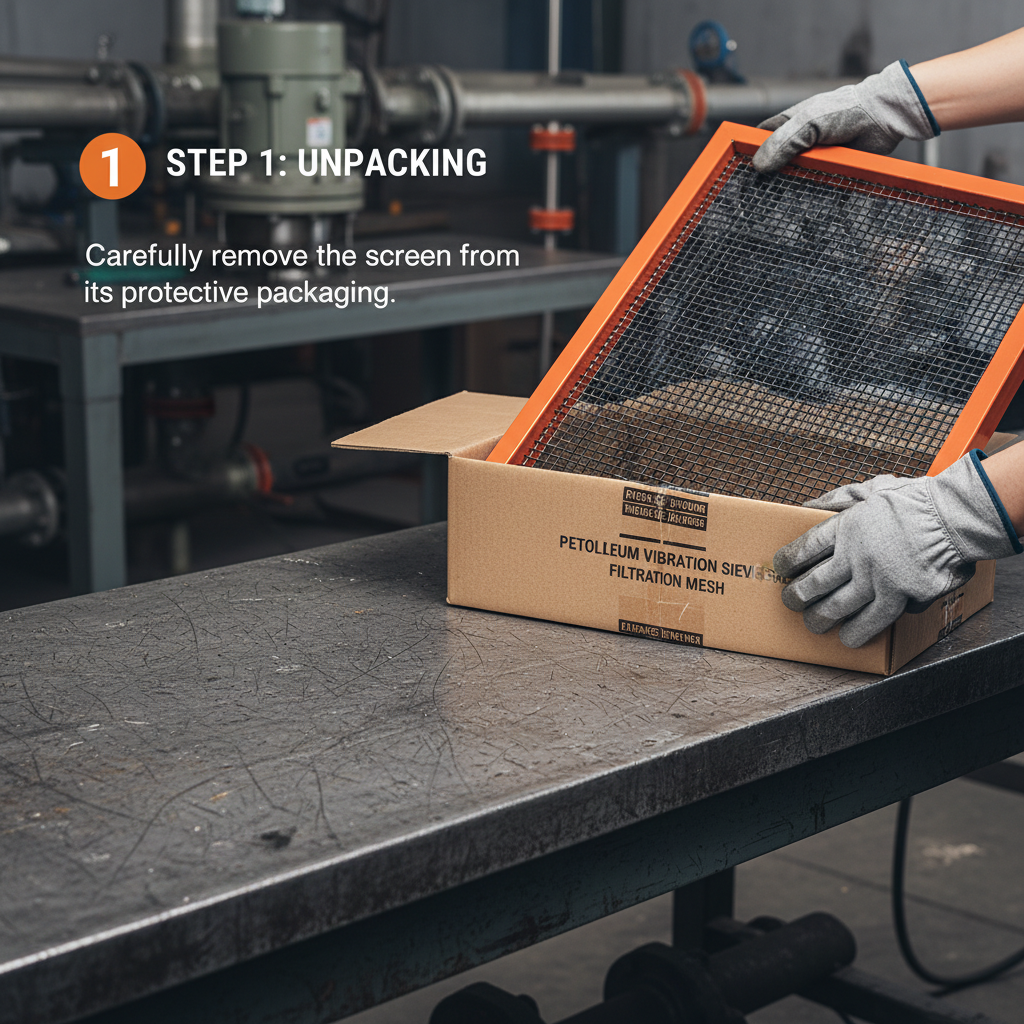
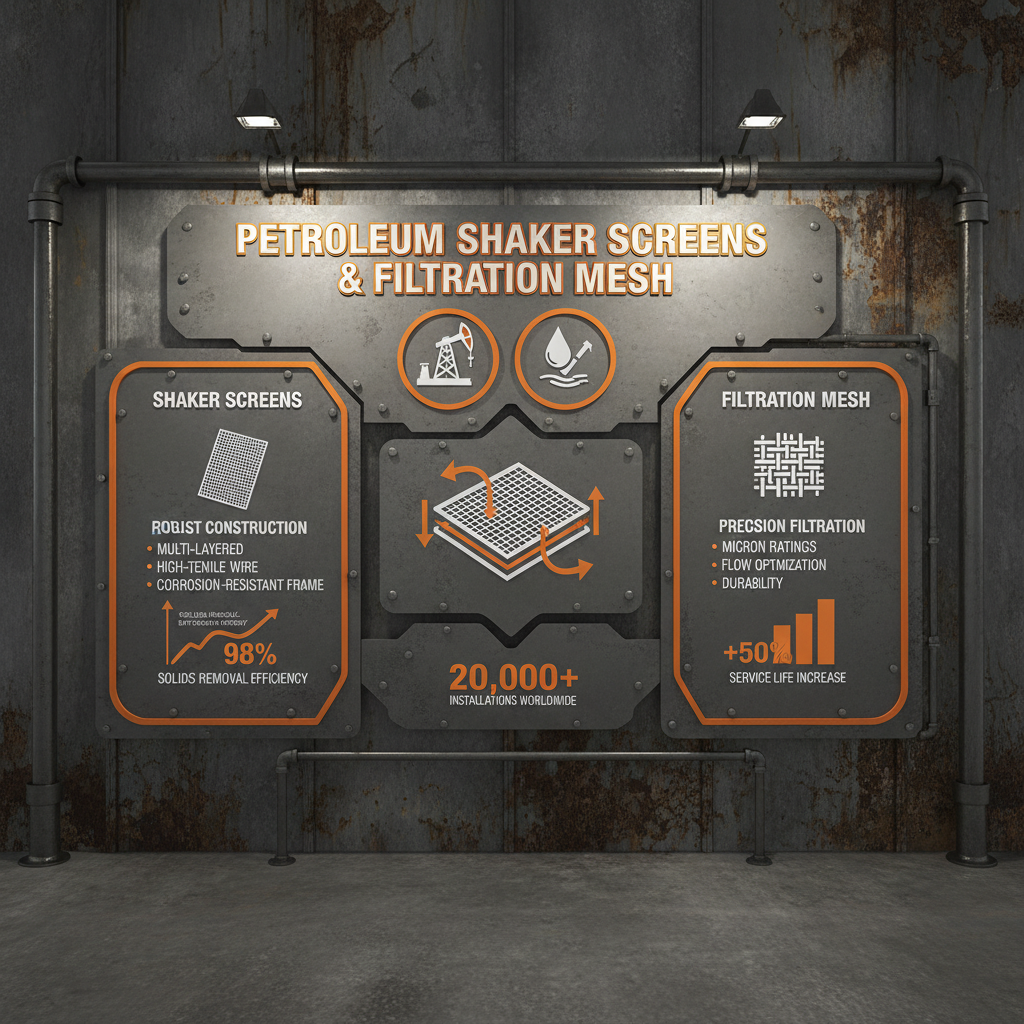
Regular maintenance and timely replacement of shaker screens are essential for maintaining optimal performance. Inspect screens frequently for wear, tear, and blinding. Clean screens regularly to remove accumulated solids. Replace screens when they become damaged or their filtration efficiency declines. Proper screen management minimizes downtime, reduces fluid costs, and maximizes drilling efficiency. We offer a convenient screen replacement program to help you maintain a consistent supply of high-quality screens.
Conclusion: Optimizing Your Solids Control with Quality Shaker Screens
Investing in high-quality shaker screens product from a trusted supplier like Solid Control Part is a critical step in optimizing your solids control system. By selecting the right screen type and mesh size, implementing a regular maintenance program, and replacing screens promptly, you can significantly improve drilling efficiency, reduce costs, and enhance overall performance.
Frequently Asked Questions (FAQs)
How often should shaker screens be replaced?
The frequency of shaker screen replacement depends on several factors, including the type of drilling fluid, the solids load, and the screen material. Generally, screens should be inspected daily for wear and tear. Replacement is recommended when the screen's filtration efficiency decreases, the mesh is damaged, or blinding becomes excessive. As a guideline, screens may need to be replaced every 50-200 hours of operation, but this can vary significantly. Proactive replacement, based on performance monitoring, is always preferable to reactive replacement after a failure.
What causes shaker screen blinding?
Shaker screen blinding occurs when fine particles accumulate on the screen mesh, reducing its open area and hindering fluid flow. This is often caused by high solids content in the drilling fluid, improper screen selection, or insufficient screen cleaning. Using pre-screen equipment to remove larger solids before they reach the shaker screen can help minimize blinding. Regular screen cleaning and the use of screens with anti-blinding features, such as wedge wire, can also help prevent this issue.
Are shaker screens interchangeable between different shaker models?
No, shaker screens are not universally interchangeable. Each shaker model has specific screen dimensions, frame design, and connection mechanisms. Using an incorrect screen can damage the shaker, reduce its efficiency, or even create a safety hazard. It’s crucial to use screens specifically designed for your shaker model. Solid Control Part offers a comprehensive range of shaker screens compatible with various shaker brands and models.