Shaker Screen Products: A Comprehensive Guide
In the demanding world of solids control, efficient separation of drilled solids from drilling fluids is paramount. Shaker screen products are at the heart of this process, and selecting the right ones can dramatically impact drilling performance and cost. This article delves into the world of shaker screens, covering their types, applications, key considerations for selection, and how to ensure optimal performance. Whether you’re a drilling engineer, a procurement specialist, or simply seeking to understand this critical component, this guide will provide valuable insights.
Understanding Shaker Screen Types
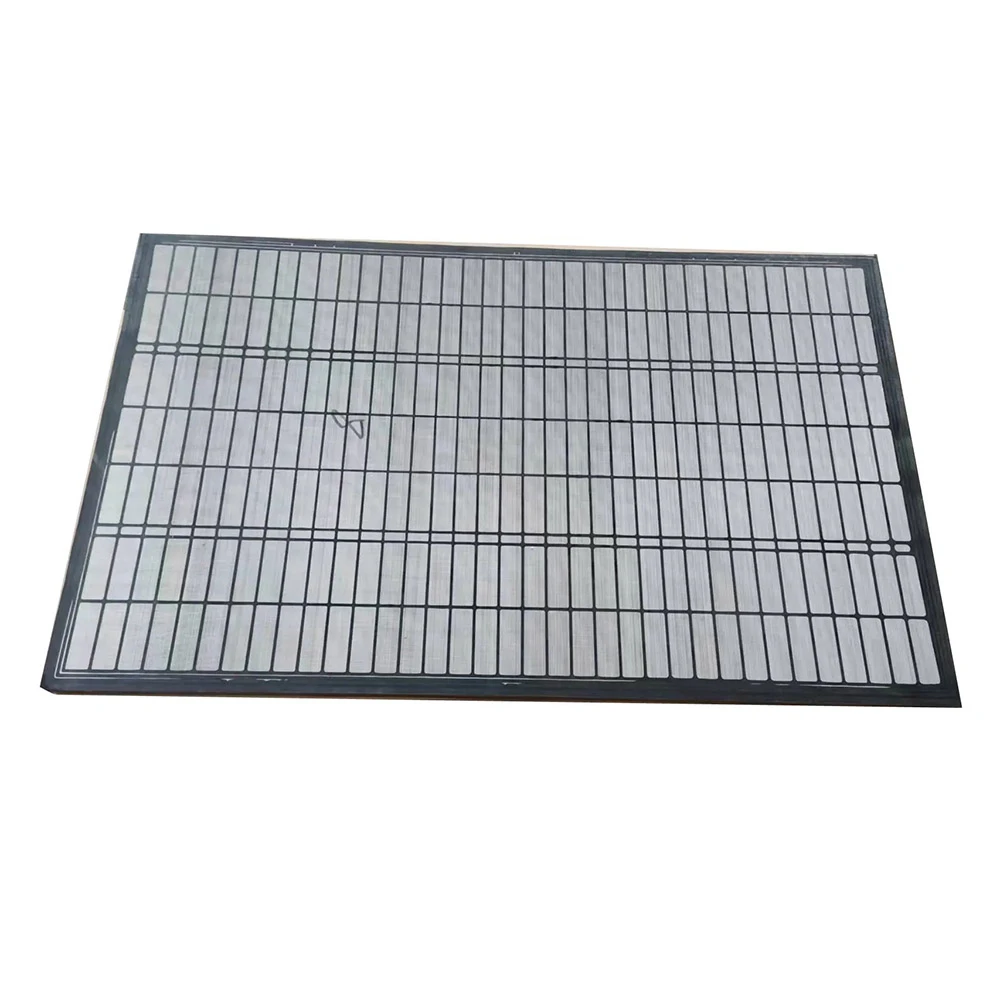
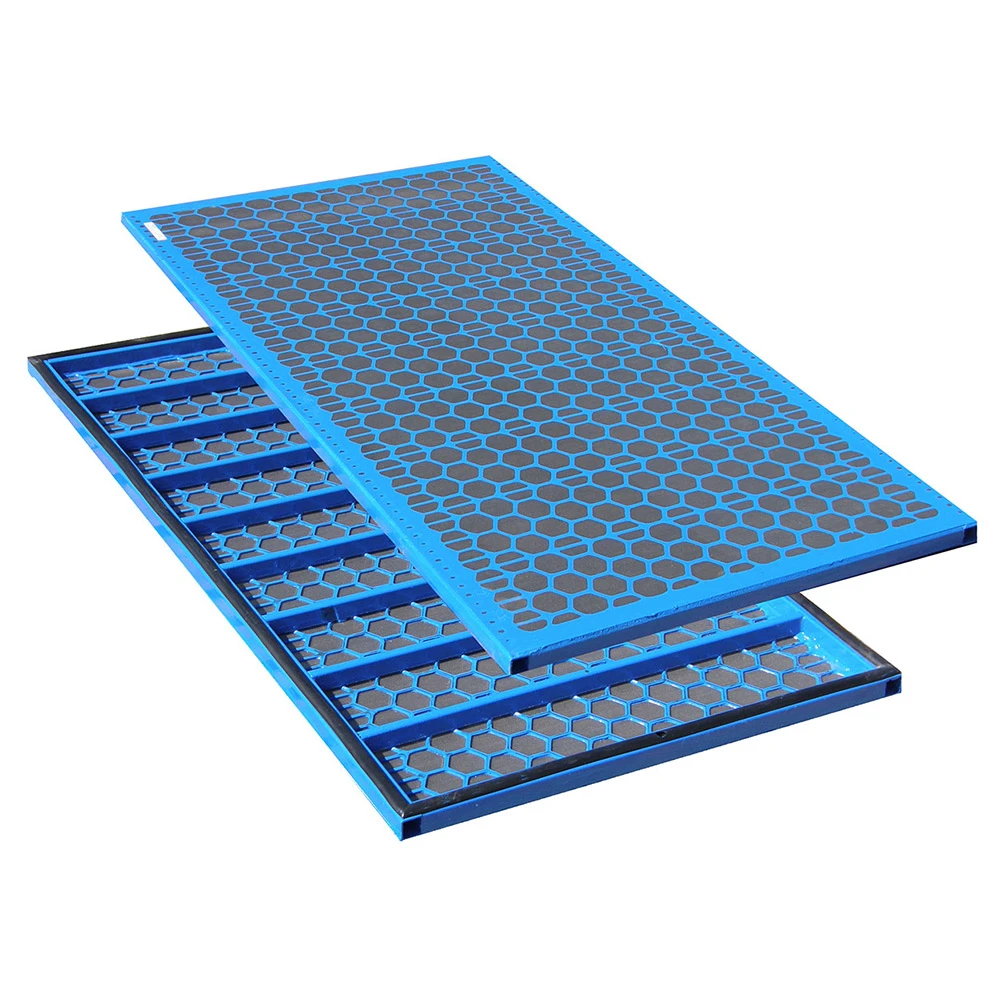
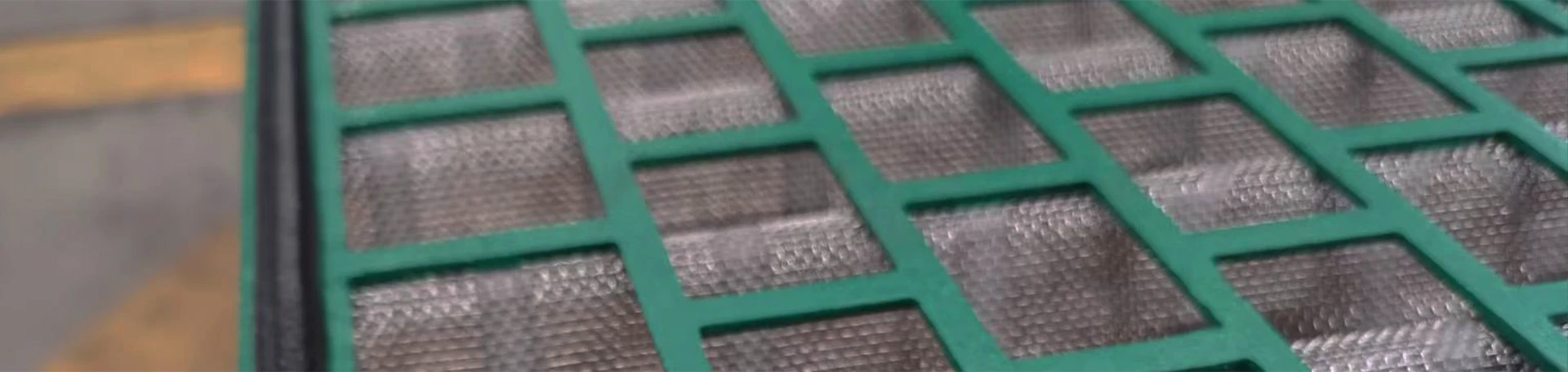
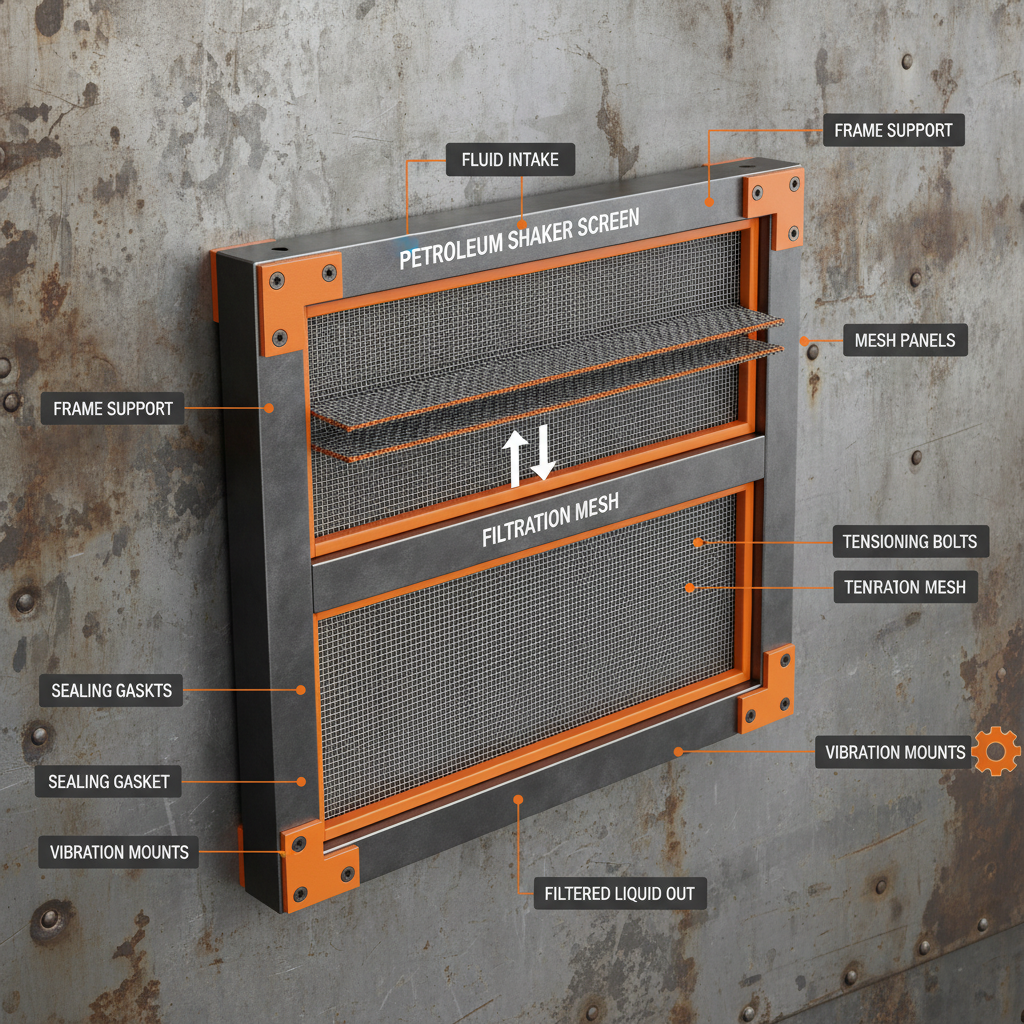
Shaker screens aren’t one-size-fits-all. They are available in a variety of materials, mesh sizes, and constructions to suit different drilling applications and fluid types. Common types include woven mesh screens, composite metal screens, and polyurethane screens. Woven mesh screens offer precise separation but can be less durable. Composite metal screens provide a good balance of durability and performance, while polyurethane screens are renowned for their resistance to abrasion and aggressive fluids. Understanding these differences is crucial for making the right selection.
Key Takeaway: Selecting the appropriate shaker screen type is dependent on the drilling fluid, solids content, and desired separation efficiency.
Applications of Shaker Screen Products
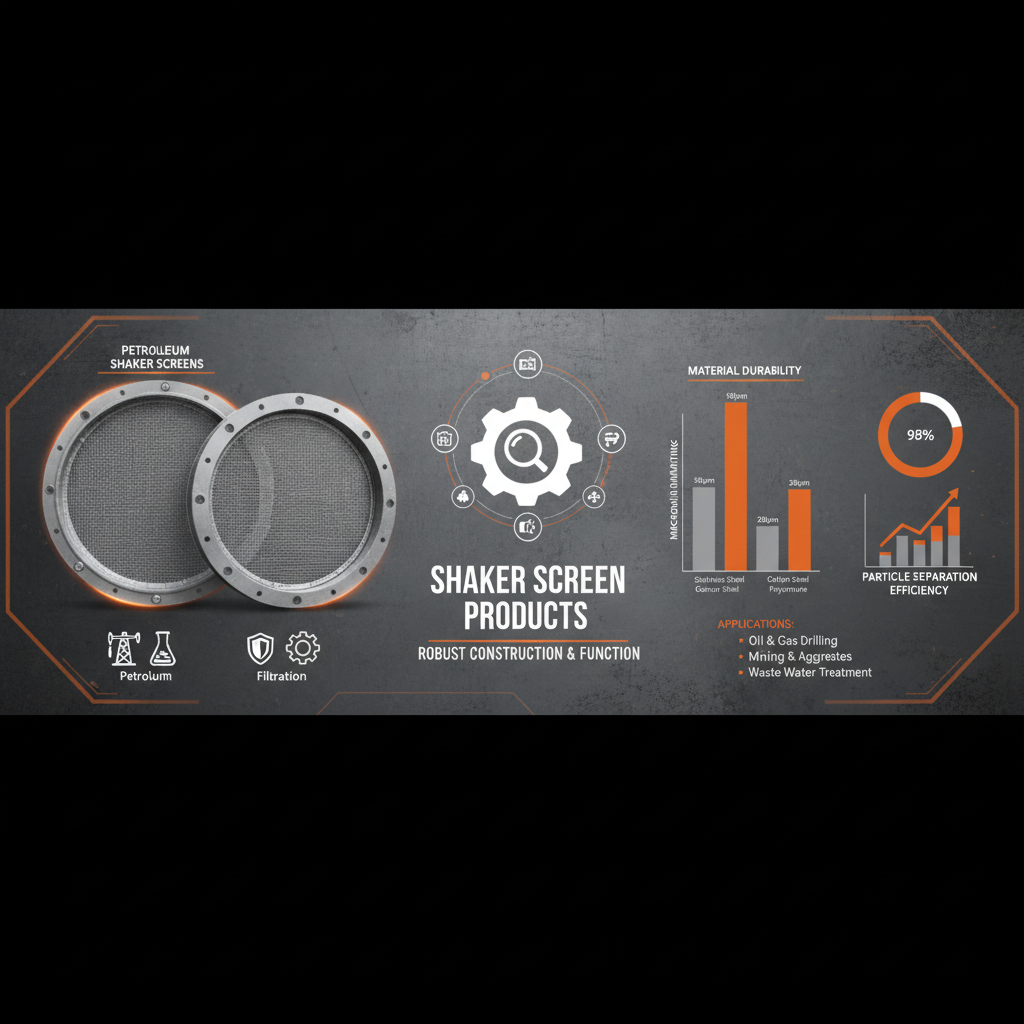
Shaker screens are employed across a wide spectrum of industries, but their primary application remains in the oil and gas drilling sector. However, they also play a vital role in industries such as water and wastewater treatment, coal preparation, and mining. In oil & gas, screens remove drilled solids, protecting downhole tools and ensuring consistent drilling fluid properties. In water treatment, they remove debris and contaminants. The versatility of shaker screen products makes them indispensable across many industrial processes.
Industry Applications:
• Oil & Gas Drilling
• Water & Wastewater Treatment
• Coal Preparation
• Mining
Choosing the Right Shaker Screen: Key Considerations
Selecting the optimal shaker screen involves considering several factors. Mesh size is critical – finer meshes remove smaller particles but can clog more easily. Screen material must be compatible with the drilling fluid; aggressive fluids require more durable materials like polyurethane. Frame material (typically stainless steel) also impacts durability and resistance to corrosion. Furthermore, consider the shaker’s capacity and the volume of solids being processed. A poorly chosen screen can lead to reduced efficiency, increased downtime, and higher operational costs. The best shaker screen products will be tailored to the specific needs of the application.
Maximizing Shaker Screen Performance & Lifespan
Proper screen maintenance is as important as selection. Regularly inspect screens for wear, damage, and clogging. Promptly replace worn or damaged screens to maintain separation efficiency. Clean screens periodically to remove buildup and prevent premature failure. Avoid over-exciting the shaker, which can accelerate screen wear. A well-maintained shaker screen system will deliver consistent performance and reduce overall operating costs. Investing in high-quality shaker screen products from reputable suppliers like Solid Control Part is a crucial step in ensuring long-term reliability.
Solid Control Part: Your Trusted Shaker Screen Supplier
At Solid Control Part, we specialize in providing high-quality shaker screen products to meet the diverse needs of the oil and gas, water treatment, and mining industries. We offer a comprehensive range of screens, manufactured to exacting standards, and backed by expert technical support. We are committed to delivering reliable, cost-effective solutions that optimize your solids control process. Contact us today to discuss your specific requirements and discover how we can help you improve your operational efficiency.
Conclusion: Optimizing Solids Control with the Right Shaker Screens
Choosing the right shaker screen products is a critical decision that directly impacts the efficiency and cost-effectiveness of your operations. By understanding the different types, applications, and key considerations for selection, you can ensure optimal performance and minimize downtime. Partnering with a trusted supplier like Solid Control Part provides access to high-quality screens and expert support, maximizing your investment and ensuring reliable solids control.
Frequently Asked Questions (FAQs)
How often should shaker screens be replaced?
The frequency of shaker screen replacement depends heavily on several factors, including the volume and type of solids being processed, the drilling fluid characteristics, and the screen material. As a general guideline, inspect screens at the beginning of each shift and replace them when significant wear, damage (such as tears or holes), or a noticeable reduction in separation efficiency is observed. A good practice is to maintain a log of screen usage and replacement dates to track performance and optimize replacement intervals. For heavily abrasive solids, more frequent changes may be necessary. Ignoring screen wear can lead to reduced drilling performance and potential equipment damage.
What is the impact of using the wrong mesh size?
Using an incorrect mesh size can significantly compromise the effectiveness of the solids control process. A mesh that is too fine can quickly clog, reducing flow rate and increasing pressure drop. This can lead to inefficient solids removal and potential equipment damage. Conversely, a mesh that is too coarse will allow larger particles to pass through, reducing the quality of the returned drilling fluid and potentially causing issues downhole. Choosing the appropriate mesh size requires careful consideration of the particle size distribution of the solids being processed.
Can shaker screens be repaired?
While minor damage to the frame of a shaker screen might be repairable, repairing the screen mesh itself is generally not recommended. Any attempt to repair the mesh can compromise its integrity and reduce its separation efficiency. Replacing the entire screen is almost always the more cost-effective and reliable solution, ensuring consistent performance and preventing potential issues down the line. Solid Control Part offers a wide selection of replacement screens to meet your needs.