Derrick Shaker Screen Product: A Comprehensive Guide
In the world of solids control for industries like oil and gas drilling, mining, and wastewater treatment, the efficiency of separation is paramount. A crucial component in this process is the derrick shaker screen product. These screens are the first line of defense in removing solids from drilling fluids or process streams, directly impacting downstream equipment performance and overall operational costs. This article provides an in-depth look at derrick shaker screens, their types, applications, selection criteria, and the benefits of choosing a reliable supplier like Solid Control Part.
Understanding Derrick Shaker Screens
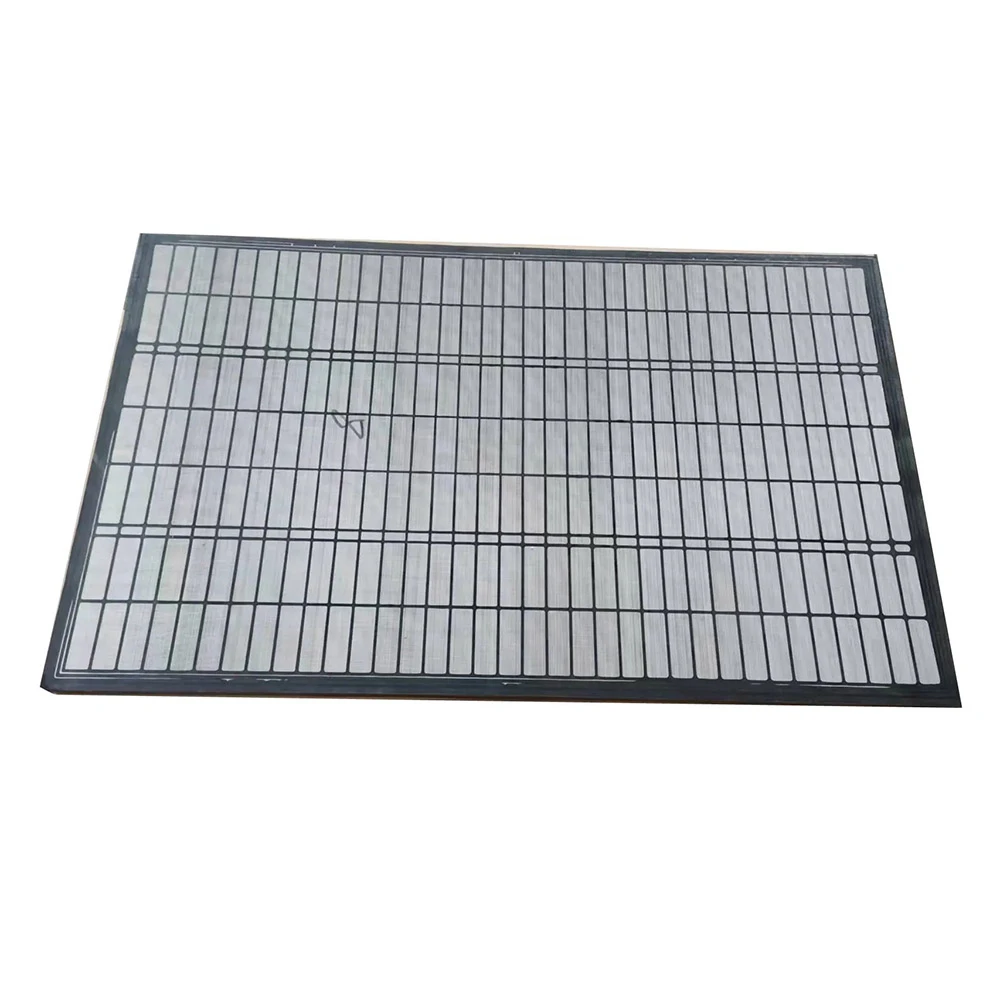
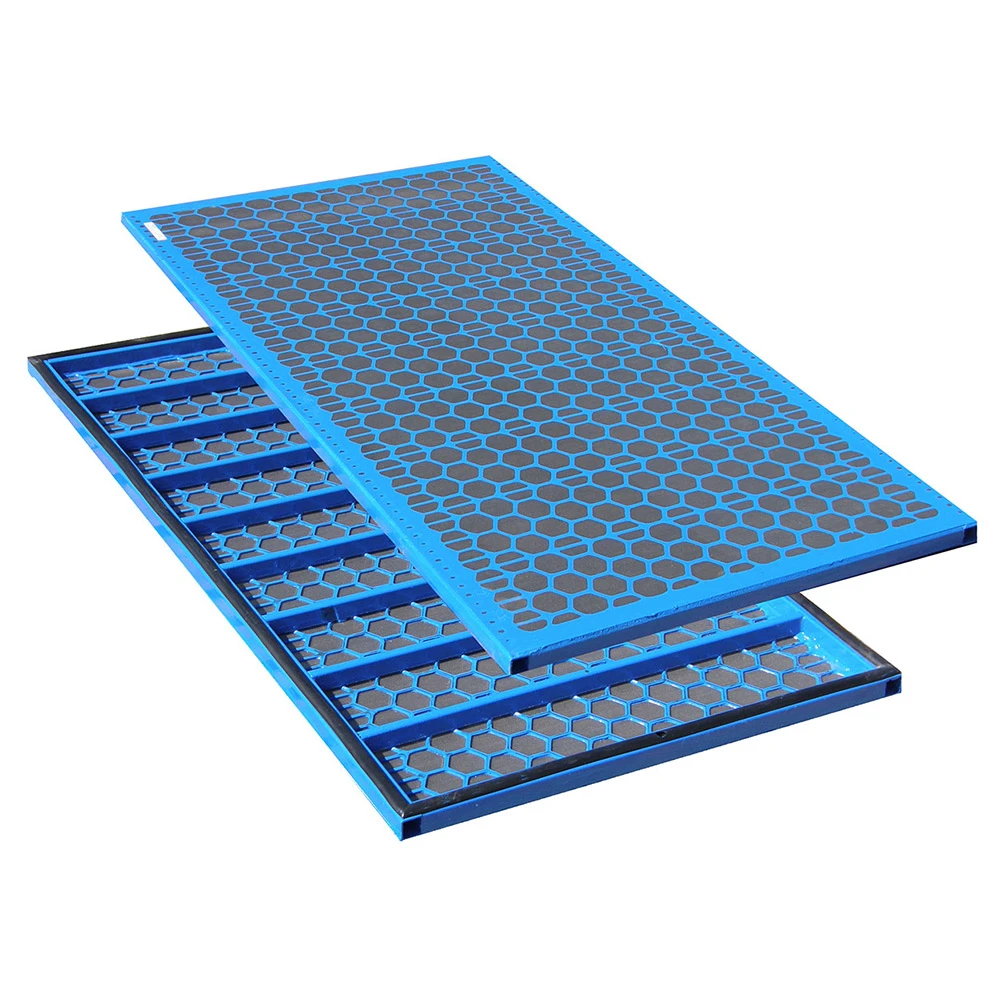
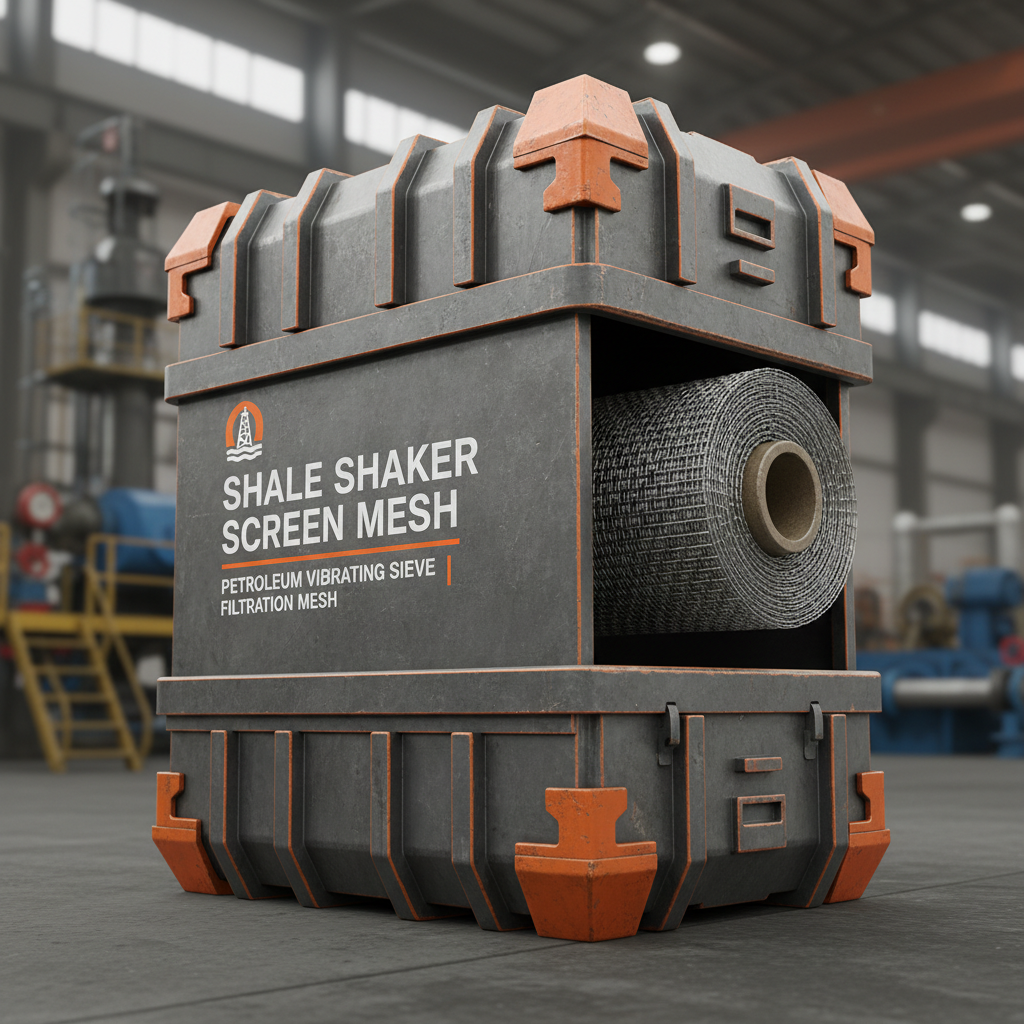
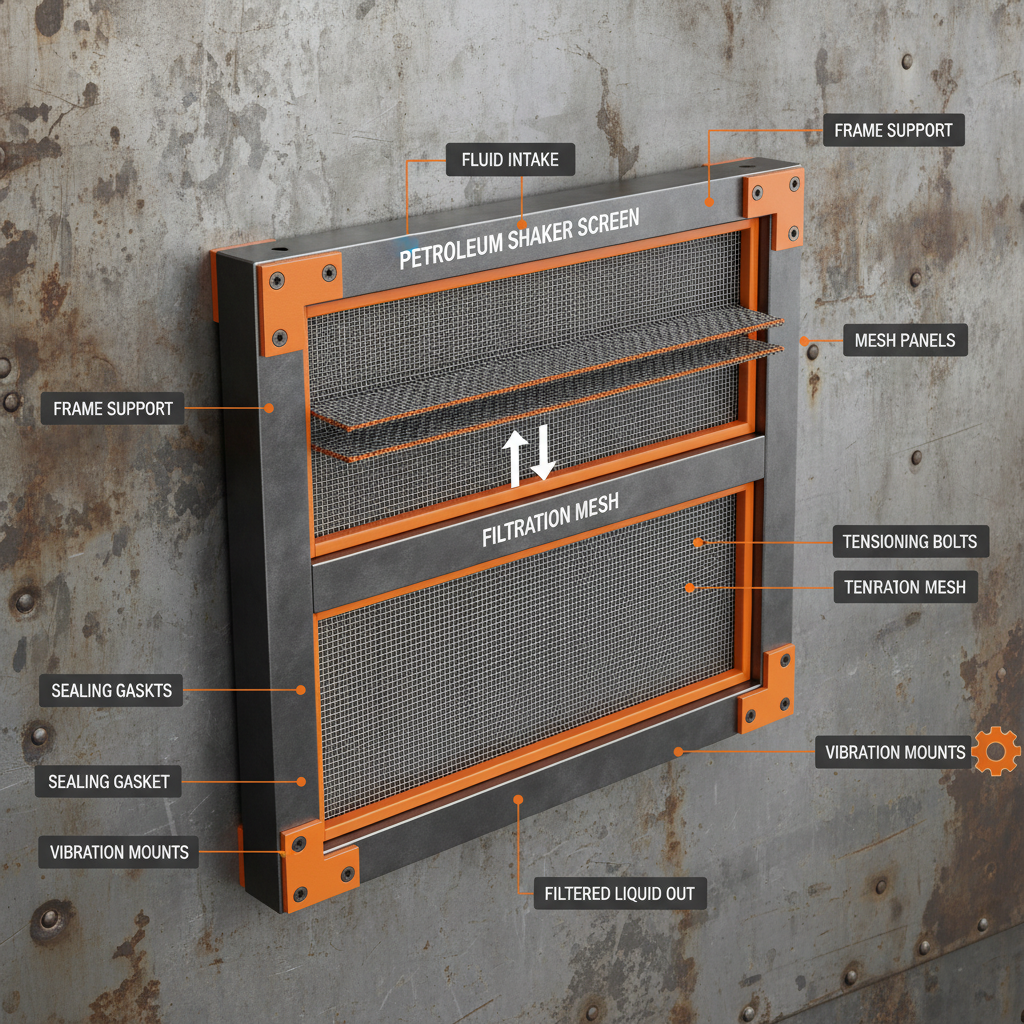
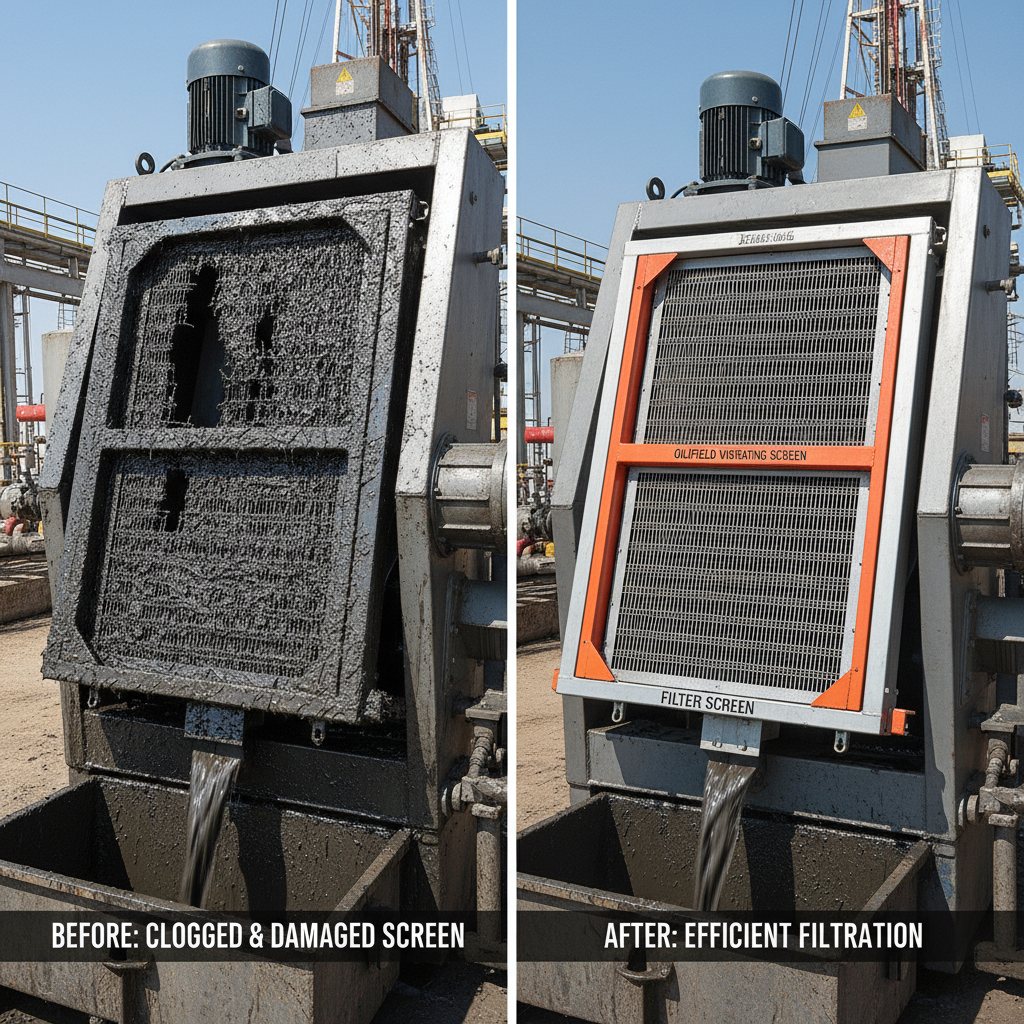
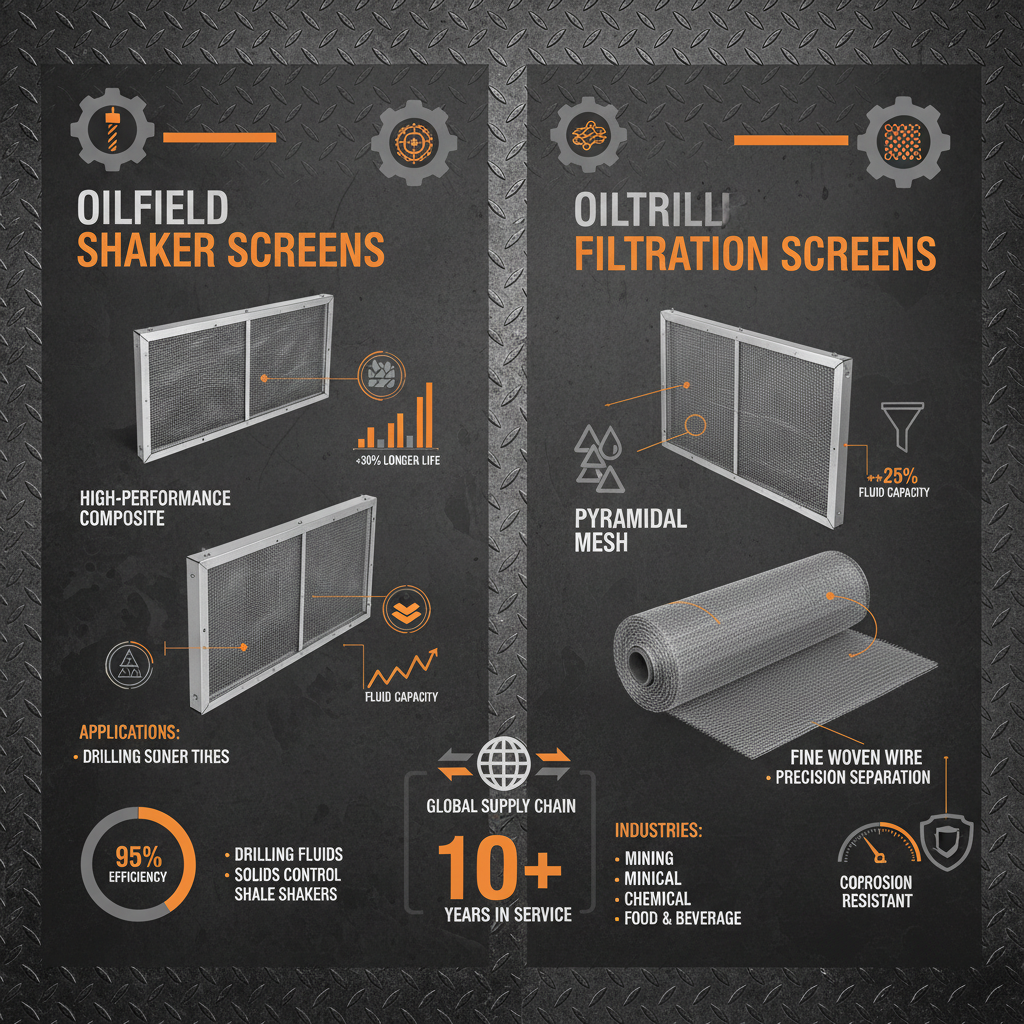
Derrick shaker screens are meticulously engineered mesh panels used in shakers to separate solids from liquids. They come in various materials, mesh sizes, and configurations, each designed to handle specific applications and particle sizes. The primary function is to ensure clean drilling fluids or process streams reach subsequent equipment, preventing wear, clogging, and reduced efficiency. The quality of the shaker screen directly influences the effectiveness of the entire solids control system. Factors like the screen's tensile strength, abrasion resistance, and open area all contribute to its performance and longevity.
Key Benefits: Improved fluid quality, reduced wear on downstream equipment, lower maintenance costs, and enhanced overall operational efficiency.
Types of Derrick Shaker Screen Products
The market offers a diverse range of derrick shaker screen products. Common types include:
- Pre-tensioned Screens: These screens feature a pre-stretched design, providing increased tension and longer life.
- Composite Frame Screens: These screens utilize a combination of materials for enhanced strength and durability.
- Stainless Steel Screens: Ideal for applications requiring high resistance to corrosion and abrasion.
- Polyester Screens: A cost-effective option for less demanding applications.
- API Screens: Designed to meet American Petroleum Institute standards.
Choosing the appropriate screen type depends on the specific application, the size and type of solids being removed, and the desired performance characteristics.
Key Considerations When Selecting a Screen Type:
• Particle size distribution
• Fluid properties
• Abrasion resistance requirements
• Cost considerations
Derrick Shaker Screen Mesh Size and API Standards
Mesh size is a critical factor in determining a screen's ability to separate solids. It's typically measured in microns or millimeters. Finer mesh sizes capture smaller particles, while coarser mesh sizes handle larger debris. The American Petroleum Institute (API) defines specific mesh sizes for various applications, ensuring consistent performance and compatibility. Solid Control Part offers a wide range of API-compliant screens to meet industry standards. Below is a table illustrating common mesh sizes and their typical applications:
Why Choose Solid Control Part for Your Derrick Shaker Screen Needs?
Selecting a reputable supplier is crucial for ensuring the quality and performance of your derrick shaker screens. Solid Control Part offers:
- High-Quality Products: We source only the best materials and employ rigorous quality control processes.
- Wide Range of Options: We stock a comprehensive selection of screens to fit various shaker models and applications.
- Competitive Pricing: We offer cost-effective solutions without compromising on quality.
- Expert Technical Support: Our knowledgeable team can assist you in selecting the right screen for your needs.
- Fast Shipping: We understand the importance of minimizing downtime and offer prompt delivery.
Product Specifications
Here is a general overview of common derrick shaker screen product specifications:
Conclusion: Optimizing Solids Control with the Right Screens
Investing in high-quality derrick shaker screen products from a trusted supplier like Solid Control Part is essential for maintaining efficient solids control, reducing operational costs, and maximizing equipment lifespan. Don’t compromise on quality—choose a partner committed to delivering superior products and exceptional service.
Frequently Asked Questions (FAQs)
What is the typical lifespan of a derrick shaker screen?
The lifespan of a derrick shaker screen varies depending on the application, the type of solids being processed, and the screen's material. Generally, screens can last anywhere from 50 to 200 hours of operation. Regular inspection is crucial to identify signs of wear and tear, such as broken mesh, frame damage, or reduced open area. Replacing screens proactively helps maintain optimal separation efficiency and prevents damage to downstream equipment. Solid Control Part recommends establishing a routine replacement schedule based on your specific operational conditions.
How do I determine the correct mesh size for my application?
Selecting the appropriate mesh size depends on the particle size distribution of the solids you need to remove. If you're unsure, it's best to start with a coarser mesh size and gradually decrease it until you achieve the desired level of separation. Consider the characteristics of the fluid as well – higher viscosity fluids may require coarser meshes to prevent clogging. Consulting with a solids control expert at Solid Control Part can help you make the optimal choice for your specific needs.
What are the benefits of using pre-tensioned shaker screens?
Pre-tensioned shaker screens offer several advantages over standard screens. The pre-stretched design provides increased tension, resulting in a flatter, more stable screening surface. This improved flatness enhances separation efficiency and extends the screen's lifespan. Pre-tensioned screens are also less susceptible to damage from vibration and shock, making them a more durable option for demanding applications.
What payment methods does Solid Control Part accept?
Solid Control Part accepts a variety of payment methods, including credit cards (Visa, Mastercard, American Express), bank transfers, and PayPal. We prioritize secure transactions to protect our customers' financial information. Please visit our website or contact our sales team for more details on accepted payment options.