Understanding the Importance of a High Quality Shaker Screen in Modern Industries
When you hear “high quality shaker screen,” you might pause and wonder, what exactly is that — and why does it matter so much globally? Simply put, a high quality shaker screen is a crucial component in separating solids from liquids in many industrial processes, especially in drilling and mining operations. Its significance extends beyond just mechanical separation; it preserves product efficiency, reduces waste, and avoids costly downtime. In a world increasingly focused on sustainability and resource optimization, mastering the use of quality shaker screens has become vital.
Given the UN’s focus on sustainable industry development (see SDG 9), technologies like shaker screens play quietly but undeniably important roles. They minimize environmental impacts by upgrading filtration and separation, ensuring cleaner water discharge and safer waste handling. The puzzle piece they fill in the industrial ecosystem is both technical and environmental — a testament to how “small” components can have “big” global effects.
What Is a High Quality Shaker Screen?
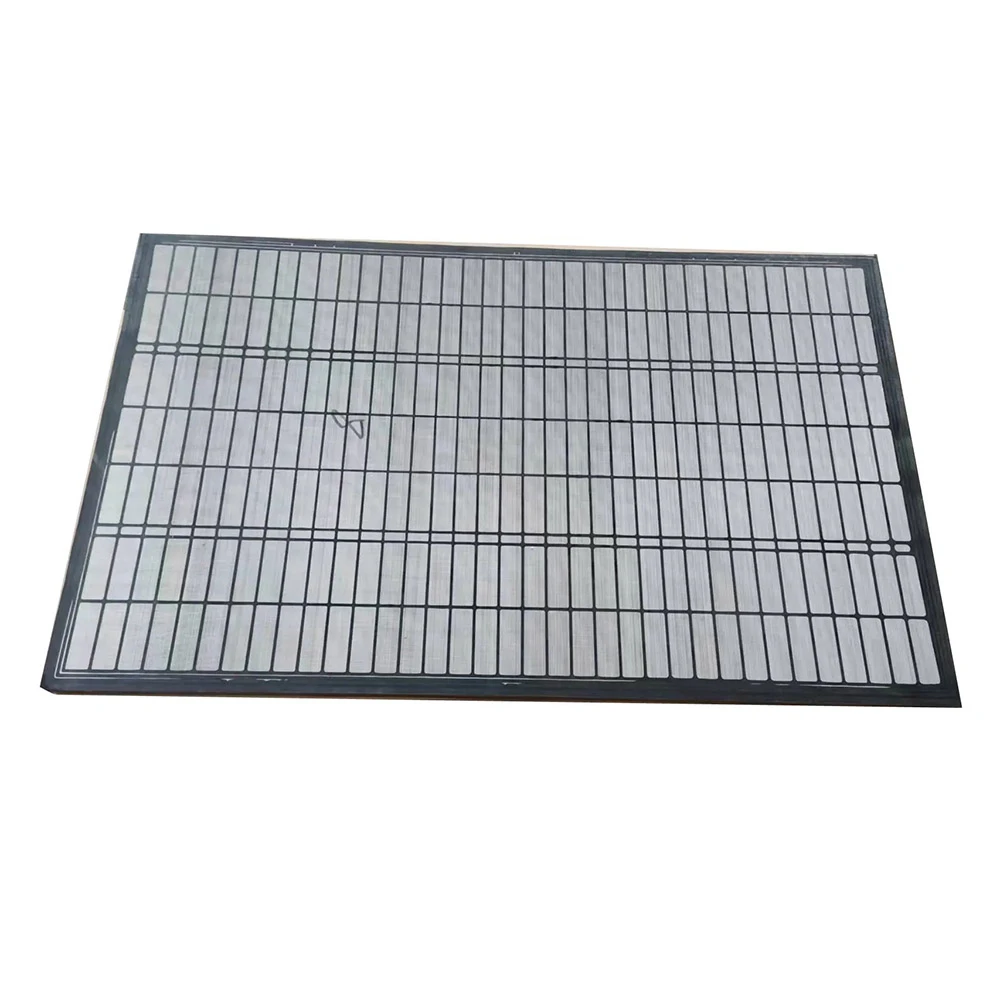
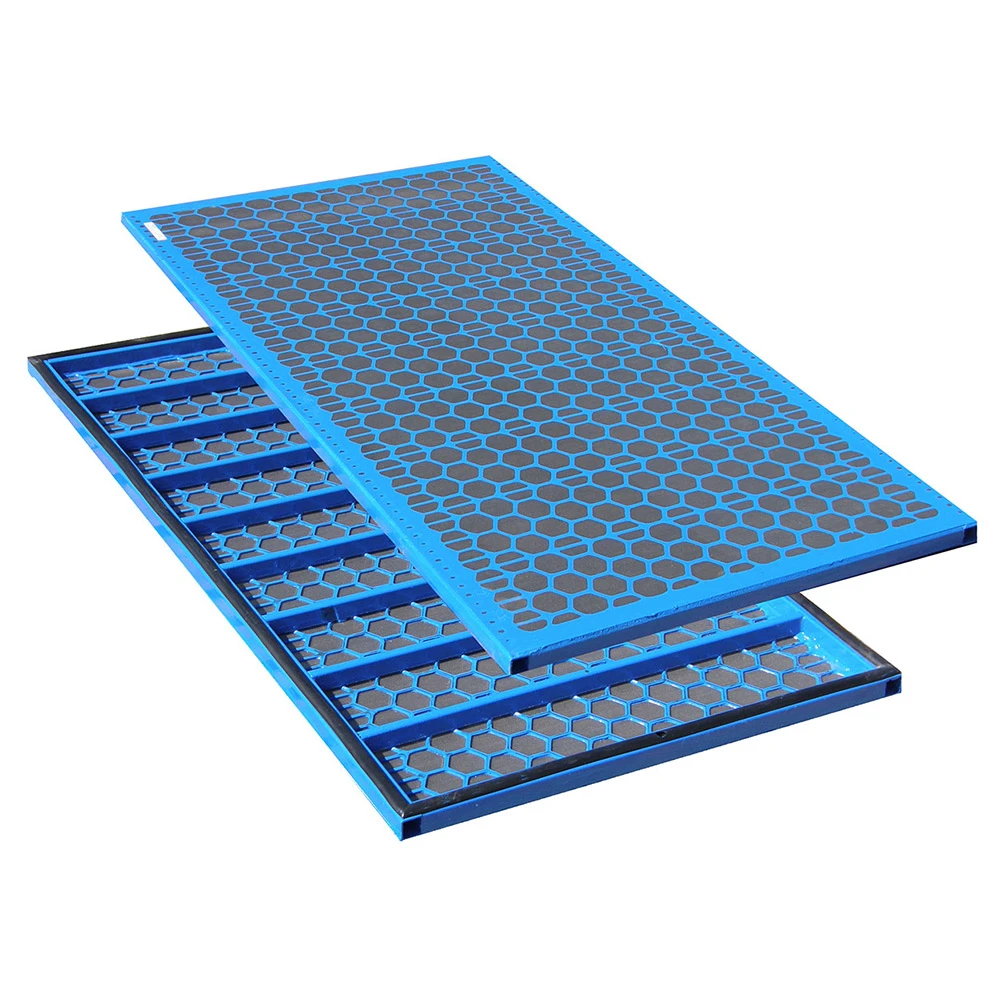
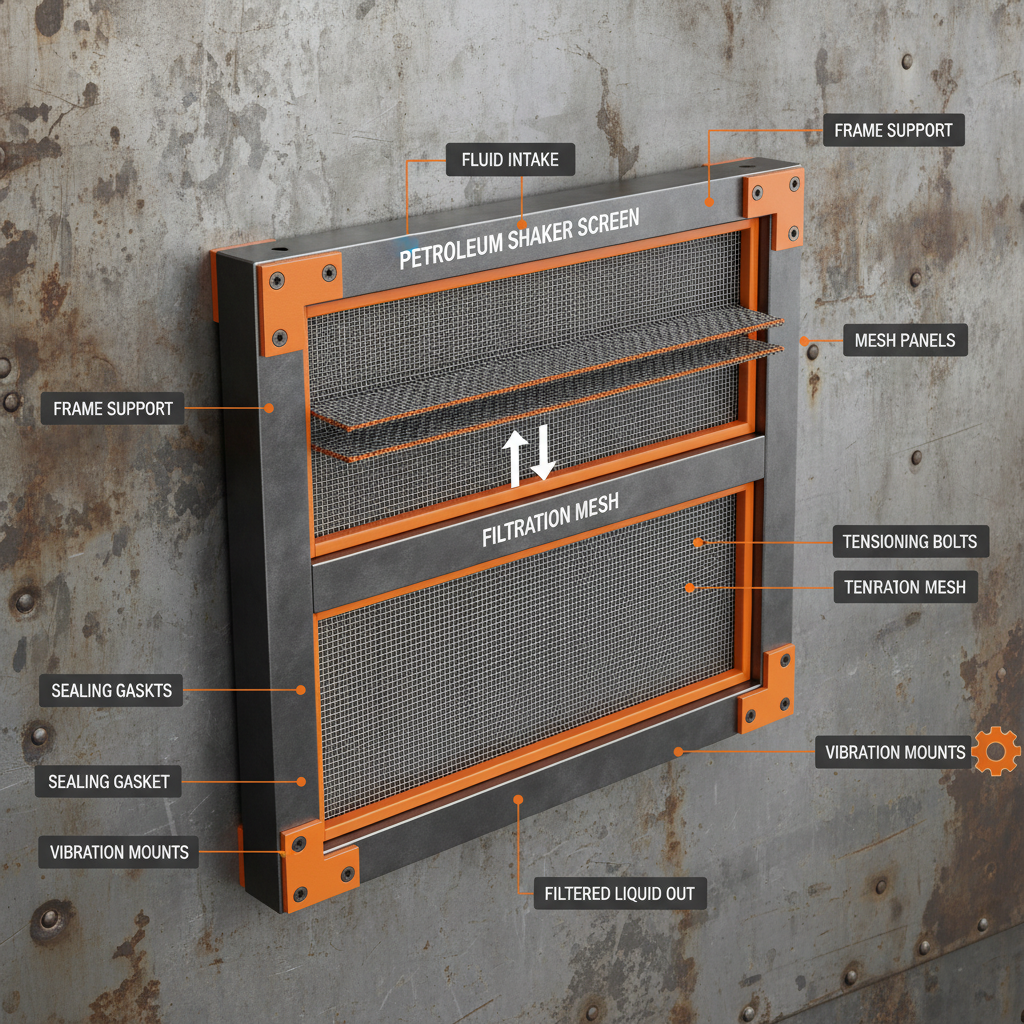
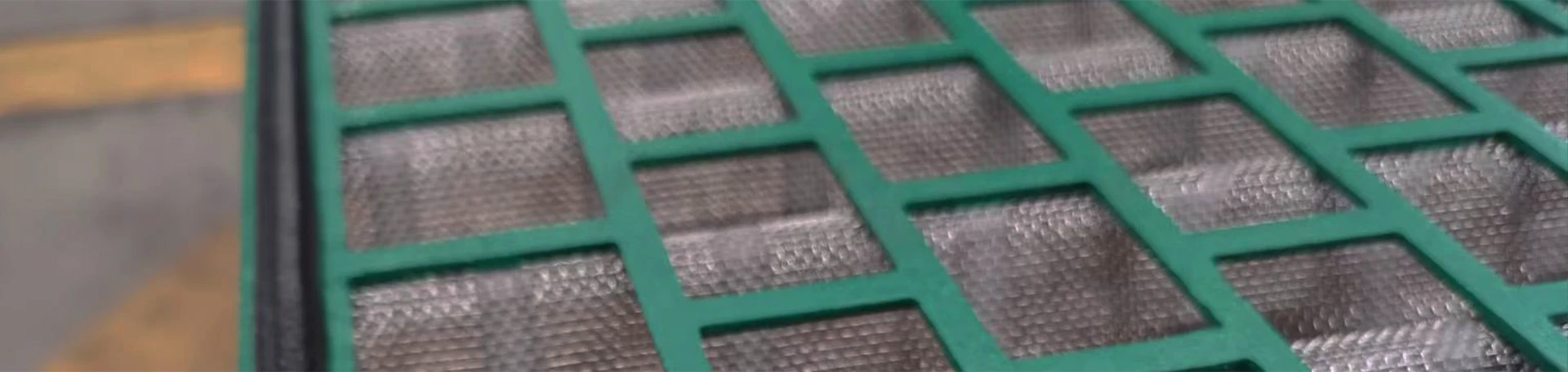
In the simplest terms, a shaker screen is a mesh panel that vibrates to sift and separate drilling fluid or slurry, removing unwanted solids and debris. High quality shaker screens are built for durability, precision, and efficiency — made to withstand harsh conditions and capture the smallest particulates without clogging. Whether in oil rigs deep offshore or mining sites in remote regions, these screens are indispensable.
They are not just about filtering but about optimizing the entire process flow — improving fluid recovery rates, reducing disposal needs, and ultimately lowering operational costs. High quality options typically mean better materials (like polyurethane or high-grade metal meshes), tighter mesh tolerances, and innovative designs that enhance screening capacity.
Key Factors Behind High Quality Shaker Screens
1. Durability and Material Strength
One of the first things experts look for is how well the screen holds up under constant vibration, abrasion, and chemical exposure. Polyurethane screens, for example, are known for flexibility and lifespan. This resilience reduces frequent replacements and downtime.
2. Screening Precision and Mesh Size
The finer the mesh, the better the separation of solids from liquids. Different industries demand different sizes — from coarse gravel in mining to fine silt in water treatment. High quality screens maintain consistent mesh tension for uniform performance.
3. Compatibility and Scalability
Screens must fit specific shaker models and scale with operational demands. Manufacturers who innovate modular designs offer customers a smoother upgrade path, cutting costs while enhancing efficiency.
4. Cost Efficiency Over Time
It’s tempting to go for cheaper screens, but in the long run, a reliable, high quality screen saves money — less downtime, fewer replacements, and better fluid recovery mean better margins.
5. Ease of Maintenance
Accessible designs that permit quick cleaning or mesh replacement help keep operation smooth in harsh or remote environments.
Product Specifications Comparison
| Specification | Polyurethane Screen | Metal Wire Mesh Screen |
|---|---|---|
| Material | Polyurethane | Stainless Steel Wire |
| Typical Lifespan | 6–12 months | 3–6 months |
| Mesh Size Range | API 20 to API 325 | API 20 to API 230 |
| Abrasion Resistance | High | Medium |
| Cost | Higher upfront | Lower upfront |
Global Applications and Use Cases
Across the globe, high quality shaker screens are deployed in diverse fields:
- Oil & Gas Drilling: Offshore platforms in the Gulf of Mexico and Middle East rely on shaker screens to recycle drilling fluids, reducing environmental spill risks.
- Mining Operations: Sites in Australia and South Africa use shaker screens to separate valuable minerals efficiently from tailings.
- Water Treatment Plants: Screens help filter industrial wastewater in urban centers across Europe and Asia.
Oddly enough, even in humanitarian contexts, cleaner drilling fluid cycles afforded by these screens reduce site contamination and expedite post-disaster recovery efforts by improving operational speed and safety.
Vendor Comparison: Leading Providers of High Quality Shaker Screens
| Vendor | Range of Screen Types | Customization Options | Global Reach | After-Sales Support |
|---|---|---|---|---|
| SolidControlPart | Polyurethane, composite, metal wire mesh | Yes, tailored mesh sizes & materials | Worldwide, strong in Asia & Middle East | Dedicated, fast response |
| Vendor B | Metal wire mesh only | Limited | Regional, mostly North America | Standard support |
| Vendor C | Polyurethane screens only | Moderate | Asia, limited Europe | Good, but slower response |
Advantages and Long-Term Value
In real terms, high quality shaker screens bring undeniable benefits:
- Operational Reliability: Fewer breakdowns and replacements mean less downtime and more consistent uptime.
- Cost Savings: Though pricier upfront, better screens reduce fluid loss and waste disposal fees.
- Environmental Impact: By improving fluid recycling and filtering processes, they help companies meet stricter regulations and maintain community trust.
Beyond numbers, these advantages promote worker safety, maintain dignity in sensitive project zones, and reflect a company's commitment to innovation. It’s not just about screens — it’s about trust and forward-thinking.
Emerging Trends and Innovations
Looking ahead, the industry is exploring ways to enhance shaker screen efficiency with:
- Smart Monitoring: Integrating sensors to track wear and alert maintenance teams before failure happens.
- Eco-Friendly Materials: Biodegradable polyurethane alternatives to reduce environmental footprint.
- Automation: Automated screen cleaning and mesh replacement to maximize uptime and reduce human exposure.
All these reflect broader trends in digital transformation and sustainable manufacturing — high quality shaker screens won’t stay static for long.
Challenges and Practical Solutions
Now, no product is without its challenges. Screens wear out, especially in abrasive environments, and can clog with sticky solids. Plus, finding the right fit for diverse shaker models is often tricky. But solutions are emerging:
- Regular Preventive Maintenance: Scheduled inspections catch wear early.
- Custom Fabrication: Partnering with specialists (high quality shaker screen vendors) ensures perfect compatibility.
- Operator Training: Educating staff on best installation and cleaning practices to prolong screen life.
FAQ: High Quality Shaker Screen Queries
Q: How often should a shaker screen be replaced in tough drilling conditions?
A: Typically, high quality polyurethane screens last between 6–12 months, depending on the abrasiveness of the environment and maintenance quality. Regular inspection is essential to avoid unexpected failures.
Q: Can I use the same shaker screen across different shaker brands?
A: Sometimes — but compatibility varies. It’s best to consult with manufacturers or suppliers who customize mesh size and dimensions according to your shaker’s model for optimal performance.
Q: Are high quality shaker screens cost-effective despite their initial higher price?
A: Absolutely. Though upfront costs are higher, these screens last longer, reduce operational downtime, and improve fluid recovery, ultimately cutting overall expenses.
Q: Is there an environmental advantage to using better shaker screens?
A: Yes. Improved separation efficiency means less waste and cleaner discharged fluids, helping companies comply with environmental standards.
Q: Where can I find trustworthy suppliers of high quality shaker screens?
A: Check out specialized vendors with proven global reach and positive after-sales support. For example, high quality shaker screen providers who offer customization and quick delivery can be game-changers.
Conclusion: Why Invest in High Quality Shaker Screens?
Ultimately, the value of high quality shaker screens lies in their blend of durability, precision, and adaptability. They form the backbone of fluid management in critical industries, driving cost savings, environmental responsibility, and operational success. If you’re looking to upgrade or replace your shaker screens, don’t settle — prioritize quality and expert partnerships.
For more details and specialized products, feel free to visit our website: https://www.solidcontrolpart.com.
Mini takeaway: The humble shaker screen may seem small, but with the right quality and design, it holds the key to smoother, greener, and more profitable industrial operations.
References